Syzygy Sailing

Bought a boat, fixed a boat, sailed to Australia, sold the boat.

Category: route

These posts comprise the path of lines drawn on the map, to indicate the route we have taken.

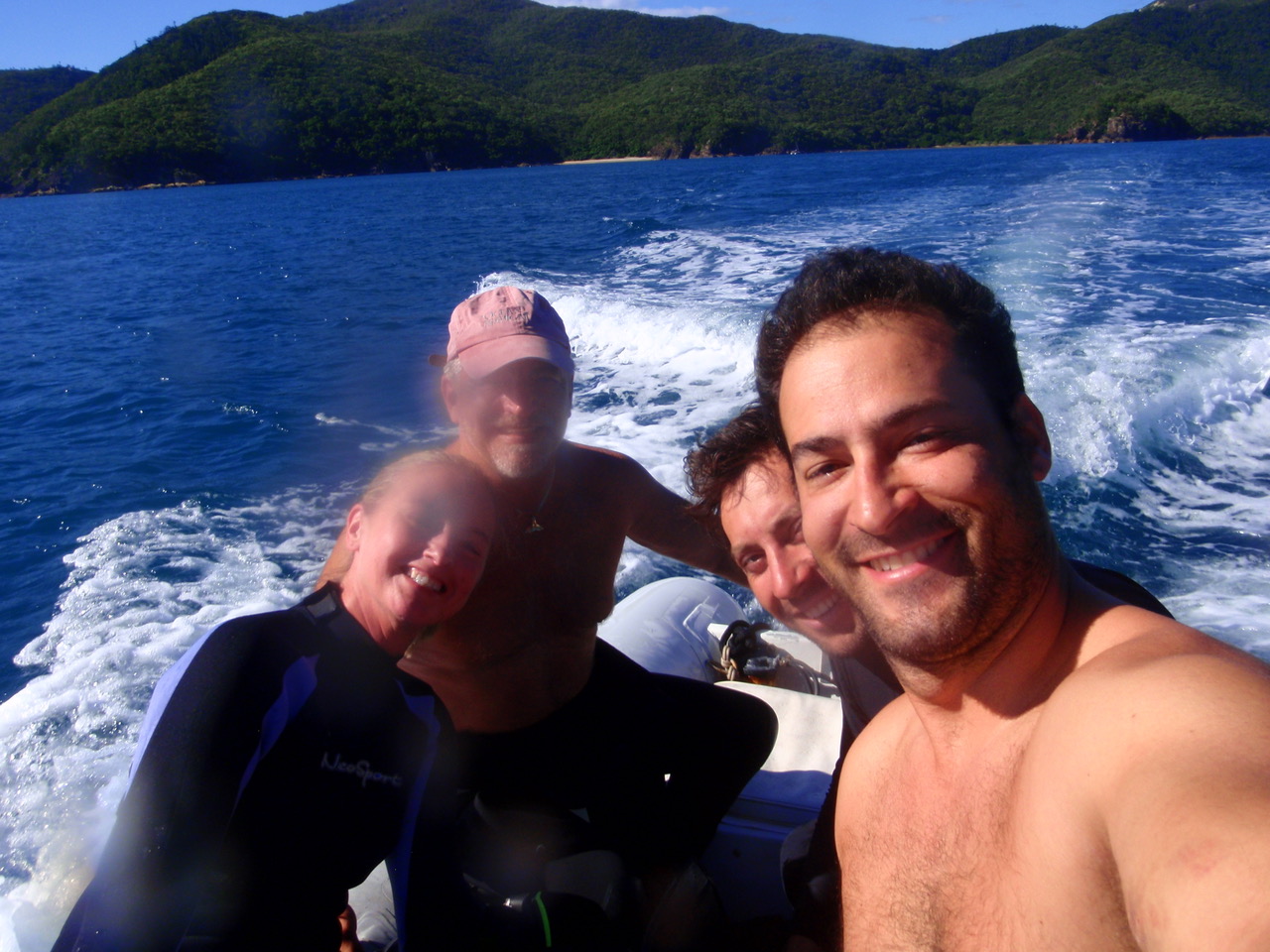
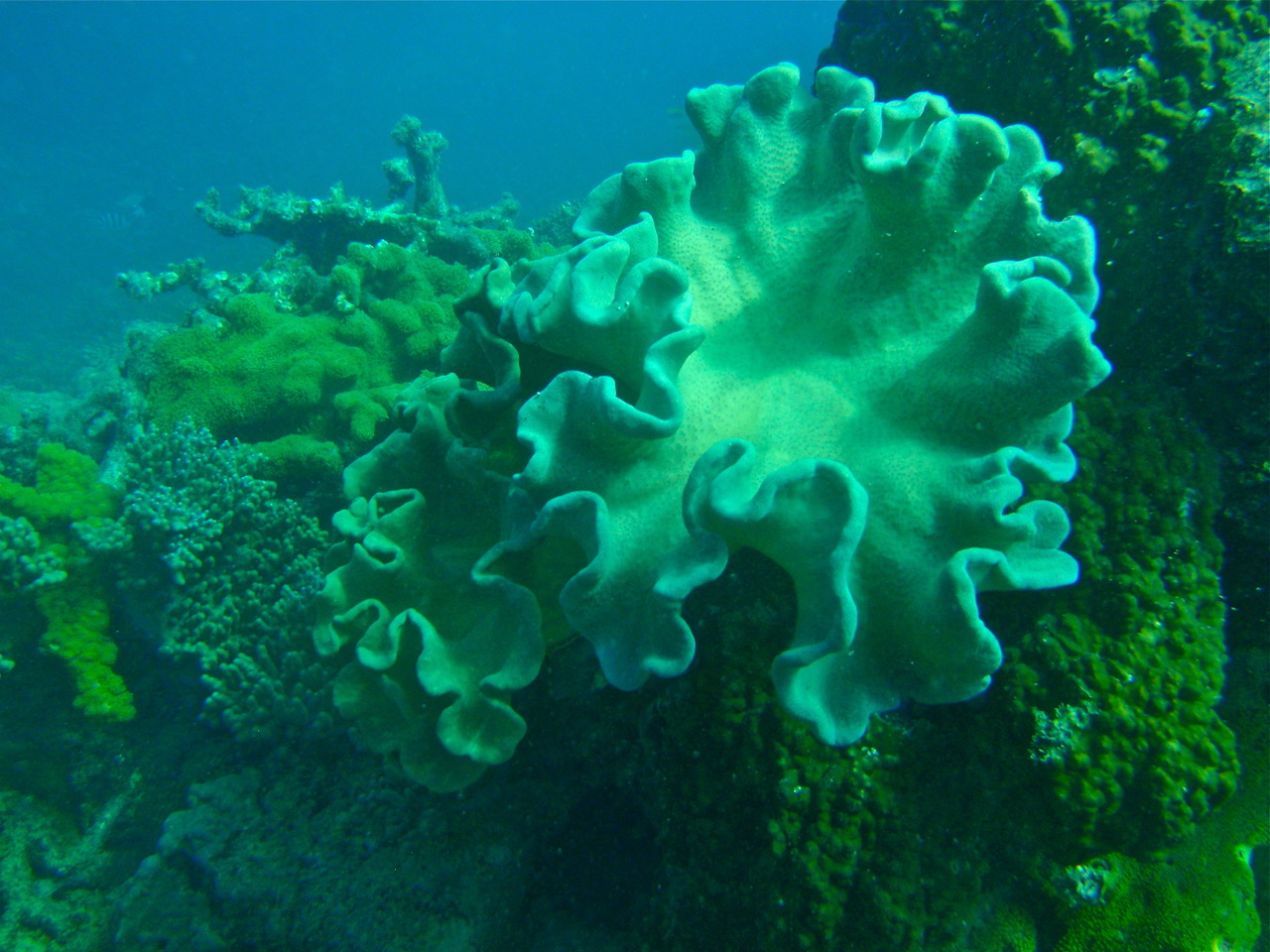
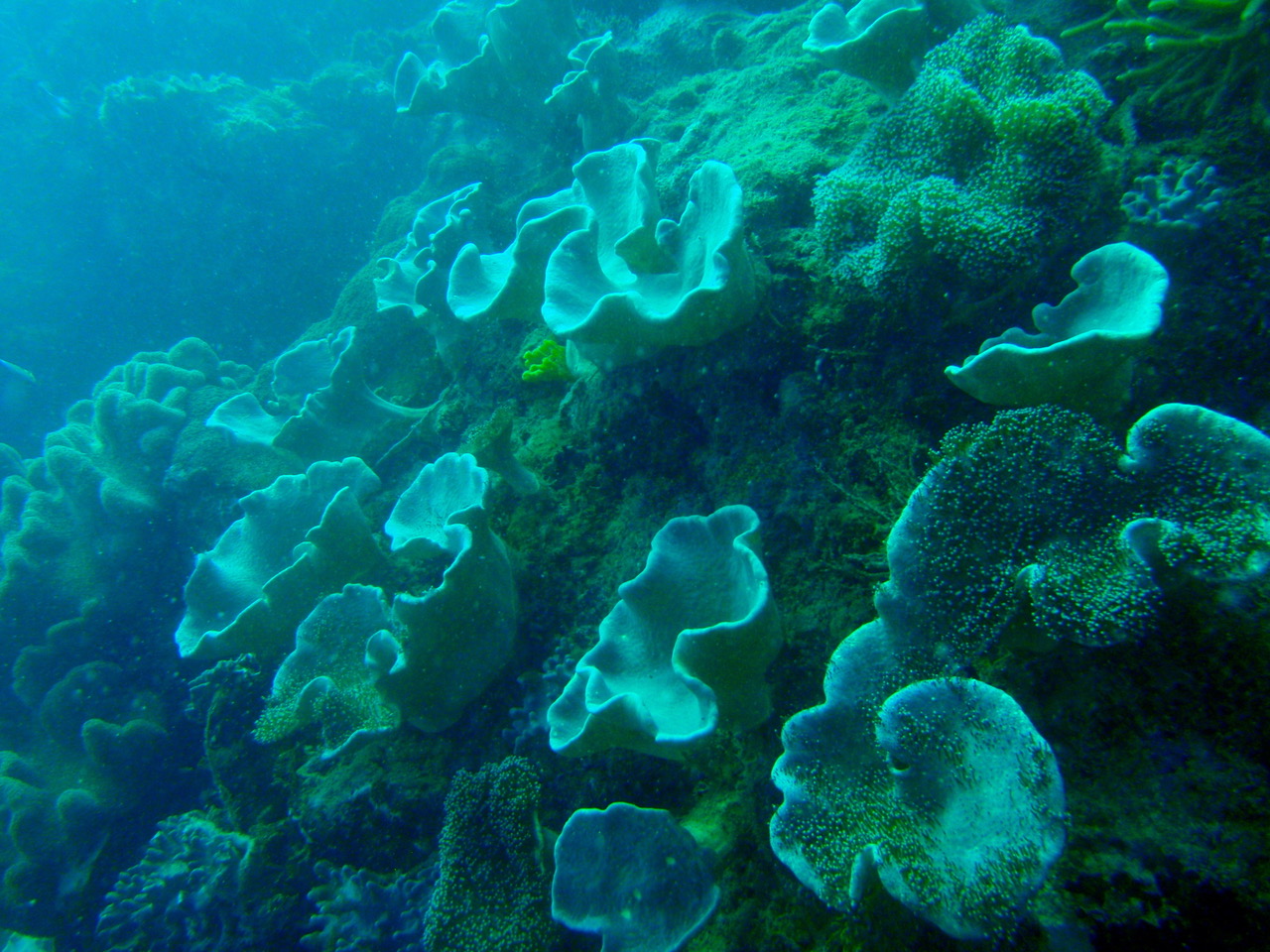
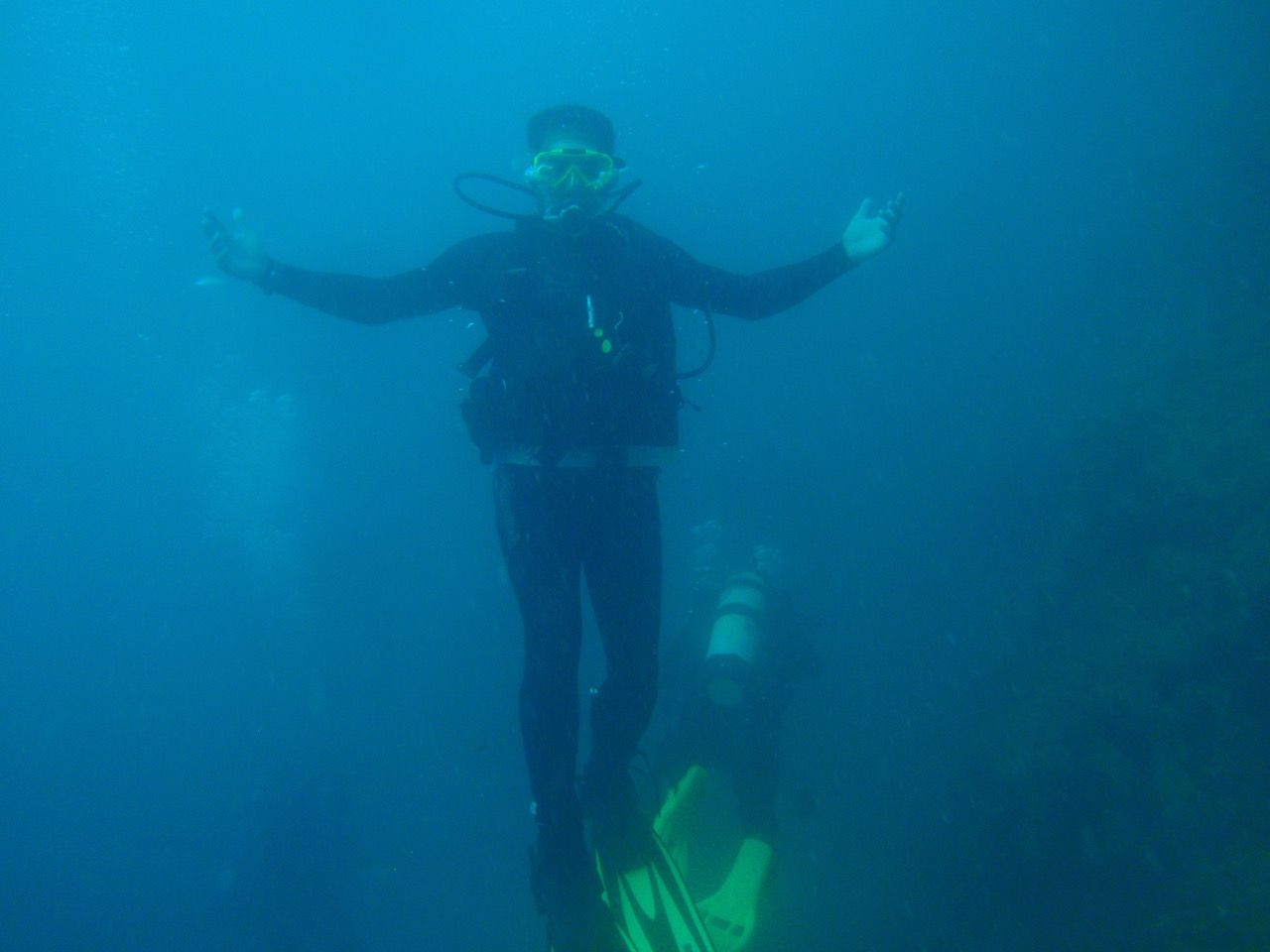
  • 5 days, 7 dives

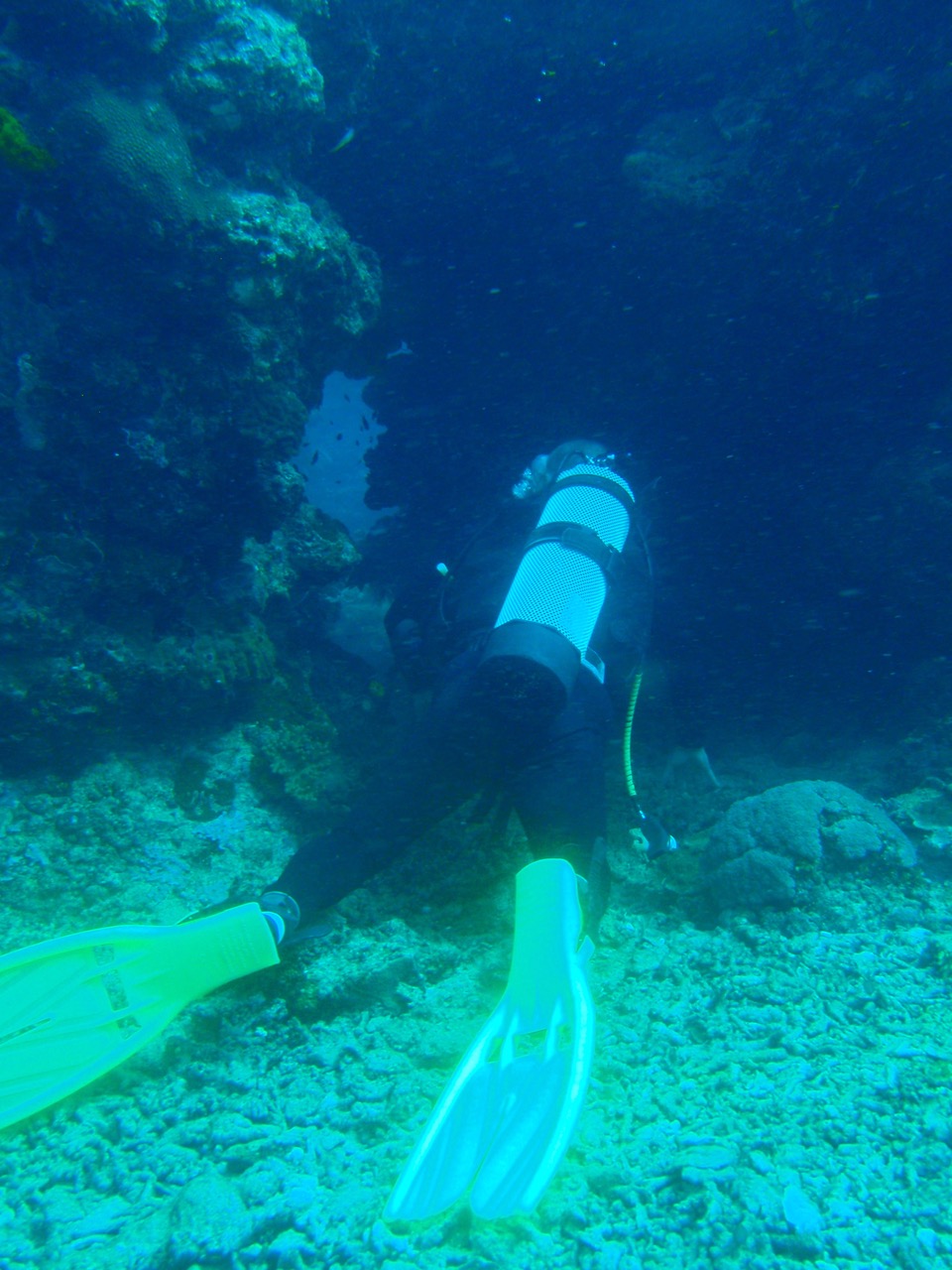
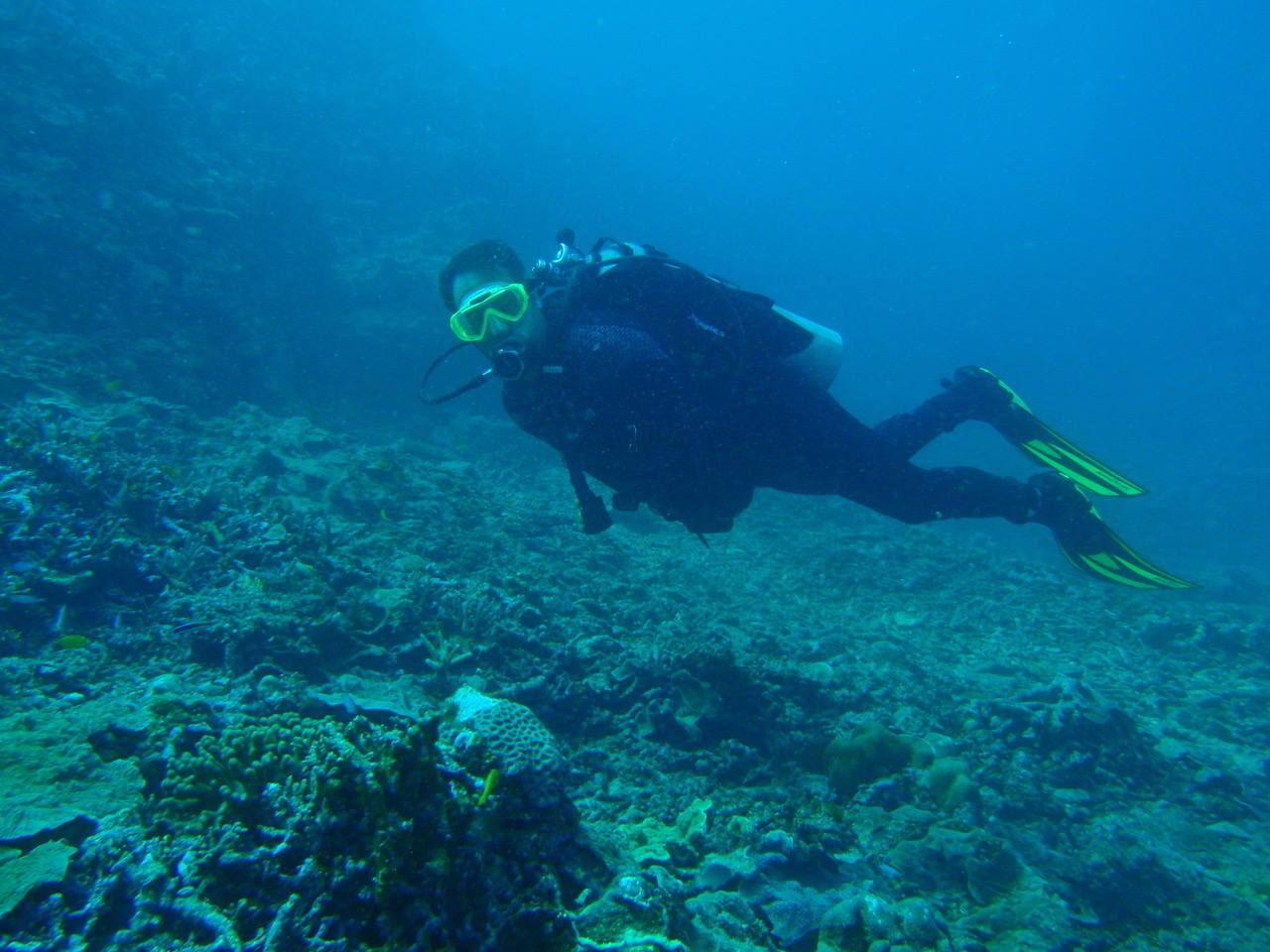
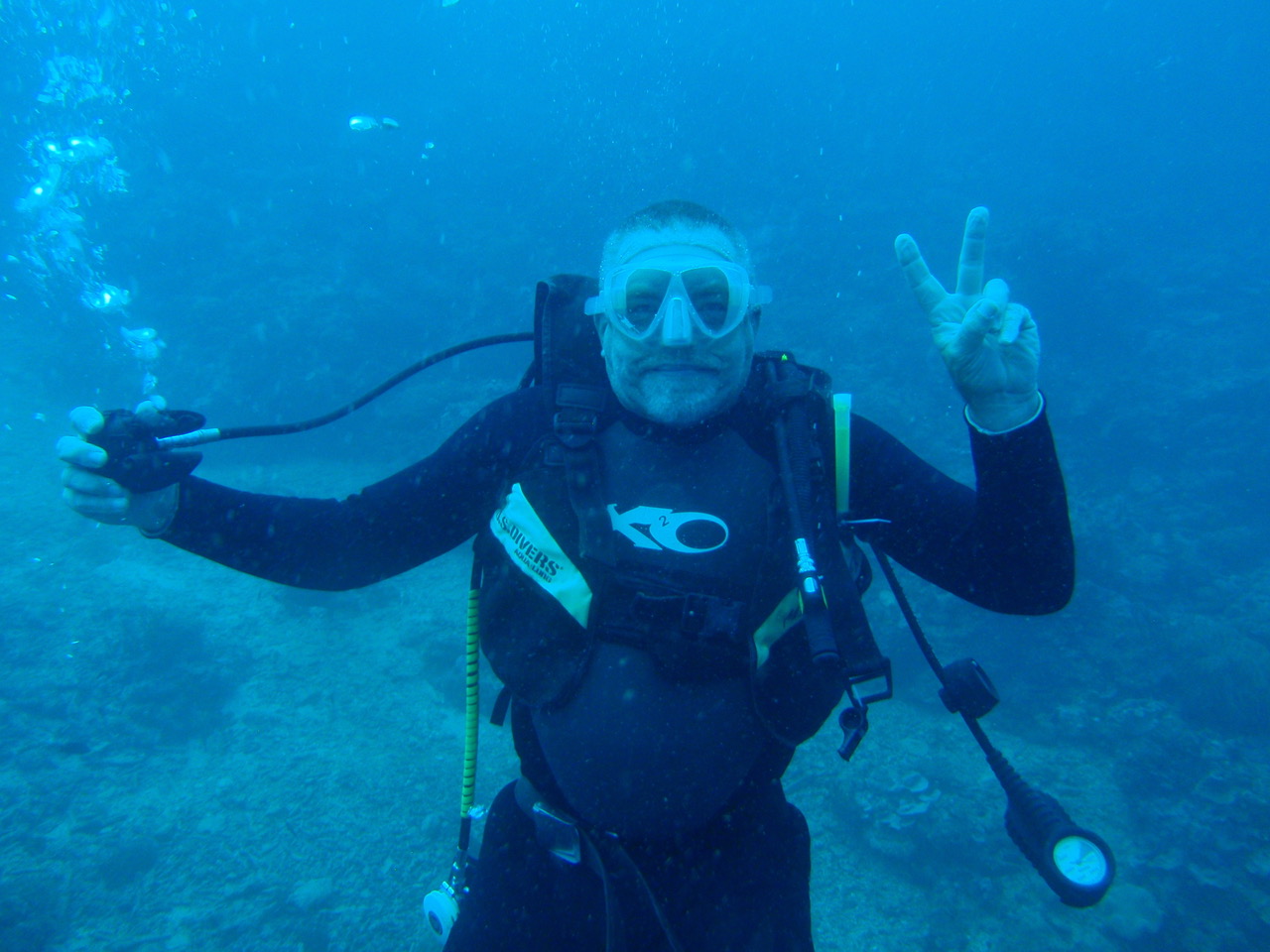
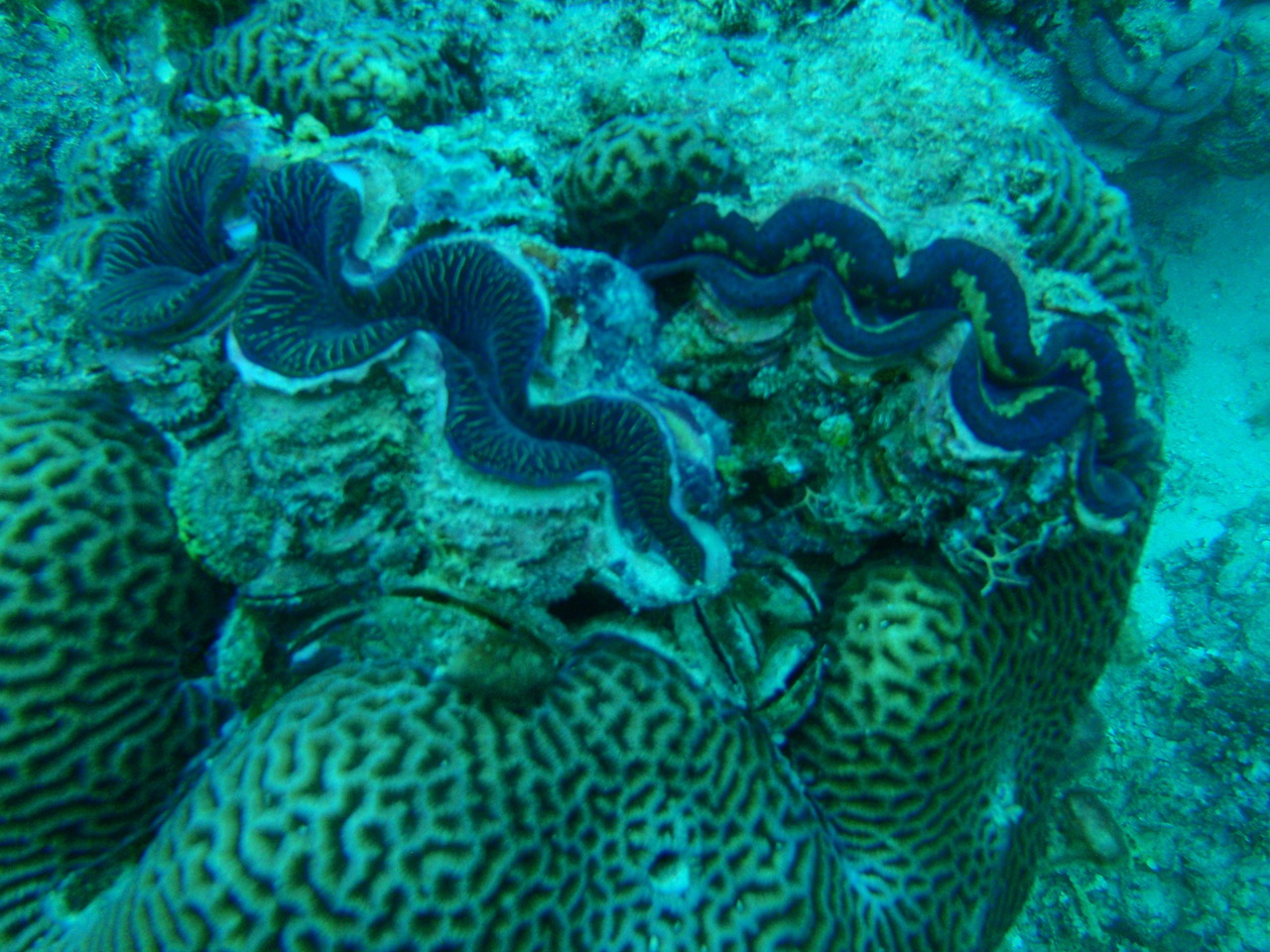
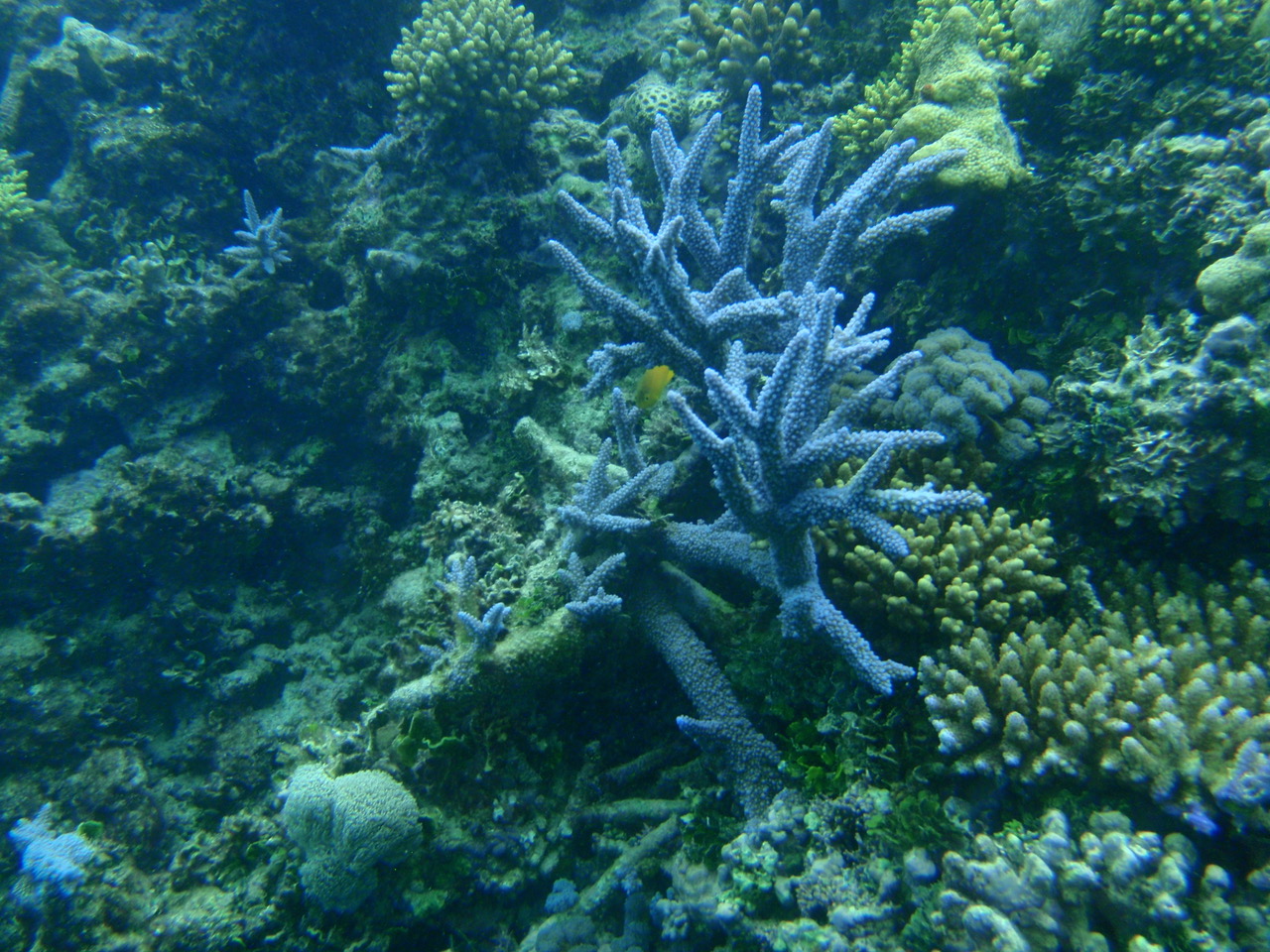
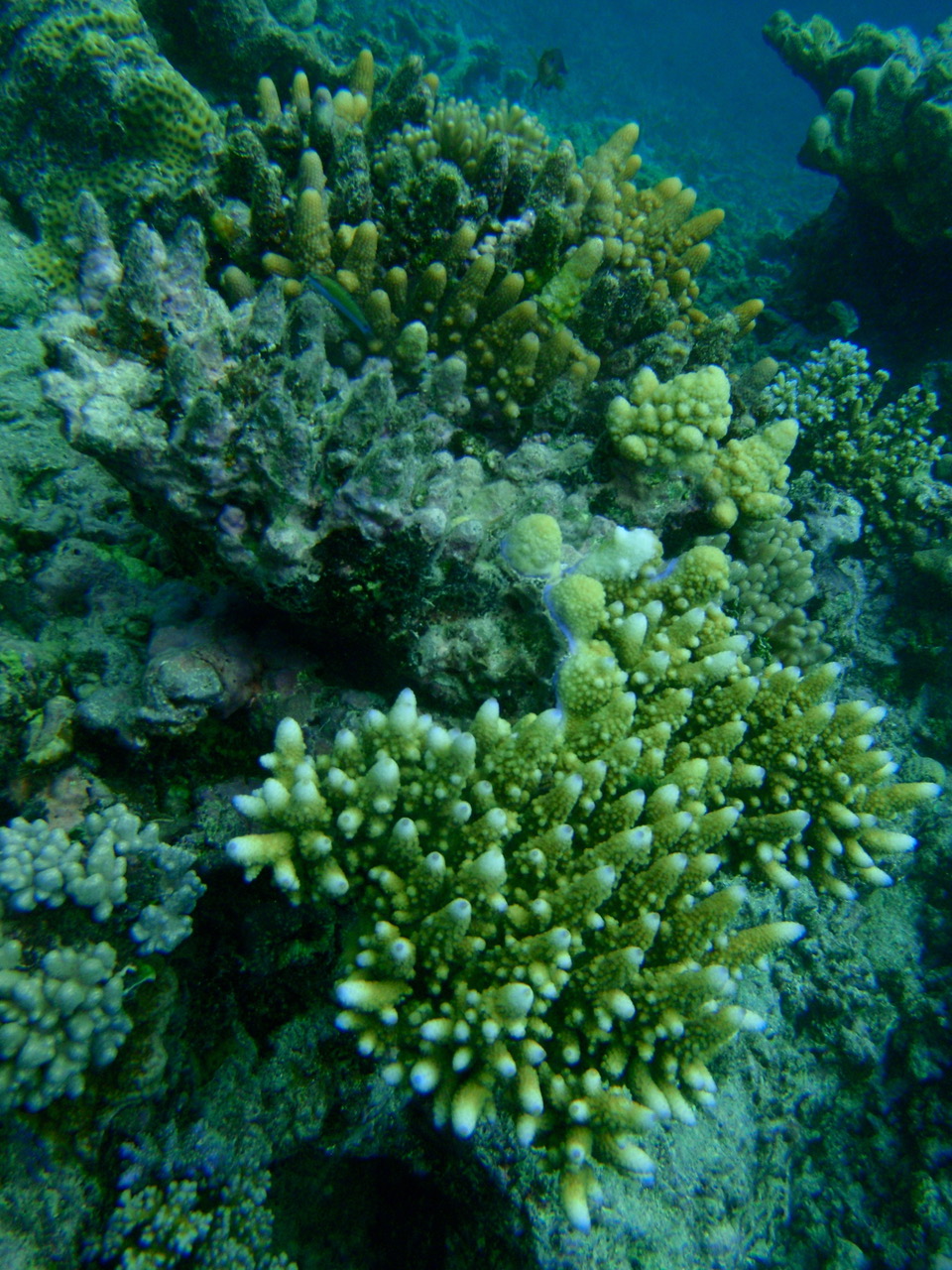
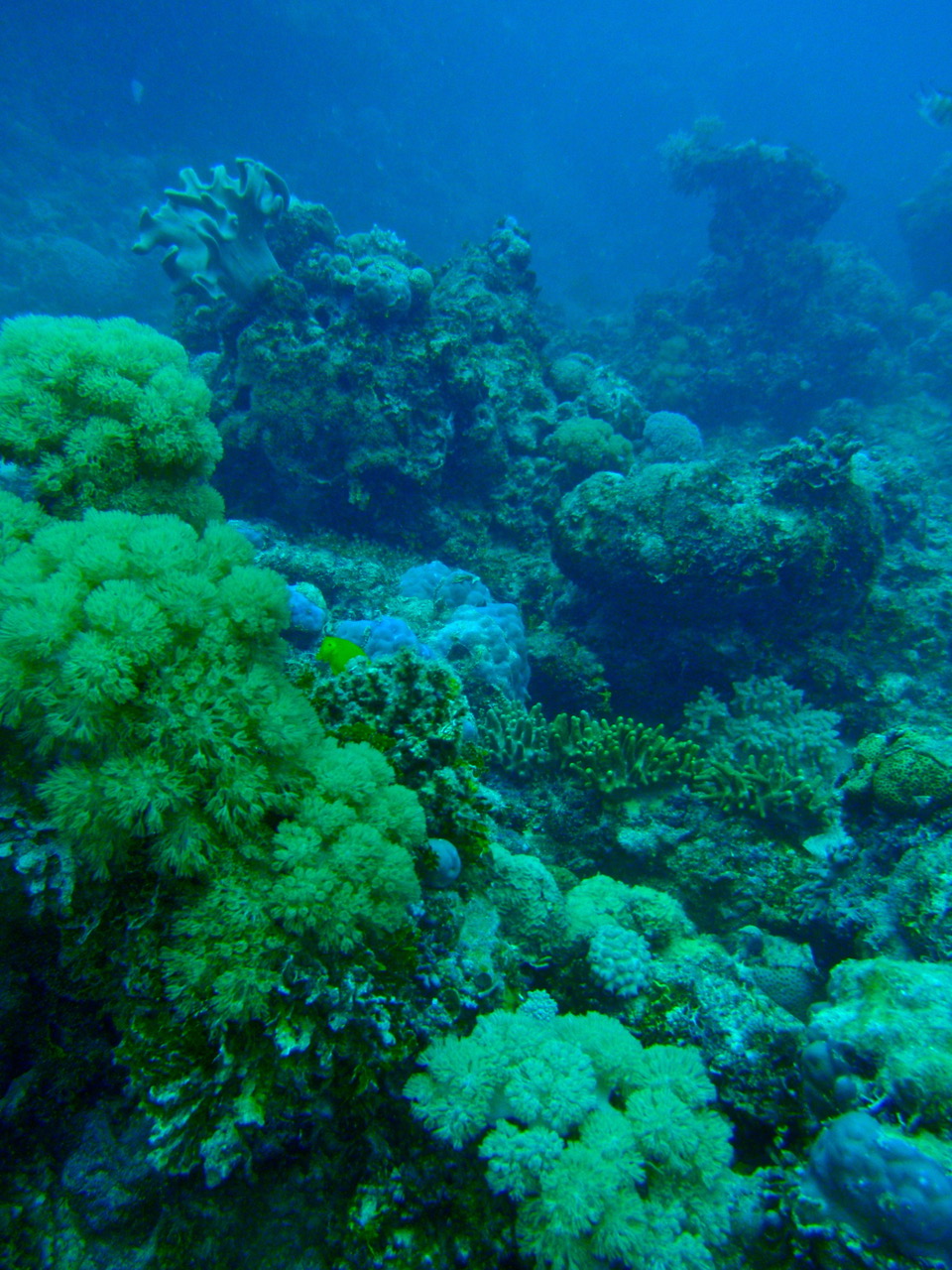
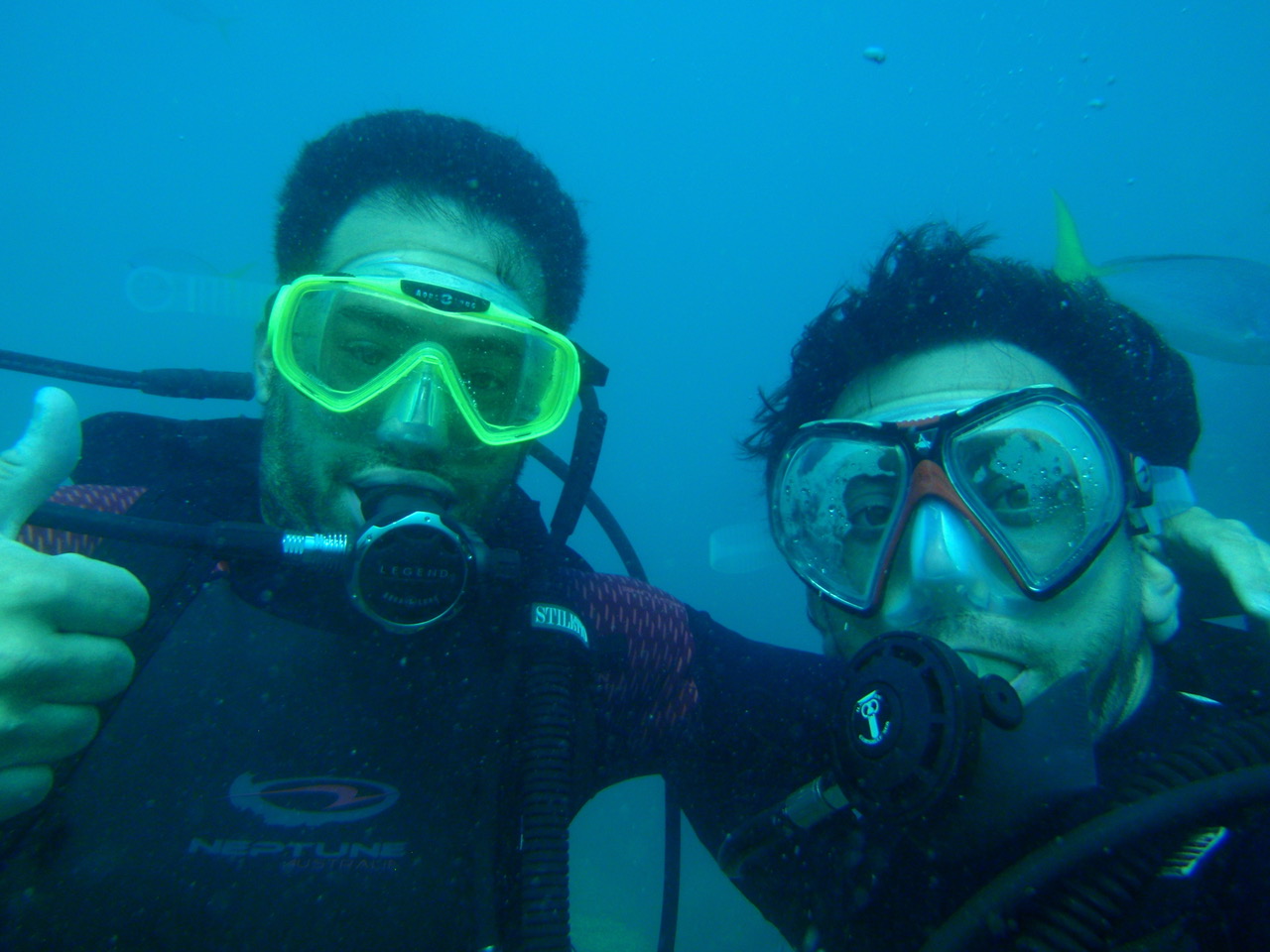
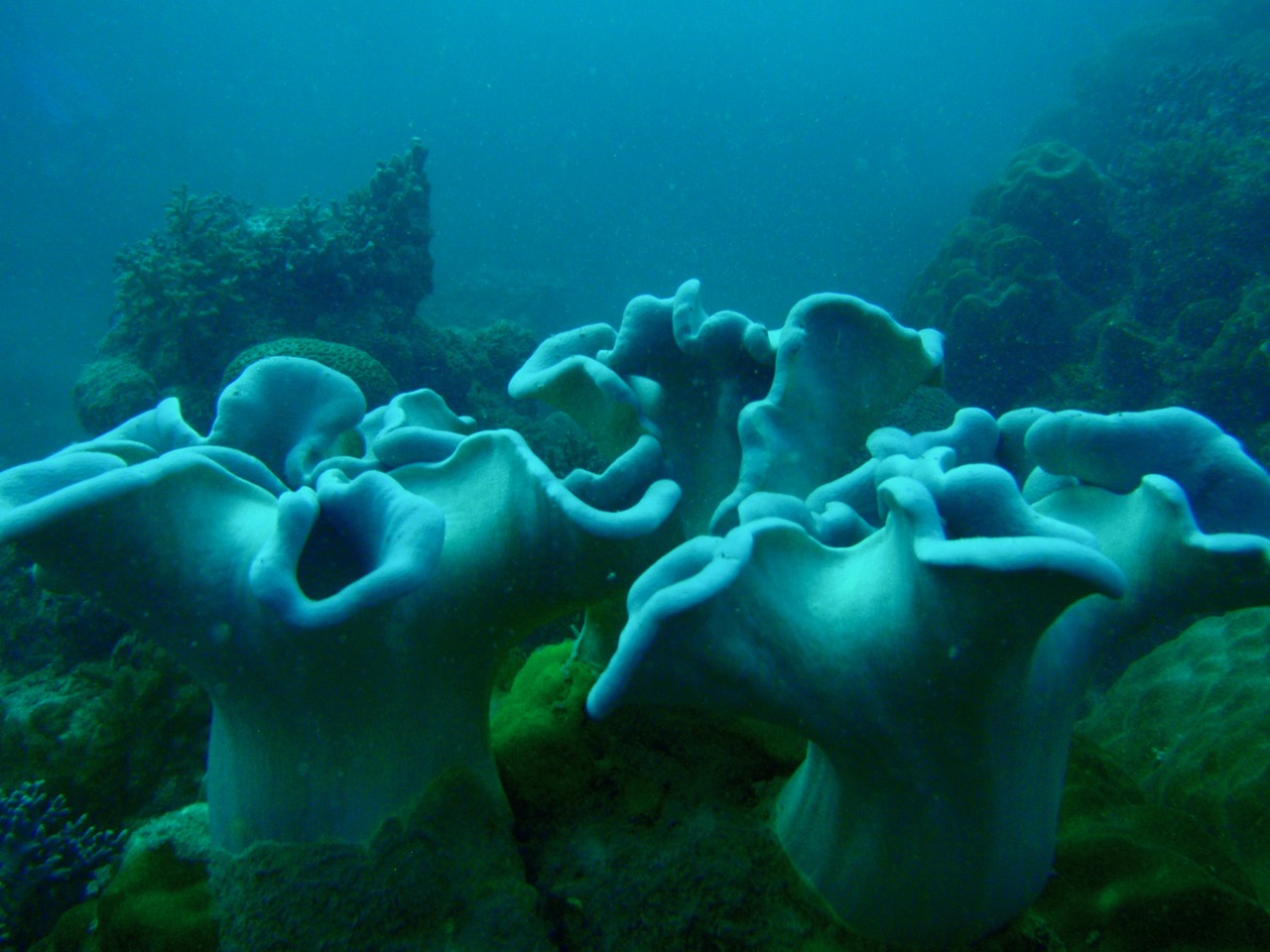
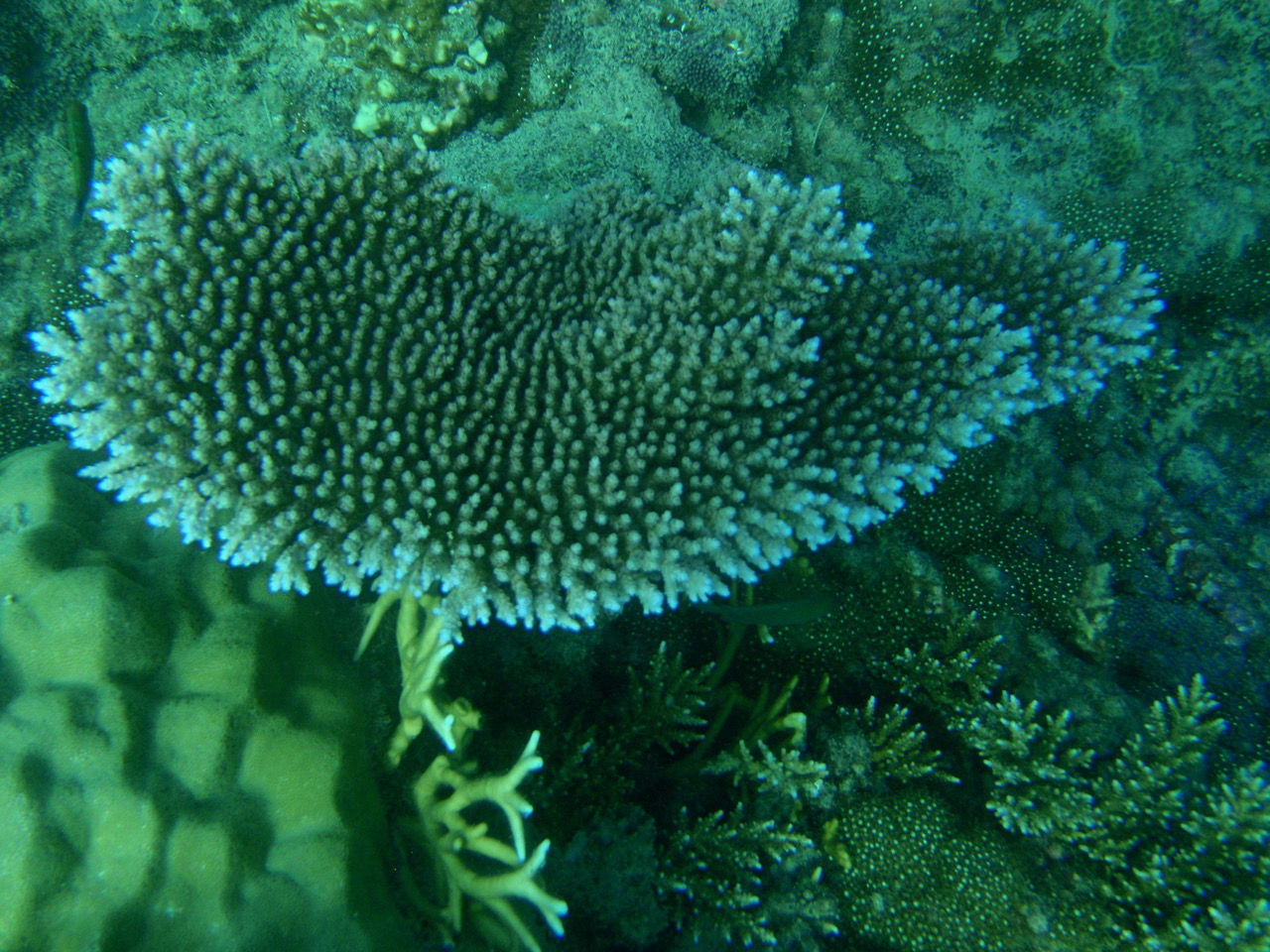
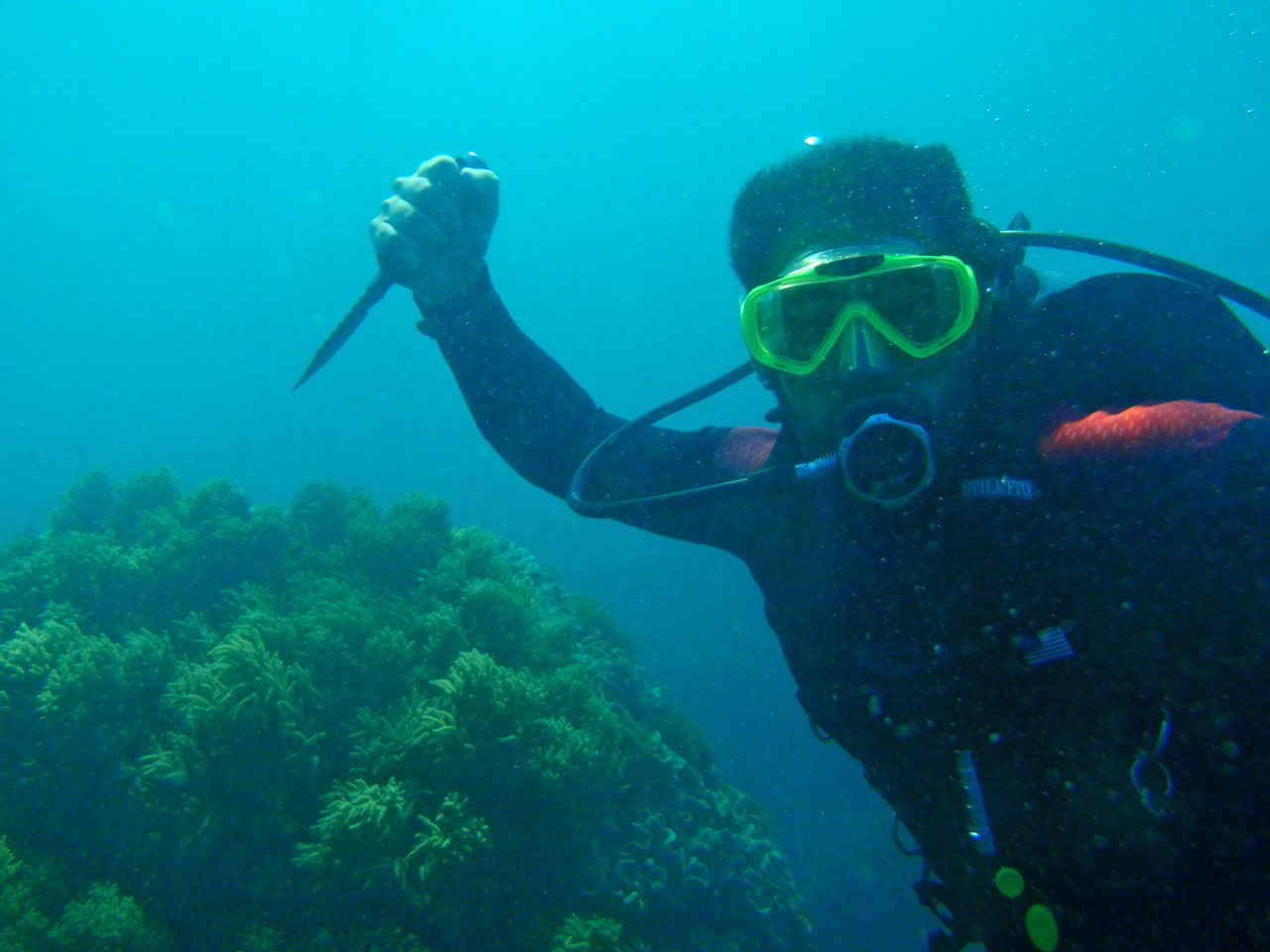
    Our first three dives were off Bait Reef, 30 miles from the Airlie Beach, on the outer section of the Great Barrier Reef. Here the water was clearer than near shore. Bait Reef stays entirely under water.

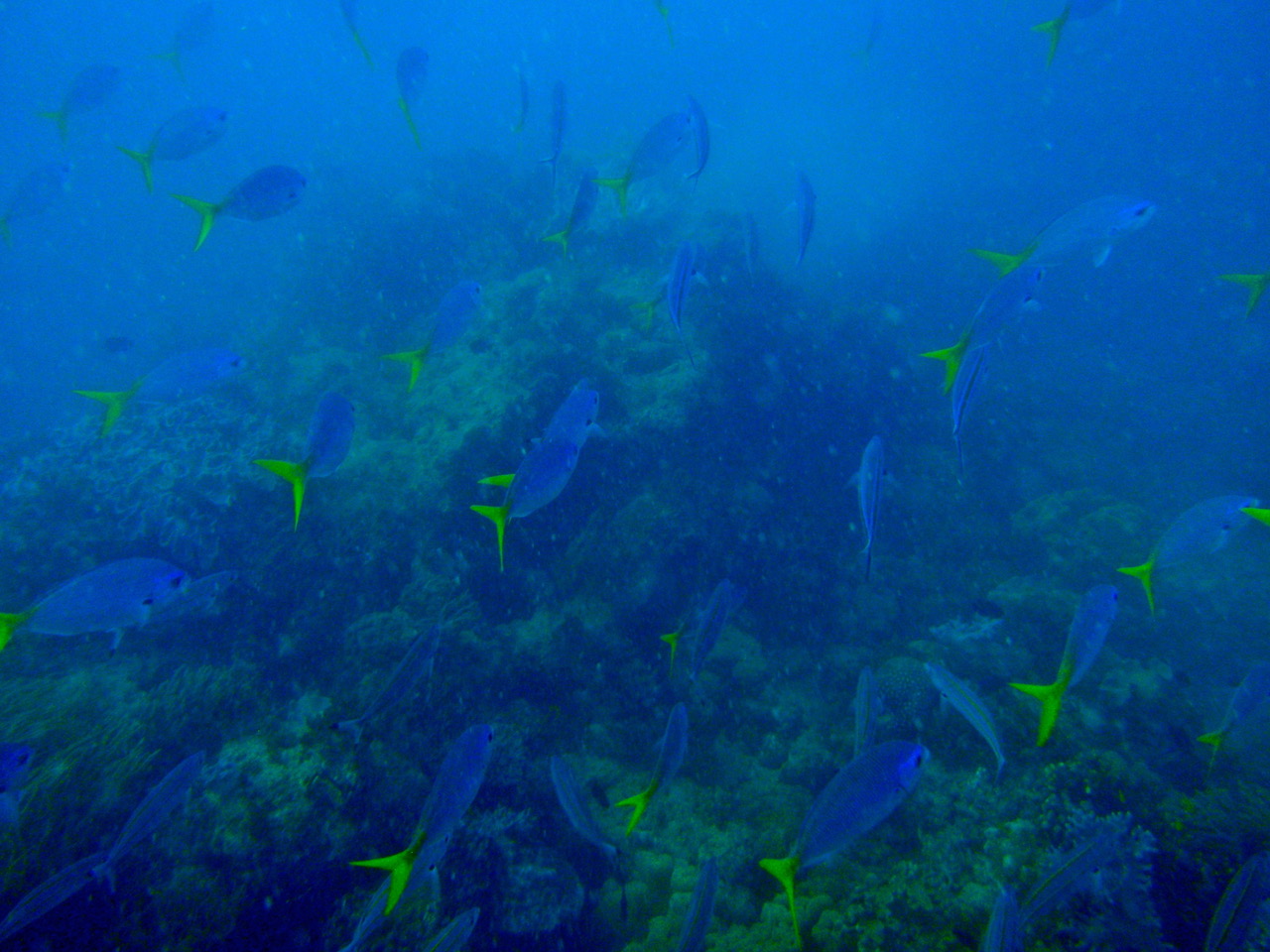
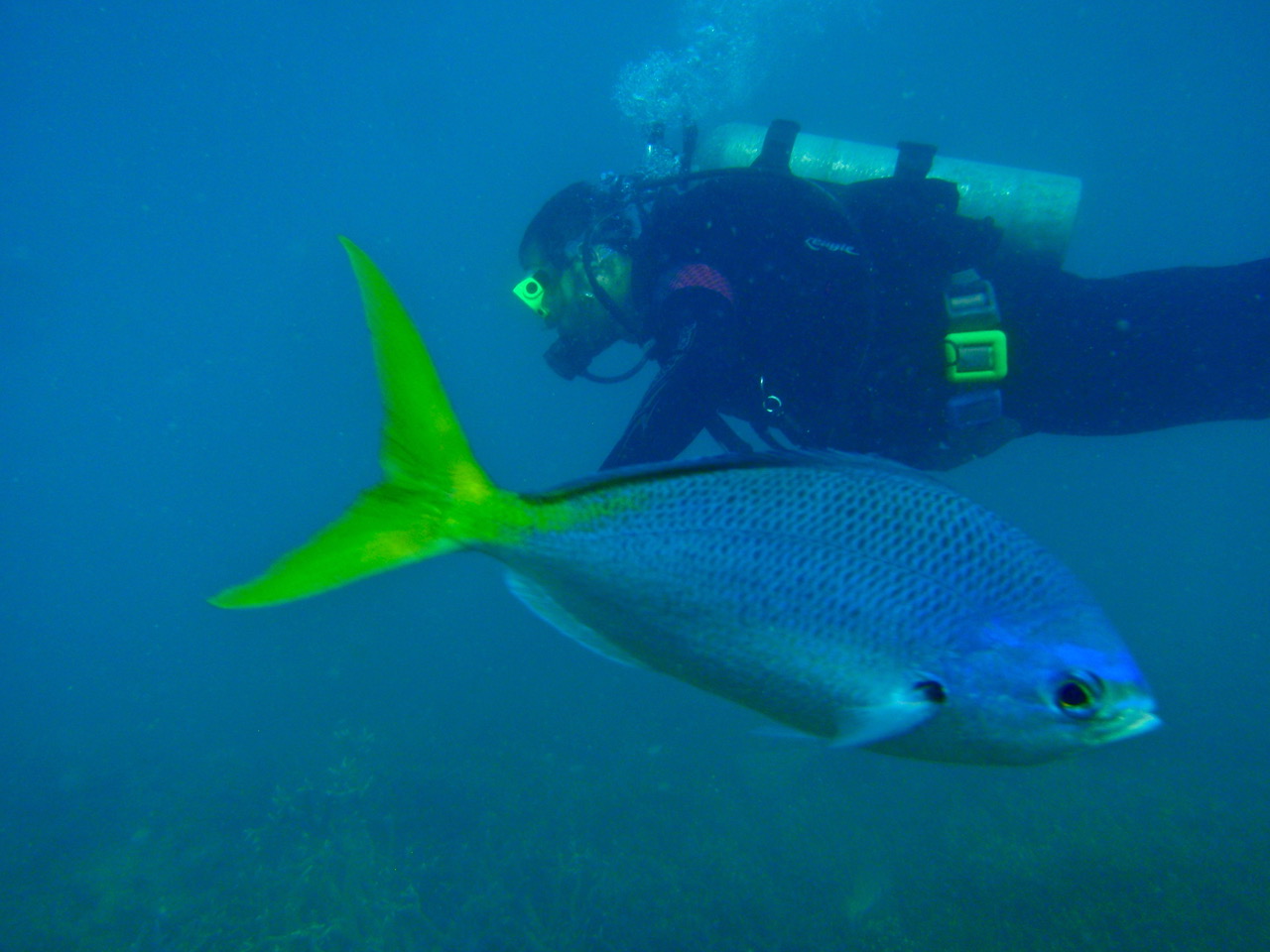
    Our first dive was at night, a disconcertingly amazing experience. Never really knowing where you are, or what is just outside the beam of your torch is eerie. We were surrounded by a school of 3 to 5 foot long tuna. They would dart into the light and just as quick burst away. They would playfully dart into the light, come right up next to you, and then quickly burst away and after five feet they would be out of the light.

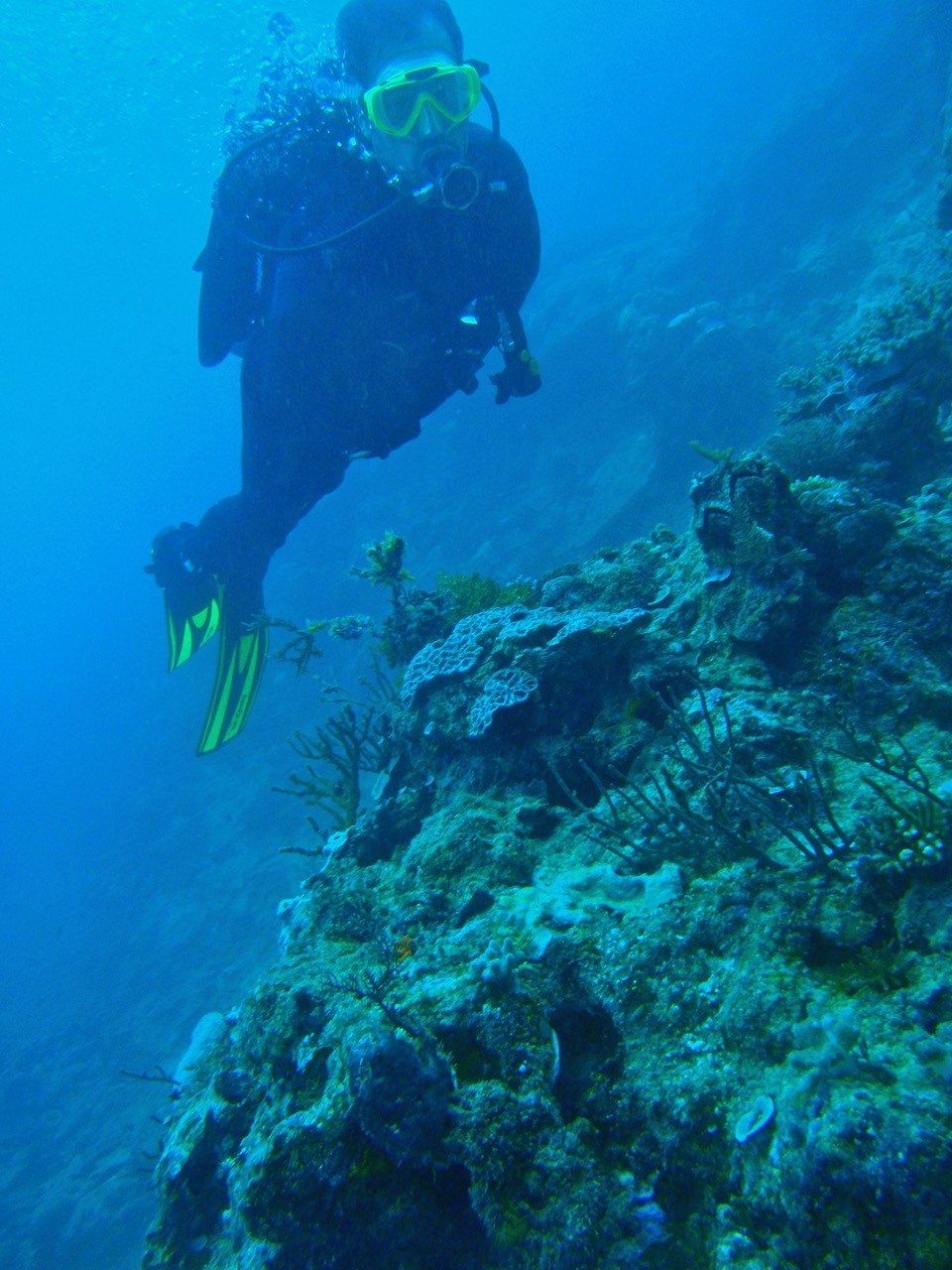
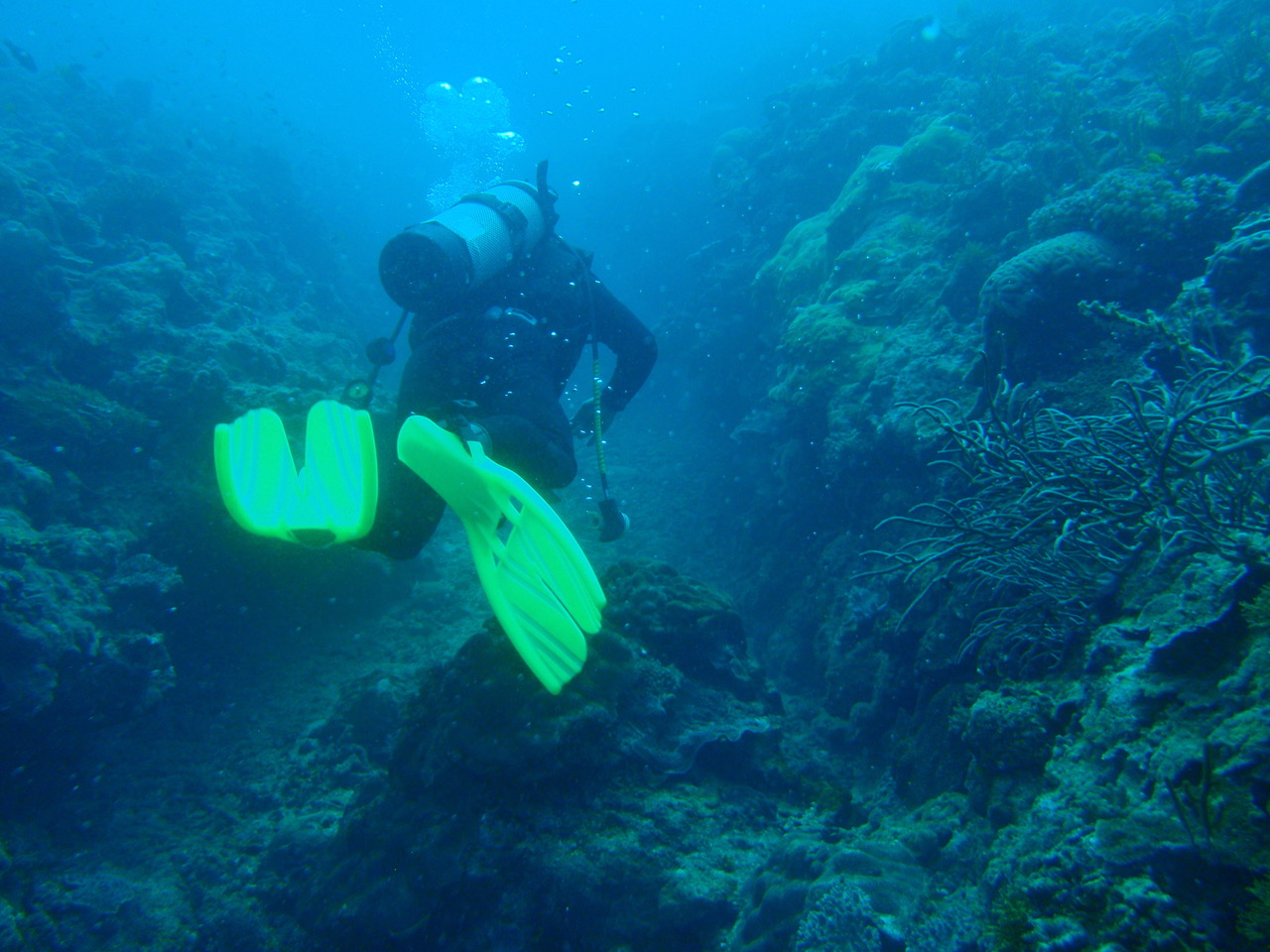
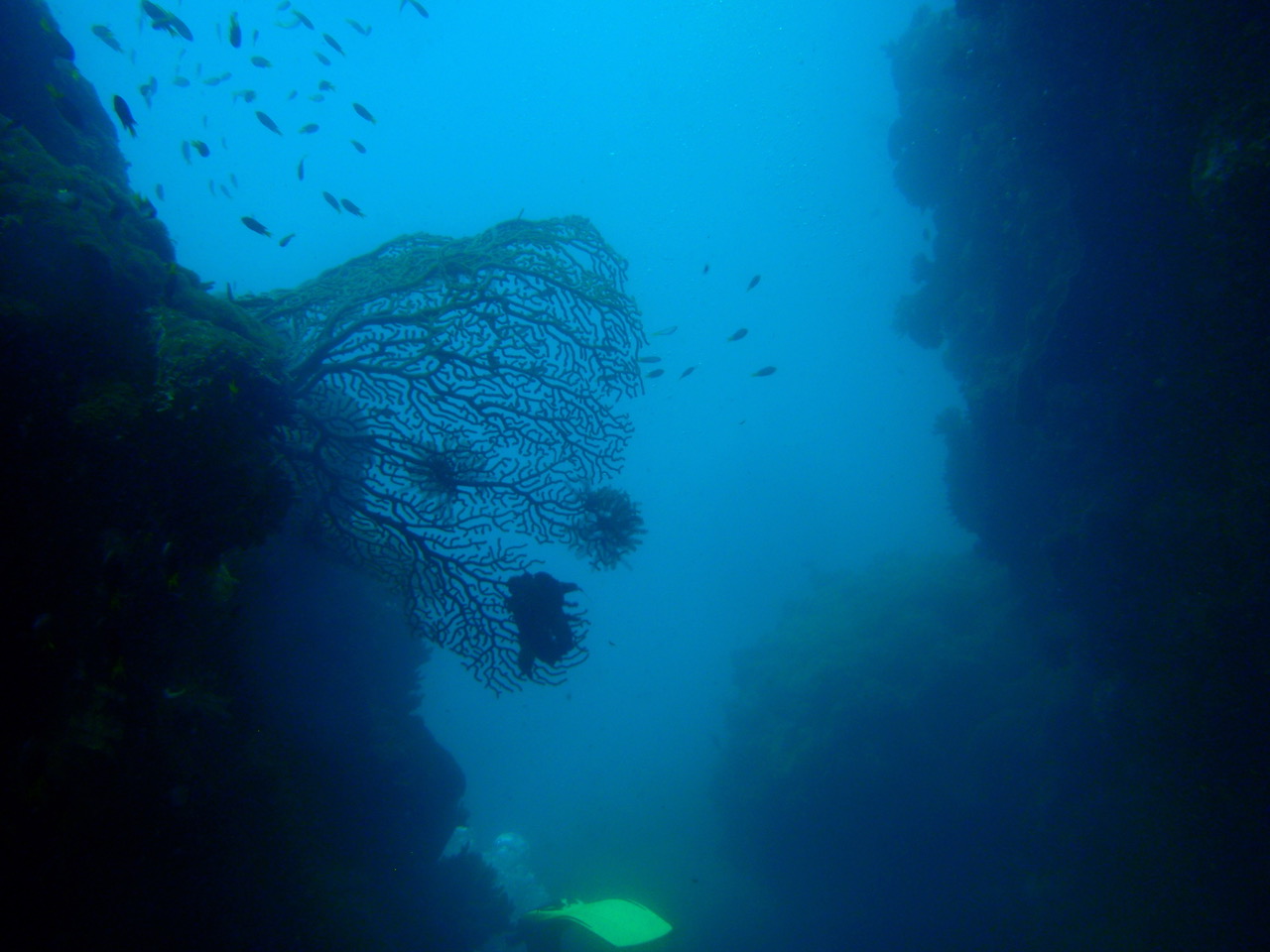
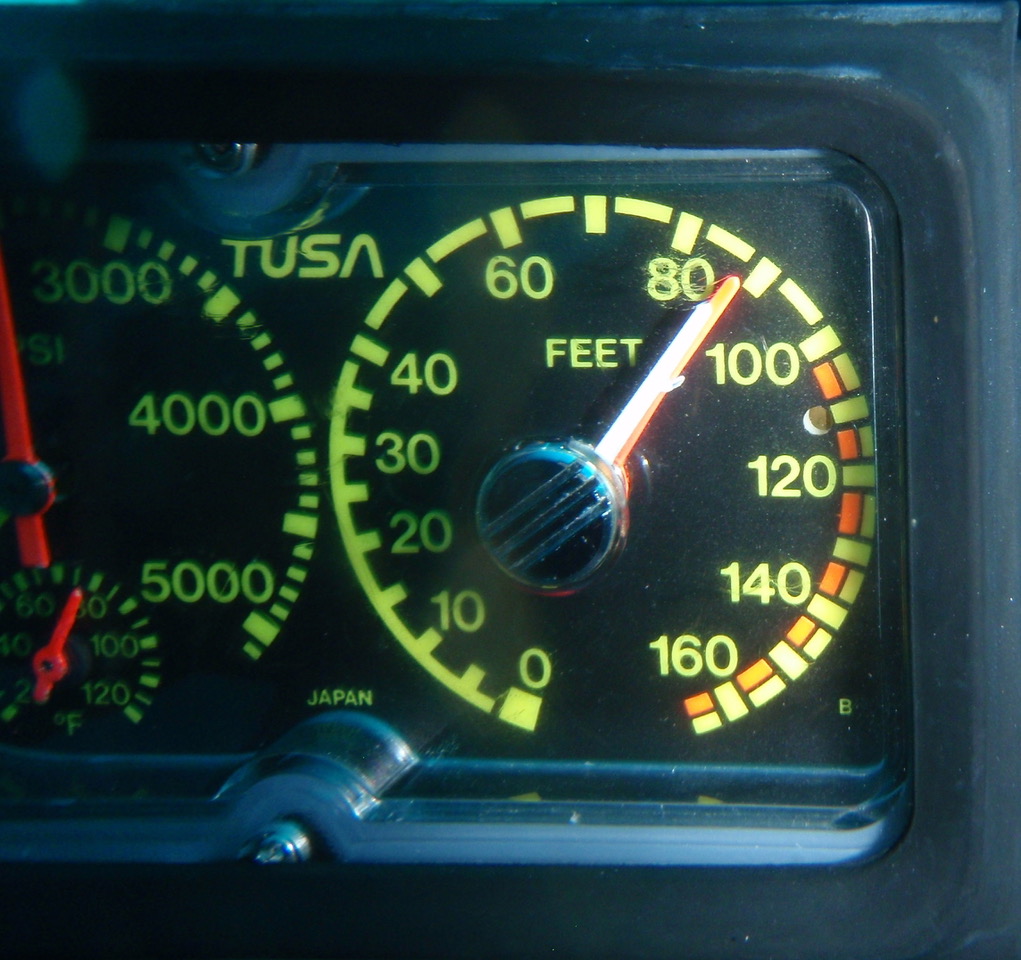
    Second up was a wall dive. A sheer vertical wall took us down to 90 feet; Justin sunk to 100. From there we meandered and drifted along the wall, slowly making our way shallower and through gullies and overhangs and swim throughs.

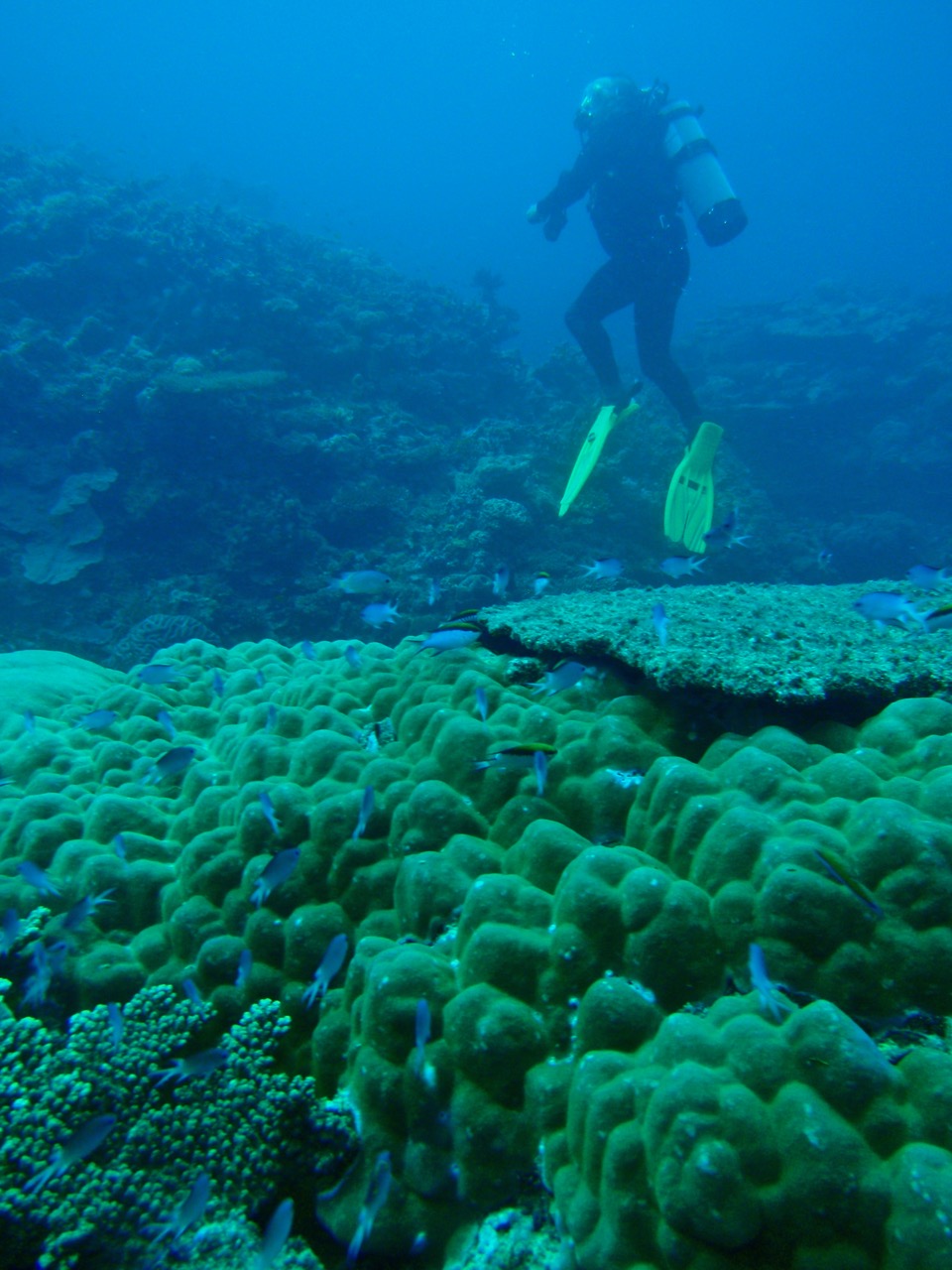
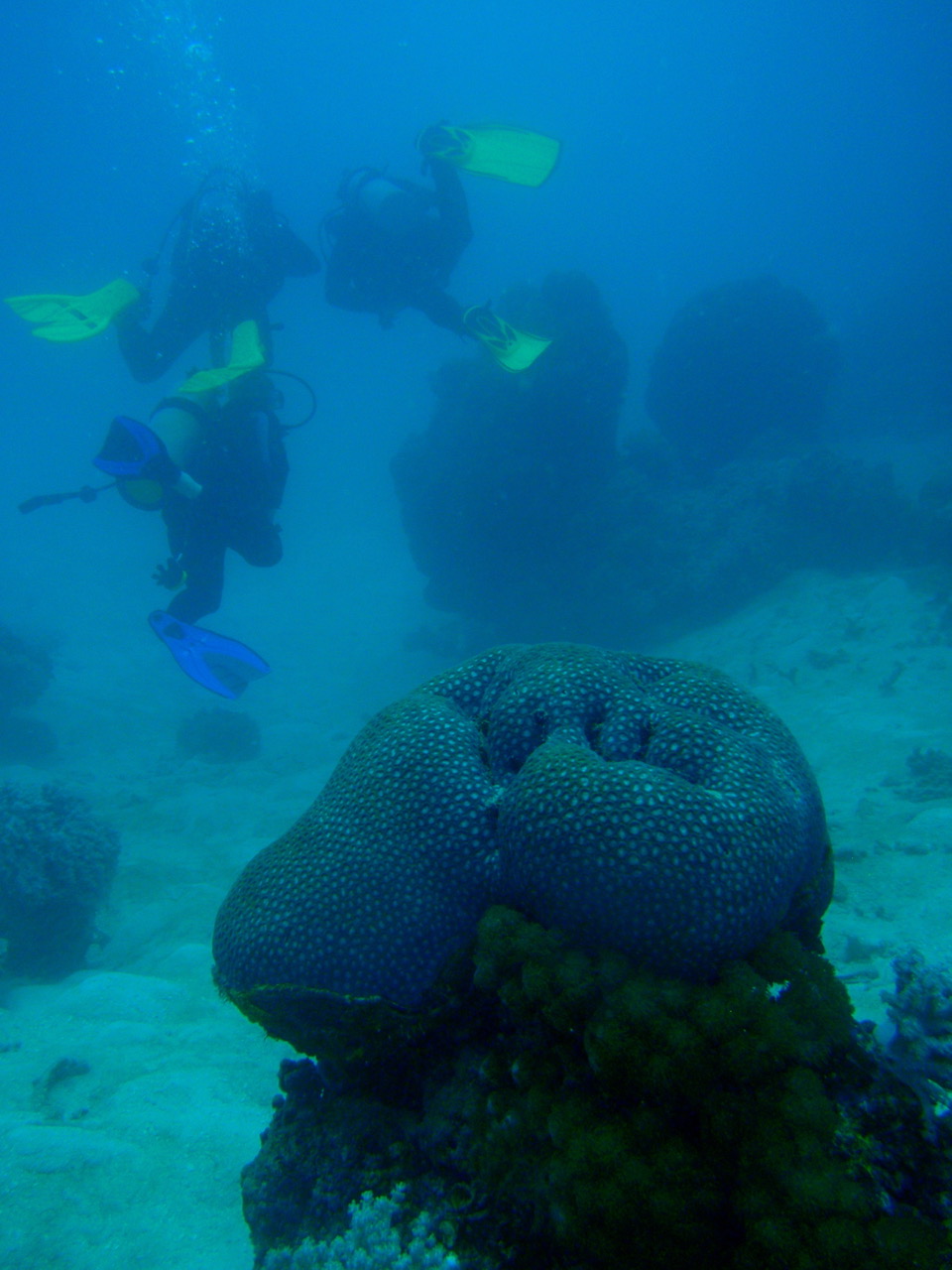
    Third was a shallower dive around what are called the Stepping Stones, seven pillars that vertically rise from 15 meters up to within 1 meter of the surface.

    We then had to unfortunately leave Bait Reef without visiting nearby reefs, as a front moved in bringing with it 25 -30 knot winds. The winds whipped the water across the reef and made for a terrible place to hang out. Bobbing and swaying, we labored to get the dinghy out of the water and make for calmer anchorages.

    At Hook Island, we dove the Western tip of Butterfly Bay, an enjoyable outing, where Justin spied a small shark.

    We then dove on the eastern side of Manta Ray Bay, unfortunately spying no Manta Rays. The season for them is May through September, but we haven’t been lucky enough to catch a glimpse of one yet.

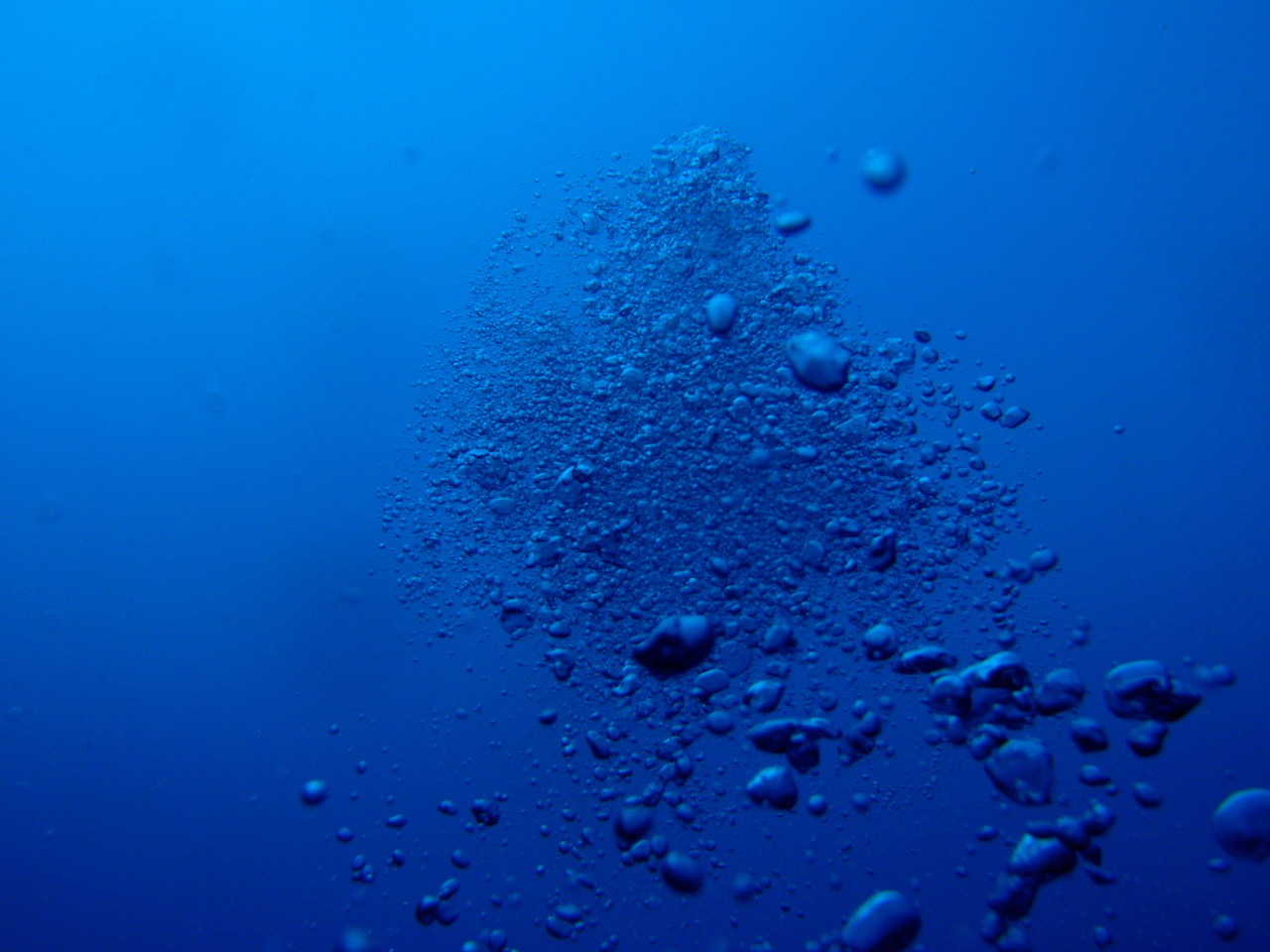
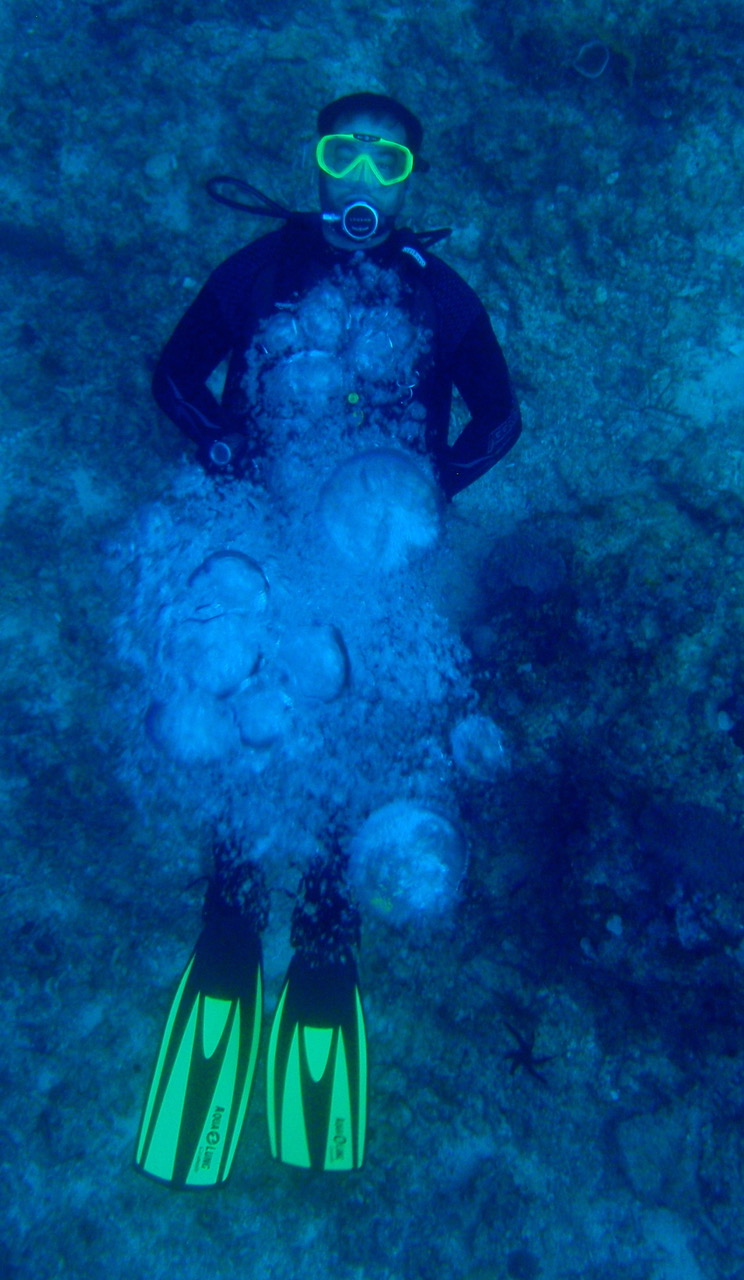
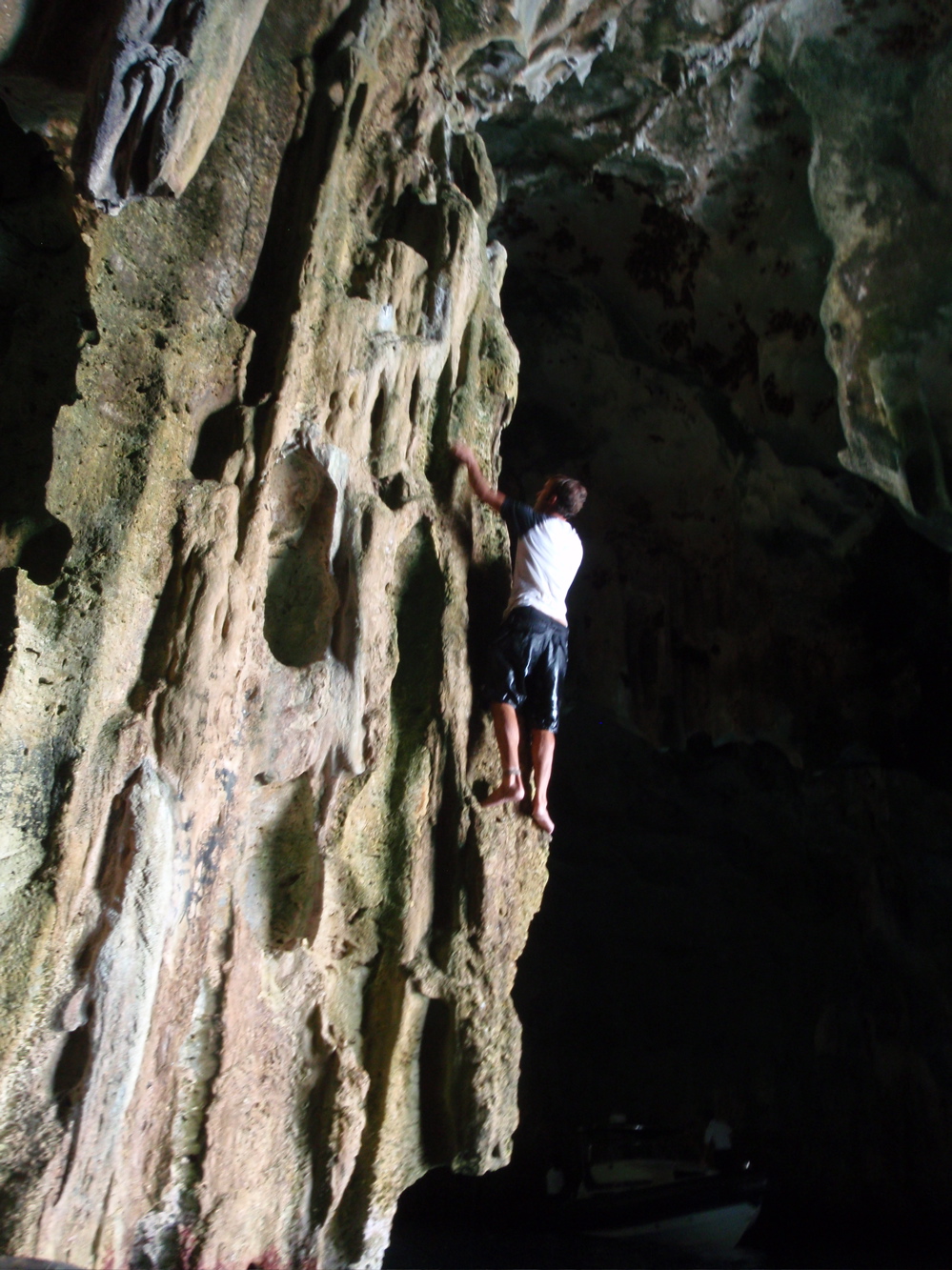
    The west side of Pinnacle Bay was next, adjacent to a rock-cliff named the wood pile that begs to be the site of some cliff diving and which I spent an afternoon scrambling and doing a little climbing on. An awesome 10 foot roof crack juts out over the water; a better climber than me would love having a go at it. I just admired it and wished I was a better climber. This dive was a bit disappointing with respect to fish, coral and visibility, given it’s hype in various guidebooks. It did have, however, some fantastic coral formations, huge overhangs, deep slots to swim through and a couple of tunnels. I spied one tiny tunnel with a sliver of light coming through it. I motioned for Justin to come check it out and jokingly hand signaled for him to swim up it. To my surprise, he took me up on it and started to gingerly make his way through. Soon, his fins had kicked up a cloud of dirt as he angled up and through. I ascended along the coral watching bubbles filter up through what seemed to be an impenetrable mass of coral. Justin was nowhere in sight. I then crested over a hump of coral and there was Justin, his upper body poking out of the end of the tunnel, as he gingerly twisted and squeezed through the last, tightest spot.

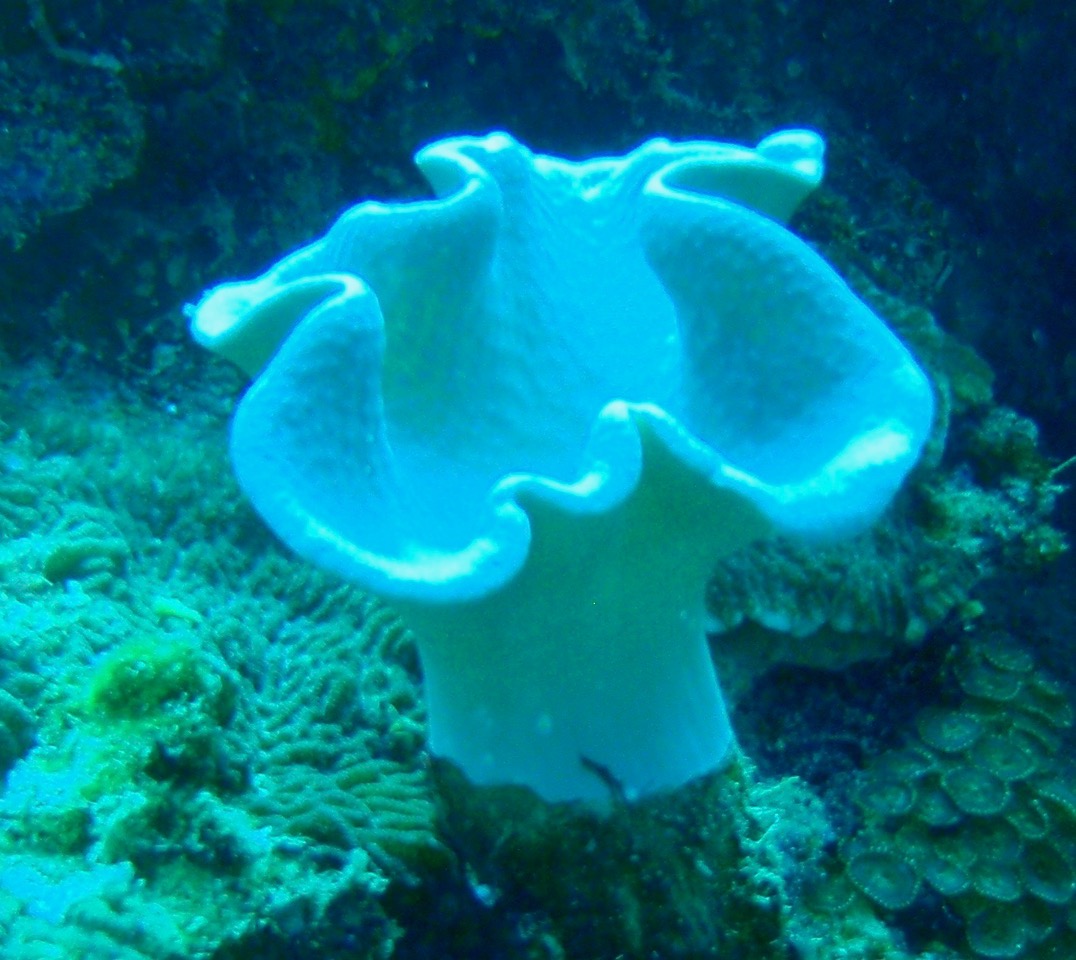
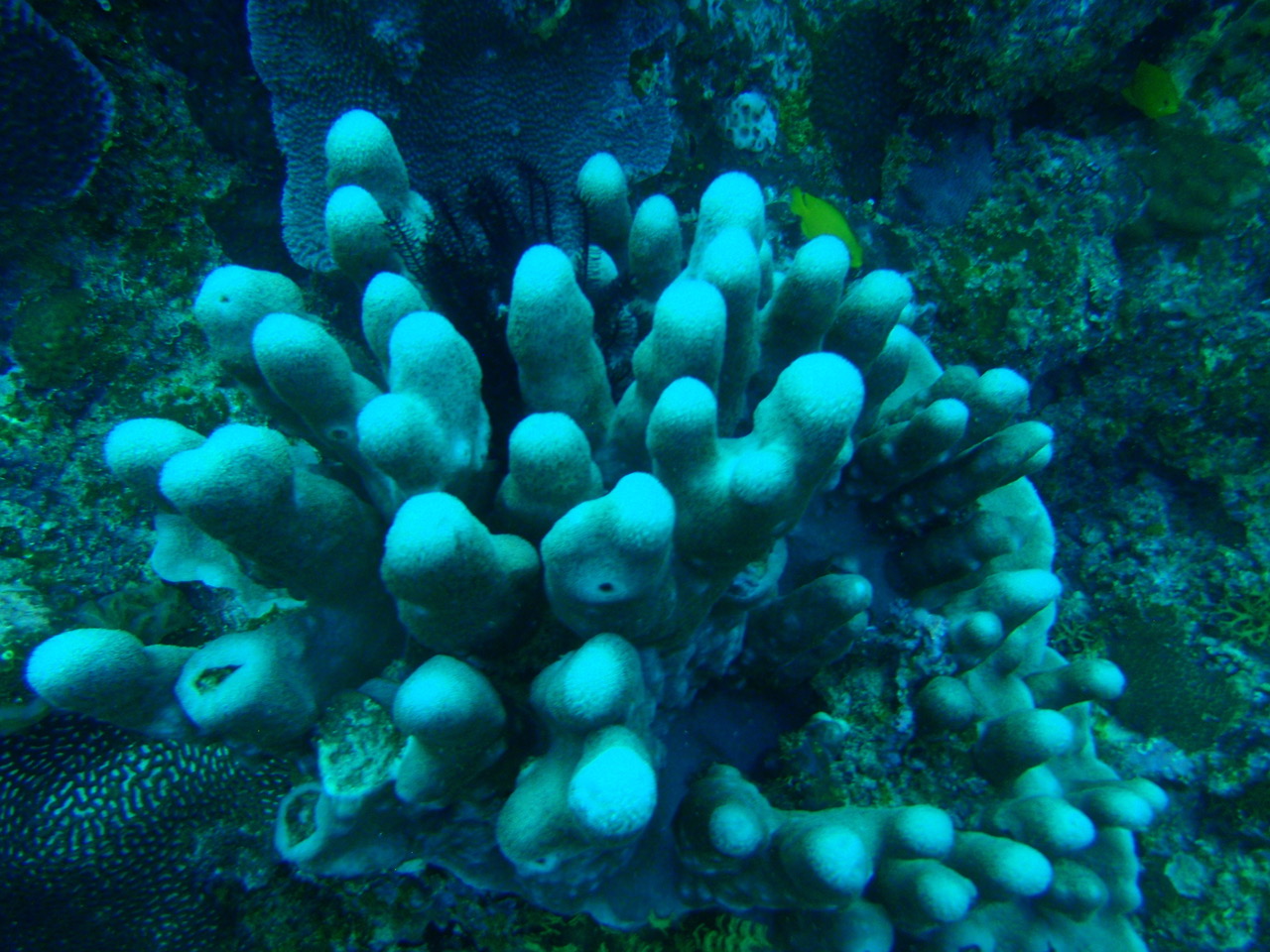
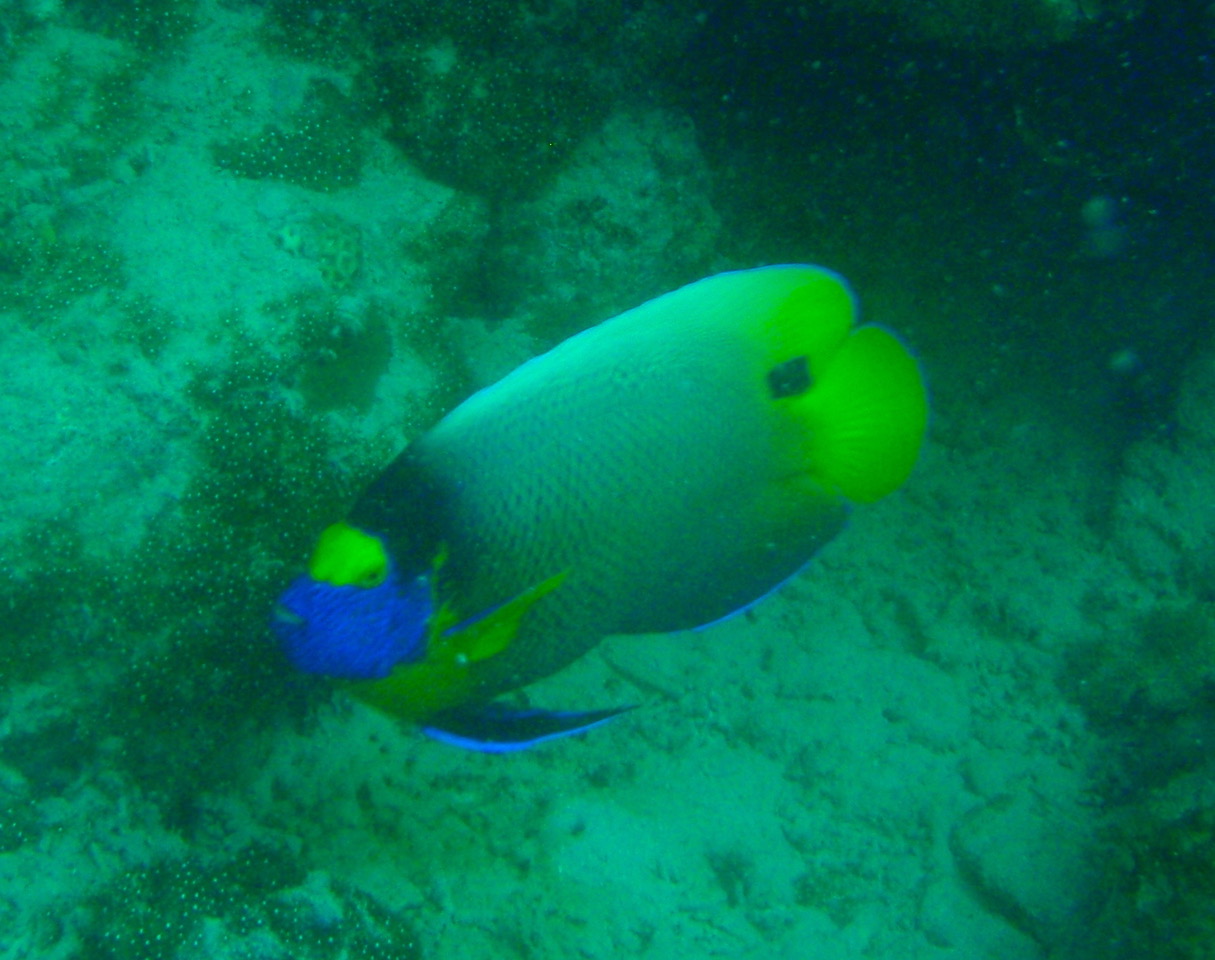
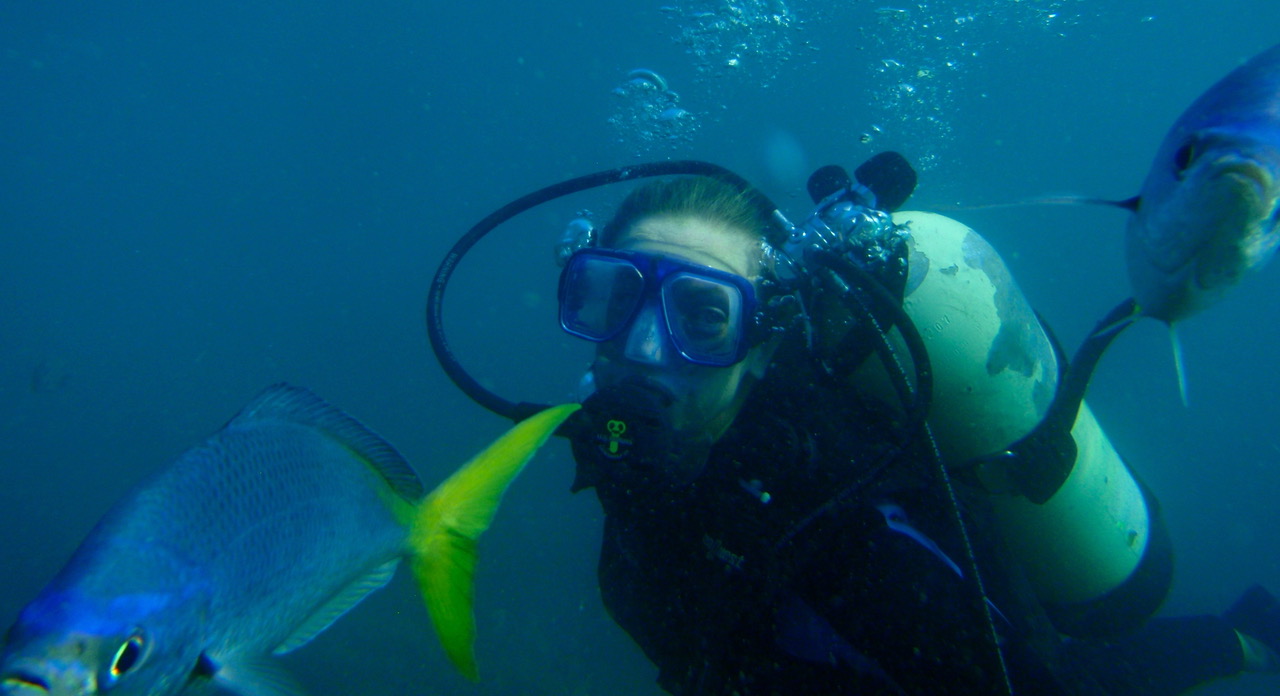
    Finally, we dove the eastern side of Pinnacle Bay, around the Pinnacles. This dive, combined with the previous one, are supposed to be the best in the main islands of the Whitsundays. On both, as in most dives in Australia, I continue to be disappointed in the visibility. Live coral was also not particularly present on this dive, but formations within the coral were. High narrow slots abounded, two in particular were reminiscent of the slot canyons of Utah, 8 feet wide, 25 feet high slices through the coral made for fun exploring. Another big highlight was seeing the 6 foot long turtle. I immediately thought of Finding Nemo as it glided along in the current. I saw a Moray Eel, a disgusting looking creature. And I nearly had to adapt a fish; an angel fish, sometimes accompanied with his three friends, swam within 10 feet behind and around me for over 20 minutes of our dive.

    Huge thanks to Brian on Furthur who has been filling our tanks for us. Diving and hanging out with him and Susan has been a great time over the last five days.

  • Justin brings the 2-step to Australia

    We are currently at Airlie Beach, a super popular backpacker stop, on the mainland across from one of the most popular sailing grounds in Australia, the Whit Sundays. Justin and I went out on a Tuesday night and didn’t make it back to the boat until 2:30 am. Fun times were had. Lots of beer, super-sized Jenga, dancing in the streets. Huge hangover on my part.

    And in homage to Greg Sutera, Justin brought the 2-step to Australia.

  • position update

    they’re in bundaberg now, at a marina: -24.76122,152.38649

  • position update

    matt here: they’re travelling a channel between an island and the mainland, south of Bundaberg.  Location received 4/11 @ 9:38PM via satellite: -25.58649,152.94022 (beautiful satellite image)

  • position update

    This is Matt posting a satellite position update: -25.94164,153.16121

  • update on Jon & Justin

    matt here, sitting comfortably at home in New Mexico . . . maybe Jon will get a chance to put something up soon, but until then I’ll pass on some info.

    He and Justin departed Brisbane on April 1st, spent some time locally out in the bay sailing with friends and anchorage hopping, then headed north.  On the 7th I got a SPOT satellite check-in from here (location also linked to this post–see the sidebar).

    They have some great stories already . . .  stay tuned for their update.

  • Agh, that’s disgusting

    Justin and I managed some last minute work on the boat.  I worked.  Justin filmed.  O.K., he did some work.  Off camera of course.  Here we battle a small issue in the galley.

    Note: Of Matt, I only make fun.  It is only because of the thousands and thousands of hours that Matt labored on Syzygy that I am able to sail her here in Australia. I jest because it is so obviously hilarious to think Matt somehow did not maintain Syzygy to the highest of standards.

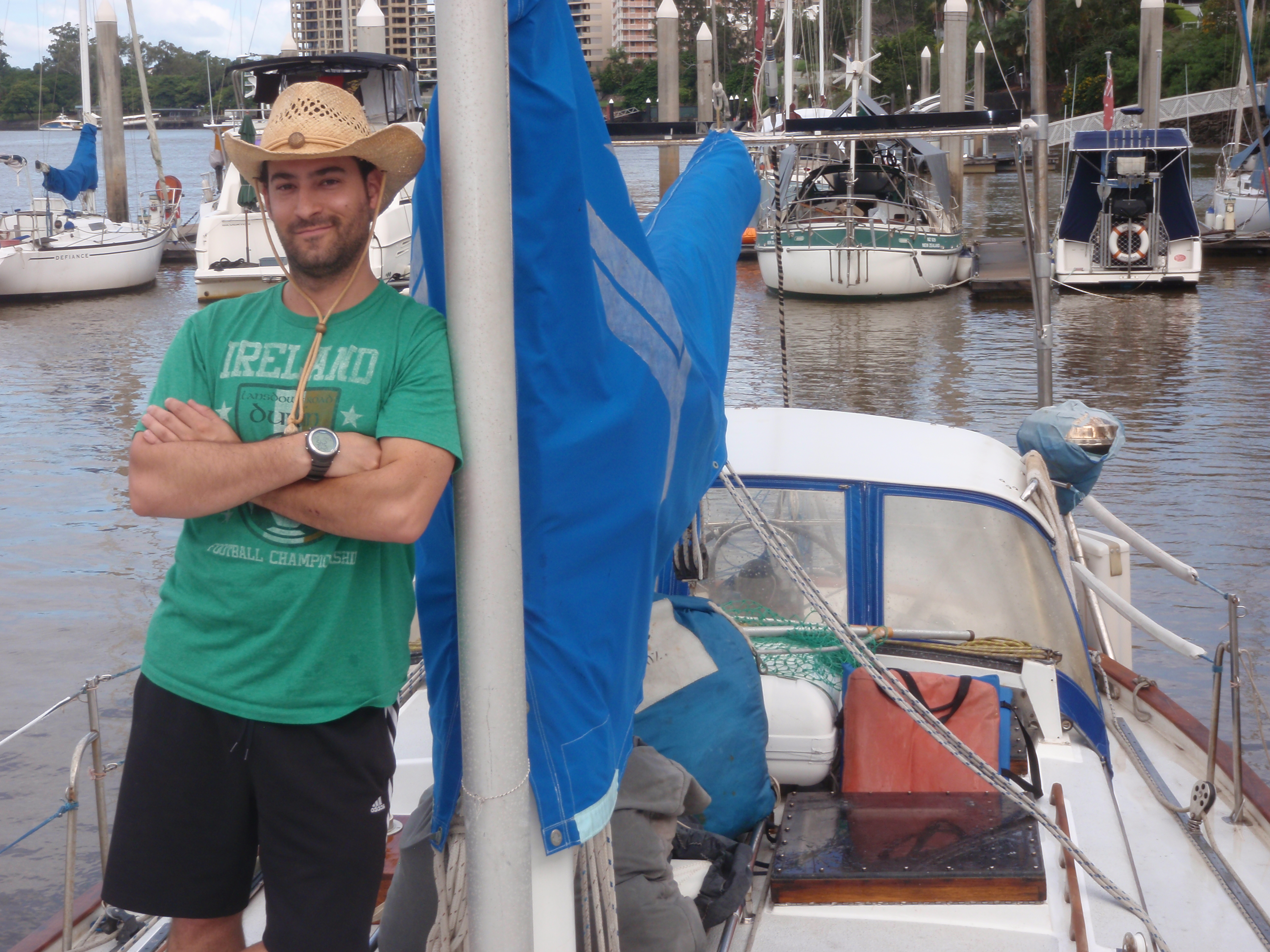
  • THIS is Justin

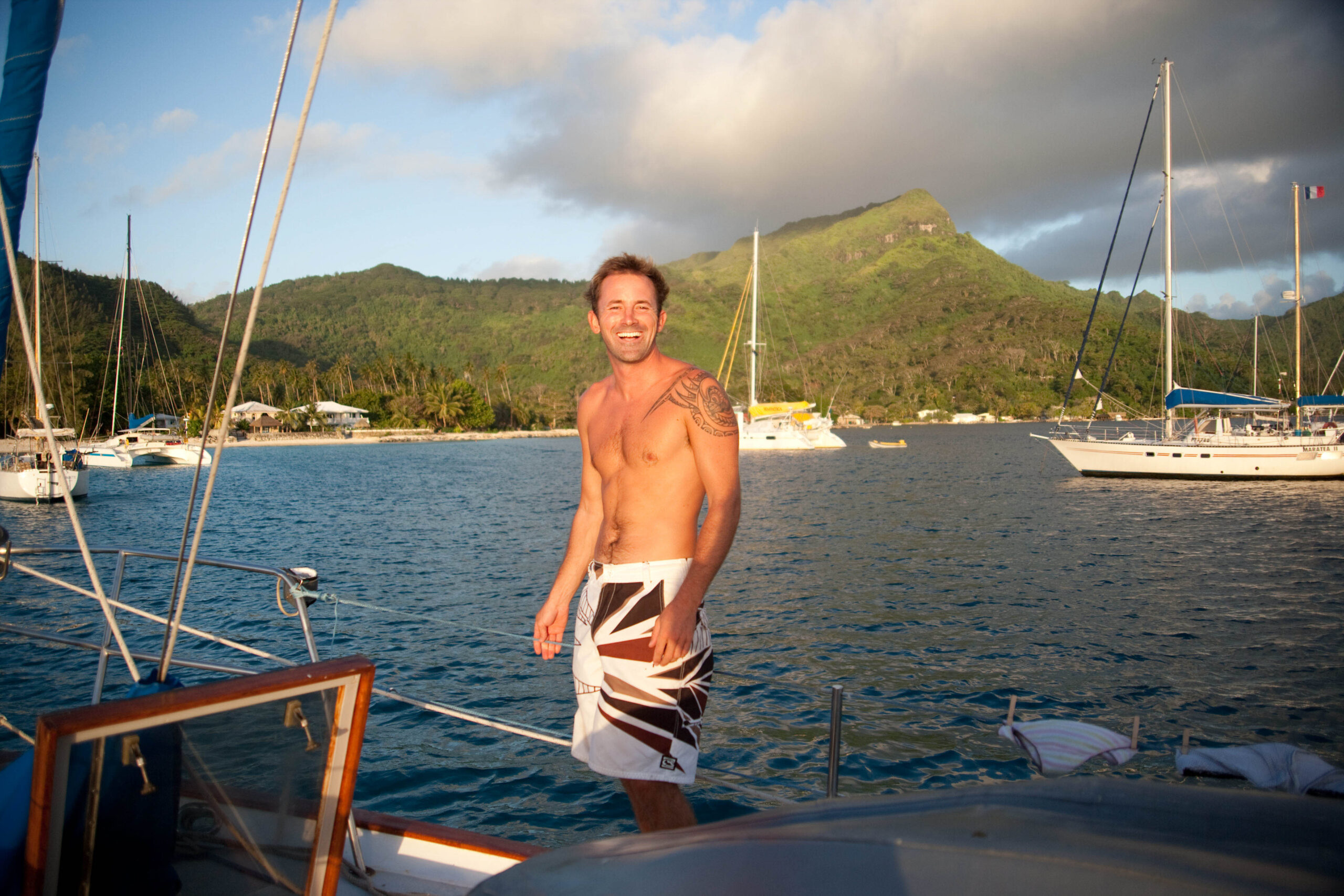
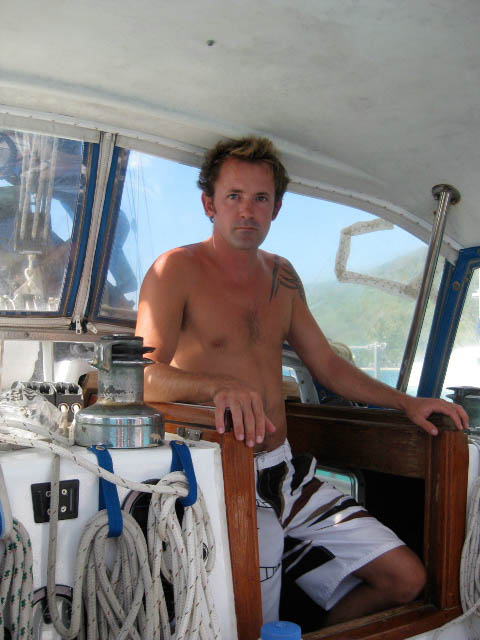
    I’d like you to meet Justin. He’s a mild-mannered, hug-able and lovable character, with a booming laugh, and an affable easy-going persona.  We’ve known each other for seven years and only once can I remember me yelling at him to clean up our ski condo we were renting at the time. He yelled back. We made up.

    He has taken a liking to Tim-Tam’s. Since his arrival, he has made most of the meals eaten on the boat. I love him for it. He bought me (us) four cases of beer that should last us for…. well actually I’d prefer not to speculate.

    Justin is here for at least two and a half months, at which point I plan on convincing him/kidnapping him to stay on longer.

    For four and a half months the boat has stagnated in Brisbane. However, Justin is here now and it is time to change that.  The plan is to cruise up the coast of Australia for the next eight weeks, and then hop over to Papua New Guinea and then onto Indonesia, at which point, said convincing/kidnapping will occur and perhaps he’ll stay with me for another five months. The plan includes scuba diving as often as possible, spear fishing, trolling for fish (which despite Syzygy’s terrible track record, Justin brings new found enthusiasm), drinking, merriment and more drinking.

    Now that we are actually moving, I expect there to be much more to write about.  Exciting and fun things to write about, instead of the drudgery of work and frustration that I’ve chosen not to write about.

    And now, here’s a few words from Justin himself:

    Ahoy there!  I have been aboard Syzygy for only a few days now, and they have been great days.  Learning every little nook and cranny and starting to get used to life aboard a sailboat.  I grew up on Long Island and living near the water have always had a great affinity for boating.  I got my first small row boat as a 6th grade graduation present, and feel in love right away.  I spent most of high school sailing small boats, kayaking, and using the small row boat.  It’s always been a dream of mine to do what i’m doing so hopefully once we set sail tomorrow morning I will begin to live my dream!  I’ve never been to Australia before so extremely excited to see, do, and explore.  I spent a few days in Sydney then flew up to Brisbane to meet up with Jon and Syzygy.  Hopefully we’ll be updating the blog with many fun and exciting stories.  I am grateful for Jon having me on the boat, and hopefully my stay here as a “deck swabby” is a good one!

  • Surviving a Flood

    I gunned the engine fighting to move forward in the 4 knot current that was rushing through and under our marina. The four knot current looked tame compared to the 10 knots of the river. I had only 20 feet of room forwards and backwards within which to maneuver. The dinghy trailing behind me had already banged into the dock behind me once and I had twice nearly missed banging into the boats in front of me. Five people were managing the two dock lines that were holding me against the current. Somehow, Syzygy had been chosen to be the first of three single-handed sailboats out of the marina. With all of us lined up right next to each other, we were hoping to figure out a way to get us out. We needed to get out because the latest flood predictions were that in 24 hours the river would rise enough to lift the marina dock above the pylons that allow for the dock to rise and fall with the tide. If the docks got above those pylons, the flimsy gang plank leading from land to the docks, the only actual solid tethering the docks have, would be no match for the rushing river. The dock would start to whisk away along with boats still tied to the dock. You can imagine that the keel of any boat would inevitably crash into the just submerged concrete pylons, massive damage would ensue.

    It didn’t seem possible that flooding of this magnitude could happen. Brisbane is an an area of Australia called the Sunshine Coast. It’s supposed to be sunny. Not epic rain. They did have an epic flood here in 1974, but afterwards built a dam that was supposed to be able to contain any flood imaginable. Apparently rain 40 out of the last 50 days didn’t fit into the designers’ imagination. I had been melancholy and miserable over the month; the rain makes it difficult to a) get any work done on the boat and b) to have much fun around town. But up until two days ago, I didn’t give a single concern to the safety of the boat.

    Here’s an excerpt from an e-mail I sent to Gary on the 10th:

    “The Brisbane River is a small catchment, you only have to go a short way, and rivers start flowing west instead of east towards the ocean, which is crazy.  So that and flow controls on the Brisbane River itself mean there is no flooding here.  However, to the north and to the west they are not so lucky and flooding has been of biblical proportions.  I read somewhere that an area the size of France and Germany combined is under water. “

    Everyone, every-one… said the Wivenhoe Dam would make floods like 1974 impossible. Then at 3 pm on Tuesday marina residents got an e-mail from the marina office forwarding on the most recent flood warning and politely saying, ‘Get the hell out of here.’ A mass exodus of boats left immediately. I spent the next 6 hours hurriedly getting the boat back into shape to be sailed; half finished projects were everywhere. All of the reef lines were in the sail were off. The sail wasn’t fastened to the mast track in places while I worked on the batons and baton pockets in the main sail. The rail boards we tie our extra water and fuel containers to were off and the containers strewn idly about the deck. The automatic bilge pump wasn’t working.

    I and a dozen other boats talked and discussed and planned for a departure the next morning just after low tide Wednesday. The hope was that the tide coming in would partially mitigate the strong current heading out making the current easier to manage. And then, we watched the carnage float by. We watched as boats passed by spinning wildly. They were probably from private docks of people who live on the river bank upstream, were clearly unmanned and had simply torn free from their dock. Other boats floated by still attached to the the dock, the entire dock having ripped away from land. A boat still on air pontoons which keep it out of the water floated by. Another boat floated by attached to it’s dock. On the dock was an electrical box still intact, a gas grill bolted to the dock and a jet ski mounted there. The entire ensemble pirouetted by, rushing towards the sea.

    We also just waited. And the waiting was difficult. A lot of time to think about how to actually get the boat out. Too much time to think about what could go wrong. Plenty of time to question whether, honestly, I was up to this. I reflected on my lack of experience. I’ve never captained this boat before. I’ve never single-handed. I’ve never been alone with the decisions on me, and me alone. I reviewed my meager sailing resume in my mind. I just learned to sail three years ago and ever since, even if I was calling the shots on board, there was always someone, Matt, in the end to nod, confirm and assist if shit went wrong.

    To my family and Allison I e-mailed: “Don’t worry, I’ll be fine.” To Matt, the title of my e-mail was: URGENT and I went over preparations and what needed to be done, soliciting advice, counsel and a reassuring tone. He knows the boat and right now that’s what I needed.

    Because I was driving myself crazy with anxiety and nervousness. My first adventure as captain wasn’t supposed to be until March. A friend of mine with some sailing experience would be joining and I would captain us out in easy, fair conditions. We would go sailing and enjoy ourselves as we soaked in the sun, leisurely meandering our way up the Australian Coast. Starting out in a high stress situation was not what I had anticipated.

    Syzygy had been sitting in it’s dock facing down stream, it’s fat bottom aft was upriver. The plan was to slowly ease out of the slip and start to turn towards the marina exit. As soon as I started to turn the current would catch the boat and whip it around. Lines from the front of the boat would still be attached to the dock, so Syzygy would do a nice 180 degree turn and then be facing up river. Facing upriver would allow me more control over the boat; I could use the engine much more effectively to battle the current and maneuverability would be better facing into the current. Then work the dock lines holding the bow to the dock from one finger of the dock to the next until we were at the end of the dock and next to the marina exit. Then gun the engine forward, let the bow lines off, turn the nose into the river and gun the engine more to get the boat far enough into the river so that it didn’t crash sidelong into the dock 20 feet away from Syzygy’s rear. This was the plan. The plan wasn’t going so well.

    After being eased slowly out, just as planned the boat started to rotate around, pivoting on two lines tied to the bow of Syzygy and to the dock. I had to gun the engine and get the boat moving forward into the current. As anticipated there wasn’t enough room for the back end of the boat to simply drift down and swing around. That would have required at least 80 feet, probably 100. We only had 70 feet to work with. But the turn was managed and Syzygy was now facing upriver and held on by two dock lines. We then spent the next 45 minutes trying to get Syzygy closer to the marina exit. We moved one dock line closer to the marina exit. I would let Syzygy drift back twenty feet, until it was nearly touching the fingers of the dock behind me. Then gunning the engine I fought upstream within the 70 foot space between docks, trying to turn towards the marina exit, trying to inch the boat closer to the exit. Coordinating my actions at the helm with the people manning the lines, when to ease one line or pull in another, was frustratingly close to futile. Turning our 12 ton sailboat in calm water is a slow momentum laden process. Pulling into a dock in calm water with even the tiniest amount of wind has me on alert. The wide open ocean is easy. The narrow confines of a marina, boats only a few feet away, their bow and stern frequently laden with anchors and other objects which are either easily breakable or, like anchors, could easily do damage to a boat. Or catch on a bow pulpit and rip it off.

    Adding to the mayham, Syzygy would surge five feet backwards downstream randomly when the current would pick up. Or an eddy would develop and the current slacken and Syzygy would surge forward five feet. At one point, one of the dock lines got tangled in another boat. I narrowly missed two other boats in front of me. I had poor visibility of how close the bow actually was to the boats in front of me. Poor visibility and the random surging made me hesitant to get too close, reducing further the scant room I had for maneuvering back and forth. The steerage felt all wrong as well. When I tried to move forward and turn to starboard, the right, the boat usually seemed to move to port. When I tried to steer while drifting backwards slightly, the boat never responded. The stern drifted a few degrees in one direction or another seemingly at random, immune to my steerage and following the haphazard chaos of the churning river. The people manning the docklines couldn’t just pull the boat the boat along from one finger to the next. The force of water on a 12 ton boat was enormous. It was all they could do to keep lines secured to cleats, and they were only able to bring in slack if I was able to put slack in the lines by maneuvering closer to where the lines were anchored.

    Finally, after 45 adrenaline laden minutes, Syzygy was tight onto a dock line on the last finger of the marina. The river surged past right next to me at 10 knots. David who rented the neighboring house boat (the actual owner of which had said to David just leave the boat, it’s insured, effectively sentencing David to losing his home if the marina did float away) climbed on board at this point; after having helped man the dock lines, he was going to accompany me down river to the new marina. This was it. Up until now I had been attached to the dock in some fashion. Now was time to cut loose and move into the turbulent river. Literally cut loose.  In a chaotic but coordinated event, when the stern of the boat kicked into the marina a touch, I revved the engine to start making my way into the river. At the same time, people on the dock cut the two bow lines holding me to the dock. As soon as I was free, I opened up the throttle all the way trying to move the boat as fast as possible away from the finger of the dock that was behind me only 30 feet away. This had to go off perfectly and it did. I cleared the dock easily the bow drifted down and pointed down river, and we coasted along to the ocean at 11 to 12 knots. Steerage was surprisingly good.

    Still amped with adrenaline, we looked hard for any debris like we had seen coming down the river in the evening. While the large docks that had floated past were imposing, however, I was confident that since we could see those we would have enough maneuverability and time be able to avoid them. I was most concerned with large wooden logs and tree debris that would be hard to see and that if got caught in the prop or the rudder could have horrifically bad consequences. As we made our way further down-stream though, the adrenaline wore off and emotion built up at how harrowing and edgy it had been. The intensity drained and I was left with the feeling that I was already having a hard time recalling exactly how I felt in the moment, how minuscule room for error was, and how intense it had been.

    I radioed the coast guard to ask about debris at the Gateway Bridge, we had heard rumors of sunken and submerged boats there, a terrifying prospect to not be able to see what you might hit. They came back with an all clear though. We saw none of the large debris pieces on the river. As we reached the river’s edge and pounded through waves that were like the standing waves of an atoll opening, the mudflats off to port caught our eye. A dozen boats had either eddied out into the mud flats to get stuck there, or the coast guard had towed them there. A 20 foot diameter water tank tumbled around. Once free of the river, I relaxed even more. Moreton Bay’s weather seemed like typical San Francisco Bay weather, and that, I was used to.

    I later learned the two other single-handed boats I left behind used the same techniques to leave the marina, having an easier time leaving after having learned a bit getting me out. One though, Dagmar, did not have such a trouble free time down the river. His engine overheated and so he had to begin sailing. Having to sail into the wind with such a strong current was not enjoyable. He got stuck once while tacking back and forth. He tried to set an anchor, only to a have a 4 story high 100 foot long paddle boat that had broken free bear down on him. He hastily got out of the way only two minutes before the paddle boat came by his old anchor point. He also saw an entire river side restaurant that had broken free and was now floating down the river.

    I have to hope this is the most intense experience I will ever have on the boat. The next day, sitting in a perfectly still marina The Royal Queensland Yacht Squadron in Manly, you wouldn’t even know the flooding is happening just 5 miles away. I’d prefer this for the rest of my time on the boat, thank you very much.

    This is just my story. There are tens of thousands of people who also have stories. And there are thousands of people who lost their homes or businesses. Their loss is certainly more crushing than me simply having to deal with an harrowing moment. My heart and thoughts go out to them as they try and cope with the disaster. It looks like today and the next four days may be rain free. What a relief!
  • Completion of a Journey, Passing of Command

    For Karen and me, this journey is completed. We departed the San Francisco Bay in mid February, and arrived in Australia nine months later to the day.

    In the beginning, when asked how long our trip would be, we would say “anywhere from a few months to two-years; however long it stays fun and the money lasts”.  And that’s how it turned out, too.  Nine months has been a pretty ideal length of time for us–both for the fun factor and the money factor.  When we return to life in the US (the details of which remain unknown), I will feel a measure of sadness about leaving this cruising life behind, and a distinct sense of happiness and gratitude for the future that I am returning to.  So: I am glad that we did it, and glad that we are moving on.

    I feel generally uncomfortable with the feeling of pride, and decidedly uncomfortable with any form of boasting–I don’t think they are attractive traits or behaviors, it being more respectable and impressive in my mind to, well, just do it, and then not mention it.  It is an indication that one is motivated by the right reasons: if you are willing to plan big then do it and afterwards not brag about it, then you sure didn’t do it merely “to say that you did”.

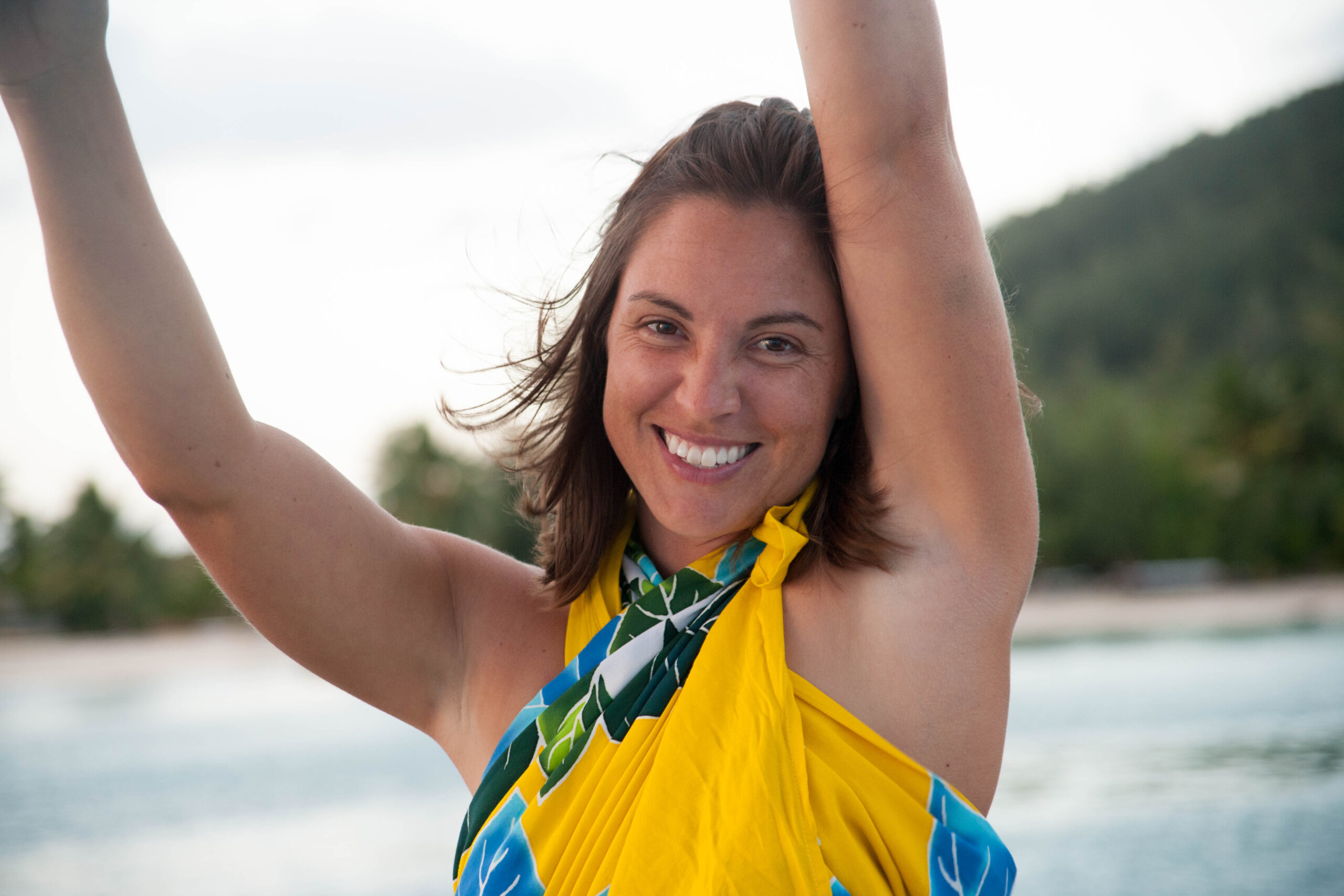
    But in this case, come on, right?  Can I throw my arms up here and give a shout?  We accomplished something pretty big here–who can look at this whole thing and say that I can’t do whatever it is I set out to do?  Even if a) I didn’t grow up doing it b) we don’t even know if I’m going to like it c) I have none of the required skills d) didn’t start out with any money e) almost everyone thinks I’m crazy f) it’s really hard, apparently these are all surmountable.  Well, hell yeah.

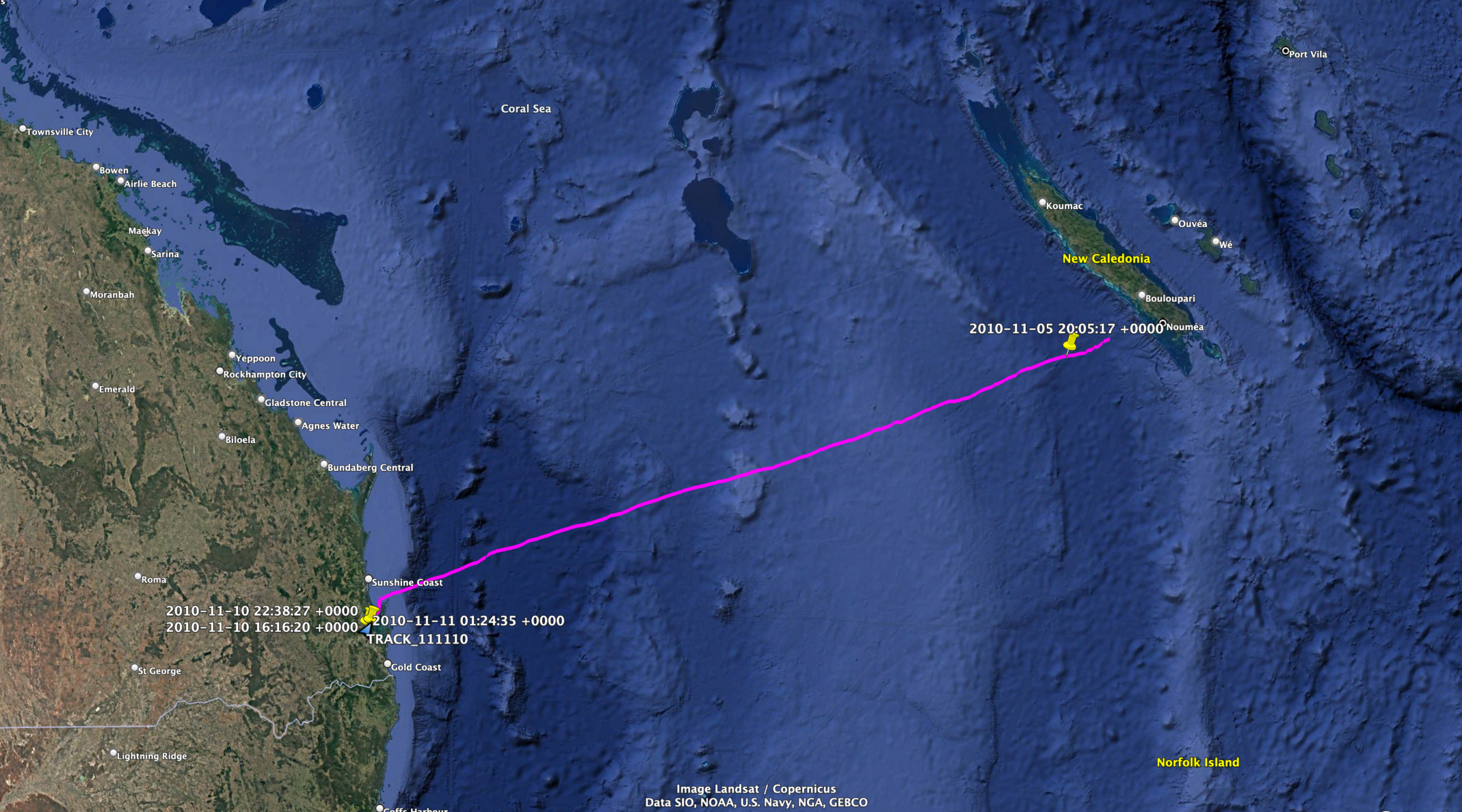
    We arrived in Brisbane on the 10th in the dark in the middle of the night–we seem to have established a predilection for navigating foreign ports in the dark. The passage from New Caledonia was the most enjoyable yet: we buddy-boated with a couple on Dagmar, staying within sight of them almost the whole way. We kept the radio on a private channel and used it like a phone all day long, which turned out to be a novel and successful way to stave off boredom.  Jamie and Isabelle rock.  Besides the friends, we also had killer wind–after an initial zone of the windy rainy shitty shit, we had perfect wind from the perfect direction for four days. On the final day jon set up as many sails as possible–the jib poled to windward, the drifter out to leeward through the end of the main boom, and the full main besides (which was sort of extraneous at that point).  It was beautiful–and we almost kept up with Dagmar.

    Brisbane is truly wonderful, especially for this convenience-starved traveler. The river runs right through the center of it, so the public transportation starts with an extensive and efficient ferry service, and continues with a large rail system and enormous bus network. To give you an idea of the emphasis they have put on the public transportation: some of the bus lines have their own dedicated overhead roadways (as do the railways, sometimes right next to each other). The whole city looks brand new, and everything is spotless. Walking through the financial district as people get out of work, you’ll see women in their business attire walking home barefoot down the city sidewalks–that’s how clean it is. Instead of having a single trendy district, it seems to be the whole city motto; every neighborhood we visit has a bewildering number of neat/trendy/upscale bars, restaurants and cafes.  They built a floating running path out in the river along the edge, extending around two bends of the river right in front of the financial district.  On the other side, there is a half-mile long rock cliff along the river with public climbing, lit by spotlights at night–climb as late as you want. Yesterday I got confused (turned around, partially lost if you will) while shopping with karen, in some sort of 7 floor maze of a mall, an underground bunker of womens clothing and jewelry and food and coffee and perfume-yness . . . that was just one building along an entire 10-block walking mall filled with identically sized buildings.  There’s a trendy restaurant district next to a park next to the river, with high-end stainless propane grills under gazebos, first-come-first-served, and four or five artfully landscaped pools spread out through the park, some with beaches, others with complicated fountains and waterfalls–go swim whenever you want.  Having the river through the center provides a gap of space, so that you can step back a bit to get a good view; they have seating on the roofs of the ferries as well.  At night, the city is particularly beautiful.  The downtown district of skyscrapers is lit up the way a city should be (all pretty-like).  Of our entire trip, this experience feels most like a honeymoon for karen and I.  I’m digging it, not gonna lie.

    With my departure, Jon becomes captain, and the responsibility for the boat passes to him.  Since joining us in the Tuamotus, he has come fully up to speed and turned into a first-rate sailor, and I have no qualms about leaving the boat in his care (no more trepidation, at least, than I would have with anyone else I’ve ever met).  Some people are never very good with finessing the sails, seeing and actually comprehending the systems; a good sailor gets it.  And Jon gets it; he understands the sailing, he can sense the nuances of trimming the sails just right.  He hears and knows when something isn’t right in the middle of the night.  He knows how to best baby the main so that it isn’t getting needlessly destroyed on the spreaders.  He sees and fixes things that aren’t just right–the way they should be, that is.  In fact, for a couple of months now he has been sailing the boat at least as well (or better) than me–a couple of times now he has corrected the trim of the sails to make things better after I went off watch.  Granted, he may not yet have fixed or f’d with all the boat systems that I did, but who in the world did?  That was part of the point of fixing it in the first place, so that it wouldn’t be breaking now.  So if something breaks he’ll have to figure out how to fix it, but that is no different than all of us, all the other sailors out there, and quite frankly he already has far more skills in that department than most other sailors out there.  So I’m not worried that he’ll fix whatever breaks.  In short, he’s fully ready to be the numero uno on Syzygy, and it is a relief that I can walk away from the boat knowing that, if anything happens, it will have been something unpreventable (or at least as unpreventable as it would have been even if it was me in the hot seat).

    There’s nothing to match the responsibility and reward of being the one to make the hard decisions–calling the quick shots when the squall hits, saving the day when the engine quits, slipping out of sticky situations, but also deciding wherever in the world to go, whenever you choose.  This trip didn’t turn out as it was initially conceived; specifically, it was originally three single guys and instead it started out as a newly-wed couple and became a newly-wed couple plus my best friend.  I know that Jon hasn’t had the same experience with Karen and I as it would have been with Jonny and I.  I also know that he’s okay with that, no problems, and has enjoyed the trip for what it is rather than what it might have been.  There’s never been any judgment on that account.  At the same time, he gets a different experience now flying solo, responsible now as captain in a way beyond even my experience (I always had someone else to share in the responsibilities).  I regret that I am leaving him to continue on by himself, but at the same time my departure will make possible a different level of satisfaction, and I wish him all the joy that the responsibility brought to my experience.

    As they used to say to newly promoted captains in the British Royal Navy: I wish him the joy of his command.

  • Last passage

    We are currently in the marina in Noumea, New Caledonia, getting ready to sail to Australia. This last passage will be another big one, 800 miles, 5-7 days, and the weather is going to kick the hell out of us, no two ways about it. We’ve been sitting here for an extra week and a half now, waiting on a decent weather window, and it looks like the best we’re going to get is still going to be Big.

    I haven’t written hardly anything here for quite a while–ever since leaving Huahine in french polynesia back in mid-august my enjoyment of the trip has been steadily increasing. We’ve seen incredibly cool things, gone places that so few people ever see, done things that I’ll never have a chance to do again. Beveridge Reef, Tonga, Fiji, Vanuatu, all of these places have been really fantastic. Great times, great people, un-beatable experiences.

    But it’s time for me to move on. I’m ready to be done with the uncomfortable passages, I’m ready to be off the boat. I’m excited to be passing the torch on to Jon–it’s his turn to be captain, to shoulder the responsibility and corresponding reward. It took us over 7 months to get from California to here; the thought of being able to walk away from it all, jump on a plane and be back in the states in less than a day brings an overwhelming sense of–freedom. Freedom, and relief. We’ve done it, haven’t we? Yeah. Yeah, we sure have.

    So it’s this passage, one more passage.

  • Vanuatu Kava

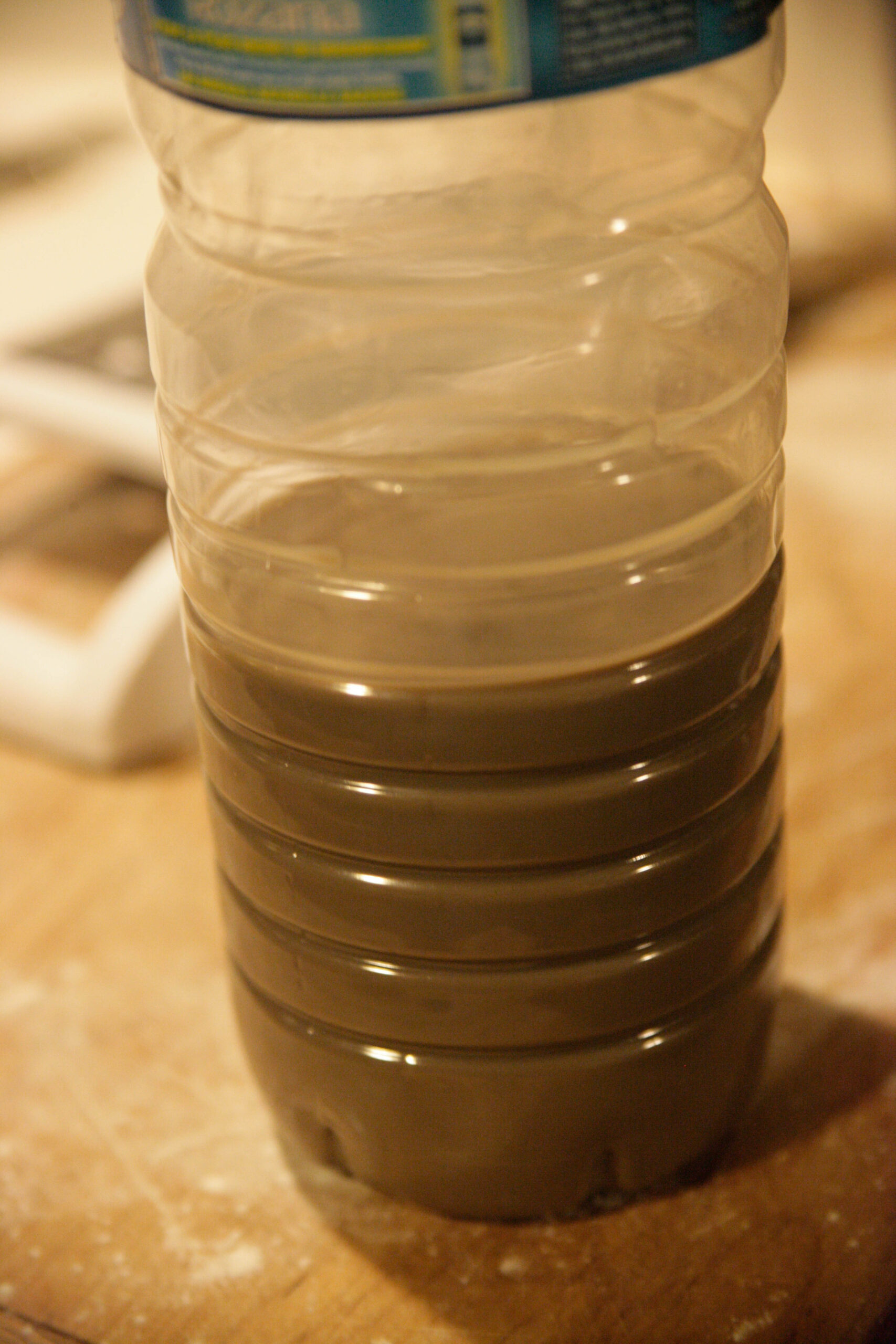
    Vanuatu kava is stronger than Fiji kava.  20 shells of Fiji kava and mostly what I felt was bloated.  2 shells of Vanuatu kava…. mmmm mellow.  mmmm numb mouth.  mmmm slurred speech.  mmmm difficulty in concentrating on anything other than mindless action movies, like Daniel Craig as James Bond in Casino Royale.

    As Matt, Karen and I were waiting for the small pickup truck that would take us and eleven other people up to the active volcano on Tanna Island in Vanuatu, Matt inquired of Stanley about kava.  Stanley, a native Vanuatu-ian, (he must have another, non-English, Vanuatu name) was responsible for setting up the transportation and seemed to be well connected in the village.  Stanley said he could get us some kava.  This was perfect as we didn’t think we would have time to visit a nakamal, a place where they serve kava in Vanuatu, after seeing the volcano.  And we would be leaving for New Caldonia the next day.

    Stanley asked Matt how much kava we would like.

    “Well how much would a liter cost?” Matt replied.

    “100 vatu.”  Stanley replied.  This was about one dollar.

    “We’ll take four liters,”  I told Stanley.  I was tempted to ask for three times that amount.  We’d have enough kava to last us a year or more!
    When we returned from the volcano, Stanley had our kava.  Unfortunately it was only half a liter of kava.  Somewhere in the verbal communication something got lost or mistranslated.  Resigned to our meager amount of kava and unwilling to try and figure out why it was so much less than we expected, we took our kava back to the boat.  Whereupon, at the boat, we began to drink it.

    The guidebook we have says you should drink kava on an empty stomach to heighten its effects.  My forays into alcoholic consumption have confirmed this is a good technique for enhancing effects of mind altering substances, so I believe it and Matt and I abstained from eating dinner for two hours while we drank some kava.

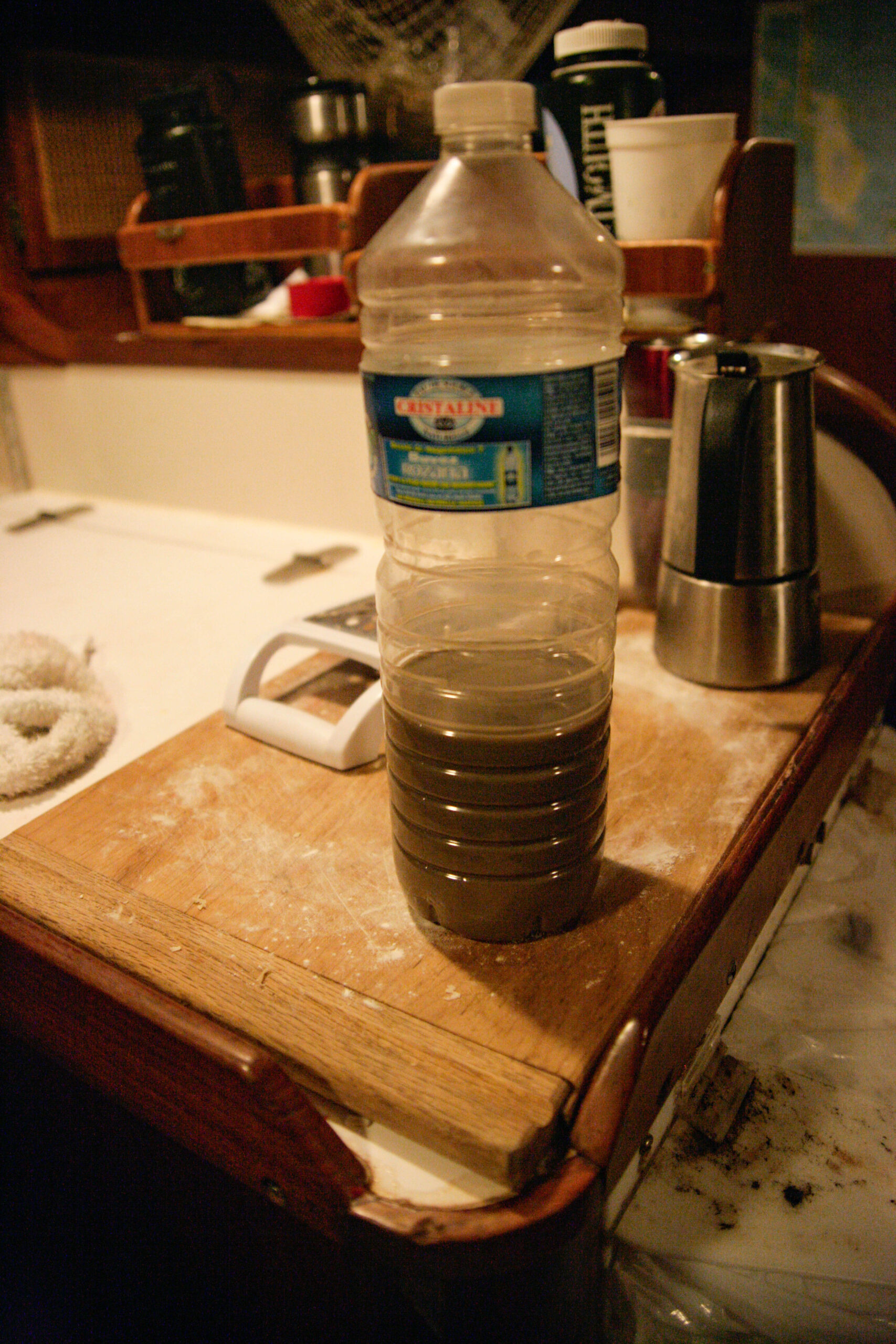
    To drink it right, we broke out the shells I had purchased in Fiji.  We poured the kava into them; the kava looked more thick than Fijian kava.  In Fiji after pounding dried brown roots and adding water, they strain the liquid through cheesecloth.  In Vanuatu, they grind green roots and do not strain it.  I hope they grind it and don’t mash it in their mouths.  The different texture did not change the taste, it still was dirty bath water, but now with a little more viscus thickness to it.  Texture-wise, think whole milk versus water.

    We drank one shell, and Matt started in immediately on another.  “Why not go for the full effect?” he reasoned.  I followed a little behind.  After two shells, I felt mellow, a numb mouth, slurred speech and difficulty concentrating.  If I focused hard, I could force myself to talk normal, or at least what I presumed sounded more normal.  But if I just let aimless ramblings come forth, I felt like I was slurring my words and my mouth wasn’t functioning the way it normally would.  It was fun.

    Matt lapped me in kava consumed, and I handed off my last 1/2 of a shell to him to boot, as he was saying there didn’t seem to be much effect.  I wonder if he was simply focusing harder on what might be happening, his more analytic nature trying to quantify and categorize the effect, but consequently forcing out or marginalizing those effects by the act of analyzing them.  Analogous to quantum mechanics, perhaps you can’t analyze the effect without changing the effect.  The physicist in Matt defeated by the physics of it.

    In the end, Matt lopped on a couple of shots of prime fine Scotch, and this he paid for dearly over the next 24 hours as we began our sail to new Caldonia.  Kava and alcohol apparently don’t mix.

  • Kava

    (This post refers to events that happened throughout our stay in Fiji, though primarily Sept. 14th, 16th,  and Oct. 3rd)

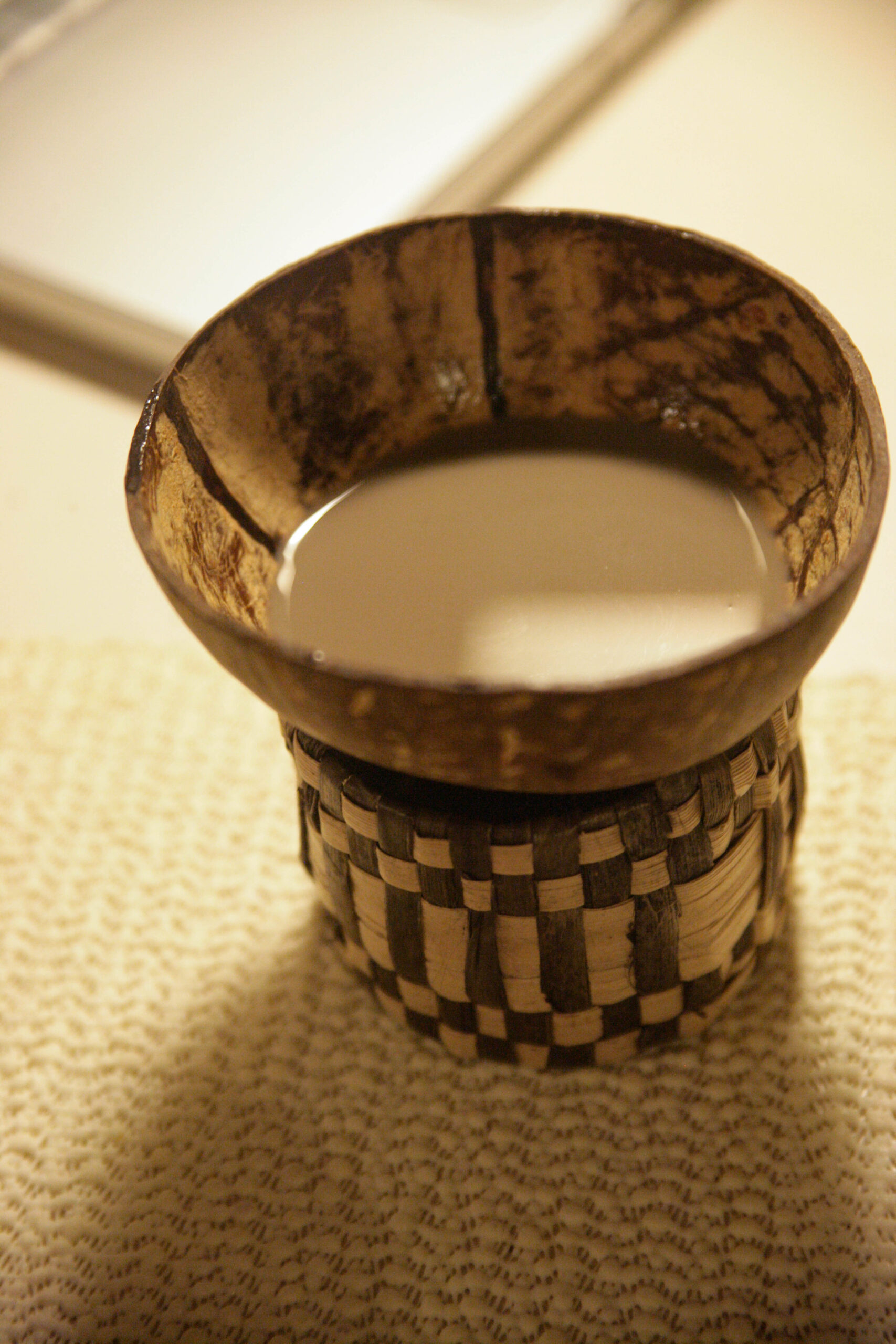
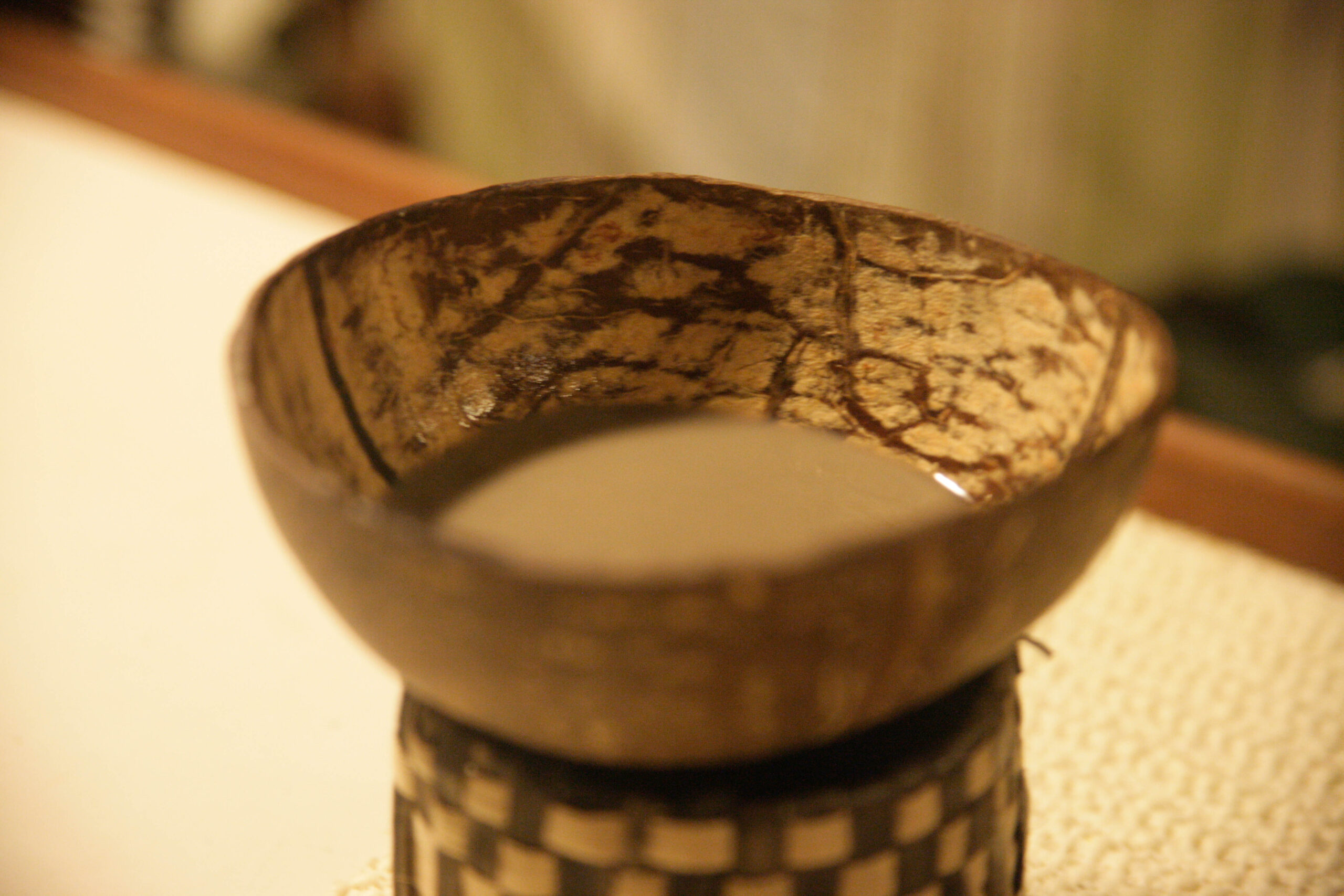
    Kava is a narcotic.  That it is a narcotic with only the slightest tiniest itsy-bitsy of narcotic effects to make one think ‘why bother?’ doesn’t deter the Fijians from passing time downing gallons of it, one coconut shell at a time.  That it tastes like dirty bath water is also not a deterrent.  For some reason neither is the fact that, in Fiji, the traditional preparation is for young boys to thoroughly chew on the pepper root, fully masticating it, spit it out, mix with luke warm water in the tanoa (the traditional container, an artistically carved wooden bowl on four legs) and serve via coconut shell.  Thankfully, the traditional preparation is no longer practiced except perhaps in the remotest of villages.  Every time I drink kava I make it a point to convince myself of this last bit.

    I felt required by my compunction for experiencing local culture to try kava.  I also have a compunction for trying new mild (mild-only!) narcotics.  So when, on our first day ashore in Lautoka, I found myself wandering the market alone, I knew I would immediately get a chance.  City markets, the one in Lautoka in particular, are where men hang out.  And wherever men hang out in Fiji, there is probably a kava bowl being passed around.

    In the market, I walked by dozens of yaqona vendors.  Yaqona is the dried but unmasticated (nowadays they more hygienically pound it) pepper root.  I learned later a longer root indicates a more aged pepper plant and in turn better kava.  Kava apparently is like wine, and gets better with age.  Two or three years is young but frequently used, five years is better.  Most of the yaqona at the market was about 18 to 24 inches, though I saw some four foot stuff that was artistically bundled into something resembling modern art.  Next to the vendors were the drinkers, twenty tables under a tent, all filled with men lazily sitting around.  At the first table I walked by, a man named Mesake cried out “Bula!” and invited me to join them at the table drinking grog.  The Fijians are extraordinarily nice; what else could I do but accept?

    Despite being far removed from the traditional ceremony, Fijians still retain some aspects of the traditional kava ceremony.  Namely, they clap.  Guide books will say you have to clap exactly once before being handed the coconut shell of kava and after handing the shell back, clap exactly three times.  The claps should be proud, with an exaggerated motion.  While this might be true in the remotest villages,  I’m here to tell you, in the markets, pool halls, resorts and backpacker camps where I drank the grog, you can feel free to clap an indiscriminate number of times, loudly or softly, shyly or ostentatiously.  The only thing in common to all the places was the rhythm or pacing of the clapping. Think the pacing in a rock-paper-scissors game, slow it down just a touch, and you’ll about have it.  Certainly not standing-ovation-at-the-theater style.  At the pool hall, they simply pat a leg at the requisite speed.  When I asked why, laziness was attributed.

    Mesake offered me a shell, and as I had read up on kava drinking, I knew about the clapping and that when I drank it, the kava is supposed to go down in one smooth go.  There are about three to five ounces of liquid in a normal shell, so anyone with experience from college shot-gunning a poor-tasting American light beer should have no problems smoothly drinking this poor-tasting sandy bath-water concoction.

    I handed Mesake back the shell and thought, ‘maybe sandy bath-water isn’t so bad?’  My tongue went slightly numb, and with the two or three subsequent bowls the tiny tingling extended around my mouth and throat.  That was about it for effect, just some tingling, maybe some numbness.  The bowl went around, celebrating my joining the table.  Ten or fifteen minutes would go by and then the person in charge of the kava tanoa at the table would decide it was time for more kava and start passing the shell around again.  The time in between passed with Mesake and a woman seated across from me, Paulini, telling me about Fiji at large and more particularly the villages they were from in the Yasawa’s.  They gave me the names of people they knew or were related to in the villages they were from and insisted I ask for them when I arrived there.  Alas, we never made it to those villages, but the kindness was indelible.

    I drank some kava again in the Nadi market while wandering around there with Allison.  I secretly presumed there would be grog there, that we would have a chance to try and wanted to see if she would.  And so we walked around longer than necessary as I tried to locate some kava drinking.  She demurred this time, hesitant at the cleanliness of the whole operation, which admittedly is suspect.  I can’t fault her on this point.  The same coconut shell is passed to everyone: one person drinks, and the shell is immediately dipped back into the kava in the tanoa and handed to a next person.  They certainly don’t clean the coconut shell in between uses.  She was, however, up for it at the welcome ceremony at Octopus Resort and she reported that yes, like pretty much everyone else, she thought it tasted like bath water and didn’t particularly like it.  I however, was developing quite a curiosity for it.

    Two and a half weeks later, I went to Nadi International Airport with Allison to trade goodbyes and other newly learned Fijian.  She and I had had a fantastic time together, and I was certainly sad at the thought of not seeing her again for three months or so.  The taxi was headed back to a dorm room bed at the awkwardly named Nadi Bay Resort Hotel (comfortable beds and amazing food… best kokonda in Fiji!) It occurred to me that what better way to spend a melancholy evening than around a kava bowl.  I redirected the taxi to someplace where they drink kava.

    I ended up in downtown Nadi at a pool hall.  A pool hall is somewhat of a misnomer as it invokes images of a location filled with pool tables, a dozen of them, maybe two dozen or more.  This place was certainly packed with pool tables, you had to nearly sit on one table to take a shot on another.  But there was just two tables.  I walked in warily but like I belonged and saddled onto a wall to check the place out.  All the way on the opposite side of the pool hall, eight feet away, a Fijian flagged me over and handed me a bowl of kava.  His name was Ben.

    After another bowl of kava, the owner of the pool hall, Sue who also happened to be, I’m pretty sure, a prostitute who propositioned me, motioned I should put money down to play at the only table with action going.  It was a challenge table so you had to beat the previous winner, currently a young teen who had been winning ever since I walked in and was dispatching people quickly.  So I did, and played one of the best games of my life, banks, combinations, strategy, and a little luck.  One of those inspired moments of pool that only come after a couple of beers have steadied your hand and your gaze; instead of beer though, this time it was kava.  While playing, we would trade back and forth a few shots, I’d have a cup of kava.  In the end, I won and the kid stormed out perhaps upset that the popeye (white foreigner.  I hope not derived from the silly cartoon) drinking kava, when he was too young too, had run him off the table.  A couple more games saw me lose and I went to the bench to talk with Ben and another Fijian Joe about Fiji.  I bought some of the powdered yaqona for us to have more kava after we finished what was in the tanoa.  Interestingly, their tanoa was definitely not a traditional one.  Instead it was a flimsy blue plastic dish.  Flimsy like two-liter coke bottle plastic.  After ten bowls of kava I decided it was time to leave.  Sue asked if I wanted company; I politely declined and left to find a taxi.

    Back at the hotel, lo and behold what do I walk in on but the bartender, a couple of his friends, the security guard and a couple of patrons around a kava bowl.   I earn an invitation.  One guy is from Kiribati on a fishing boat.  Another’s name is Damian, and after hearing I have a yacht, is interested in crewing to Australia.  Two hours go by, and with the security guard in charge of the kava bowl, everyone is consuming plenty.  After another ten bowls, I’m feeling woosy, almost certainly though, from it being 3 am, five hours after I normally go to bed these days, and not from the twenty or more bowls of kava I consumed.

    The next day, I woke up early.  No hangover.  No residual effects.  There weren’t really any effects at the time either.  Which makes you wonder, if there’s no effect from drinking poor tasting dirty bath water, than why drink poor tasting dirty bath water?  My curiosity with Fijian kava was killed and I haven’t had it since.

    Vanuatu kava, on the other hand….. two bowls lays a wallup, four bowls and you won’t be able to walk.  We’ll soon find out.

  • Diving in Fiji

    (This post refers to events that happened September 21st and 25th)

    I had designs to dive on beautiful reefs and coral bommies in Fiji while our guests were here.  Fiji is proclaimed as the soft coral capitol of the world.  I don’t even know the difference between hard coral, soft coral and mean coral but ‘capitol of the world….’ That must be good right? Alas, a broken wrist prevented Allison from being able to dive.  And while we did some great snorkeling, I never motivated to pull out the dive gear to dive while others snorkeled.  I am motivation-less when it comes to diving.  It’s also hard to bring along the dive gear in the dinghy when five other people are in there as well.  Dive gear being bulky and all.

    So while I never dove while others were snorkeling above me, or dove down to see beautiful coral, I did do two dives, both alone and to mundane non-beautiful things.

    The first dive was just off Octopus Resort on Waya, the day Gary and Anna arrived.  I am willing to bet large sums no one had ever dove my dive site, and so I feel empowered to give it a name. The dive plan was to head straight down to the bottom, a depth of forty-five feet.   Swim with the current along the bottom for sixty feet.  Then shift in one direction perpendicular where you just swam by about 8 feet.  Then swimming parallel to your original track, swim back to where you started.   Due to large amounts of silt, visibility was a mere fifteen feet.  During the quarter of an hour dive I saw no fish. The bottom was flat sand, bereft of any life or even a rock to break the monotony of the bottom.  Completely bereft save one item.  Matt’s snorkel mask.  The one item I was looking for.  This dive site is named Matt’s Mask.  I would not recommend this dive as the major attraction to the dive is no longer there.  I felt compelled to take it with me.  (As an aside, the snorkeling off Octopus Resort is excellent, we were anchored a bit away from it)

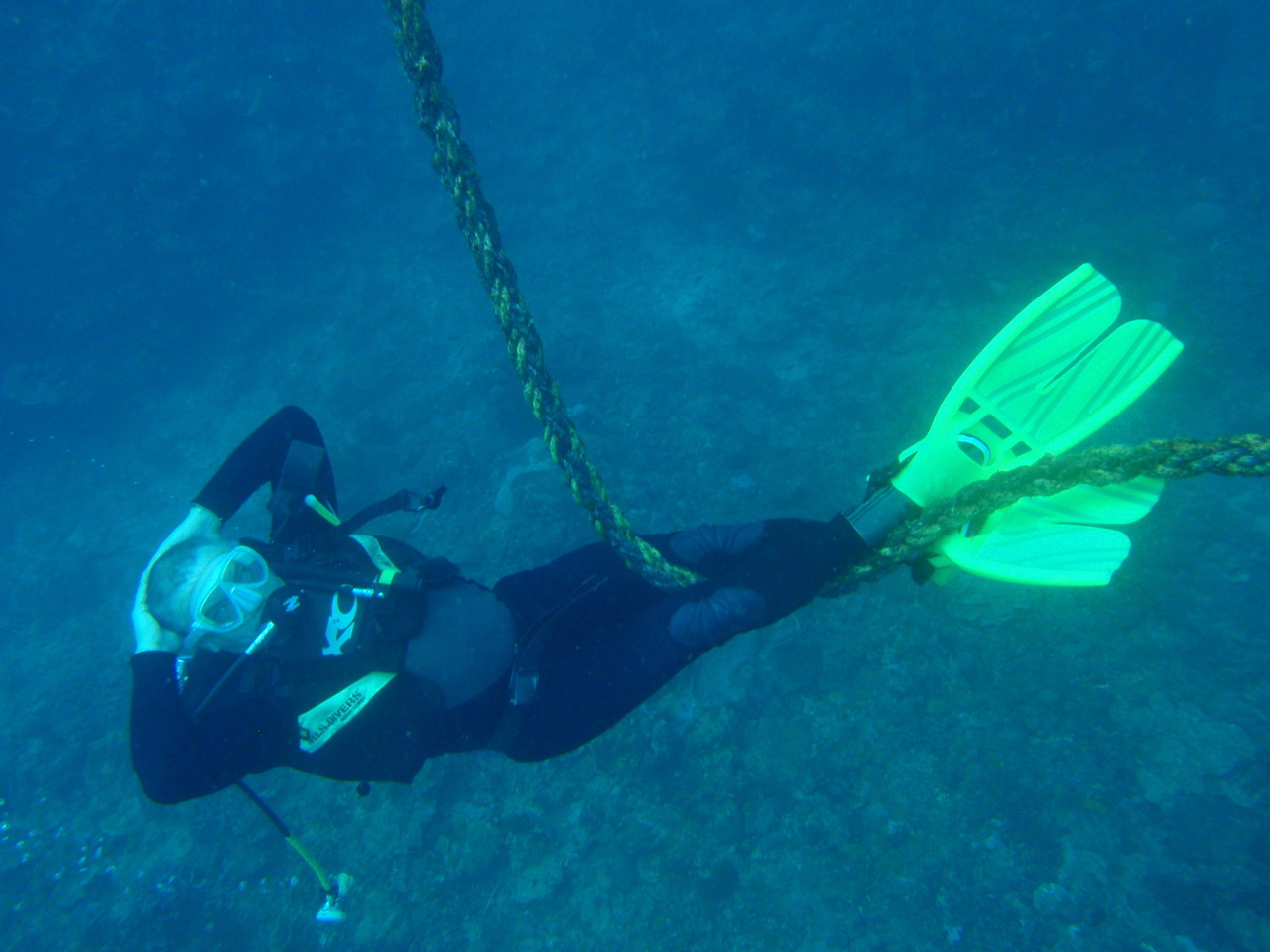
    The next dive site was located off Navadra Island.  There was actually some particularly nice coral to look at just a little ways away, in predominantly twenty feet of water or less.  Allison was up above snorkeling, so why bother dinking around in twenty feet once I was done with the dive’s purpose?  That purpose being to retrieve our $800 Fortress stern anchor because the line attached to the anchor had chaffed through during the night.  This dive lasted just over five minutes as our GPS point of the anchor location was exactly on.  The dive plan consisted of going down to the bottom at fifty feet.  Visibility was only thirty feet; the water was cloudy here, though near the better snorkeling, visibility seemed improved.  Once at the bottom, dig up the anchor which is excellently embedded in sand, two feet away from the large coral reef which chaffed the line.  This will reduce visibility to six inches, so digging must be done by feel.  And you will not see approaching sharks, which are probably large 25-foot man eating ones.  I don’t know if there were sharks approaching, visibility was six inches, but I assume there were.  None, thankfully, penetrated the six inch visual field.  None, not even tiny reef sharks, actually penetrated the entire visual field of anyone that day during a combined four plus hours of snorkeling.  While my visibility was six inches though, I am sure the man-eaters were approaching rapidly.

    Once the anchor is dug up, tie on a line to the anchor and return to the surface.  Job completed.

    Another two dives bring my total to an impressive six dives in the last five months.  Seven dives, if you include the pool in Denver where I took the refresher course.  Other things have taken my time, energy, focus, and enjoyment.  Perhaps Australia will bring more regular diving!
  • Jon. From the Yacht.

    this post refers to events which primarily happened September 18th-21st)

    “Did you notice how the masseuse, she giggled after saying -You must be Jon.  From the yacht.-”  I asked Allison after we emerged from our respective massages at Octopus Resort on Waya Island in the Yasawa island group of Fiji.

    “Do you remember me telling you earlier today that everyone here calls you that phrase?” she dryly replied.

    I protested that she hadn’t; she reminded me that she had today, and yesterday as well, and gave details to substantiate.  I had to concede.

    I sighed a popular refrain of her visit here, “You’re right Allison,” and I think as I said it, she smirked.

    In Fiji, a distinct classification between places to stay on the outer islands is the location is either a resort or it is a backpacker’s camp.  On the outer islands, there are few or no places in between.  Names can be deceiving as many backpacker camps will insert resort into their name as linguistic facade.  I have been unable to divine a hard rule to classify resorts from camps, but have settled on three guiding characteristics.  Backpacker’s camps have all three; resorts can sometimes have one, though in the end being classified as a resort is still no indicator you will enjoy yourself there.  1)  Backpacker’s camps are cheap.  2)  Backpacker’s camps have communal meal times where everyone has to eat each meal within a prescribed.  These times are normally shorter than is convenient to my style of lazy relaxation, ie. Breakfast is 7-9, lunch: 12-2 and dinner 6-8.  More importantly, tables at which to eat are also communal.  3)  Backpacker’s camps have some, but usually not exclusively, communal living space.  Dorms, mmm, fun.

    So by this system, Octopus Resort is classified as a backpackers camp, though given it’s priciest accommodations, one could claim it fails #1. Lonely Planet agrees with the outcome of my classification scheme in this instance, though it does say: “Compared with your average Yasawa backpacker camp, Octopus is more than a few notches up the coconut tree in terms of quality and yet still retains its unpretentious charms.”

    A few coconut fronds indeed.  After a day wandering Nadi, followed the next day by a sail to Beachcomber Island (a tiny speck of sand with a decidedly youthful backpacker camp) and anchoring off Beachcomber that night, we sailed/motored our way to Waya Island.  At Waya, Matt dinghied us into the resort.  We arrived to large booms of “Bula!” The ubiquitous greeting of hello in Fiji, which all tourist-minded businesses yell towards new guests or passerby.  At the resort desk, I said I was Jon, and was interrupted with, “Ah, yes, Jon.  Jon from the yacht.”  Yes, I replied, I am Jon from the yacht.  On our reservation, I had put that we would be arriving by sailboat, and would not require the customarily included transportation from Nadi, and it only would make sense that the front desk would know me as such, I reasoned.

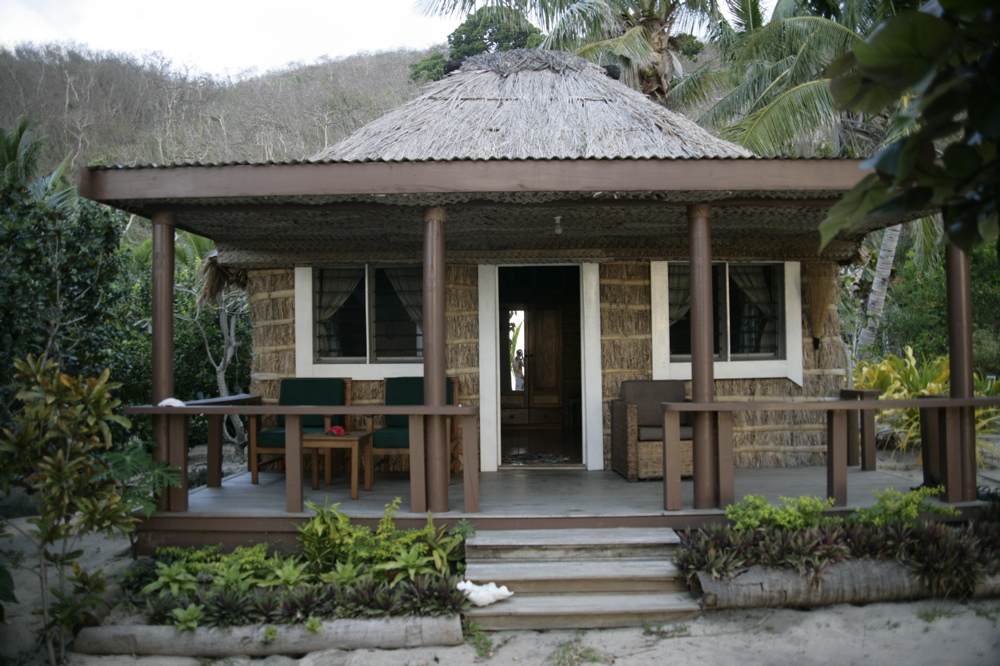
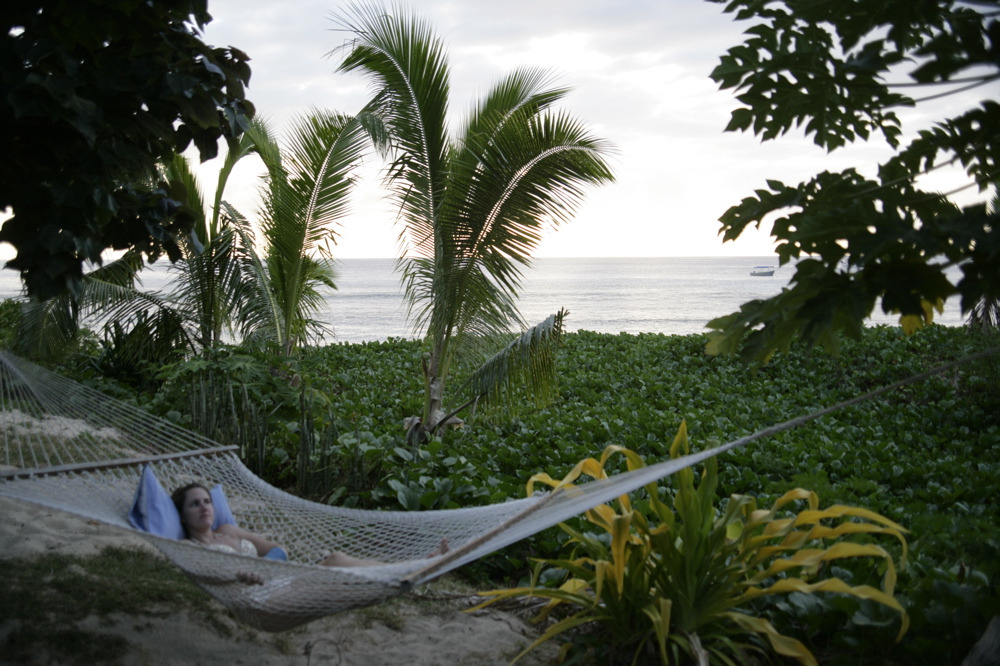
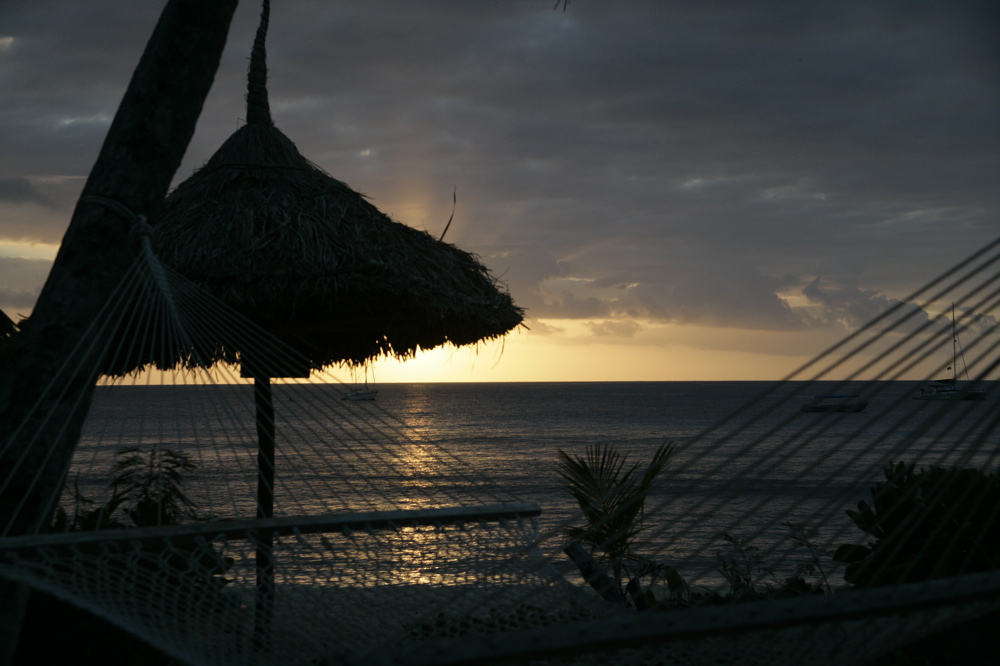
    Checked in, we relaxed at our private bure, (no dorms for us, I already did college) for a while before a welcome ceremony for anyone who arrived today.  The bure was ocean-side and we watched the sun set over the Pacific Ocean from the hammock that hung not ten feet away from our little porch.  The welcome ceremony involved kava, a drink I had begun to enjoy.  After the welcome ceremony was over I stuck around.  Seated around the kava bowl, I talked with the Fijians who had run the kava ceremony and who were now idly playing a small guitar, singing, drinking kava or passing it to others.  After a question one of them couldn’t field, he turned to another man, who turned out to be the resort manager.  He asked if I arrived today and after I replied yes and motioned to Syzygy anchored a quarter a mile away, he intoned, “Ah, you are Jon.  From the yacht.” As he spoke, he nodded knowingly and the corners of his lips turned up in a smile.  This may have been from the kava.

    That evening I approached the bar with two bottles of wine for the bar to hold on to, I had brought them from Syzygy and you were not allowed to keep any food and drink in your rooms.  (the single small downside of Octopus is it seems a few mice scurry about the resort).  The bartender said he would certainly hold onto them for me and asked where I had gotten them.  I said I had brought them from my sailboat when we arrived today.  “Ah! You are Jon!  From the yacht!”  “Yes,” I smiled, “I am Jon from the Yacht.”  “Of course we can hold this for you!” he said smiling.  They do this for everyone by the way.  Allison and I would saddle up to the bar many times over the next three days drinking a variety of concoctions.  Their pina colada was good; their mojito (called a wayan mosquito) just didn’t stand up to ones I make at parties (and written about in magazines, no lie).  It was a espresso-ice cream-frangelico combination though that we went back for again and again and again.  Delicious.

    The waitress at our lunch the next day… same thing, “Ah, you are Jon.  From the yacht.”  Replete with little giggle.  When I asked another staff person at the front desk about a special lobster dinner I had booked when making our reservation, she replied, “Lobster dinner? You must be Jon! From the yacht.  Sabrina, this is Jon from the yacht, who gets the lobster dinner.  Can you help him schedule it?” And then all 4 women in the office I swear tried to hide a little giggle.  At the lobster dinner, our server came up to our table and exclaimed, “Bula! You are Jon.  Yes? From the yacht?”  I had finally caught on to the pattern.  Allison noted it the first time I believe.

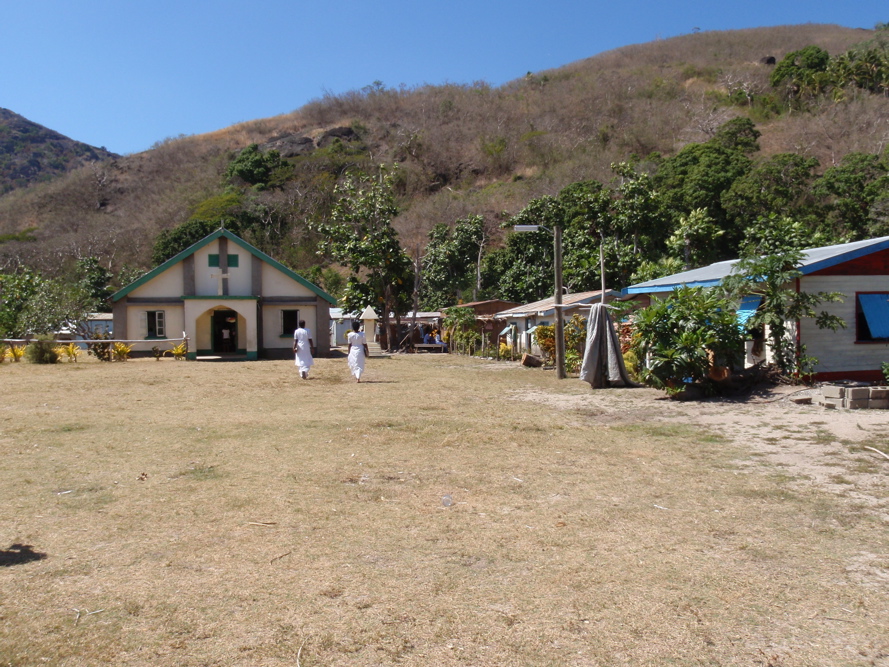
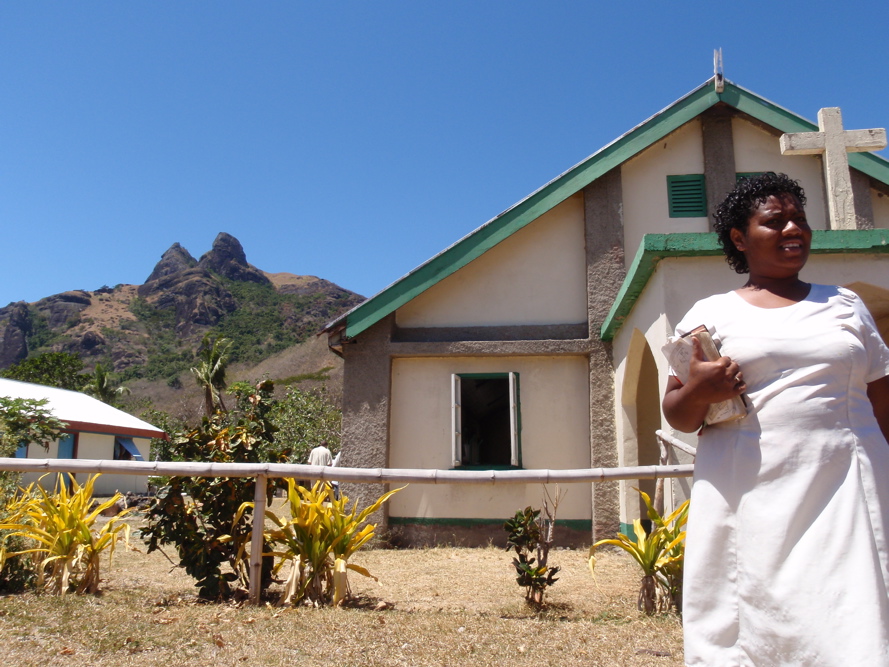
    Octopus is a laid back resort, there are a variety of activities to choose from, but the staff is supportive of being fabulously lazy.  Pool, dive shop, great snorkeling right off the beach, inexpensive, good food (lunches are best, and the lobster dinner is totally worth paying for)  traditional village visits.  On one of those village visits, Allison and I took the opportunity to go to a church service as Fijian village culture is renowned for church services with beautiful singing.  The Methodist service was quite impressive, if a touch awkward (for me) when many of the tourists (with the permission of our local guide) were taking pictures of the service.

    Octopus Resorts is an amazing place to stay.  If you visit Fiji, I highly recommend staying there.

  • Waterproof Camera, May You Rest in Peace

    (this post refers to events that happened on September 6th)

    I have a litany of electronics that I have ruined because they were not waterproof and I took them near water.  Two video cameras, one camera.  Two phones.  A jump drive.  So I was overjoyed to have purchased a waterproof camera to use on this trip, where I’m surrounded by water.

    The Olympus Stylus Epic 1030SW.  Waterproof to 10 feet.  SHOCKPROOF to 6 feet.  It was awesome!  No worries about getting it wet.  Spray from sailing was no concern.  Wet trips in the dinghy no concern.  Swimming on the surface was no concern.

    I failed however, to properly be concerned about diving down to beyond ten feet to take pictures.

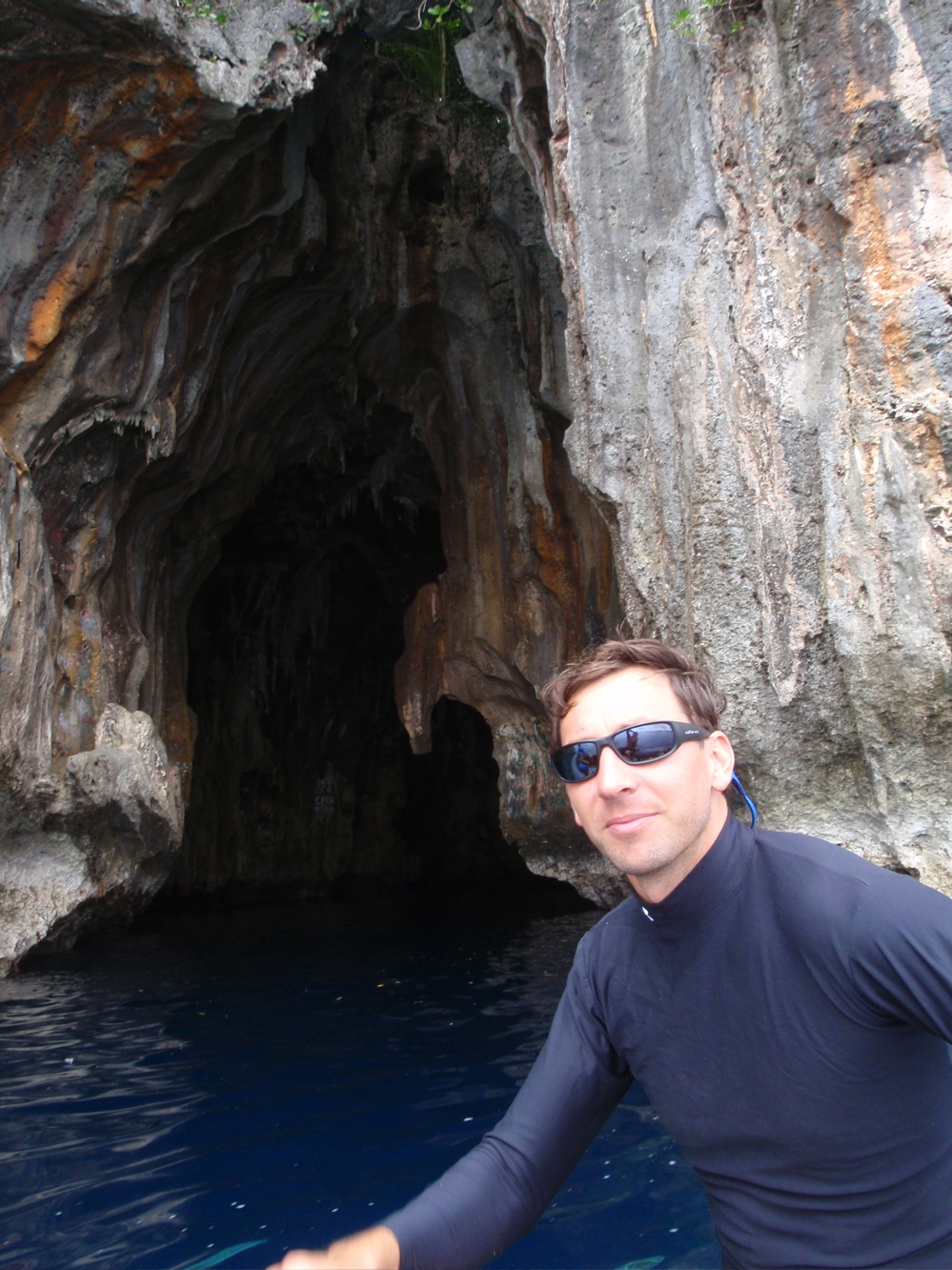
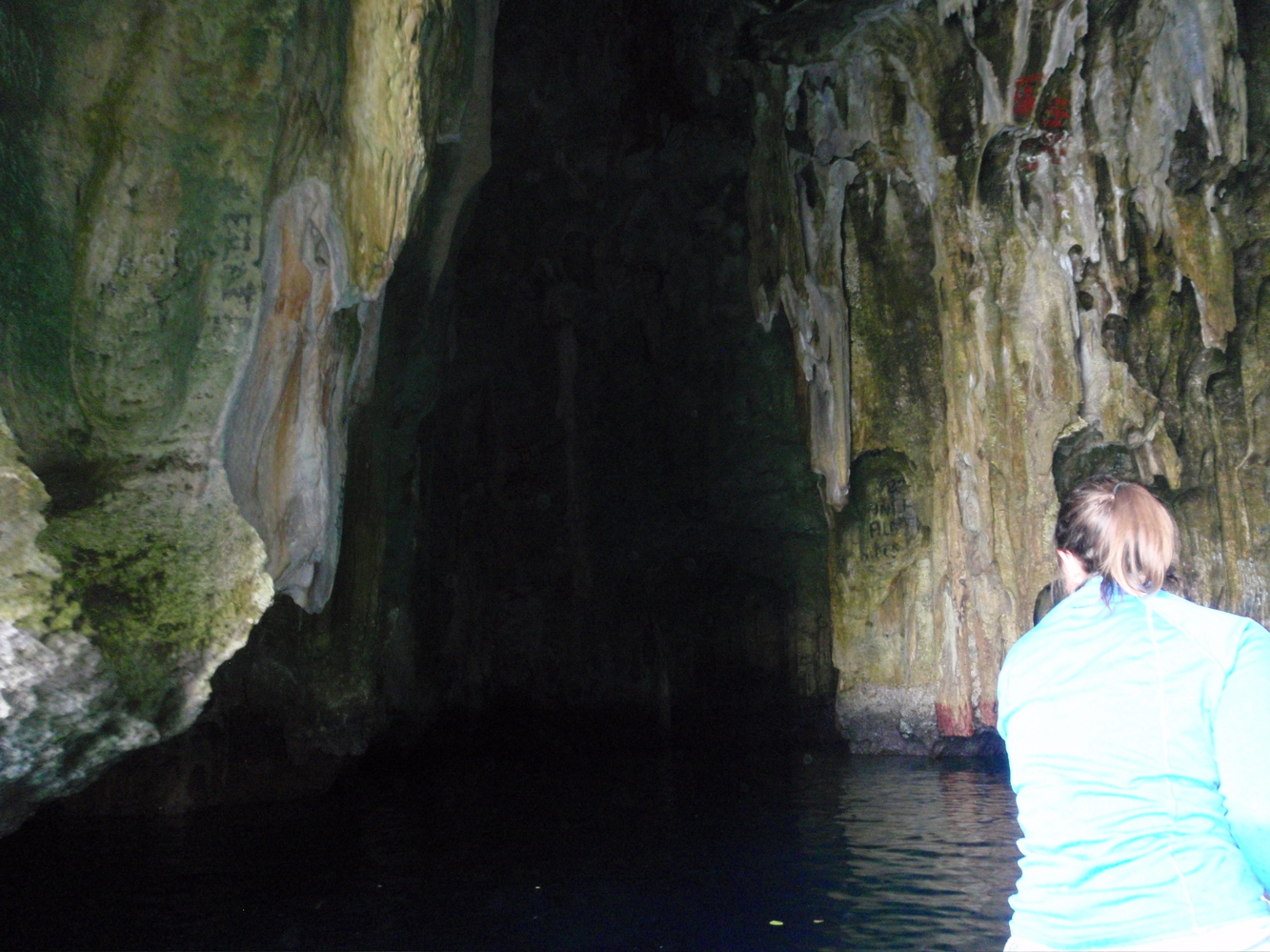
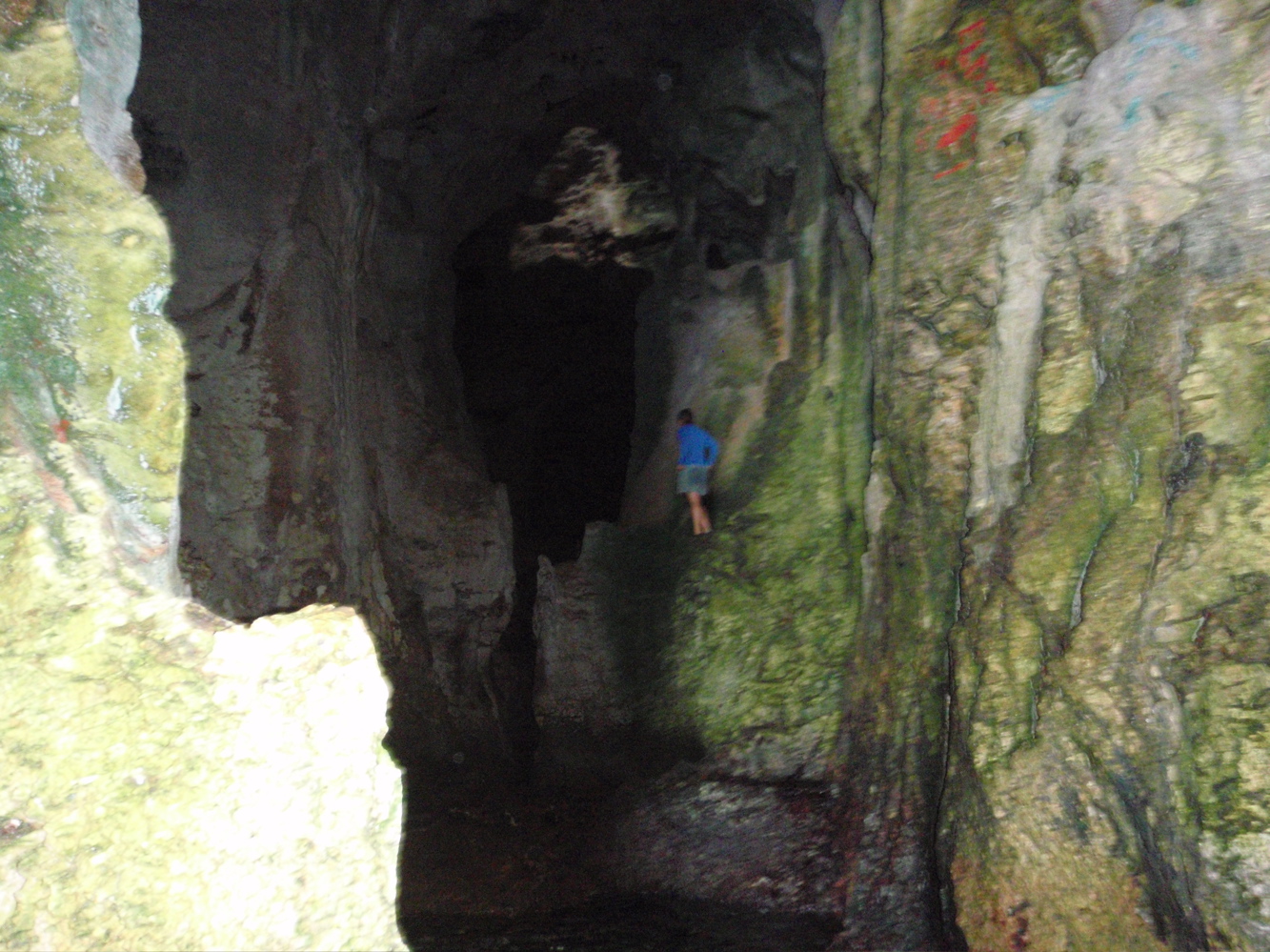
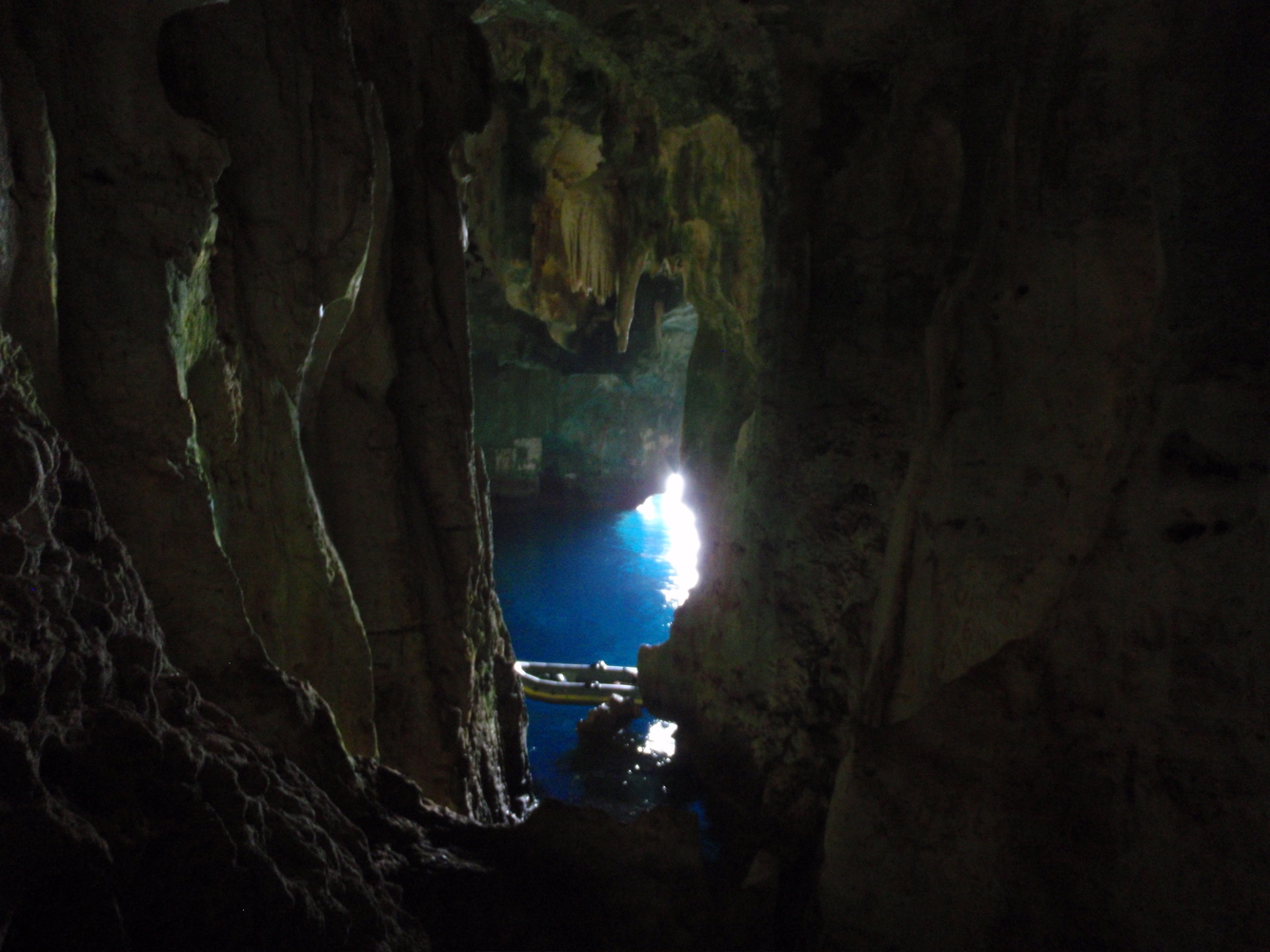
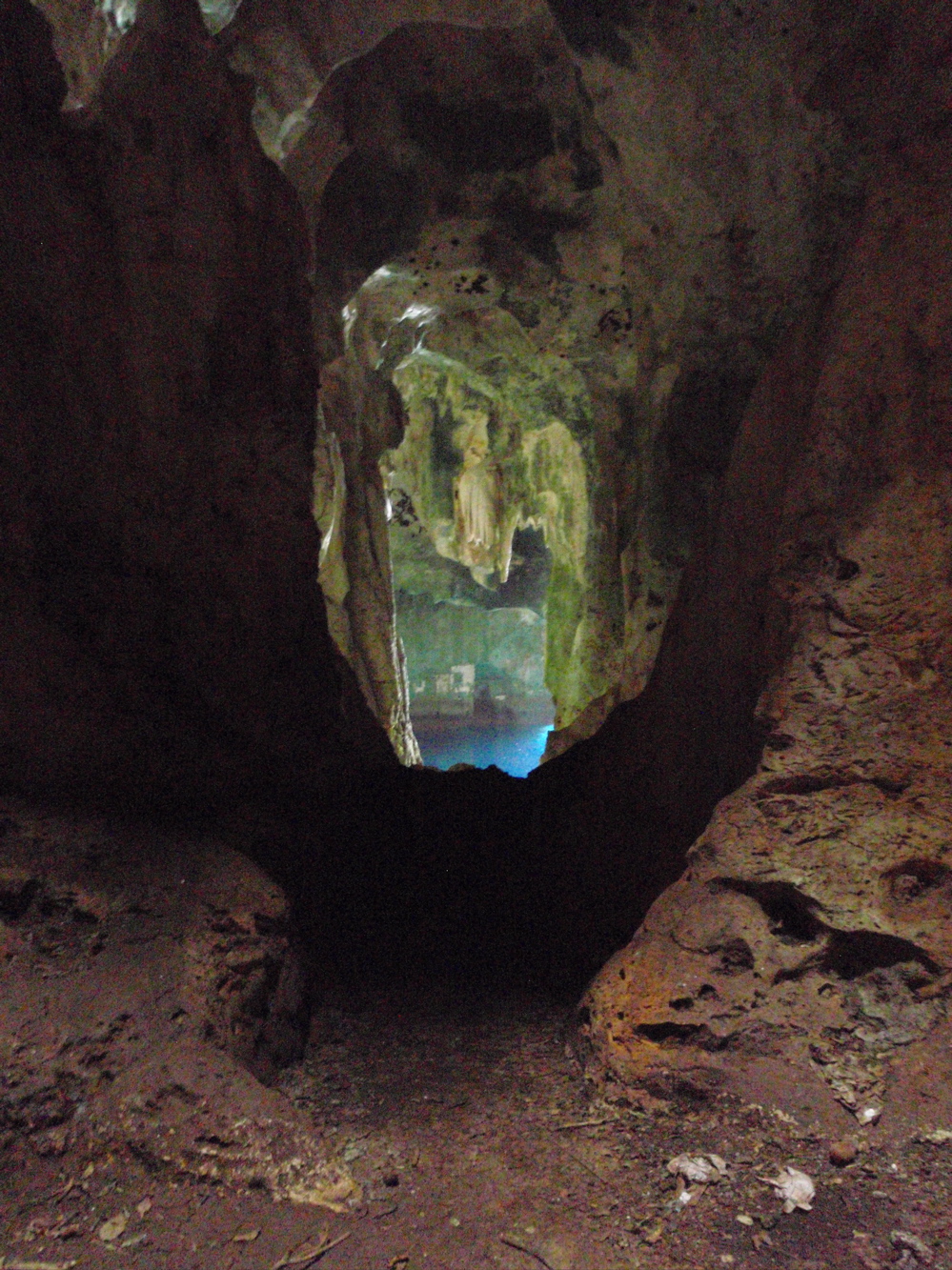
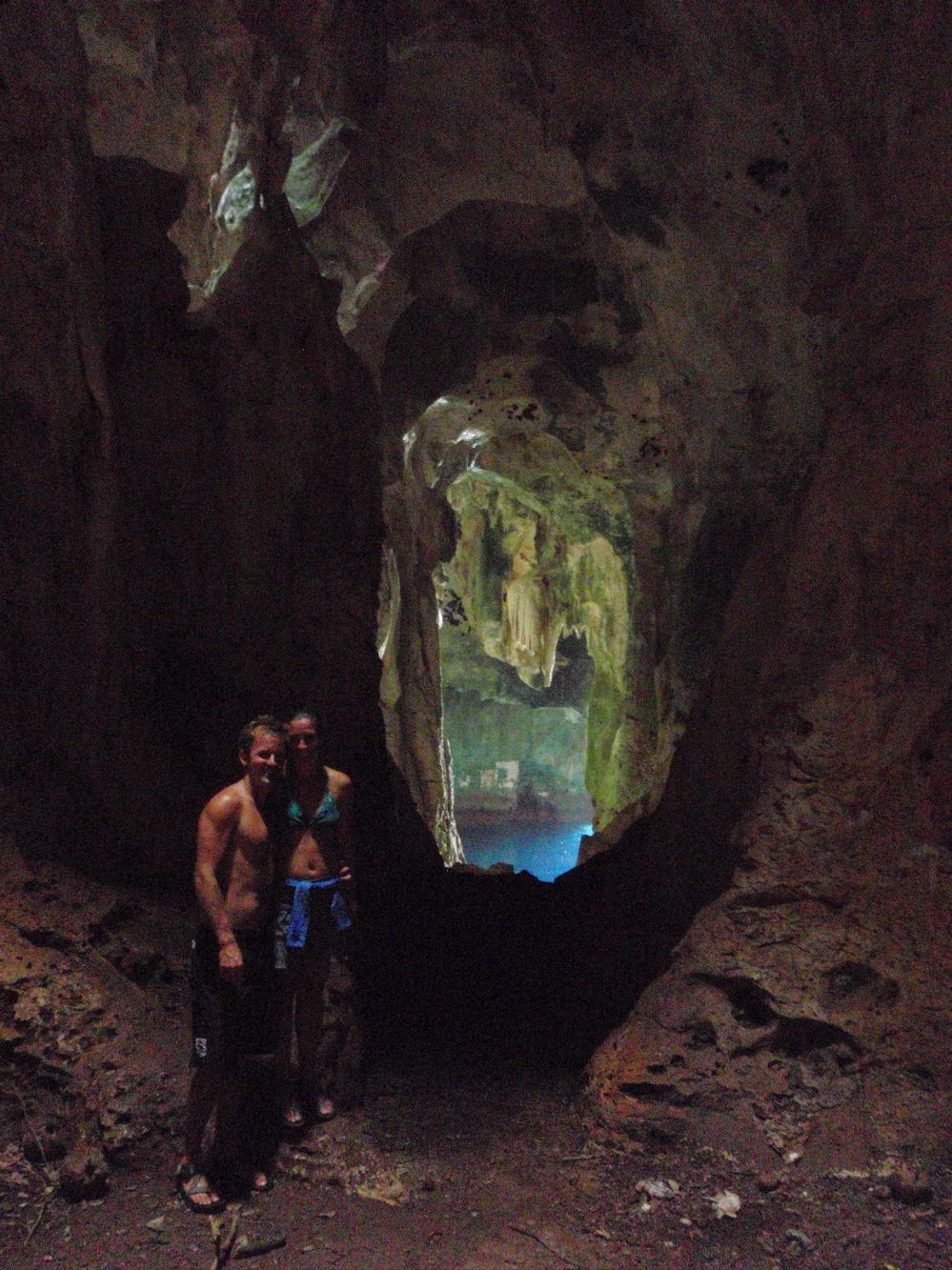
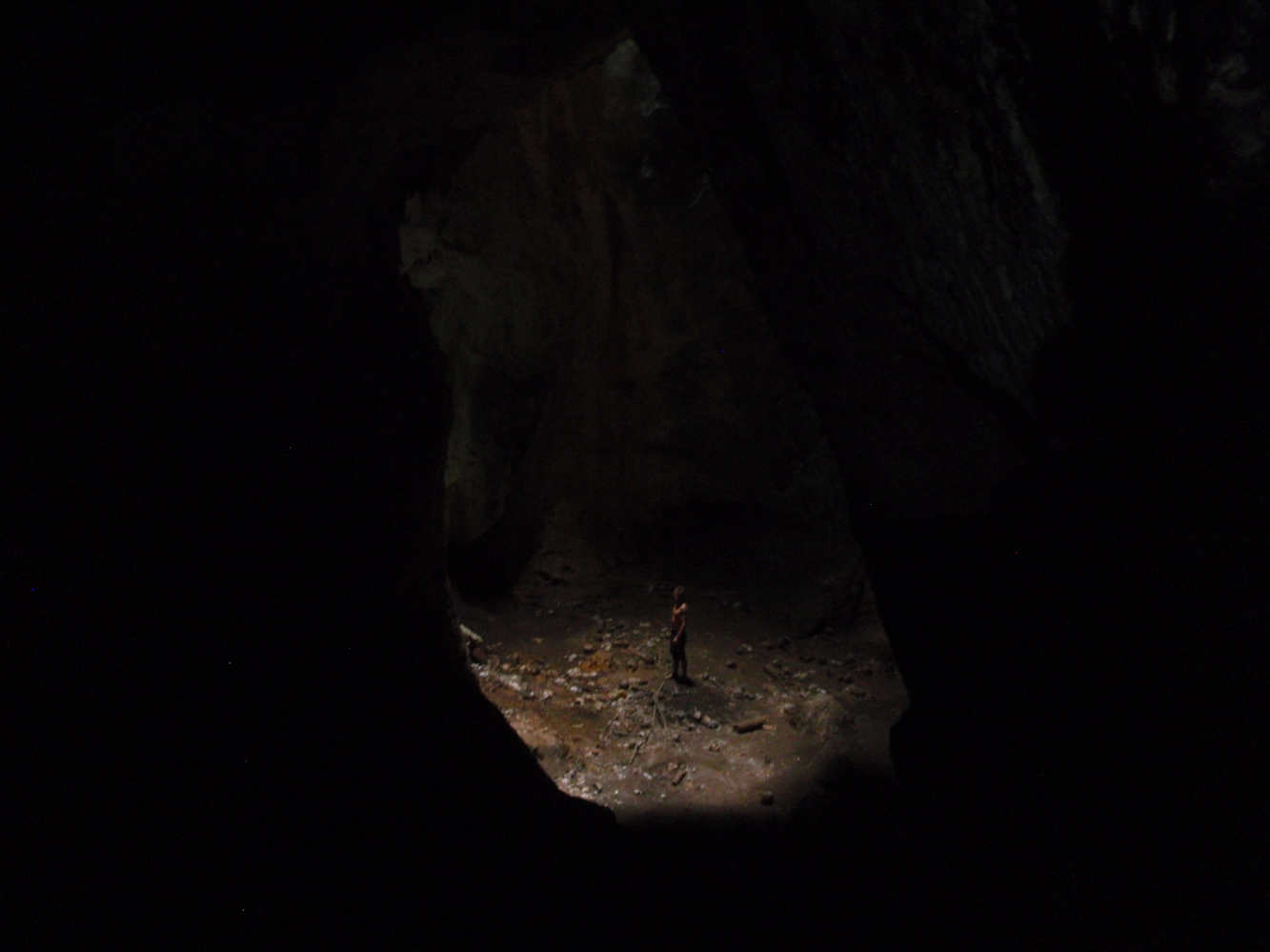
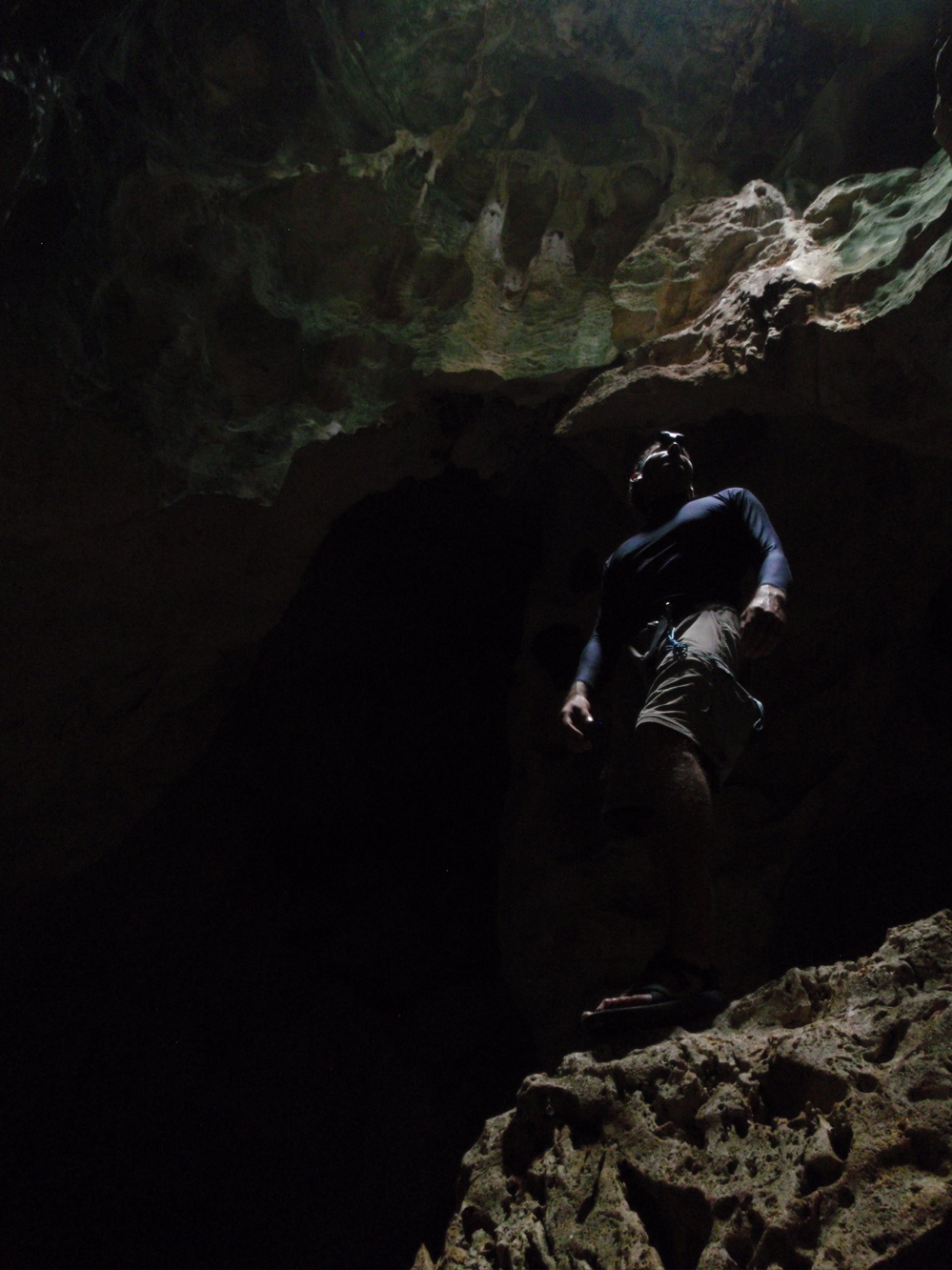
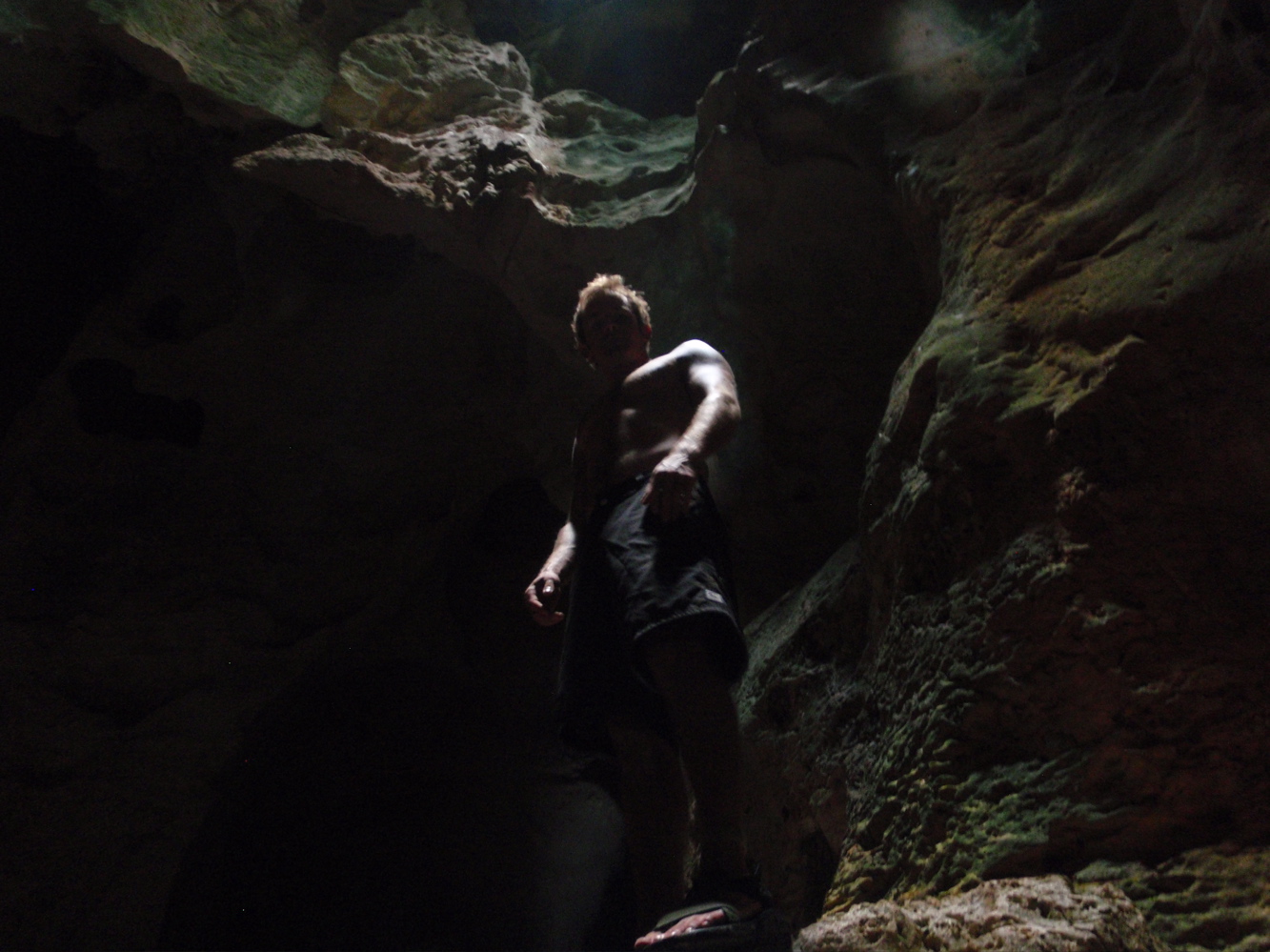
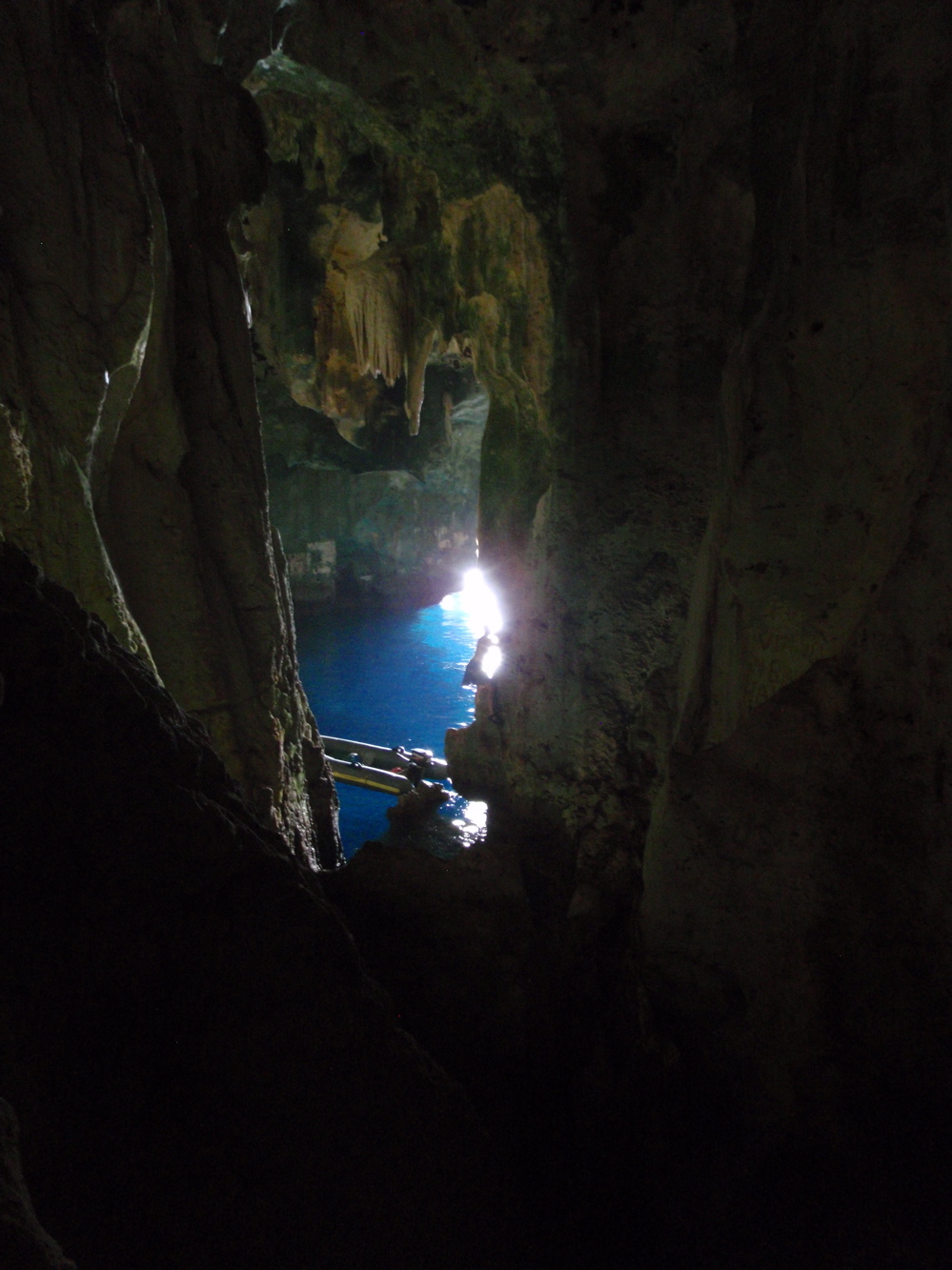
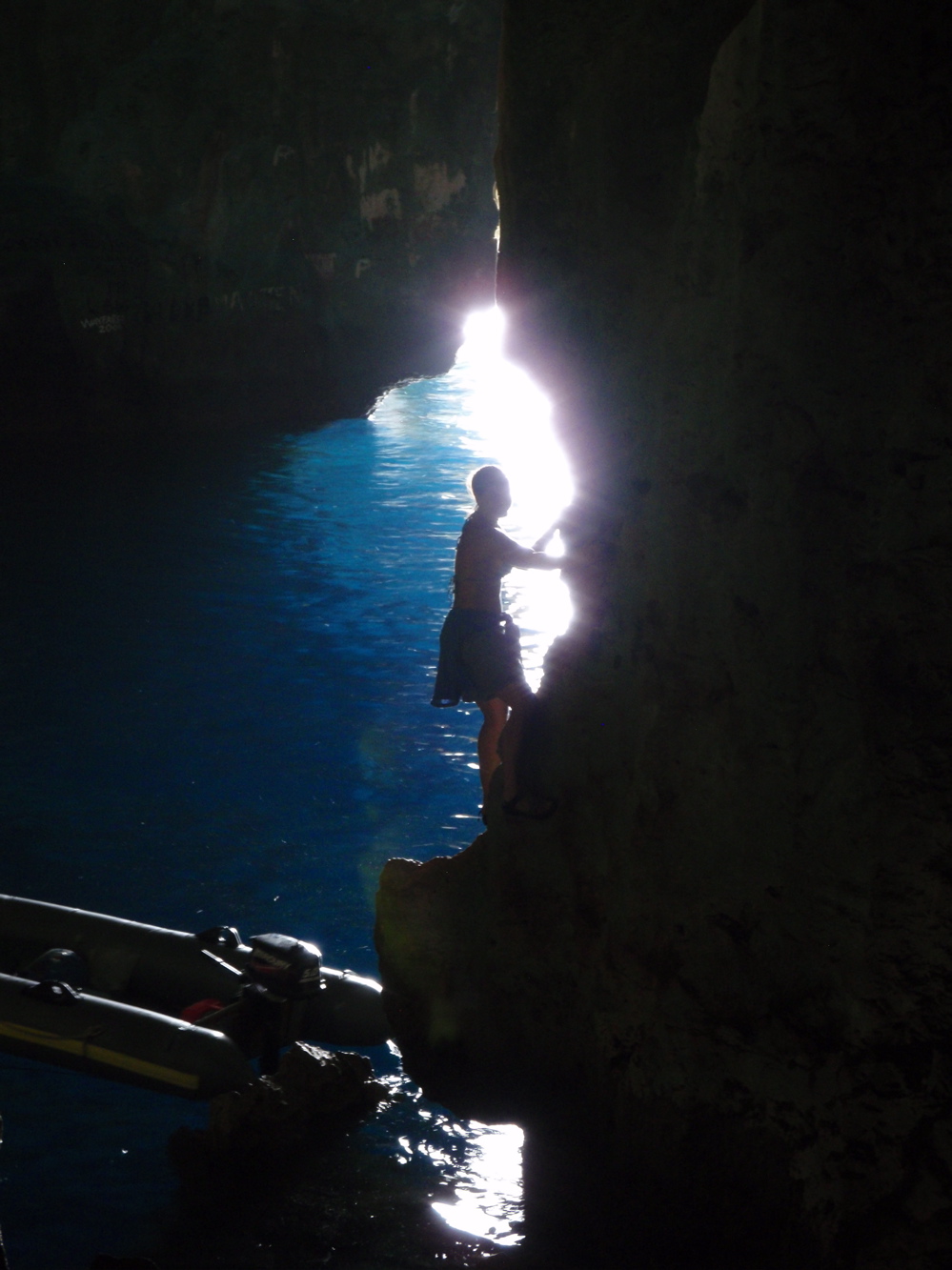
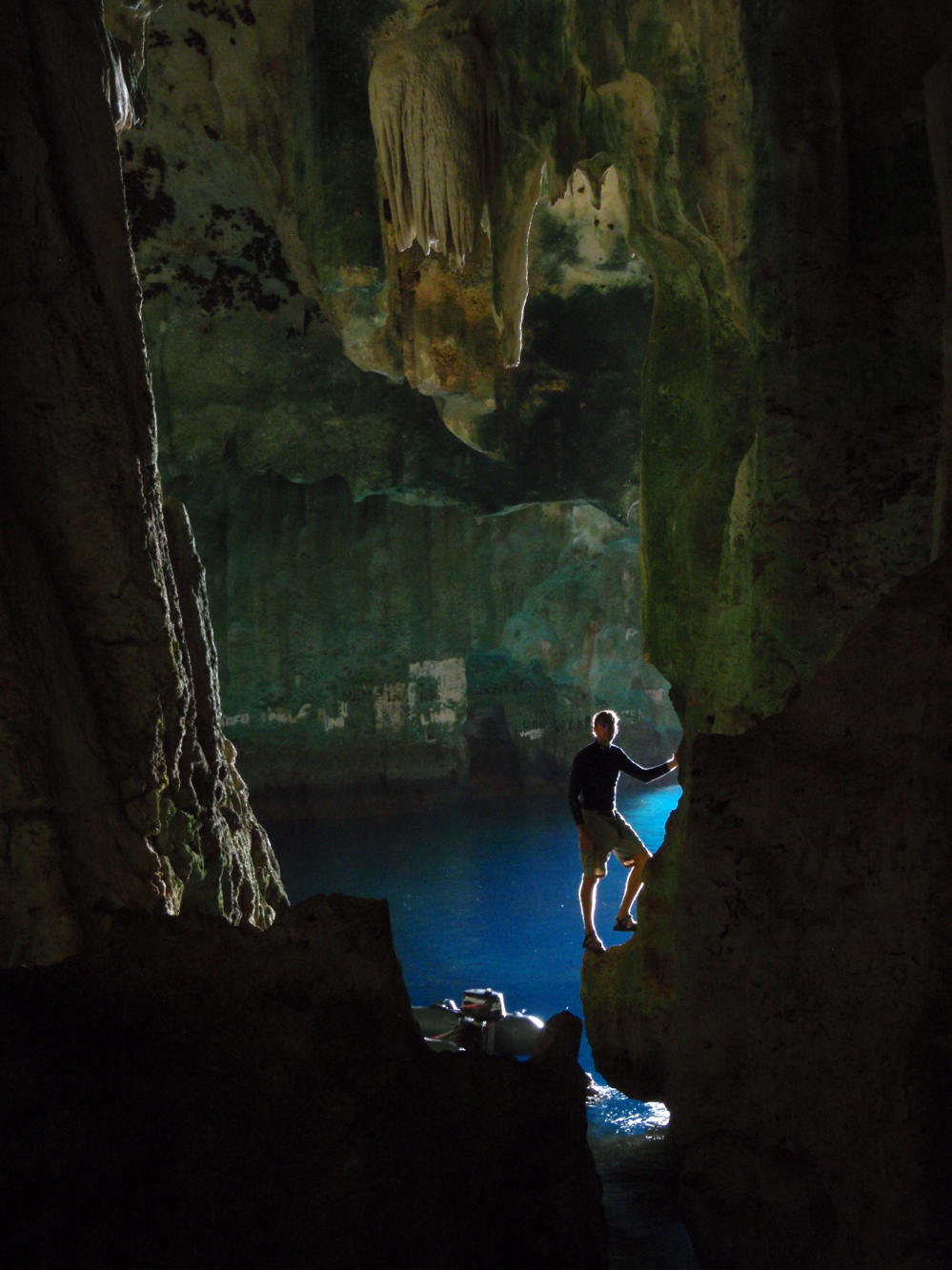
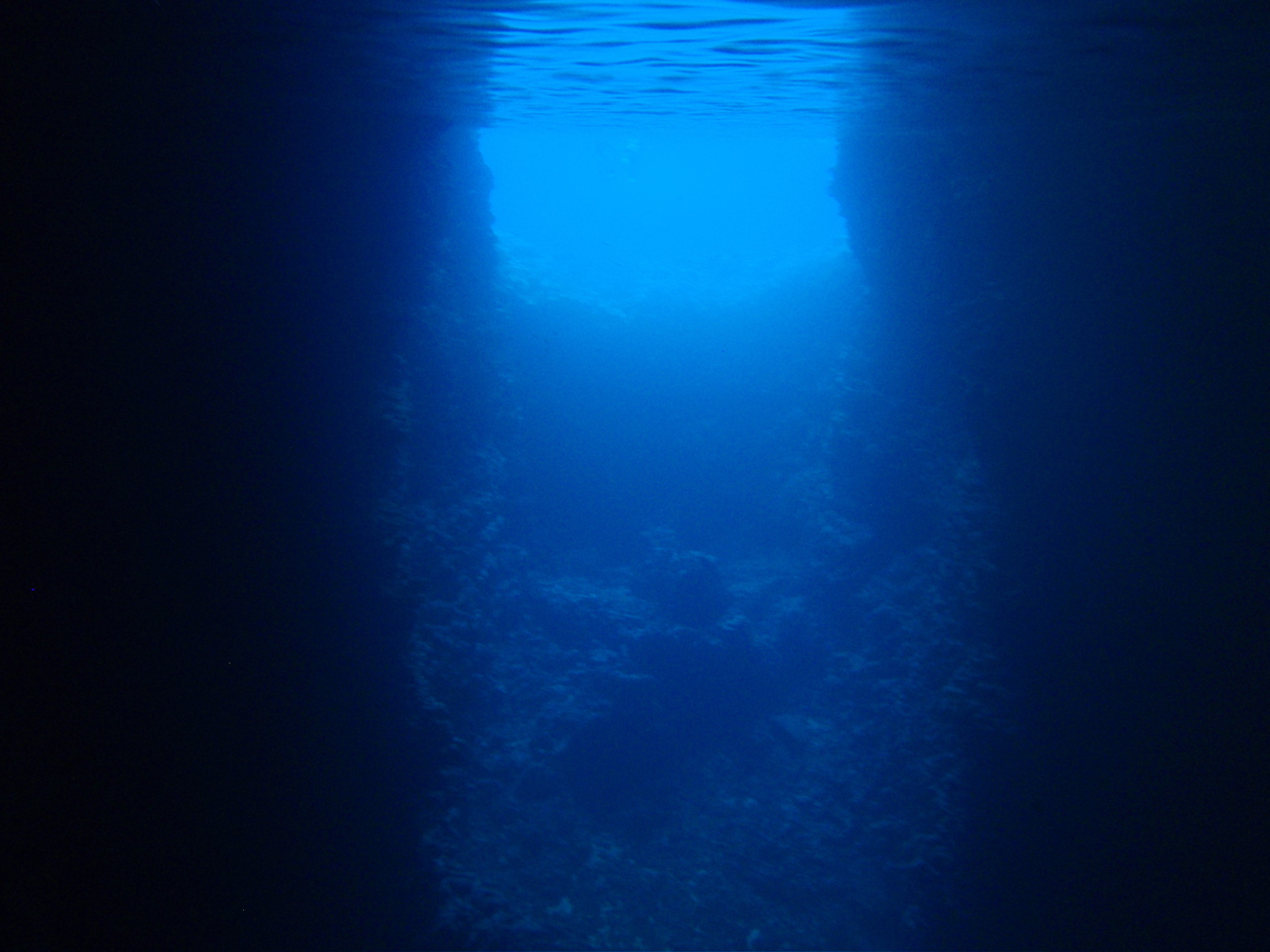
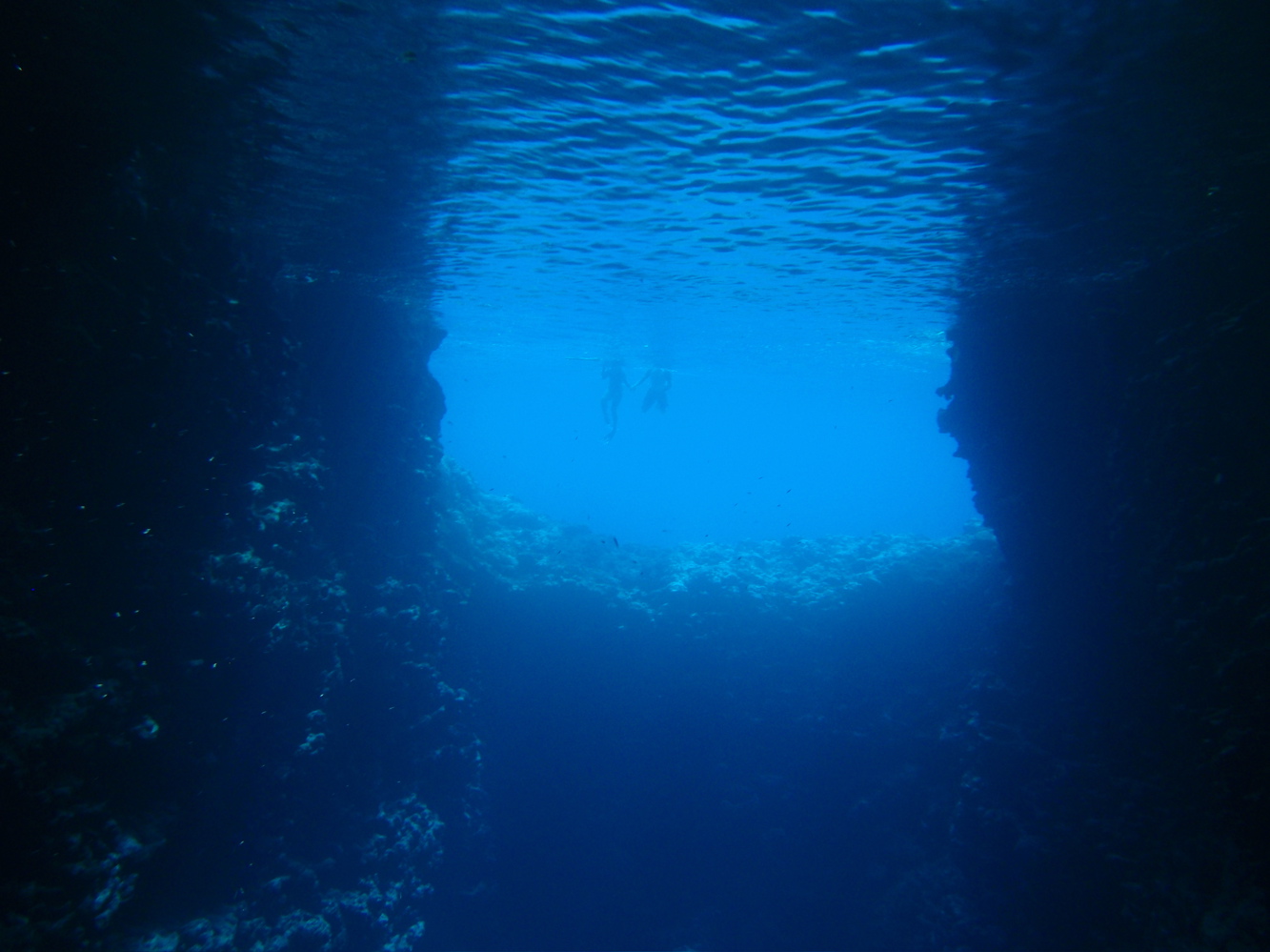
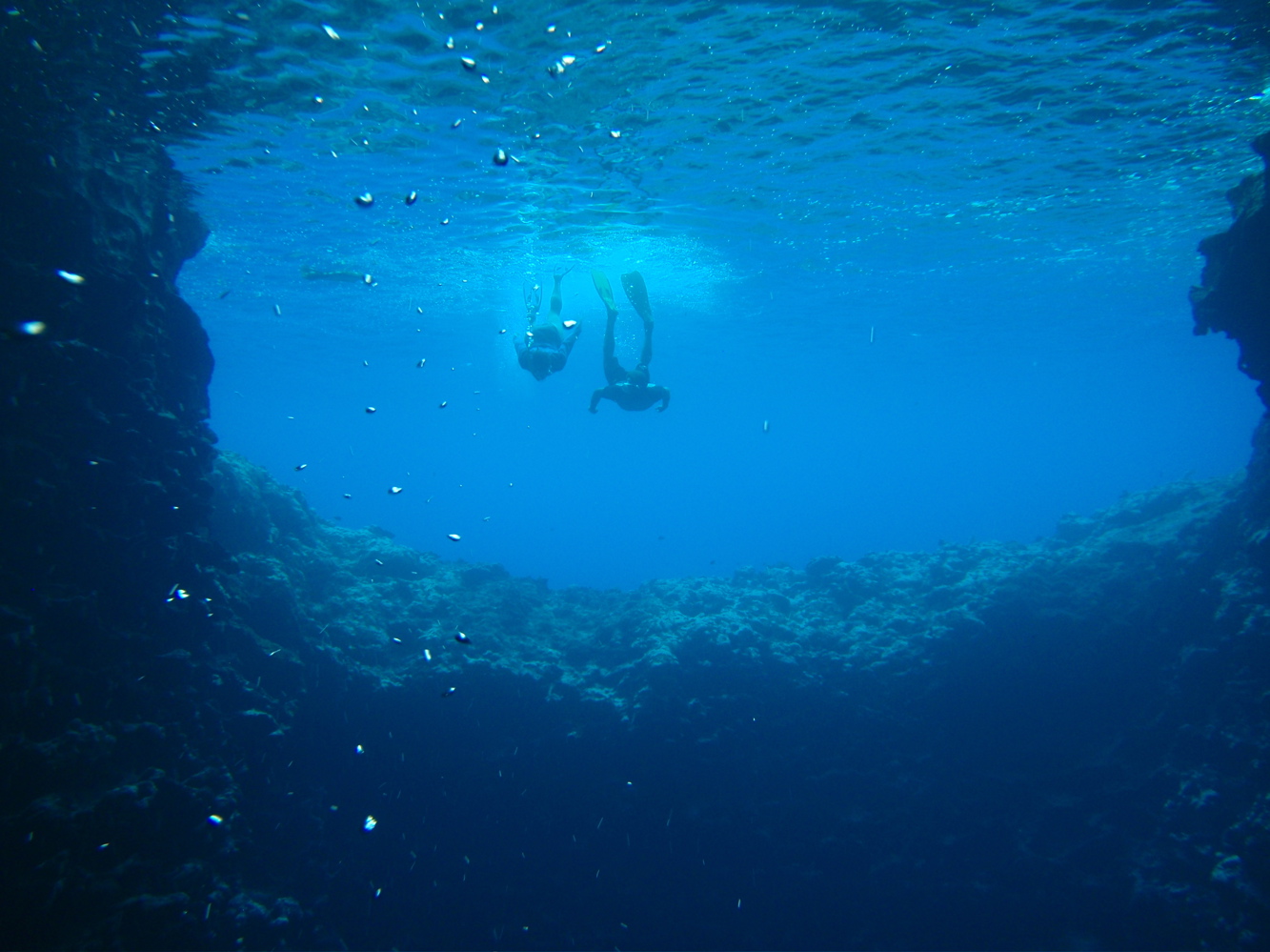
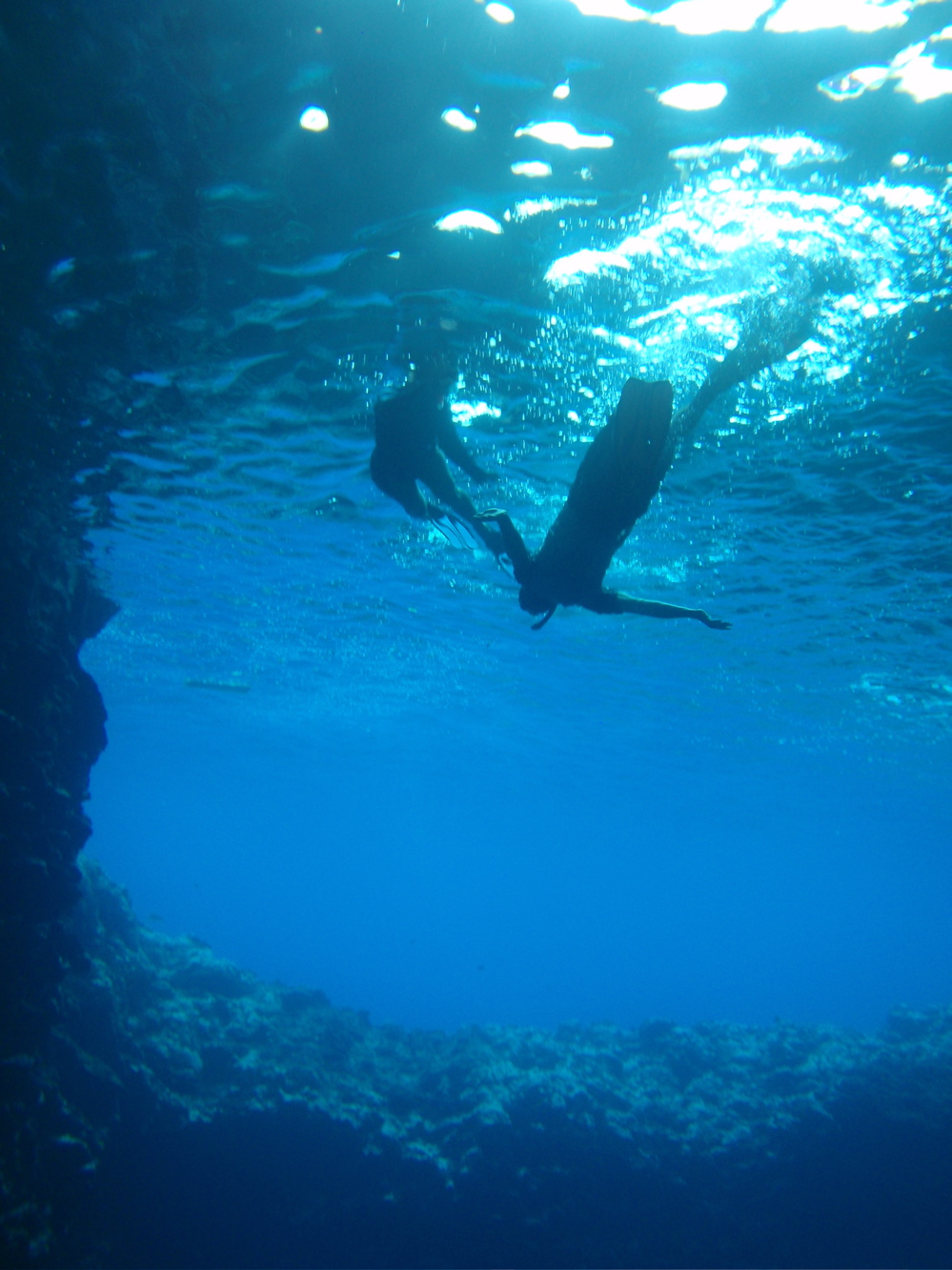
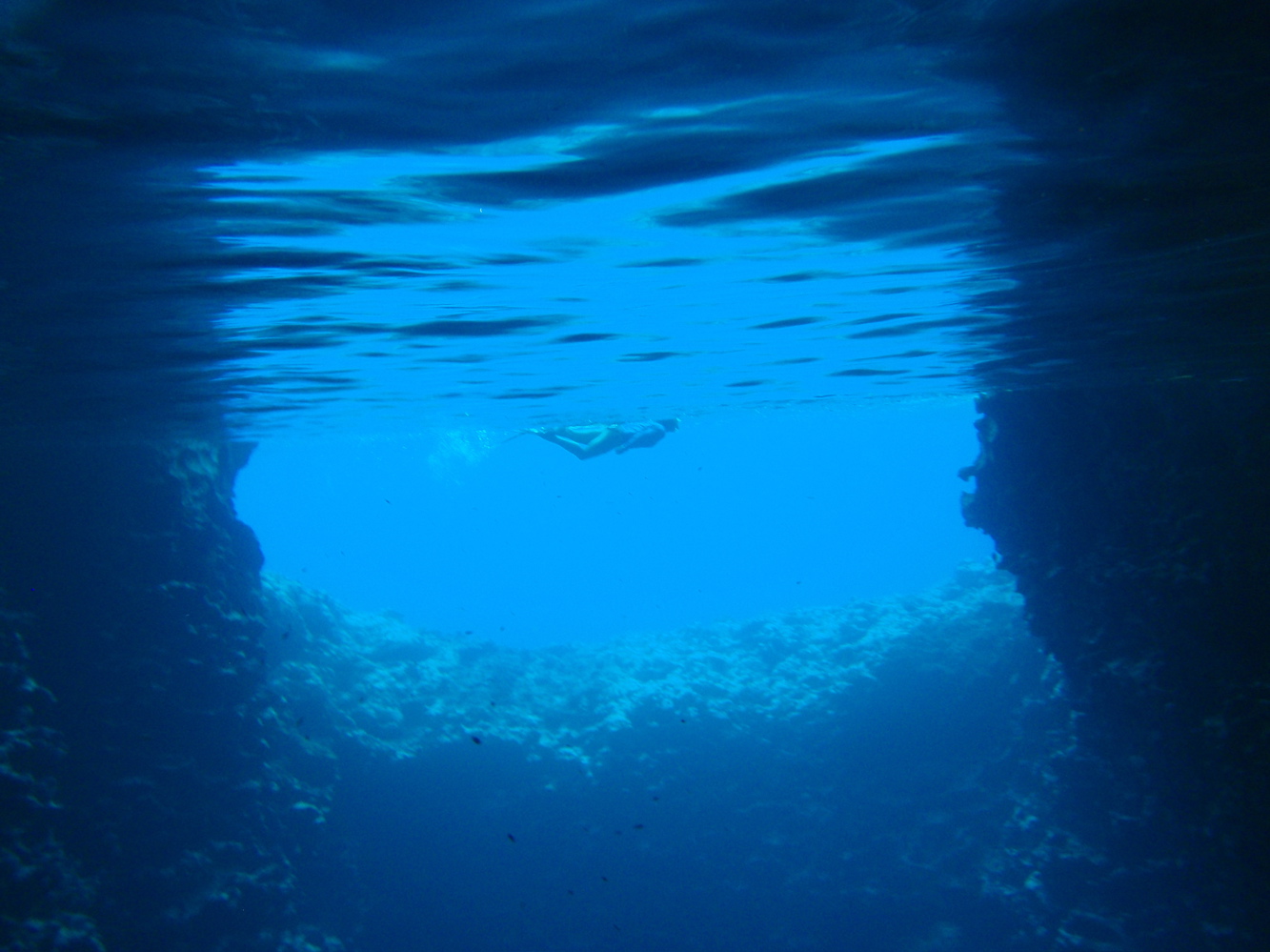
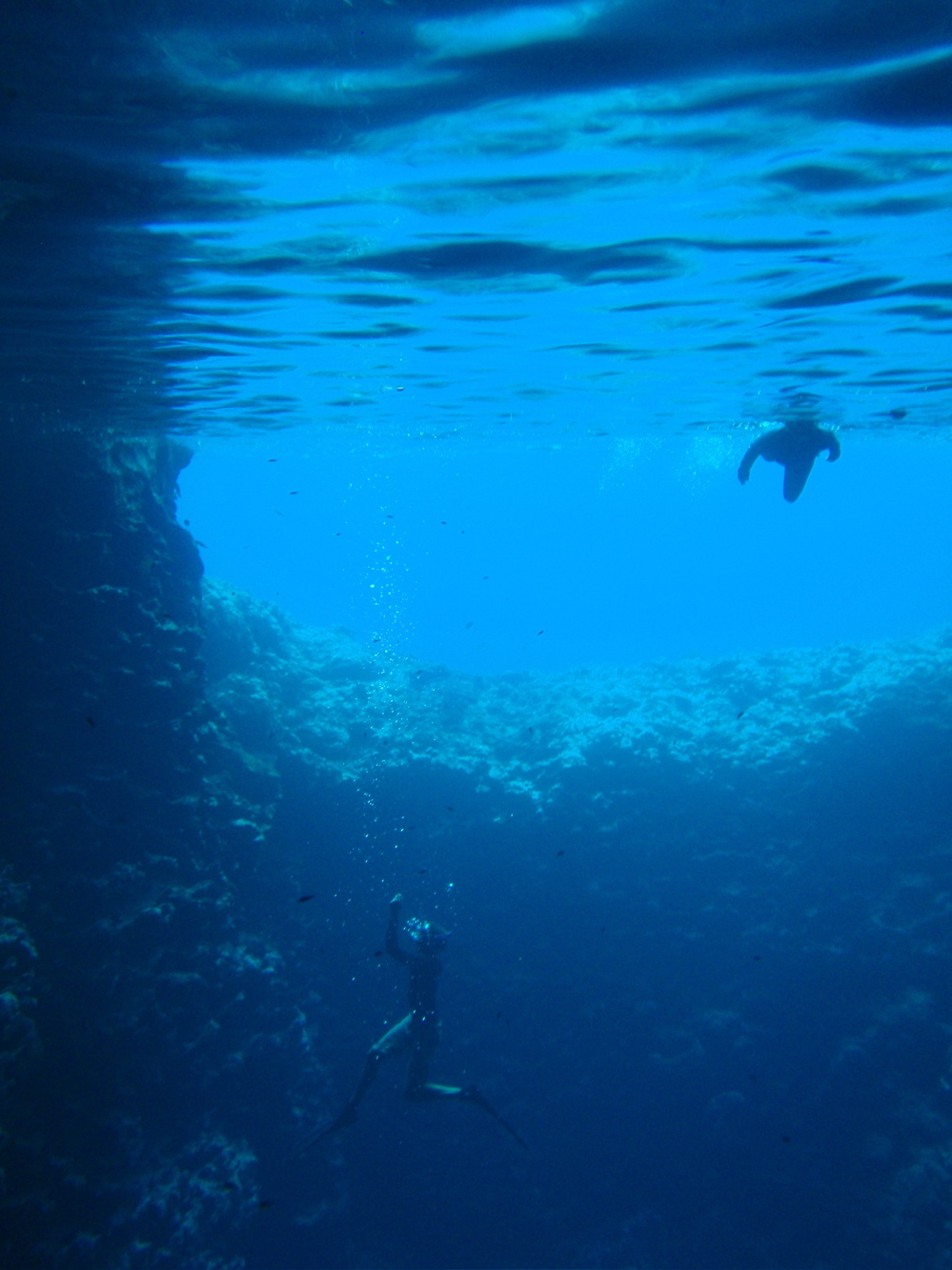
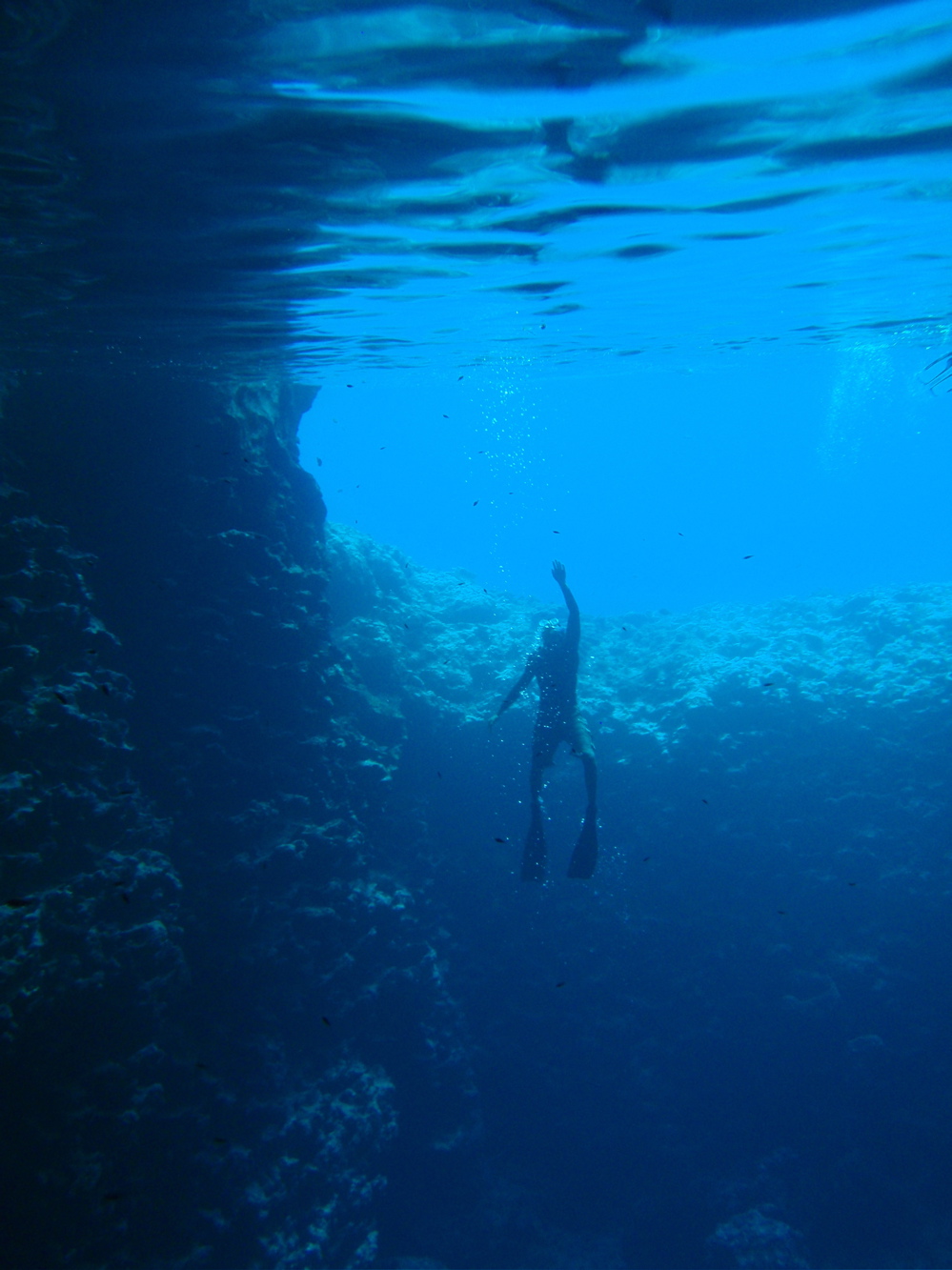
    And so the last pictures my camera managed to take were of Swallows Cave.  Which was spectacular.

    And almost worth the price a new camera will cost.  Allison brought one out that was quite enticing… The Olympus u-tough 8000, only available outside America.   And Olympus has another, its newest version, the Olympus Stylus tough-8020!  Shizamm!

    Anyway, here are pictures from Swallows Cave.

  • Determined snorkeling

    (this post refers to events that happened on September 6th)

    In between going to Swallows Cave and Mariners Cave, we went out to the coral gardens west of the reef between the islands of Vakaeitu and Nua Papu.    The founder of Moorings, a world wide sailboat chartering company, was quoted as saying the following upon snorkeling here:  “Any reef I look at after this one will appear dead to me.”  Apparently it was going to be colorful.  I figure she has done a fair bit of snorkeling in her day in exotic locations, what with setting up a world wide sail-chartering company and all.  So we were determined to see it.

    And we needed to be determined, because it wasn’t easy.  As we approached, the tide was low and you could walk across drying reef from Vakaeitu and Nua Papu.  Waves were hitting the western side of the reef where we needed to enter the water.  Now, this wasn’t like walking down a gently sloping sandy beach through waves to enter the water, maybe a few obsticles around.   Water was surging back and forth across deep channels cut into the reef, creating a strong tidal motion back and forth.  Later, when in the water, the tidal surge would push you towards the reef edge sometimes upwards of 6 feet and you would zoom along with the fish who were also pulled by tidal surge, the coral below you skimming by showing your nearly uncontrollable progress, only to be tugged back away as the tidal surge drew away, and you and the fish would again go zipping along back out to where you started.

    Matt was the first to attempt to enter, walking out a peninsula of reef as far as he could.  Waves pushed water all around his feet, and balance on the slippery wet reef was precarious.  Spray from larger waves would kick up around him occasionally.  The timing needed to be just right, and when a surge came in, raising the water level within the slots between the reef, Matt stepped off the peninsula of reef and into the water.  He immediately began swimming quickly away from the reef as the surge receded to avoid being unavoidably pushed back into the reef when it surged back inland again.

    Karen and I followed repeating the process.  She and I had both worn our Chaco sandals, as opposed to Matt cavorting around in his bare feet, which I think made walking the reef slightly less painful.  Carrying the sandals while snorkeling was a small price to pay for less damage to the feet.  How his feet weren’t covered in cuts I don’t know.

    The snorkeling was worth it, not just a spot of coral here and patch there as is typical of most places.  This was a huge continuous tract of coral unbroken the entire third of a mile between Vakaeitu and Nua Papu and which looked to go on longer in both directions.  From five feet in depth, as it slowly angled down to 75 feet in depth, there was beautiful coral the entire way.  It was unfortunately partly cloudy but when the sun cut through the clouds and shown onto the coral, it burst with color, a vibrancy we had not seen anywhere in the South Pacific.  It was a stunning display.  Coral fans stretched 12 feet wide, larger than I had ever seen.

    We lazily swam the 1/3 of a mile from where we entered at the edge of Vakaeitu.  I had never enjoyed snorkeling for so long.  Then once reaching near the Nua Papu shore, we turned around and pushed back to our entrance/exit point, hoping that getting out of the water would prove easier and less scary than getting in.  It was not.

    I initially tried taking off my flippers to put on my Chaco’s, reasoning that with footwear I would more easily be able to get my feet on the reef and walk out.  Walking with flippers is best done by clowns with experience in such things, and while I may be clownish, I have little experience in such things.  But once I took the flippers off, I had no mobility and propulsion in the water, and I needed both to judge the surge as it pushed you towards the reef and then pulled you away.  So back on went the flippers.  I edged closer and closer to the reef, and on a final surge put my feet up on the edge of one of the peninsulas of reef that jutted away and grabbed on with my hands.  Water was at my waist and was in the lull between the surge in and the draw out.  I tried to move my feet up higher, but the flippers tripped me up.  And then the water turned and drew out.  Water rushed out the slot in the reef of which I was on the edge of and moved with a terrific force so that all I could do was simply hold on.  At the lull at the bottom I again tried to move and the flippers again tripped me up.  A larger surge then the one I landed with came in; the higher water pushed me off balance knocking my hands off the reef causing me to reflexively grab at anything I could hold.  I moved up the side of the reef bit, half crawling, half climbing up a couple of feet.  Another surge drew out and then came back in, sucking at my legs trying to pull me away from the reef, then pushing me off balance towards the slot in the reef the tidal surge pushed into each time.  I was desperate to be able to effectively move my legs and so took one flipper off and then another tossing them to Matt who was on higher ground.  With flippers off, I endured another larger swell knocking me off balance and then pulling me hard.  At was on top of the peninsula of reef at this point, effectively horizontal ground, but the tide was higher and water easily washed over the peninsula point and so despite being on all fours, crawling, when the tide drew out, I was holding on like I might while rock-climbing, such was the force of the water sweeping out.

    Once Karen was out as well, I assessed the damage.  A half a dozen coral cuts on my hands, a couple more on my ankles and knees.  A price to be sure for the best snorkeling we’ve done.

  • Tonga. The Cafes Are Nice.

    We have been in Tonga for eight days.  I want to gauge out my eyes with a spoon.  We have done nothing.  We have sat in cafes  We have ate in cafes.  We have surfed the internet in cafes.  We have drank in cafes.  Alot of drinking.

    Before arriving, we had sailed eight days to Beveridge Reef, and than another three days to Tonga.  Eleven days of sailing is quite a bit.  We need a couple of days of utter relaxation after that, and so we spent the first three days exactly like that, reading, relaxing, reconnecting on the internet.

    Then we decided to leave.  Then our diesel engine decided otherwise.  It decided to break.  Again.  Necessitating four more days of work.  I’ll describe this later.  And so back to the cafes we went to eat and drink.  And then we drank some more on the boat.

    Cafe Aquarium rates as the most friendly.  And has free, albeit slow, internet.
    Sunset Cafe has the best burgers.
    The Giggling Whale is the fuel hook-up, the loudest owner, and the best art on the walls.
    The best coffee can be found at Crow’s Nest.  
    The best ice-cream at
    The atmosphere at Tropicana is stiffling.
    The  Coconet Cafe also does laundry.  But it is so absurdly overpriced you would think they were laundry peddling mobsters and it’s embarrassing to admit we spent over $100 doing laundry.
    The Neiafu Yacht Club didn’t leave an impression.
    We didn’t make it to the nice pizza place.

    I’m supposed to be on the trip of a lifetime.  This is not how I imagined I’d be spending my time. All I can tell you after eight days in the Kingdom of Tonga is that the cafes are nice, Immigration officials will fleece you if you arrive on a week-end, and the water in the bay outside Neifu does not inspire swimming.

    And having a diesel engine break sucks.

  • Huahine

    Finally, this is a current post, written and posted in the present right here now. I wanted to bring everyone up to date with our wanderings, right before we drop off the map again for another couple of long passages. We need to be in Australia by November to avoid the cyclone (hurricane) season down here. We have been in the south pacific for three months already; we have less than three months remaining. Examine on the map how far we’ve come in three months and how far we have yet to go, and you’ll see that we really have to get our act in gear.

    From Huahine, we intend to sail in more or less a straight line to Tonga, with three possible stops on the list: Palmerston atoll, Beveridge Reef, and Niue. We may stop at all three or none of these. Palmerston is in the middle of nowhere and has only a handful of people living on it. Beveridge reef is even more remote, and unique: it doesn’t actually have any dry land whatsoever–it’s a reef that rises straight out of the ocean floor and comes within a few feet of the surface. It would be surreal to anchor on a reef in the middle of the ocean, with no land in sight for hundreds of miles (this will be possible if the weather cooperates). Niue is large enough to have some civilization there, a town and supplies and maybe even internet. But who knows, we may pass up all three and just pop back up on the map in Tonga, 1300 miles west of here. Like I said, we need to put some miles under the keel prontospeed.

    We’ve had lots of rain since we arrived here in Huahine. Refreshingly, the island is less developed (i.e. less touristy) than either Tahiti or Moorea. We picked up our last remaining provisions for the upcoming passages, and need only a jerry-can worth of gas for the outboard before we’re all set to go. We’ll probably get out of here in two or three days, weather permitting.

    Unrelatedly, my cousin Derek is getting married today, perhaps this very moment, and I feel strange (and somewhat guilty) not to be back home attending. I wish him the very best–congratulations to Derek & Lauren!

  • Moms visit Moorea

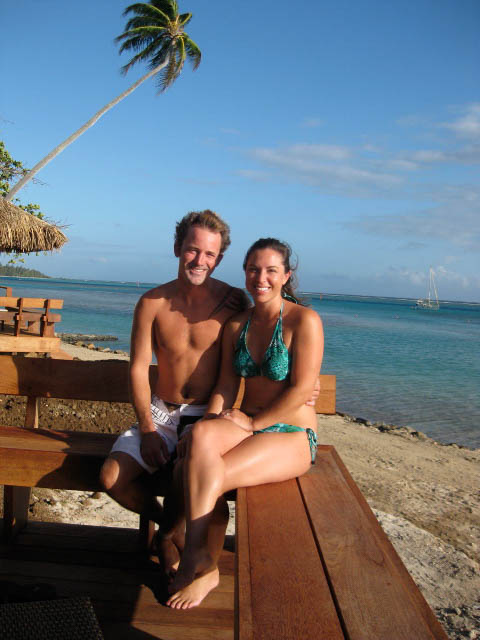
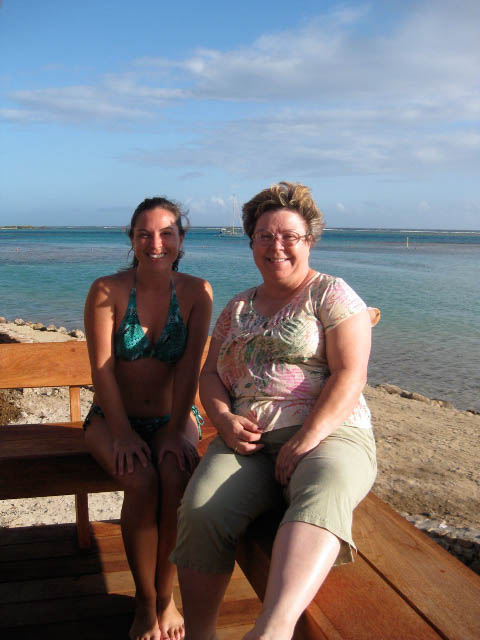
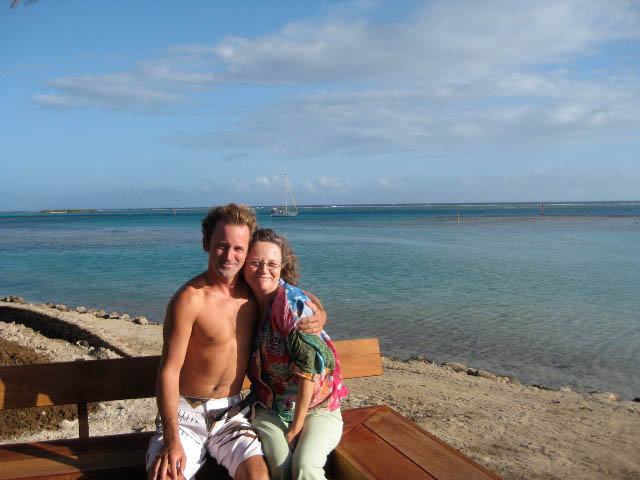
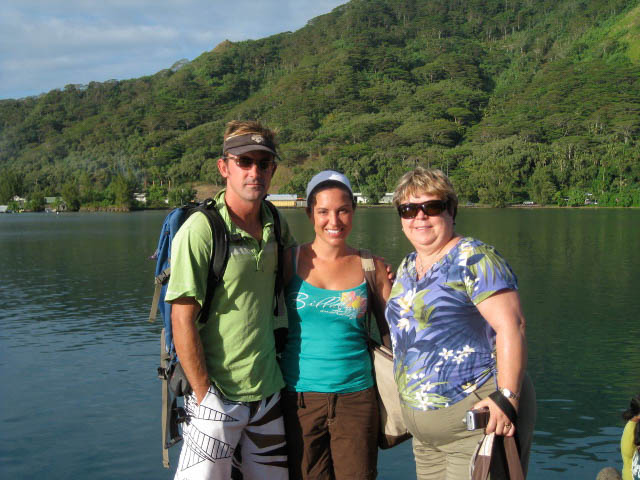
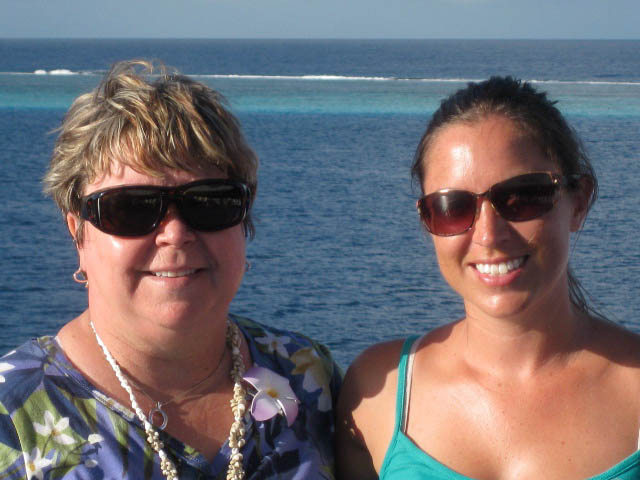
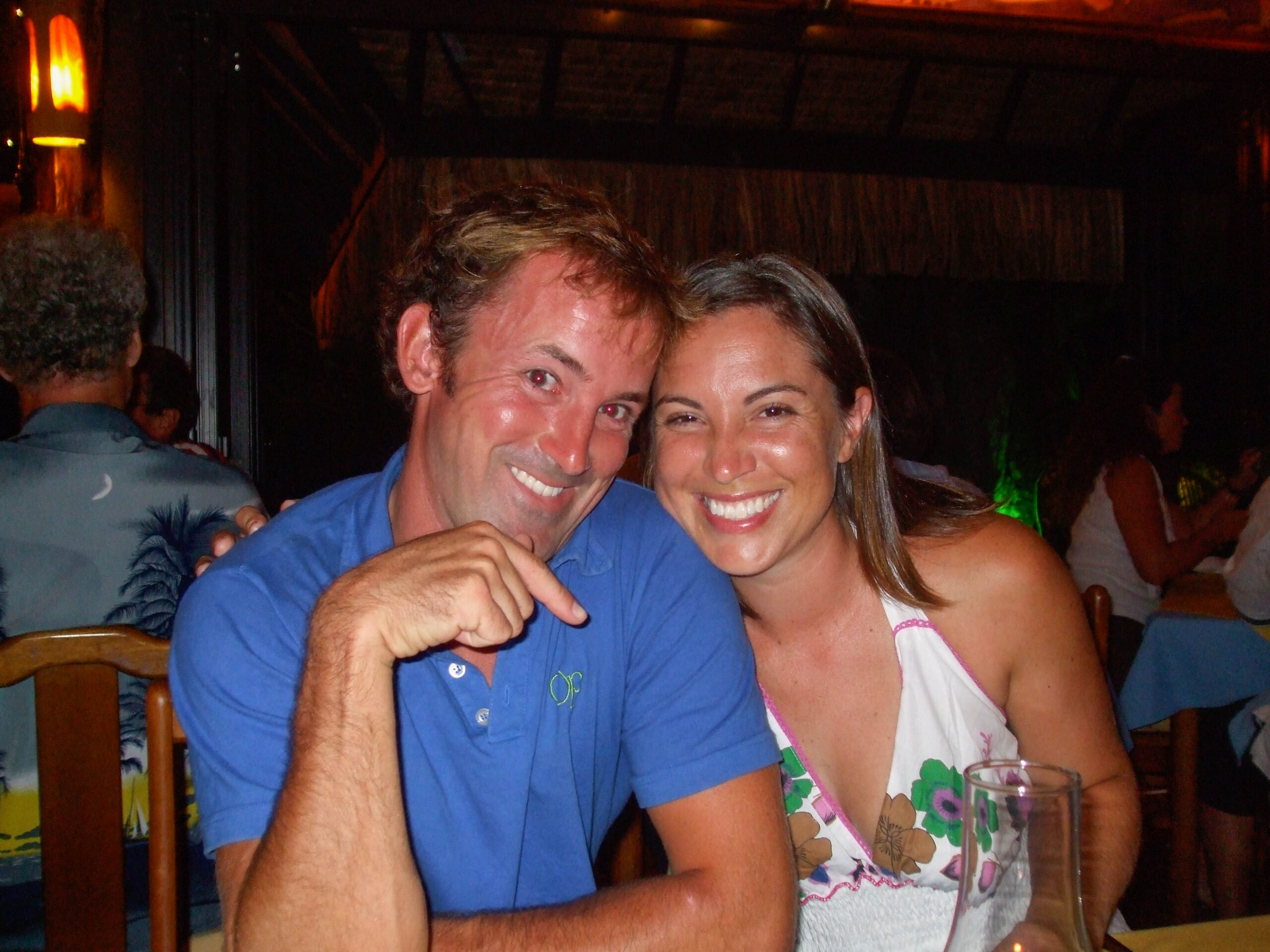
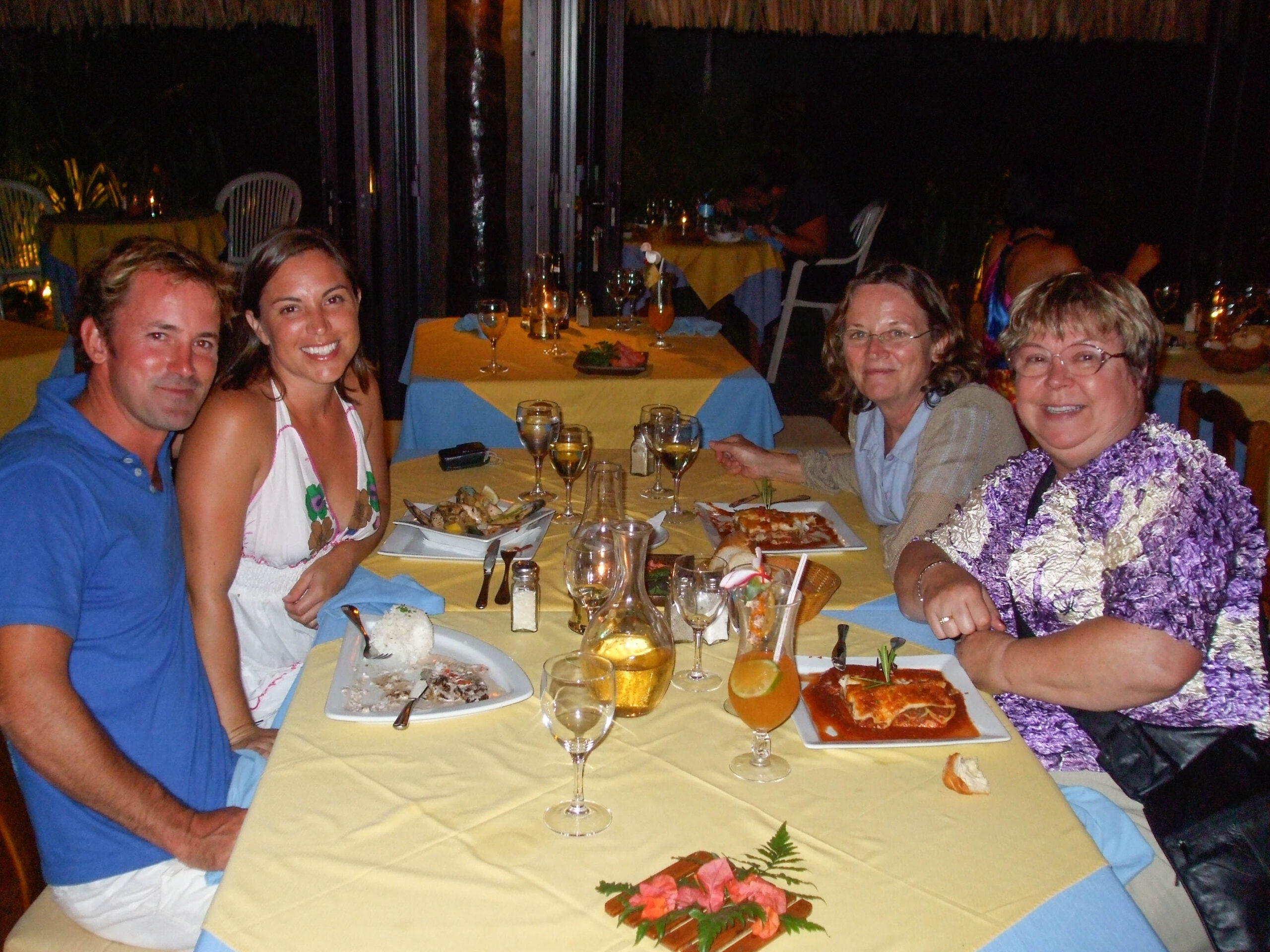
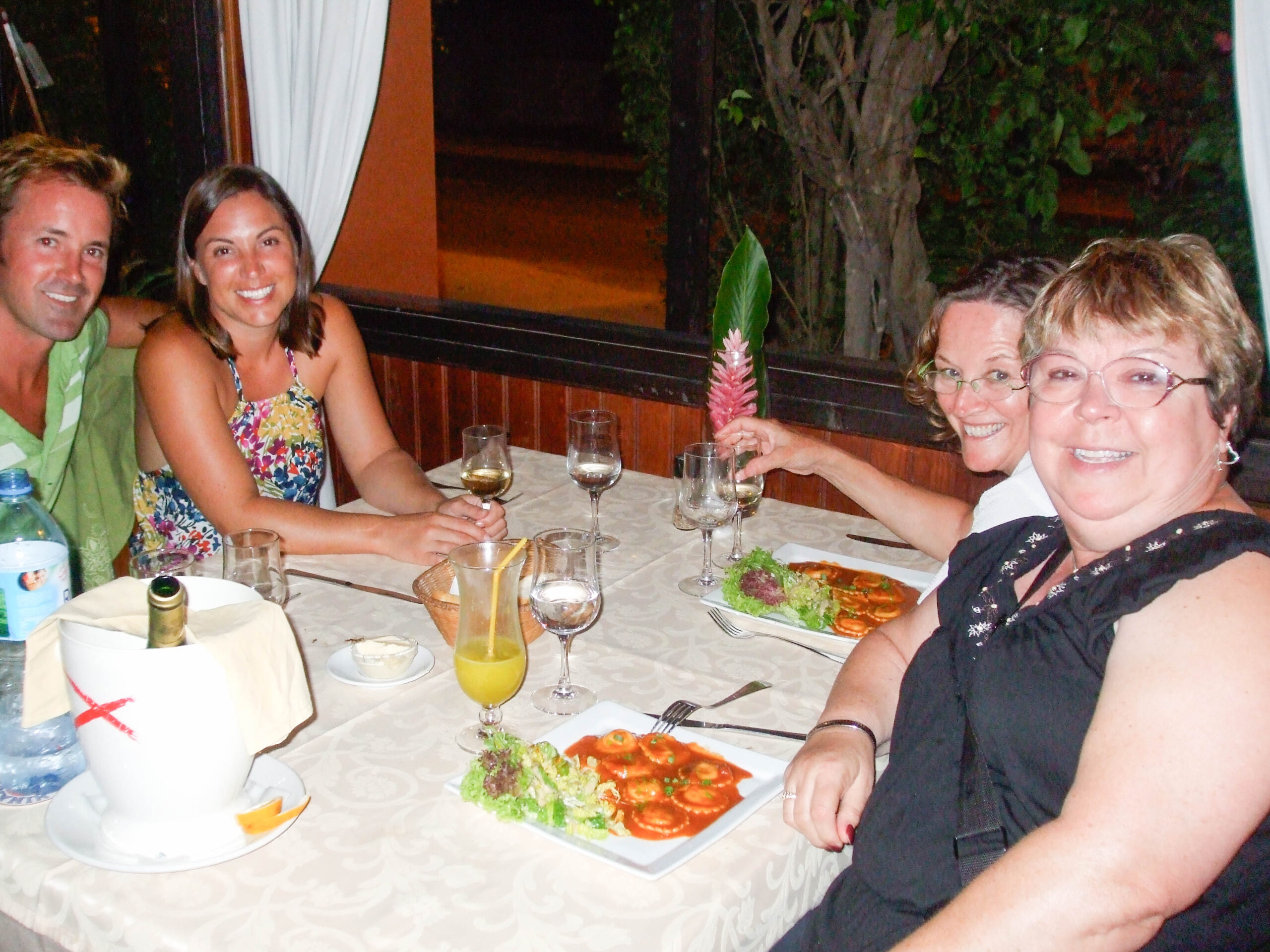
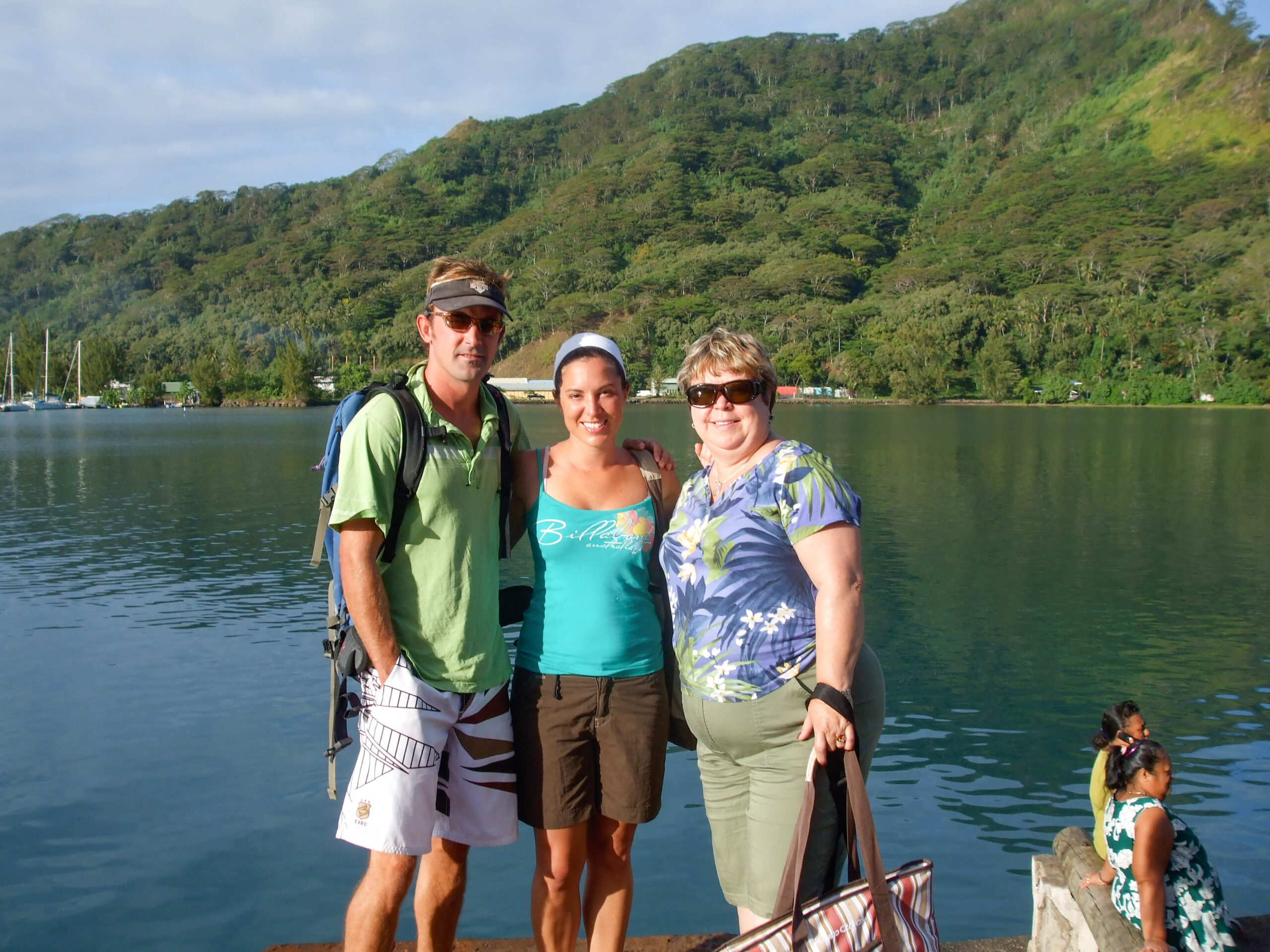
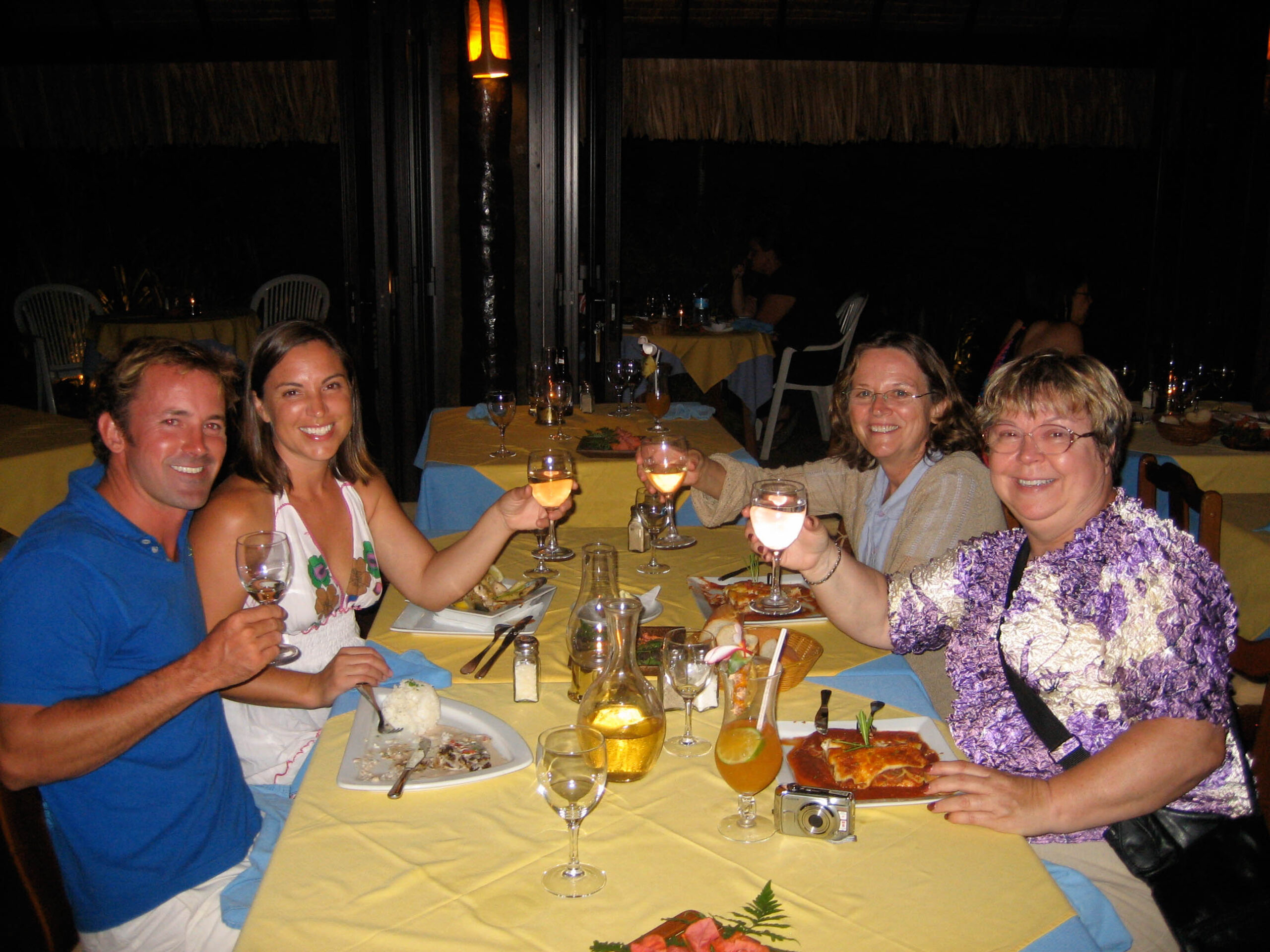
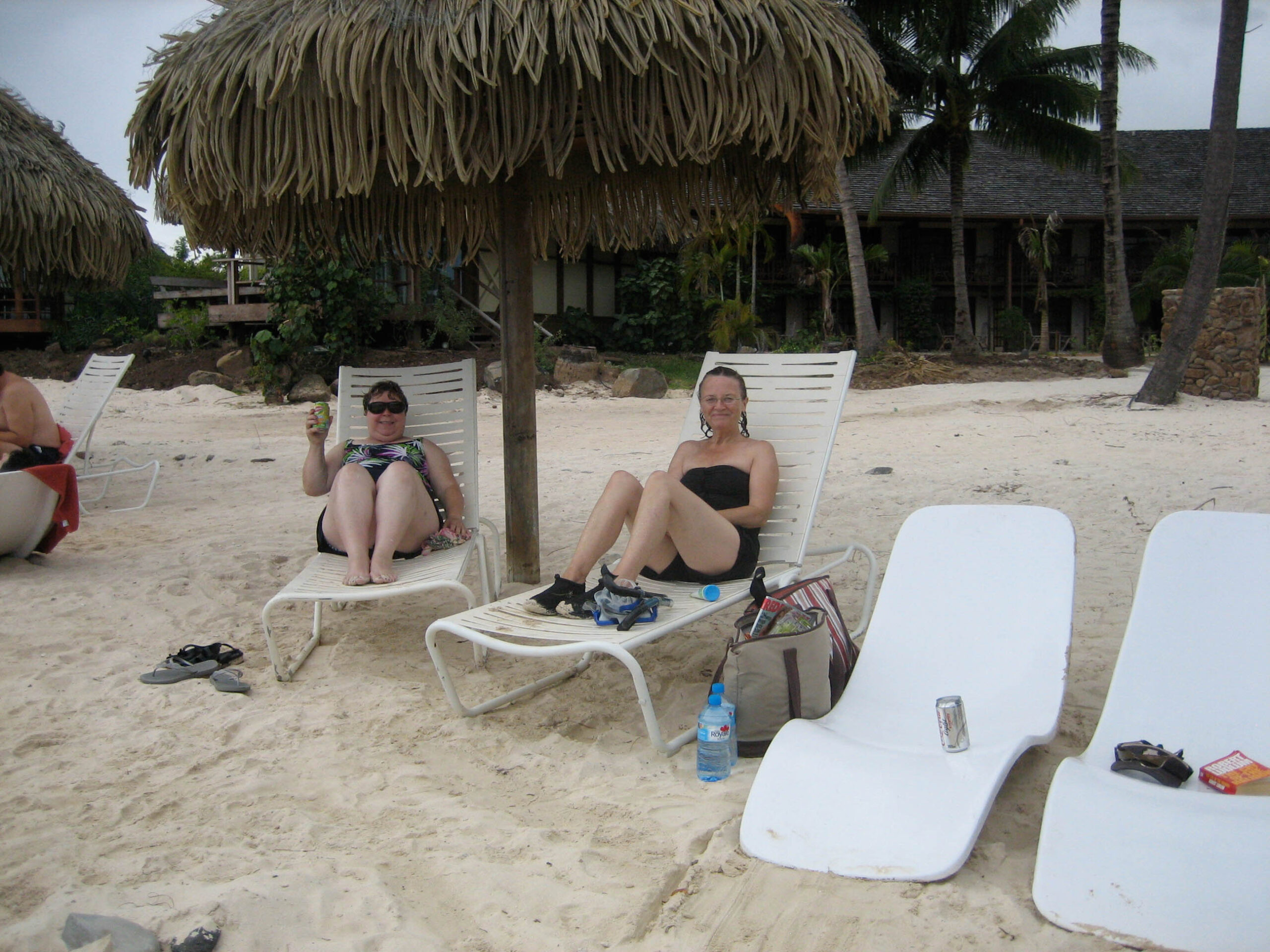
    Karen’s mom and my mom booked a vacation together to come visit us.  I love my mom and I love Karen and now I love Karen’s mom and so I’m glad they came halfway around the world to visit us. Thanks moms.

    They flew into Tahiti and spent the night outside of Papaeete; the next day Karen accompanied them across to Moorea on the ferry while Jon and I sailed the boat across.

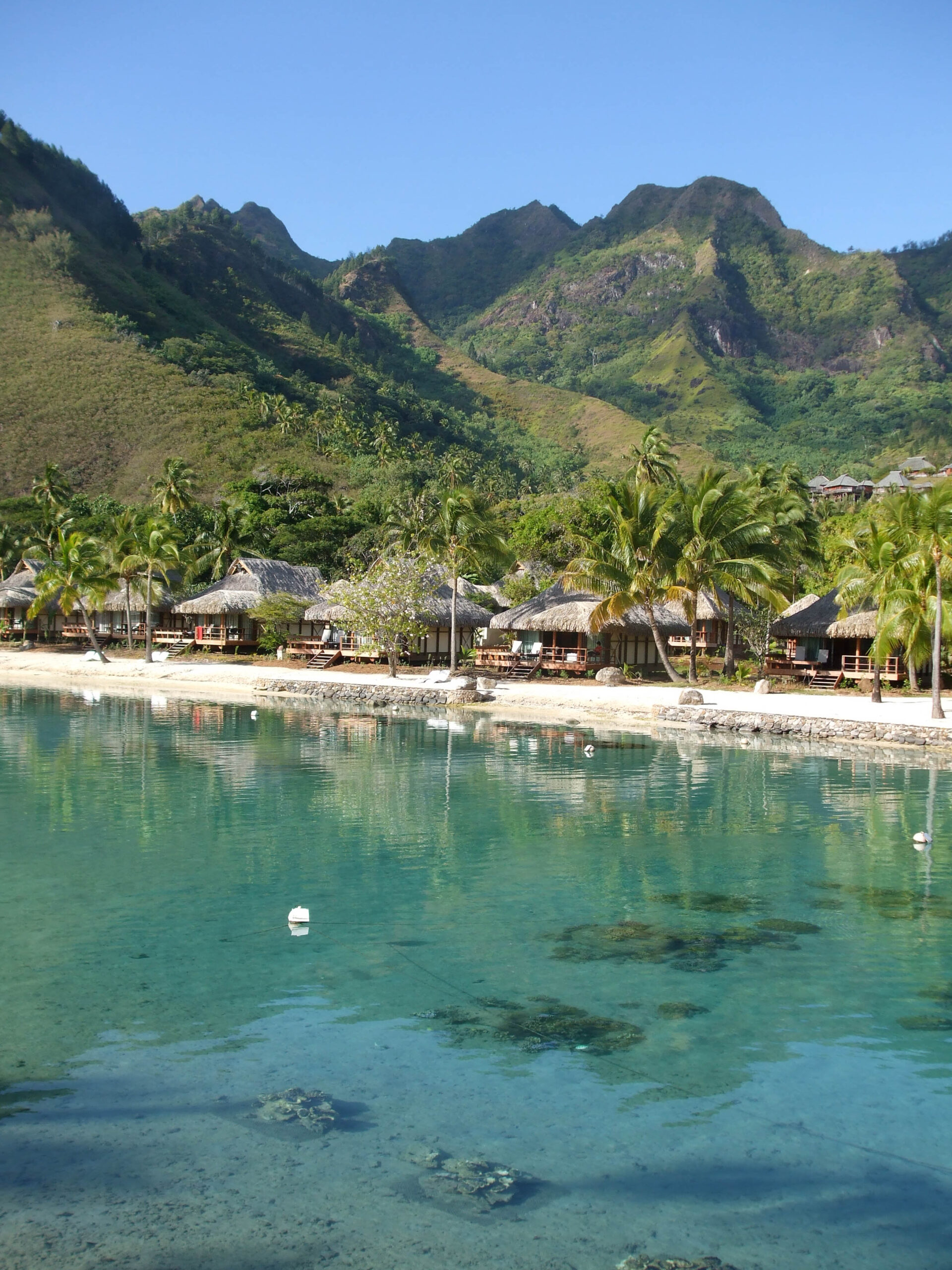
    Jon and I anchored the boat just outside of Oponohu Bay.  After tidying up the boat, I set off in the dinghy to find the hotel.  It got dark and I encountered an obstacle course of reefs.  I was paddling, and pushing off coral with my foot, cringing when the bottom of the dinghy would scrape on coral, and constantly raising and lowering and turning the outboard off and on to avoid banging it on the bottom.  It took an hour and a half, the hotel ended up being about 2 miles away.  That part sucked.

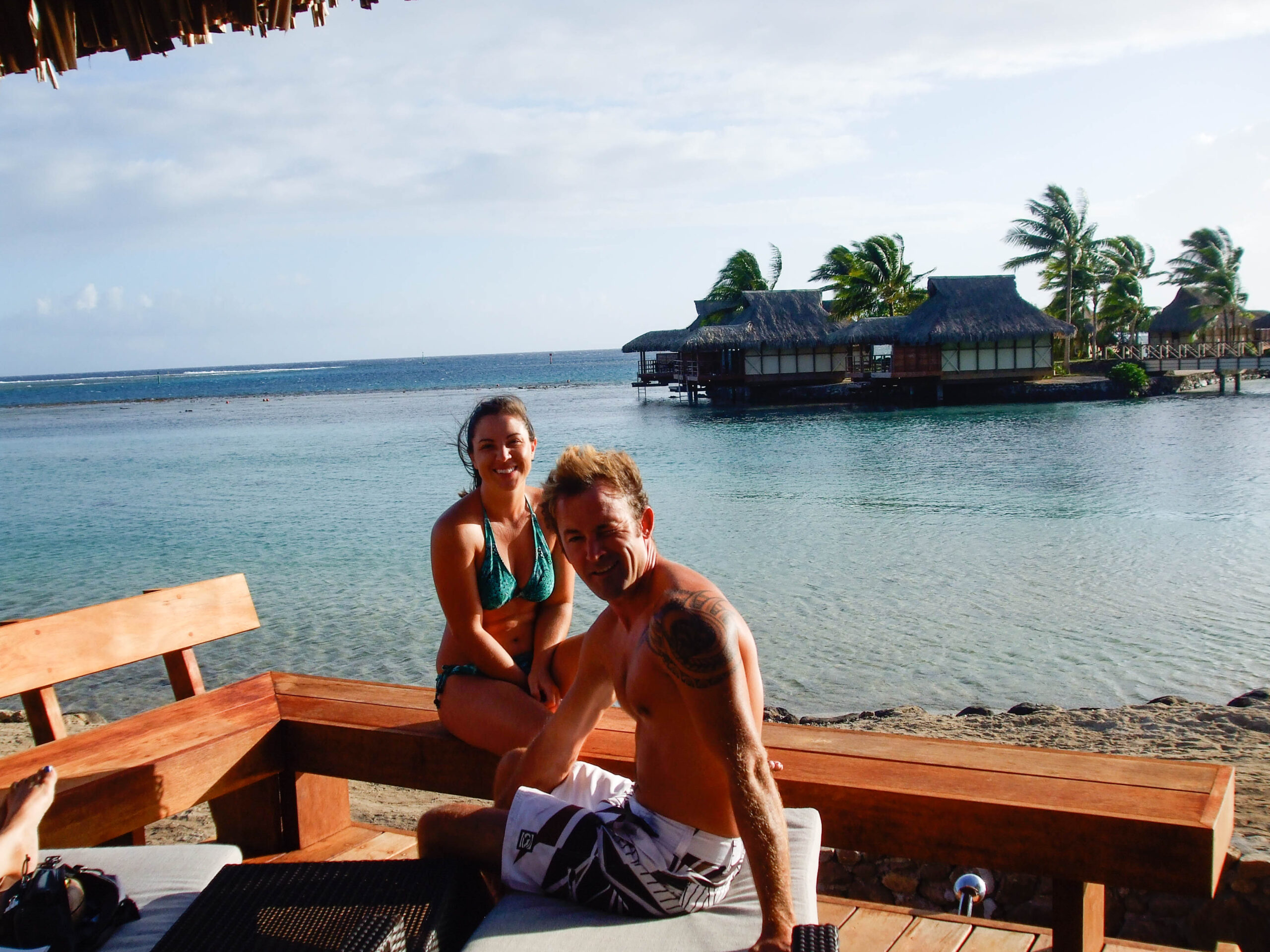
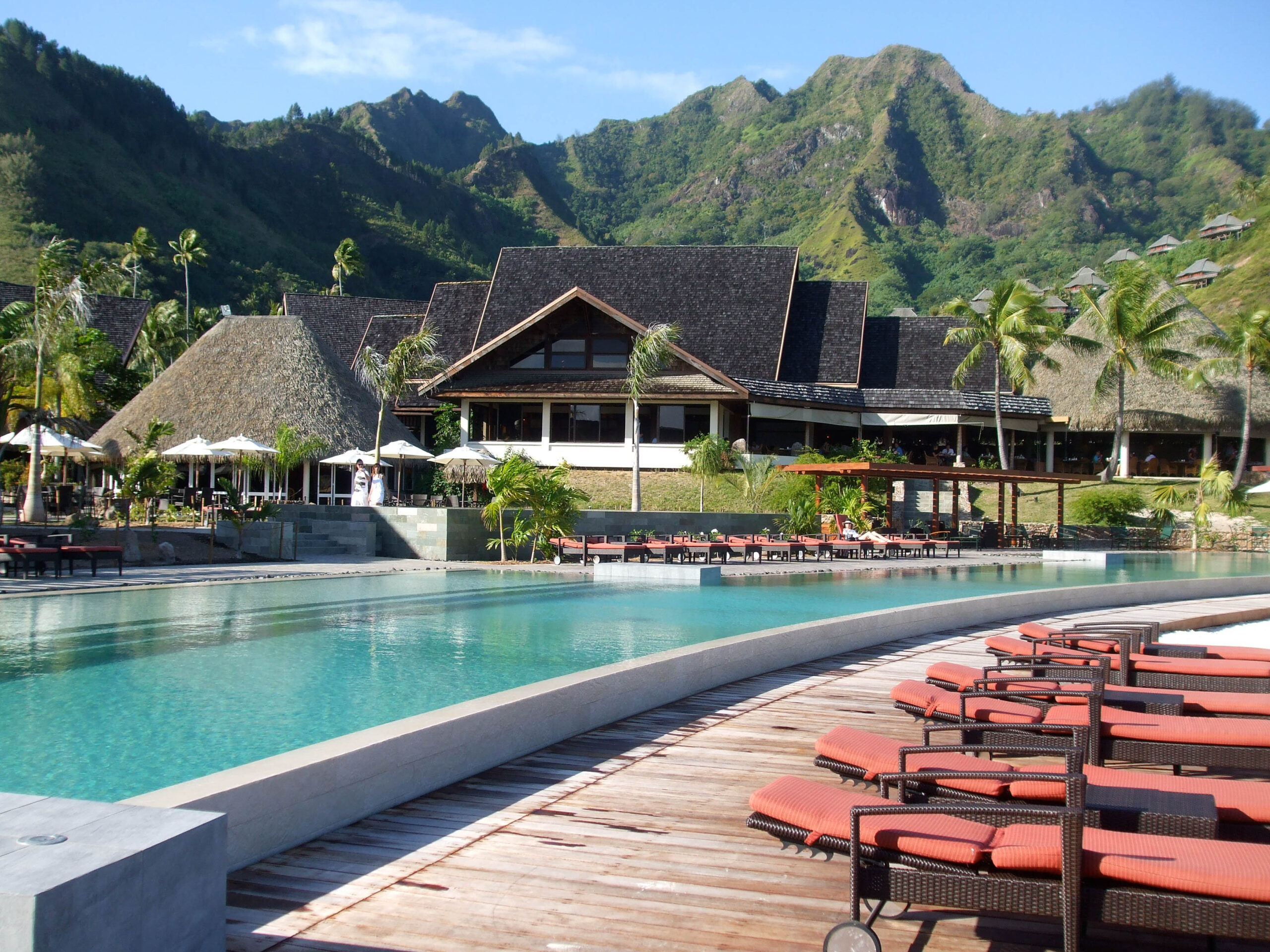
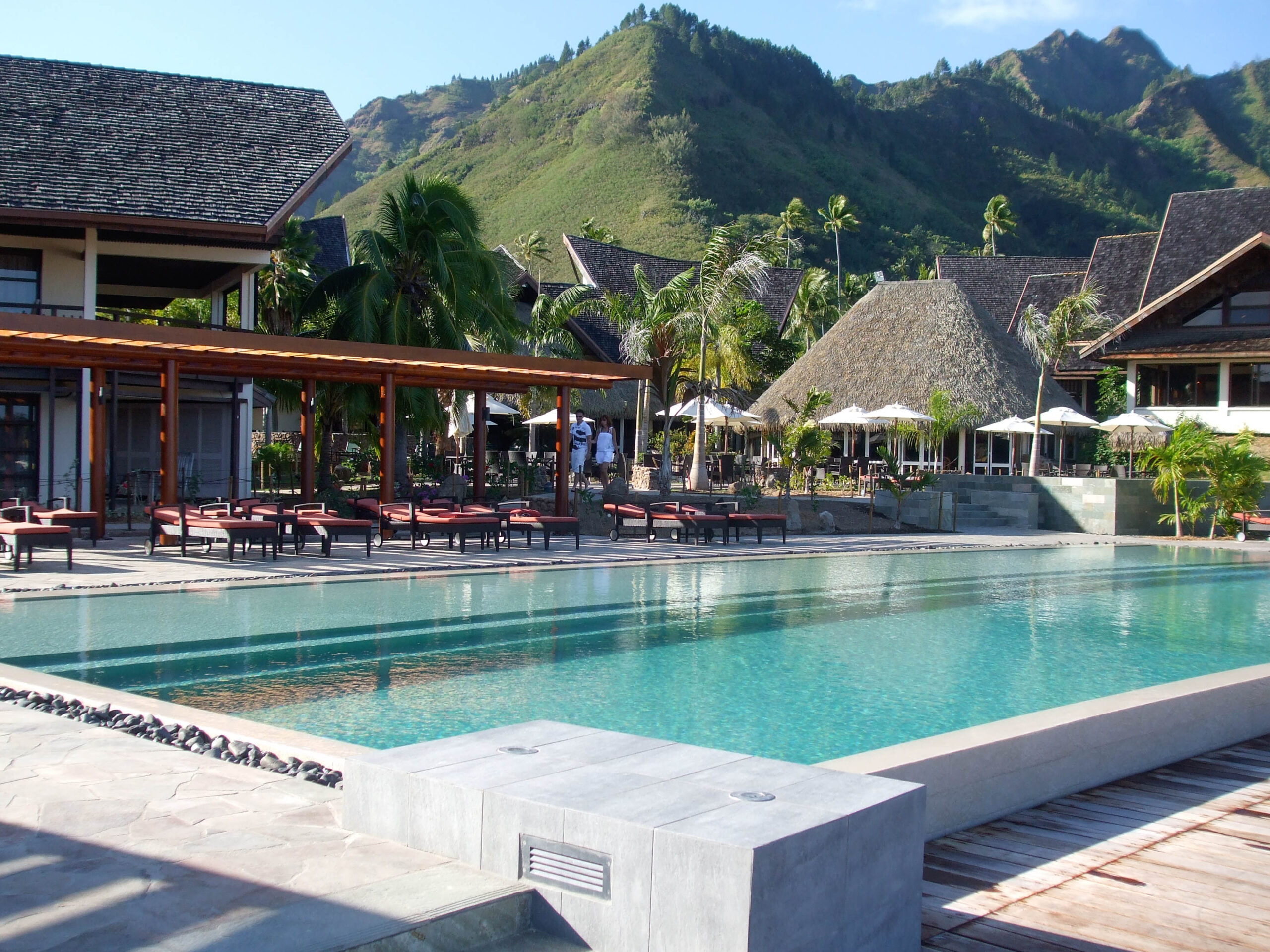
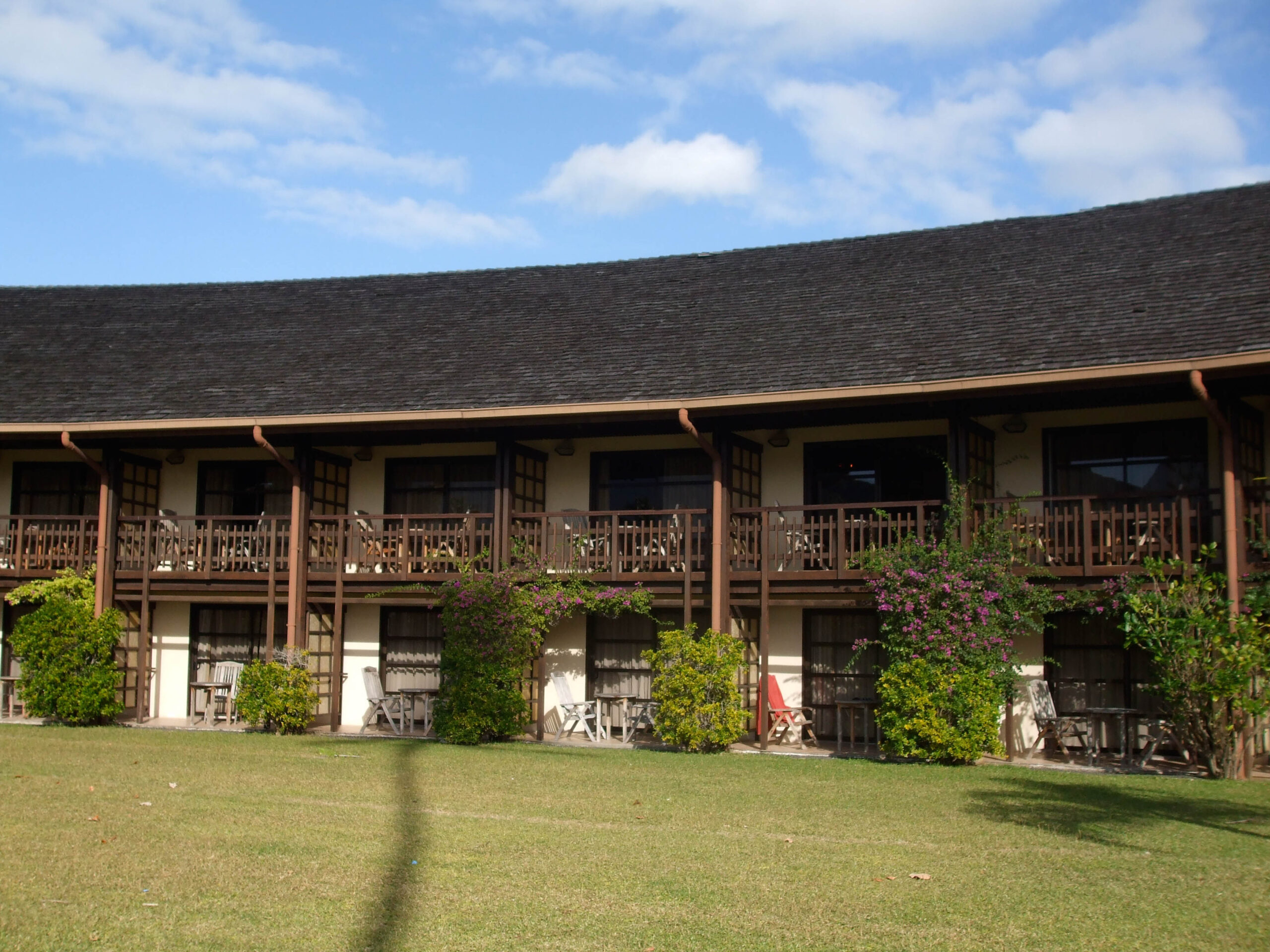
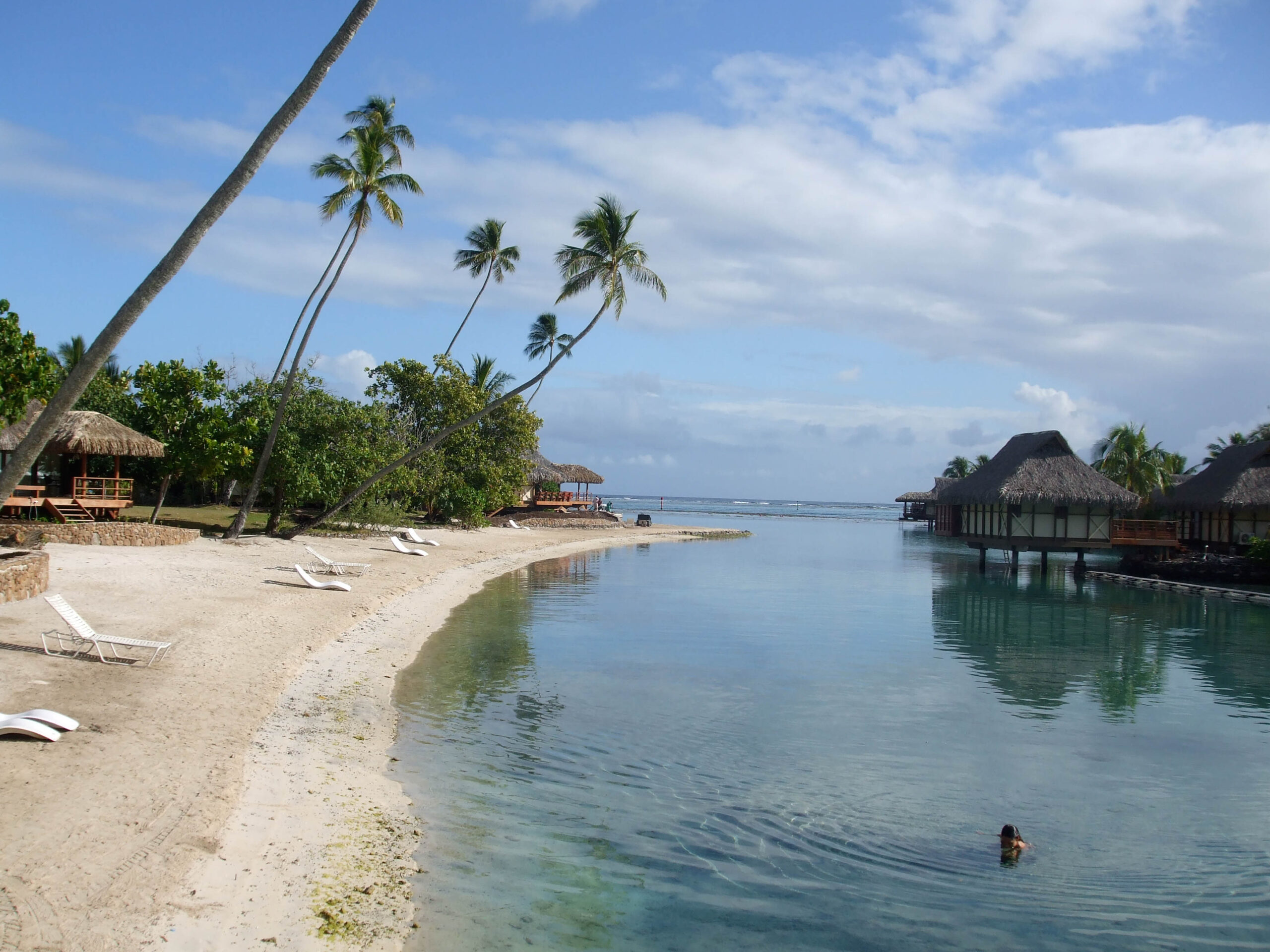
    But then the moms treated Karen and I to a few nights in the hotel with them, and that was simply fantastic.  It was wonderful to be off the boat, in a real bed, with a hot shower.  It had been over 90 days since our last hot shower in Mexico.  We ate good food and relaxed in front of the pool.  Heavenly.

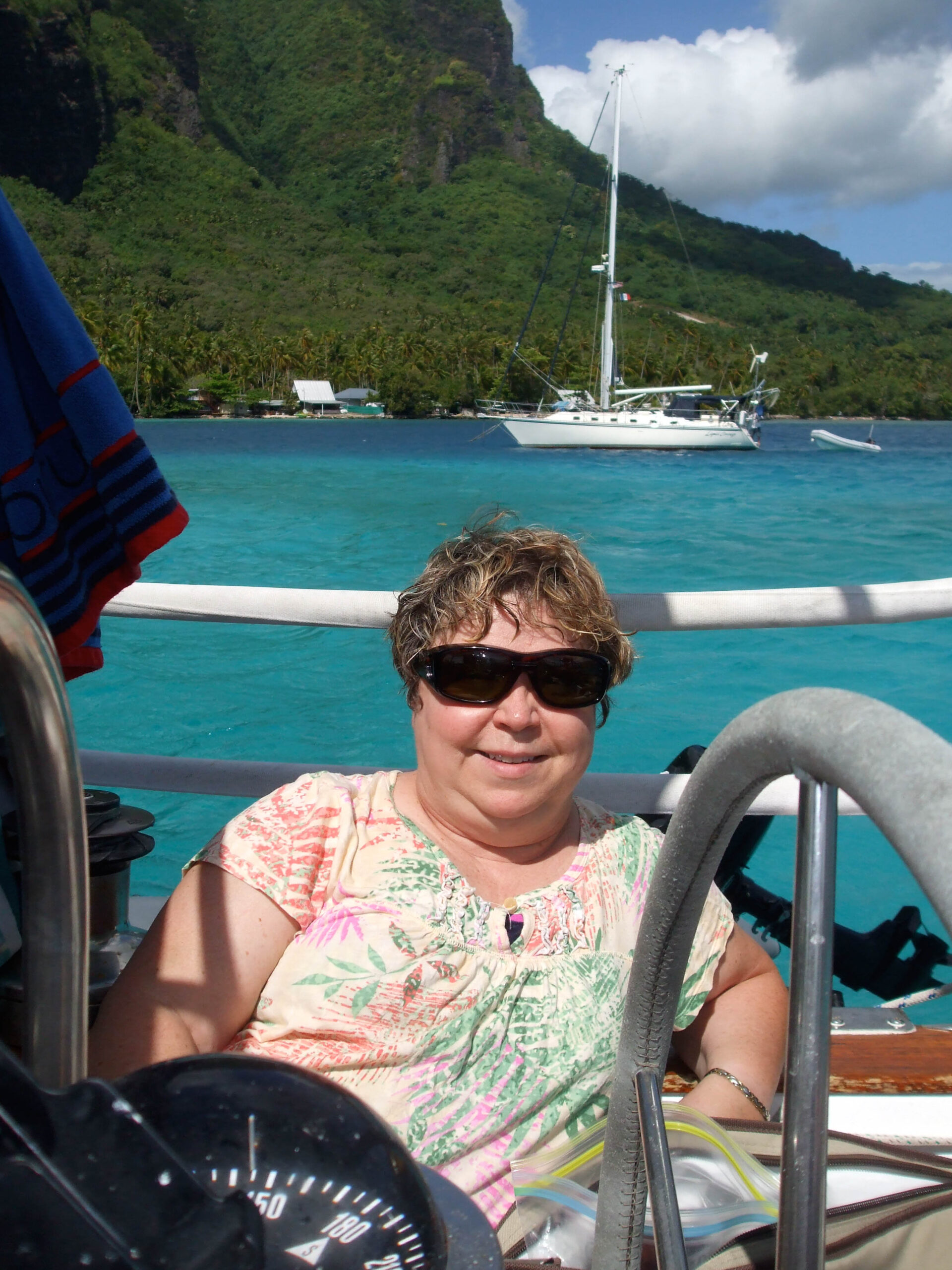
    We took the moms back to see the boat in the dinghy.  I should have learned from my trip the night before, but I have a short memory, and I’m stubborn.  It was daytime for this return trip, but it was also up into 15 knots of wind.  That dinghy isn’t too fast with four people on board.  Everyone was drenched inside of five minutes from the spray splashing over the bow, and it took an hour to make it back to the boat.  We had to bail the entire way.  It was a bit more than the moms had signed up for, I’m sure:

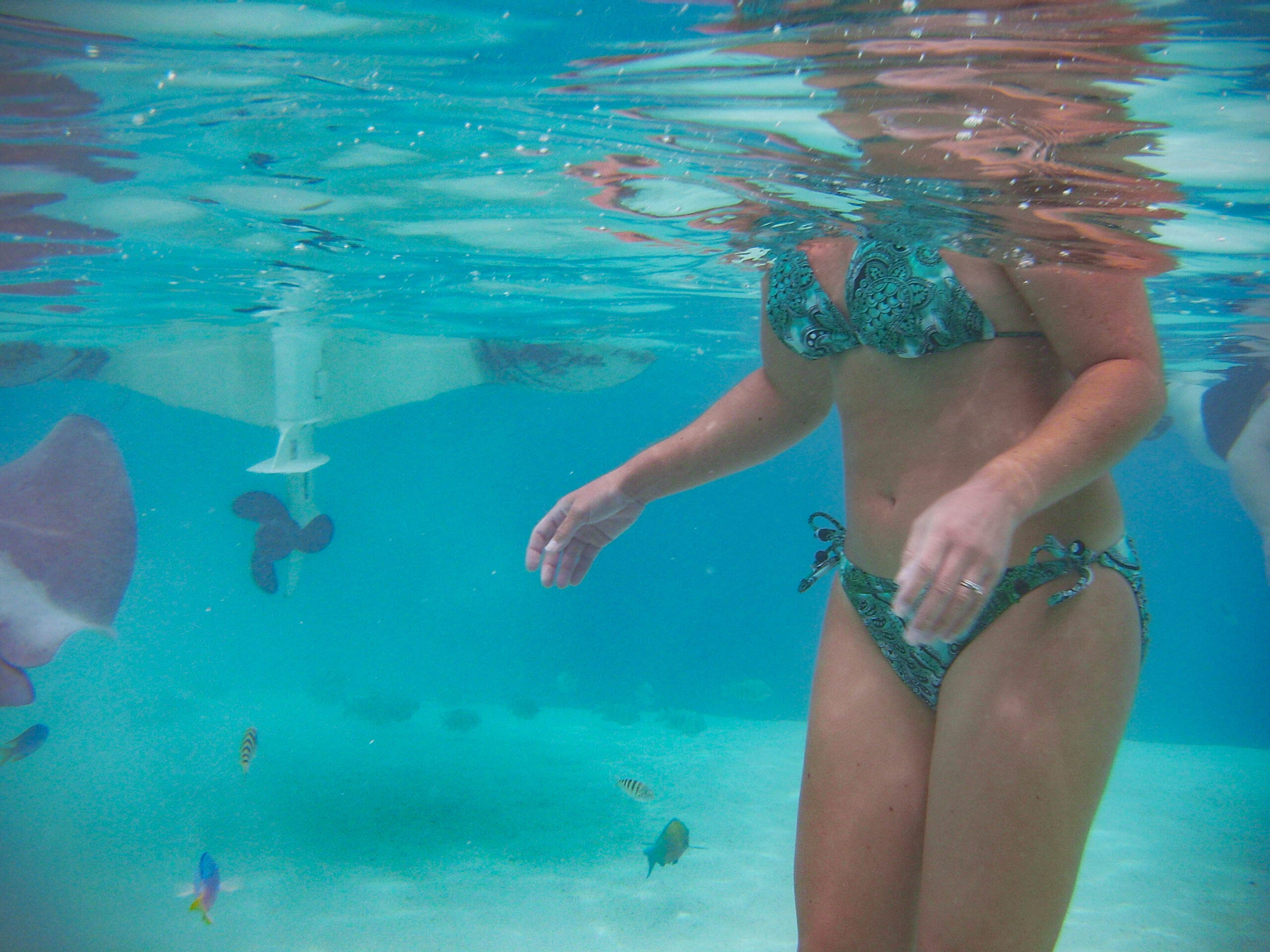
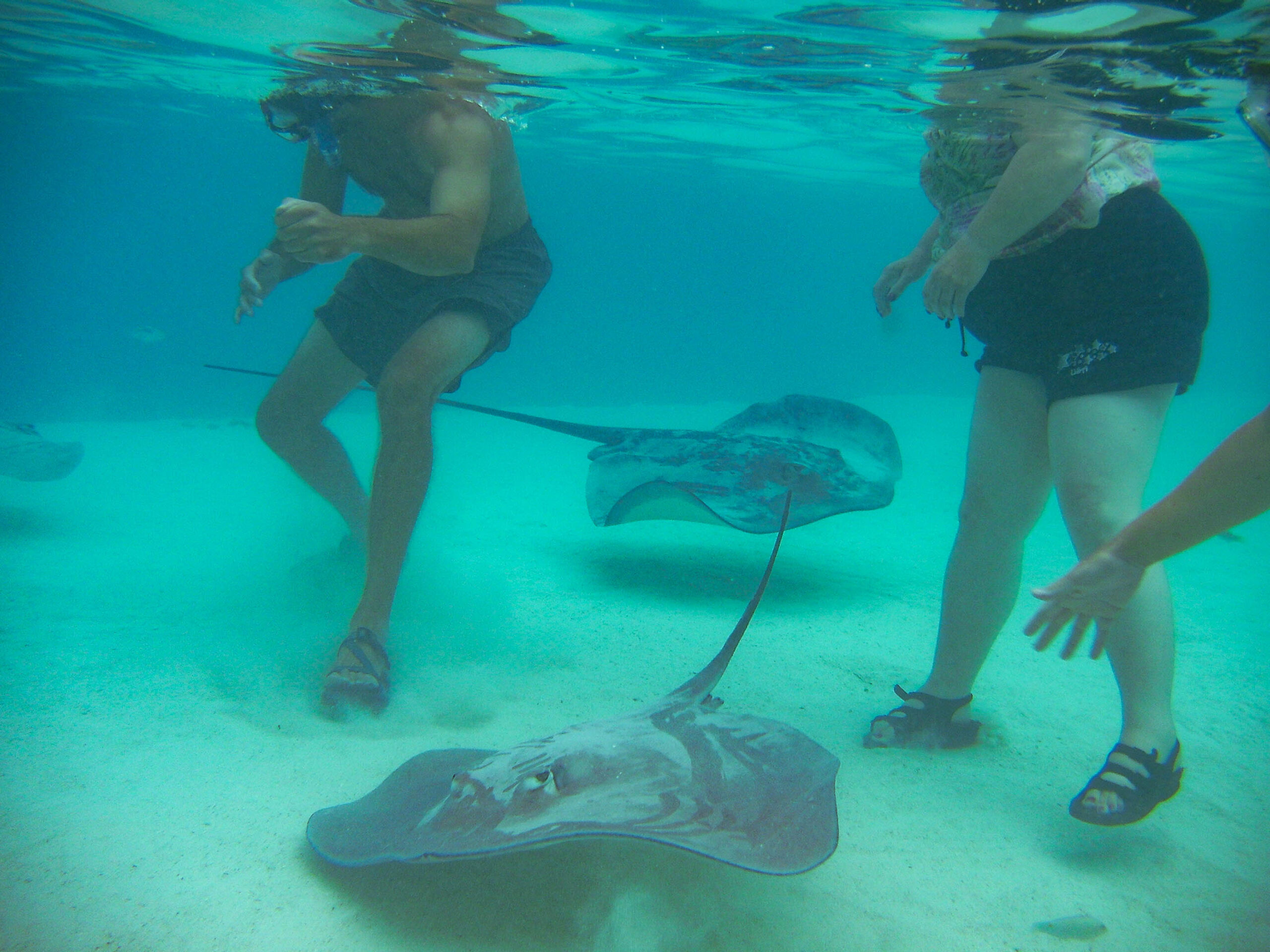
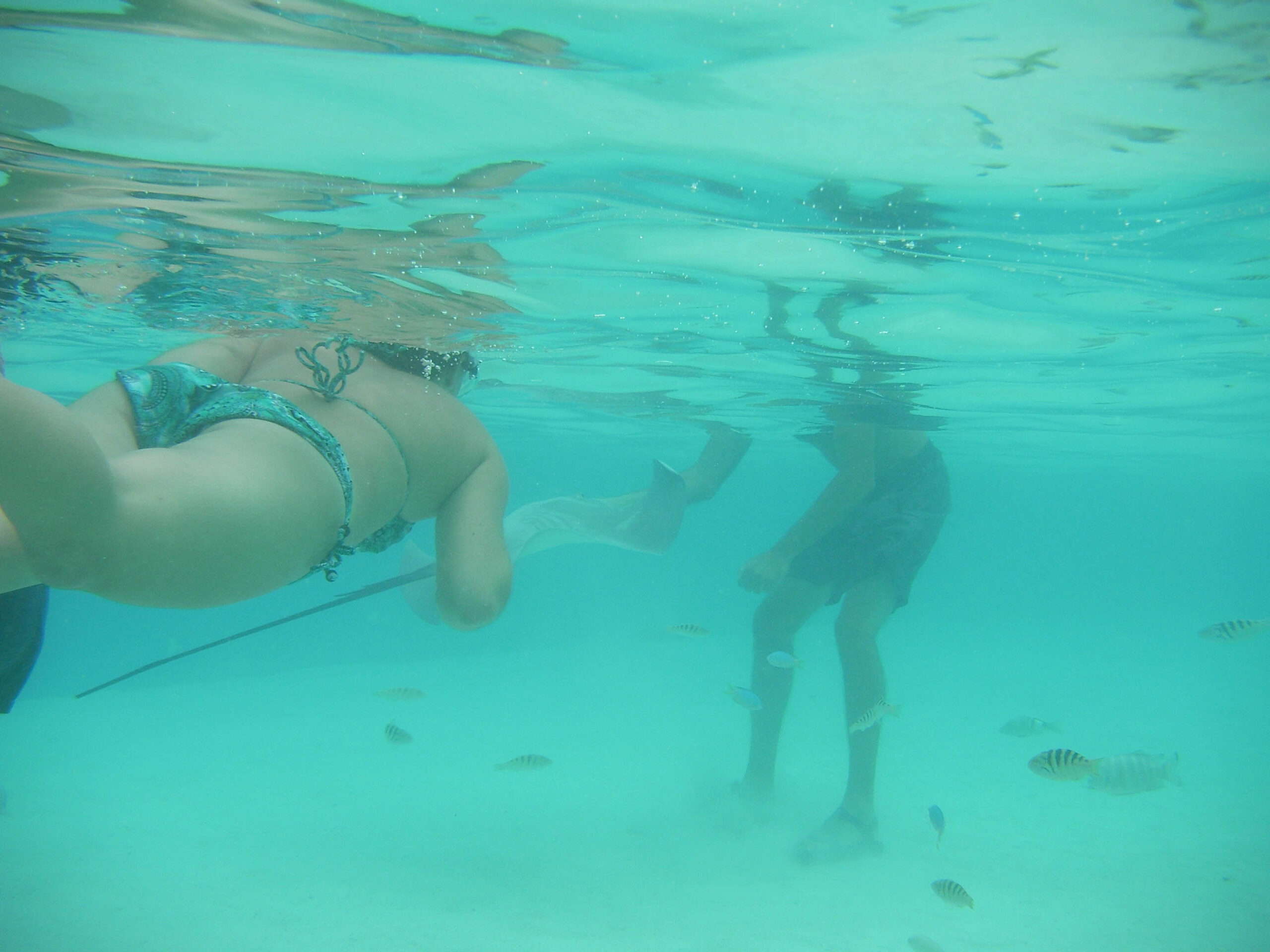
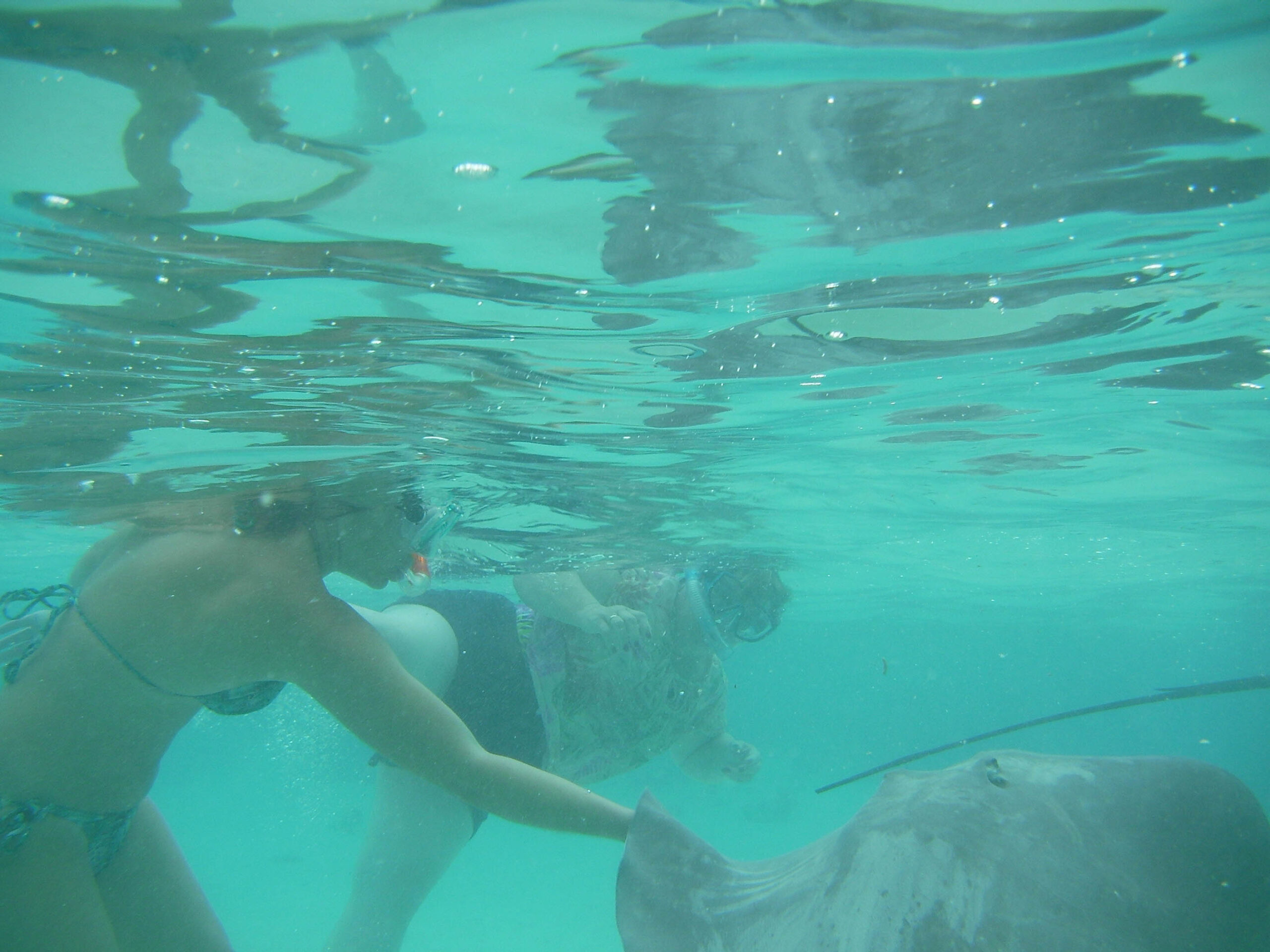
    Later in the week we took the moms out to an area full of docile stingrays (the hotels have created this situation by regularly feeding them fish).  It was really, really incredible, to have stingrays come rub up against you looking for handouts: