Syzygy Sailing

Bought a boat, fixed a boat, sailed to Australia, sold the boat.

Category: musings

thoughts on everything from guys who are just learning

  • Regarding the excitability of Boat People

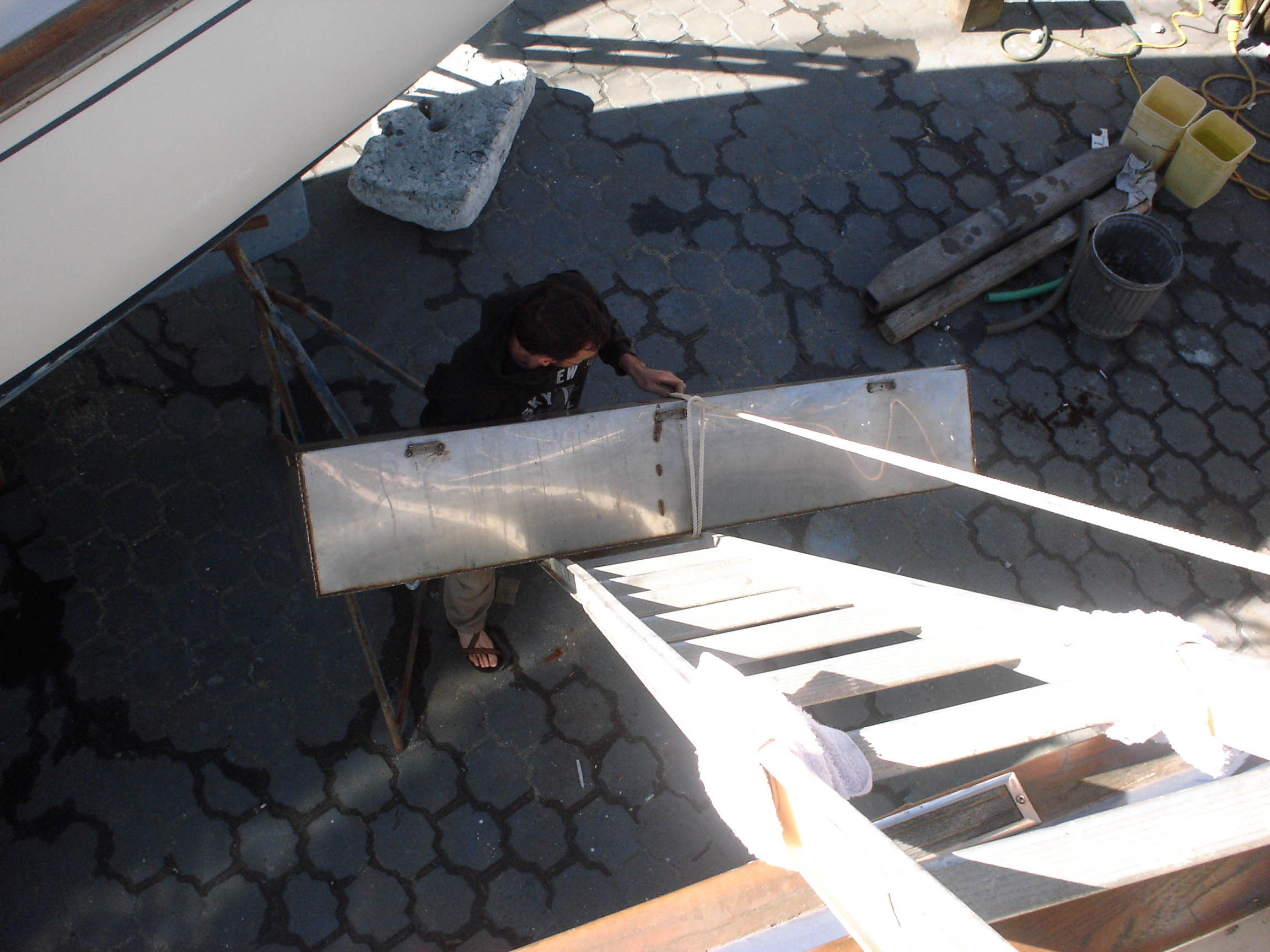
    Our windvane is a purely mechanical and exceedingly elegant piece of equipment that can be set up to automatically steer the boat for us. I was eager to put it into action one day this past fall so I stepped off the stern onto a support to get it ready–and a piece of steel tubing promptly broke off, nearly dumping me in the bay. A minor setback, I reasoned, until the very next piece I touched also disintegrated in my hands. Clearly it would need detailed attention (par for the course).

    Over thanksgiving Jon and I removed it from the stern of the boat and took the entire thing apart piece by piece on the foredeck, under a tarp in the pouring rain. Every single bolt and washer came out–often unwillingly and sometimes in a few pieces. It was fun and gratifying to bring all of our skills to bear on the stubborn bolts and seized pieces. When victory was ours, we compiled a list of parts that we needed.

    Our windvane is a Monitor brand, made by a company called Scanmar, and fortunately for us Scanmar happens to be in Richmond just 10 minutes away. I put the disassembled pieces of our monitor in the back of my car one morning and drove over to Scanmar to pick up the parts we needed. When I brought our 1991 vintage monitor in the front door, I was greeted by the three guys that have been making and repairing Monitors for the past few decades. A russian machinist with little english, another jovial guy also with a thick russian accent, and a british motorcycle aficionado complete with long braided ponytail and leather bicycle garb. They were an eclectic group, but they clearly shared an enthusiasm for their windvanes. It was as if I was Santa delivering an early christmas gift to three young boys. I was bombarded with advice and questions and answers as all three of them dug through the bin of pieces checking out our old windvane. They were unanimously excited and unanimously supportive of our do-it-yourself style. In taking apart our windvane, we had thought that we achieved an intimacy with the workings of the windvane, but these guys were at a whole different level. Between the three of them they could have had that thing back together in perfect condition in less than an hour–but they shared our philosophy and supported our style: we were going to do the work ourselves to save a few hundred dollars, even it took 10 times as long (which it most certainly will). I left the shop after an hour of continual conversation feeling happy and excited. It was like visiting old friends and sharing familiar conversation–with three strangers I had just met.

    I am repeatedly surprised by how easy it is to instantly bond with other sailboat owners. As sailboat owners we share a common experience: the perpetual challenge and frustration of boat work. We all seem to experience the same breakdowns and problems–we all end up learning the hard way, making all the same mistakes and getting in all the same ridiculous predicaments. We all laugh at the follies of the learning process, and we are all proud of the hard-earned skills and wisdom that came from the effort (and expense). For whatever reason, the frustration of spending 5 hours trying to remove a single bolt is the type of experience that is not easily forgotten–and every sailboat owner has hundreds of these stories. In boat work, most of the victories are private ones–no one is around when you finally figure out just the right way to hold the vice grips with the index finger of your right hand and the ring finger of your left hand in order to finally reach that one nut that you accidentally dropped into the depths of the bilge. And who can you tell that story to who would understand how good it felt just to retrieve a silly dropped nut? Then the next week you end up talking to someone down the dock, who just happened to drop a nut down into the bilge, in the same place, while working on the same part of the same project, and would you believe he ended up holding the vice grips in just this precise way to get it out with his fingers just so. . .

    We talk for hours about the minutiae of projects, because we feel so fortunate–and astounded–to find that someone else has gone through nearly the identical trials and tribulations. And it never ceases to surprise. Every time it seems unbelievable that you would be able one day tell the story to someone who was actually excited to hear it. Such is the nature of boat people, and one of the treasured aspects of the society we have joined by pouring our heart and soul and worldly resources into our sailboat.

    I feel extremely fortunate to be a part of such a welcoming crowd; thank you to the people at Scanmar, thank you to the people in our marina, and thank you to everyone who has been so welcoming to us in the sailing community.

  • The deep-down urge to tinker

    A few days into my 10-day Thanksgiving vacation a strange feeling arose. It was an urge to tinker. A force within wanted me to repair, fix, build. Of course, I’ve always been the restless type, never a fan of lazy vacations or Sunday movie marathons. But this urge was so physical — like I needed to hold tools in my hands lest they curl up and wither — that I had to wonder if the sailboat thing hadn’t changed me.

    So I went with the urge. I climbed up onto the roof of my folks’ house and did some caulking. I fixed a part of the roof with my dad. I cleaned the gutters. But this was just regular maintenance. I still yearned to build something, and the opportunity that presented itself came in the shape of… a bird feeder.

    Squirrels had been getting into the bird feeder for most of a year, and my mom wasn’t so keen on giving away all of her bird food to squirrels. She’d seen a “squirrel-proof” bird feeder for sale (for $180, you get a bird feeder with pressure-sensitive rails that spin under weight — yes, it’s an over-engineered, over-priced, battery-powered bird feeder) at the hardware store, and had a suspicion a similar contraption could be built for much less. But she was so busy. Could I help her?

    I jumped at the opportunity. As a kid I’d build birdhouses and sold them throughout the neighborhood, and put up a bunch of bird feeders in that same backyard. I’d strung up a suet feeder on the old cherry tree, and watched downy, red-headed, red-bellied, and even pilieated woodpeckers pick away at it. Nuthatches, upside-down and murmuring, used to check it out. On the chestnut tree, I’d hung a couple types of bird feeders — one with thistle for goldfinches, and one with sunflower seeds for chickadees, titmice, juncos (they’d only eat the scraps off the ground), and any other curious birds.
    Squirrels had been getting into the current bird feeder because it was too close to the trunk of the tree, and they were easily able to jump over to it for a full-on assault. So the first thing I did was climb 15-feet up the tree, reach as far out one limb as I could, and tie some twine on there. I took an old metal lid from a bucket in the basement, punched a hole in the center, and passed the twine through it. Then, using hangar wire (I thought squirrels might have a hard time clinging to metal wire), I hung the bird feeder from the twine.

    It was late afternoon by the time I was done, and for some reason, I told my dad and sister to come check out my work — and just in time. We stood together in the den, peering through a pair of glass doors as the first squirrel came to investigate the new contraption.

    This squirrel was nothing if not determined, and we were nothing if not amused by his determination. He spent half-an-hour trying to bypass my security system, to no avail. First, he climbed the tree and peered down the twine. Then he scampered down the tree, and over to the table and chairs on the patio, about 10-feet from the tree. He hopped around from chair to chair — up on his two hind legs — obviously contemplating a committing horizontal leap onto the bird feeder. But the distance was too great, so back he scampered up the tree, this time only half-way up. Perhaps a sideways, falling jump was in order? This, too, the squirrel rejected, and back down he came. This time, he scuttled onto the ground directly beneath the bird feeder, and stood up on his hind legs again as he peered up. Could he jump six feet — higher than many human high-jumpers — from a standing start? Surely not. Like I said, though, he was determined, so back he went to the chairs, and the branch, and the trunk, and the ground — as if further rodent-brain insights could be gained upon re-examination. During the squirrel’s investigation, my dad, sister, and I were cracking up — encouraging and taunting and insulting the squirrel much as a Red Sox fan would treat a Yankees pitcher.

    I hate to be over-dramatic, but the tension of this tiny natural struggle made me think of a David Attenborough documentary, in which a wolf sneaks up on some cute, innocent hare, and you can’t help but be mesmerized by the battle of instincts about to unfold. In this case, I was rooting for the bird feeder, my dad (ever the contrarian) was rooting for the squirrel, and my sister was mostly laughing at us. That afternoon, at least, the bird feeder won. (A day later, presumably the same squirrel made a kamikazee leap onto the bird feeder, and snapped the twine that had held it up.)

    At any rate, the project satisfied more than just the tinkerer in me. Designing a squirrel-proof bird feeder was a challenge: could I use a little ingenuity to outwit mother nature? In one sense, I was asking for trouble, inviting a problem my way. In another sense, I was looking for an opportunity to solve a problem. Such opportunities are often compelling: can I get up that rock? Can I get up that mountain? Can I get down that canyon? Can I run those 26 miles?

    Or how about: Can I fix up an old sailboat and sail it around the world?

  • On committment

    A friend in Wyoming called me a couple of weeks ago and related a harrowing near-tragic sailing story…

    Her boyfriend and two buddies were out sailing the First Lady on Jenny lake. It was late October, and snow had already begun to fall in the mountains. Most boats had been pulled out of the lake already.

    After a day of sailing they headed back to the dock. It was dusk. Three quarters of a mile from shore, a gust of wind knocked the boat over. The First Lady, a Catalina 27 — is not exactly burly.

    At first, when the sails hit the water, the captain thought the boat would right itself… alas, the retractable “keel” (more like centerboard) decided to retract — and the boat continued to roll. Very quickly, it ended up in full turtle position — 180 degrees upside down.

    The three guys — all healthy and strong — scampered out off the boat, into the 55-degree water, and up onto the hull, where they clung, hoping the whole rig wouldn’t sink. (San Francisco Bay is about the same temperature year-round.)

    And then the fun part: they spent the next hour, cold and shivering, yelling for help, hoping someone at Signal Mountain Lodge (about a mile away) would hear them. Luckily, someone heard, and sent help….

    The next day, four guys in wetsuits returned to the boat, and spent eight grueling hours, with the assistance of a couple of tows, righting the boat. The First Lady was more stable capsized, apparently, then upright.

    The scary part: only one person knew the three guys had gone sailing, and since the three guys were all bachelors living alone, if they hadn’t come back that night, nobody would have sent out the troops. Yikes.

    Just another reminder of how committing it is to go out on the water — even with an 8,000-lb keel, even in a sailboat that rights itself from 120 degrees —  someplace wet and cold and far away from everything, where you could yell all you want and nobody would hear.

  • Where did the time go?

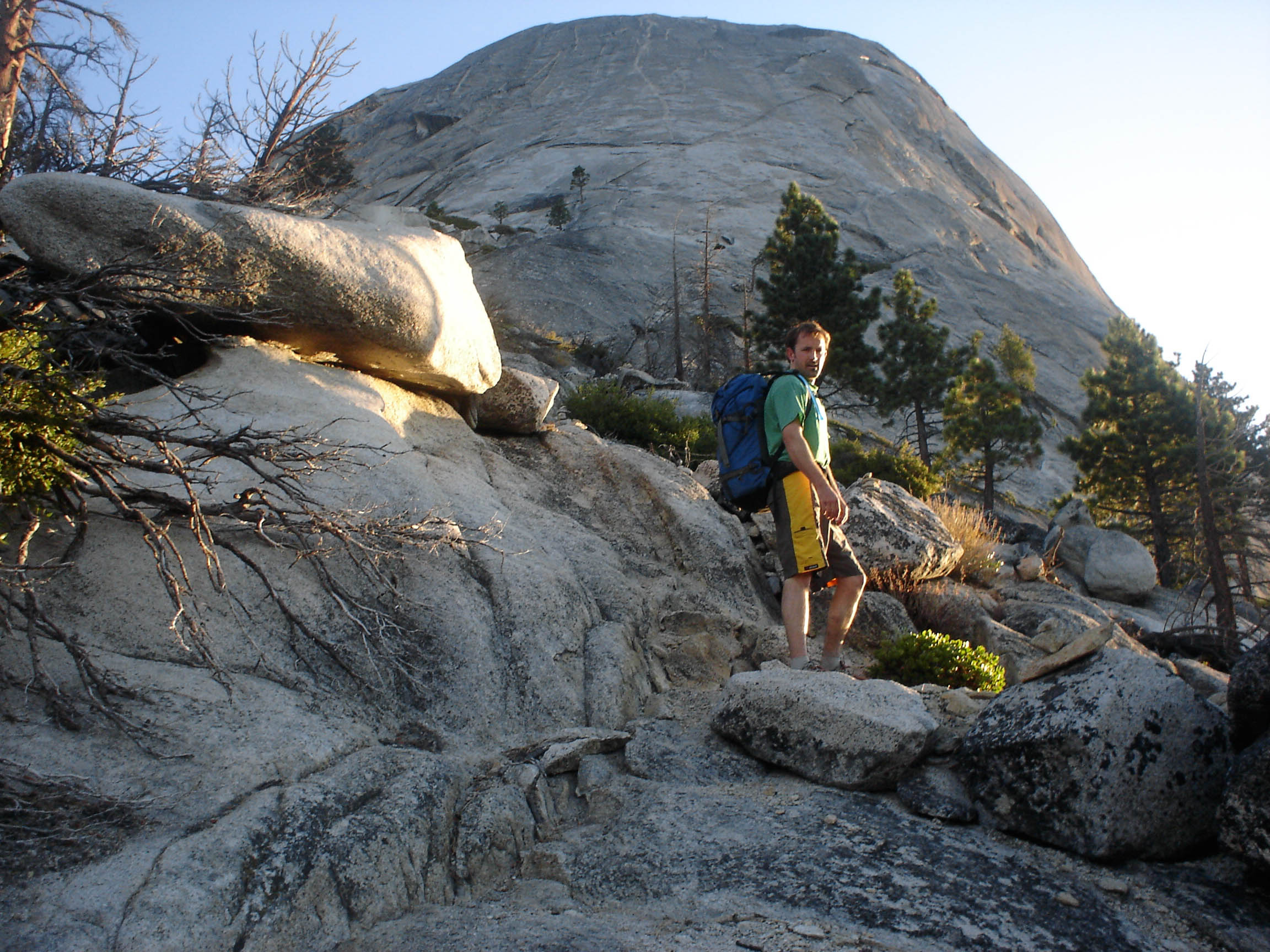
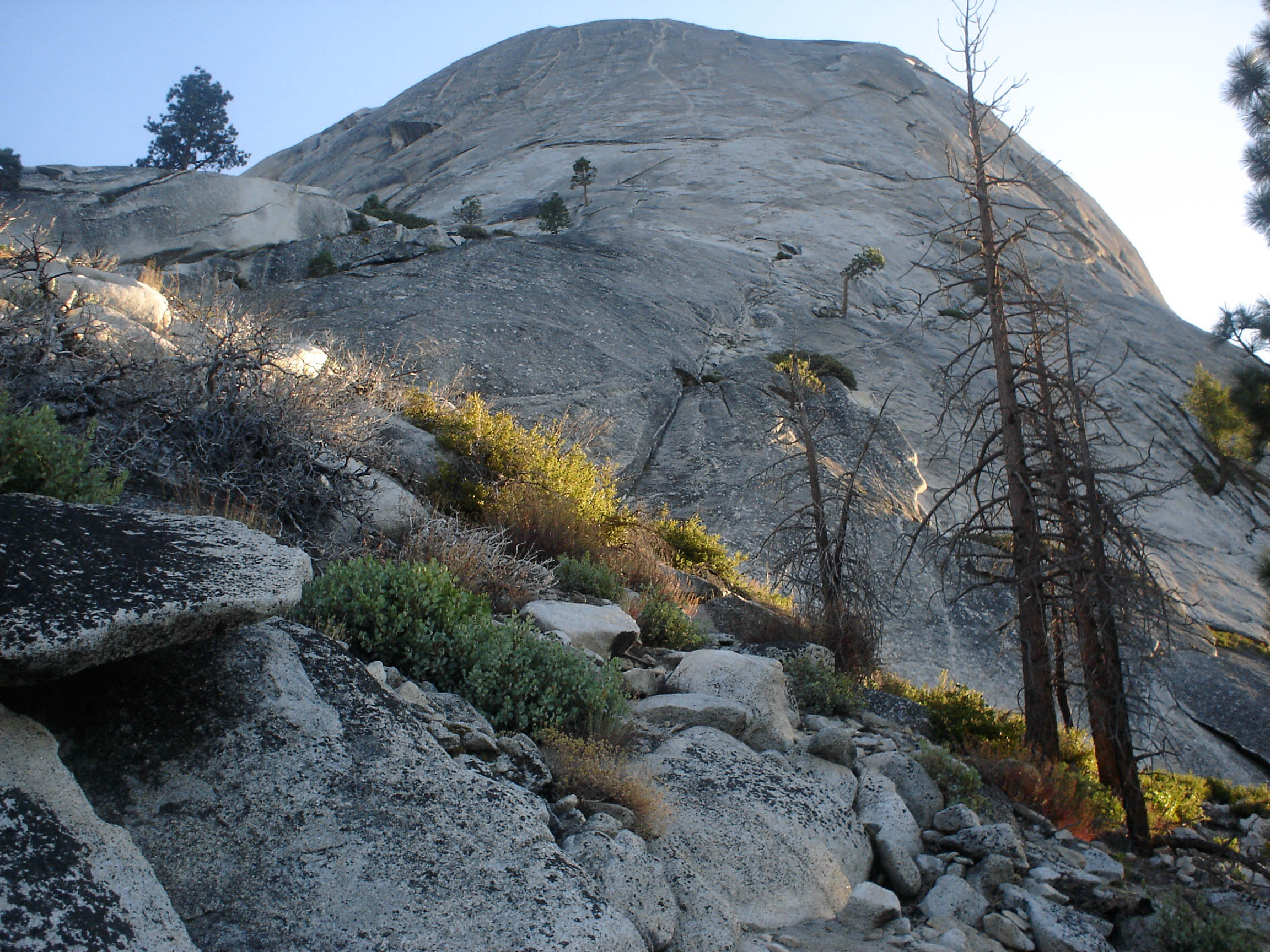
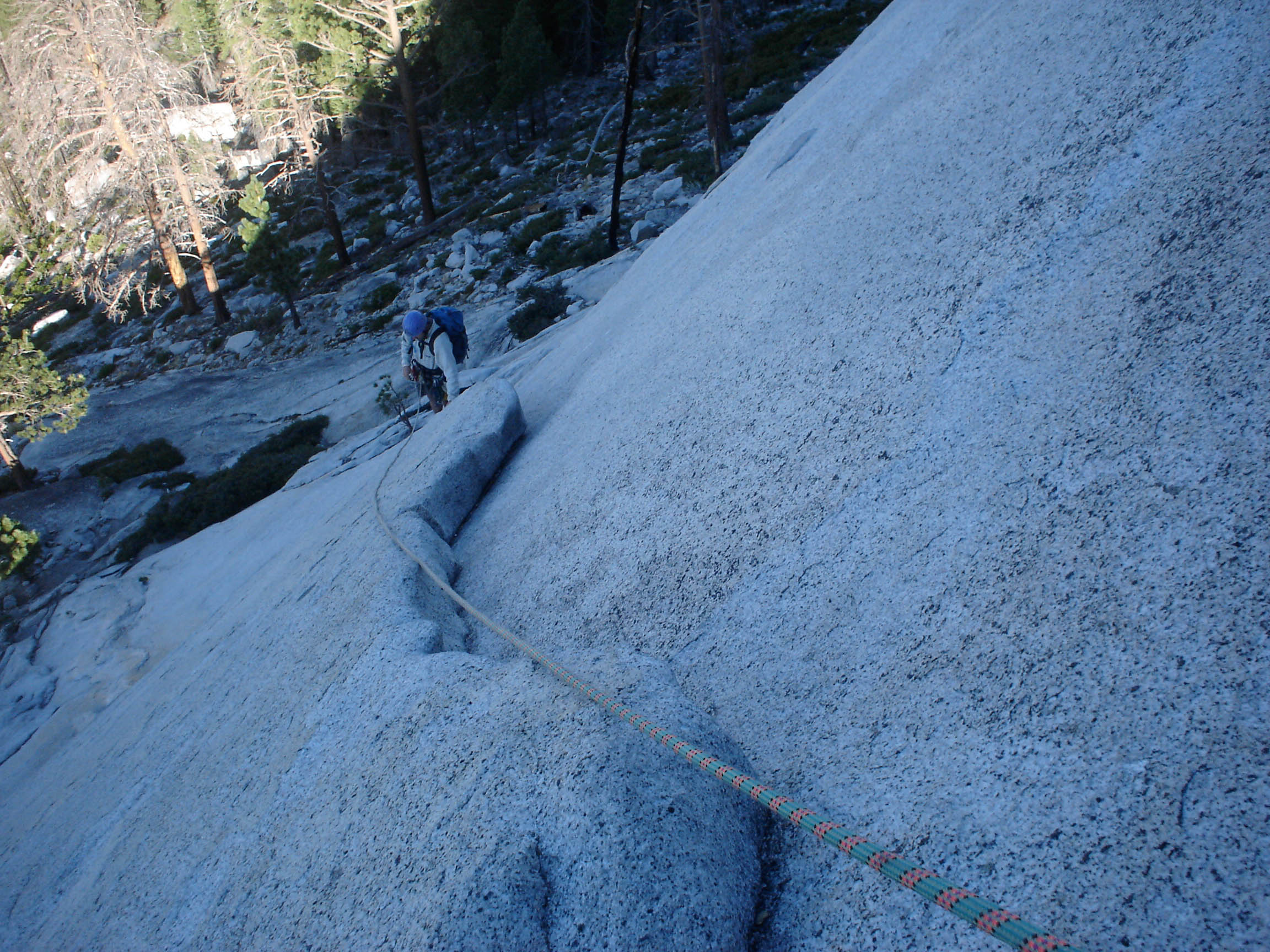
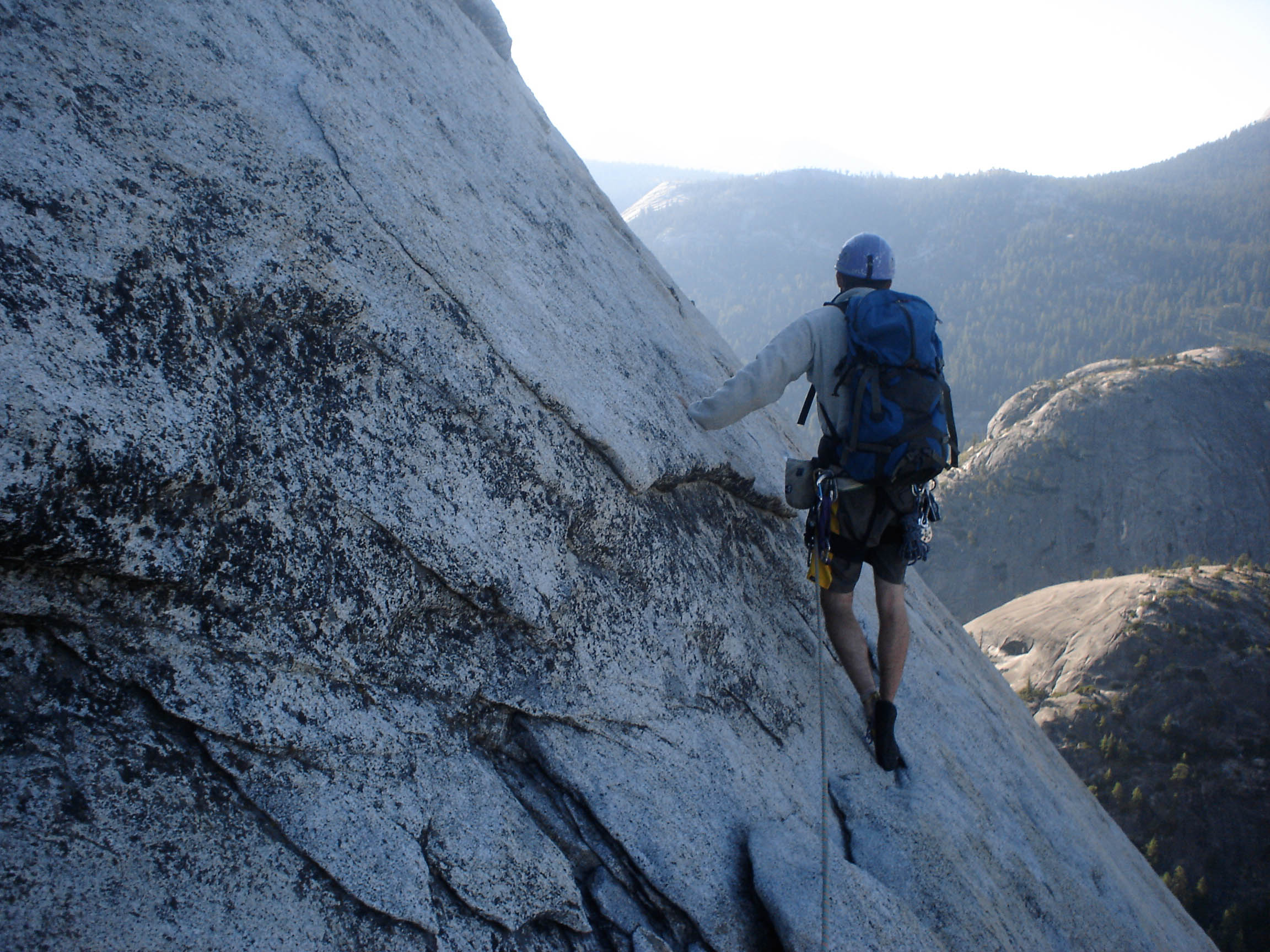
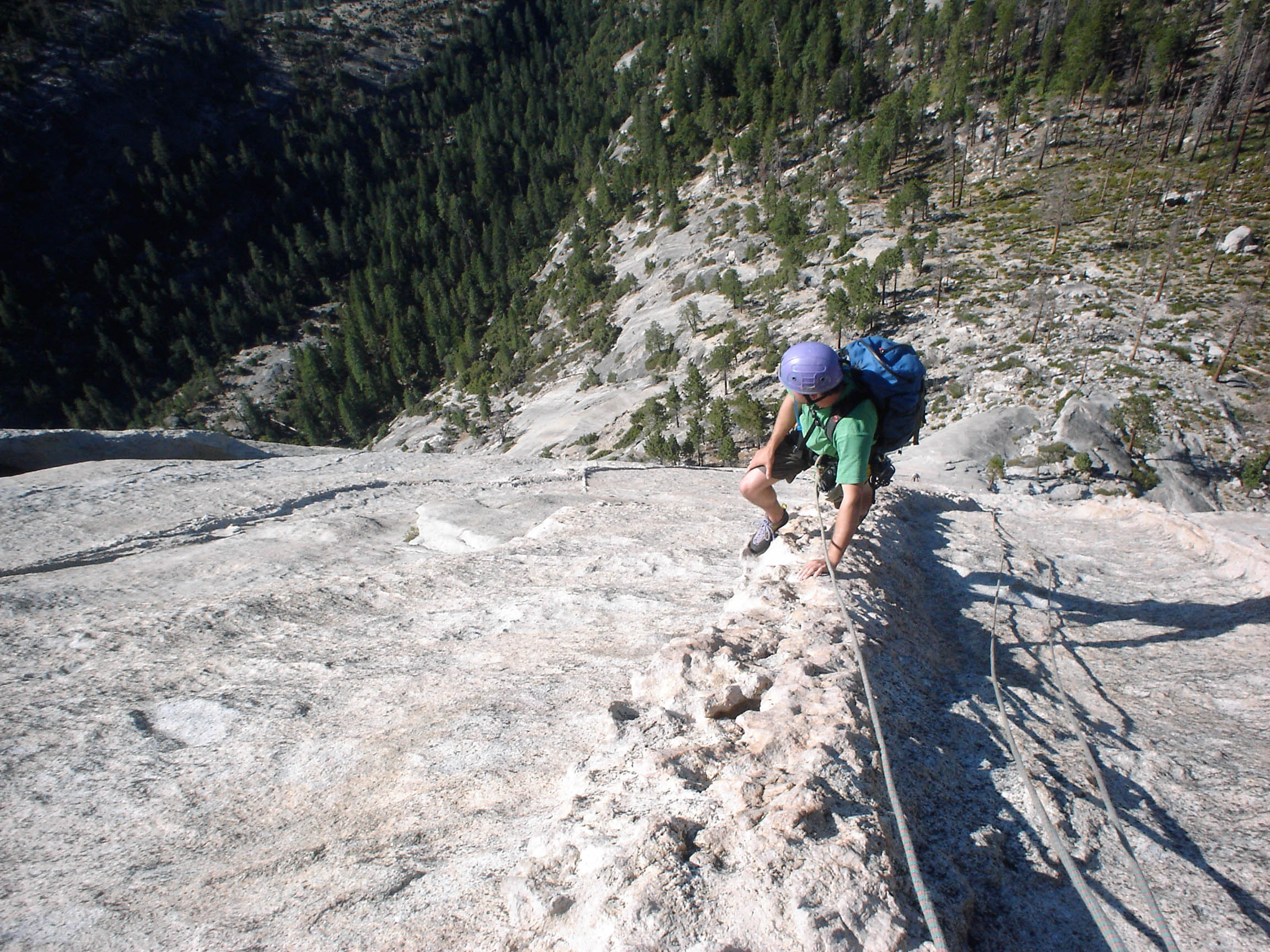
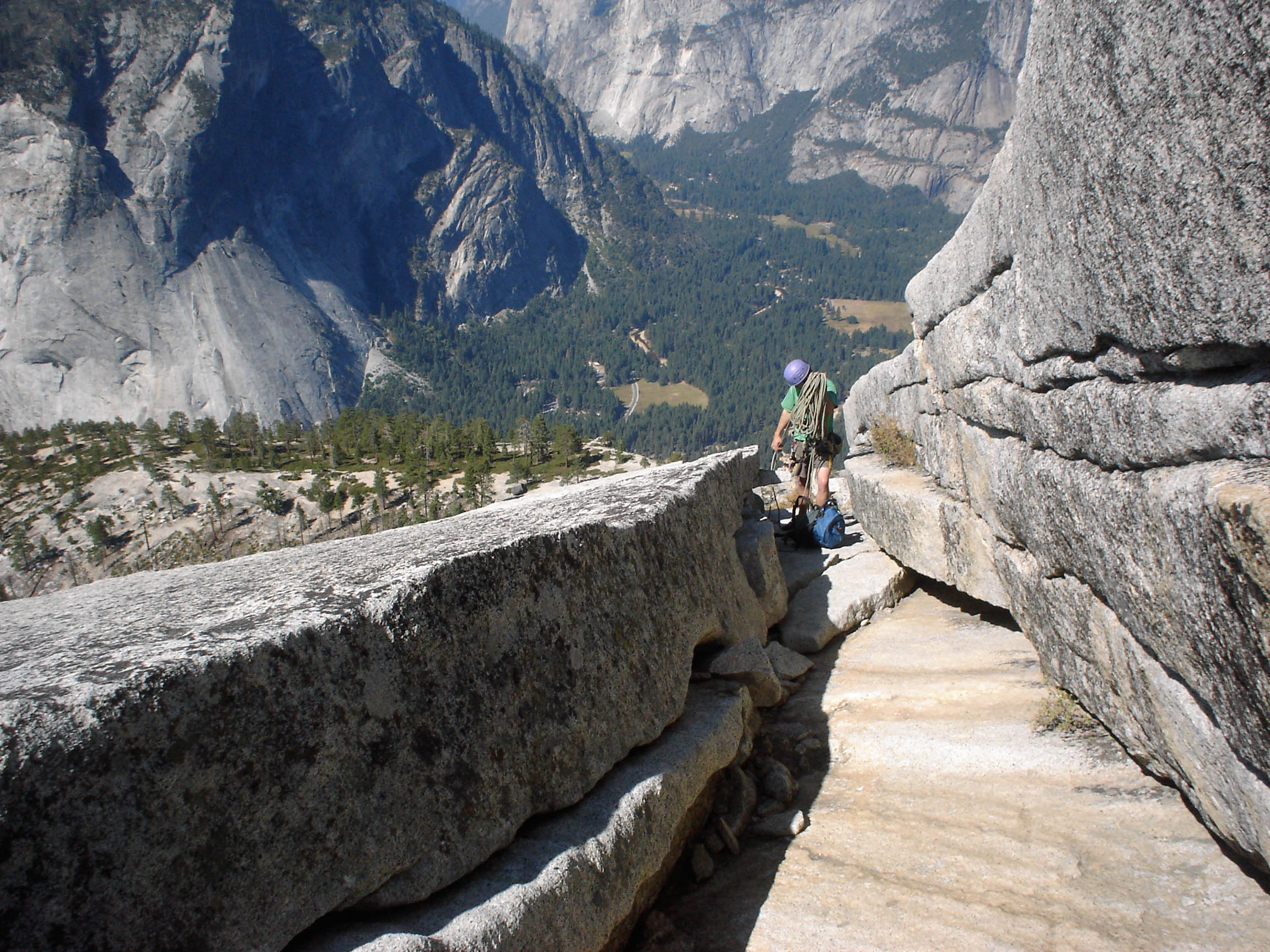
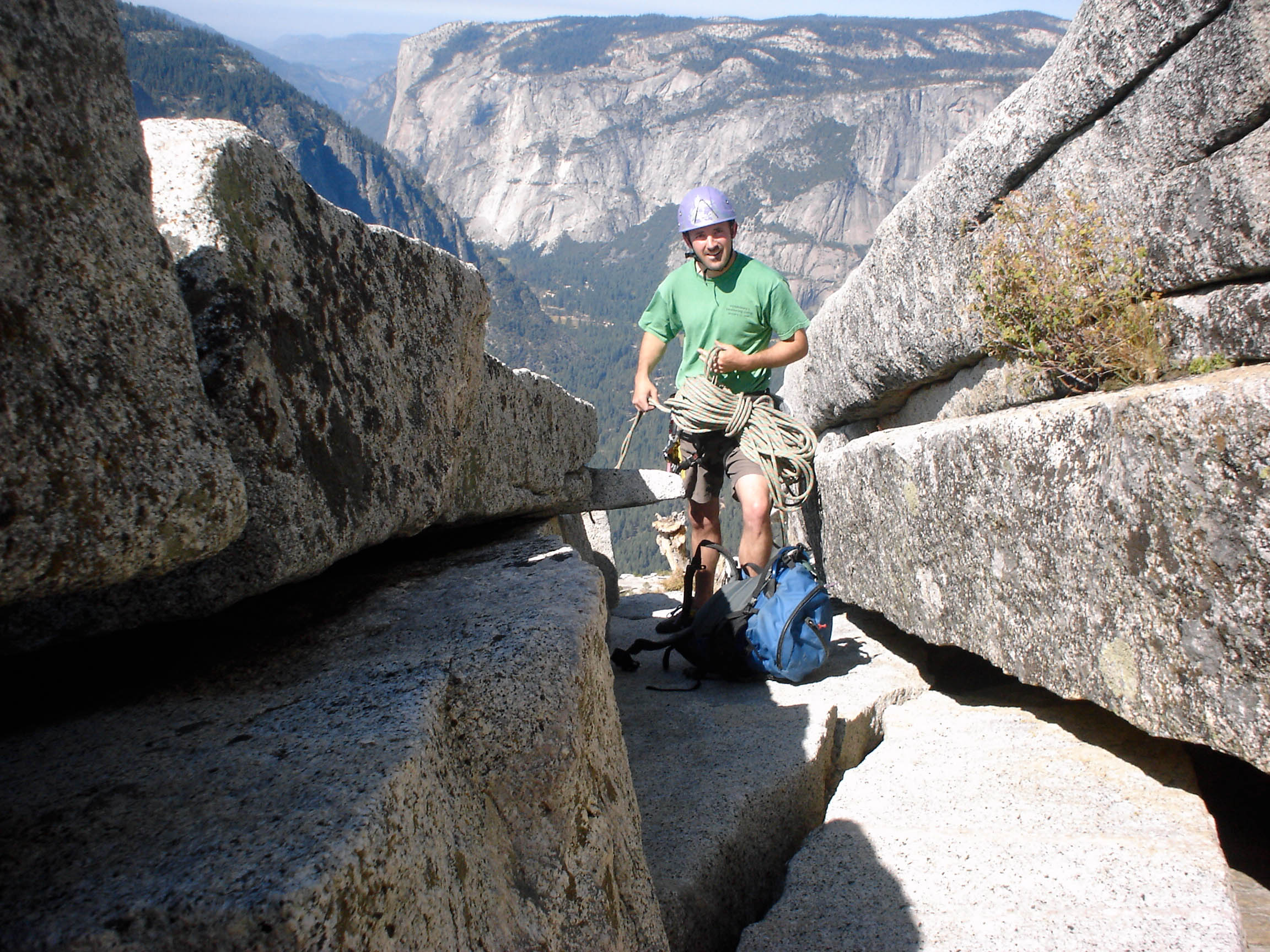
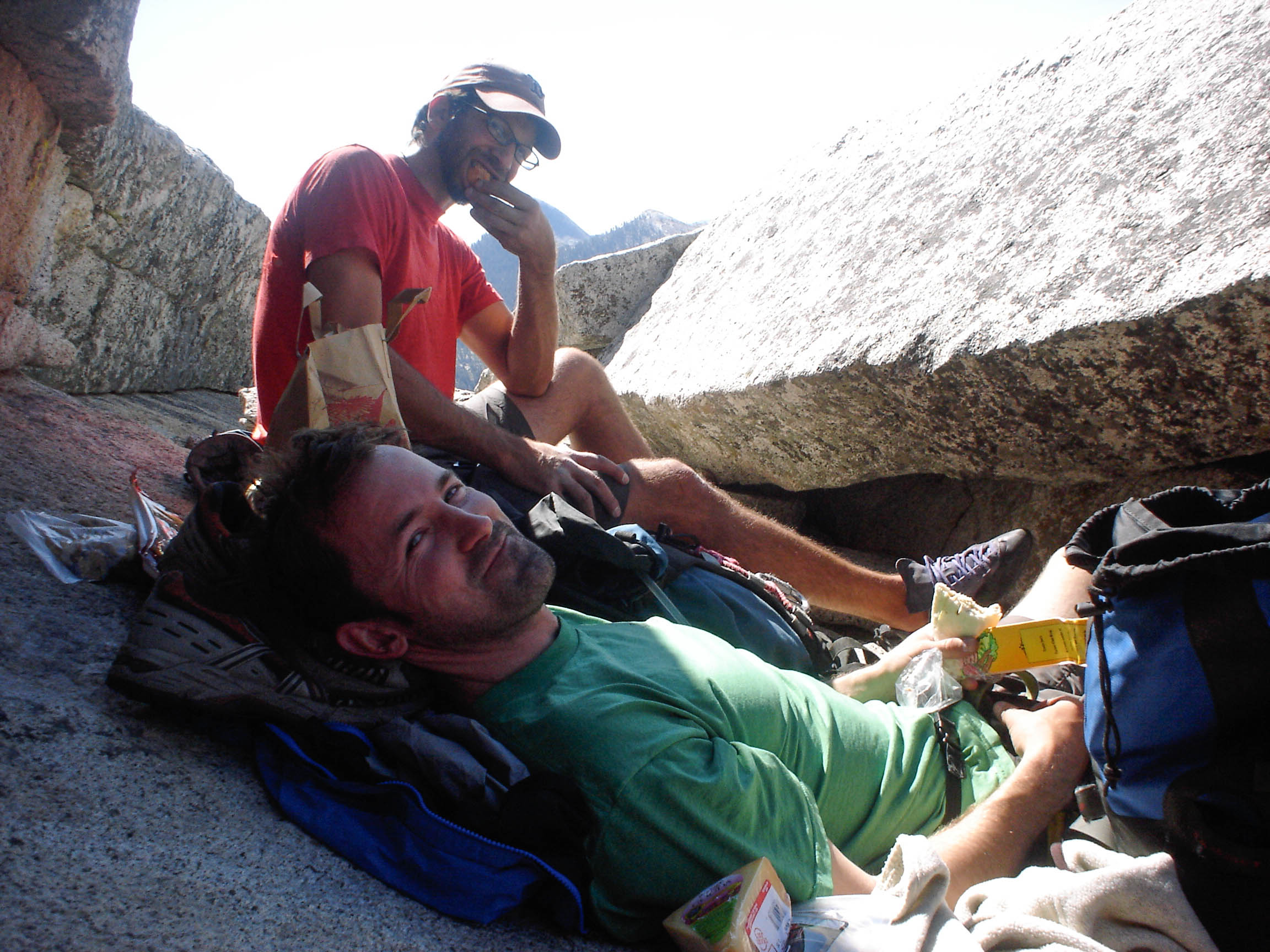
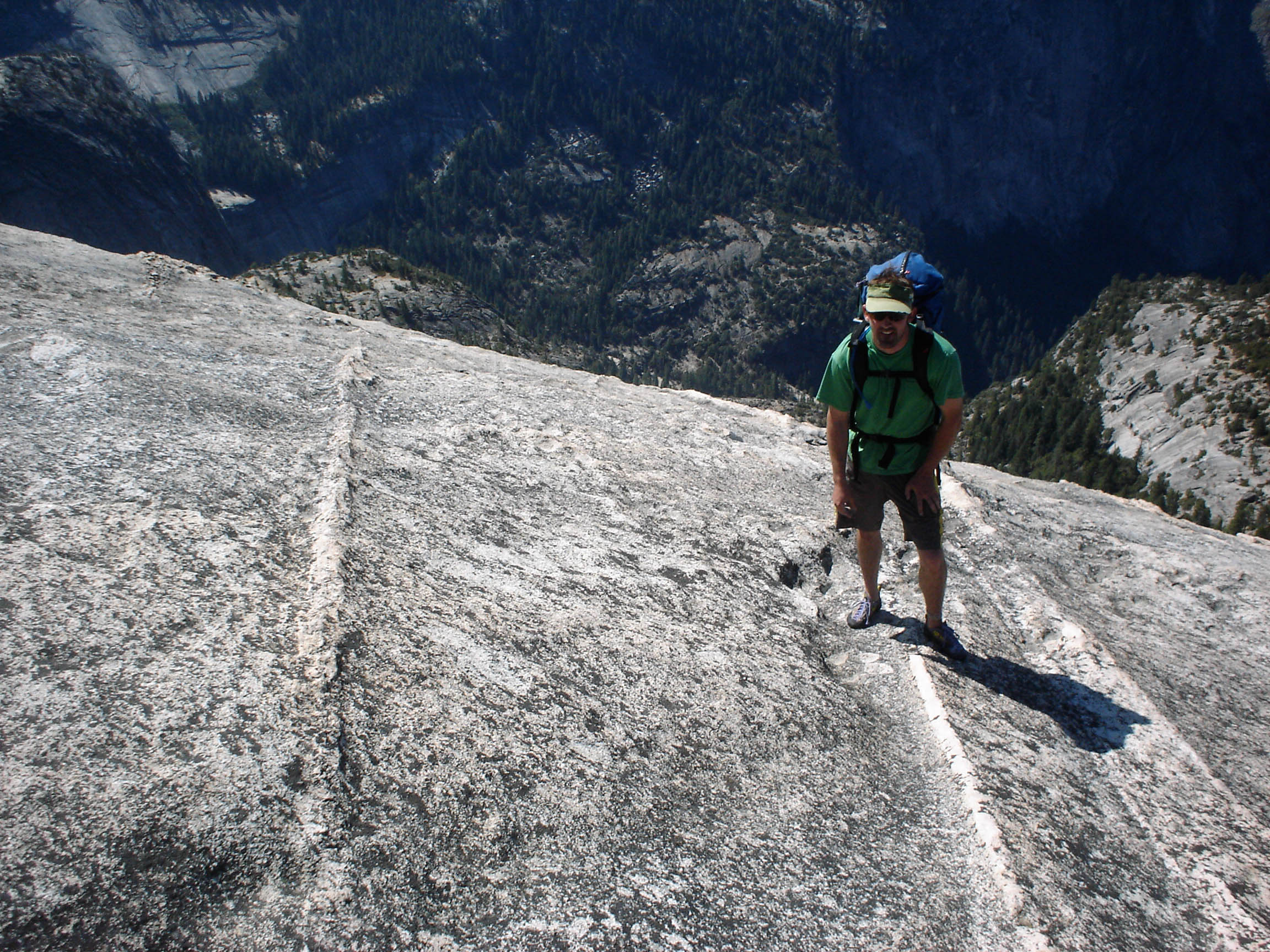
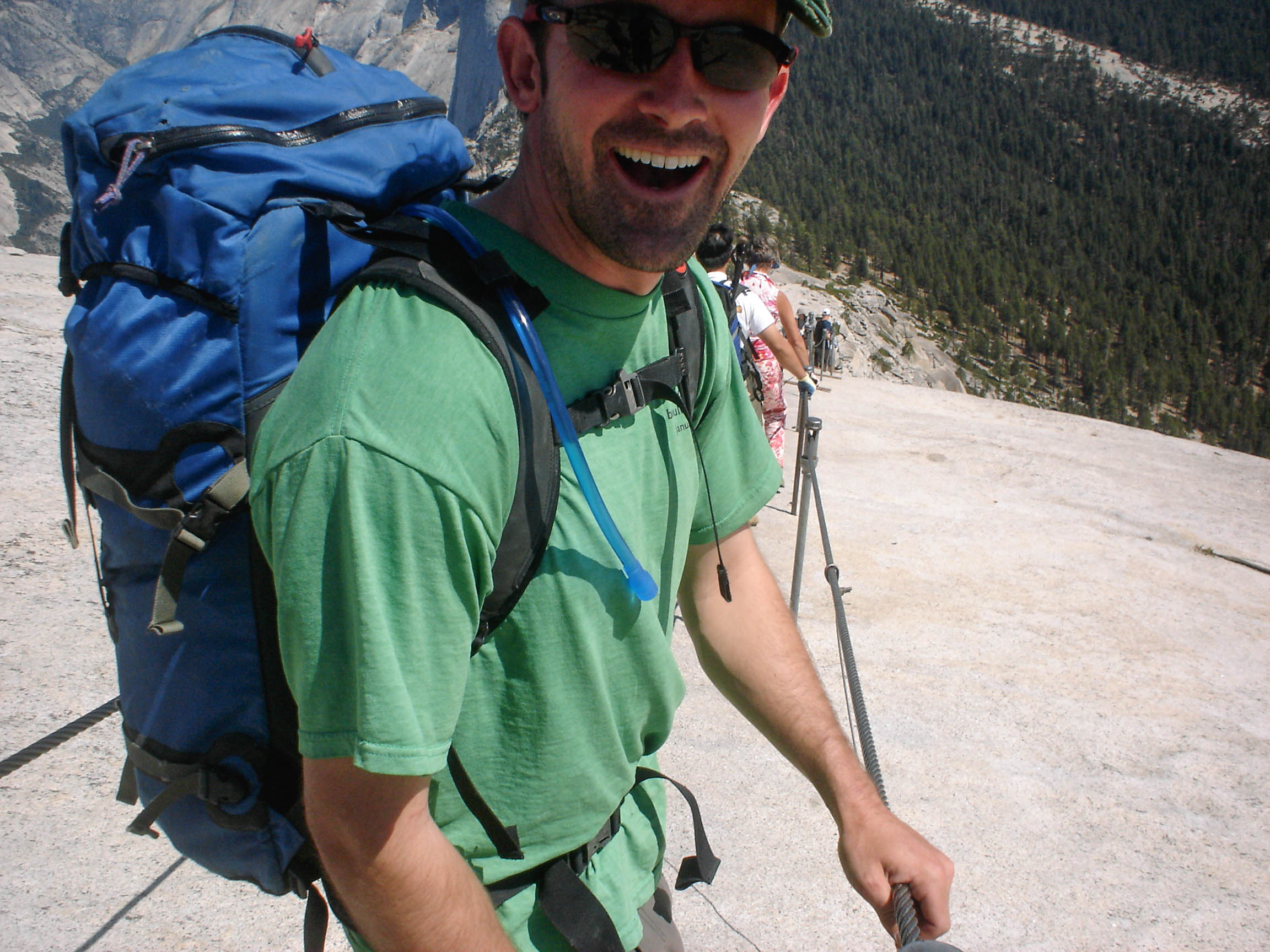
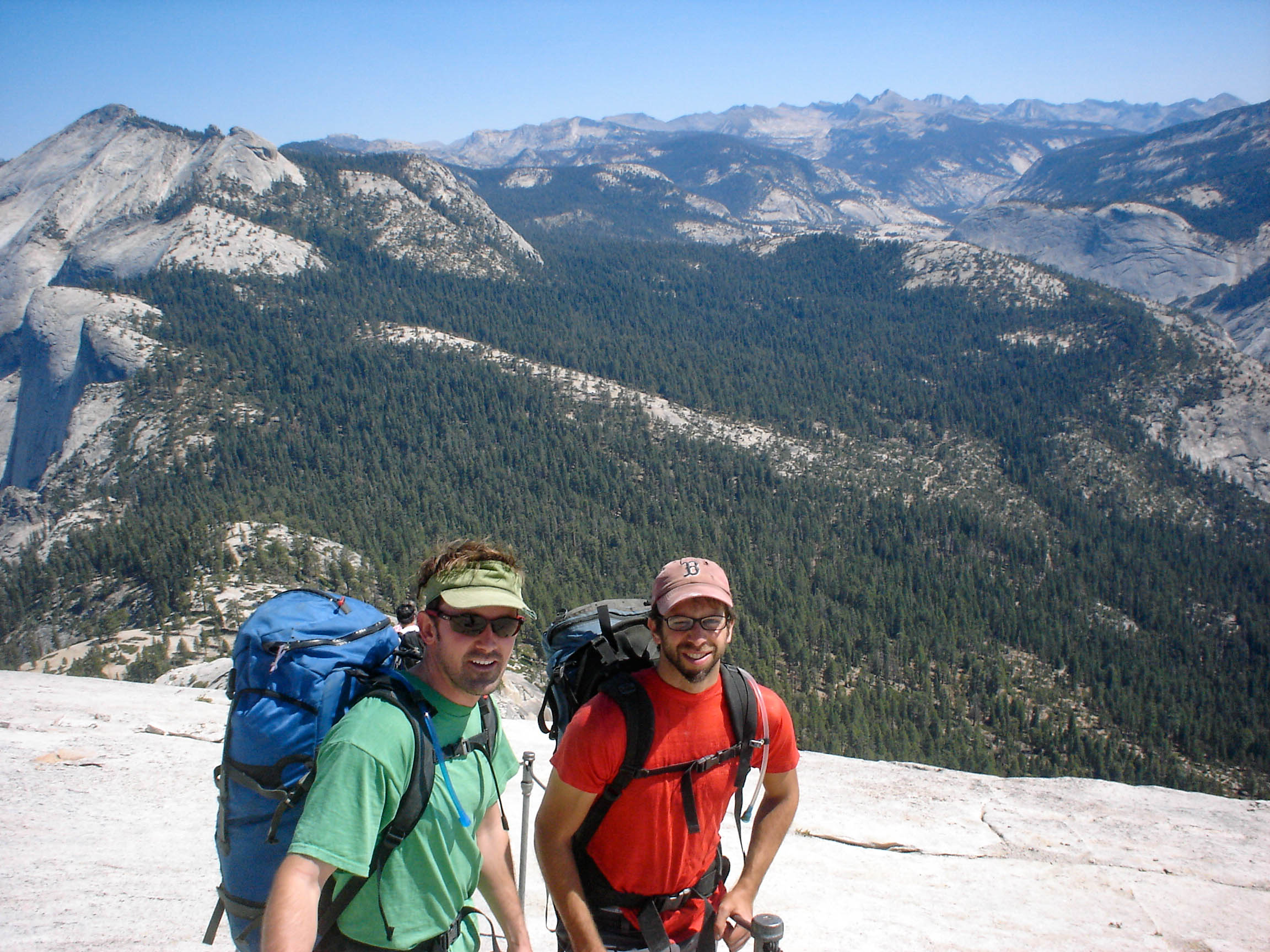
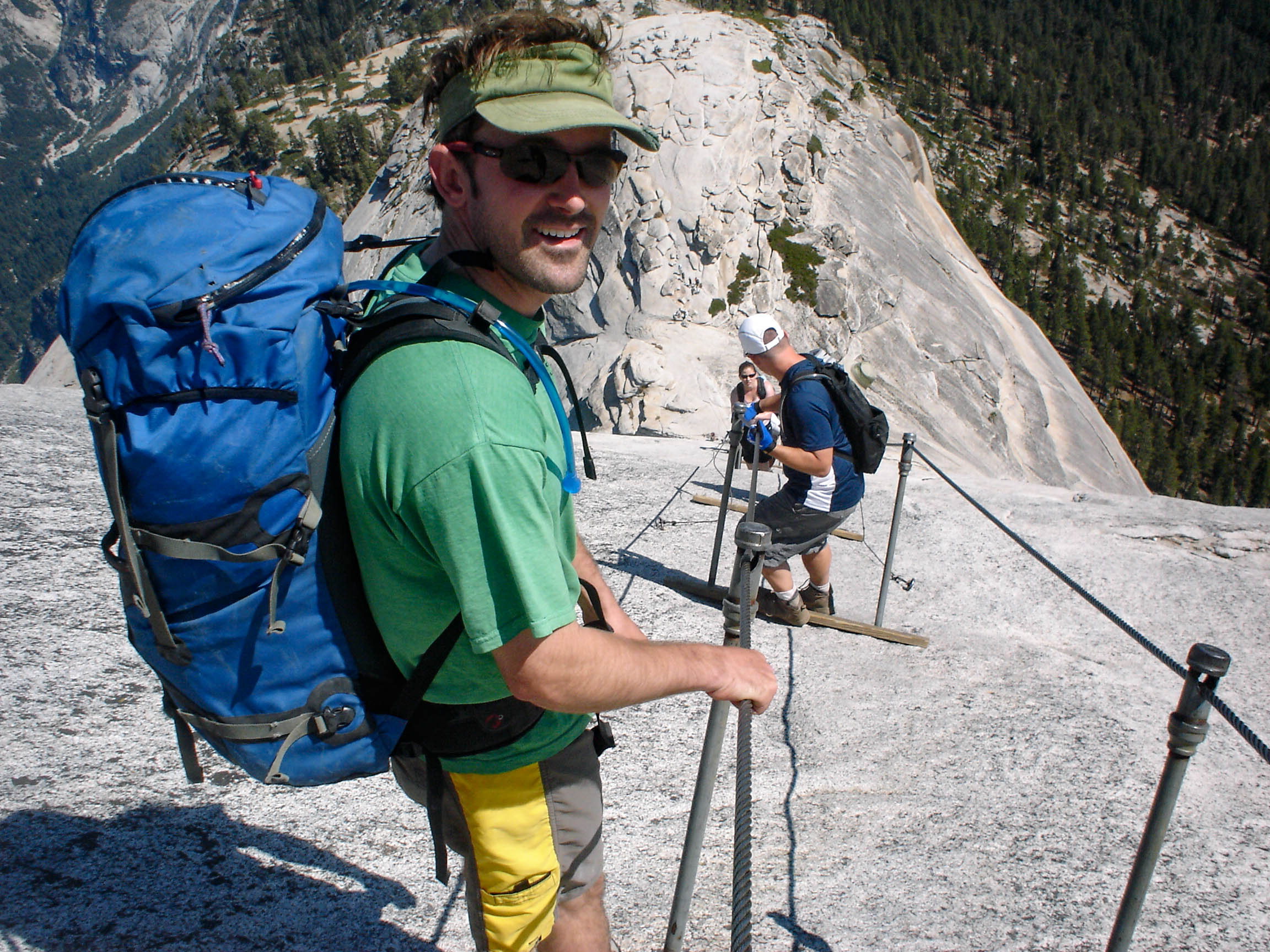
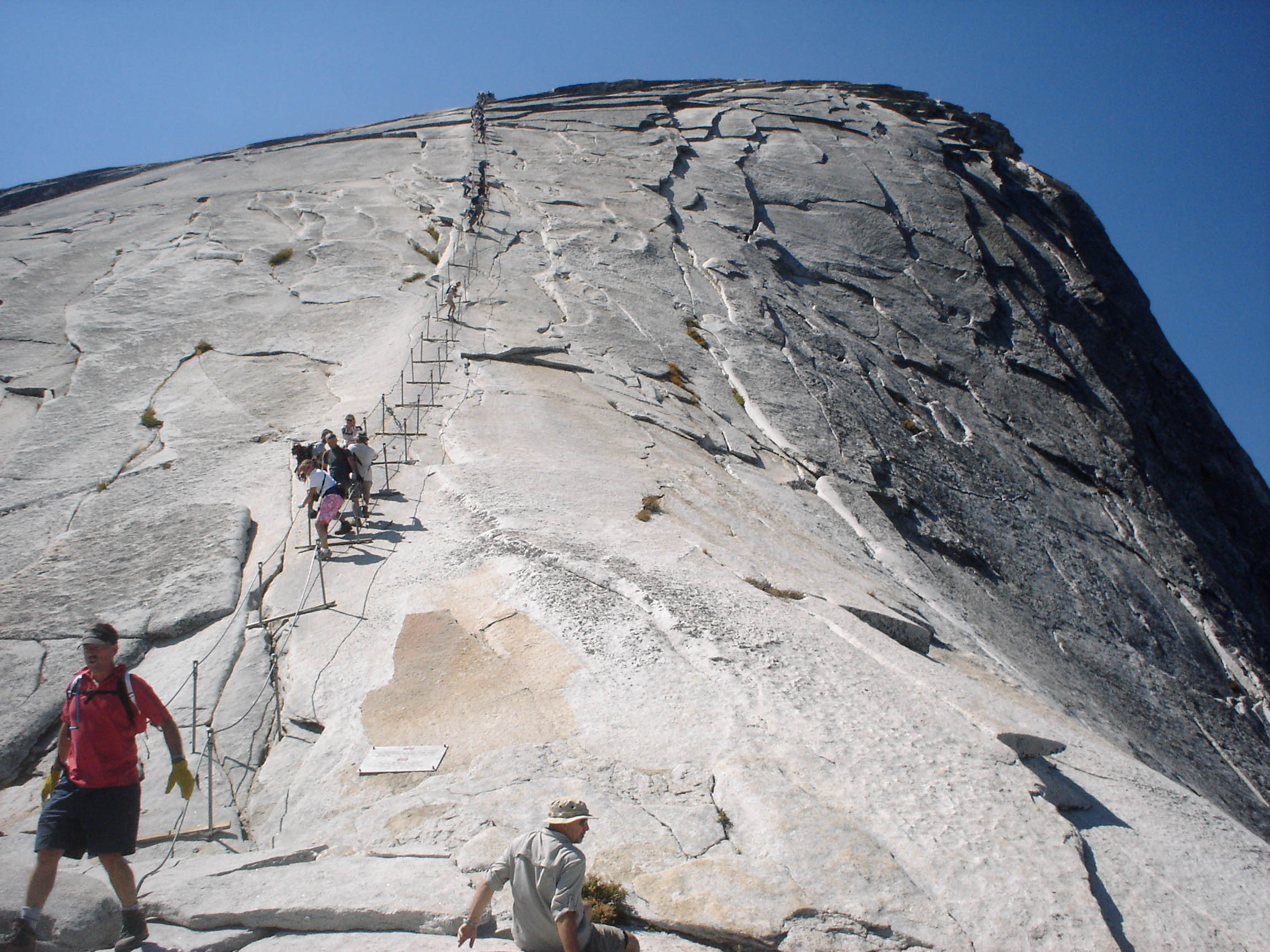
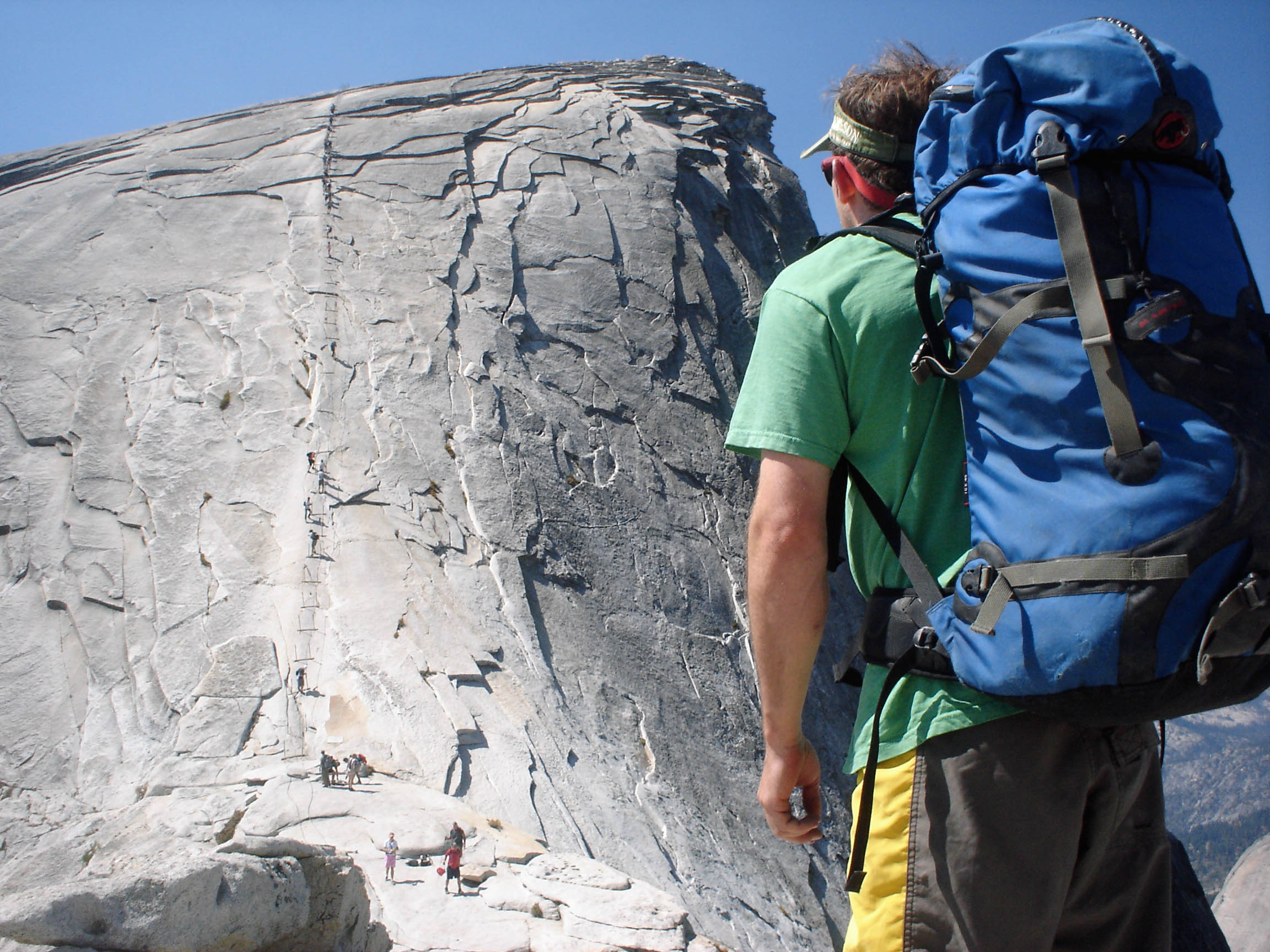
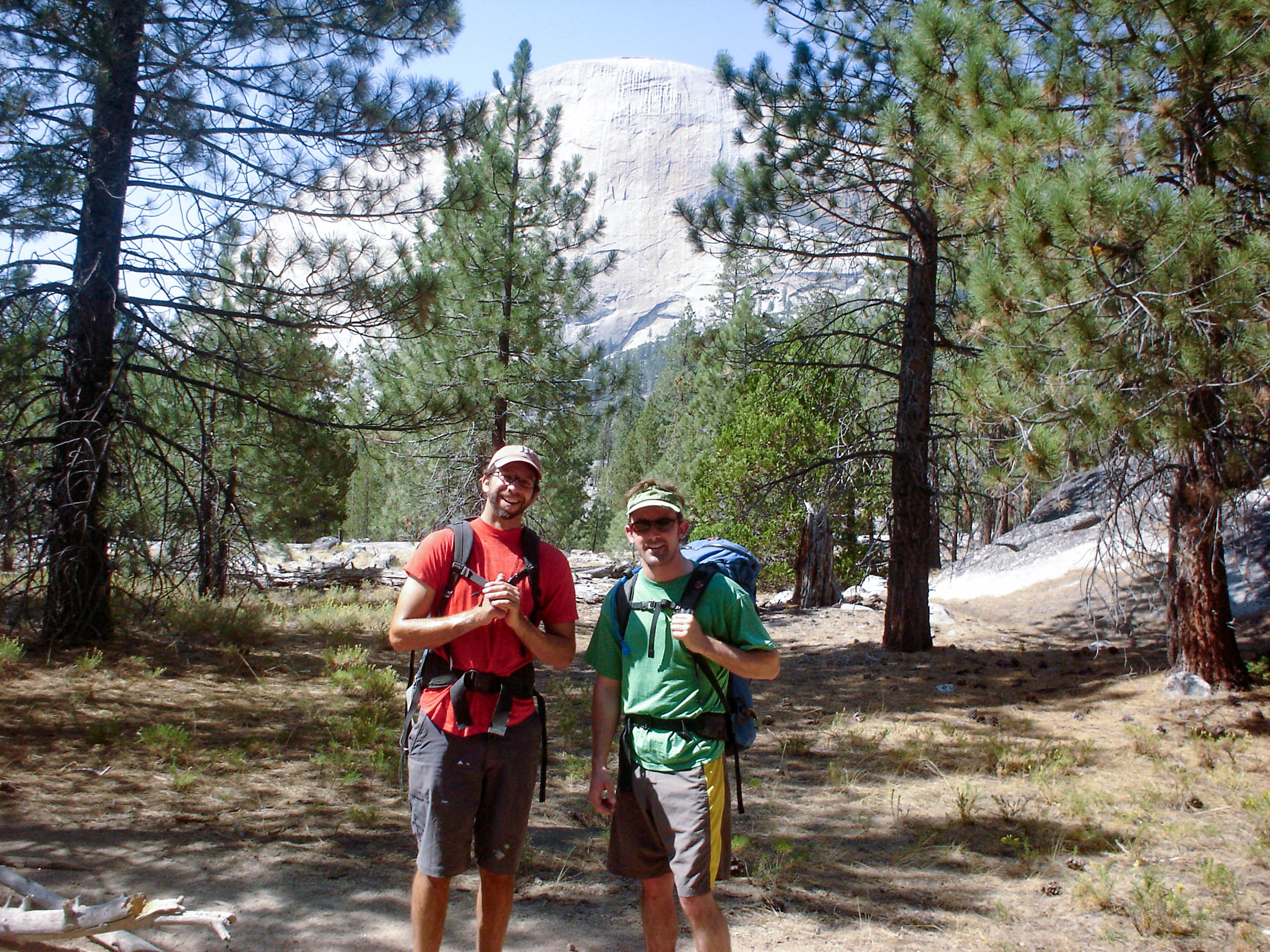
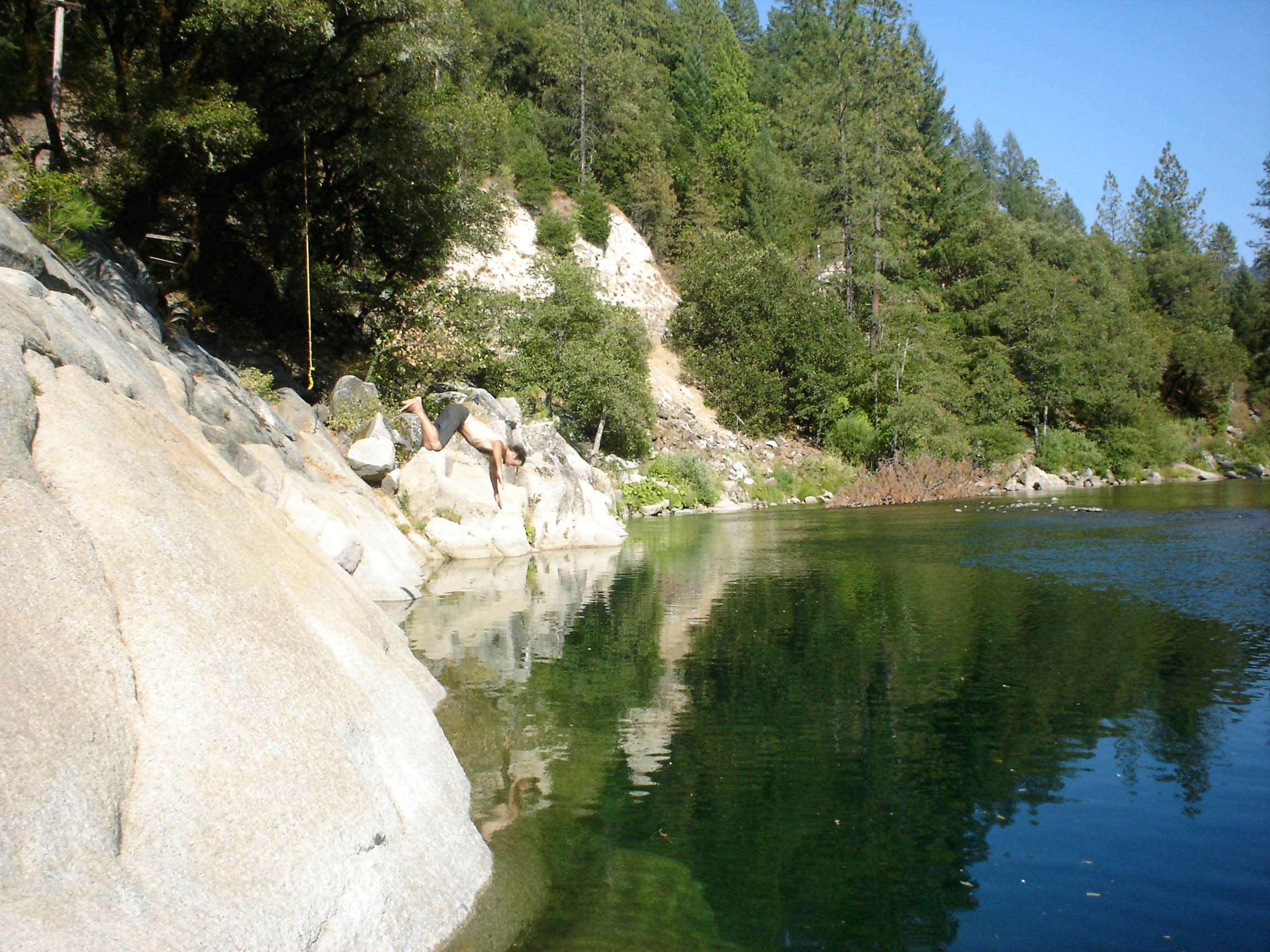
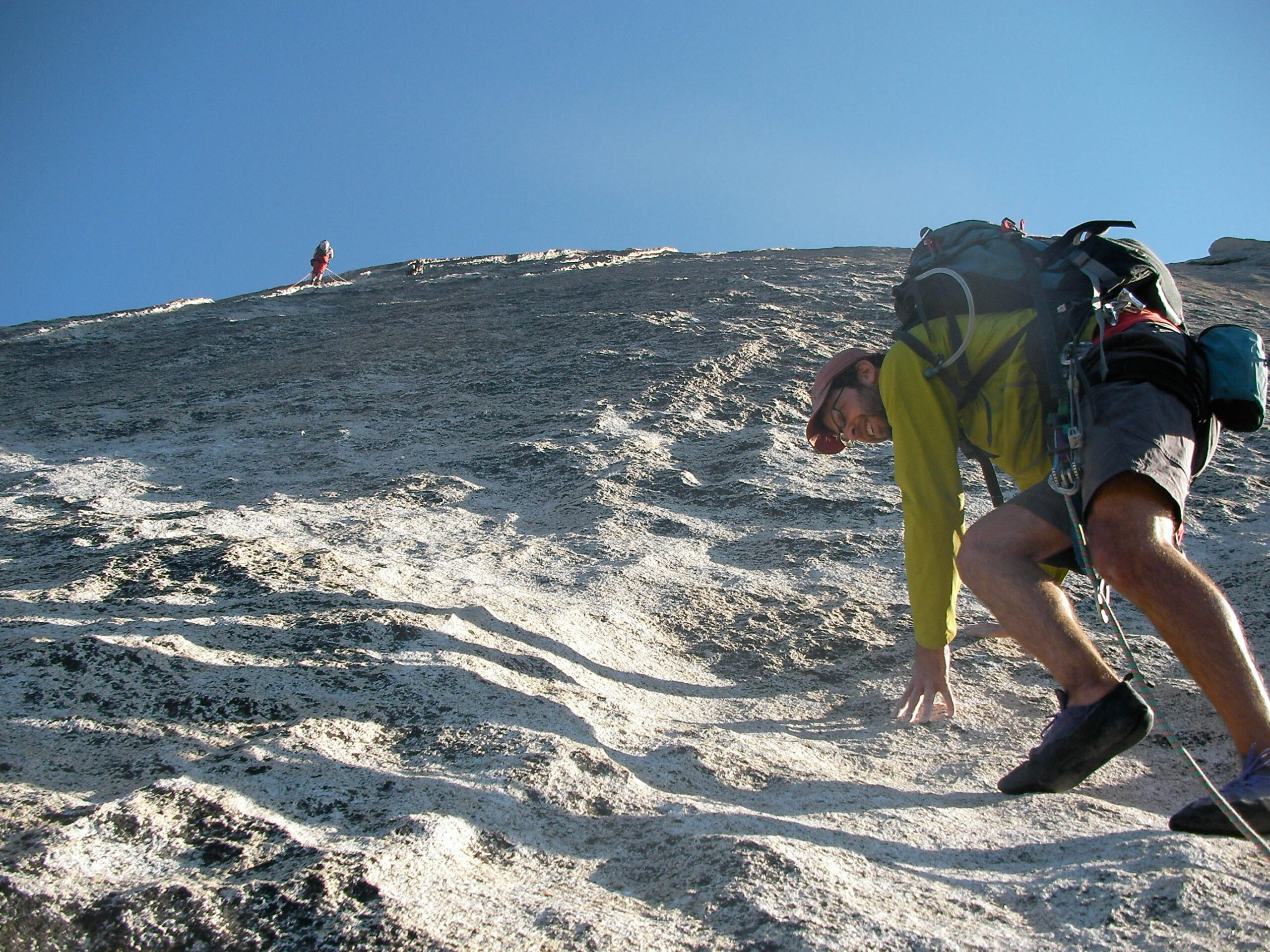
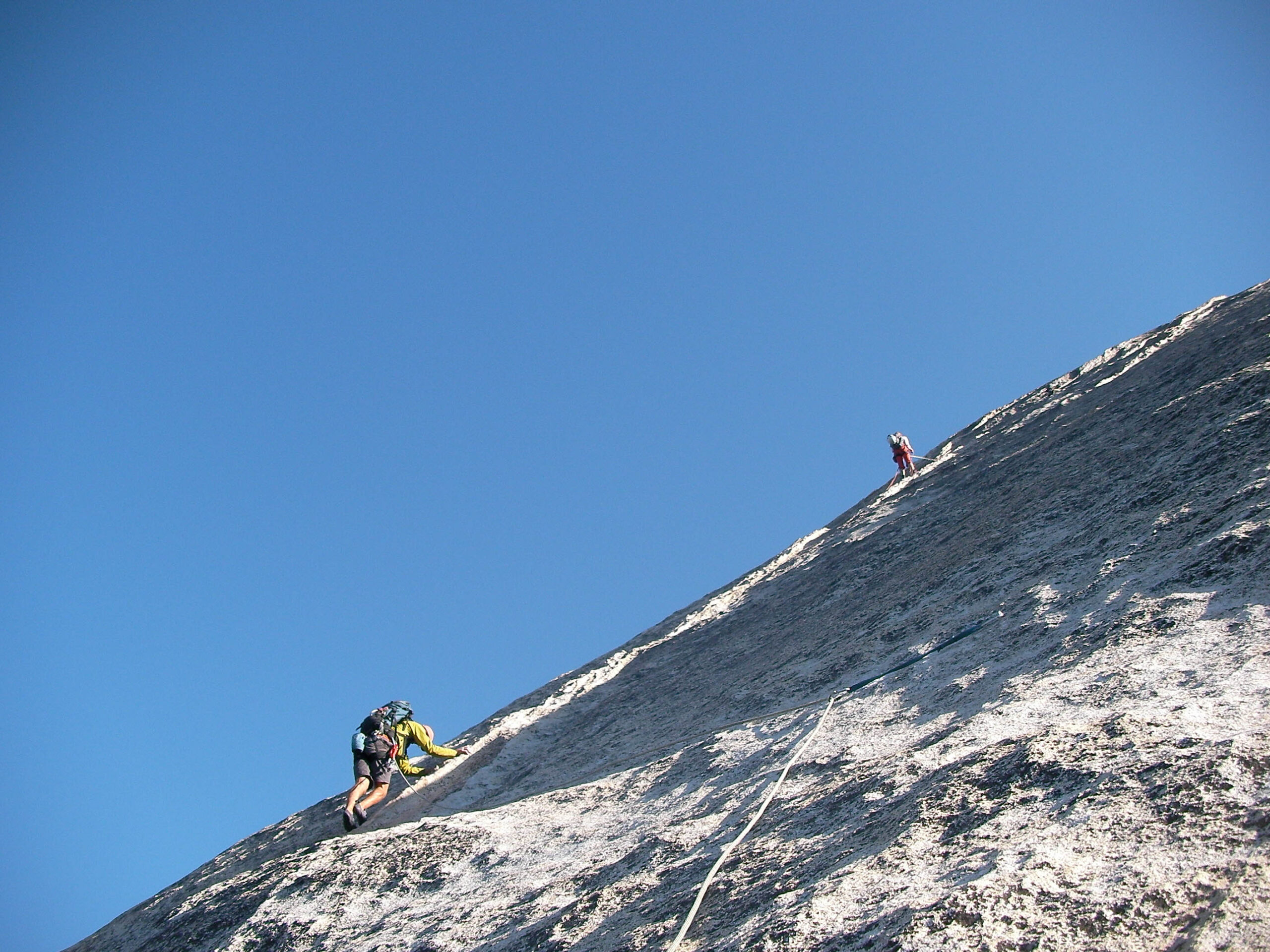
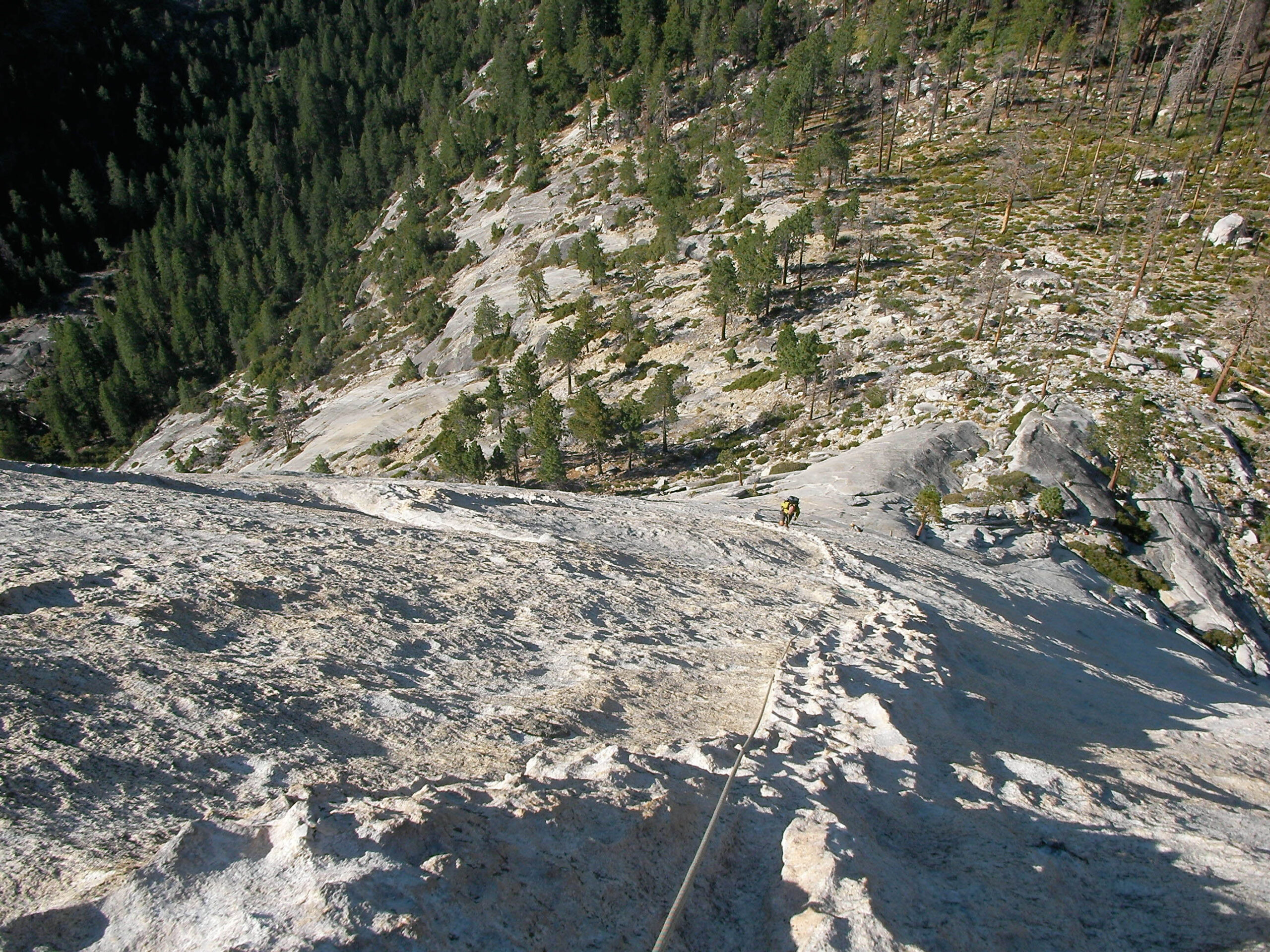
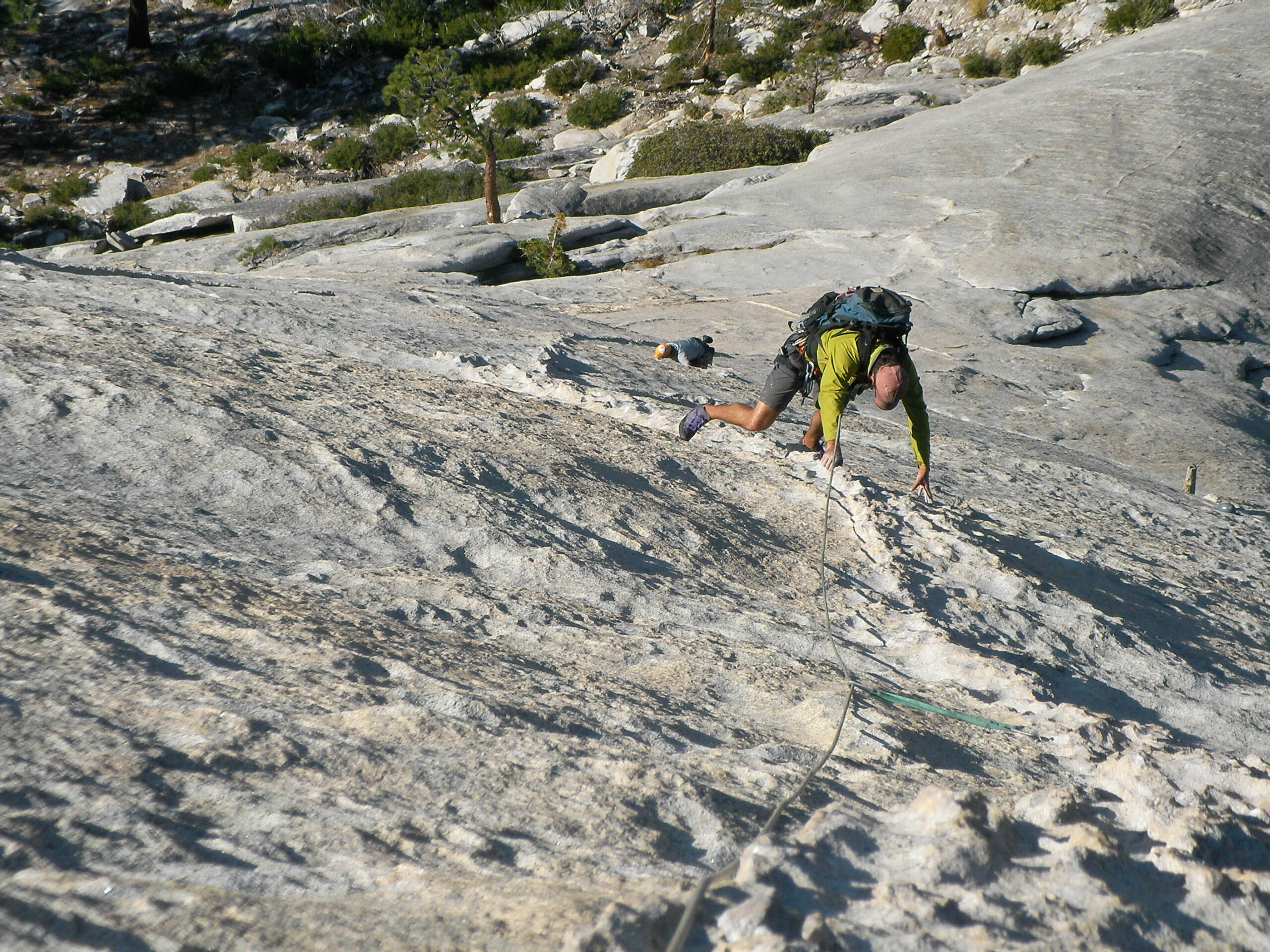
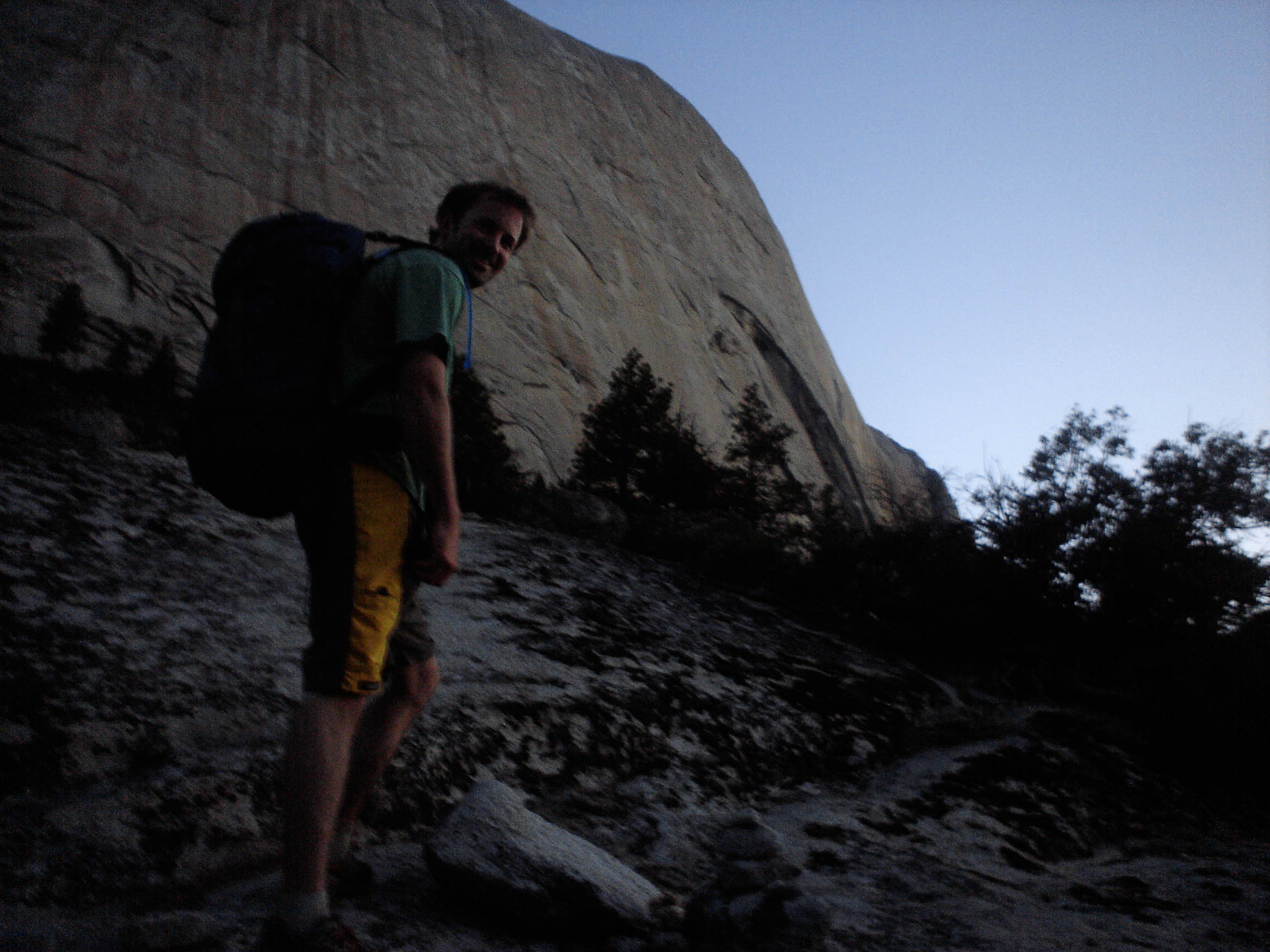
    Well in the blink of an eye two months went by–without a single day of sailing. The half moon bay trip was the last time, and although it left me eager for more time on the open ocean, the rest of life intervened. I’ve been keeping busy with other things: jonny and I climbed half dome via the snake dike route,

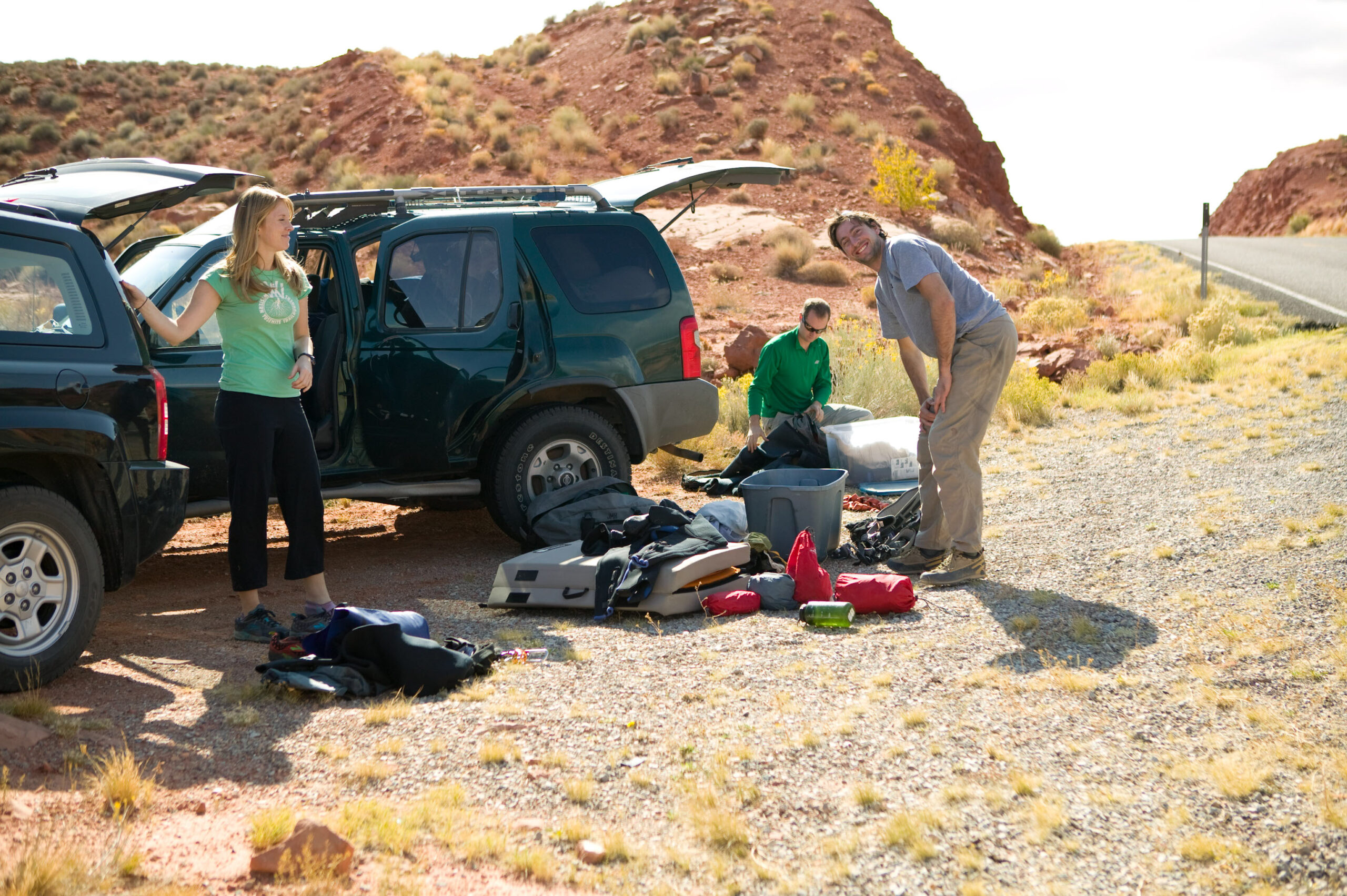
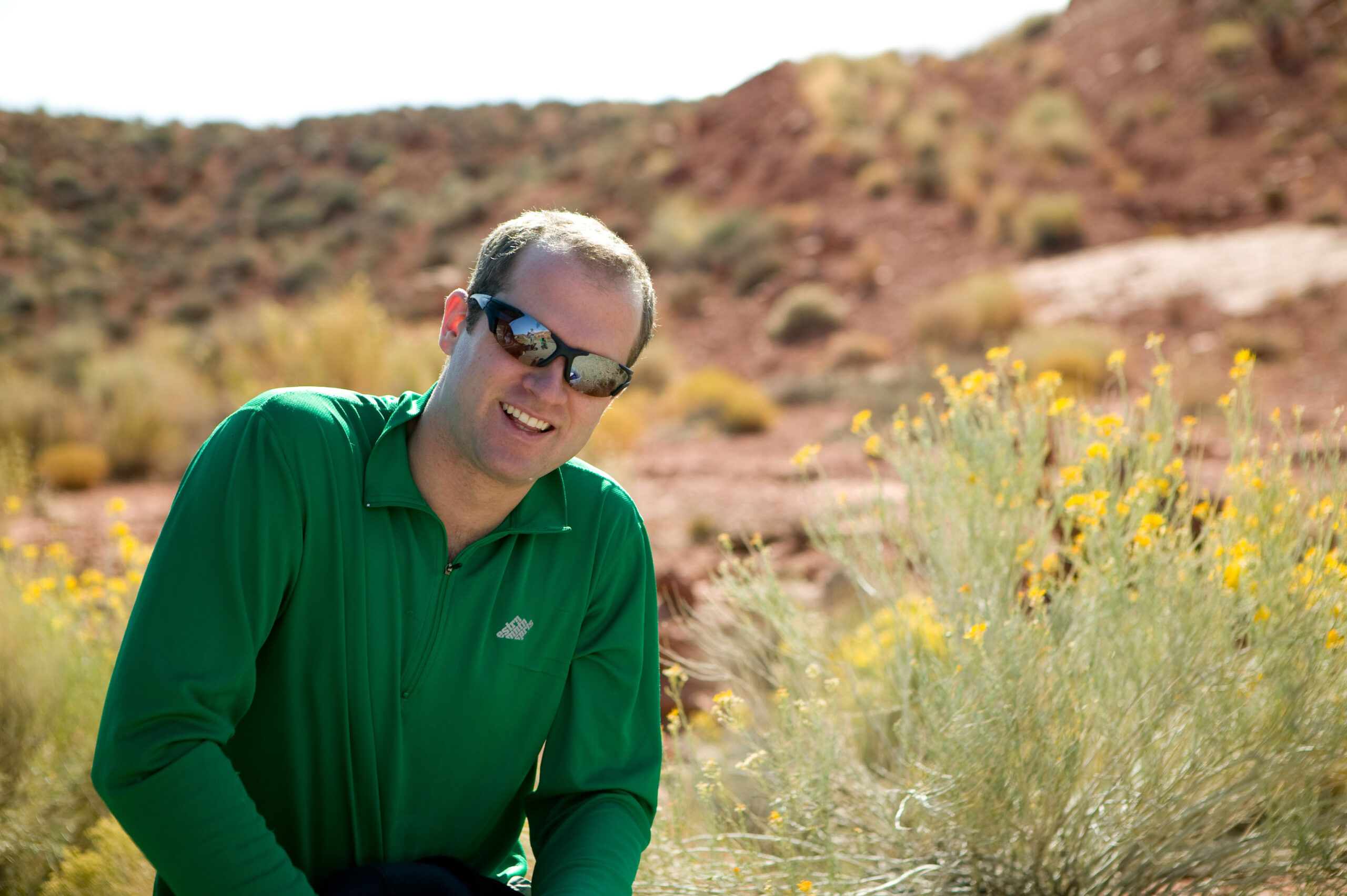
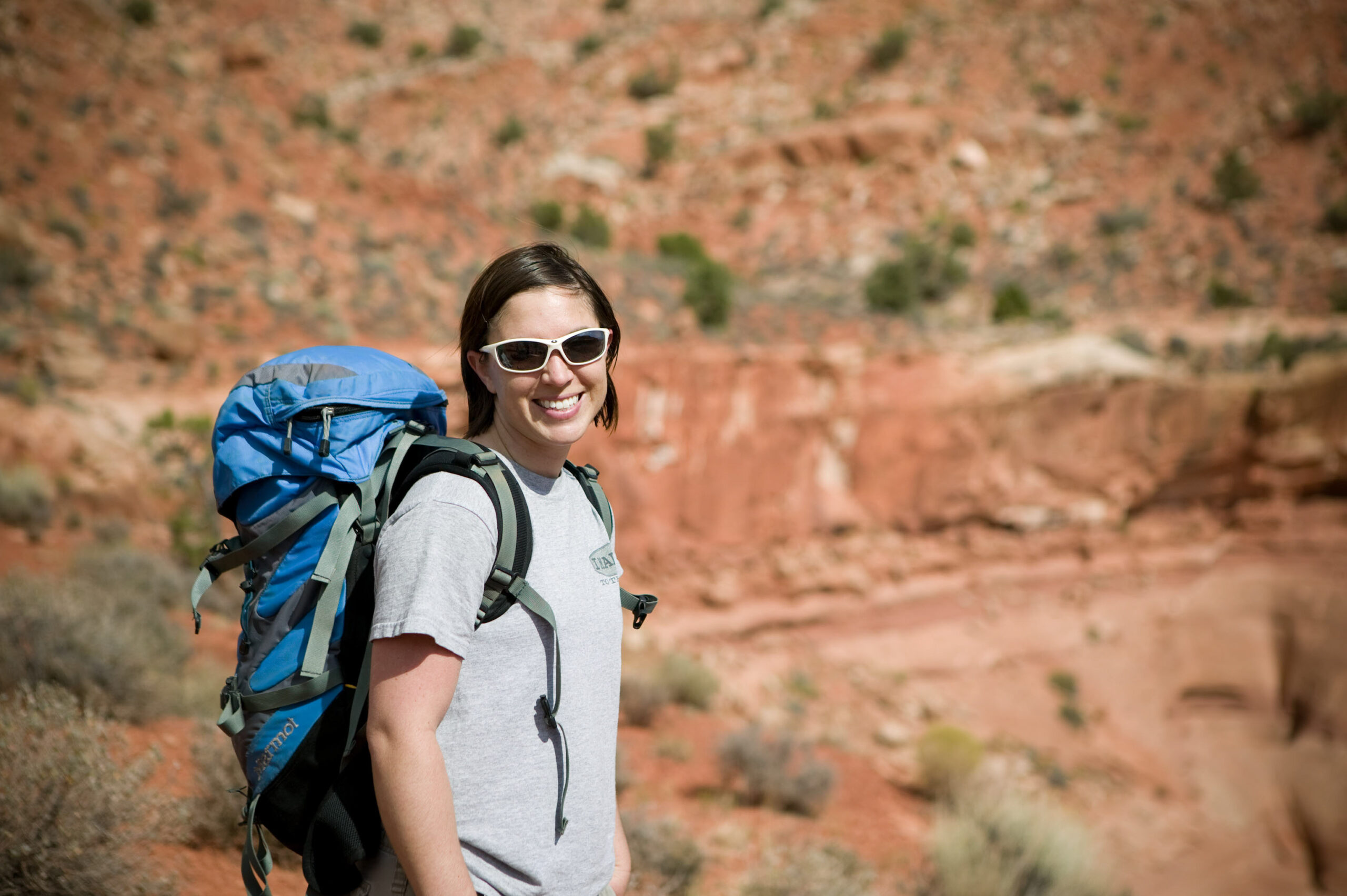
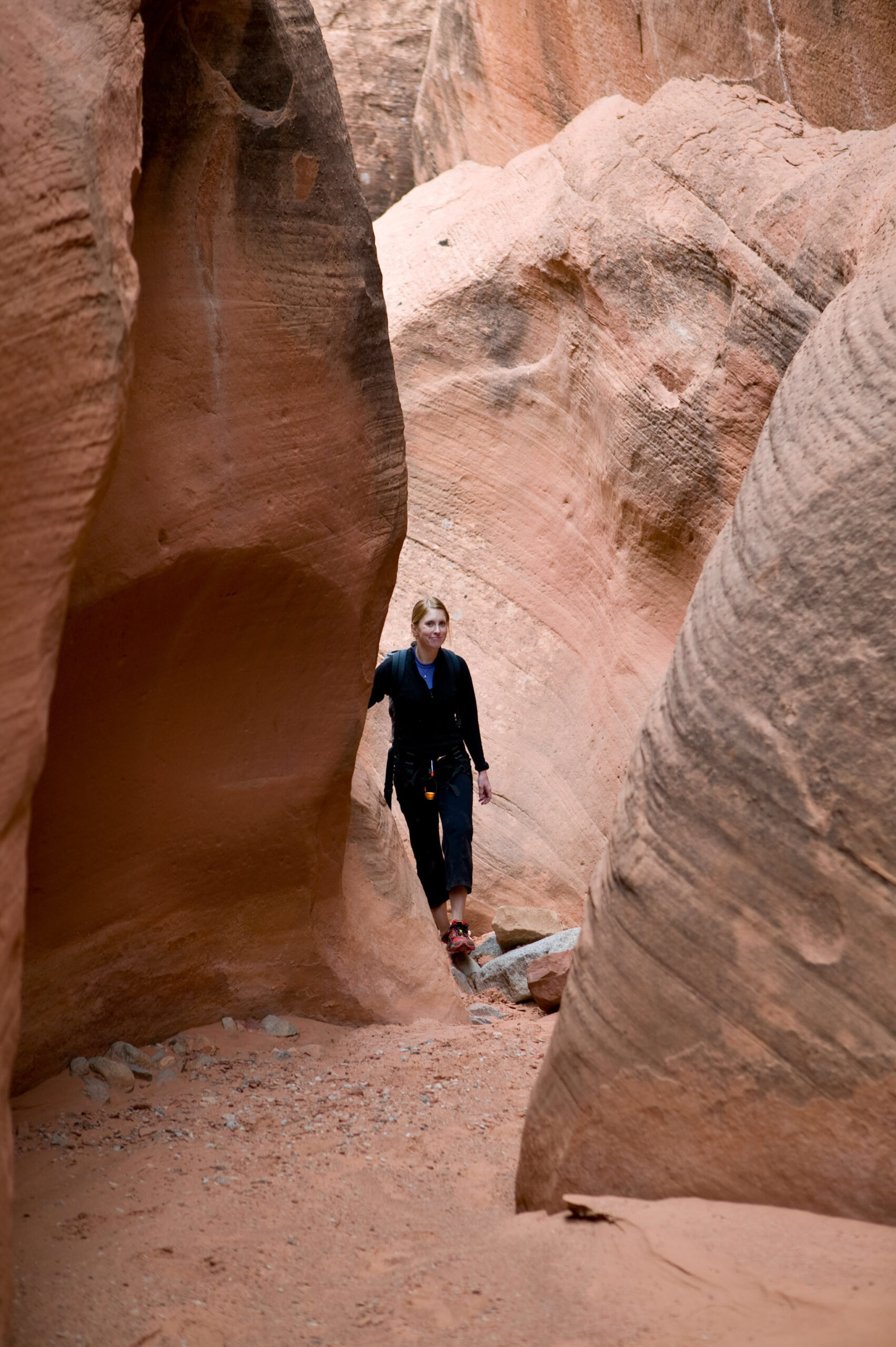
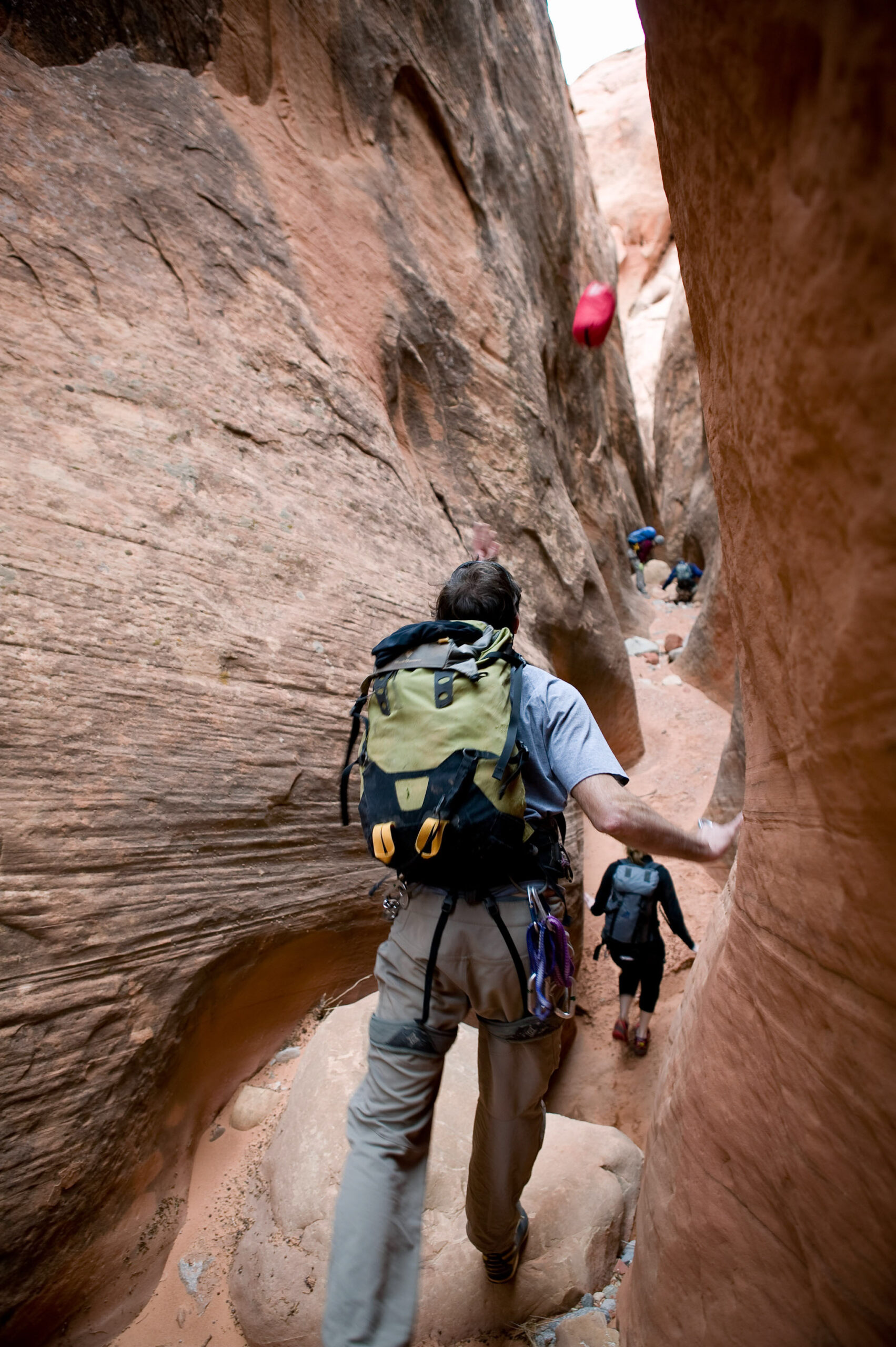
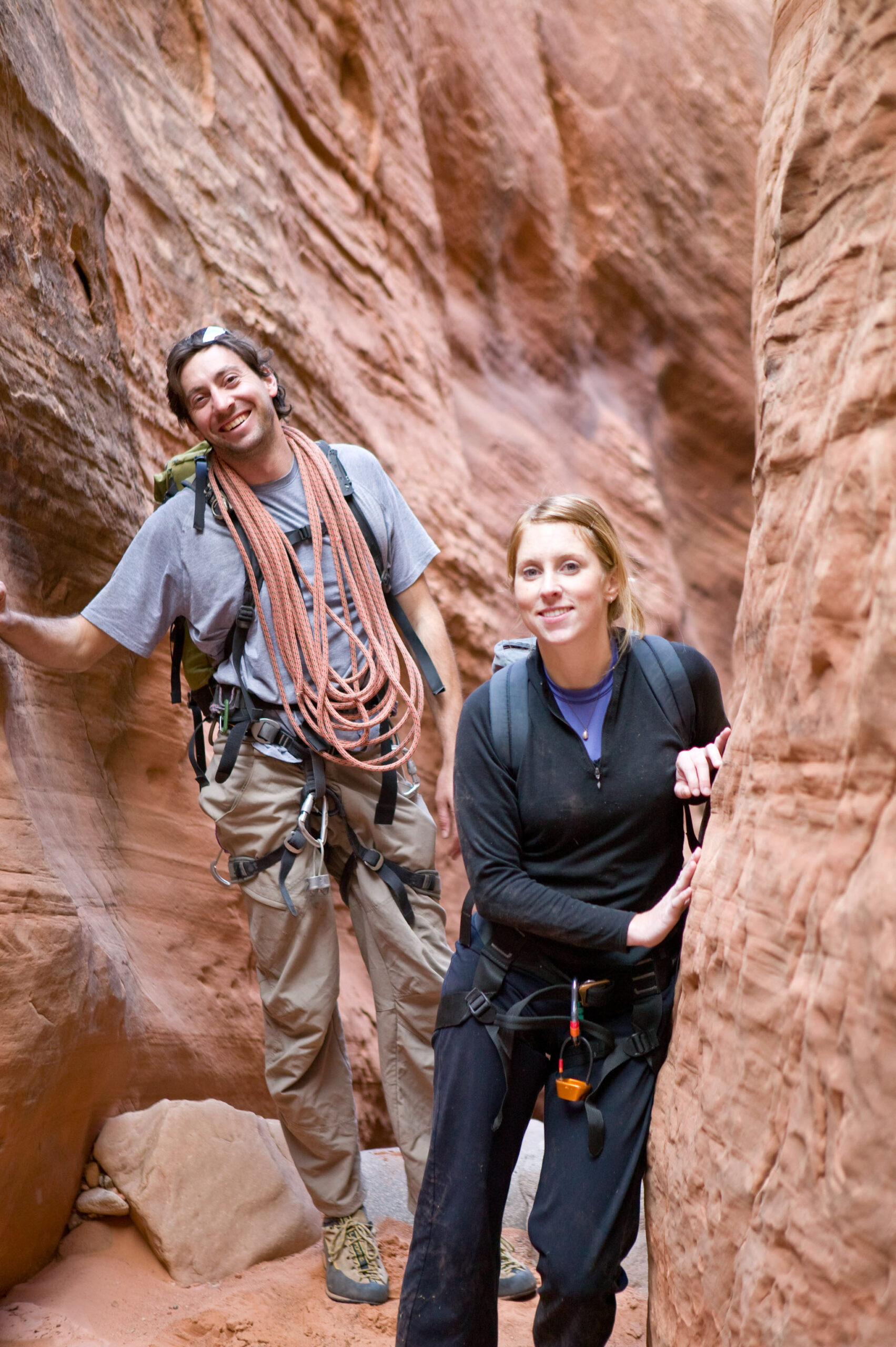
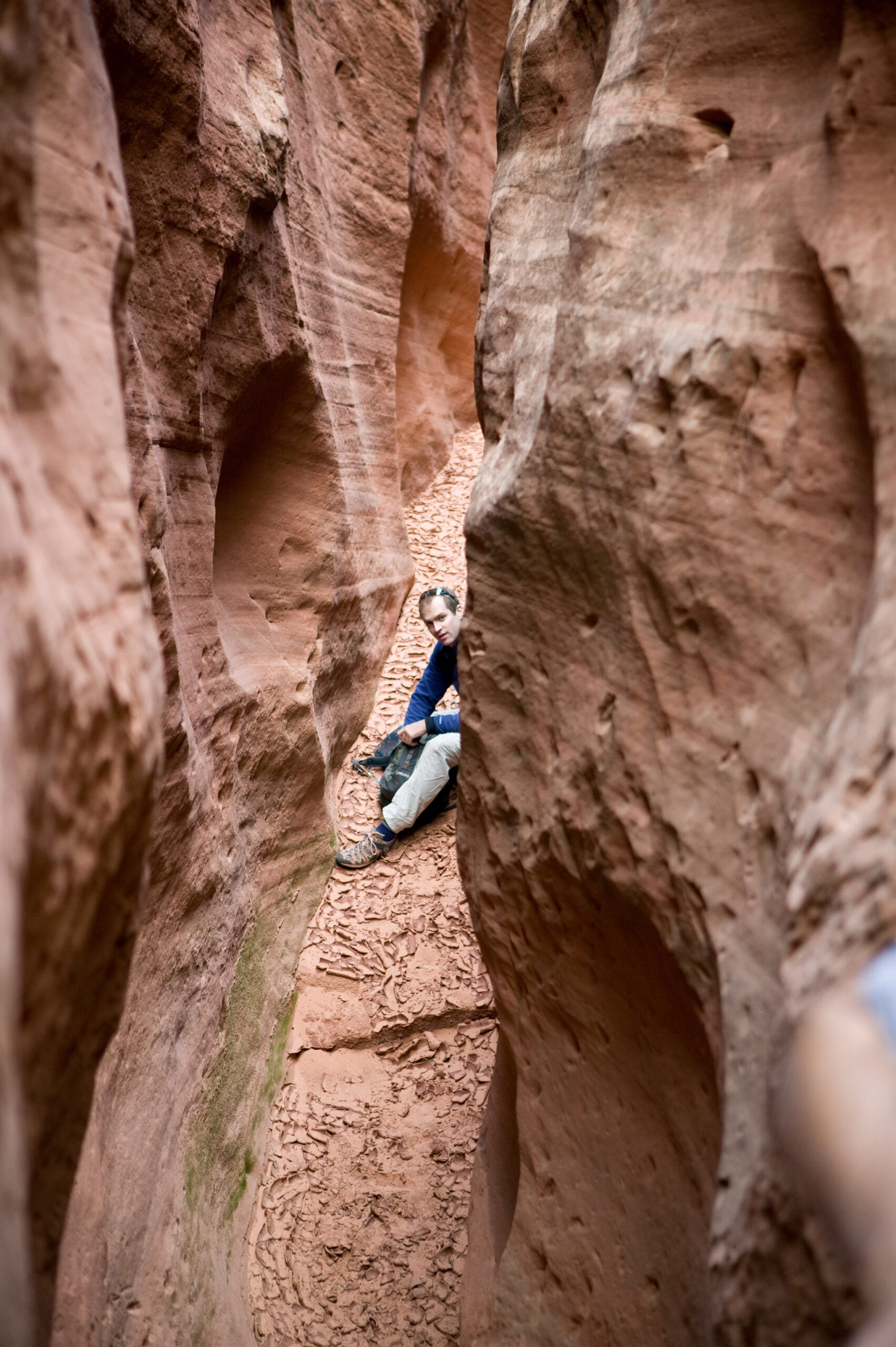
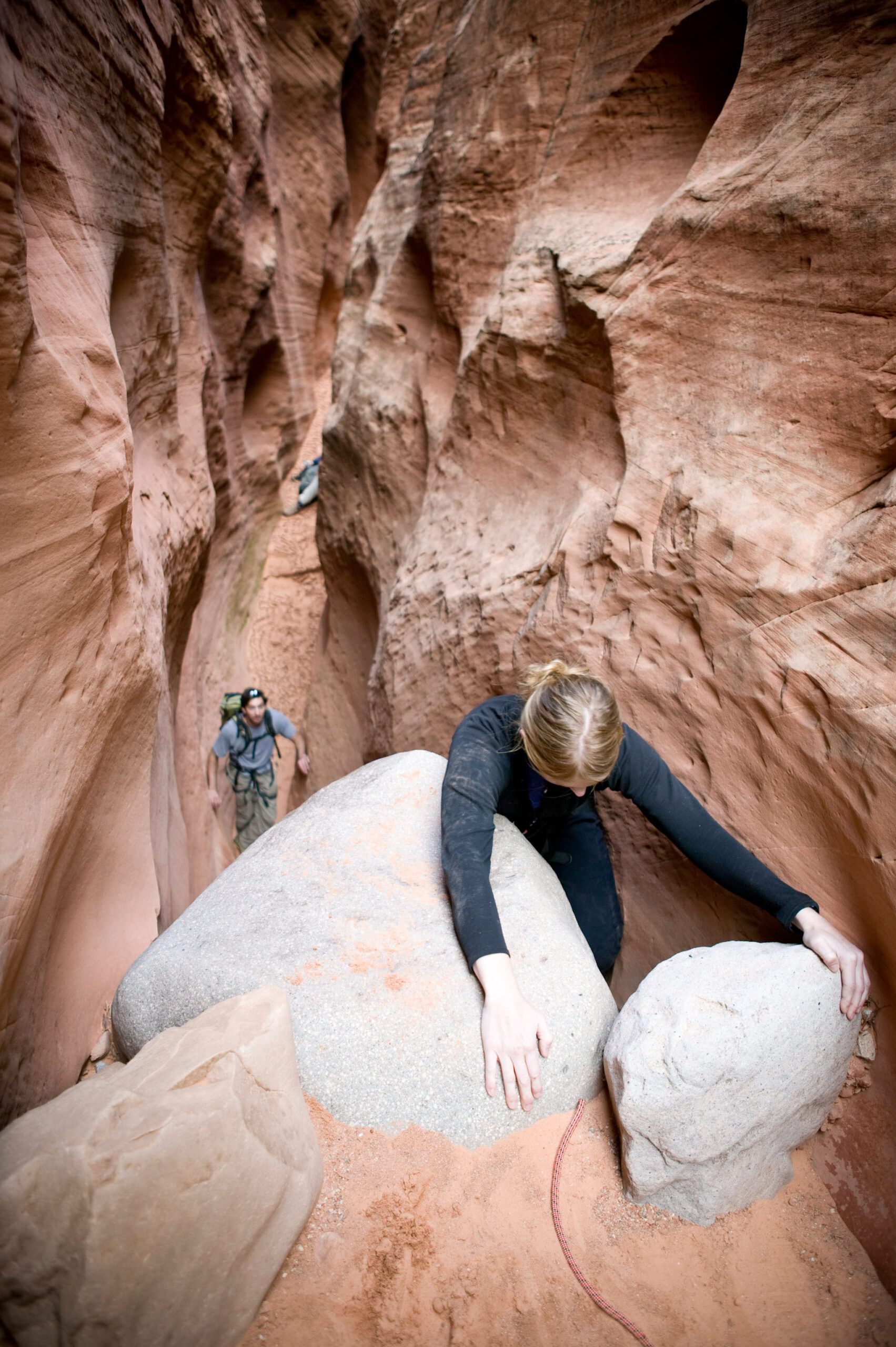
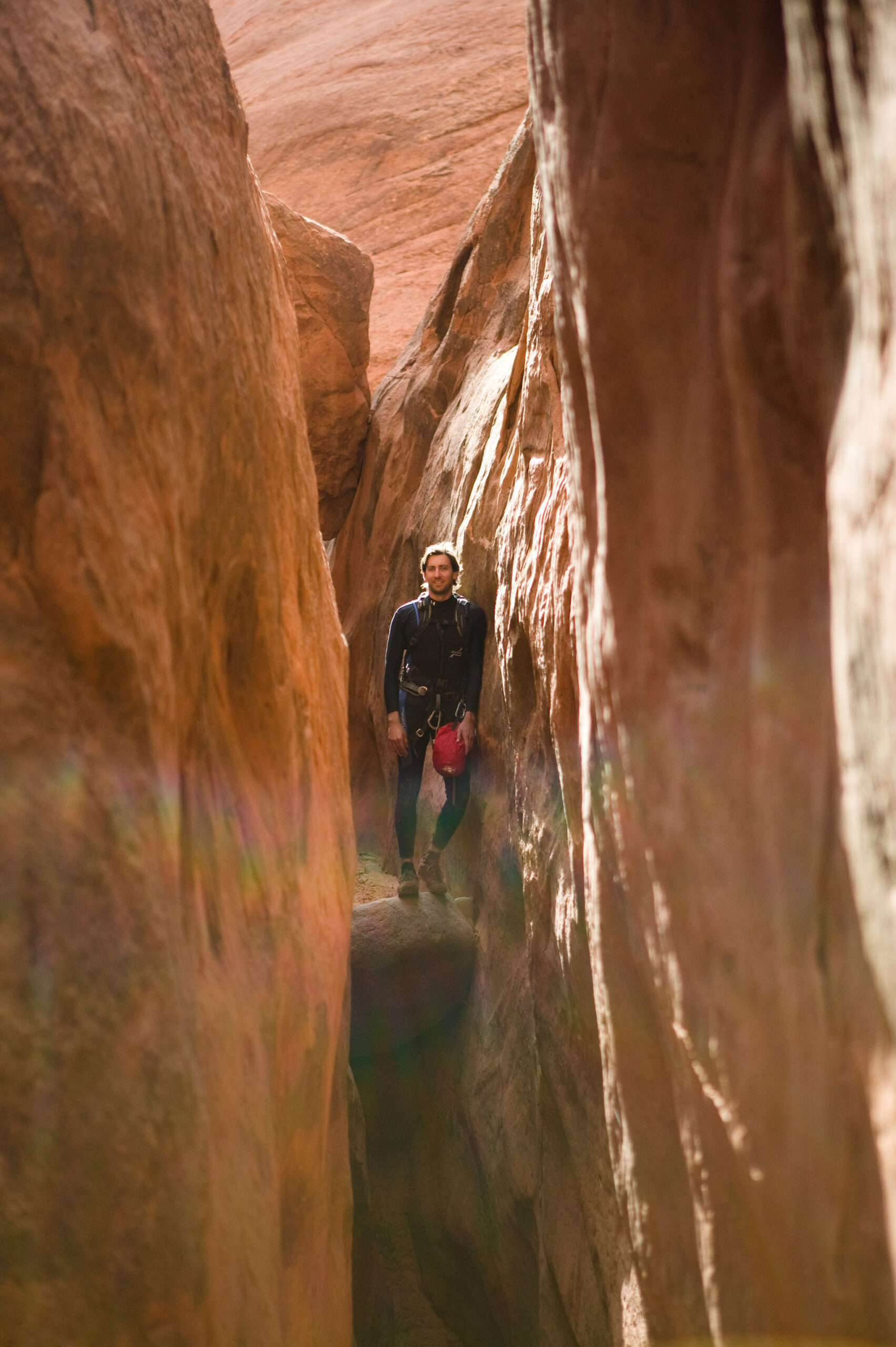
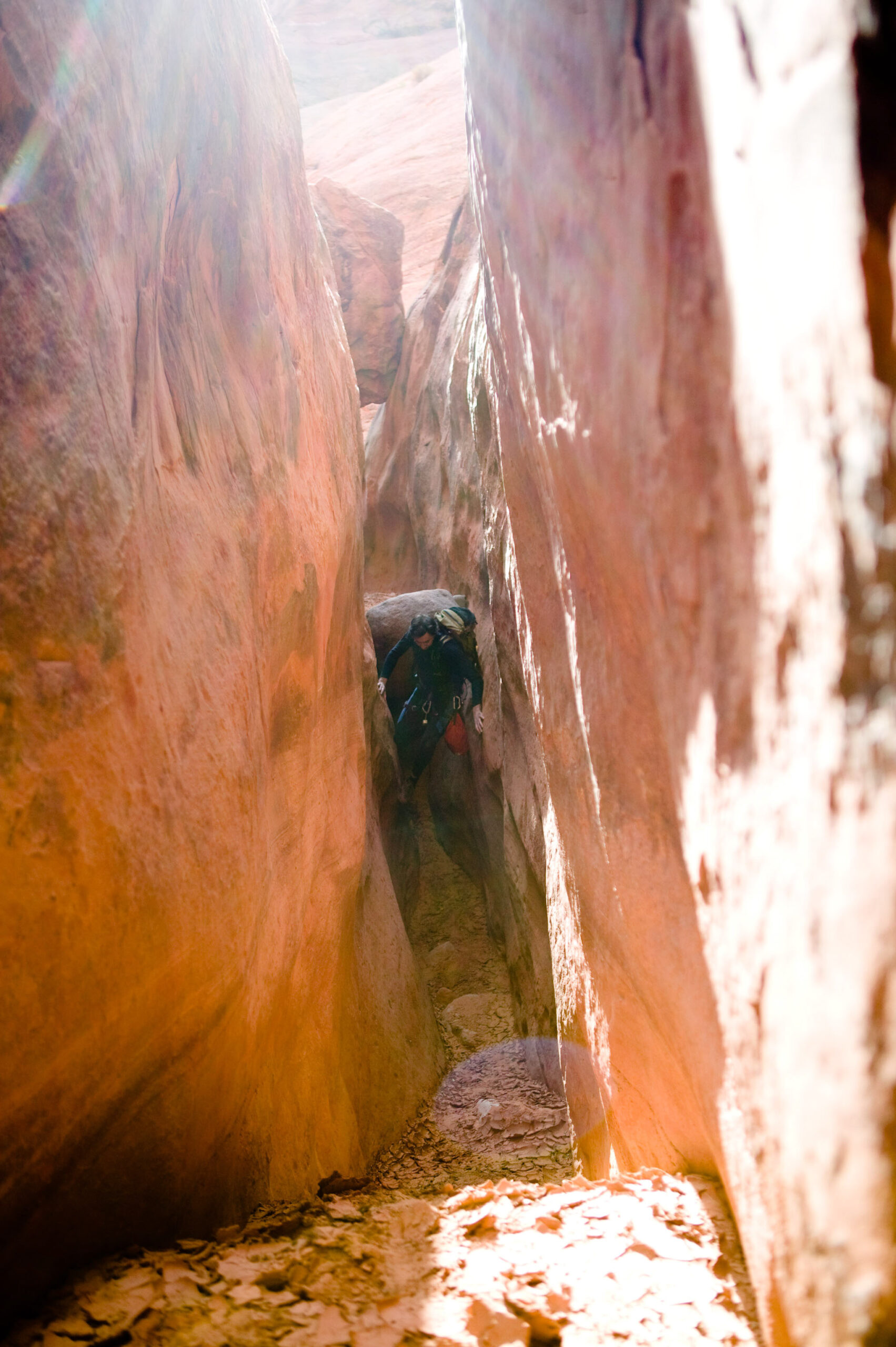
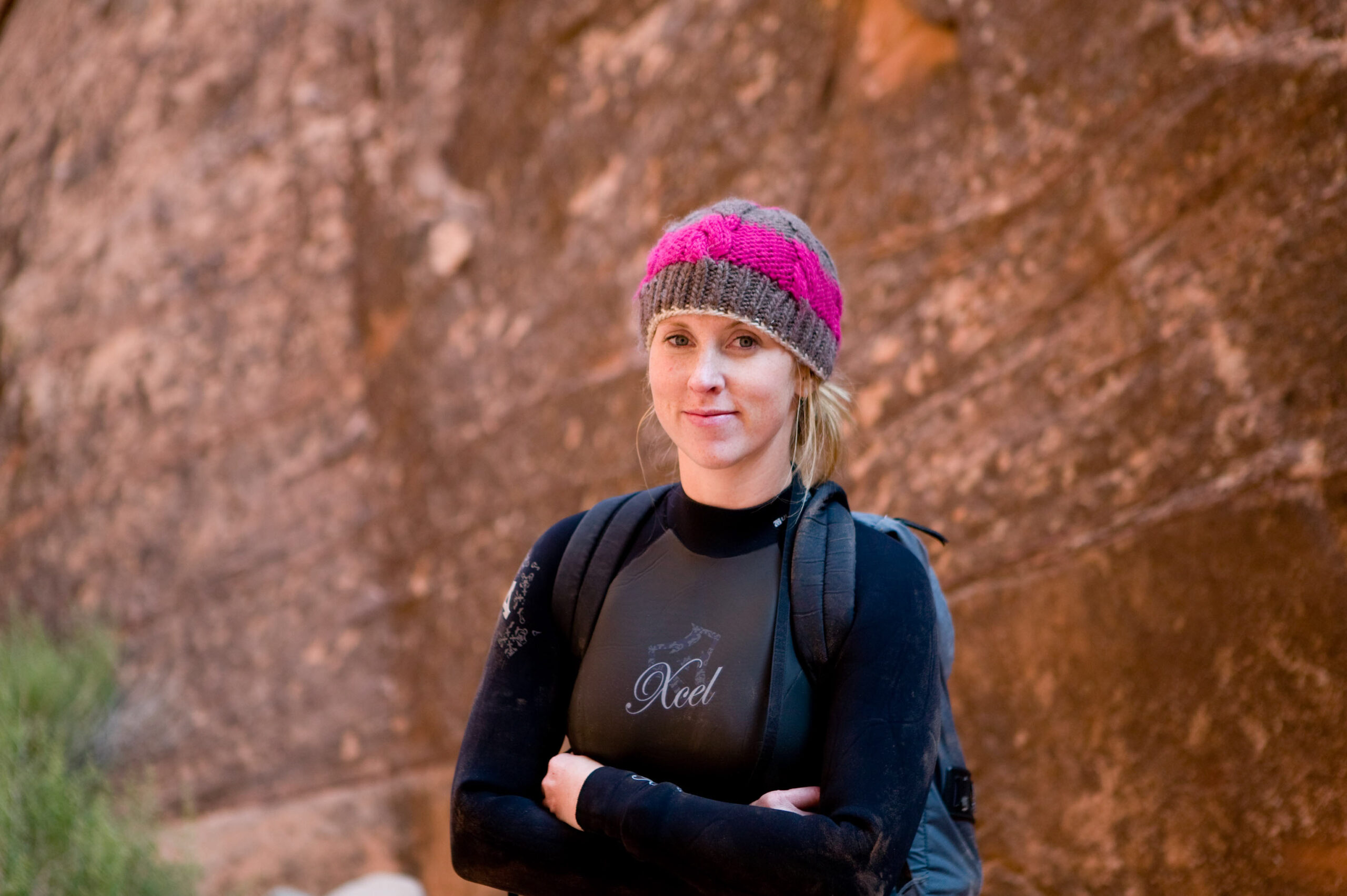
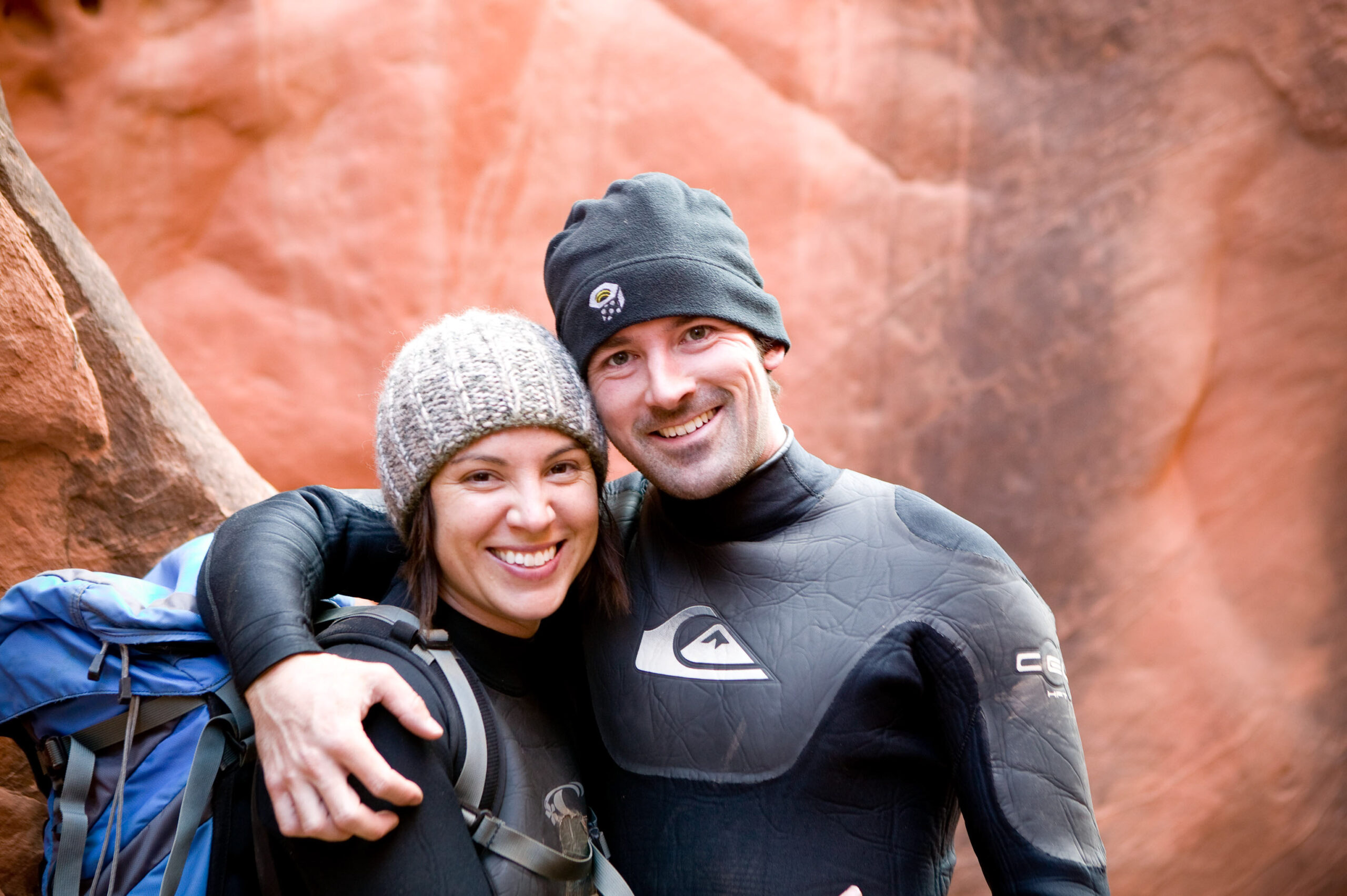
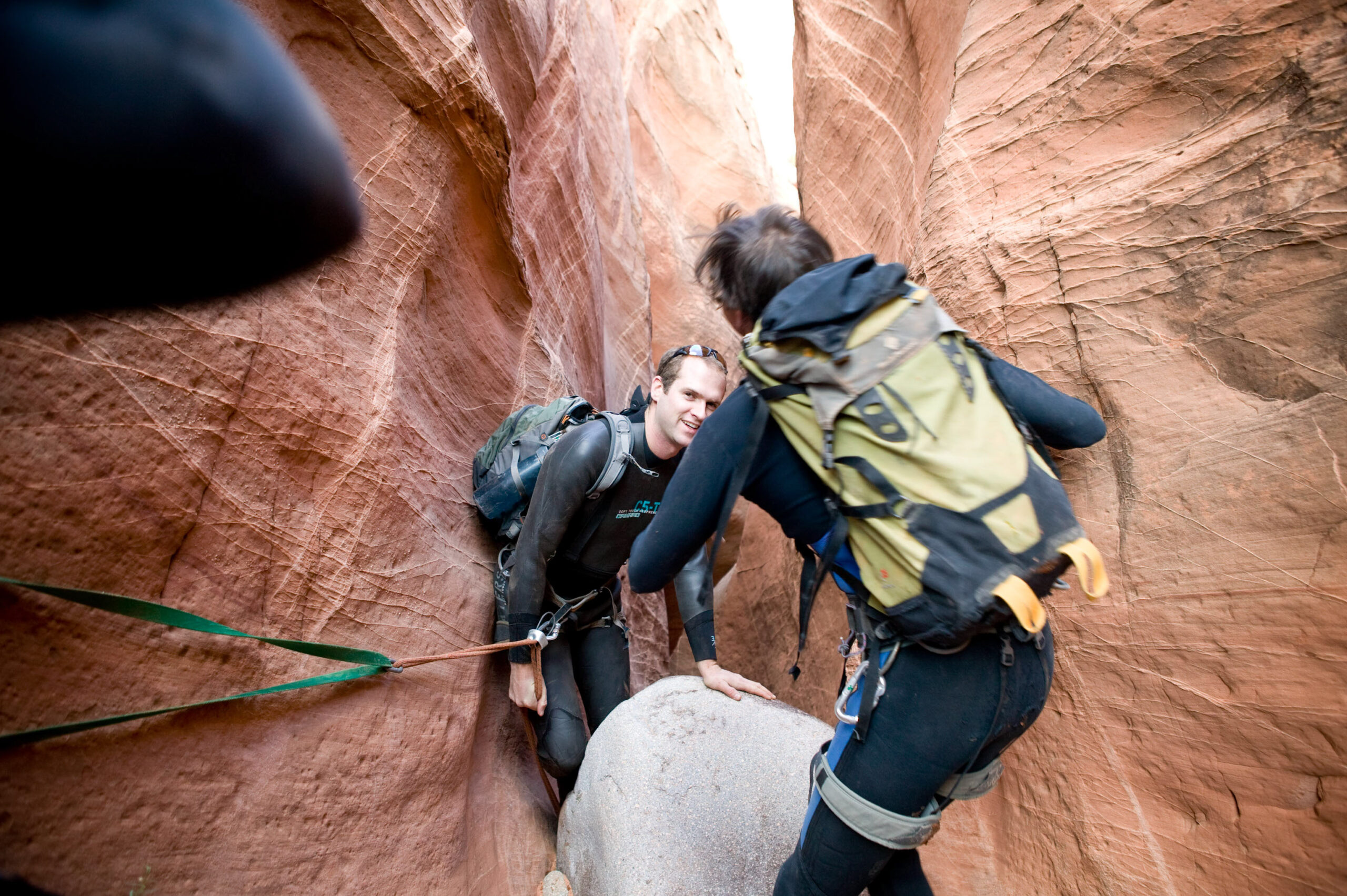
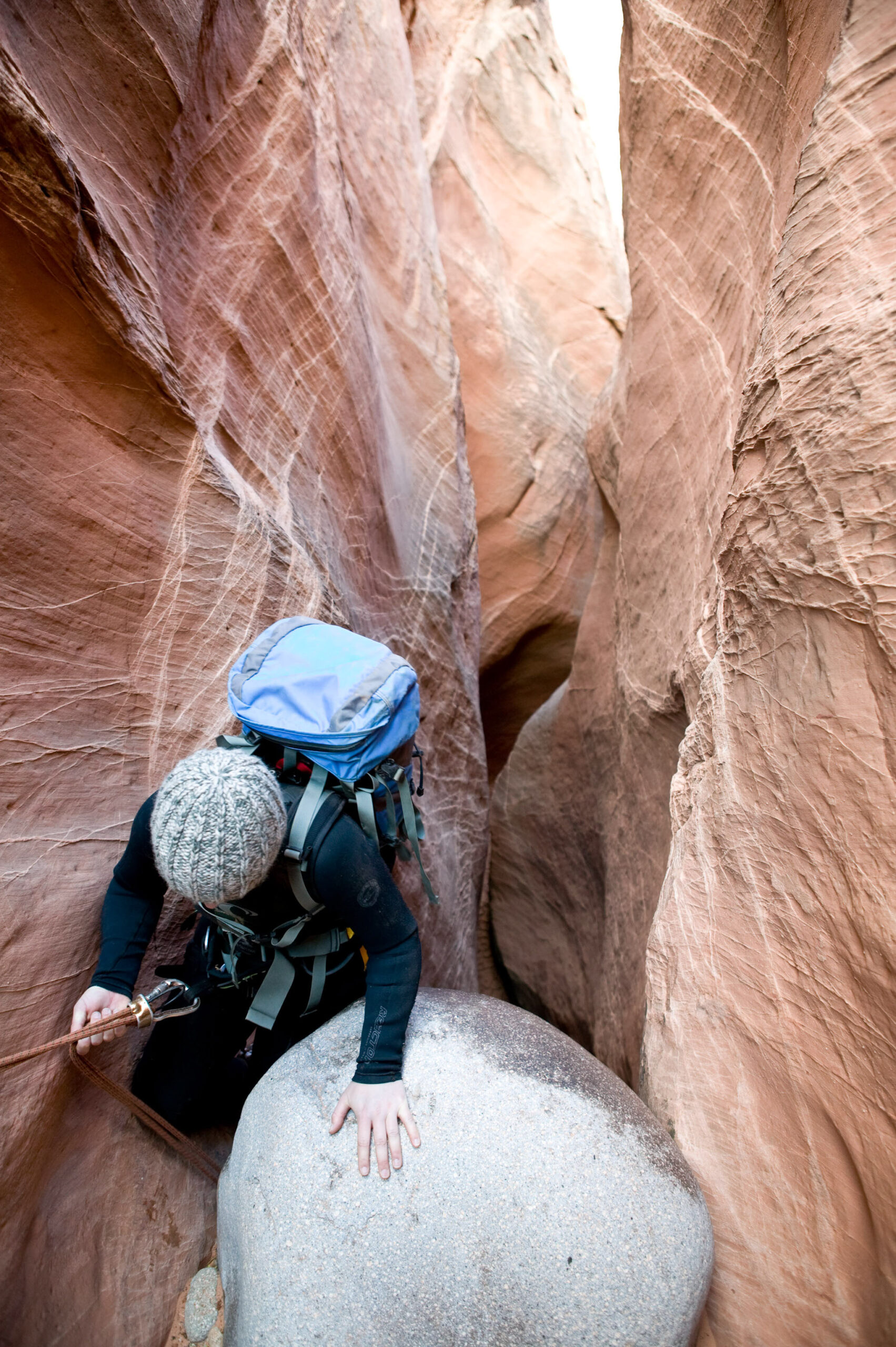
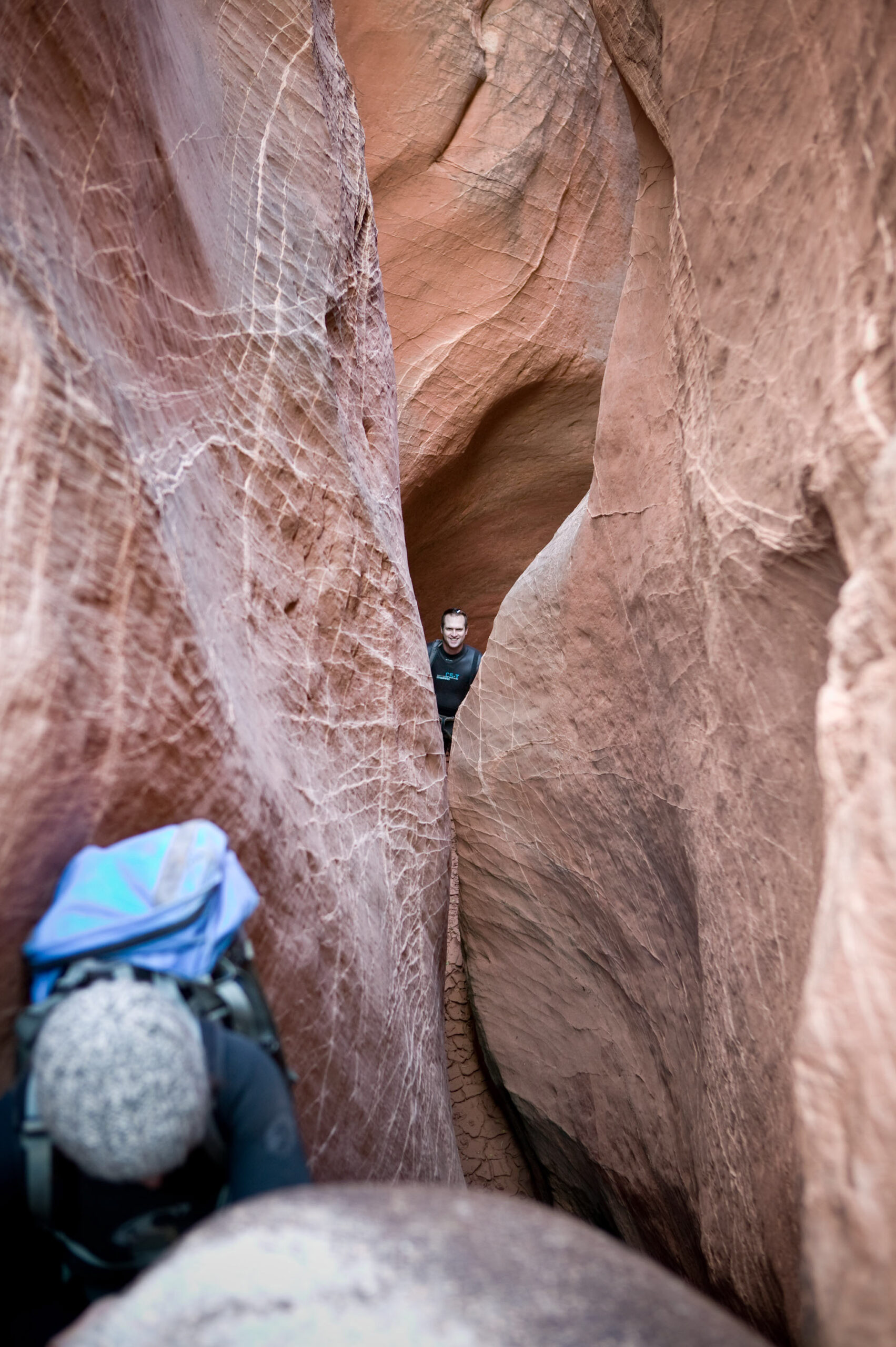
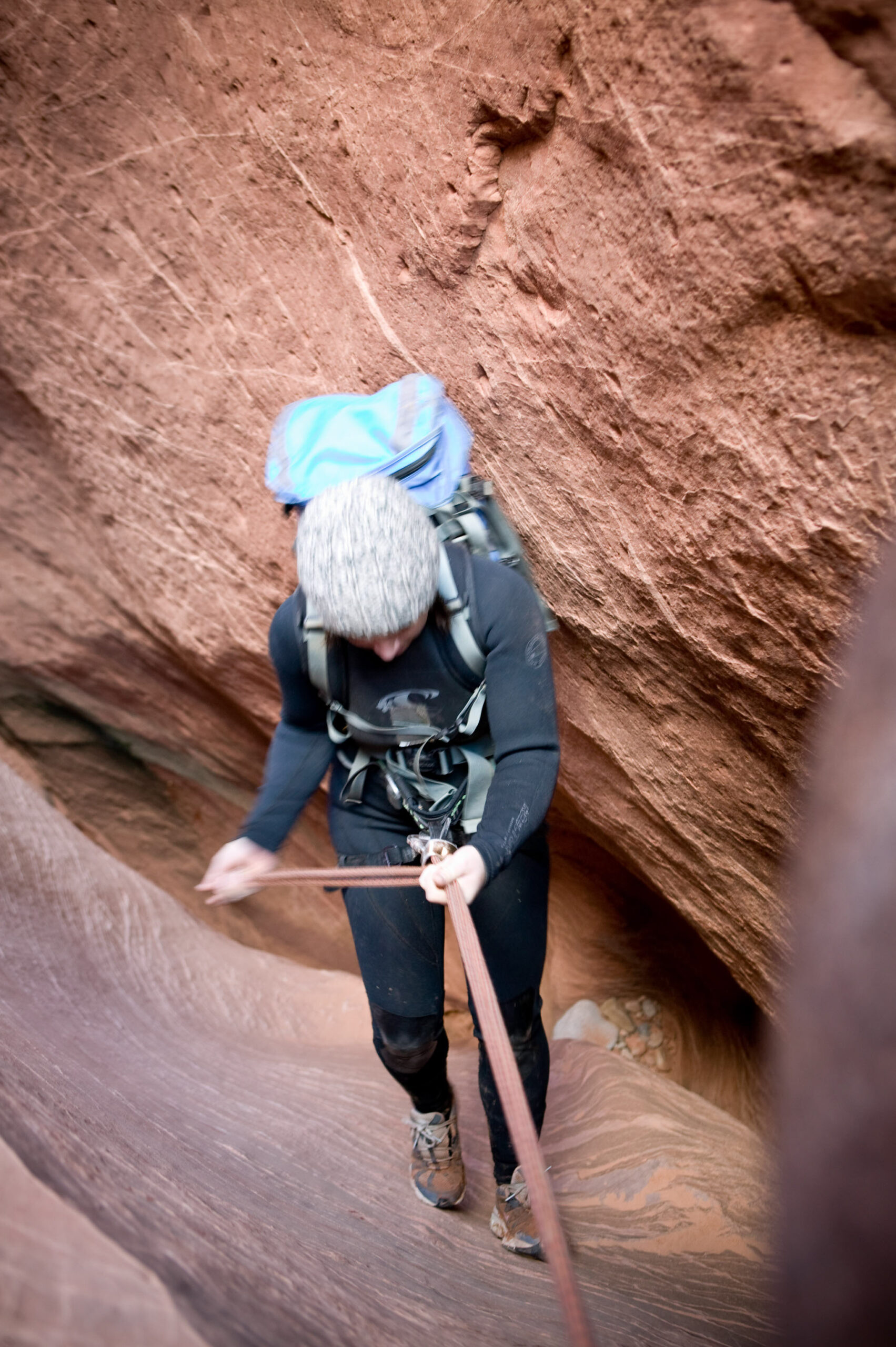
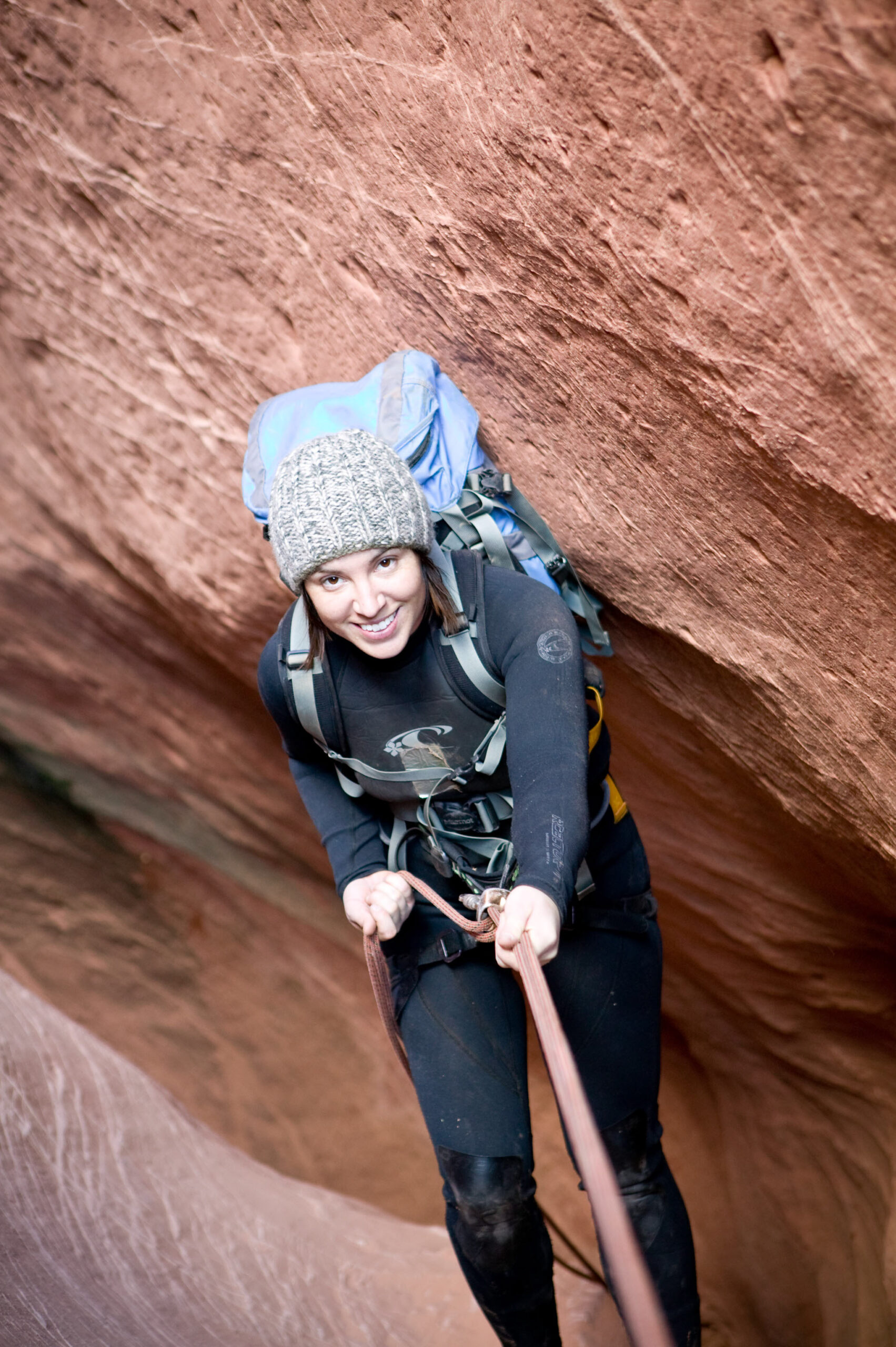
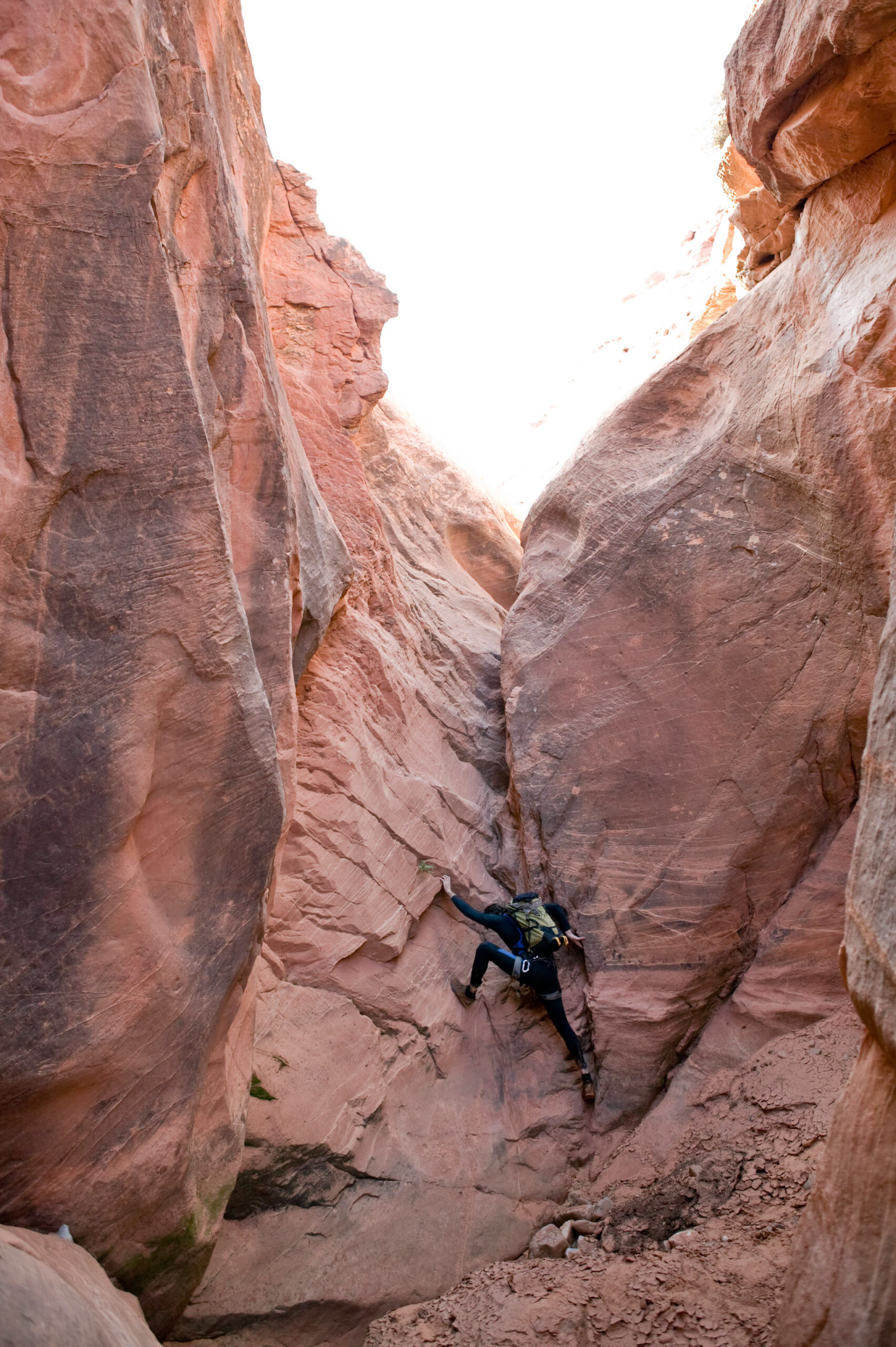
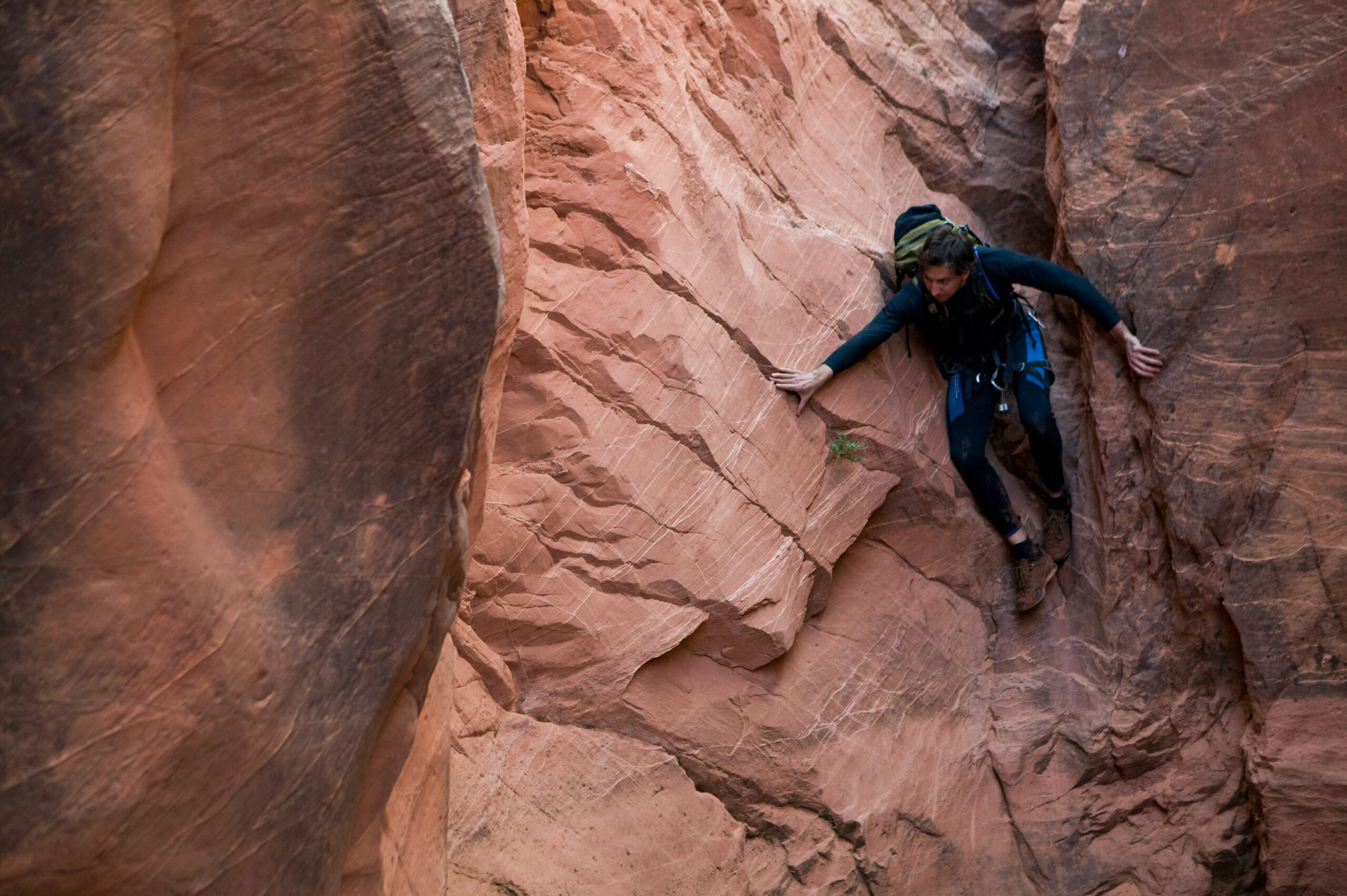
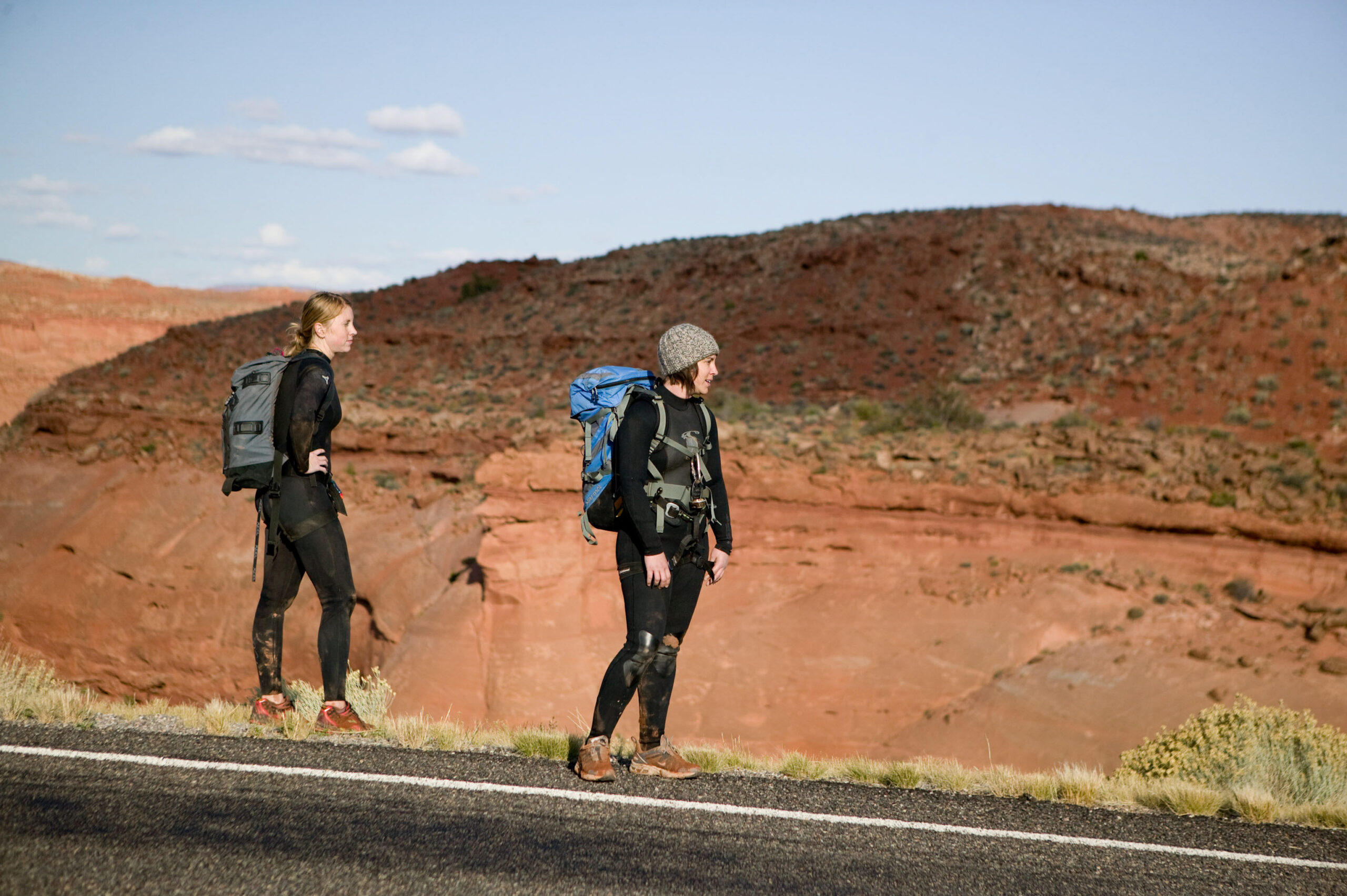
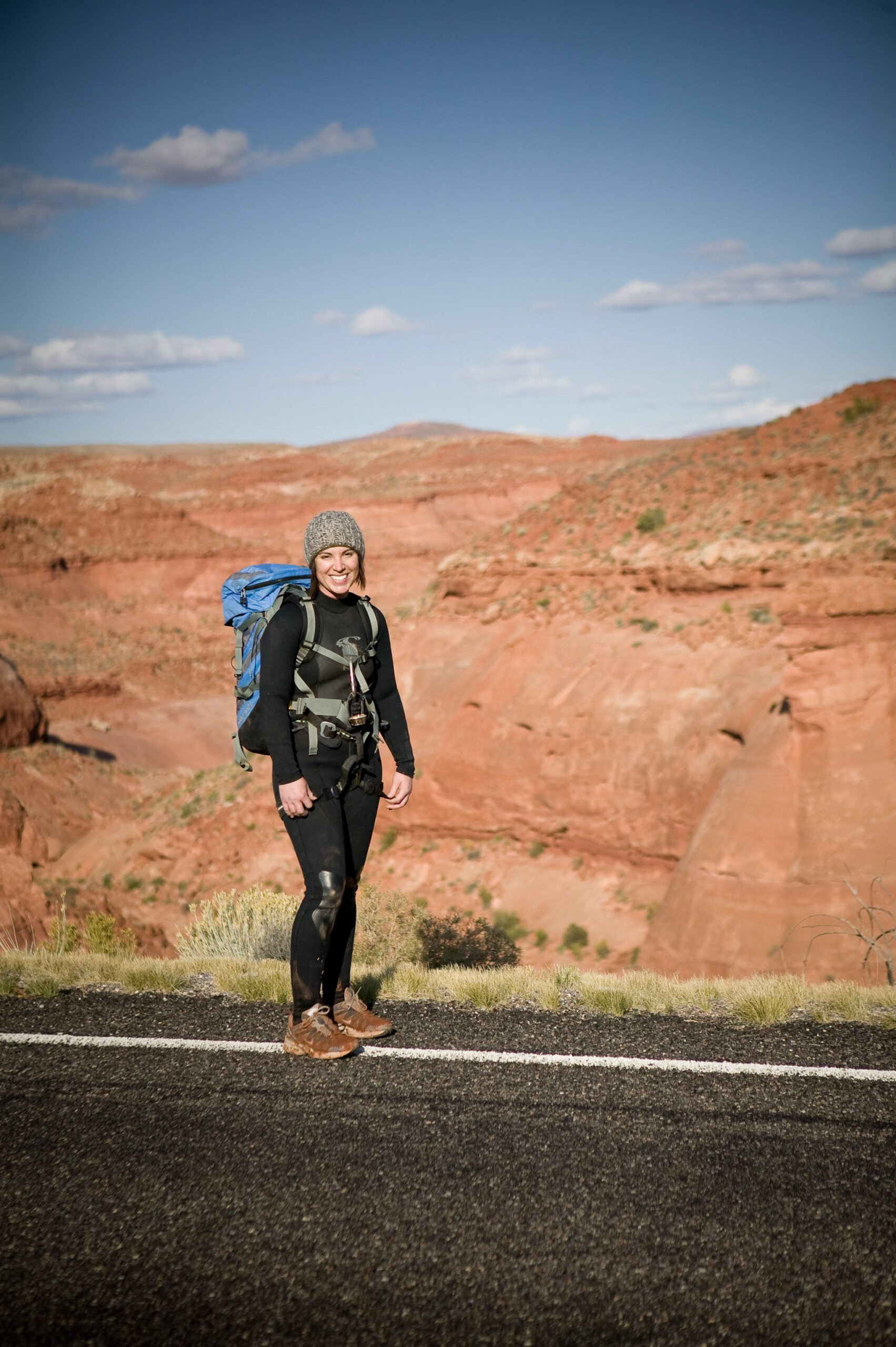
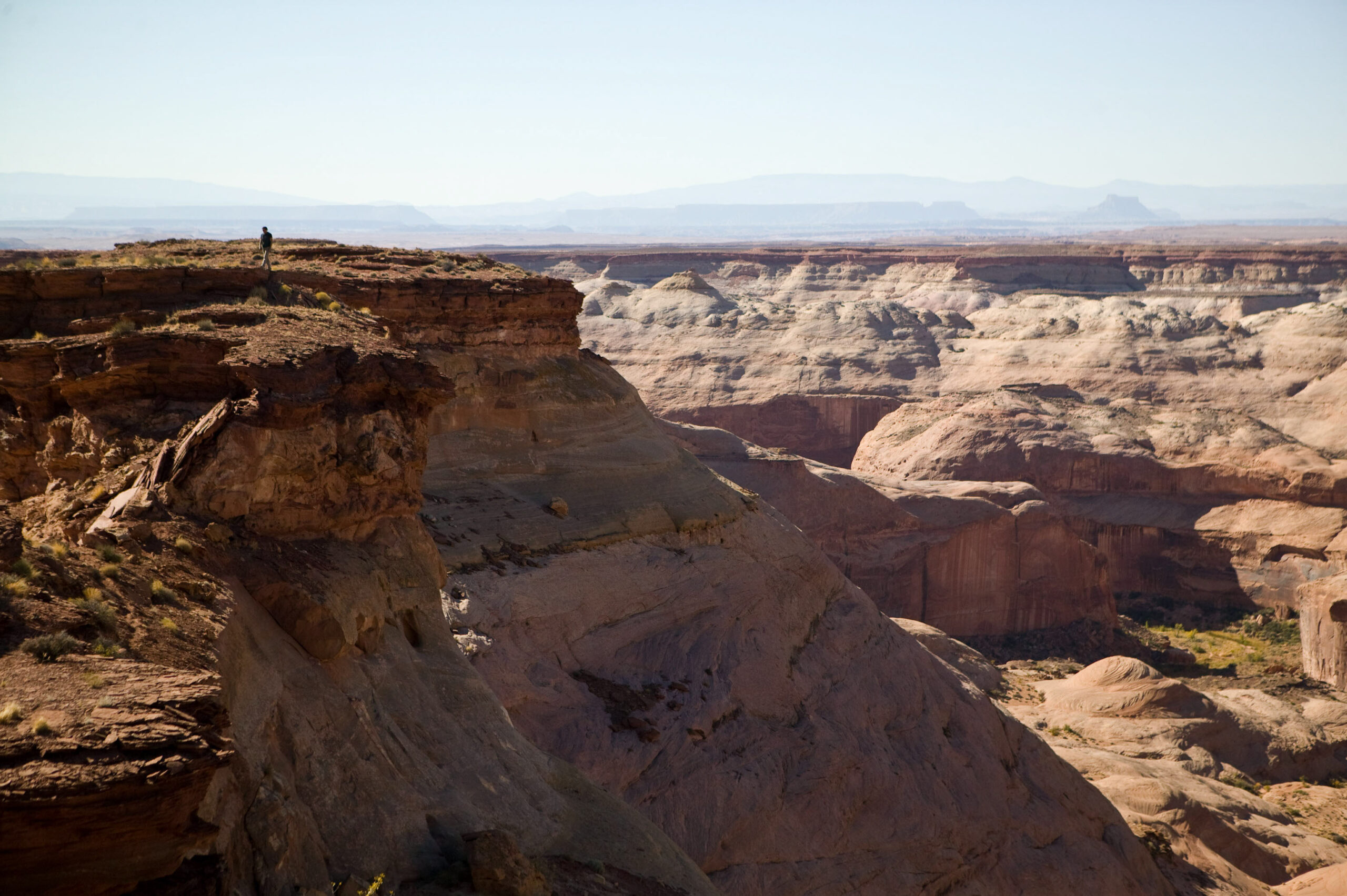
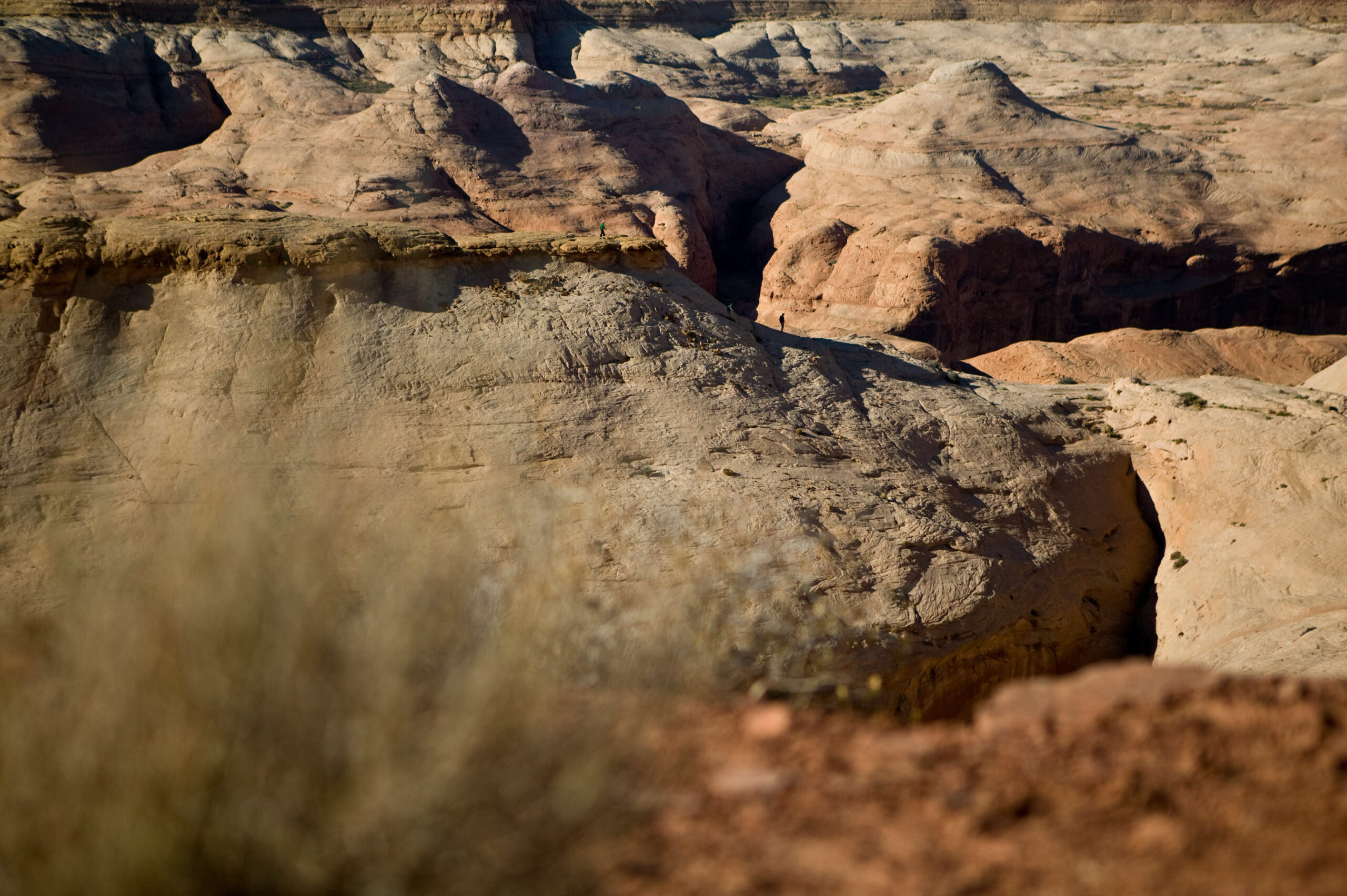
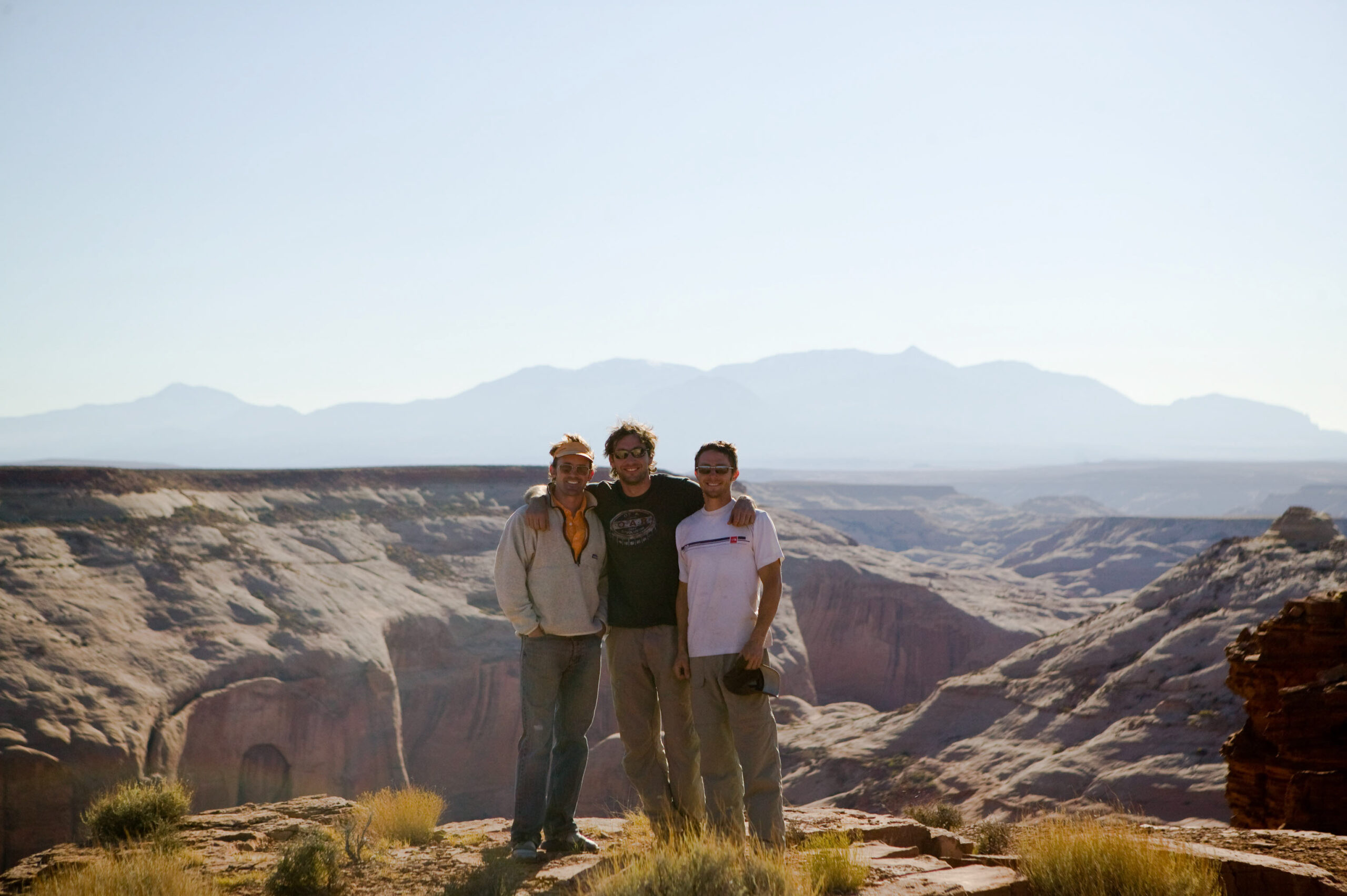
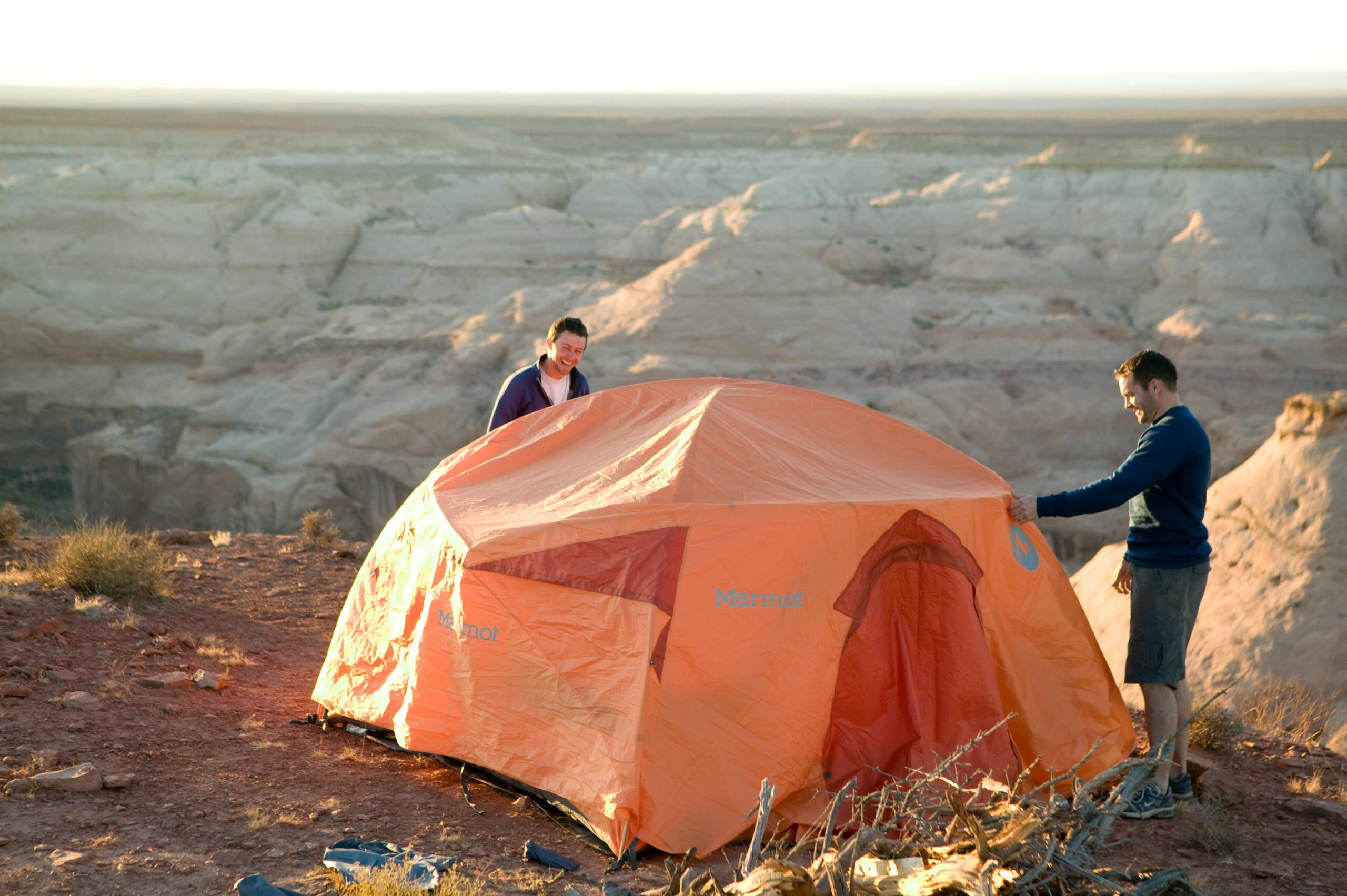
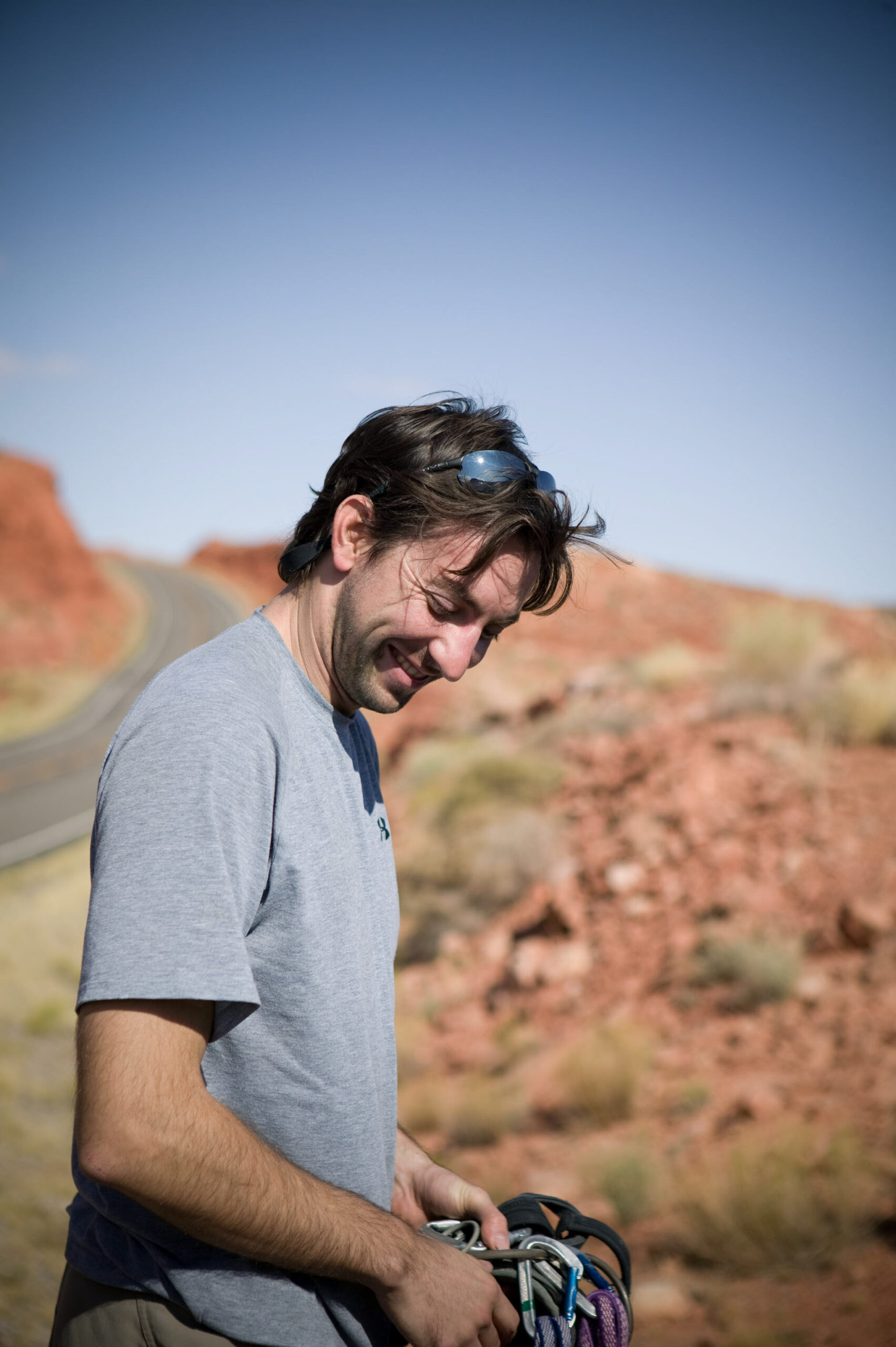
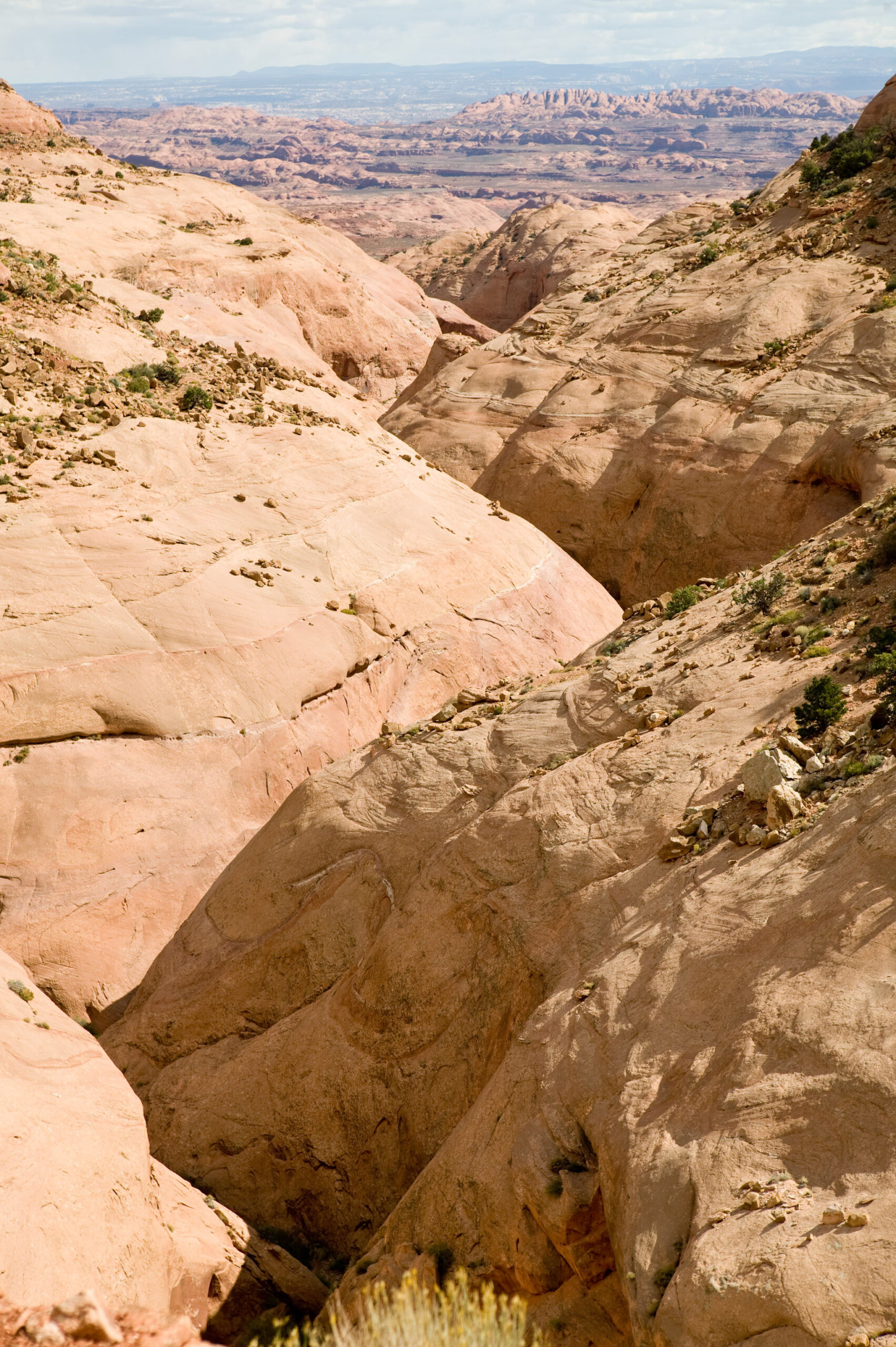
    karen and I drove to utah to join friends for a week of canyoneering

    and I picked a thousand pounds of grapes with phil to make some wine (fermenting at this moment).

    But not much boat related stuff to report. I did get to the boat for a few days sometime in September to install the new head and associated plumbing (99.9% completed anyway), but that was all.

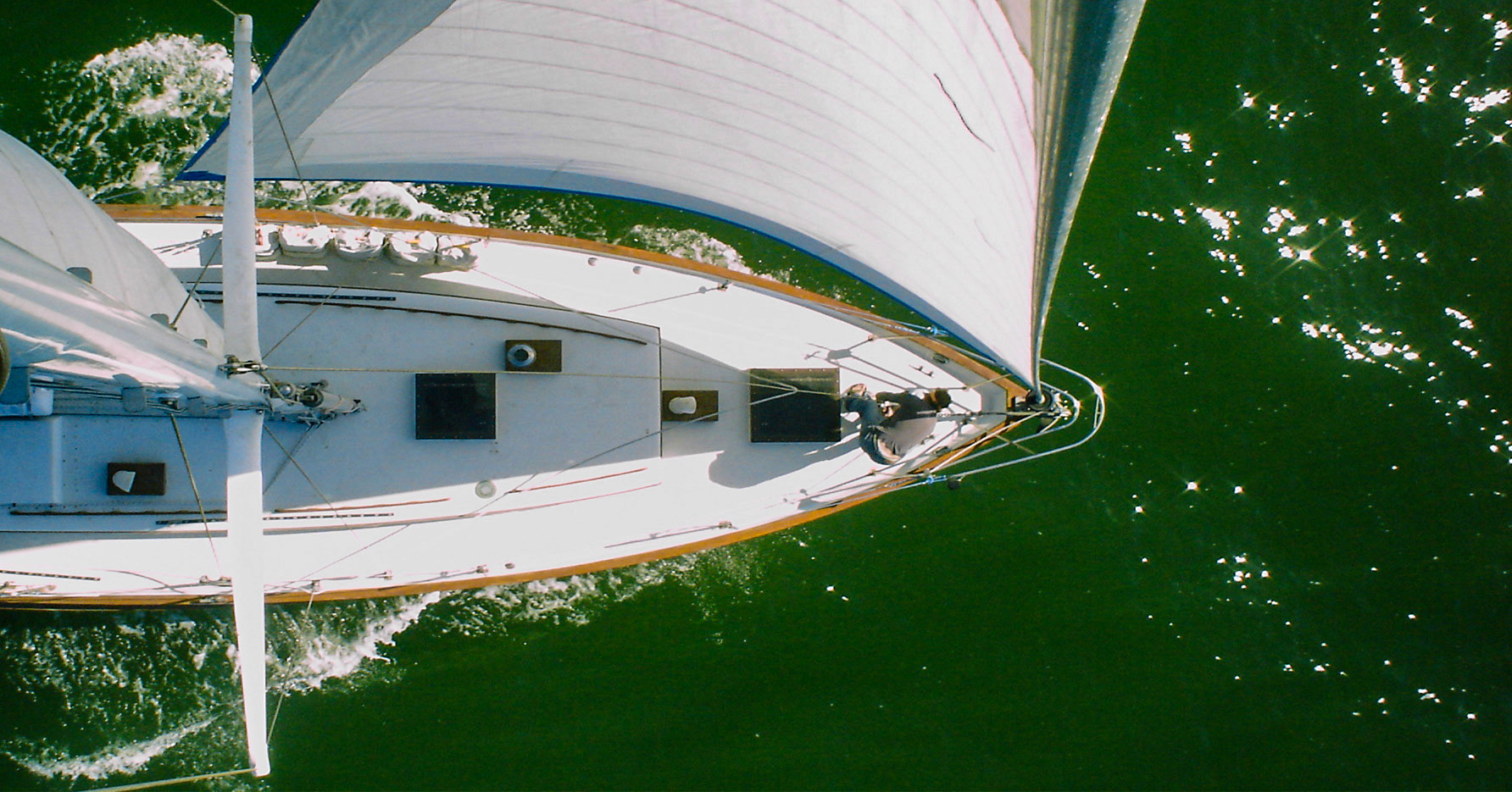
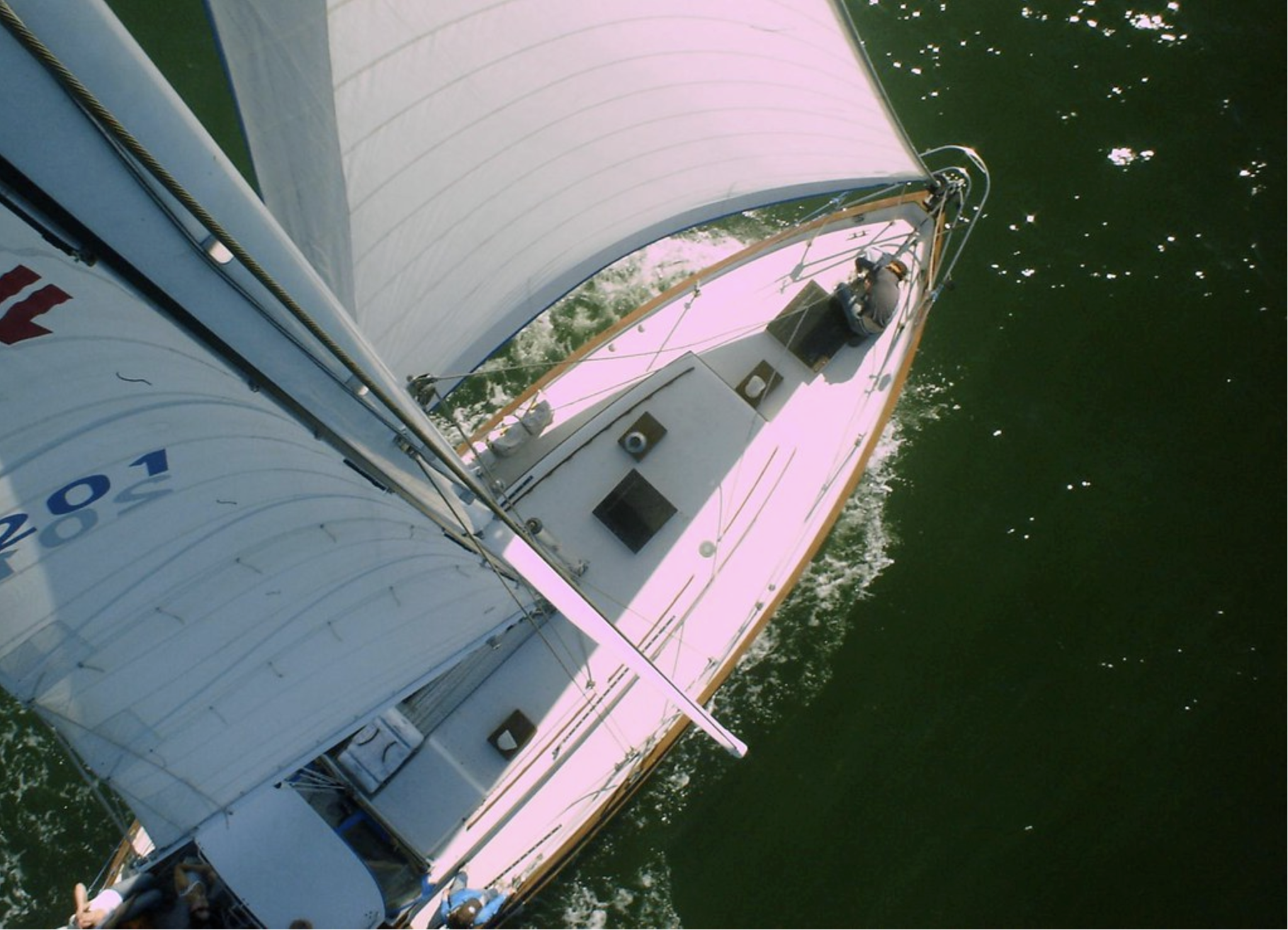
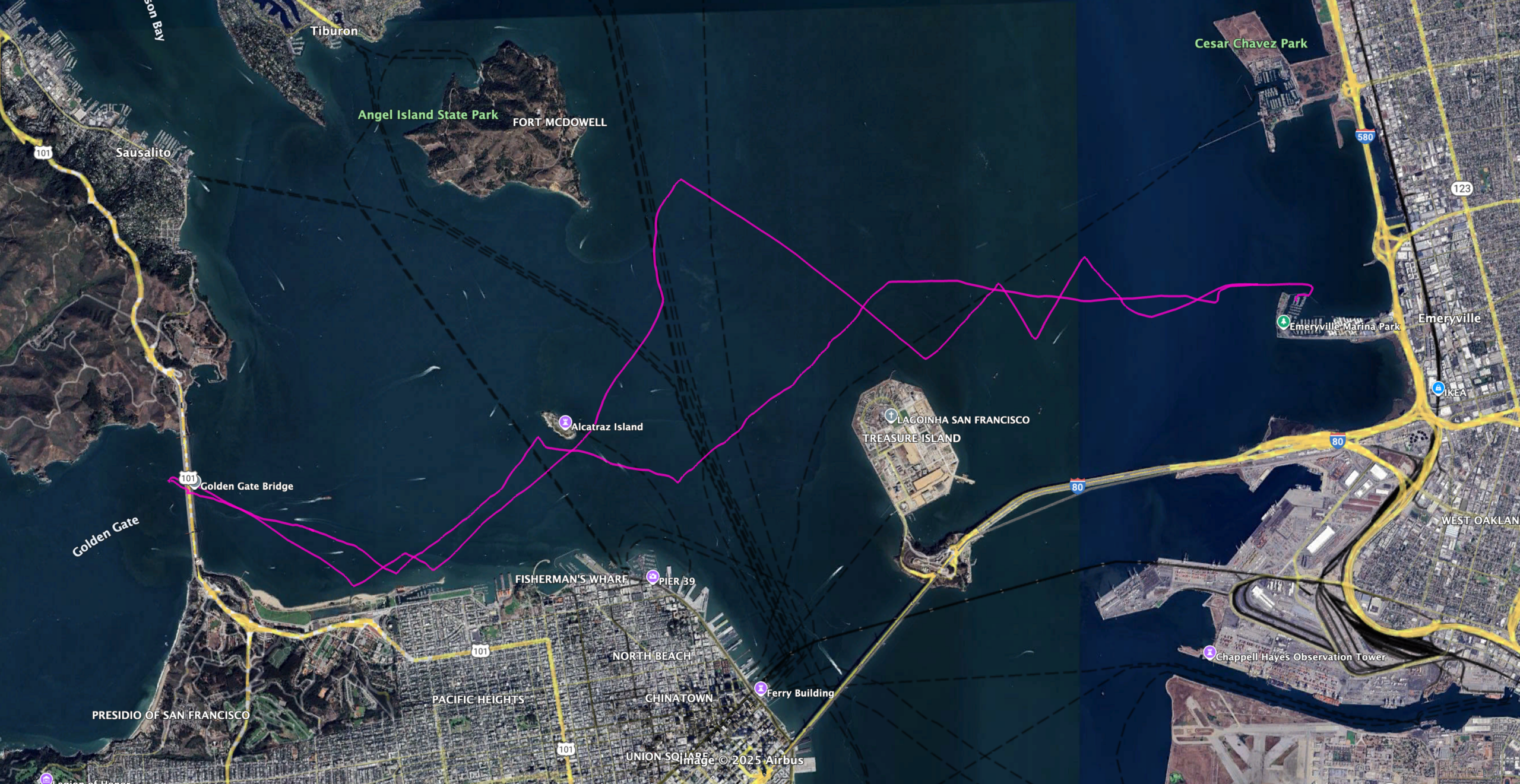
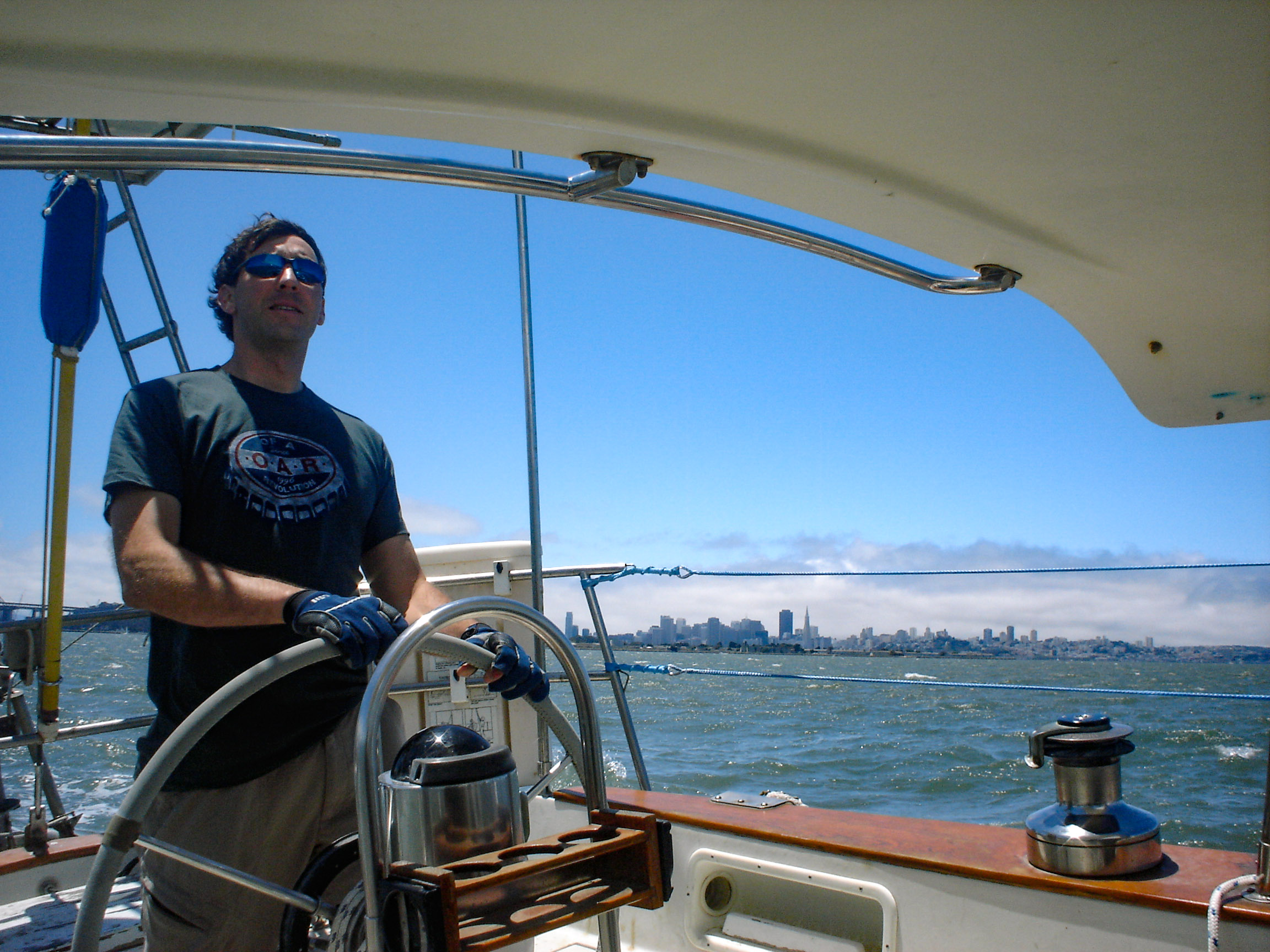
    Finally this past weekend we got out for another fun social sail–this time we just barely ducked under the bridge before heading back. It was a super warm day, complements of an exceptional indian summer, and it was really, really good to pass the time with some old–and new–friends. Jonny and I each took a turn climbing to the masthead while under full sail, on the newly installed mast steps, and it was spectacular to be at the very top of the boat with it heeled over nicely in 10 knots of wind. Thanks so much to gary, anna, rob, julie, and dana for joining us for the day.

  • How to describe the first time I went sailing on my boat

    What was it like to go sailing for the first time on my boat? It was a feeling not easily expressible in normal sentences; rather, much more elusively affective. And sensory. But read this and maybe you’ll catch a breeze of what I felt that day.

    Liberating. Freeing. Bliss. Matt at the wheel, slightly nervous; he hasn’t steered our boat since barely getting into the dock a month ago.

    Motoring out of the marina. All of us, grinning like sloppy newlyweds.

    Jonny on the foredeck, watching for other boat traffic. I slap Matt across the back. Whoop! Holler! I’m giddy.

    The hard work was worth it. 19 hour work days. No climbing. No biking. Just working. Doesn’t seem like work now.

    Time to raise the main sail. I don’t know how to do that. I’m about to learn. Wow, using the winch isn’t easy. That’s a lot of friction. Add it to the list of things to fix.

    But I don’t want to think about that right now. Cause the main sail just caught some wind; the boat begins to heel. I’ve never felt my boat heel. Look at it, you can see the wind flowing around the sail. Pushing us forward.

    Cut the engine: sweet! no more engine noise. water. listen to the water. The chop of the bay, hitting the boat. Wind. Listen to the wind. Whistling in my ears. The main sail flutters. It’s musical, poetical.

    Time to roll out the jib? Really? No problem captain. Wow using the winch isn’t easy. That’s a lot of friction. Add it to the list of things to fix.

    Rail in the water. Hard to balance. What fun!

    Matt has a sweater and heavy jacket on. Apparently it’s cold. I don’t notice. I’m in a T-shirt. Too busy soaking it all in. God, it’s beautiful. Can’t take 30 seconds to go put on a sweatshirt. Don’t want to. I might miss something. Too busy soaking it all in.

    Reef? Too much wind; bring in the mainsail a bit. Yep let’s practice. ’cause I don’t know how to do that. I’m about to learn. At the mast, holding on. It’s kinda bumpy up here. Bay chop. and spray. Fun! Pull the main sail down, ring around the reef hook. I can do that. “Hold!” Can’t… quite… get… ring… around…hook… ok! “Made!” Have fun with that winch Jonny.

    Keep winching Jonny. Woah! “What was that?” Something broke and flew off!” Bye bye reef hook. Add it to the list of things to fix.

    Take the wheel? Really? Feel the boat move. The wind pushes the boat down, the rudder pushing us up. Spray crashing, hitting me in the face. I love it.

    Hey Matt, we’re getting close to the pier, what should we do? Tack probably. uh, ok. I don’t know how to do that. I’m about to learn.

    Time to head in; do we have to?

    Out for 4 hours today. Pretty soon 2 years. If you lose track of time, Is there much difference?

  • Jonny and Matt have all the fun, and what I’ve been doing

    Three months ago, when we were contemplating having our boat trucked up from Mexico to San Francisco, we picked the last week of March, because it was my spring break, to go down and get the boat ready to truck up. Unfortunately, that week didn’t work for the haul-out company; tides were too low. So Matt and Jonny got to go down to the boat two weeks later, work their butt’s off, get to know our boat, and have fun. Me? I got to sit around and do a whole lot of nothing, and a little bit of school work.

    So, to make up for this, I decided to take a week off from work to be in San Fran when the boat arrived so I could work MY butt off, get to know our boat, and have fun. Alas, this effort was also thwarted, as our boat arrived three weeks late in S.F., exactly one day after I departed. It was left to Jonny and Matt again to have all the fun, do all the work, and get to know our boat better.

    I feel a smidge guilty about all of this, like somehow, my not contributing to all the effort is somehow my fault. And I definitely feel behind in learning about various ins and outs of our boat, nuances, and feel pretty clueless, while it seems like Jonny and Matt know everything or are at least learning everything.

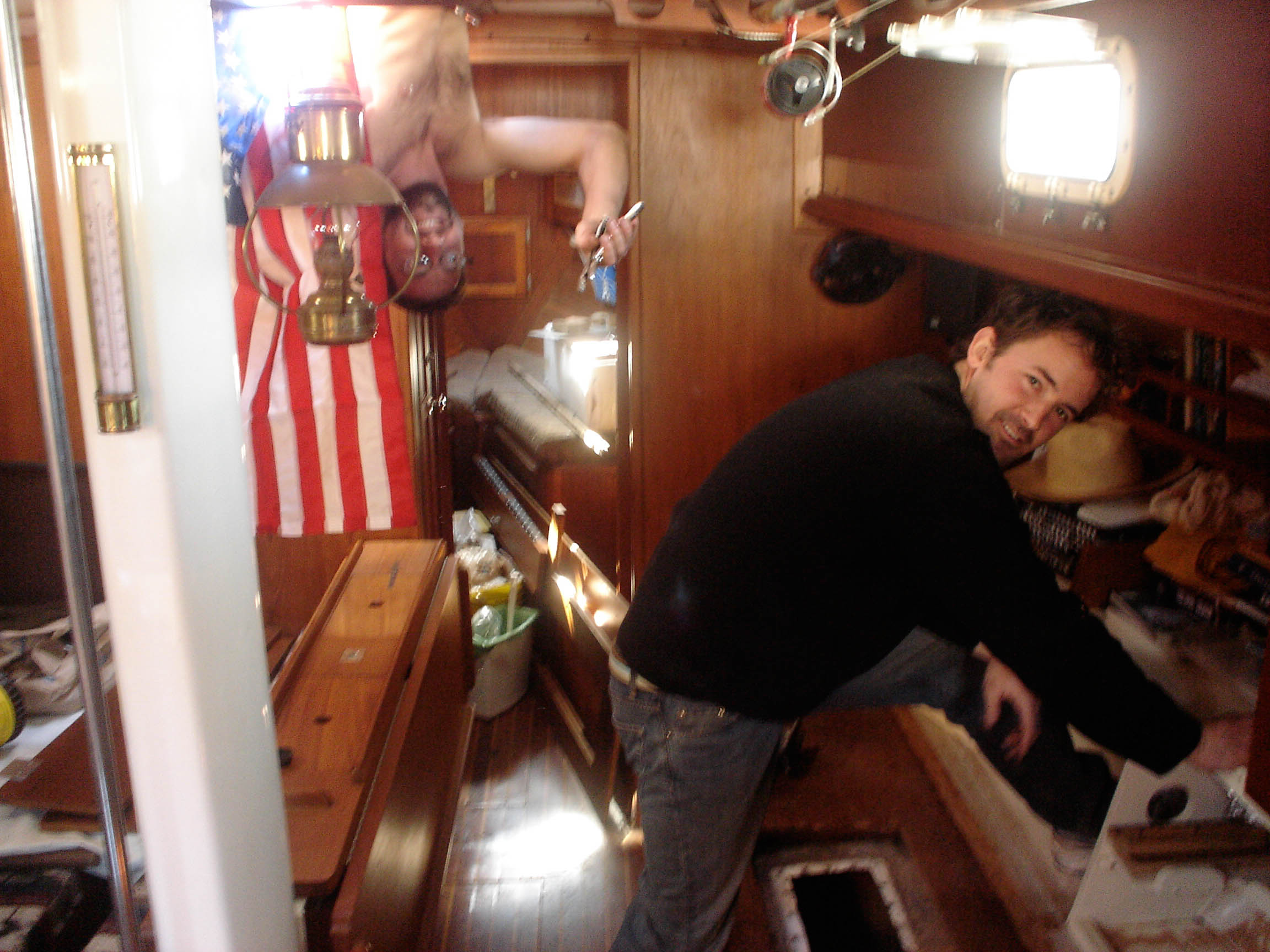
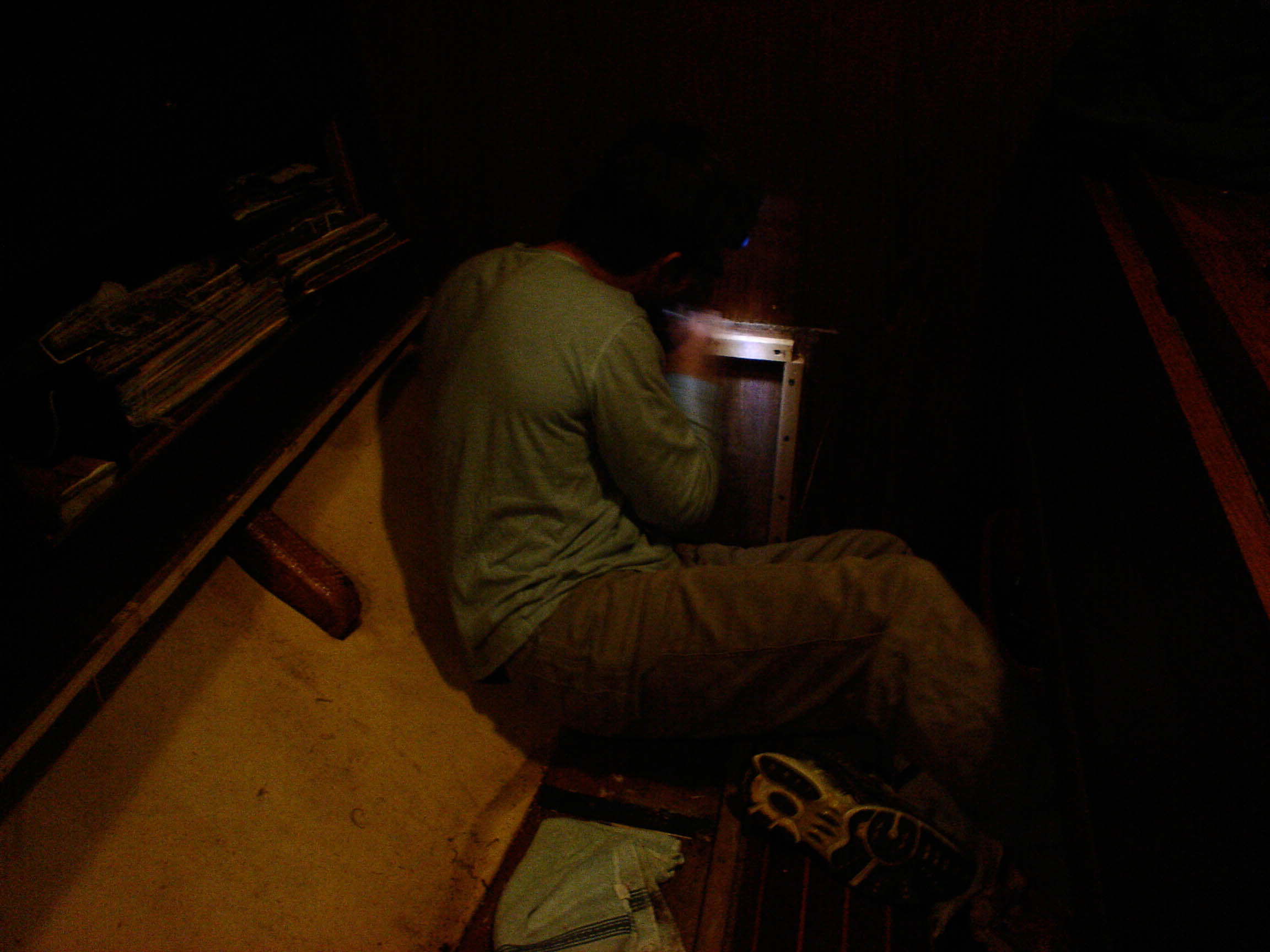
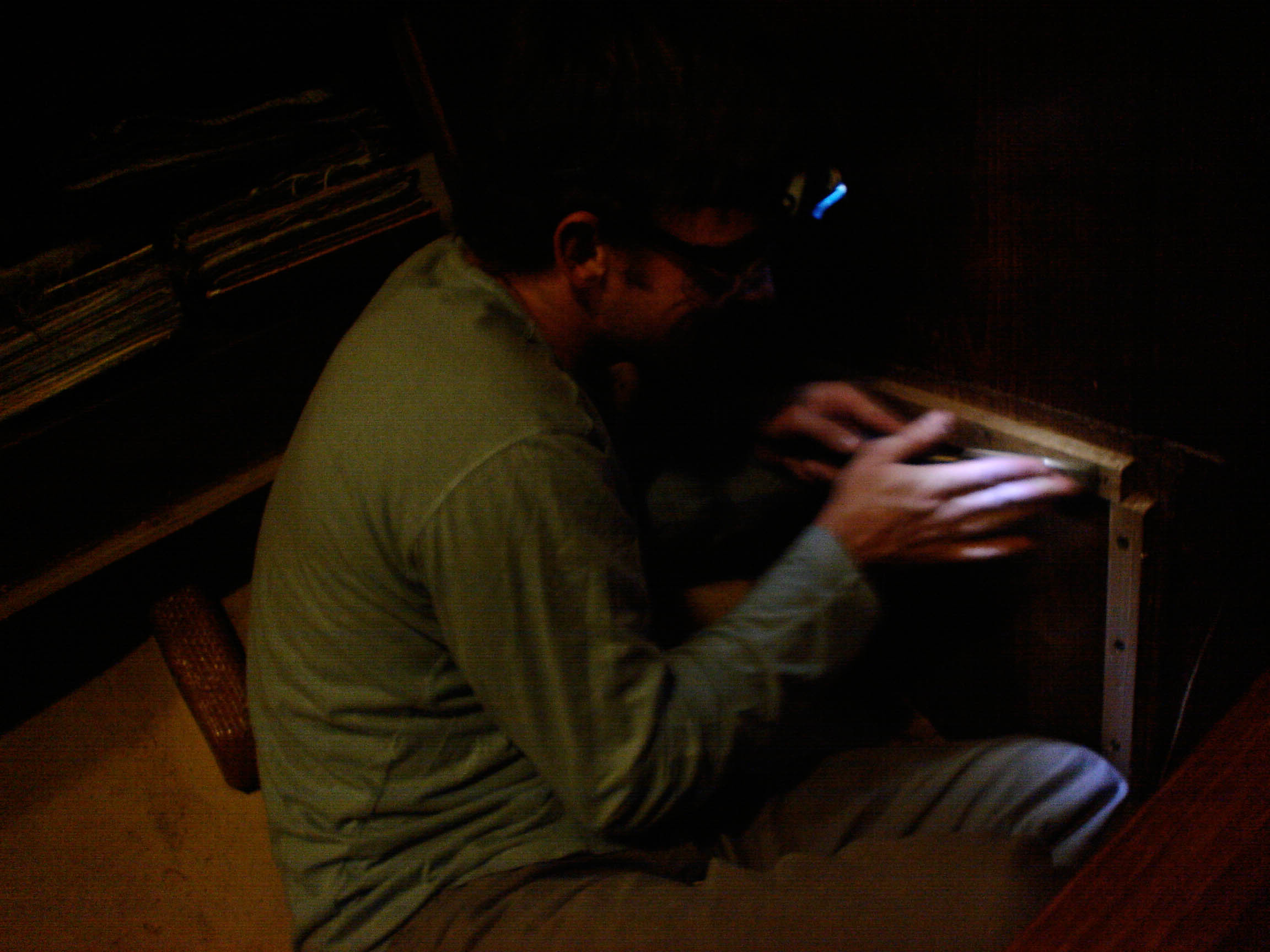
    When I think of working on a sailboat, I think of tight squeezes and awkward contortions to reach a bolt here or a fitting there. So In the spirit of working on the sailboat, I decided to find the tightest and most awkward area in my condo and do some cleaning.

    I’ve also been doing some other preparing for sailing, namely getting eye surgery. This way when the the weather is miserable, I don’t have to worry about water in my face washing out my contacts. Or when Jonny calls us on deck at 3:30 am because we’re about to crash into a rocky shoal, I’m not fumbling for my glasses. Here’s me all toked up on Vicodin right after my surgery, with clear plastic shields taped over my eyes and big sunglasses to boot. The picture is blurry to mimic what my eyes are still seeing…

  • Pride and Slapdowns

    At 6pm wednesday afternoon, as we were sailing out of the Berkeley Marina, there was substantial reason to be proud of ourselves.

    We had replaced all of our standing rigging–the very important wires that hold up the mast–by ourselves. We had replaced the bearings in our supposedly unmaintainable furler (“Profurl bearings are sealed and can’t be replaced,” said the rigger at Svendsen’s) by ourselves. We had sanded and painted the bottom by ourselves. We had replaced the through-hulls and added backing plates ourselves. We had repaired our delaminated rudder by injecting epoxy, ourselves. We had glassed over damaged areas of the keel, ourselves.

    None of us had ever done any of these things before, never even seen them done. Without tooting our own horn too much, some of these jobs are a hell of an achievement for inexperienced guys like us. Things like getting the rigging to fit perfectly the first time, and creating beautiful through-hull seacock installations, and replacing sealed bearings are almost always jobs left to the professionals. We did it though, and we are FAR from professionals.

    But above all else we felt proud because at 6:30pm on Wednesday evening we were heeled over and hauling ass on a close-reach, pointed directly at the Golden Gate Bridge, just before sunset, in 20 glorious knots of wind with waves splashing over the bow and down the deck. We felt proud because we had done all of our yard work all ourselves, in just two weeks and were already in the water, headed for our slip ready for us in Emeryville.

    Now for the slapdown part. Right when you’re feeling on top of the world, like you pulled off some sort of sailing coup d’etat and maybe this whole thing isn’t all that hard after all . . . that very moment is the perfect time for a dose of humility.
    I did not succeed in parking the boat in our slip. As we pulled into the Emeryville Marina a low was moving in, and it was gusting to maybe 15 knots in the marina, which are somewhat challenging docking conditions especially since our slip was downwind but honestly not particularly abnormal. However, I am completely inexperienced motoring our boat around. With her long keel and skeg rudder, she turns like an elephant and backs even worse. As we approached our slip my anxiety skyrocketed–rightfully so, because I was realizing far too late that I had almost no chance of getting us into the slip without damaging a boat. Our boat weighs 22,500 lbs–you can’t hold that off with brute strength–and the wind, not me, was in control.

    I barely got the nose in the slip before the wind rotated the rest of the boat right past the slip. To avoid hitting the neighbors boat I threw it in reverse, sending us backward across the narrow fairway and leaving Jonny and Karen on the dock. I proceeded to carve a full circle as I was blown down the fairway, able only to motor forward and backward enough not to hit other boats. Syzygy came to rest, mercifully lightly, on the stretch of dock at the end of the fairway. I didn’t hit any boats, but I also didn’t get in our slip and we were in a tough spot blown up against the dock. Compassionate bystanders came to our aid (I give thanks) and helped with docklines while we formulated a plan. We ended up powering off the dock (a delicate task, with no room to maneuver) and parked in a massive, uninhabited, upwind slip that even I couldn’t mess up. We would move in the morning when the wind had abated.

    After the pride I have rightfully taken in our successes, it was important to receive this slapdown–this reminder of how much we still have to learn, and how this isn’t a game in which our failures have no consequences. Skippers all over the marina park their boats without mishap every day–it is no particularly impressive skill. Yet it is a skill that I lack and that I must acquire.

    The next morning the wind had not abated at all, but we needed to move out of the slip that wasn’t ours. I cannot tell you the anxiety this caused me. Jonny and I spent over an hour motoring in the empty space of the marina, practicing parking around a downwind buoy, pretending it was our slip. It was horrifying how infrequently I was able to accomplish the job, even around the buoy, and when we finally turned towards our slip to do it for real, I felt more fear of the consequences of my imminent failure than I have in years. I had very little reason to expect that I would accomplish the task any more successfully this time than I had the night before. In truth, I had more understanding of how likely it was that I would fail, given the failure rate while practicing with the buoy. It was as if I was readying myself to go out on the stage for some recital, knowing full well that I couldn’t perform the piece.
    Well this time I got us into the slip without damaging anything. I felt immediate and overwhelming relief–of the sort that makes you want to hug everyone in sight and makes you feel like you could exhale for a whole minute from all the pent-up air you were holding. Not pride though–I’m not proud of it because I have no right to be proud of a success that resulted from luck more than skill–and even if any of it had been skill, it is a basic skill that a dozen other skippers a day perform all over the marina.

    So Syzygy is finally resting safe in her home, her slip. For now. I have as much curiosity as the next person about what will happen the next time we take her out and try to bring her back!

  • I’m broke, but happy

    You can tell it’s been a good week by looking at the contents of the big rubber trash can next to the boat: beer bottles and coffee cups and cans of beans, rubber gloves and dirty rags, rusty screws, burnt-out light bulbs, old bearings, bits of corroded wire, paper bowls lined with epoxy residue, stiffened paint brushes, three empty paint cans, three dremel bits worn down to the nub, two broken drill bits, and one broken dremel tool.

    The broken dremel was our first tool casualty — I burnt out the motor while sanding the old paint off of the propellor. It popped, then stopped spinning, and then a few wisps of smoke snaked out of it. It was bound to happen, and I’d been kind of expecting it since meeting a guy in Mexico who broke half a dozen grinders in the process of refurbishing his Norwegian steel-hulled boat. So Matt went out and bought a new dremel, which we immediately put to use by grinding down a couple of our new backing plates. So far so good.

    We’ve gotten very good at buying tools and parts; in fact, my mental map of this new place I call home consists mostly of places to get them. I used to know intuitively how to get to bike shops, bars, restaurants, friends, and parks. Now I know how to get to five local hardware stores, a screw manufacturer, a bearing distributor, a plastics place, a sailmaker, and three chandleries. It’s worth noting that at Svendsen’s, the best chandlery around (particularly since, as new boat owners, we get 40% off everything), I can name most of the staff.

    They say that a boat is a hole in the water that you throw money into, and they’re 100% right. During the last two weeks, I’ve spent $1000 (2/3 or it at Svendsen’s) on two sanding bits, two hole saws, a depth gauge, a medium punch, die grinder, a tap, and scissors; 125 paper bowls, 200 rubber gloves, 12 plastic syringes, 12 small brushes, eight mixing sticks, two rolls of painter’s tape; three 3x3x1″ pieces of plastic, two rubber spreader tip covers, 15 feet of 1″ rubber tape, one spool of seiizing wire; two industrial bearings and four oil seals; four nav lights, four gold-plated coax connectors, two waterproof cable clams, a heat gun; four bronze through hulls, two bronze rods, one bronze seacock, one 4×6 hull zinc, two 1″ round prop zincs; 1 quart of epoxy primer, 1 quart of bilge paint, 16 ounces of marine-grade lubricant, 14 ounces of molybdenum grease, 12 ounces of epoxy resin, 8 ounces of anti-sieze lubricant, 1 can of penetrant, and a caulk gun; 30 6mm set crews, 15 5/16 lag screws, 12 2″ machine screws, nine 2″ cotter pins, eight 1/4″ phillips screws, eight 1/4″ socket screws, eight lock washers, six 1/4″ lag screws, four 1″ cotter pins, and four locknuts — all A-4 grade stainless steel, with less than .02% carbon and at least 2% molybdenum.

    The worst part? Those stainless-steel screws aren’t cheap, but they’re nothing compared to bronze. Last week, at Svendsen’s, Matt was searching for 1″ lag bolts made of silicone-bronze, the most corrosion-resistnant marine-grade metal available. Instead of buying 18 bolts, he figured a bag of 25 would be cheaper. So we put ’em in our pile of stuff. As Pat was ringing us up, I asked her how much the screws were.

    -“Oh, you don’t want those,” she said.
    -“Waddya mean? How much are they?” I asked.
    -“Seriously. You don’t want those. They’re $144.”

    Yep, Pat was right. We didn’t want those. $6 per screw was too much. (And that was with the 40% discount.) So we got stainless steel lag bolts, for about 50 cents each.

    This week, we had no choice. We rebuilt the zinc on the hull, and the 4″ screws that hold it there had to be conductive. Bronze it would be. No two ways about it. The price: $12 per screw. We bought ’em.

    And that right there is one of the best analogies for owning a boat: spending an exorbitant amount of money only to get screwed.

    But… then again, the hull zinc is mounted perfectly. Our seacocks and through-hulls are now bombproof. Our engine exhaust now spits out above the waterline. The four coats of bottom paint I just applied should last years. Our rigging — knock on wood — is burly. Our mast is wired elegantly. Our bow pulpit will be mounted solidly. Everything we’ve done, we’ve done by the book, as it should be done. We’ve cut no corners. After just two weeks, I think our boat is at least 20% less janky than it was before.

  • My first week on the boat

    I’ve worn the same pants for a week now; they tell the story of the last seven days — my first week living on the boat — better than I. Embedded in them are bits of caulk, epoxy, and grease; stains of sweat, salt, snot, and blood; smudges of pasta sauce, wine, and melted chocolate; metal filings, fiberglass strands, resin shards, and saw dust.

    It’s been a week. I haven’t shaved. I haven’t washed my hair. I’ve been washing dishes with my fingers, pissing in a bucket, drinking wine out of the bottle, and sleeping sound as a baby.

    If tools are like pets, and they enjoy being petted, or maybe just held, ours are very very happy. I’ve kept vice grips in my back pocket most of the time, and relied heavily on a screwdriver, crescent wrench, hammer, tape measure, and awl. I’ve alternated between the drill, dremel, grinder, and jig saw as if they were pens and pencils, occasionally using a drill press and a die grinder hooked up to our compressor.

    This week, Matt and I put the new rigging on the mast, which entailed disassembling and servicing the furler, which is an ordeal in itself — more on that next week. We poured resin into the rudder, patched up holes we’d drilled in the hull, and fiberglassed over a crack in the keel. We re-bedded the through-hulls, added backing plates, raised the exhaust through-hull 6 inches, and fiberglassed over the old hole. We cleaned the mast step. We drilled a bigger drain hole in the bottom of the mast, rewired the mast lights, and cleaned the propeller and shaft. And we’ve begun 10 other tasks, if not more.

    In between all that, I moved in, taking up residence in the V-berth – the little V-shaped room in the bow. I shoved all my clothes into one locker, and dumped a few extra things — my checkbook, toothbrush, and a few books, on the shelf above it. During a couple of other moments, I rode over to the grocery store, and bought some food; somehow the addition of food in the galley makes the boat seem more like a home, even if the counters are covered in stacks of toolboxes and bags of screws and pieces of hose and piles of brushes and cleaners and fixtures and instruments and other various boat parts.

    I mention these projects and tools and parts a) so I don’t forget, and b) because for a certain type of person, satisfaction is more meaningful than pleasure, and these projects have been intensely satisfying. I’ve rejoiced so many times over infinitesimal mechanical achievements — extracting rusted/welded screws, for example — that I’m beginning to feel like the master of the universe, or maybe just the master of the 40-foot universe that is my sailboat.

    Along the same lines, for a certain type of person there’s also a direct relationship between the length of time since the last shower, and happiness, such that if you’re that type of person, you’ll say oh yeah, and if you’re not that kind of person, you’ll have no idea what I mean. This only occurred to me recently, when I realized that I felt something like I felt when I rode my bicycle across the country seven years ago. I was so out-there, so busy doing my thing, so engaged, that there was no time or place to worry about comfort and cleanliness and appearance. That’s how I feel when I’m climbing, and that’s the feeling I’ve enjoyed most of this week.

    There’s a cliche about boat-owning: they say that the best two days of a boat-owner’s life are the day you buy your boat and the day you sell it. Empirical evidence already suggest the opposite.

    First, buying the boat was no fun. Buying the boat — literally paying for it — entailed electronically wiring the largest check of my life to some obscure bank in Seattle, while at the same time second-guessing myself and wondering if I’d made a grave mistake. Did I get the right boat? Did I take a big hasty jump too soon? Did I just screw myself for the next three years? Five years? Life? My concerns ranged from tiny to huge, such that the actual boat-buying was fraught with anxiety and concern and distress. Which is to say that the day I bought the boat was not one of the best days of my life — 99% of the other days in my life, in fact, were better. So I don’t know what’s up with most boat-owners. Maybe they lead very boring lives? Maybe psychologically, they think that they can buy their happiness, rather than create it? Who knows. Point is, every day since the day I bought the boat has been more satisfying. That much is clear after one week.

    Second, I saw the previous owners of this boat five months ago, when we took her for a sea trial, and I would testify in court that they assuredly did not enjoy selling this boat. I think having it made them feel young, spirited, engaged, and adventurous, and that selling it only reminded to them that life’s circumstances — age, ability, mobility — had finally caught up with them and forced their hand.

    I bring up the cliche because recognizing it as false is somewhat vindicating, given that I’ve only lived on the boat for a week. It makes me feel like my experiences thus far are propelling me into the life of a true sailor (or at least boat owner), and if taking this step only takes one week, then shit, maybe I will sail around the world next year.

    Speaking of time, I was concerned, to say the least, that moving onto the boat would eat up all my time. I wondered how I’d have time fix up the boat while still having time to cook, write emails, deal with work, and answer my cell phone, let alone read the news, keep up with the New Yorker, and keep playing Scrabble online. Thus far, things have worked out well. I’ve found that I can bounce from fix-it mode to domestic mode rapidly, and probably because fix-it mode is so satisfying, I look at my computer less. At the same time, I rejoice a little more when I get a good email. Unfortunately, I fall asleep reading, but I wake up rearing to go.

  • Feliz Ano Nuevo y Feliz Compleanos

    Happy Birthday to me. I turned 31 on January 1st, and spent the double holiday with Matt and Jonny, on our new boat. I haven’t spent a birthday with good friends in a long time. Everyone it seems, travels for the Christmas-New Years holidays, including me, and so I just haven’t seen any close friends, which is too bad, because I don’t celebrate any holidays really. You could say that I yearned for when I was with friends partying it up for my birthday, not for new years, but me.

    So being in Mexico with Matt and Jonny over my birthday was, deep down, pretty exciting and important to me, though I didn’t want to let it on too much. They came through though in a great way.

    After a hard day’s work, we headed to the Captains Club, the new sailors’ bar run by Mike in San Carlos. We ate approximately 1 gallon of salsa and 82 fish tacos, and slugged back a couple of celebratory drinks, but headed back to the boat too early — before the the bar-top dancing began. As midnight approached, and I was ready to pass out from exhaustion, Jonny and Matt brought out a cake (referred to by Matt in supposed-Spanish as “caca”), a couple of presents, and a tasty bottle of tequila claro, as is only available in Mexico. We toasted to our boat, to our trip, and to ourselves. Then I proceeded as planned, and passed out around 10:30pm.

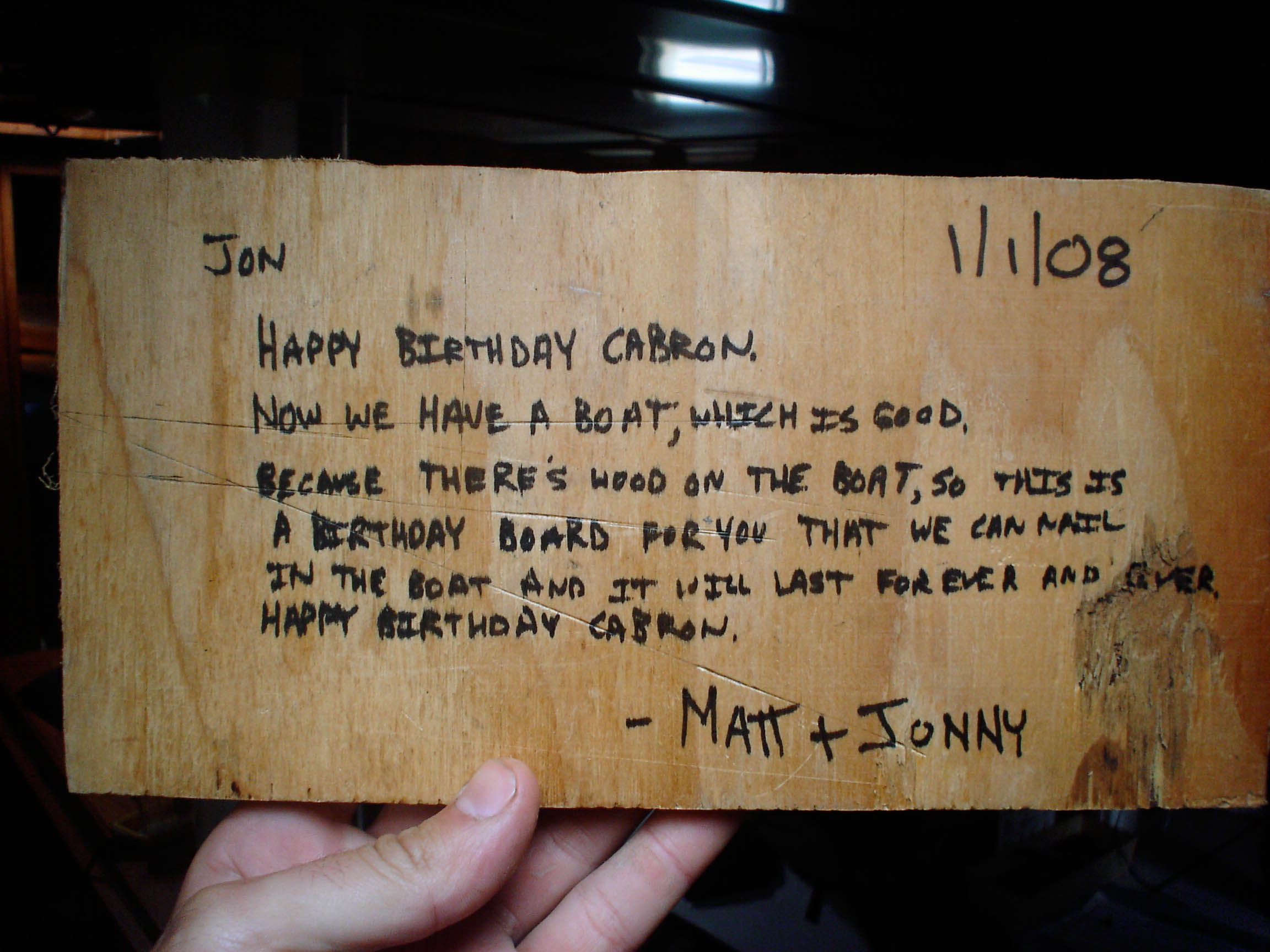
    I couldn’t have asked for a better birthday. I was with my two best friends, hanging out on the boat that we will soon spend two years together on. A plaque they wrote for me know sits in our boat, a constant reminder of this day, our friendship, and good times to come. Thanks guys.

  • a challenge already

    A couple of friends have emailed me, asking about our progress. Have we sailed Syzygy yet? Is the engine running? Have we practiced motoring around the marina, in and out of our slip? Have we fixed our leaky water tanks?

    Until last night, my answer was a sad litany of qualified justifications and hedged excuses.

    Here’s what i mean:

    Q: Have we sailed yet?
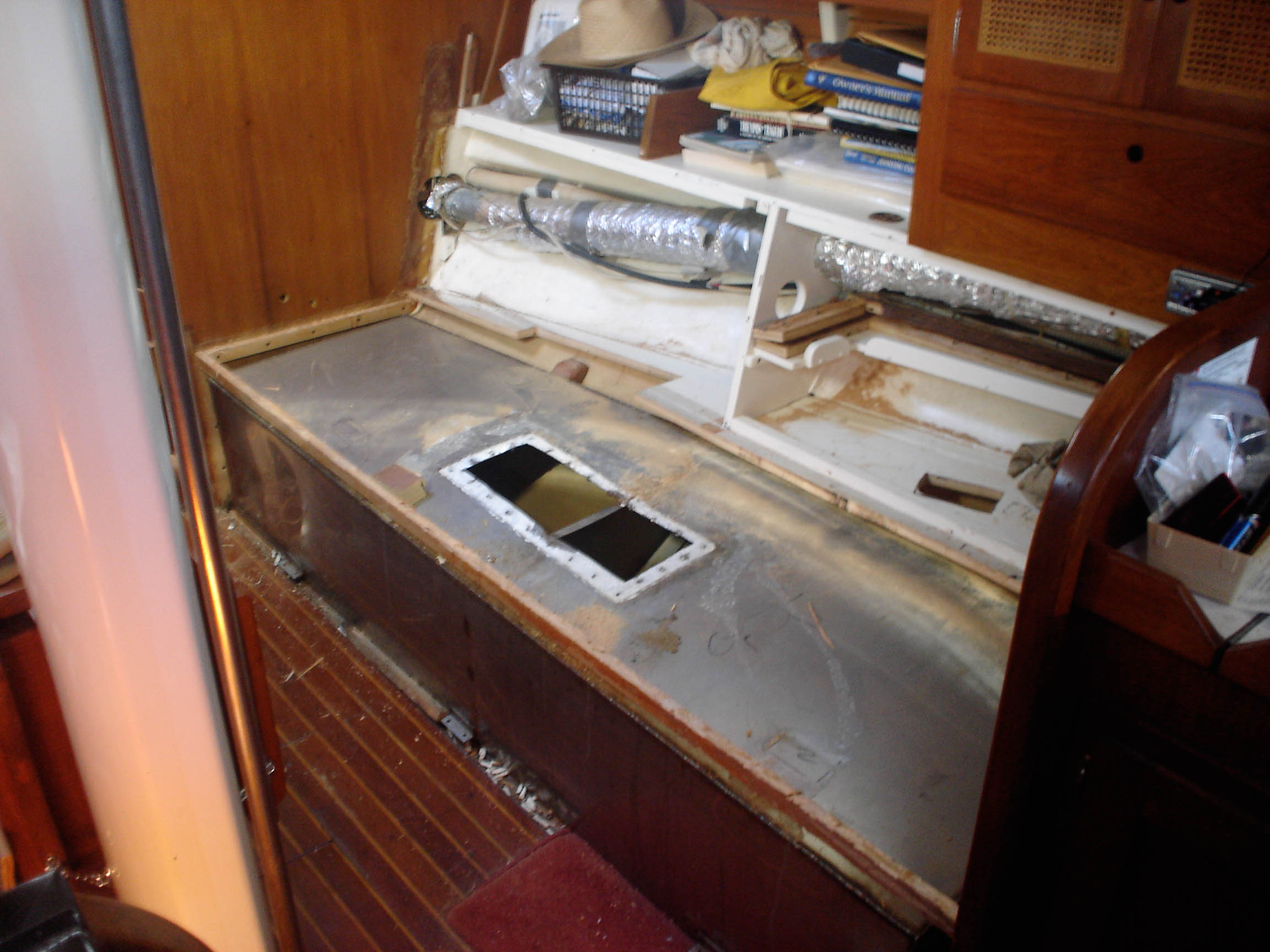
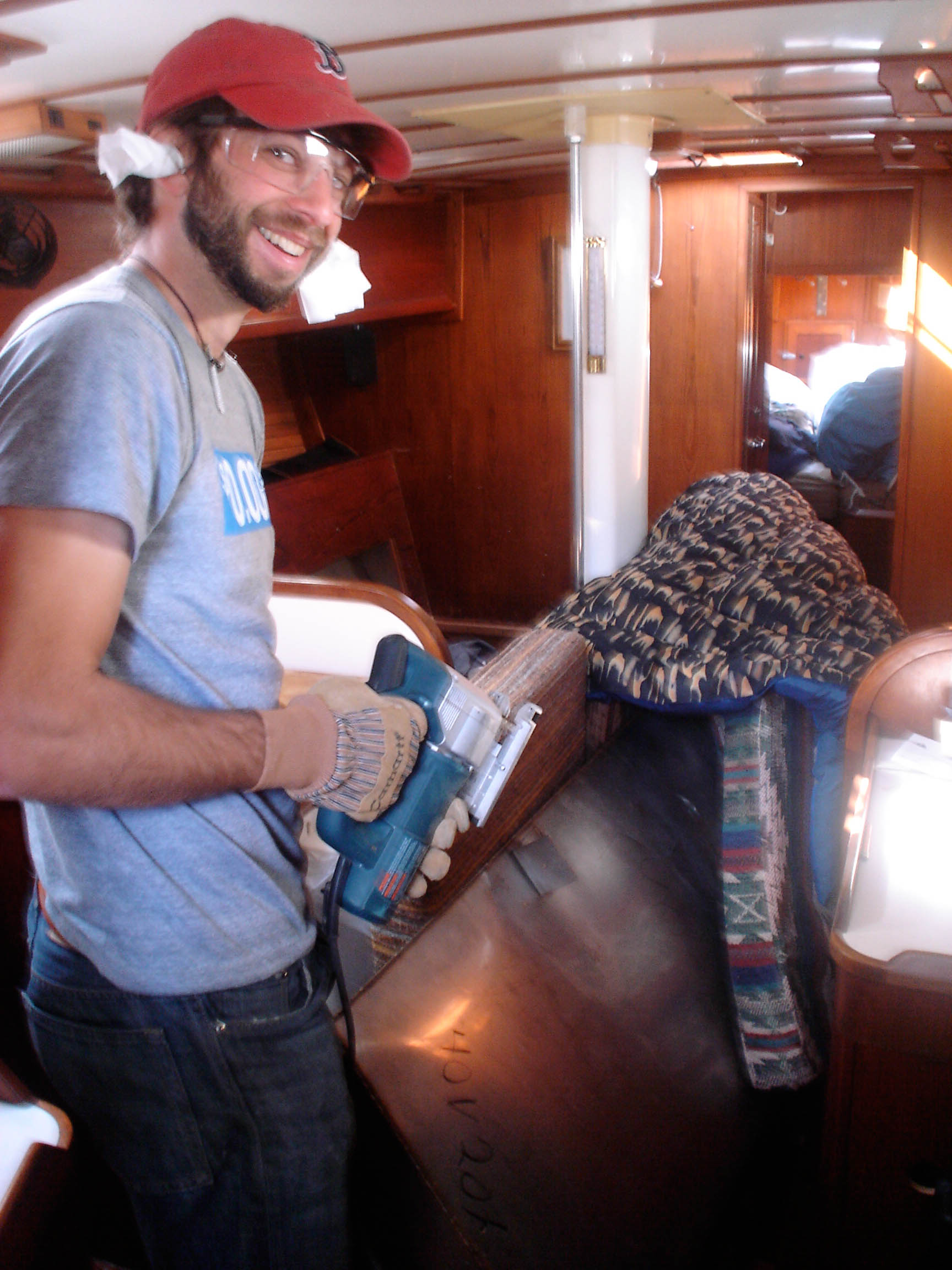
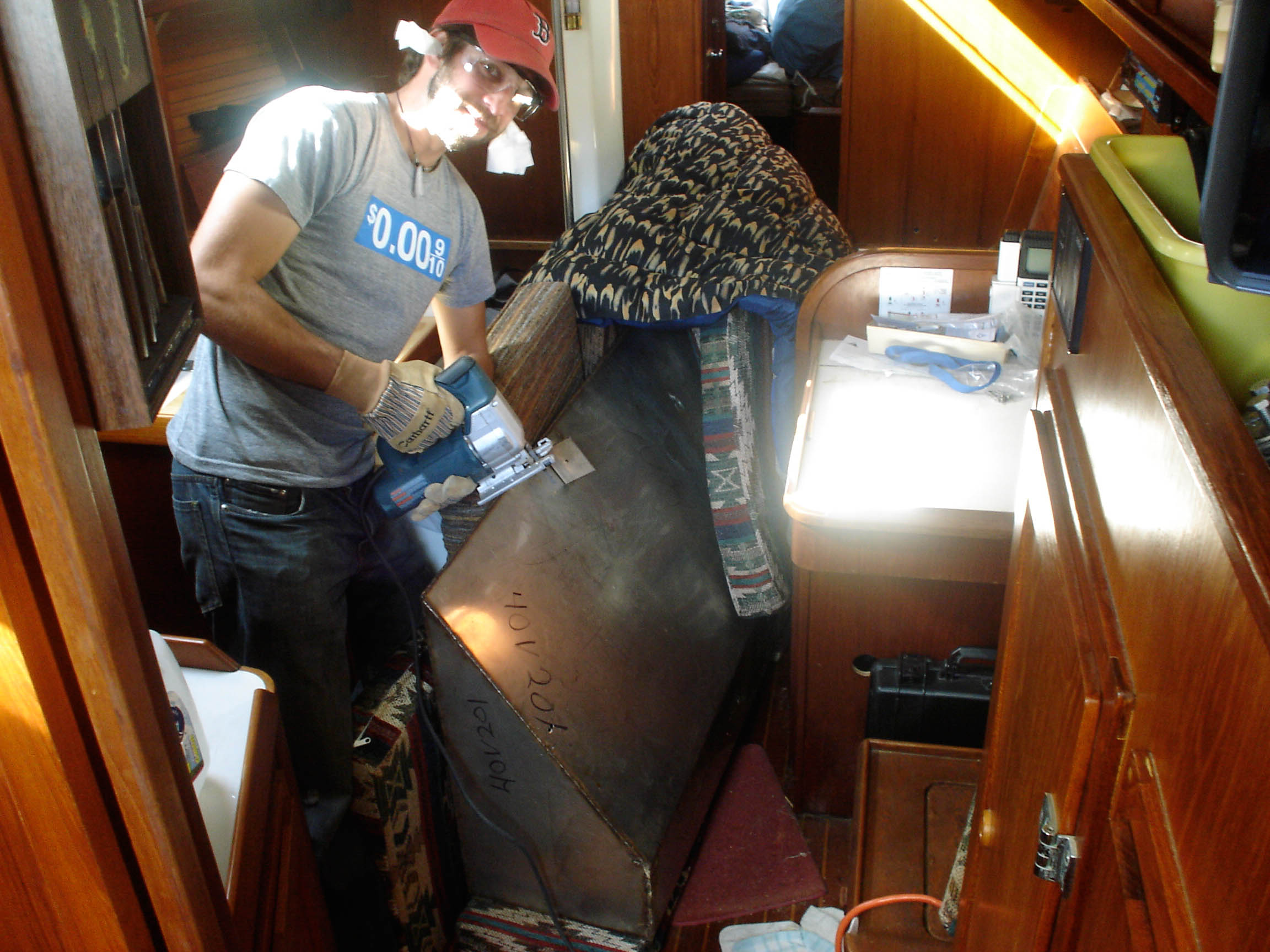
    A: Nope… but we were GONNA sail yesterday, and were all set to do so. Sails up, stuff stowed, everything set. We were especially eager to sail for the most ridiculous reason, though. We wanted to cut up the port water tank while out at sea. Why? Because it wouldn’t fit out the companionway, and was just sitting there, a big hulk of stainless steel, in our cabin salon. Why couldn’t we just cut it up at the marina? Because the jig saw is really loud, and the marina master specifically told us not to use power tools on our boat, since we’re docked so close to a bunch of fancy beach-front houses. Given that we’re so new to most everything we’re doing, we didn’t wanna get kicked out of the marina for making a racket.

    So anyway, we really really really wanted to go sailing. Thing is, the tides totally screwed us. Actually, the marina sorta screwed us, too. The canal entrance to Marina Real is shallow — about 5’6″ shallow. Syzygy has a draft of 6’6″. So she can only get out of the marina when the tide is at least 1′ above the mean. And yesterday, high tide was at 4:30am. Here’s the chart for Jan 3rd:

    3:10 AM MST Moonrise
    4:26 AM MST High tide 0.62 Meters
    7:15 AM MST Sunrise
    1:49 PM MST Moonset
    2:13 PM MST Low tide -0.20 Meters
    5:40 PM MST Sunset

    We didn’t find this out until 8am, though, and by then it was too late. It all the begs the question, though: how does anyone go sailing around here? Are all the sailboats trapped in the marina until the stars align?

    At any rate, that’s why we didn’t go sailing.

    Q: Is the engine running?
    A: Yes, finally. This is a shameful story too. We put Syzygy in the water a week ago, and it felt glorious for about 10 minutes, until Matt tried to start the engine, and it just wouldn’t catch. Some small puffs of gray smoke came out of the exhaust pipe, but that’s it. So — and I hate to admit it — we got towed to our slip. Yep. We got towed, by a dinky little dinghy, with a tiny outboard motor, about 100 feet, over to our slip. And we almost crashed into the dock. It was pathetic.

    Anyway, we were gonna have a mechanic look at our engine, but Matt persevered. On the advice of another sailor, he bled the fuel line, letting pockets of air out so that diesel fuel could proceed straight to the engine. It worked. So the engine now runs. And we know now how to start it.

    Q: Have we practiced motoring around the marina, docking and such?
    A: Well, we had planned to spend days doing this, but got caught up a) dealing with the damn water tanks, b) not being able to start our engine (see above), and c) running around San Calors and Guaymas buying tools and supplies we needed.

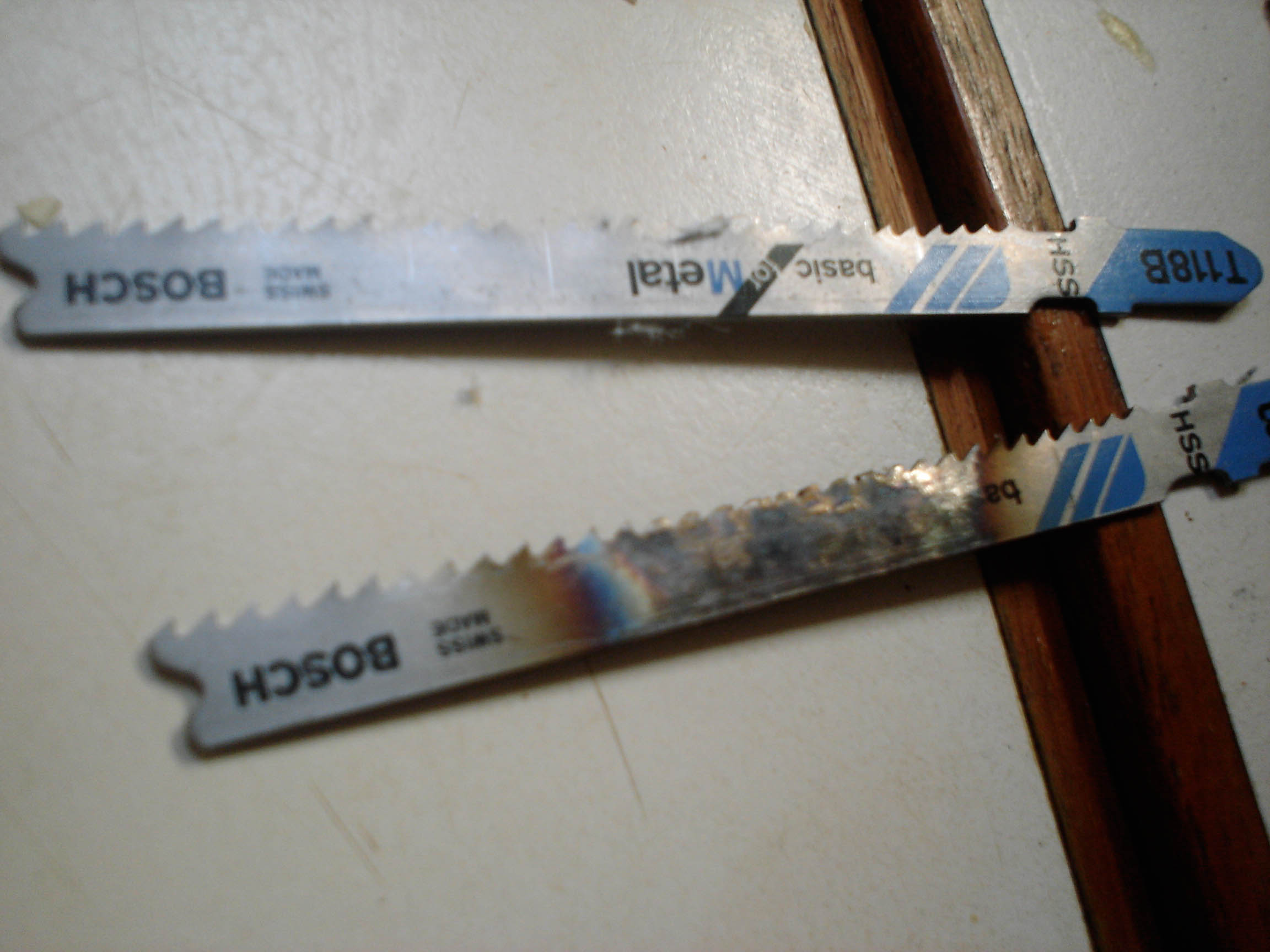
    Q: Have we fixed our leaky water tanks?
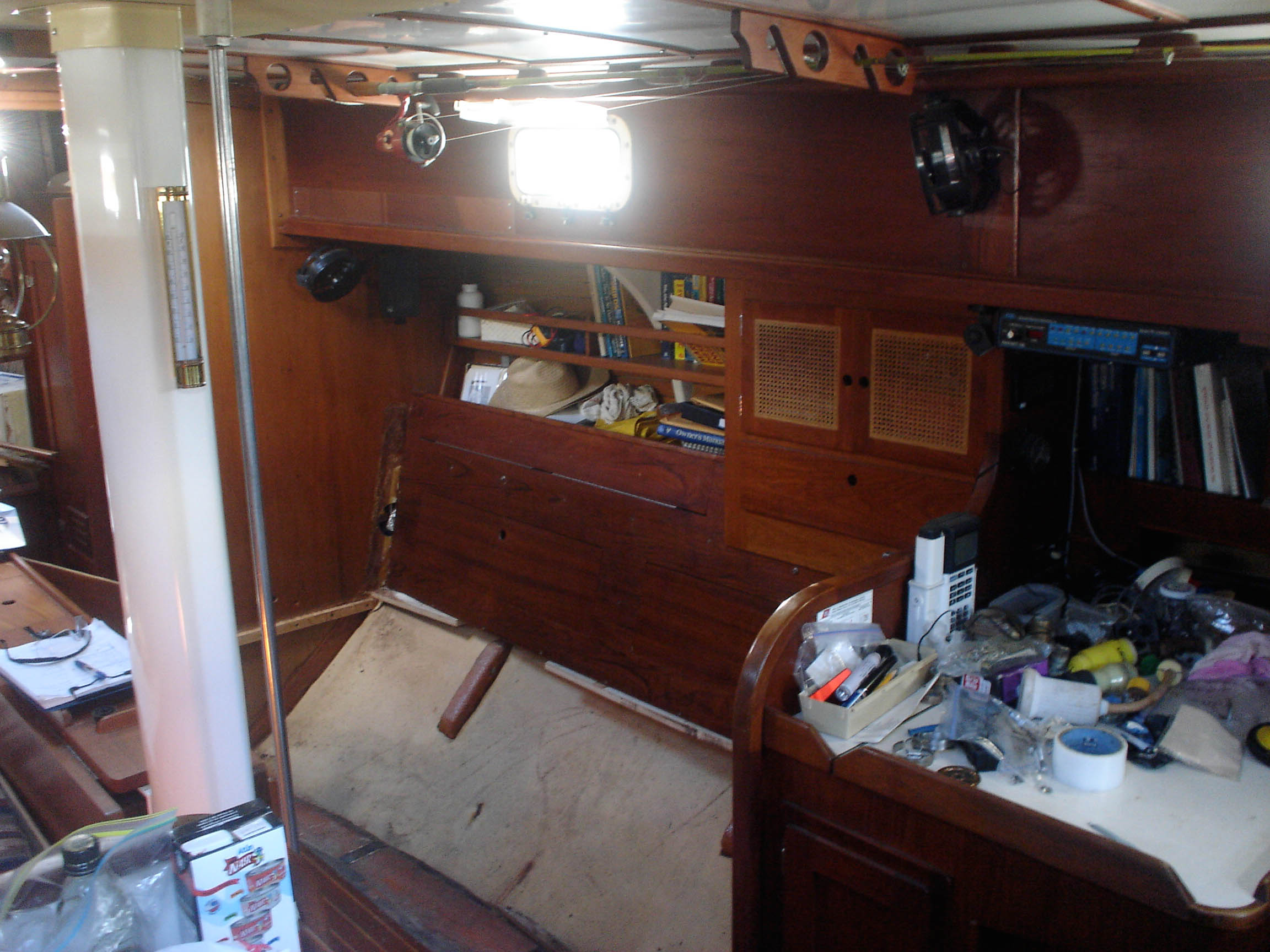
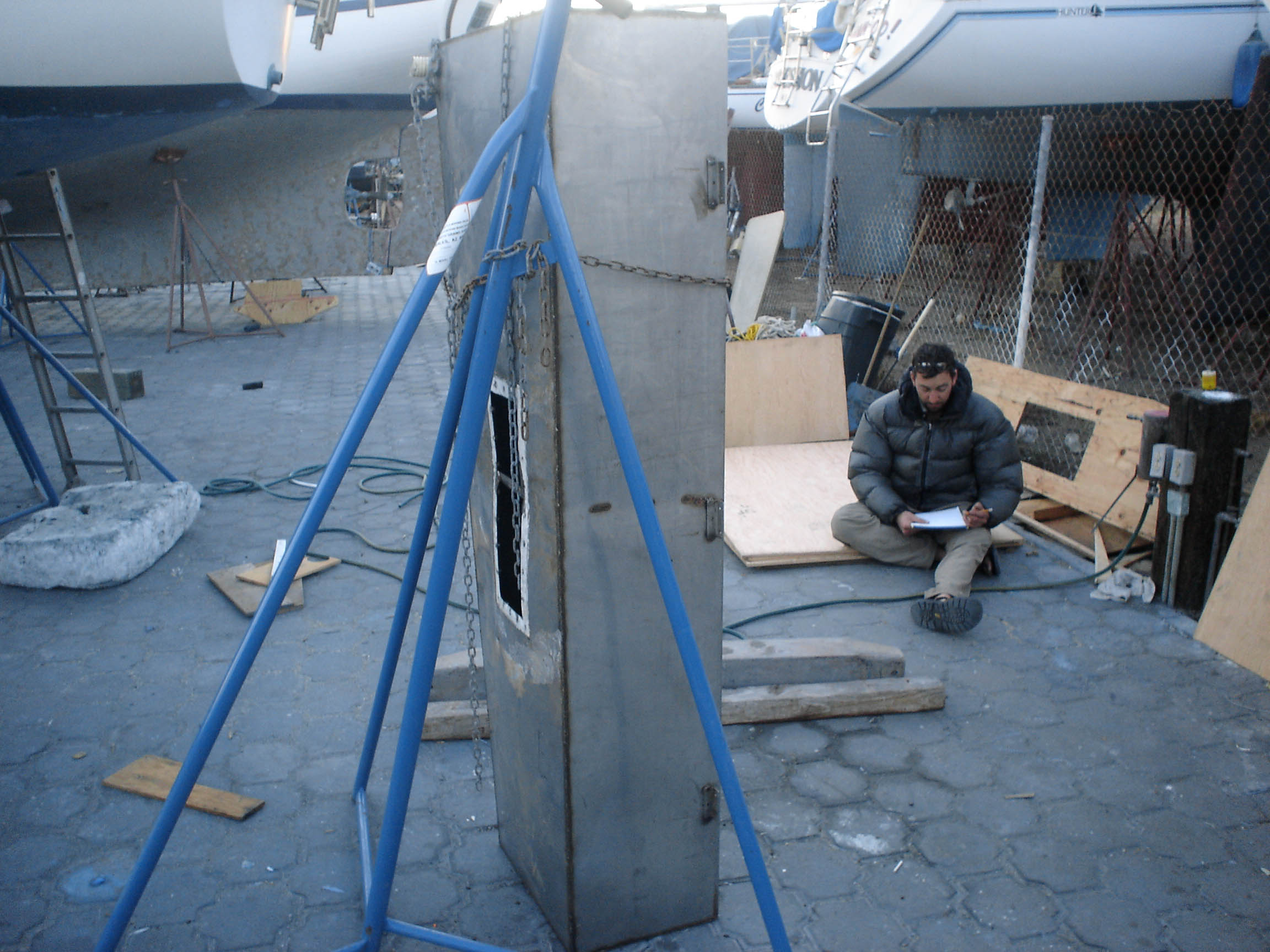
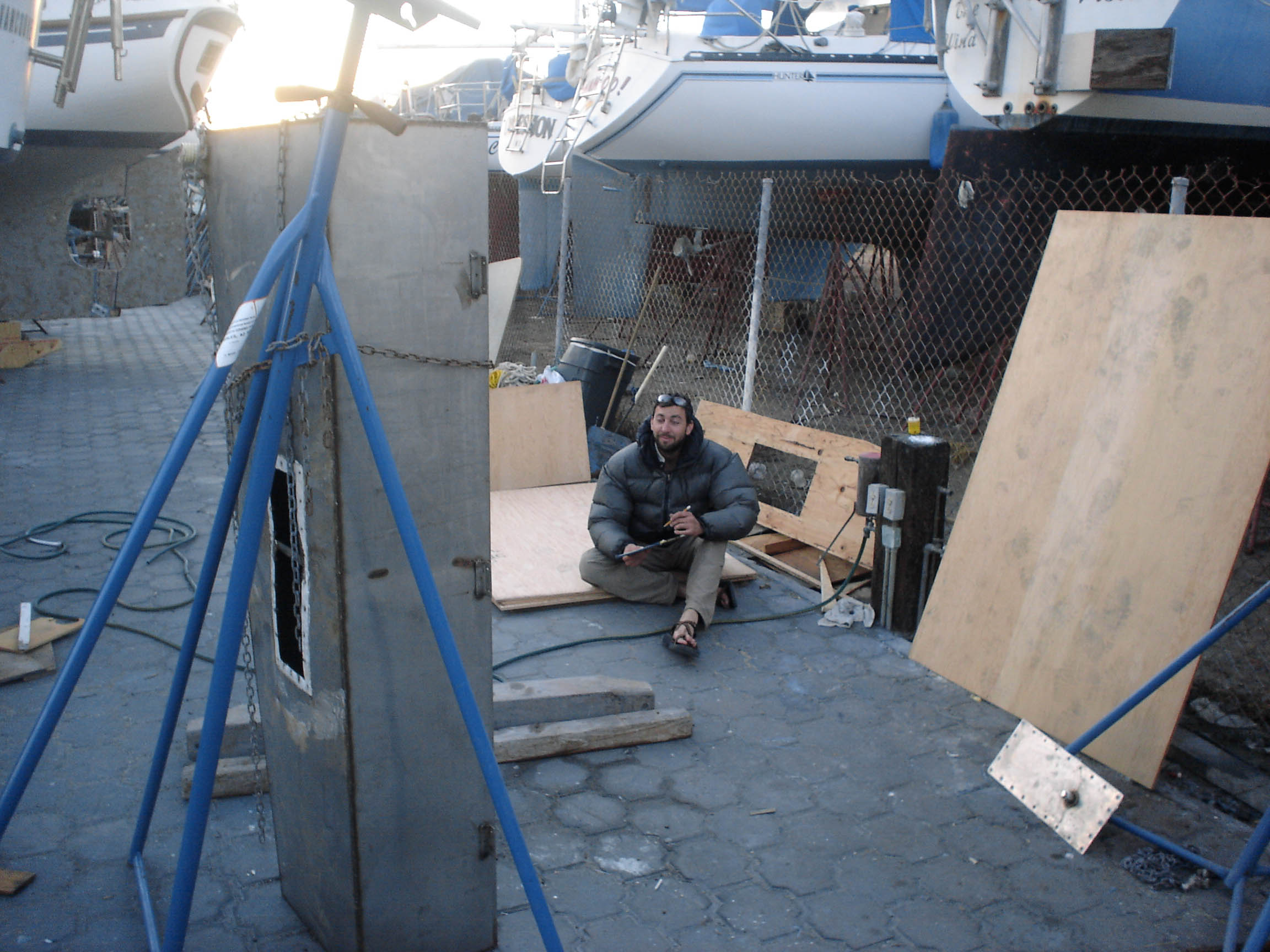
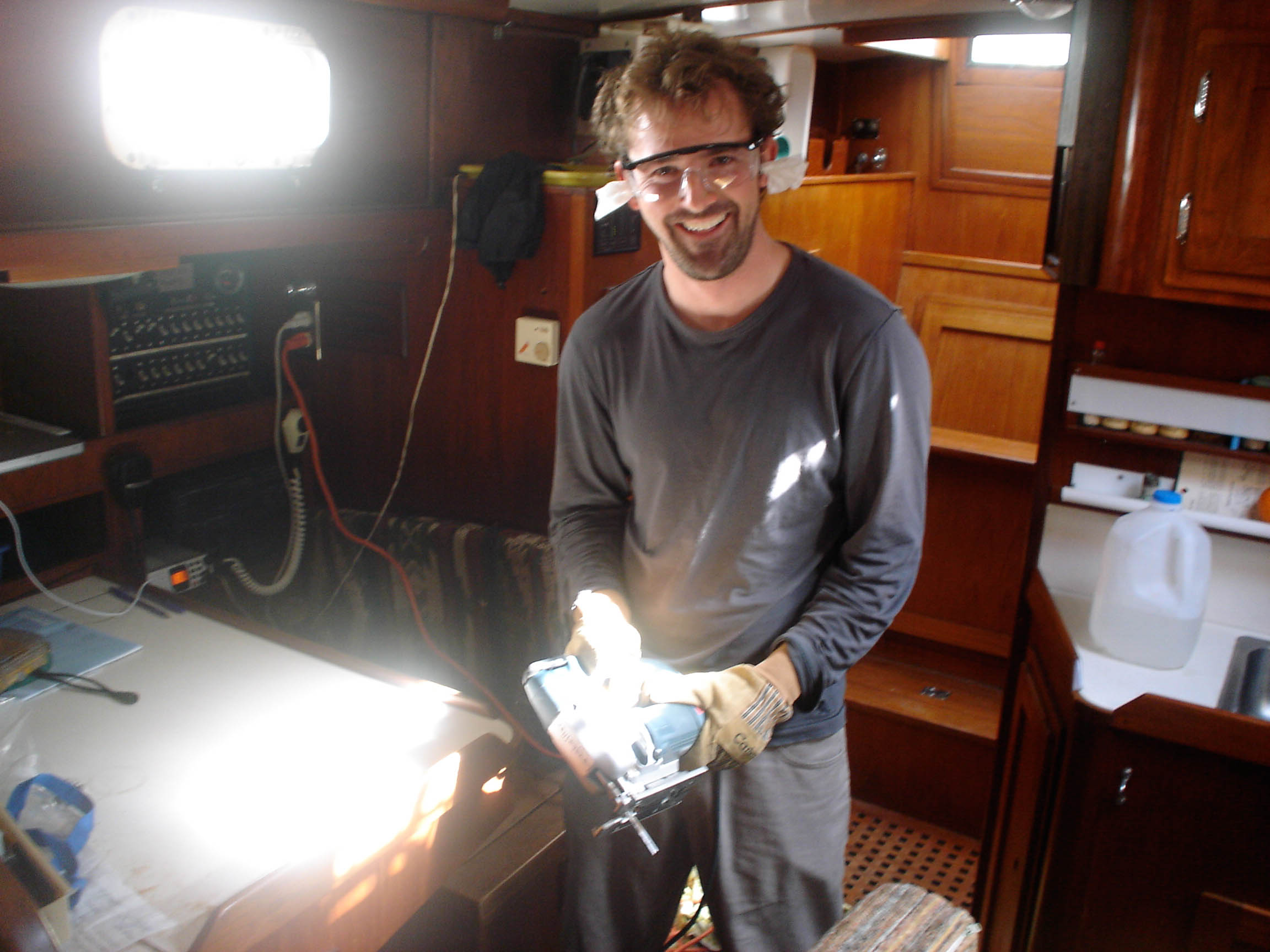
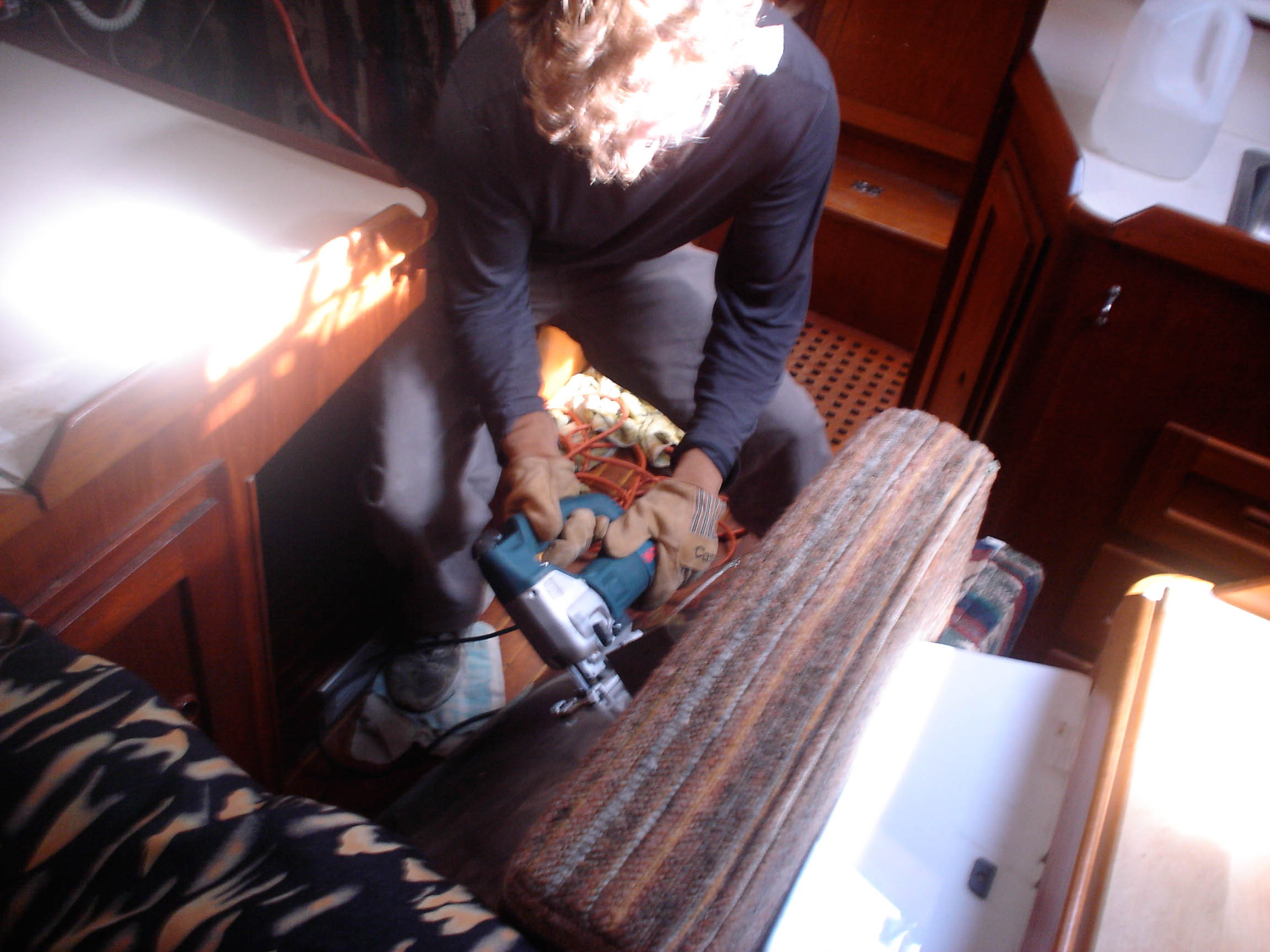
    A: Not yet, but we’ve made good progress. We got the starboard watertank out of the boat, but the port watertank is a couple of inches bigger, and wouldn’t fit out the door. After finding the hand-saw worthless at cutting through 1/8″ stainless steel, and after having melted through six metal-cutting jig saw blades, and after having tried-but-finally-decided-against removing the companionway trim (to widen the door), we found a cutting disc for our grinder. After a brief test, we also decided to screw the marina rules and go for it. So late last night, we closed the hatches, padded the tank in pillows and cushions and blankets (to muffle the sound), and hacked away at the thing. Actually, Matt and Jon hacked away at the tank while I stealthily patrolled the dock, VHF radio in hand, so that we wouldn’t get busted. We used a code to disguise our operation:

    Shark to Whale – Are we clear to begin feeding?
    Whale to Shark – The waters are all clear to begin feeding. Proceed.

    -15 minutes later-

    Shark to Whale – Papa shark is, uh, getting bitten by electric eels. Mama shark is taking over, because she has thicker skin.
    Whale to Shark – Copy that, Shark. How’s feeding going?
    Shark to Whale – Uh, feeding is slowing down because, uh, the shark’s teeth are getting dull, and we don’t have any dentures. Also, there’s an oil spill.
    Whale to Shark – Um, copy that. Waddya mean, an oil spill?
    Shark to Whale – The waters are cloudy. It’s hard to breathe or feed, Whale.
    Whale to Shark — Ah, copy that.

    Shortly before midnight, the feeding was over, and for the first time in weeks, things seemed to go our way. Nobody haggled us for making noise. The grinder didn’t break (though Matt ground the cutting disc down to a tiny nubbin.) The power didn’t go out. Nothing caught fire (though Matt did burn a hole through a cushion, and ripped two blankets, and filled the cabin with smoke, and covered every surface in metal dust). NEVERTHELESS, we got that friggin’ water tank cut into 3 chunks, and got it out of the boat. Mission accomplished.

    Actually, that’s only the first half of the mission. The old, leaky watertanks are out of the boat, and now we’ve gotta build new tanks, which we’re gonna make out of epoxy-coated marine-grade plywood. We’ve cut the pieces, but run out of time on this trip to continue…so it’ll have to wait.

    All of which brings up a good point: the whole “fix up the sailboat thing” has forced us to readjust our perhaps overly-ambitious, landlubber-style, deadline-driven agendas. It’s put us in some tough spots, and brought out anger, frustration, exhaustion, and unwarranted criticism. It’s forced us to discuss out approaches to solving problems together, and forced us to admit to each other that we’ve got to be more patient and easy on each other. And we’ve only just started. It’s a challenge already.

  • Good vs. Better

    Our first day in the work yard, we met a fellow gringo-boat-owner named Richard. He’d just recently bought his 10th boat, a trawler, and was busy painting it. She’s not nearly as elegant as Syzygy, but she’s definitely cleaner and shinier.

    Richard asked us if Syzygy was our first boat. We told him it was. His reply: “Wow, you guys went big.”

    You could say that made us proud.

    Throughout the day, whenever we bumped into Richard, we chatted about repairs and maintenance. We told him our plan: 1) remove and service the seacocks, 2) fix the leaky packing-gland (the waterproof seal around the propeller shaft), 3)remove the leaky water tanks and rebuild new ones, and 4)remove the old, crappy toilet.

    Richard, obviously familiar with over-eager-boat-repairmen who-just-bought-a-ton- of-new-tools -and-have-big-dreams, took the opportunity to share a wise Italian aphorism with us: “Better is the enemy of good.”

    We heard him, but not really, and continued with our plans. We were intent on achieving perfection, and spent five days tearing up Syzygy, disassembling and eventually throwing away half a dozen trash bags full of old, unwanted/corroded/cracked hoses and parts.

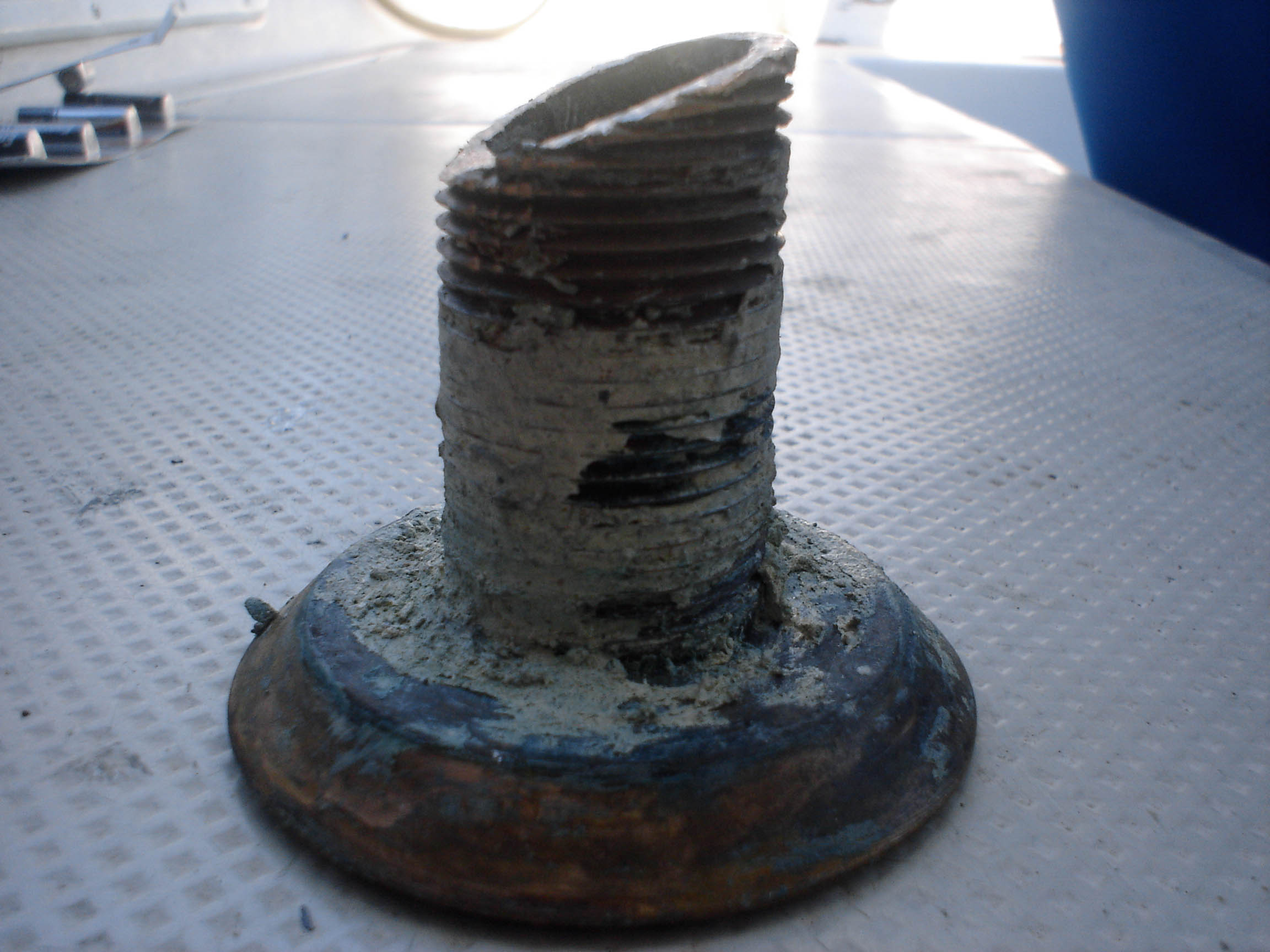
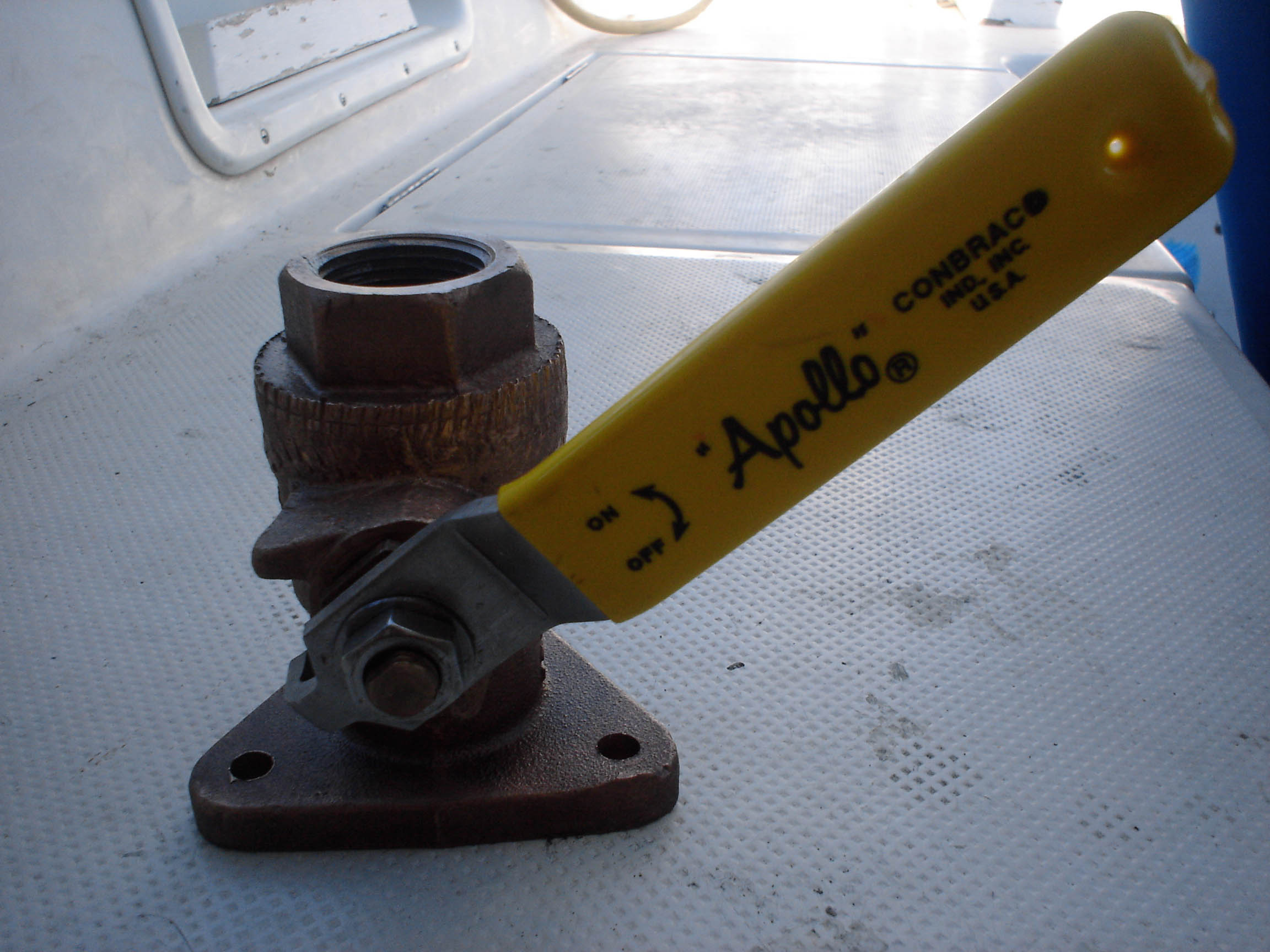
    Then Jon got his hands on the jig saw, and decided to have a go at repairing one of the through-hulls. Through-hulls are bronze cylinders that the seacocks screw onto, and you could say that their bomproofness is essential to any sailor’s peace of mind. Seacocks are supposed to be screwed down until flush with the hull, and this through-hull was too long, preventing the flush junction from occurring. Technically, it had been installed incorrectly. It was good, but not perfect. So Jon was just gonna shave off an inch or so.

    Jon’s attempt didn’t go so well. He was cutting under a tiny cupboard, in the bathroom, and was holding the saw at a crazy angle while all scrunched up, so that he could reach his arms in there. He ended up cutting the through-hull off at a 45-degree angle, leaving it too short to use.

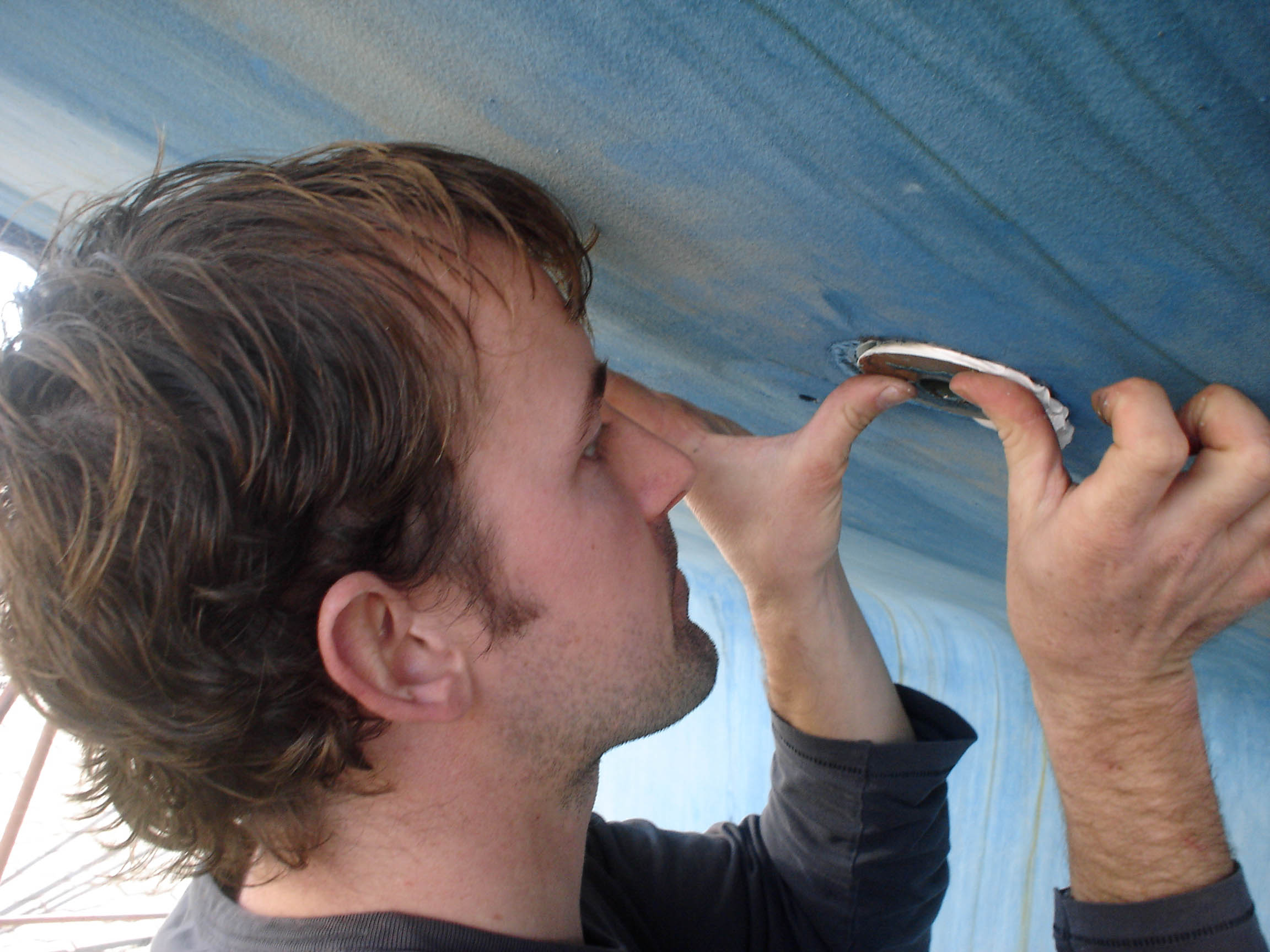
    The result: yet more work for us. We’d need to 1) remove the now-damanged through-hull, 2) buy a new one and 3) re-bed it in the hull. Also, there’s the bonus result of a bruised ego for having just essentially cut a hole in your $60,000 sailboat.

    So Matt and I spent 3 hours driving around San Carlos and Guaymas today, seeking out the elusive new through-hull and the appropriate glues and epoxies and tools for setting it in place. Not surprisingly, such materials and parts are hard to find around here. We were left vexed and tired at the end of the day, and empty-handed on some counts. So you could say we’re starting to understand Richard’s advice.

    link to maintenance blog packing gland post

  • the search for a yellow waterbottle

    So two weeks ago, when we were down in San Carlos, taking Syzygy for a little spin, we got ourselves into a funny little situation.

    We’d just returned from the sea trial, and had put Syzygy in a slip at the marina. The then-owners and broker had gone about their day, leaving us to poke around the boat more, measuring and tinkering and such. With the sun out, Matt, Jon and I put our feet up, congratulated each other, and had a few nibbles of lunch: some prepackaged Mexican cookies and swigs of bottled water (you can tell that I did the shopping that morning.) Then, as typically happens after lunch, the urge to piss arose.

    Thing is, the toilet on the boat was out of commission, on account of broken/leaky hoses. And we couldn’t just pee in the bushes, because there were none, or into the water, because it was a really nice, fancy marina. So Jon went up on deck and asked our neighbor if the marina had a bathroom. The guy explained that the bathroom was just 50 yards behind us, but then traced a wide arc with his hand, and further explained that getting there would require walking about a mile around the peninsula, unless we were willing to swim.

    So Jon did what any climber-turned-sailor would do: he went back below deck, grabbed one of those plastic water bottles, and pissed into it. Matt did the same thing. So did I.

    Hours later, the broker returned. Matt and Jon packed up their stuff, grabbed a bag of trash, and jumped in the broker’s car. 10 minutes later, back at the office, we were signing important papers, to the tune of I-hereby-agree-to-pay-$60,000-for-that-there-sailboat type of papers. So we sorta forgot about the contents of that trash bag. Actually, Jon remembered, but thought it inappropriate to deposit our piss-bottles in our broker’s trash can. He’s got class, Jon does.

    So we signed the papers. We rejoiced over a can of cheap beer. Then we left, trash bag in tow, and walked around the corner, to a coffee shop, to let the feeling sink in some more. It should be noted here that Jon speaks terrible Spanish. Or rather, he mumbles some stuff in Spanglish and then looks at me, knowing that I will correctly translate what has just been not-actually-said. So I heard Jon say the word “basura,” in an interrogative kind-of-way, as in, “do you have a trash can?” The barrista nodded, then extended her hand. Jon passed her our bag of trash. She took it, and disappeared into the kitchen. That seemed to be that.

    We had some coffee, then went upstairs, to get online. An hour later, after writing some excited emails, we were eager to get some tacos. Matt and I were packing up our stuff when we heard Jon say, “Shit. I can’t find my Nalgene.” We poked around under the table, in case the bottle had fallen or rolled away. It wasn’t there. So Jon did what any normal person would do: he asked the bartender if he’d seen a yellow water bottle. (His nalgene is made of yellow plastic.) Of course, Jon didn’t get all of that syntax in there, given his Spanish skills. What he actually said is, “water? yellow?? where???”

    Now I wasn’t there to actually witness the culmination of this piss-in-a-bottle-in-the-trash story (I had run off to call a taxi for later that night), but here’s what happened, according to Matt. The bartender ran downstairs to search. 3 minutes later, he ran back upstairs, shouting something like, “we found it!” (lo hemos encontrado!) Jon smiled. He ran downstairs. He approached the counter. Halfway there, he probably realized that there had been a grave misunderstanding. The barrista handed him our piss bottles, and did not smile as she did so. Not having any other recourse, Jon accepted the piss bottles. Not knowing how to say, “I am sorry, for this is not actually the yellow Nalgene I was seeking, nor is this a situation that I intended to create, and now I am embarrassed, and you are most likely angry, and for good reason,” he just hung his head low. No translation was needed. He made a beeline for the door.

    I caught up with Jon and Matt 5 minutes later, at the taco place. By the time the first round of beers arrived, I think Jon had pretty much given up on the search for his lost Nalgene. Jon looked relieved, having just deposited the piss bottles in a bigger, better trash can.