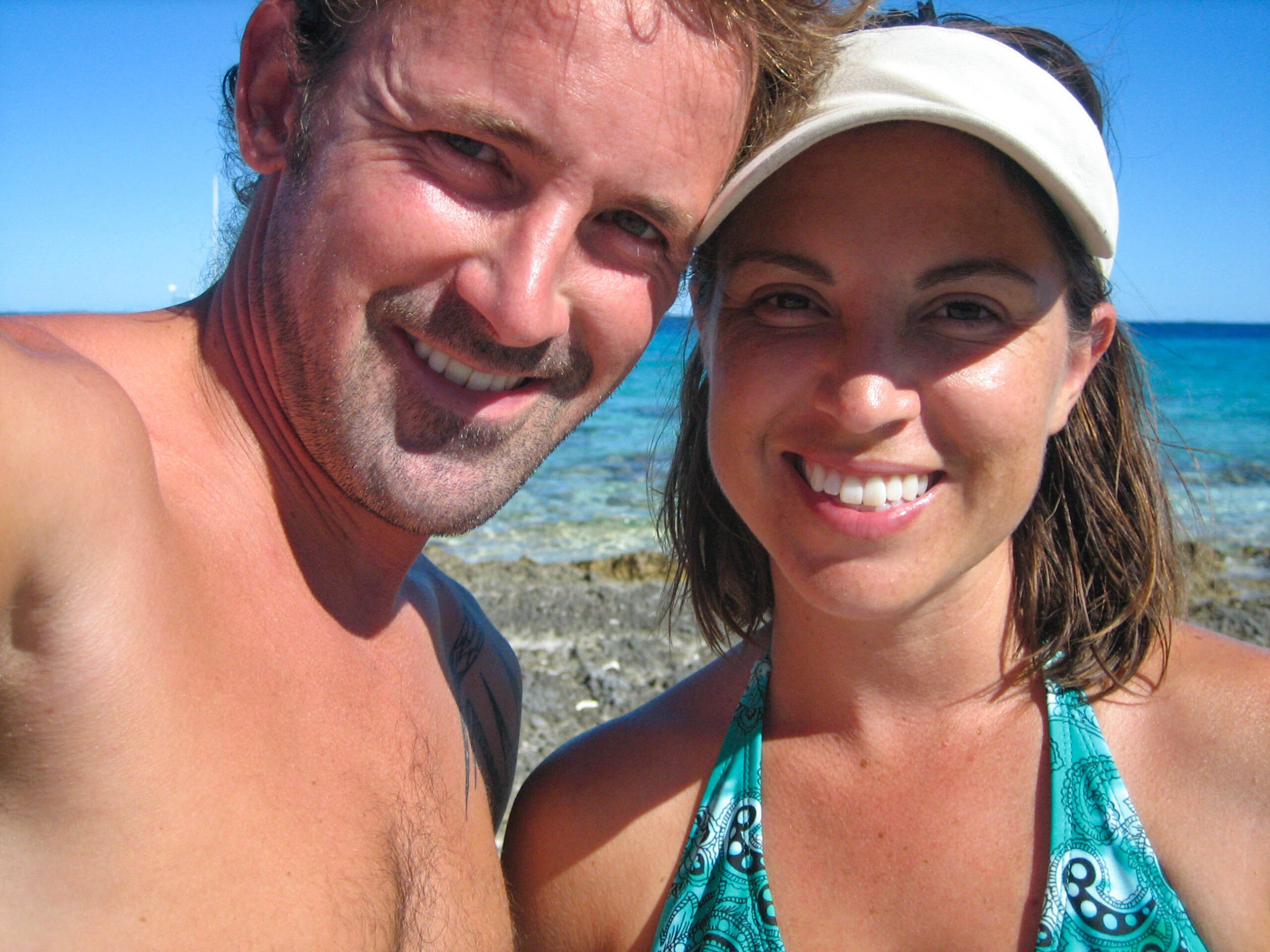
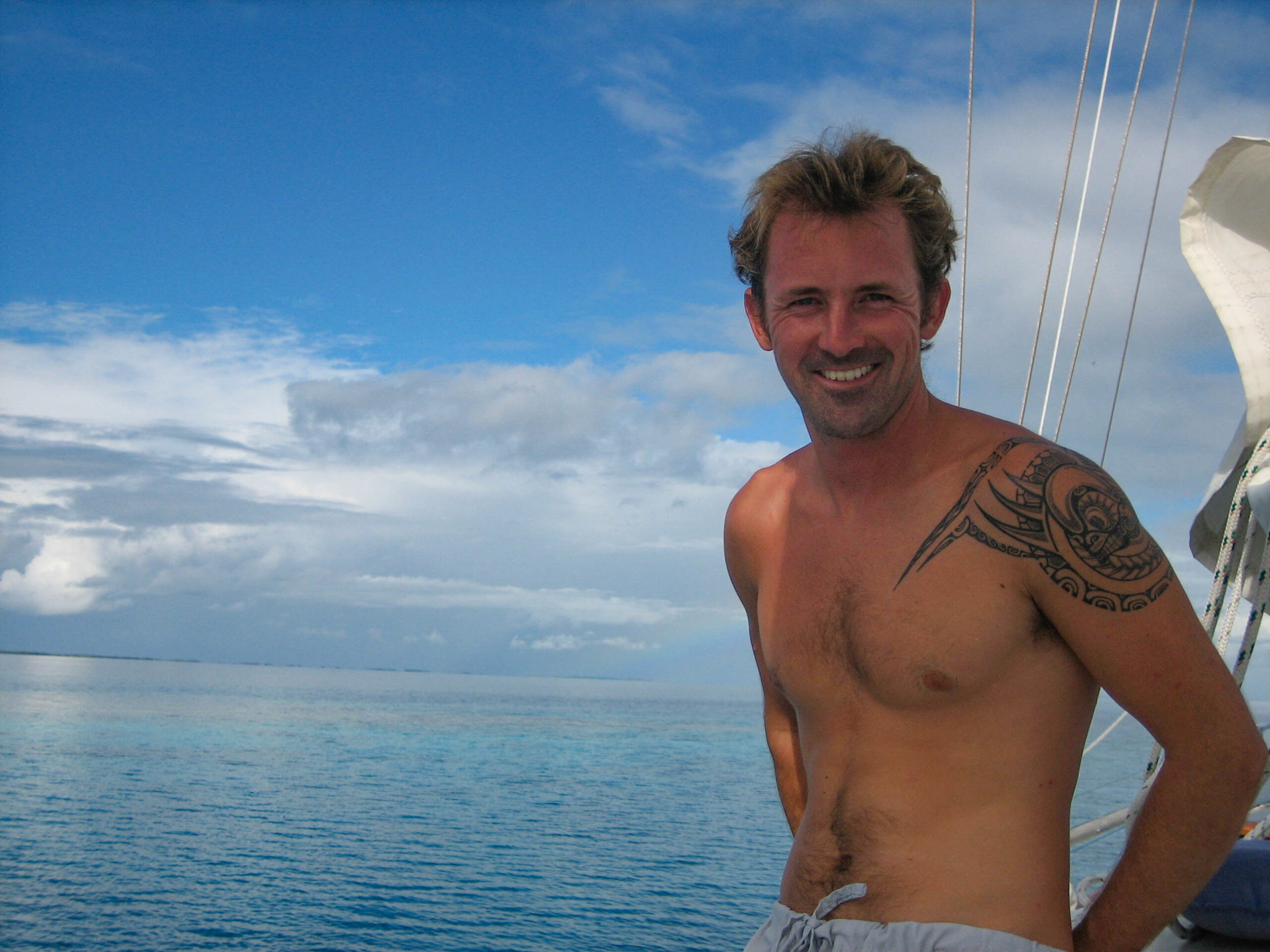
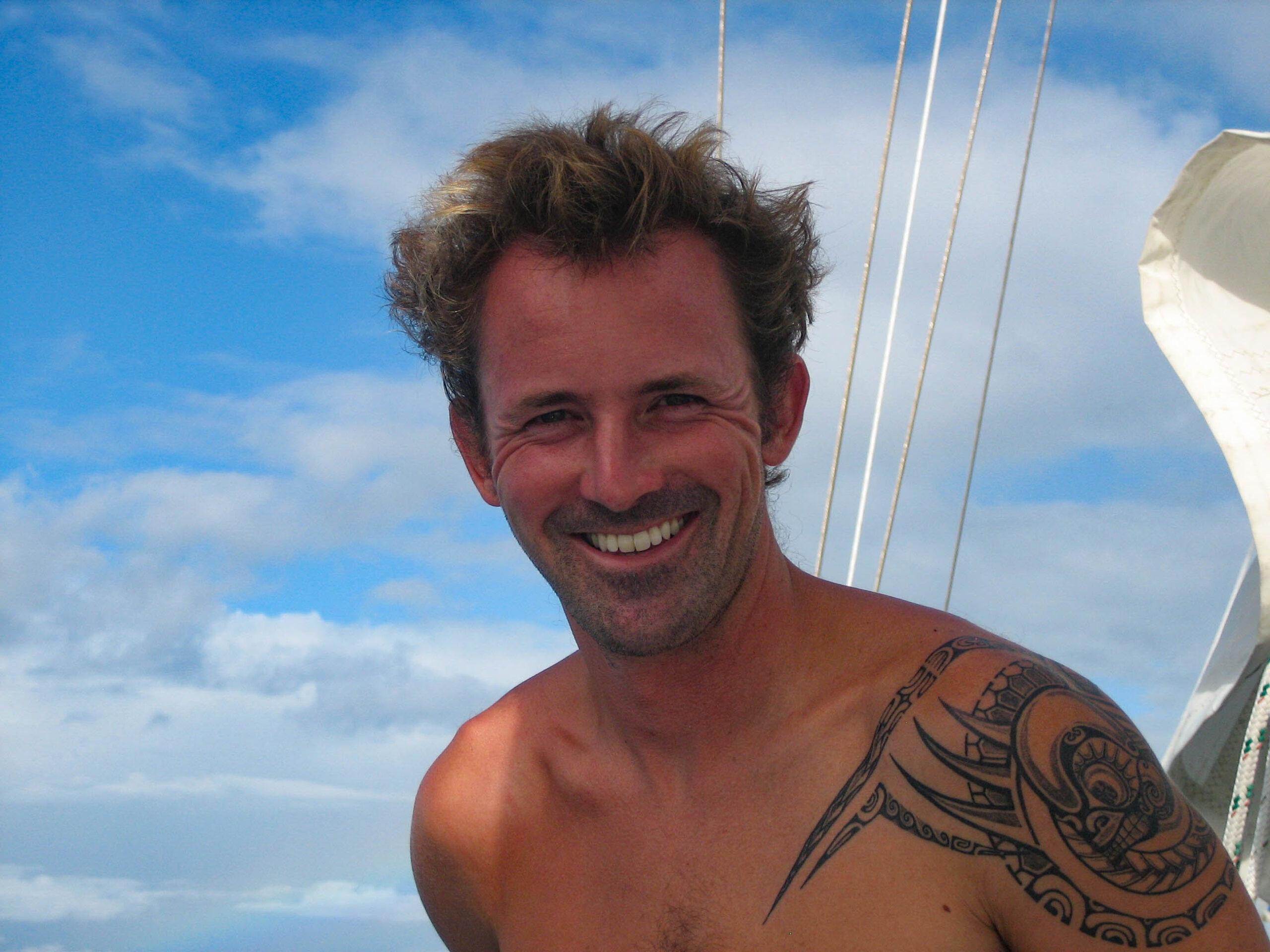
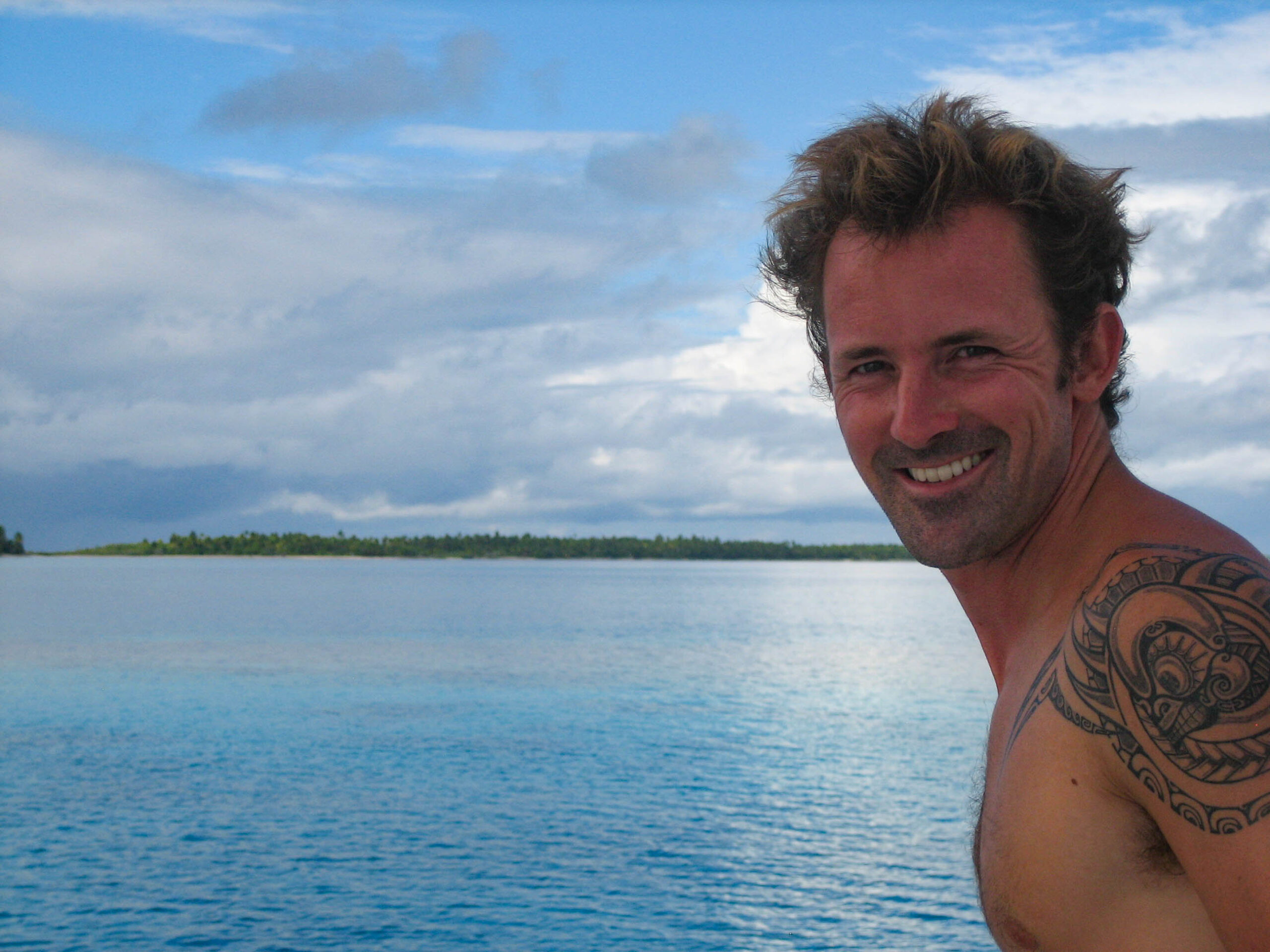
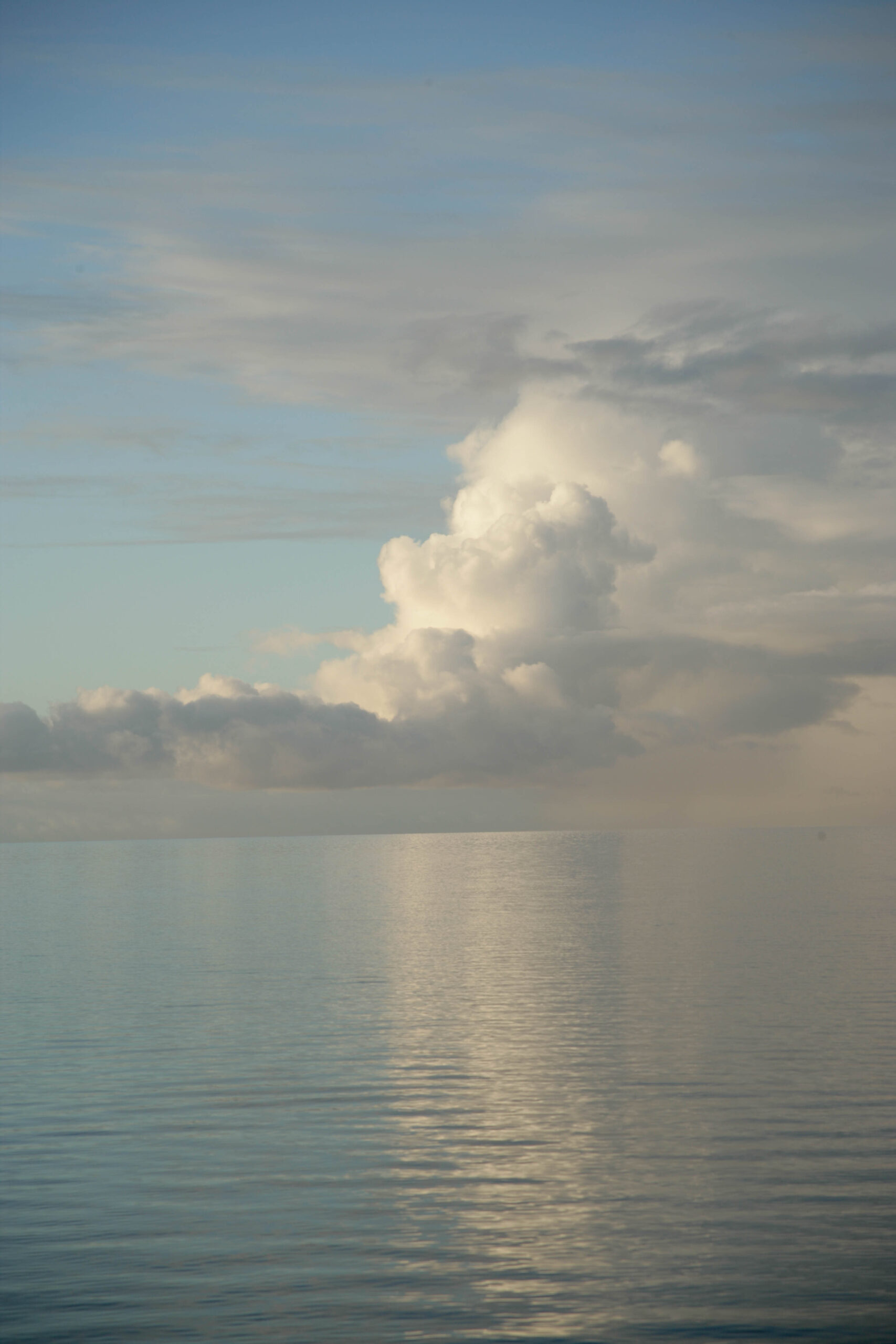
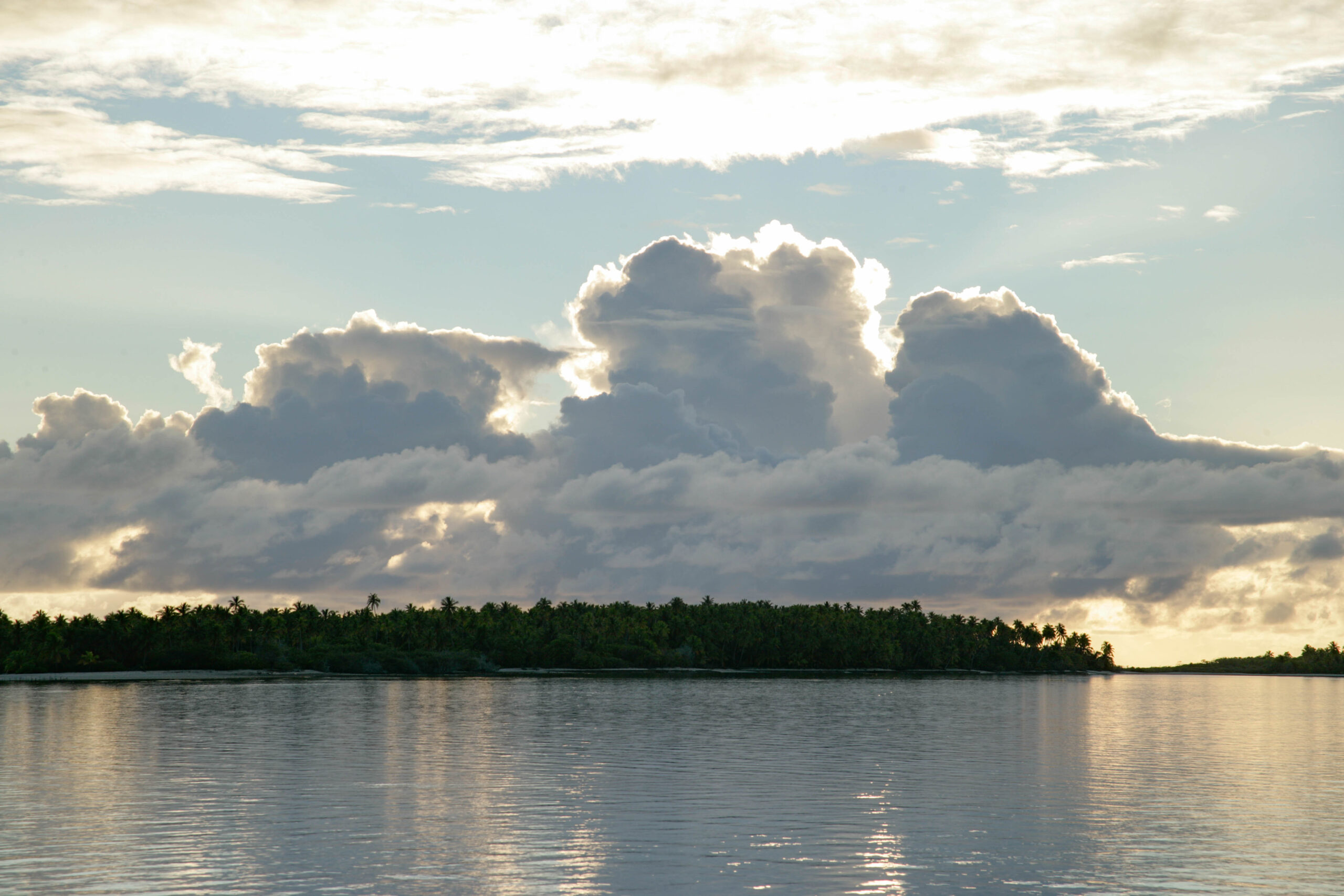
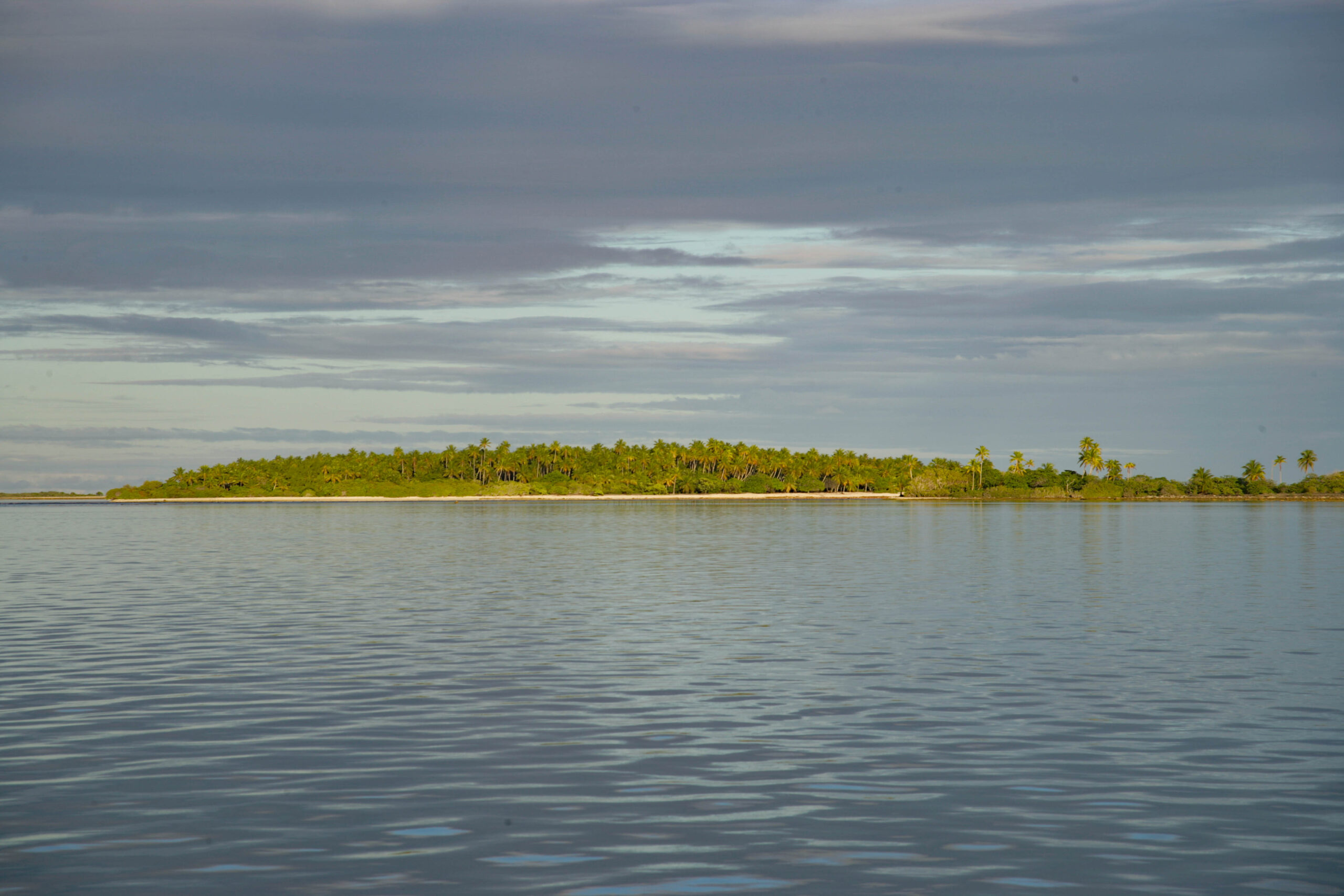
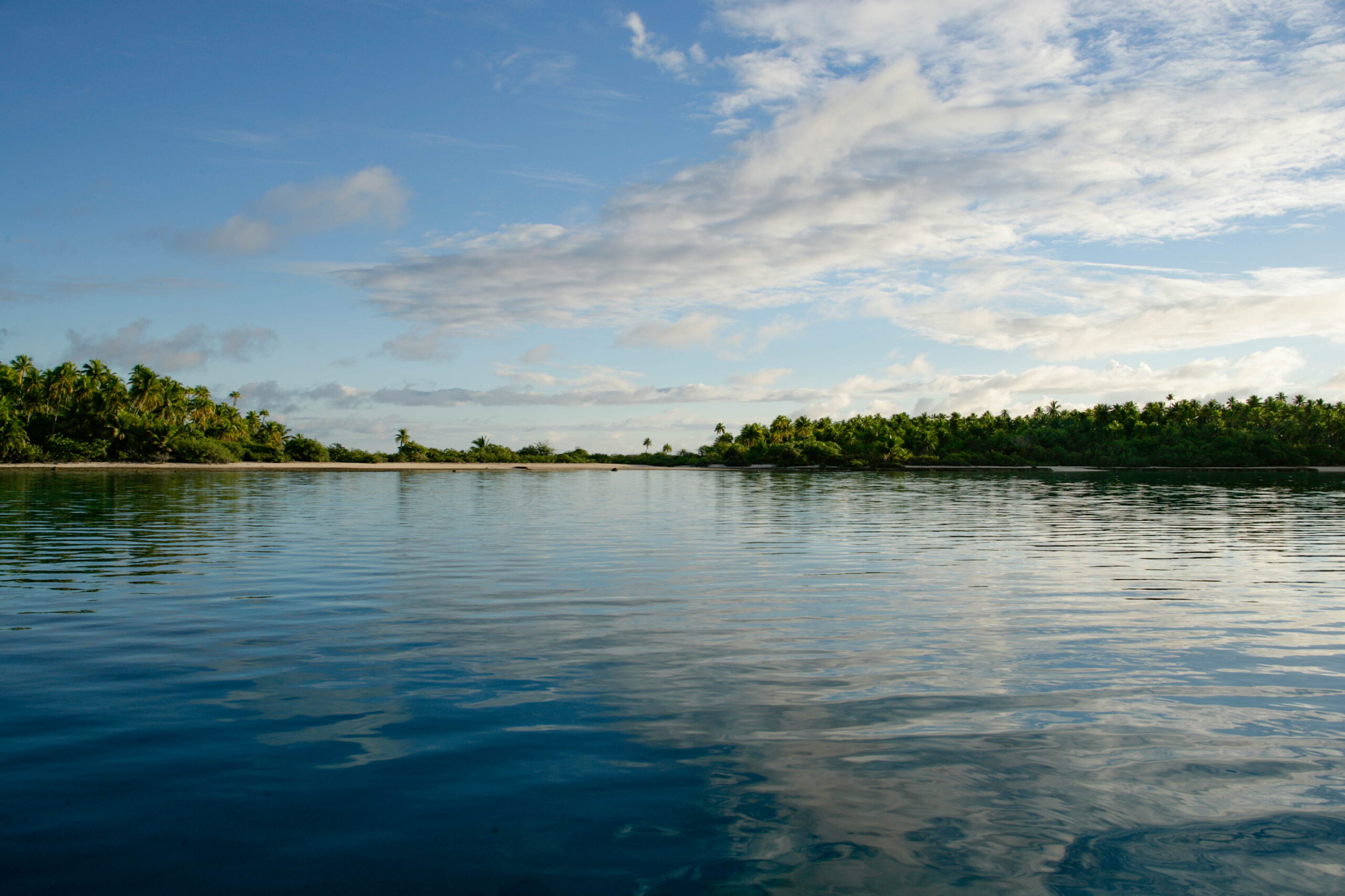
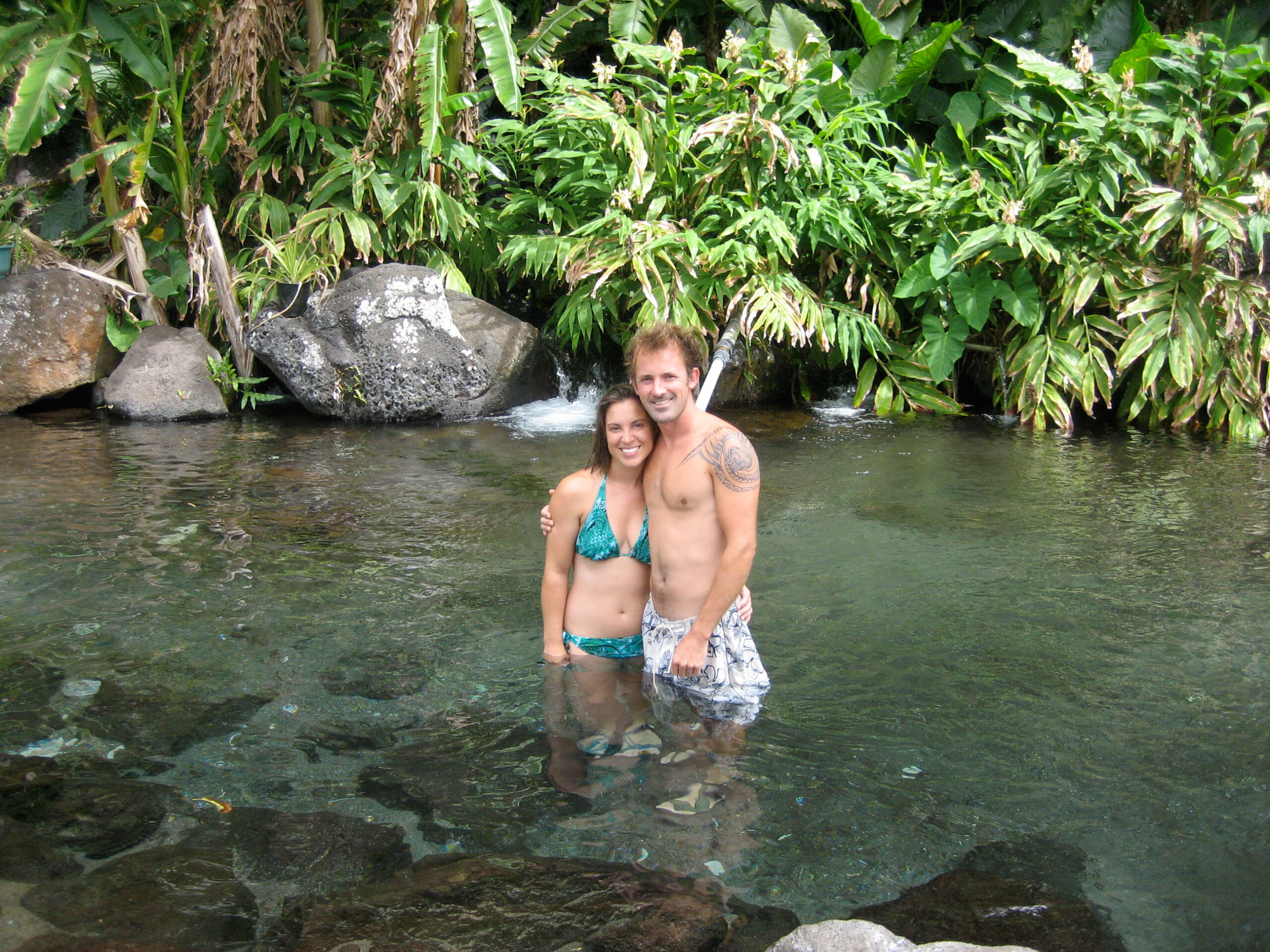
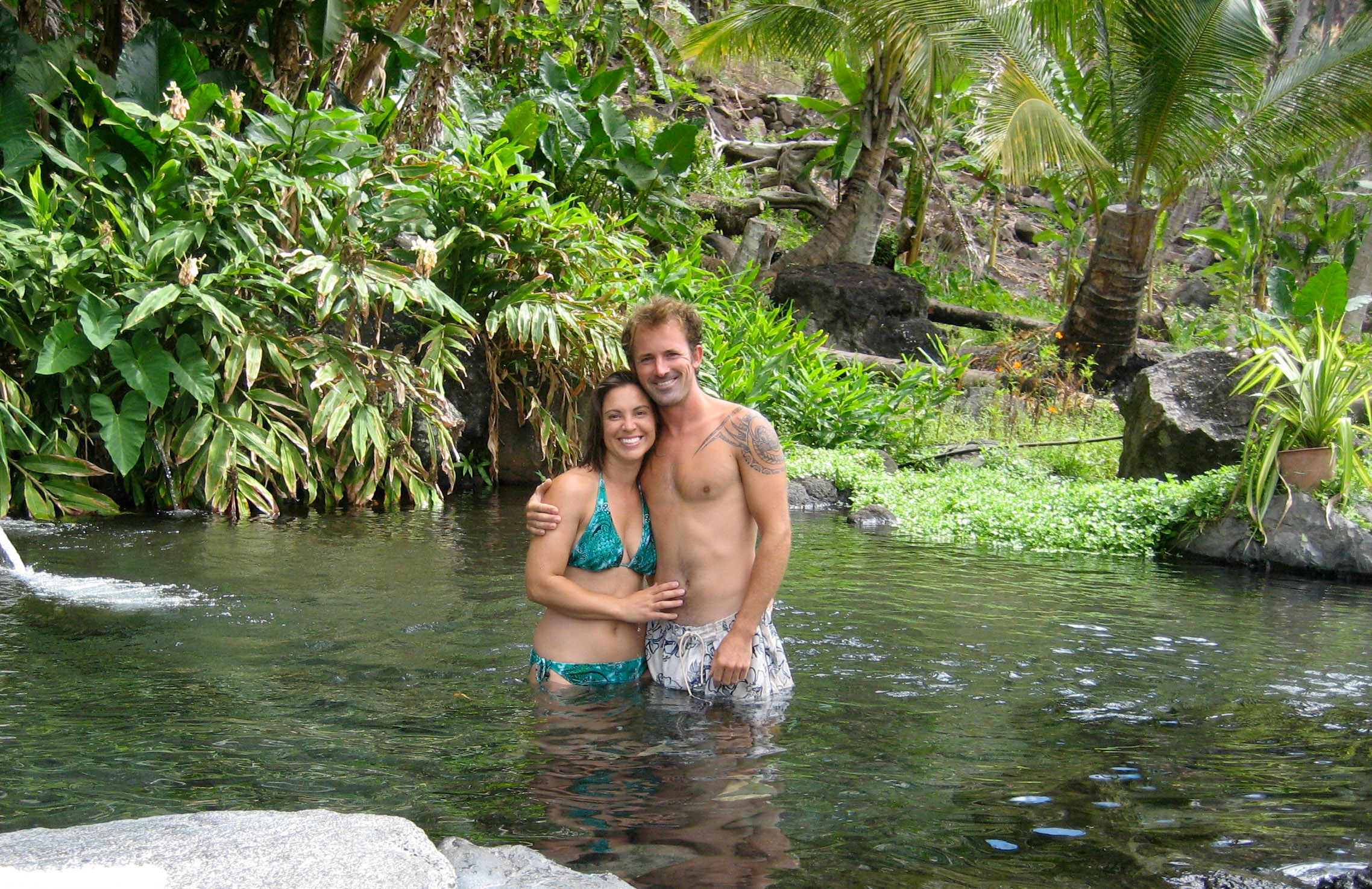
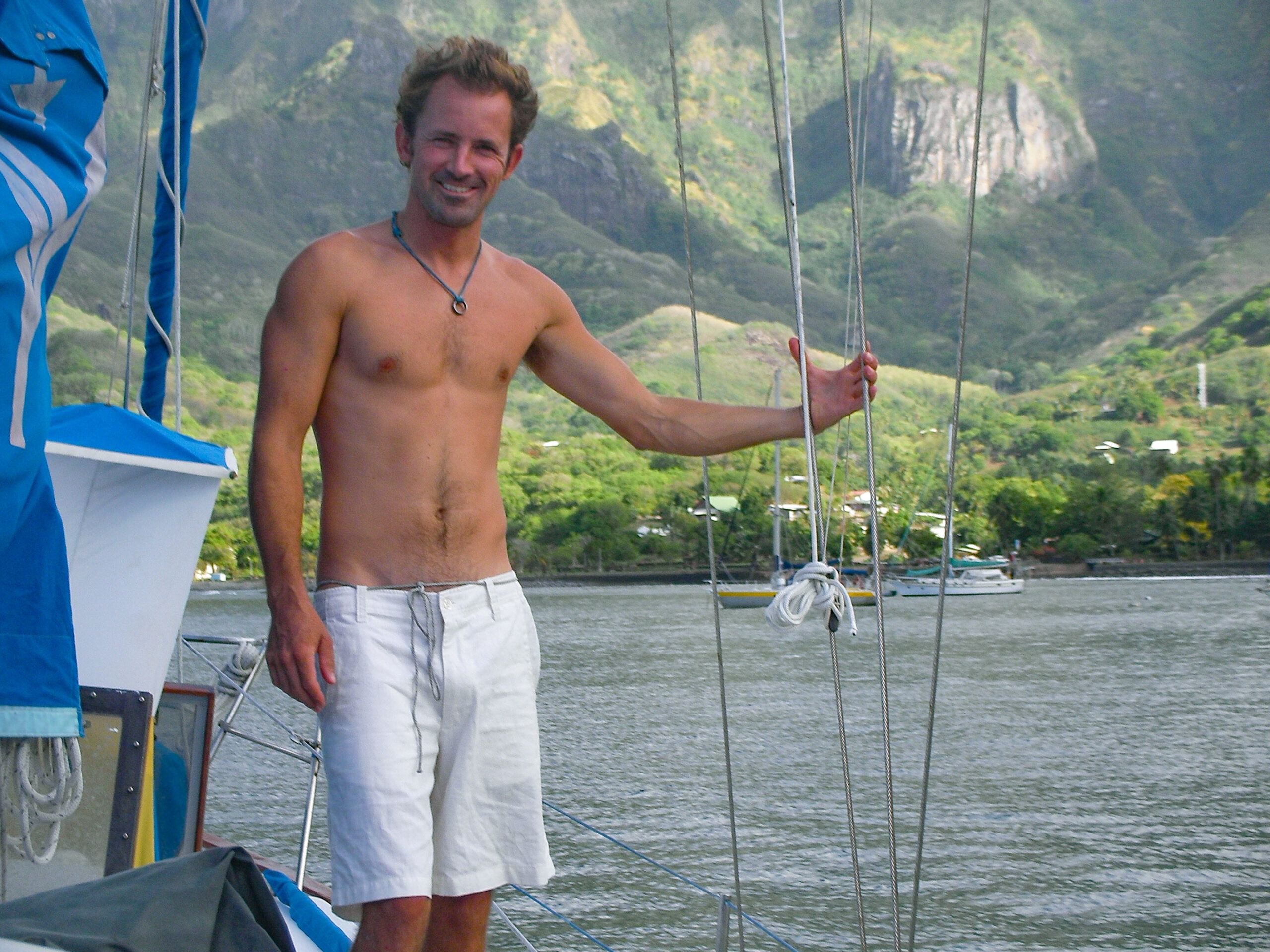
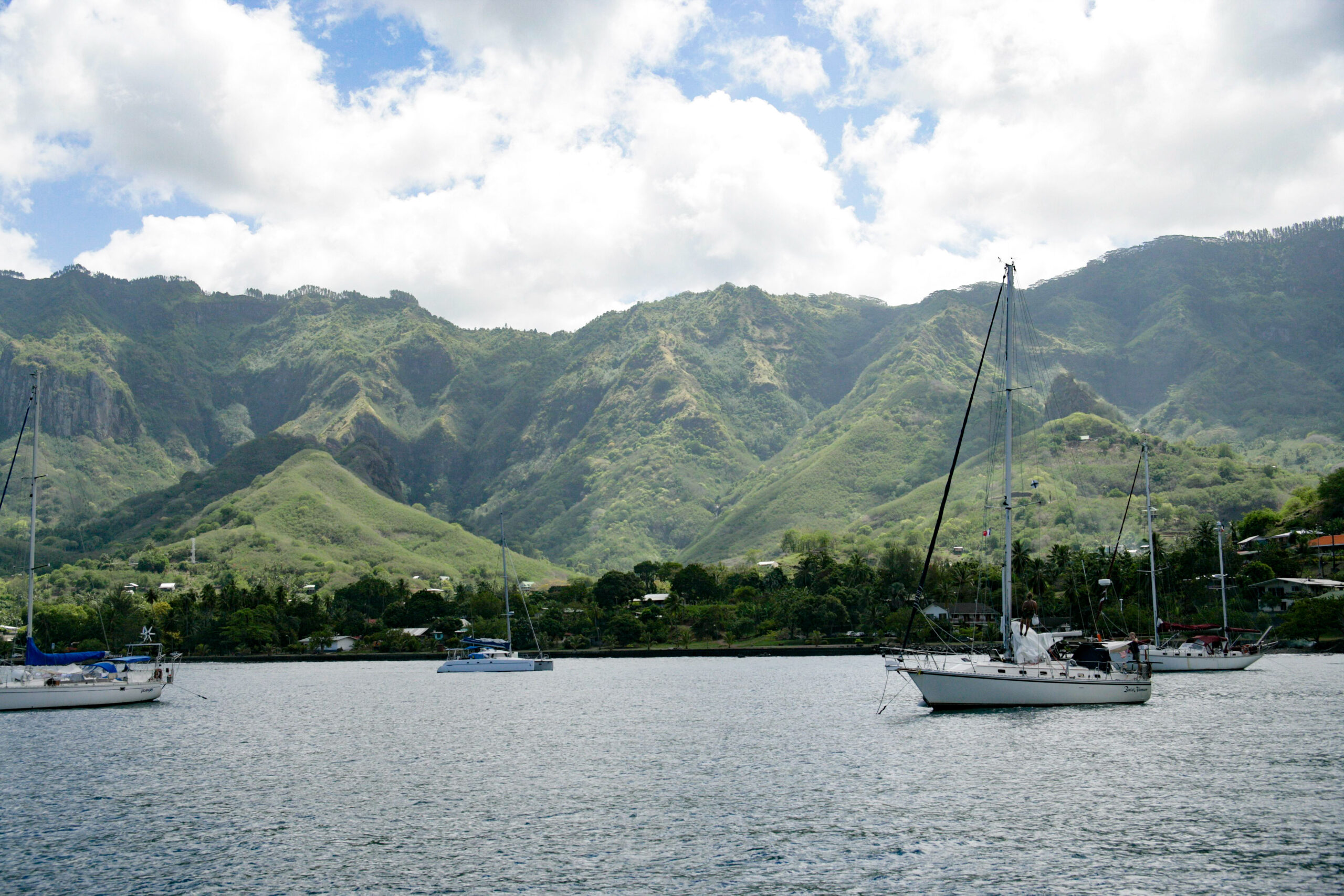
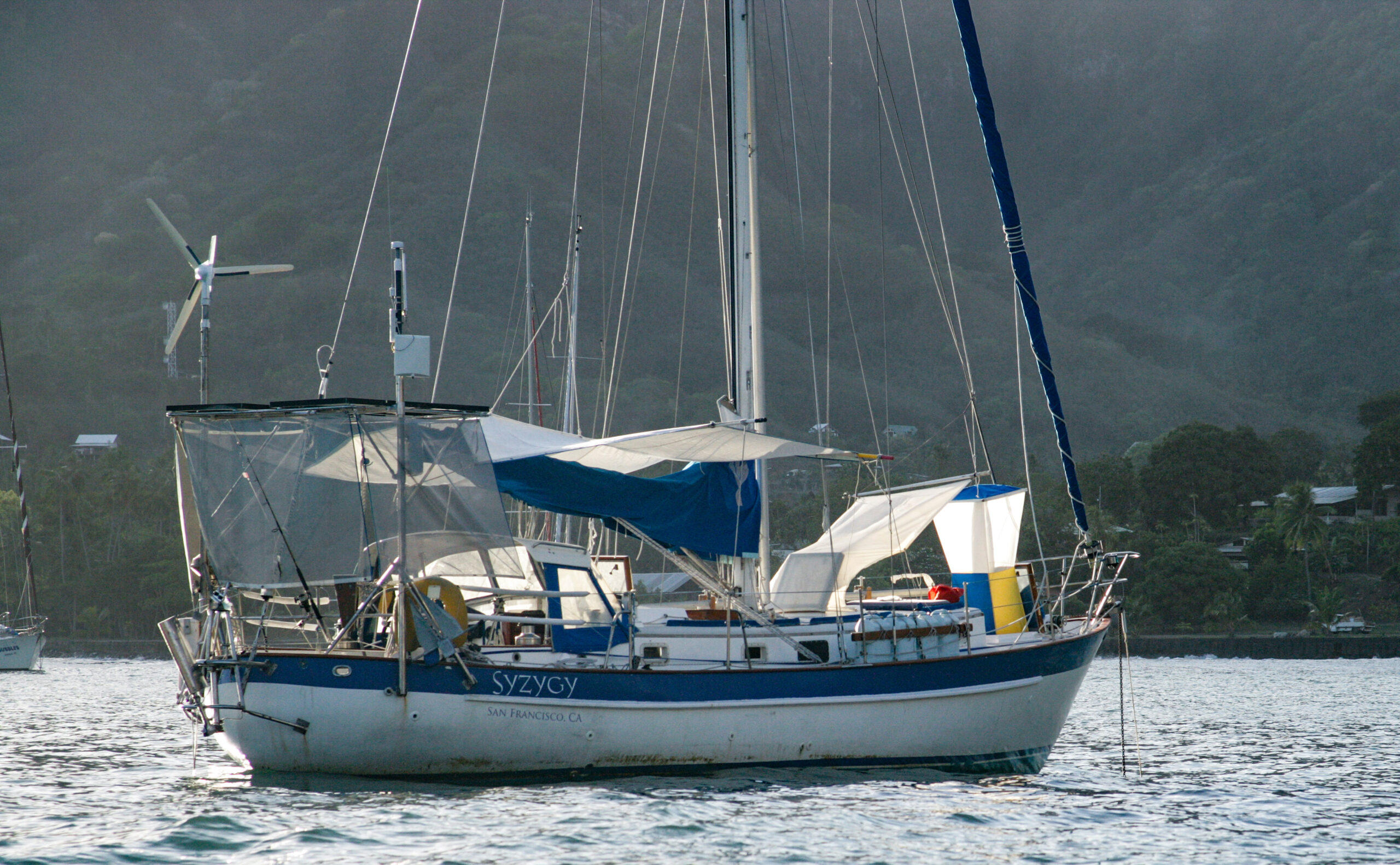
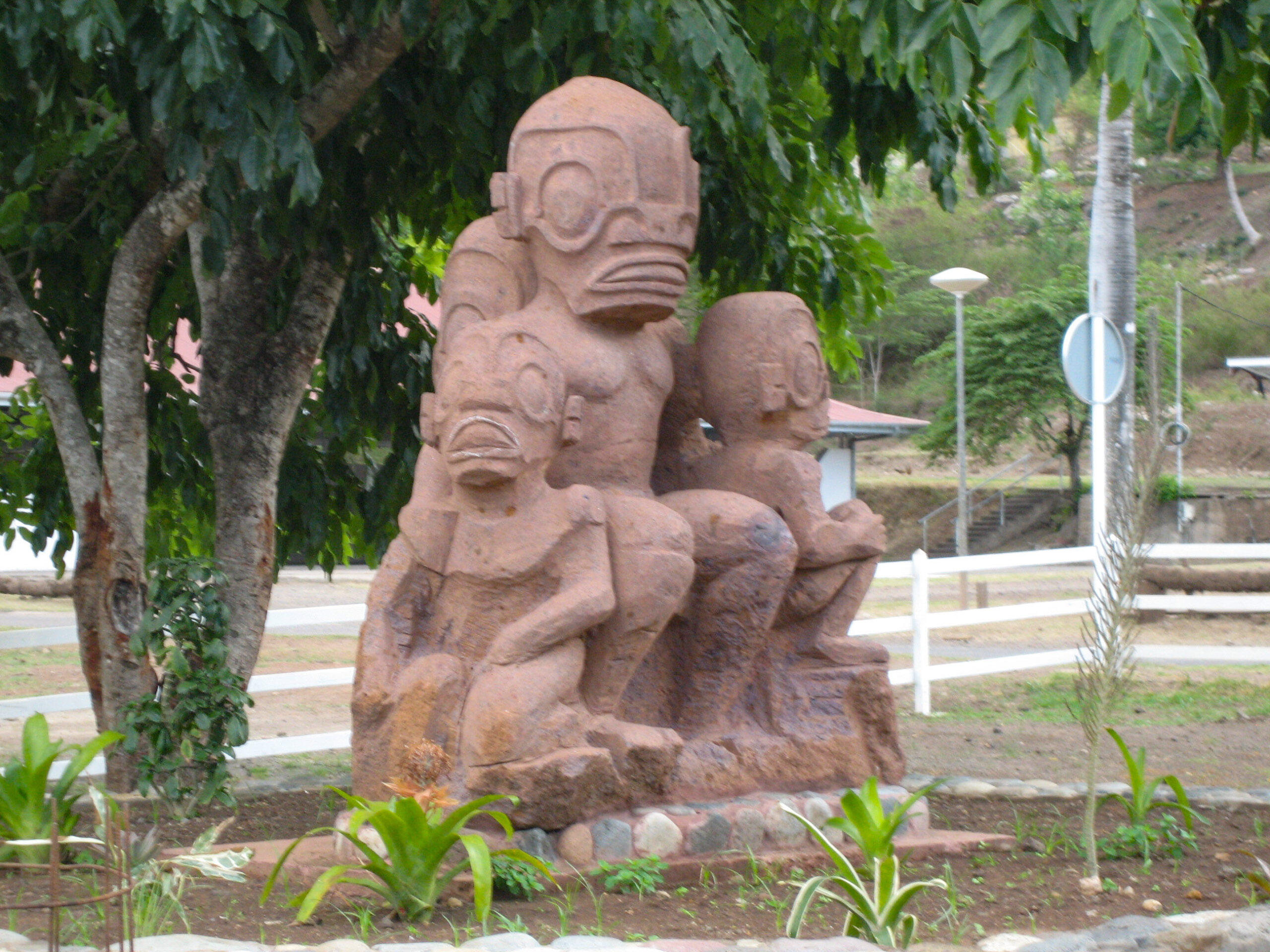
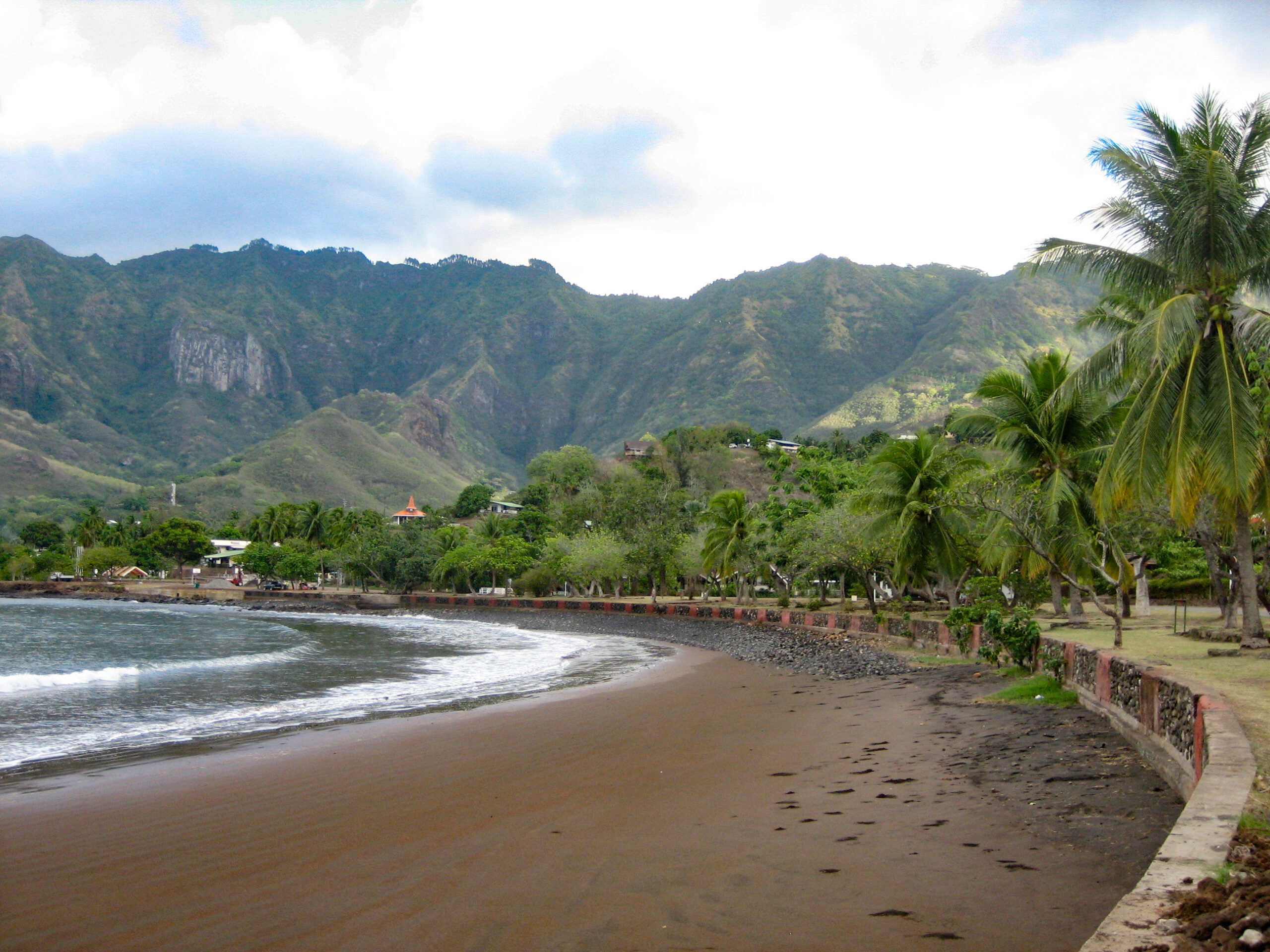
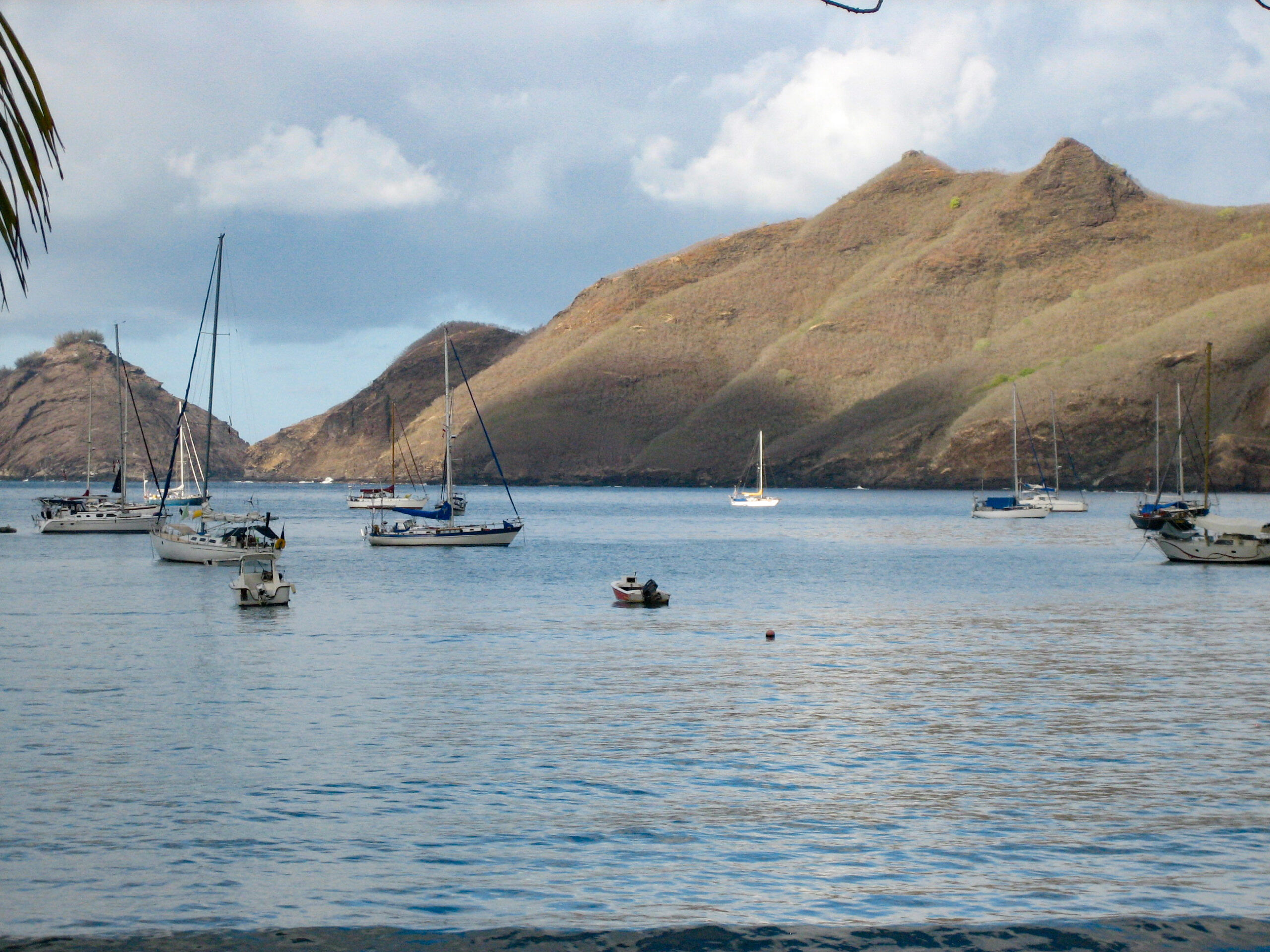
This must start with Jerome, who while not Tahitian, still must top the list of kindness that I have encountered here. Jerome is a couch-surfer. Or more to the point he has couch-surfed before and now, being in the land of Paradise, hosts other couch-surfers. I found him on couchsurfing.org, which I signed up on two days before my flight to Tahiti. He, and another couple both replied nearly immediately that I was more than welcome to stay at their place for a few days.
What an incredible resource! For all those travelers out there who say that want a more intimate experience, more contact and connection with locals, more exchange of culture, more of an insider’s view into some new place, I can’t think of a better way than by staying with someone who actually lives there. The experience seems so much different than staying in a hostel with other travelers. And while that also provide its own benefits, mainly an excited sense of immediacy to do as many things as possible now, I feel like you just can’t beat a local’s perspective and knowledge of the area.
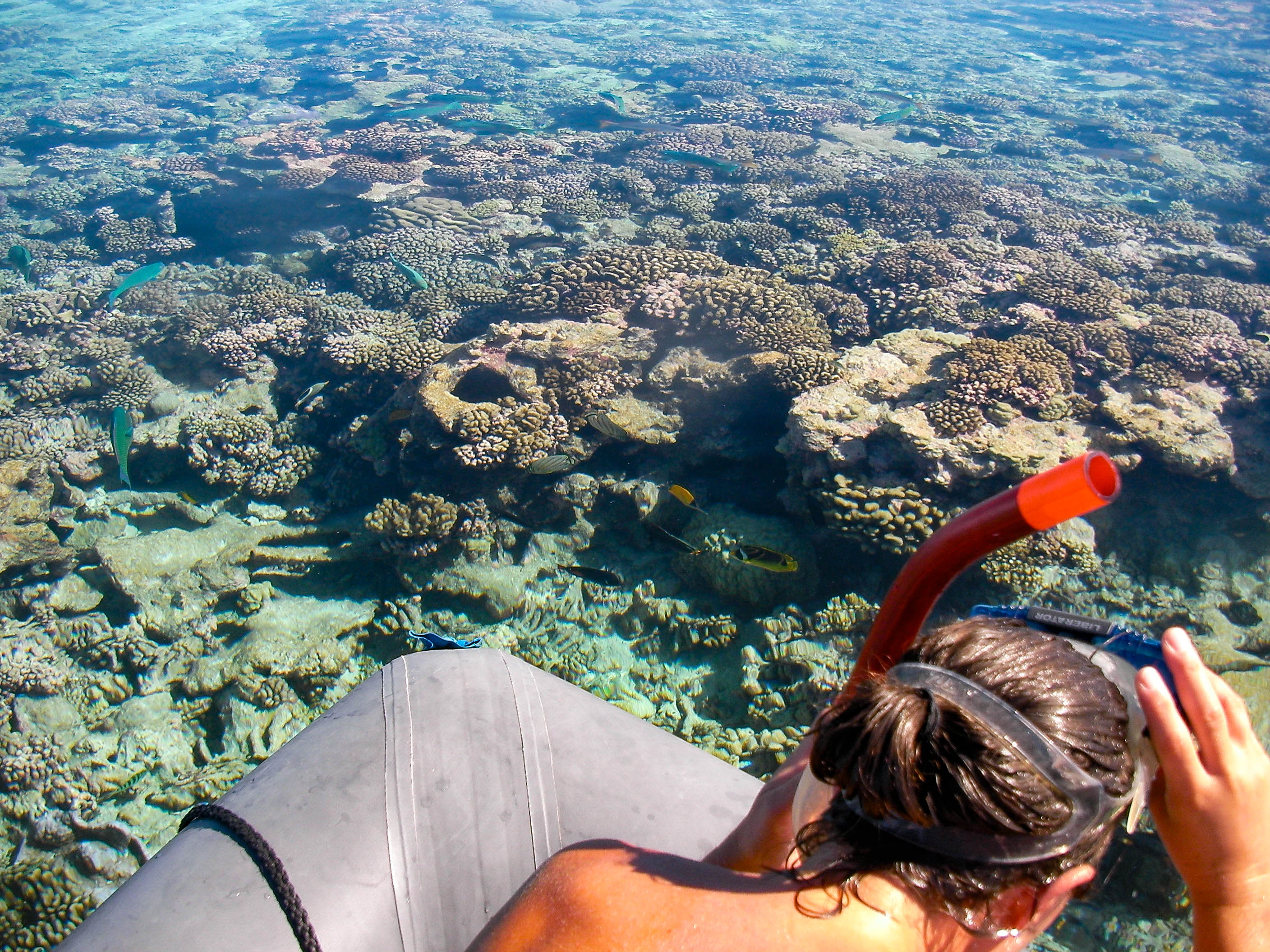
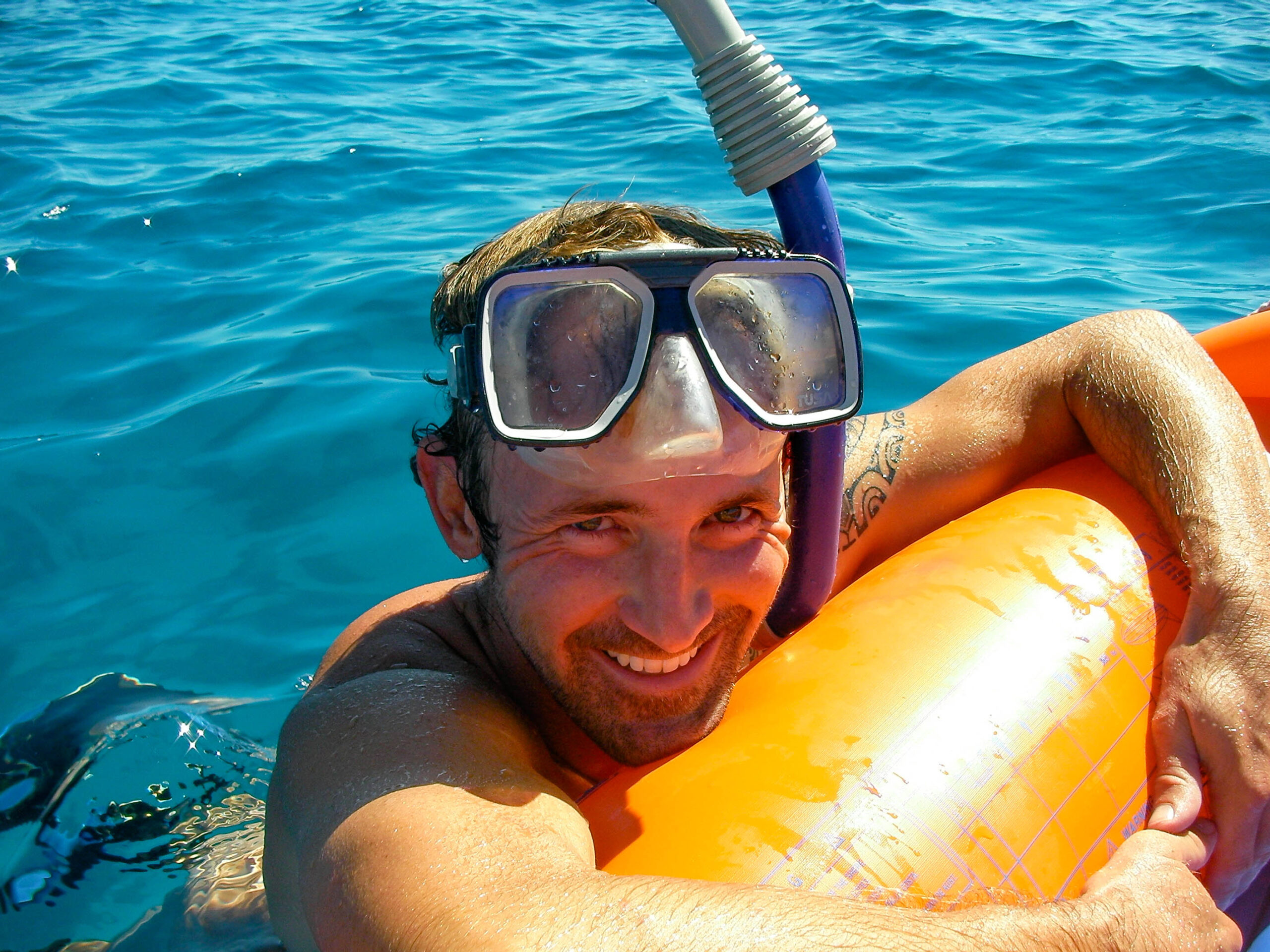
He has taken me to the beach, which interestingly enough, there are not that many of in Tahiti. The postcard beaches are mainly reserved for other islands. He provided me with snorkeling gear to use there, and my first time snorkeling in over a decade was fantastic. He didn’t join in because it was overcast and 80 degrees, instead of the usual sunny and 85 degrees. I told him he was spoiled and jaded.
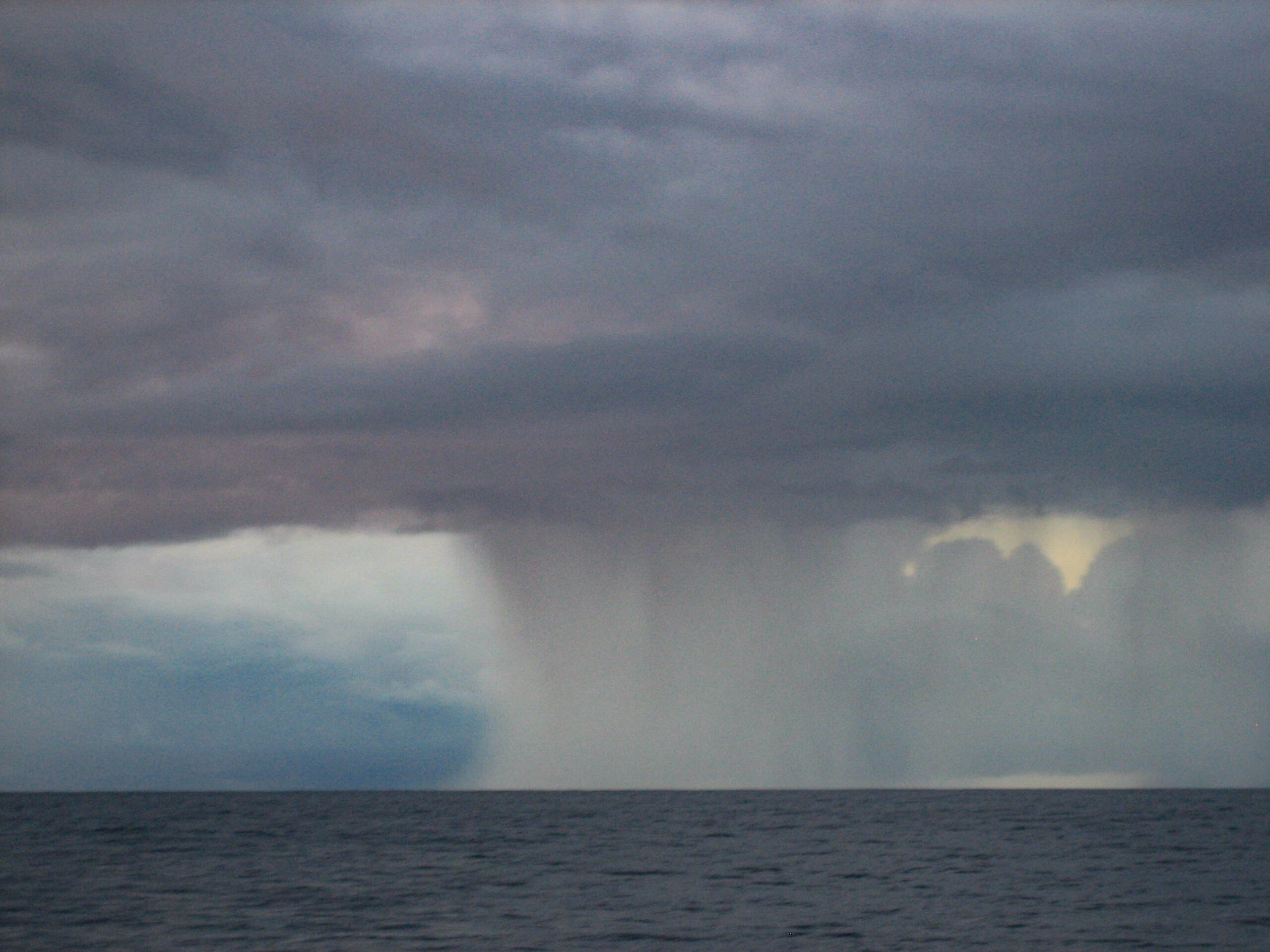
Jerome owns his own jet-ski and so despite another day of overcast weather, I think he sensed my excitement to go and so three of us went ripping out over the lagoon and into the ocean. It was in the ocean where it was truly fun, as Jerome piloted us over waves, jumping into the air and crashing down, more than once nearly knocking me off. And then on our return to his place he topped 80 km/hour, skimming the flat lagoon and plowing into the light drizzle that had started. Yes, even in paradise it rains. In fact it has rained every day I’ve been here.
So thank you Jerome, for a great start to my trip.
At the market yesterday, I wanted to buy some breakfast and eyed some bananas. I asked how much for two of them. Apparently however, you are supposed to buy them in bunches of 6 or 7 and I wasn’t up for that much banana. I smiled sheepishly as I tried to communicate, a poor attempt I’m sure as I know about two dozen words in French and no Tahitian. The young, pretty, Tahitian smiled back, and she waved that I could simply have them. Free breakfast! Thank you Tahiti.
At a pier-side cafe, watching World Cup Soccer, a few Tahitians struck up a conversation with me. Luckily they spoke English and we chatted about soccer, the weather (we had all escaped from the downpour that was deluging us) and Tahitian life. They asked many questions about my trip and I tried my best to make myself understood. It would be very nice to know how to speak French.
They also told me, much to my chagrin, that the cargo ship I am taking today may or may not be leaving. Apparently there is a strike going on with the fireman and some dockworkers. I knew this, actually, as when my plane was above Tahiti they came on the intercom and said they were trying to negotiate a landing for us. Negotiate a landing for us!?!? Not exactly what one wants to hear when circling your destination.
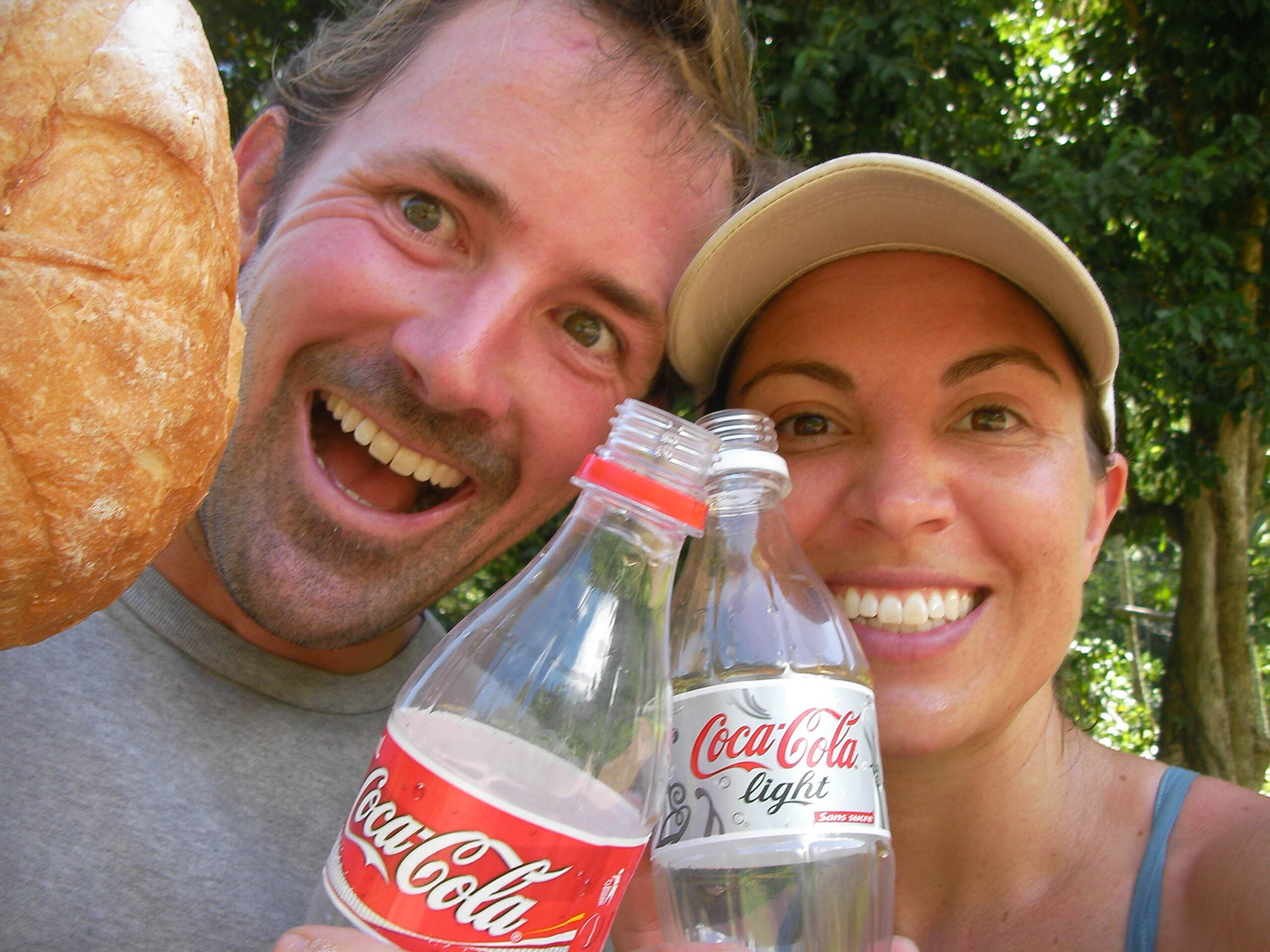
A short time later, my bill for my coffee disappeared, and in it’s place was another one, again with no bill. Timmy and Joe had picked up my coffees and were now offering me donut-like rolls, insisting I take not just one but three or four. I had to accept. A couple of minutes later, I asked them how to eat some strange small fruit I had bought a couple dozen of from the market. They laughed when I motioned in question as to whether or not I could bite into it. No, no, you must tear it open and the fruit was inside. They kindly turned me down when I offered them some, happy to simply give and not receive. Tahitian kindness. Thank you Tahiti!
For the last three days, I’ve slept in a bed (incidentally a step up from the floor that I’ve been using for the last four months) and when I wake up, I shower and then have coffee made in a kitchen with a fridge where I pull out some Gaia apples from New Zealand. I choose those over the California varietals. It just wouldn’t have seemed right.
I’ve gone into town and been able to buy generally whatever I want. There is a grocery store two blocks away. Walking to town, I pass a Porsche dealership, an auto-supply store, and a Fed Ex. I know where the ACE hardware store is. The drum of traffic is ever present as cars race by, and the hint of pollution hangs in the air. The air overhead buzzes with planes.
The TV is on in front of me. It’s a flat screen. The computer next to it is constantly hooked up to the internet and so I have non-stop access to email.
This morning, I watched World Cup soccer in a restaurant while drinking a European style coffee with a thoroughly American style Starbucks price. I played poker until 1 am two nights ago. I lost. Badly.
Some things, it seems, never change no matter where you are in the world.
I am not however, in Denver despite how similar all of the above experience might seem to the humdrum of my previous life. I am in Papeete, Tahiti.
Tahiti is geographically almost as far from Denver as possible. Likewise, my life now is nearly as far away as can be imagined from about a year ago. The last year has been an incredible roller coaster. I have been assailed with many difficult situations, happiness, depression, intense disappointment, renewed appreciation, lost relationships, and much to my delight a resurrection of another one I had long thought dormant or gone. Like a roller coaster ride pulling back into the station, My life has come full circle and I am once again about to join this sailing adventure we started planning now five years ago. Six months, a year, two years, forever…. My mom I’m sure does not want to hear the latter, and to assuage her trepidation, I can’t imagine it either.
The year long roller coaster ride, however, had its affect, its ride while intense, has been emotionally exhausting, taxing. Lately I have become nearly singularly focused on the transition from one ride to another, from one chapter of my life to another. I’ve spaced out in conversations with friends, lost in reflection on the past year, and truthfully in moderate disbelief of what the next year might hold. I am fond of saying right now that I am as happy as I have ever been, and what I have rediscovered in the last month has contributed to fairly well cementing that to be true.
I have not emerged unaffected, however from the year long roller coaster ride. I told my dad I no longer have the feeling of unencumbered happiness. He liked that phrase. It is something between guilt, which is a terrible word to describe it, and quiet reflective pensiveness and appreciation of how my reality has settled and I have thus landed in Tahiti. When you look at a baby or young child you can see that unencumbered happiness. Bliss. Now my happiness, while great, is more quiet, silently acknowledging that much happened which was out of my control to bring my here. I suppose I am trying to respect that for the first time in my life, true sadness played a role in my being where I am in life, and that deserves acknowledgment from me.
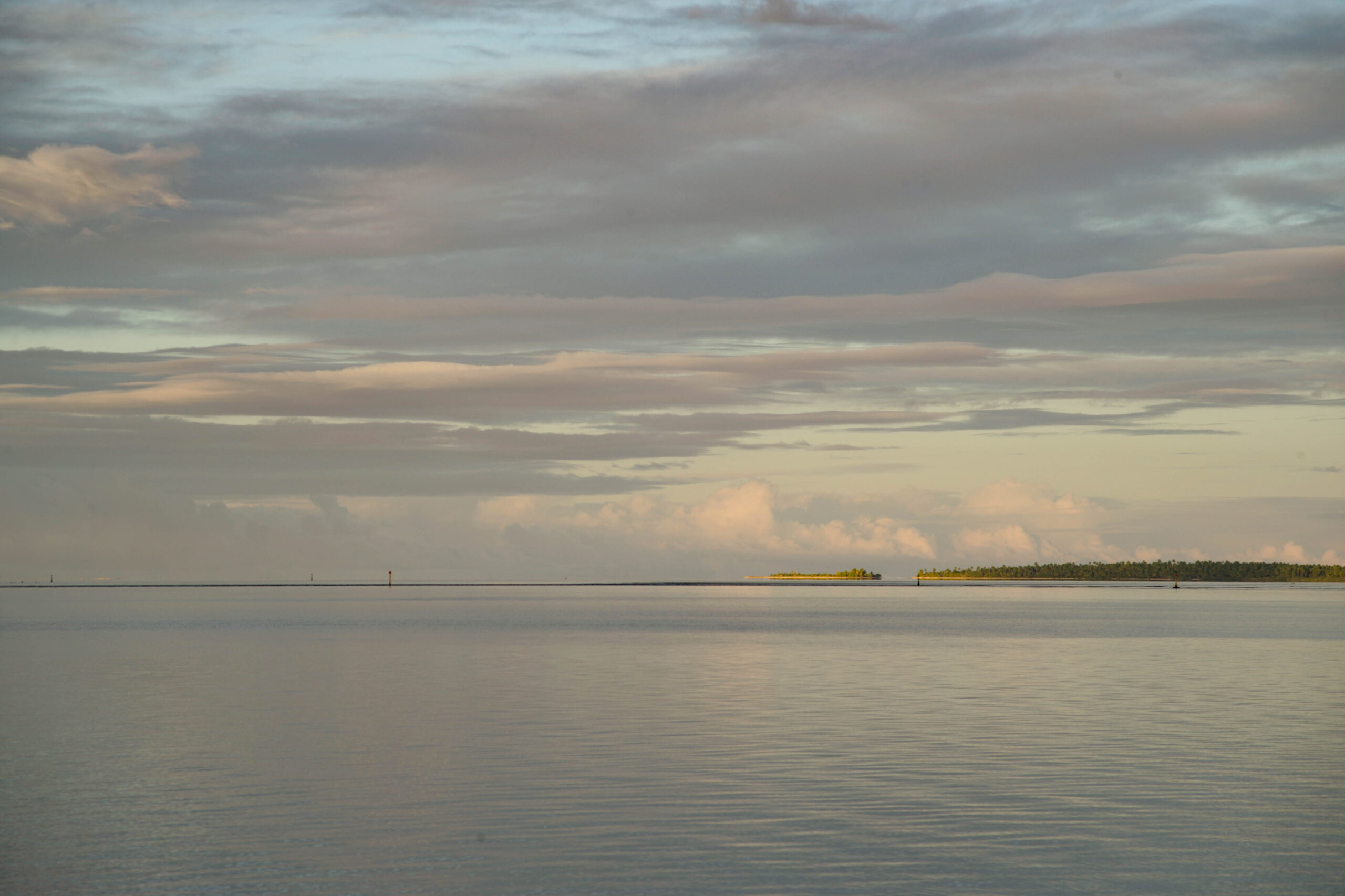
After three days in Papeete, today I begin to travel to Fakarava. In the Tuomotu’s internet connection is effectively non-existent, and so I am jealous of boats like Io who are able to update their blogs from their boat. Trust that I am writing frequently and prolifically, but updates may be slow in coming until we return to Tahiti, about a month from now I believe. Now I must go catch a cargo ship!
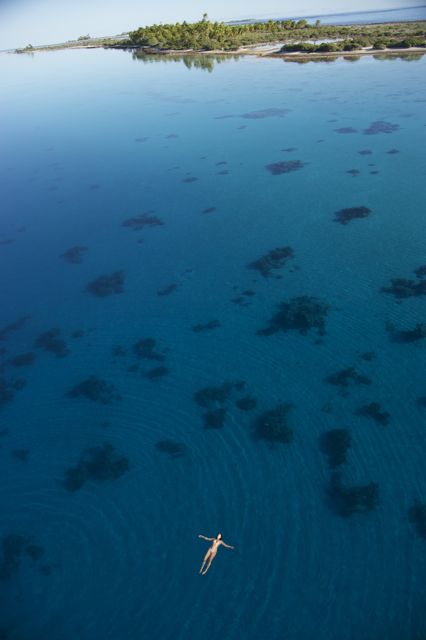
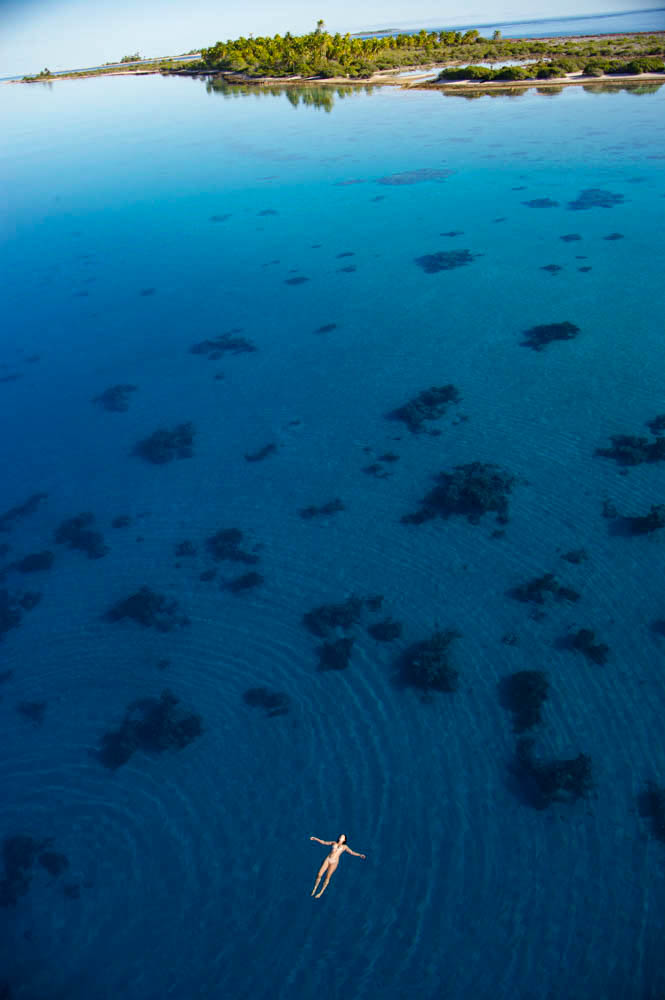
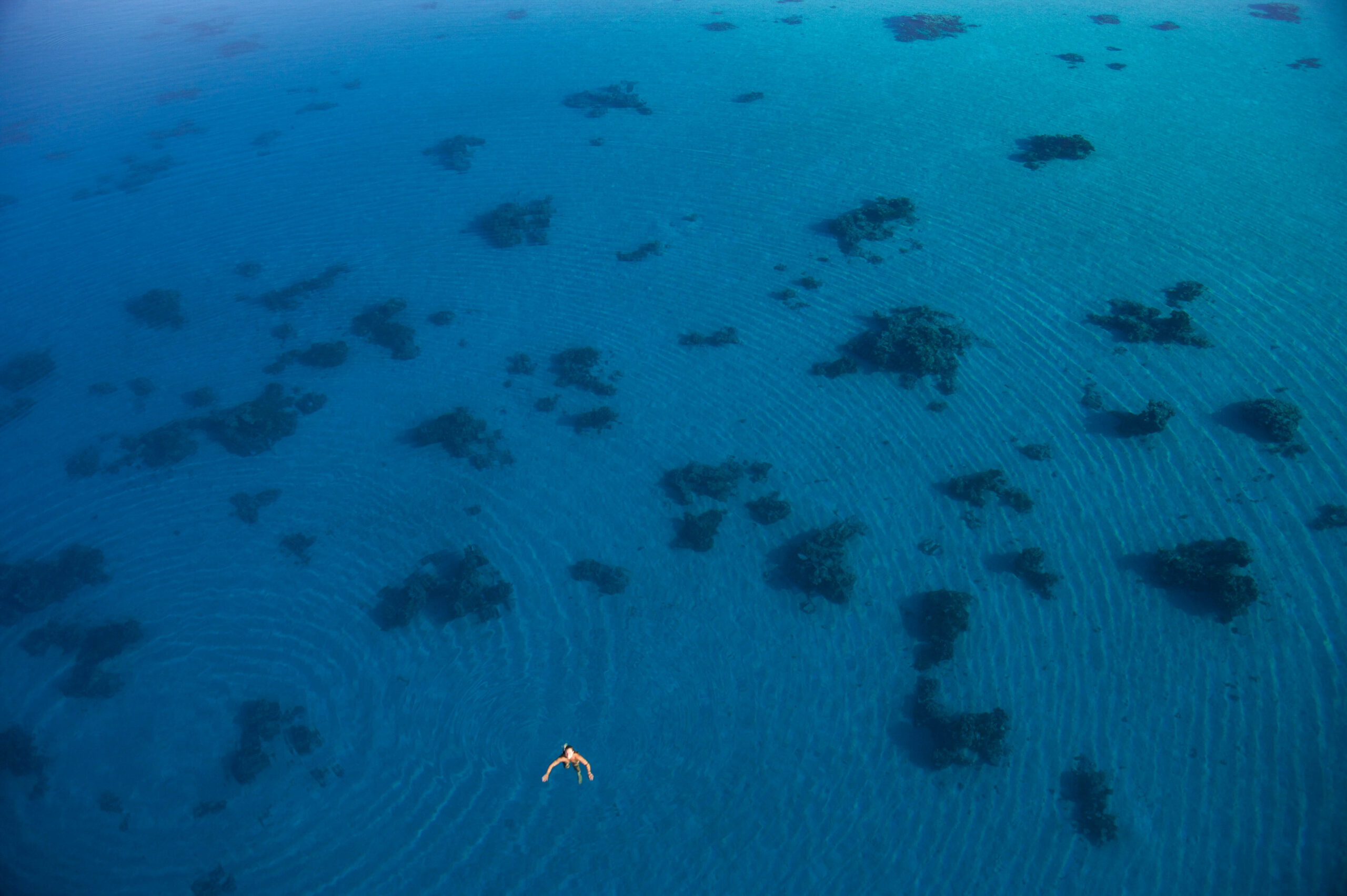
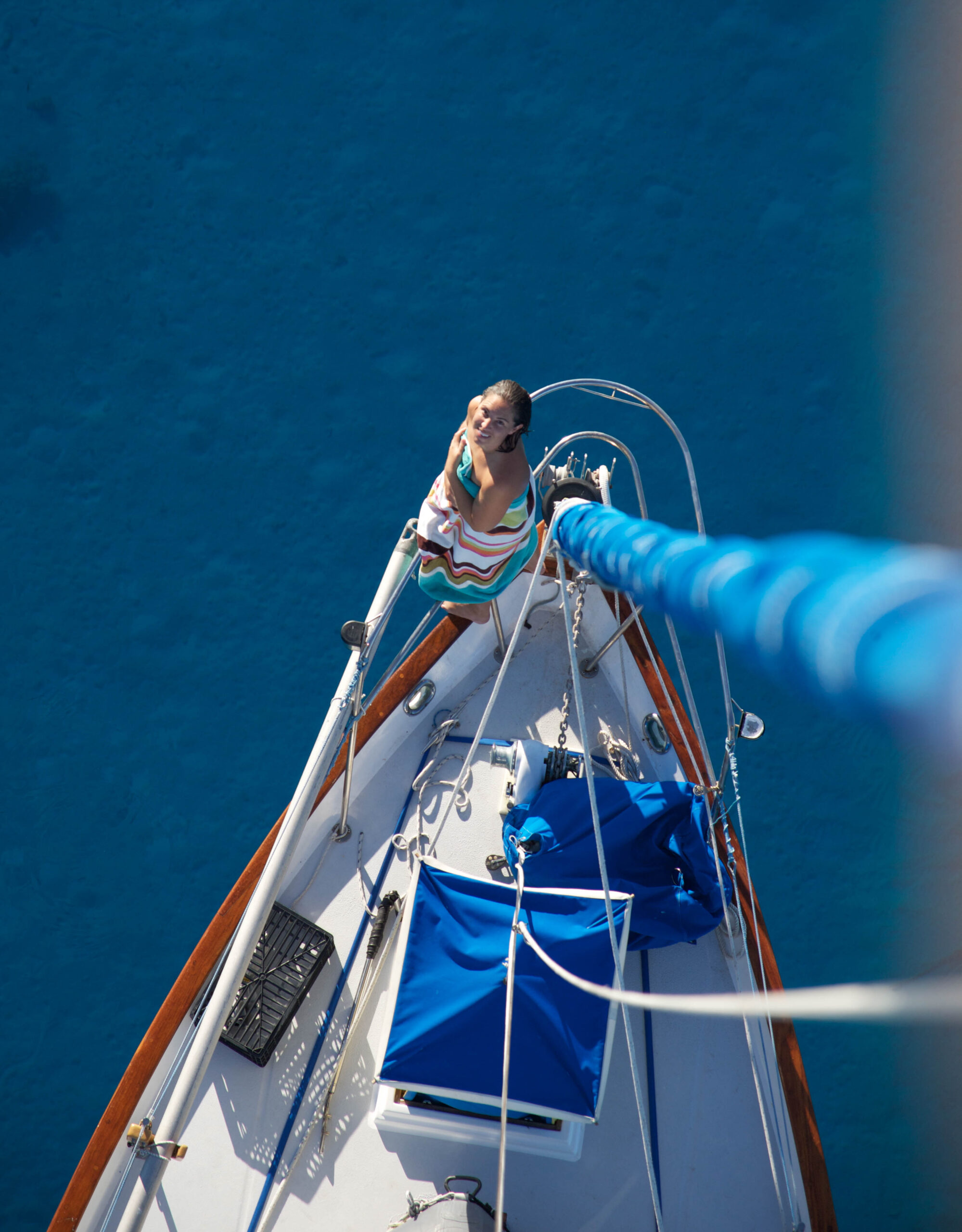
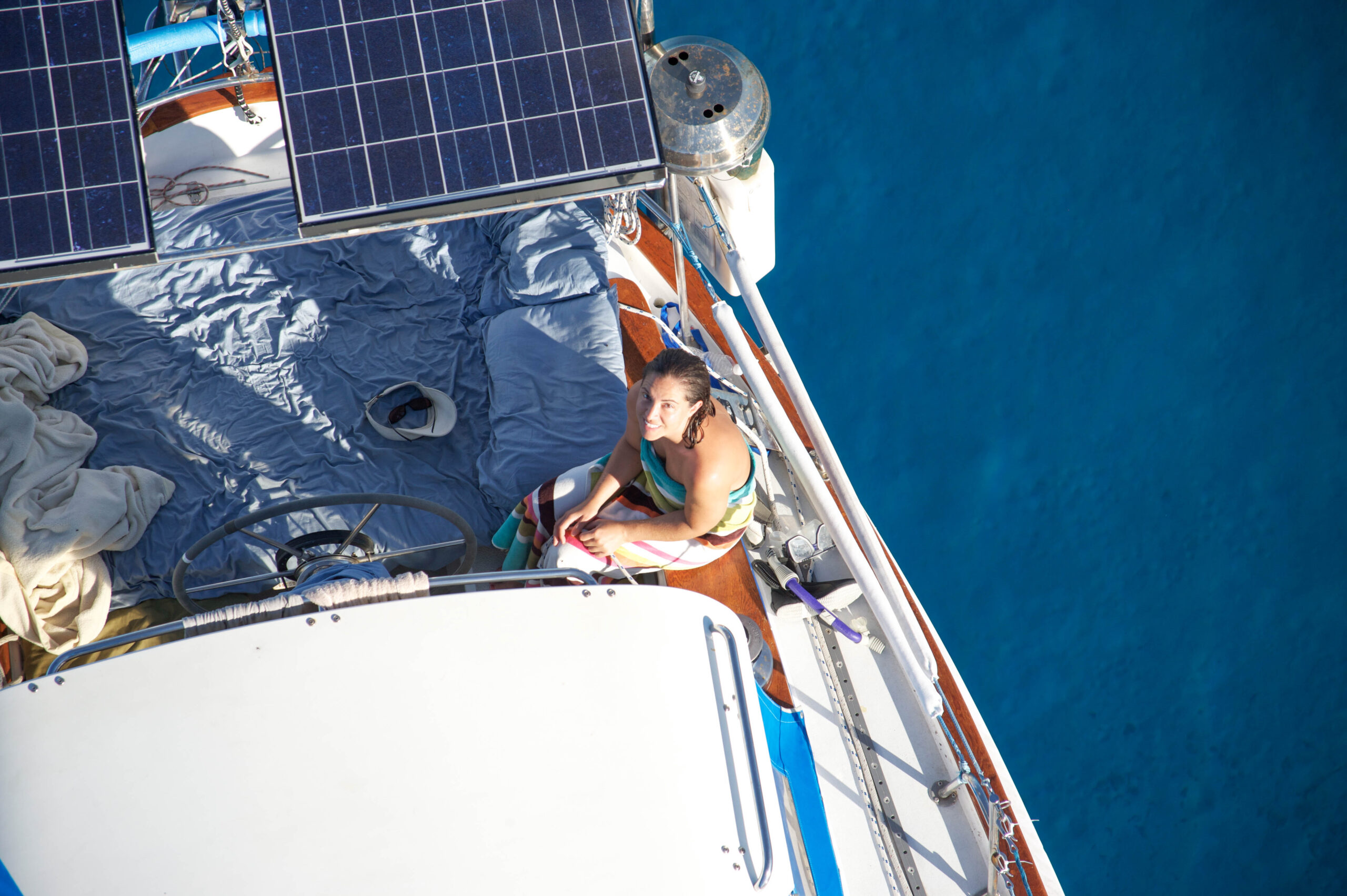
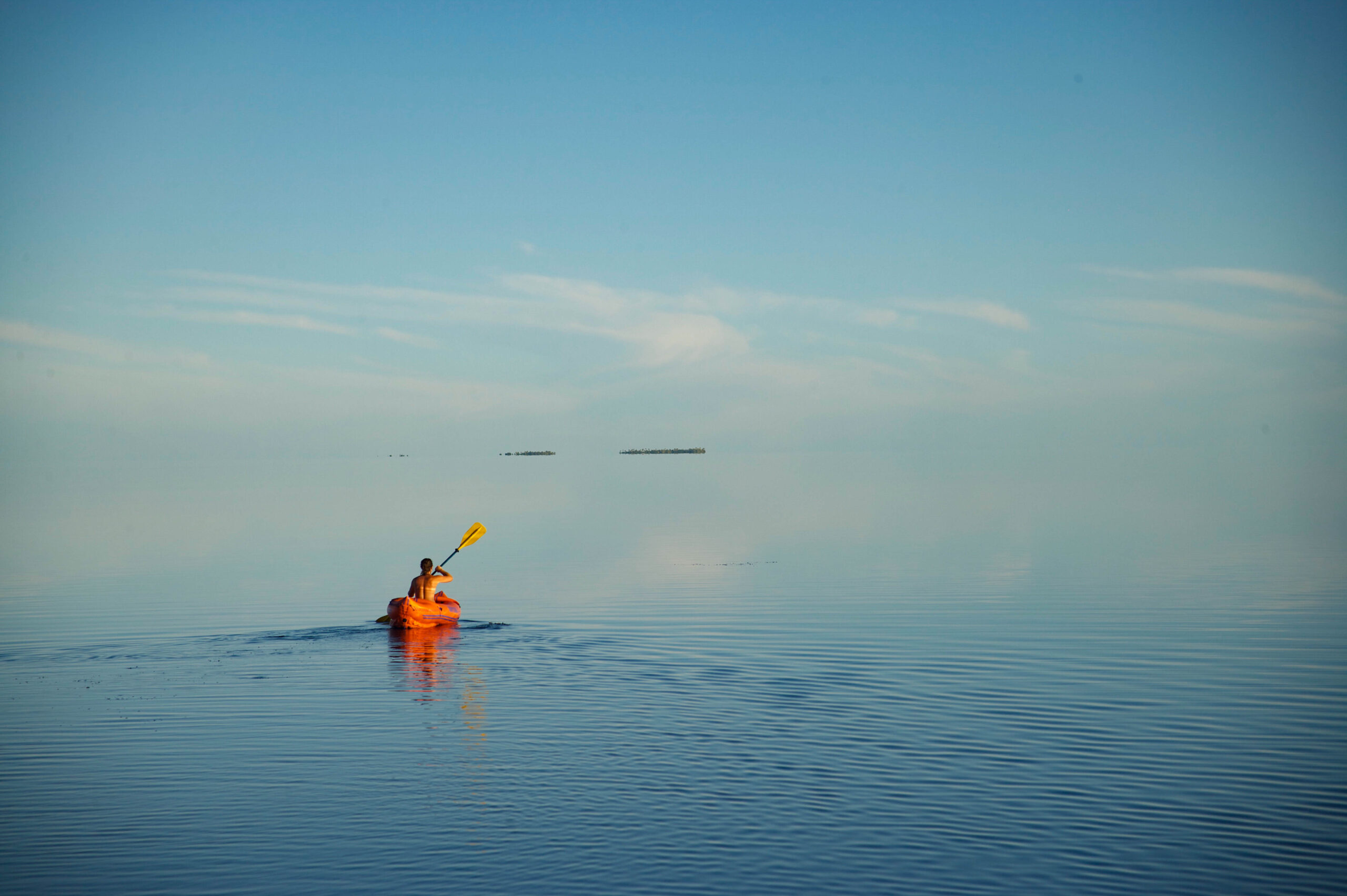
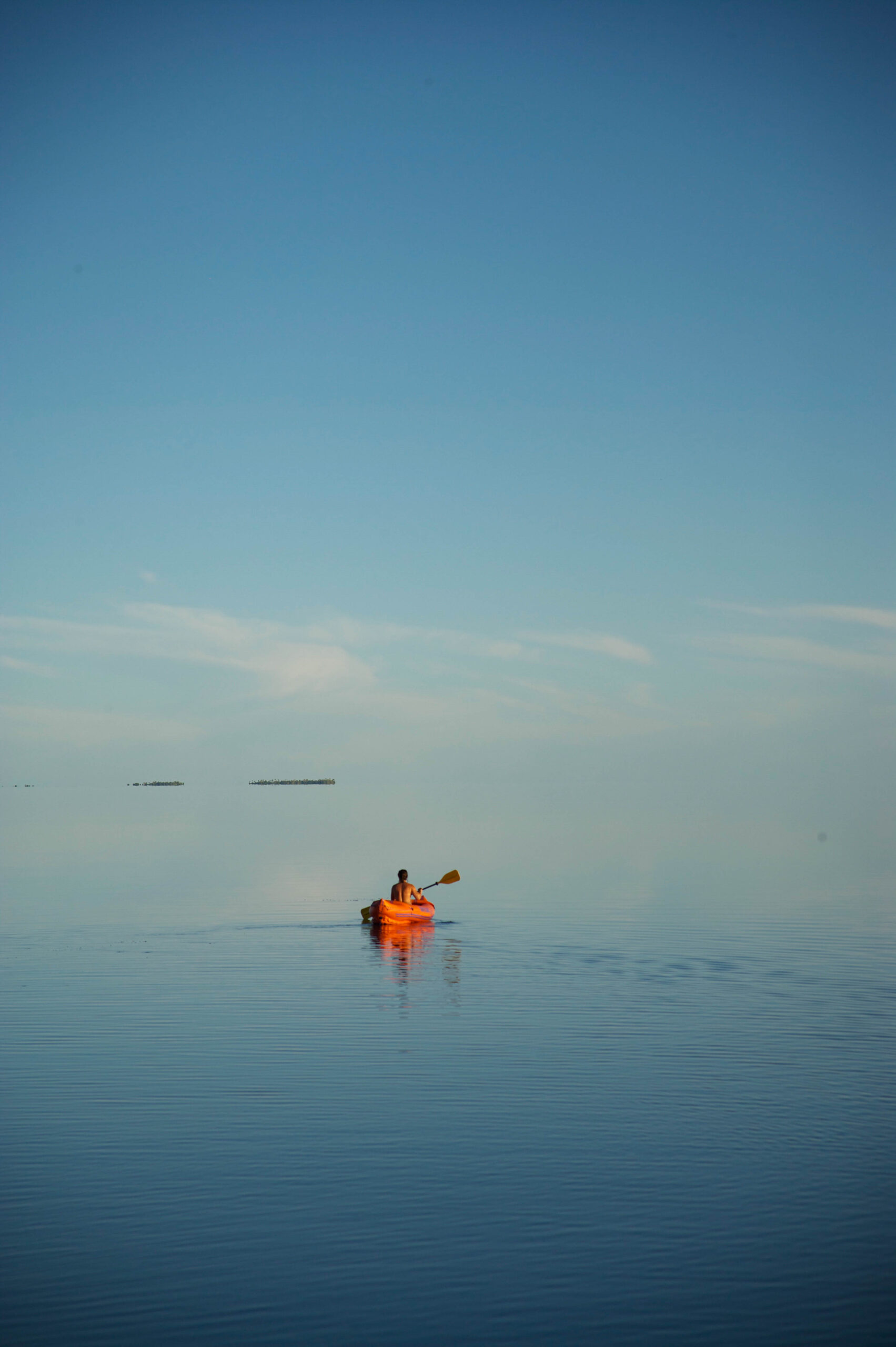
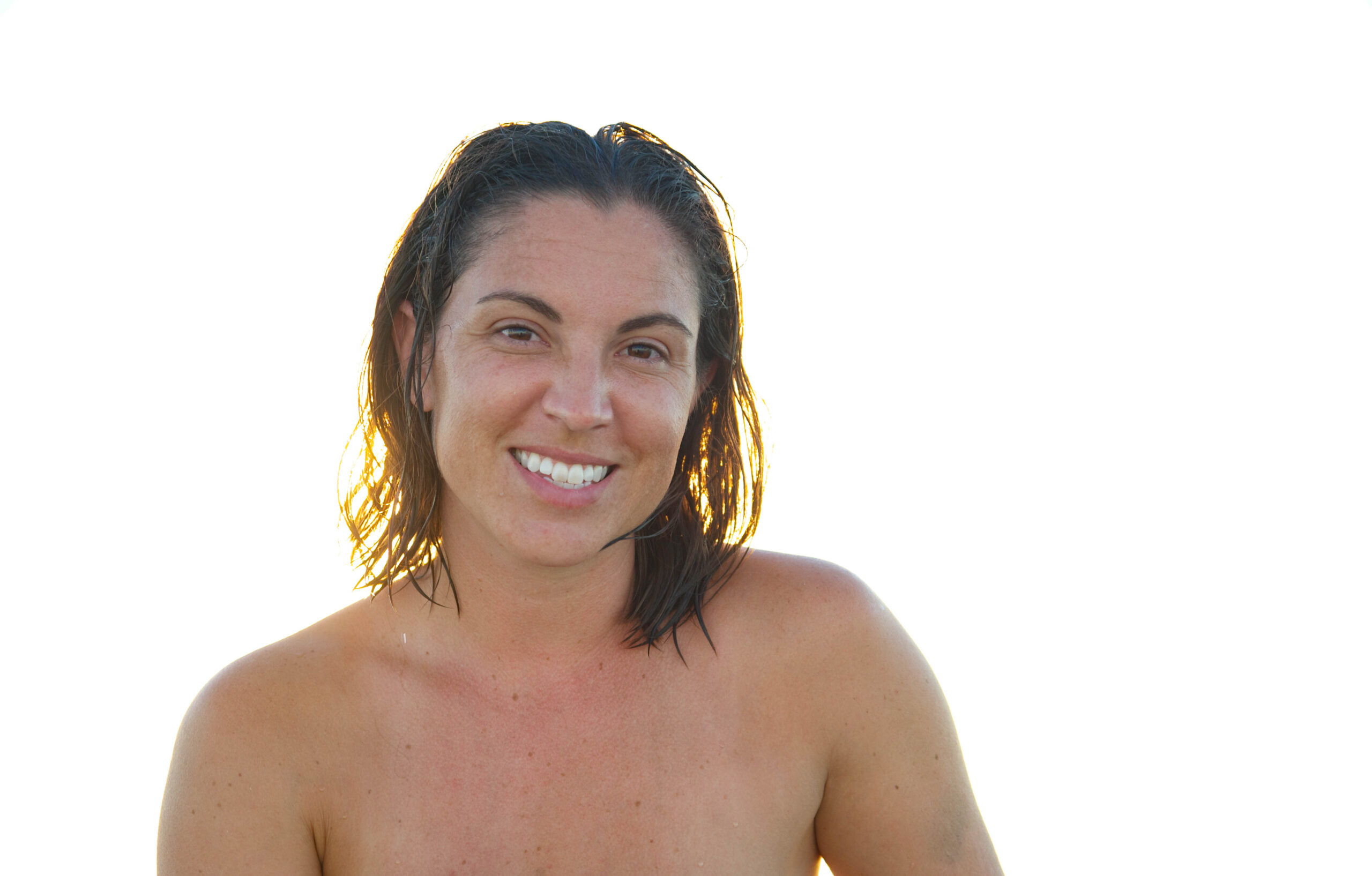
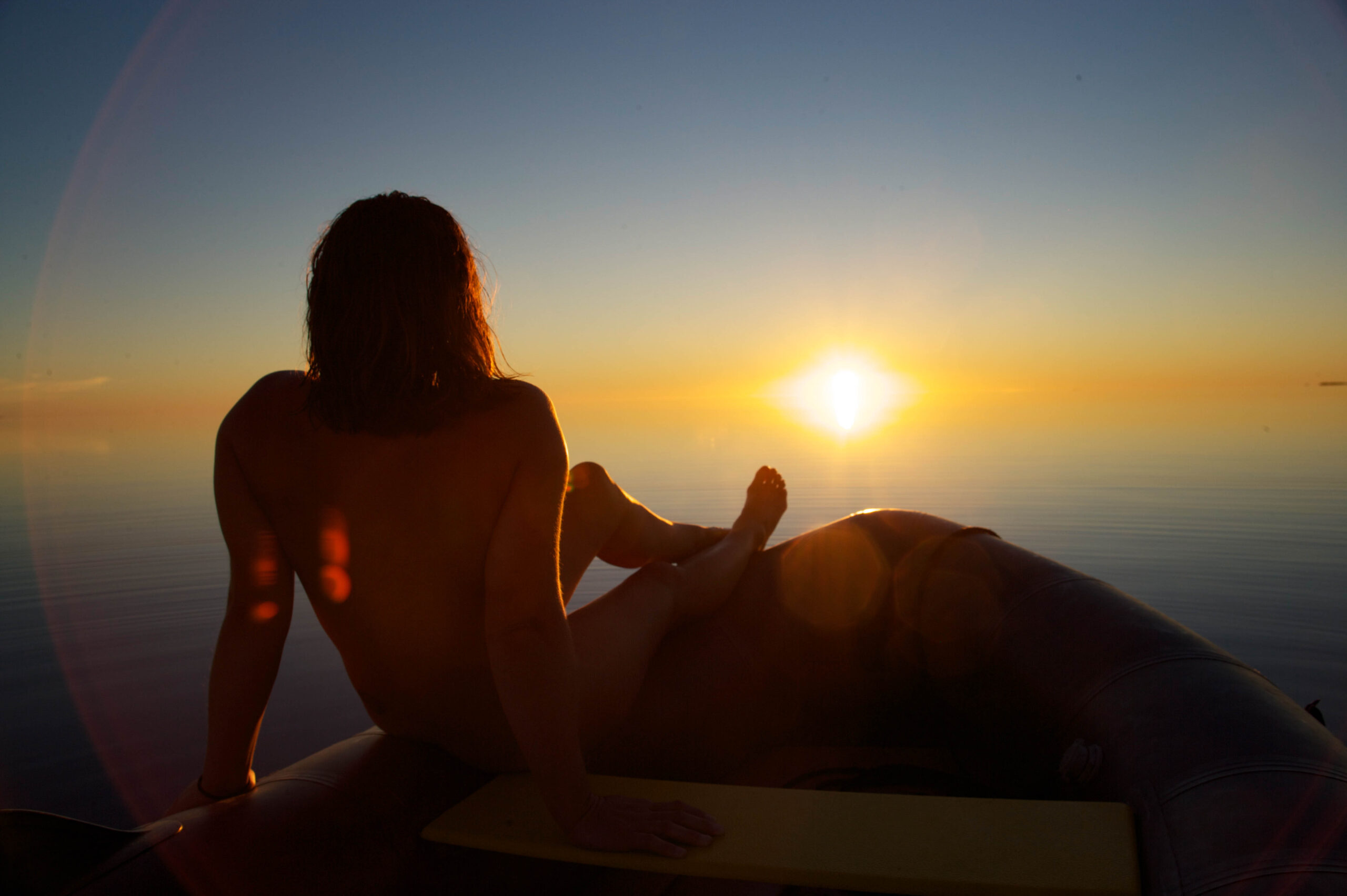
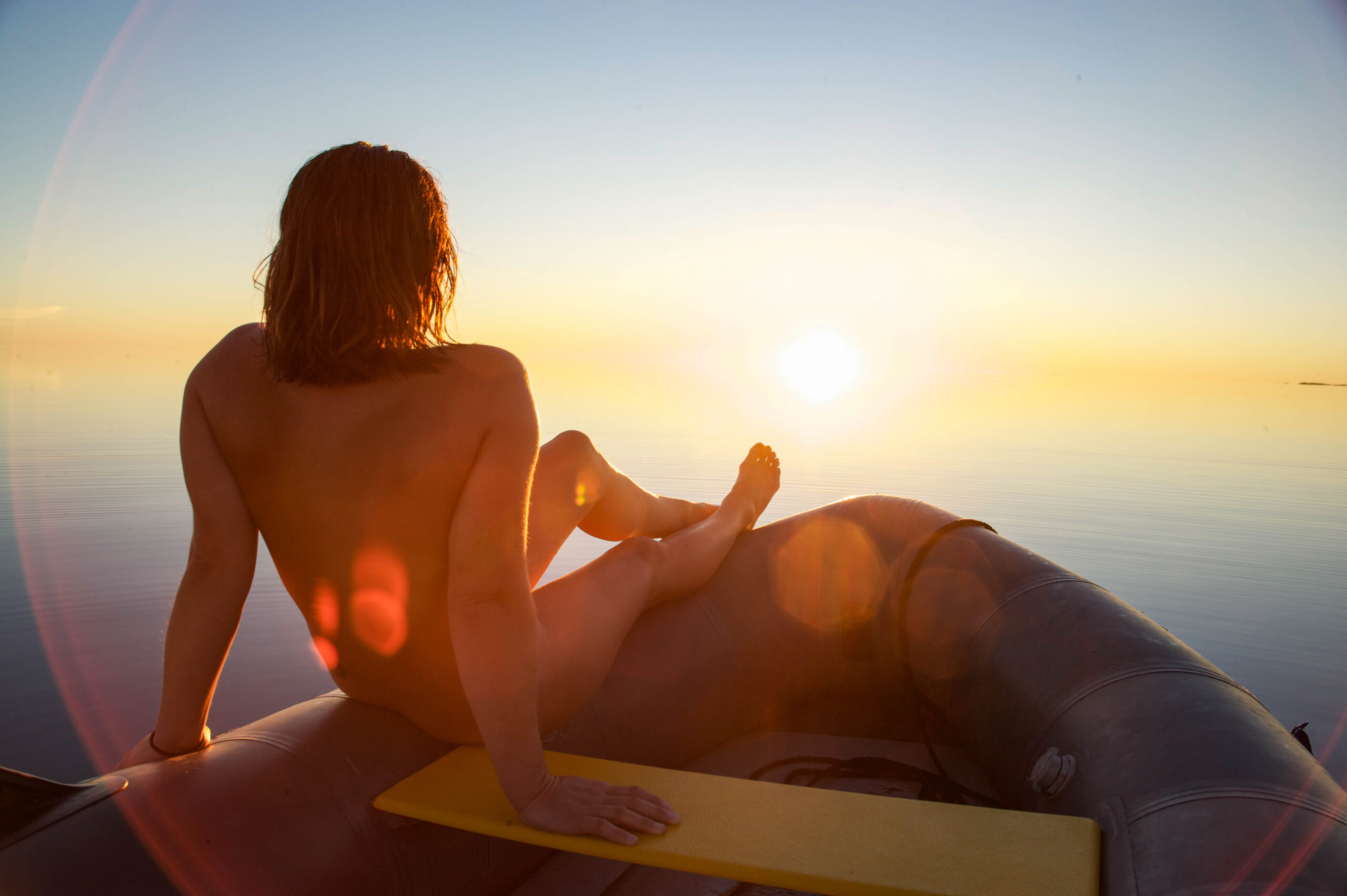
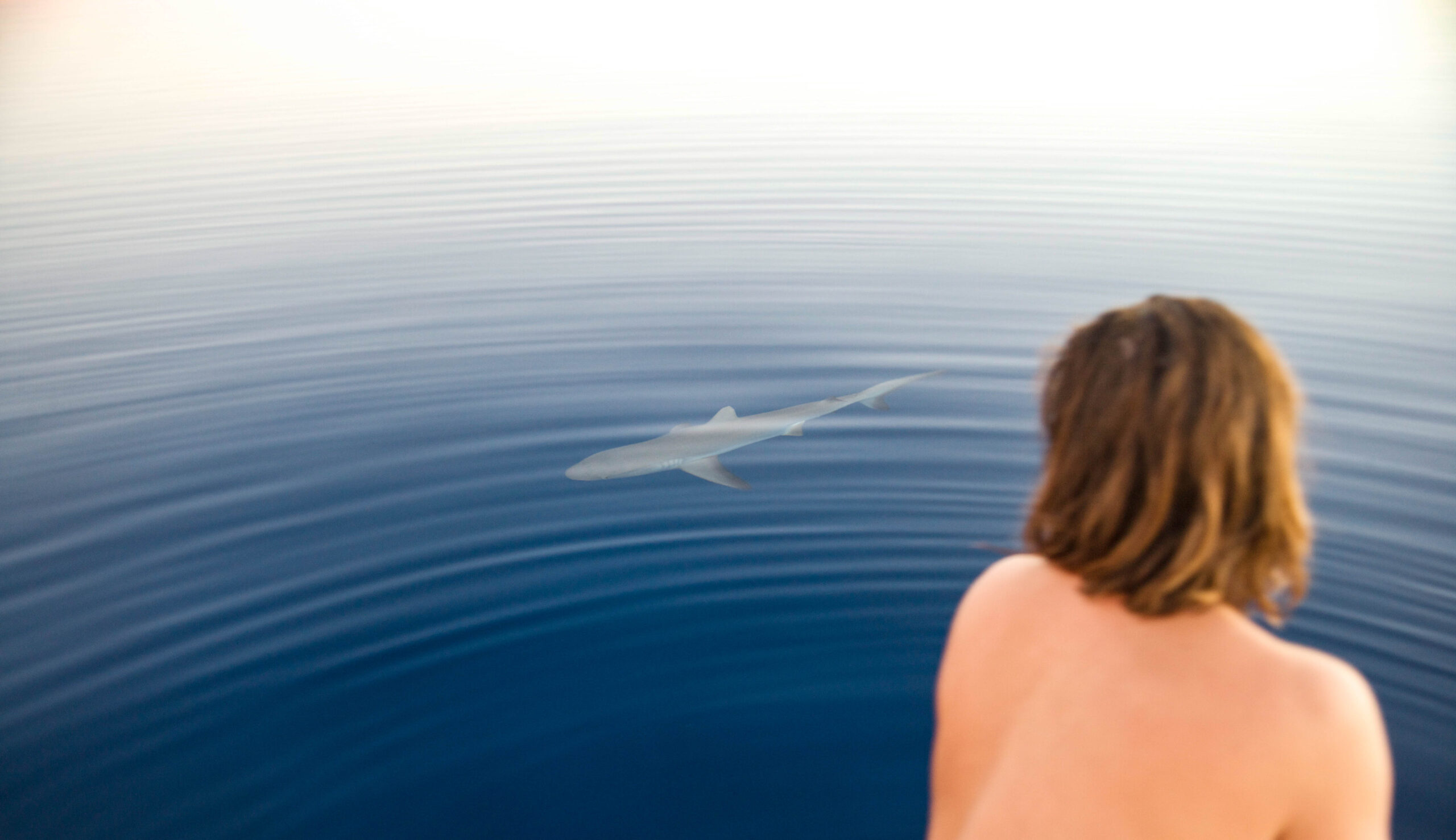
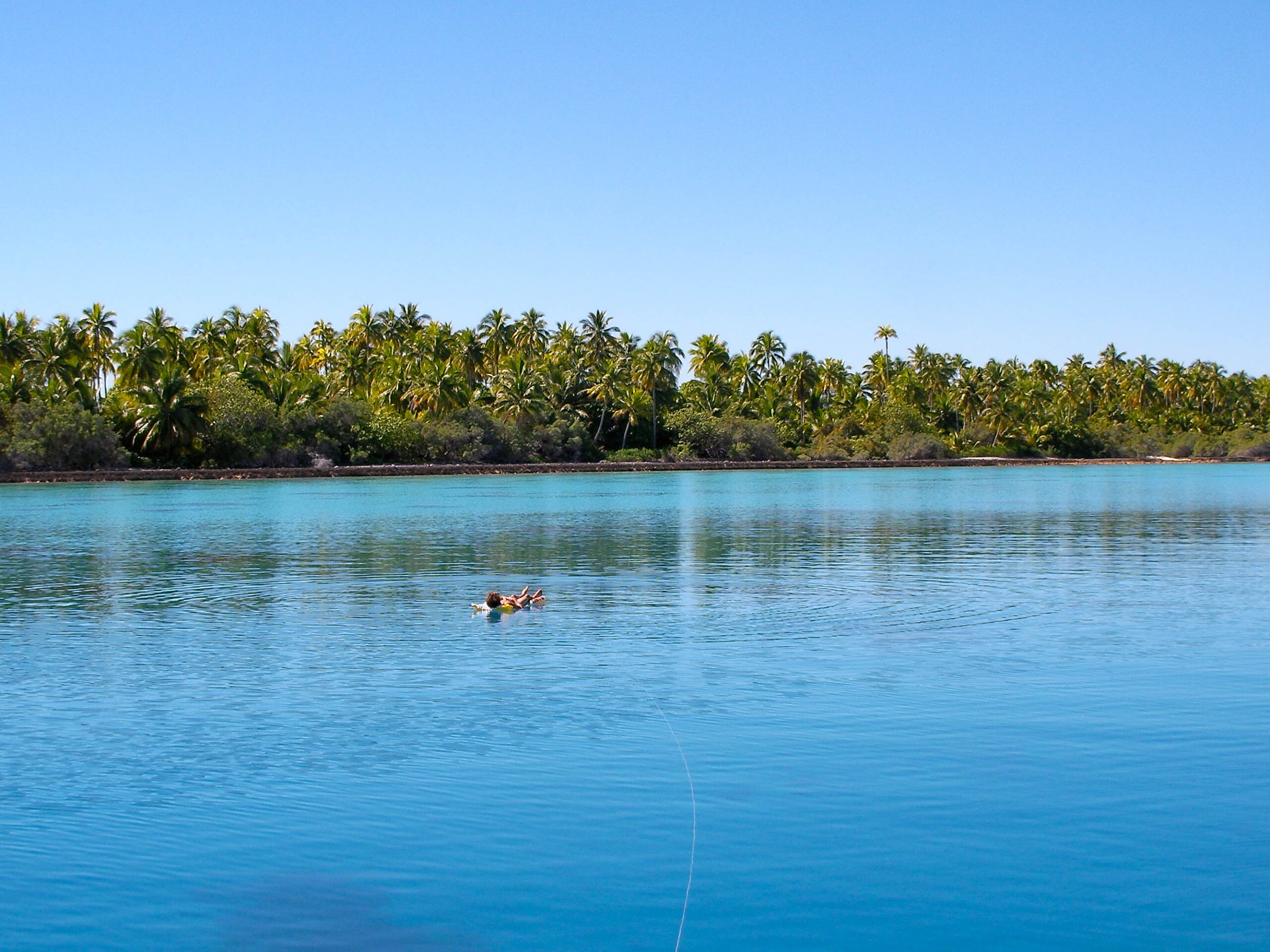
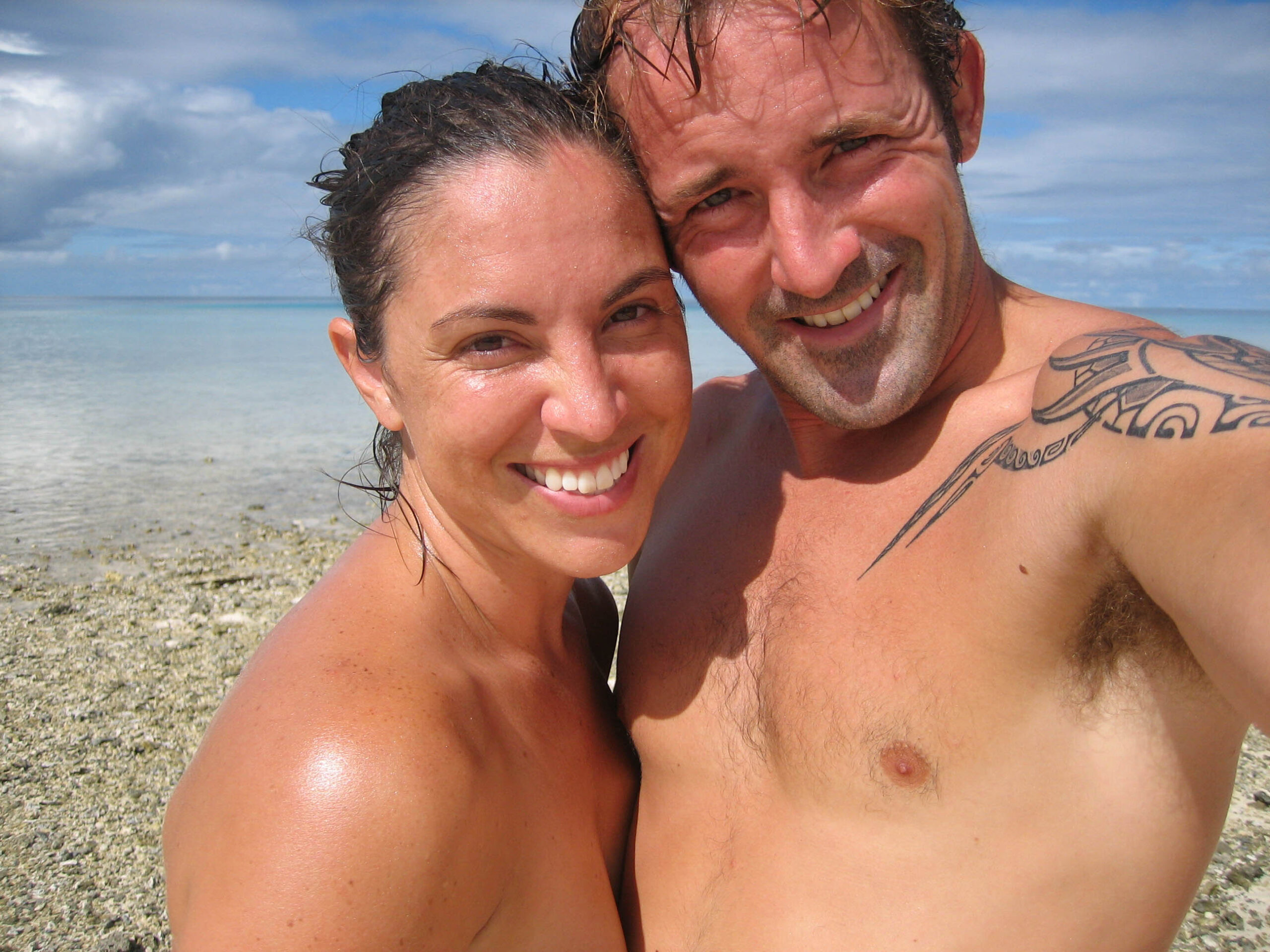
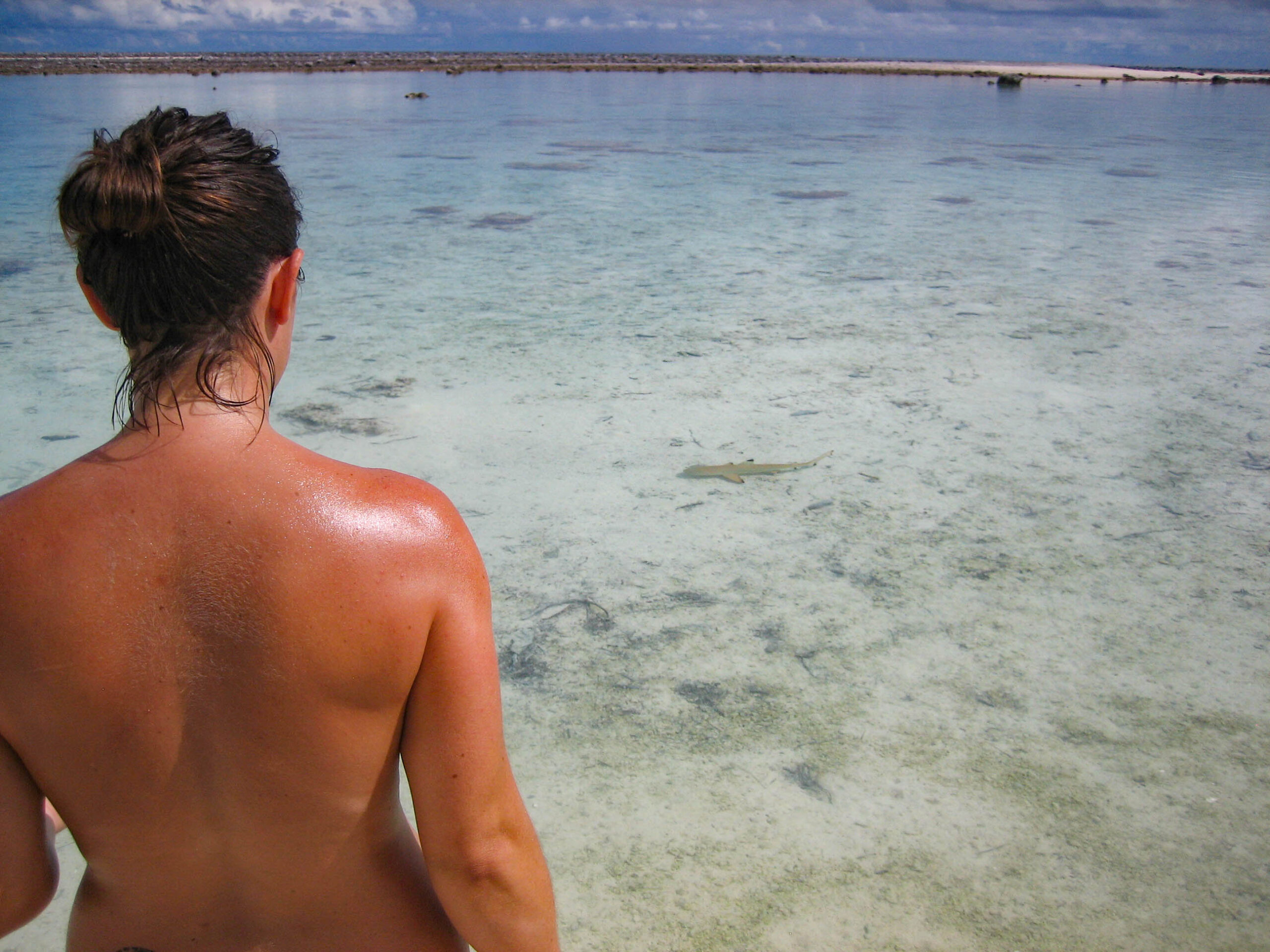
. . . a naked girl floating in a crystal clear lagoon with no other humans within 50 miles!
POST DATED
(written 6/12)
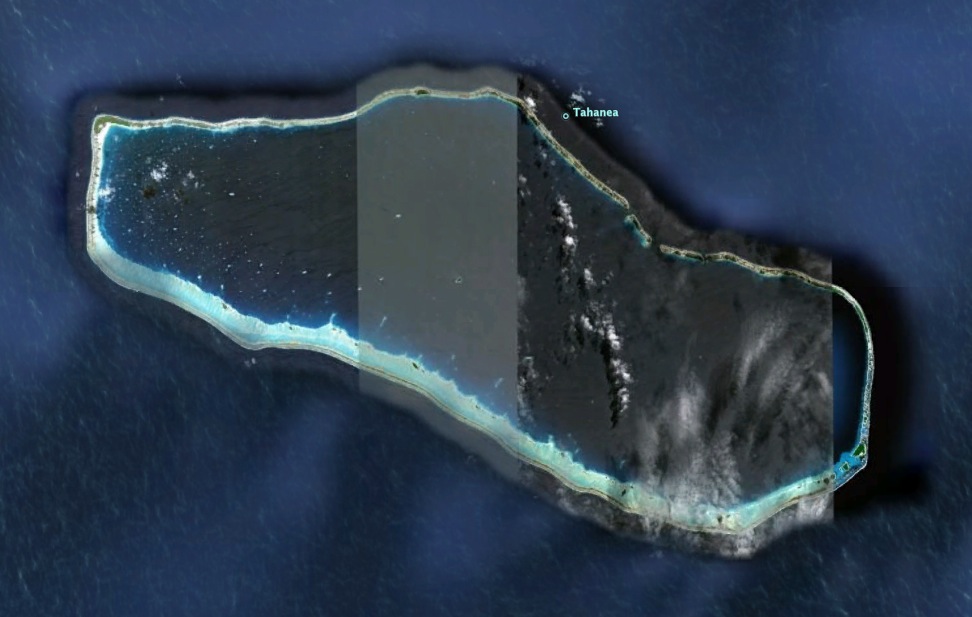
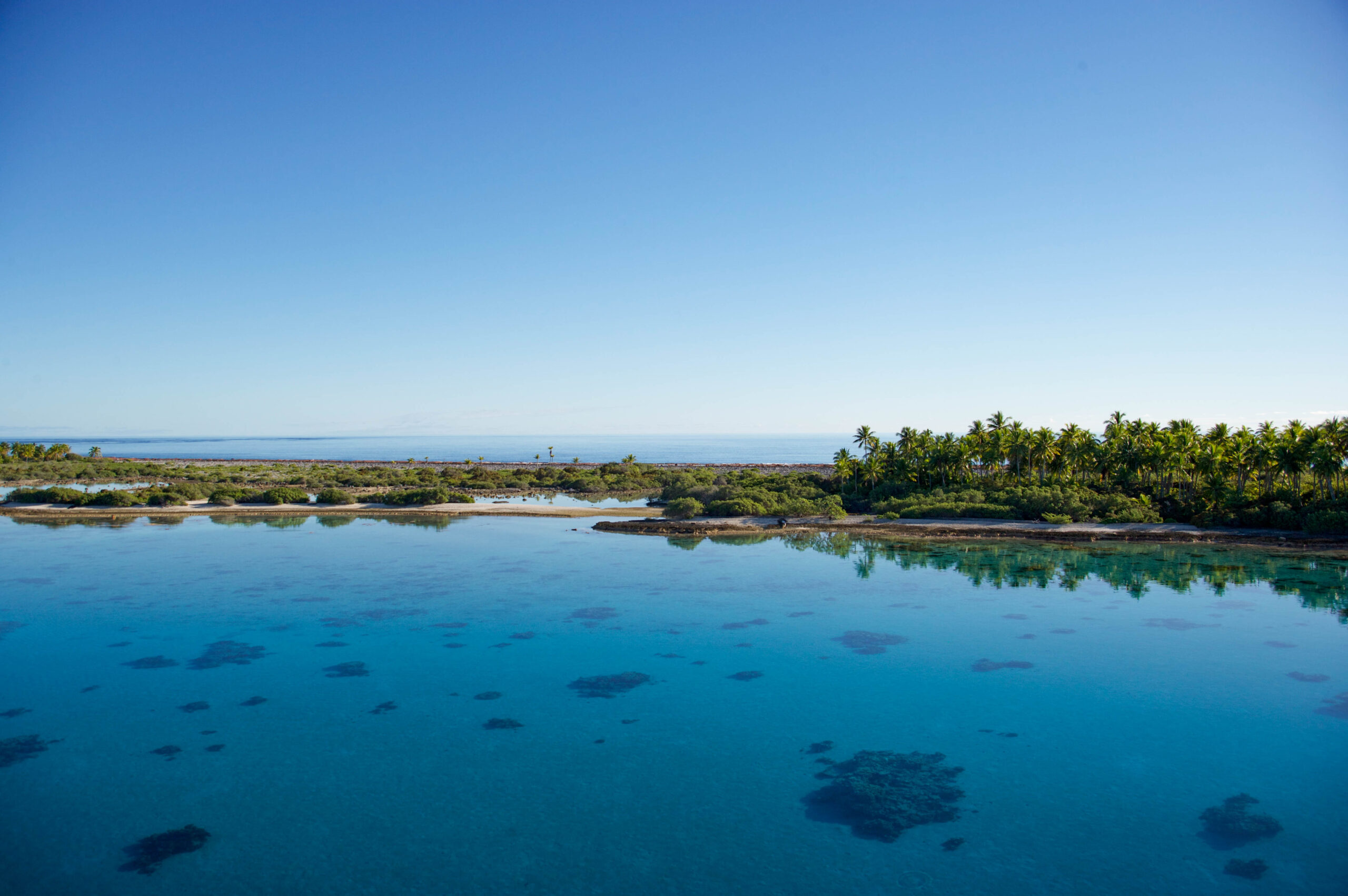
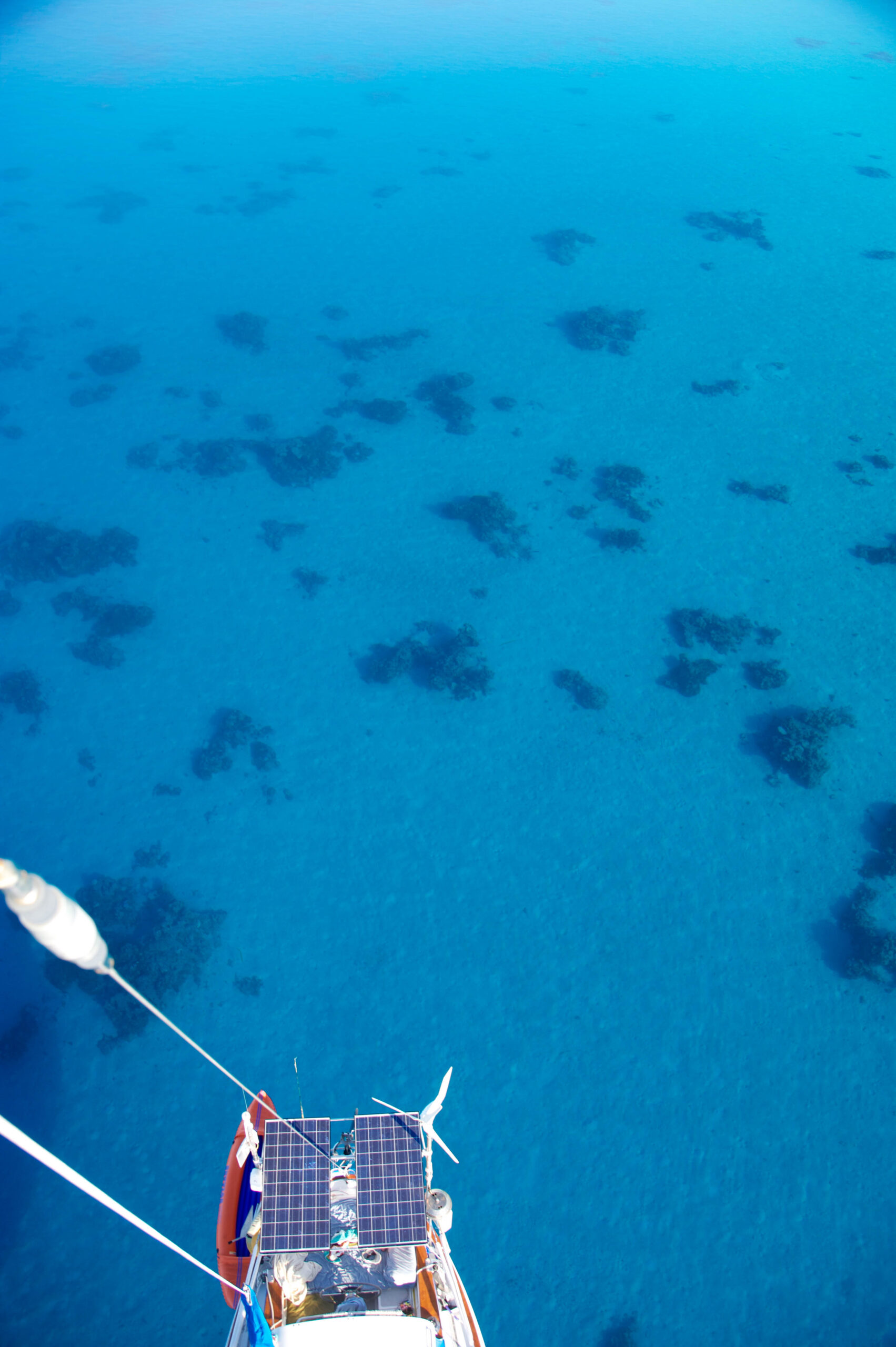
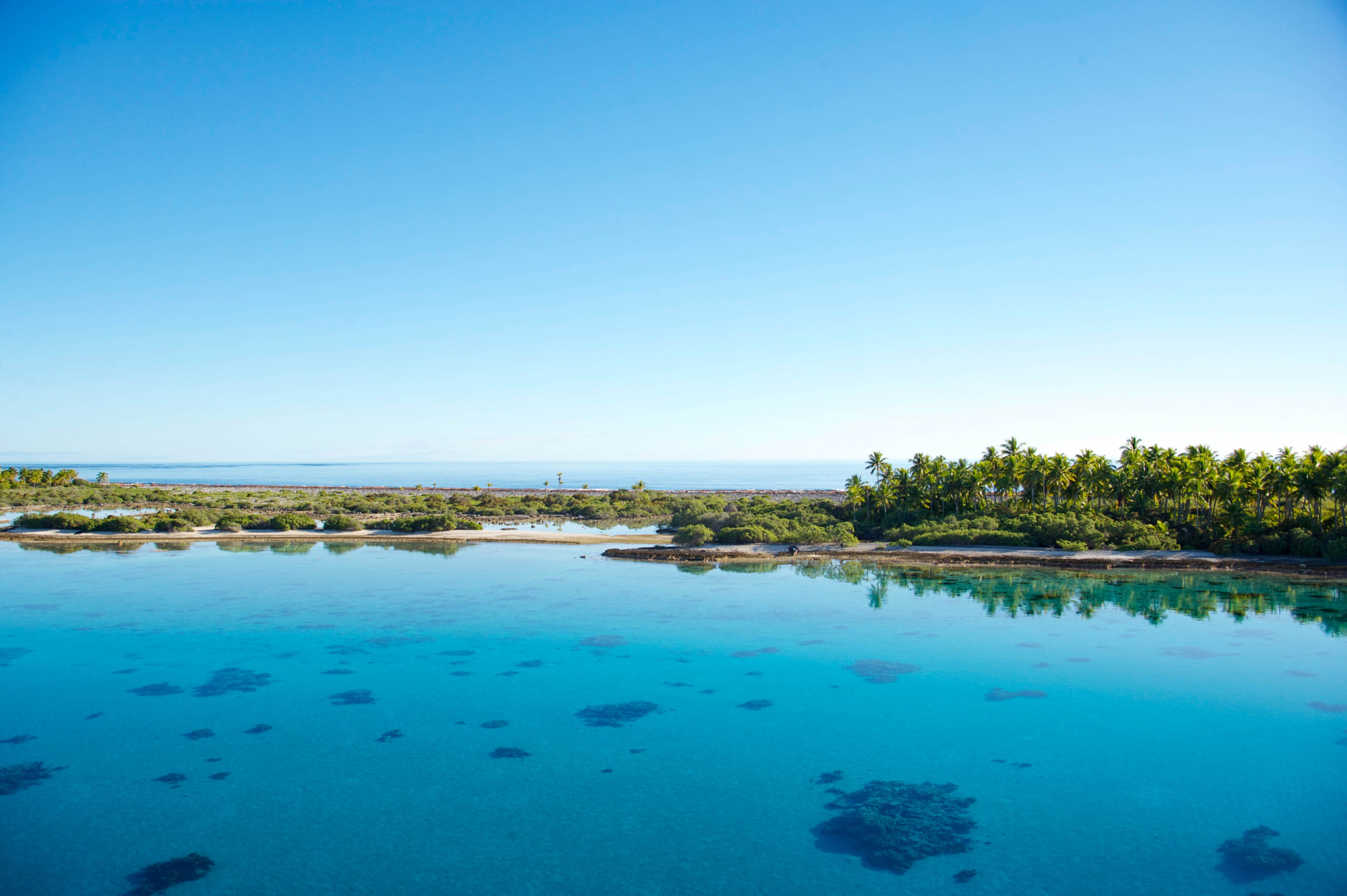
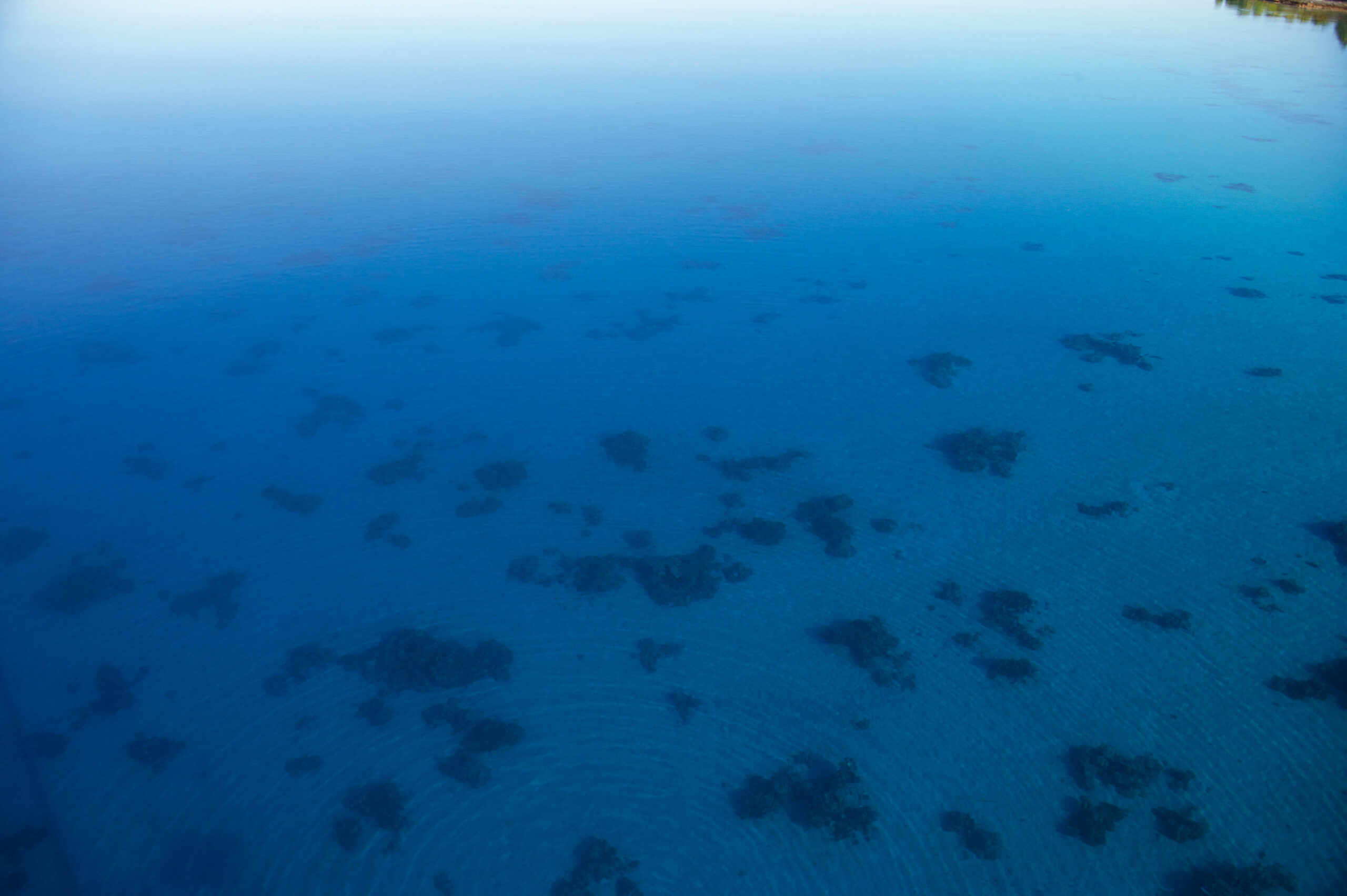
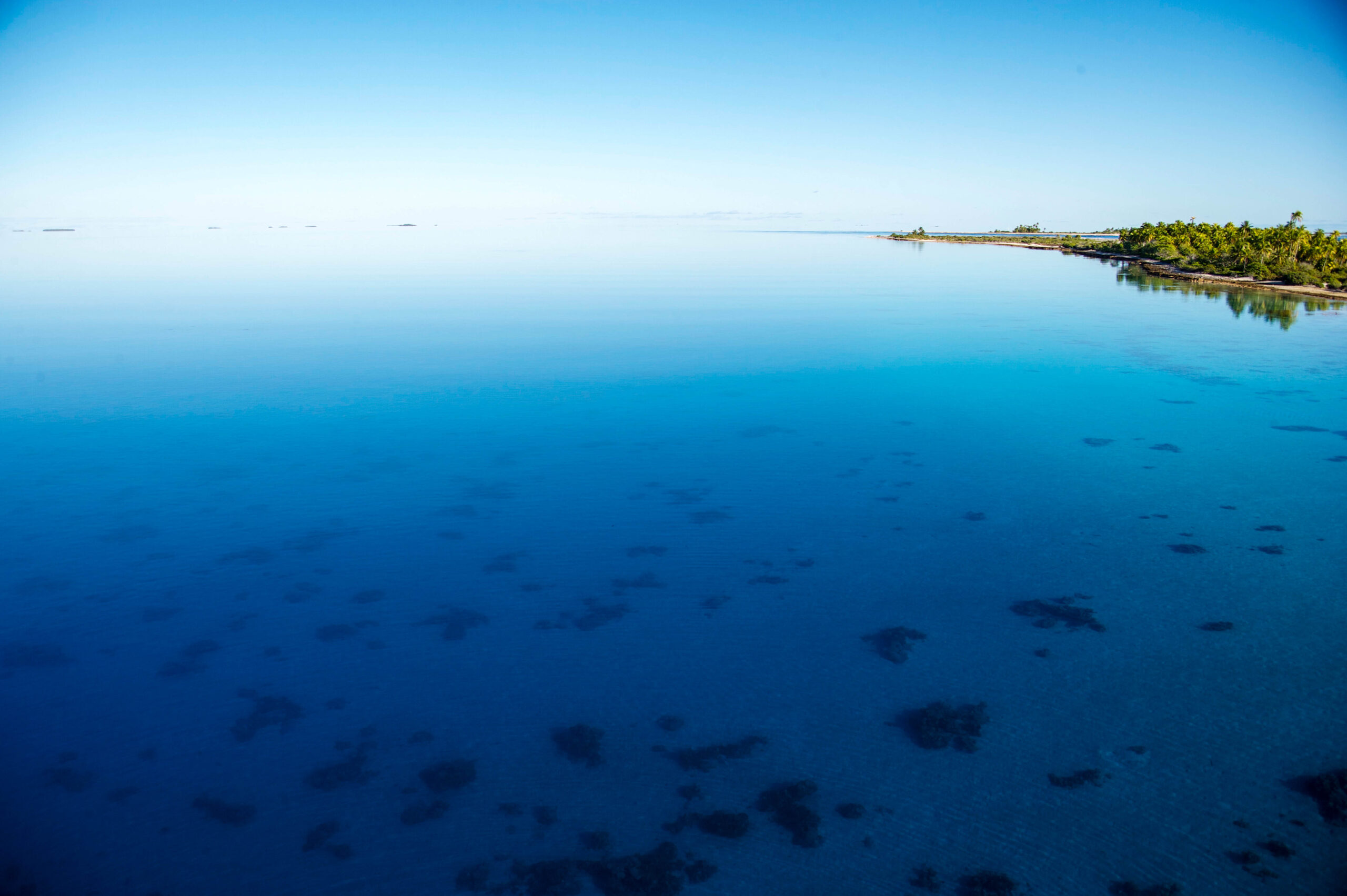
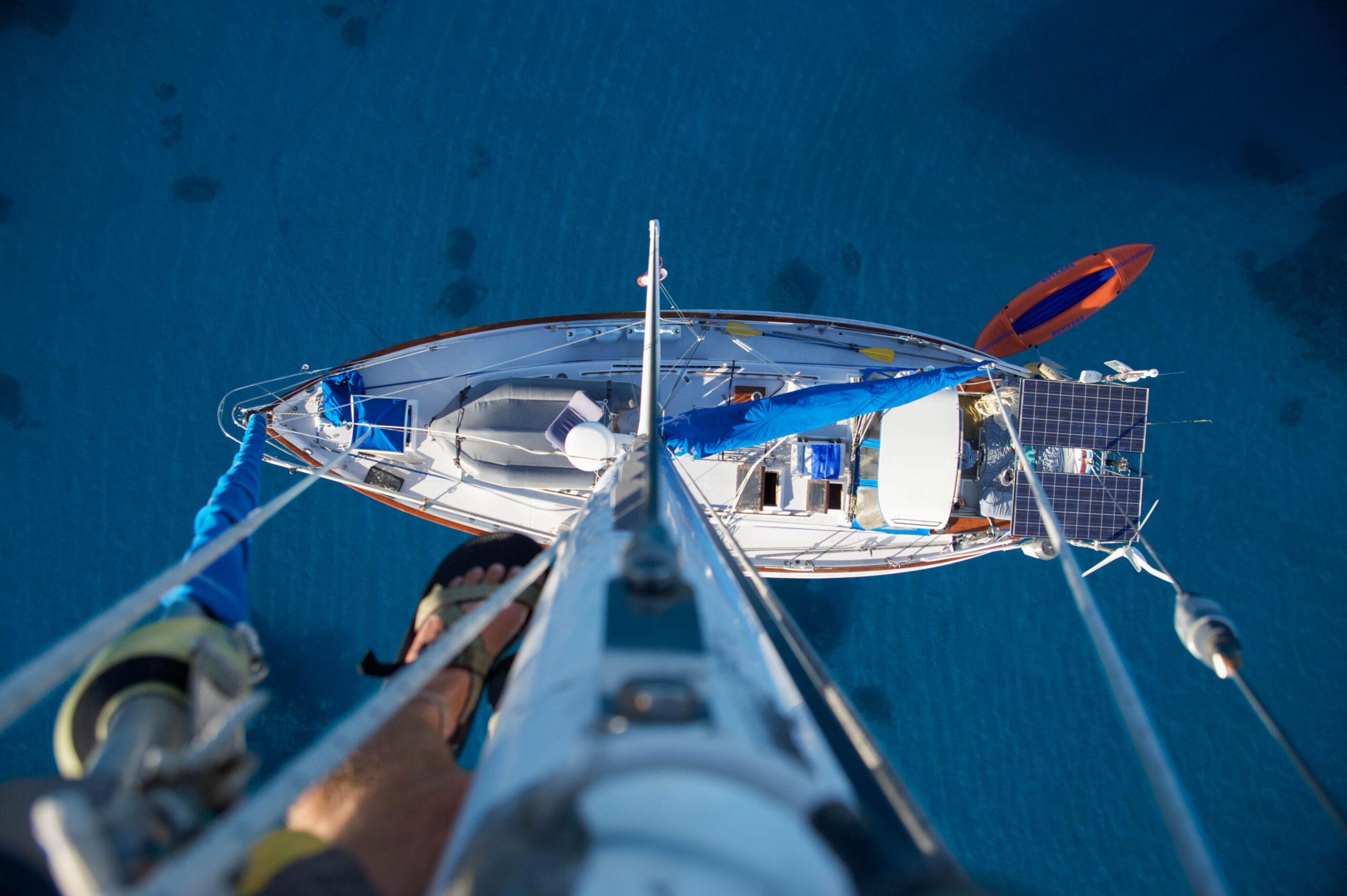
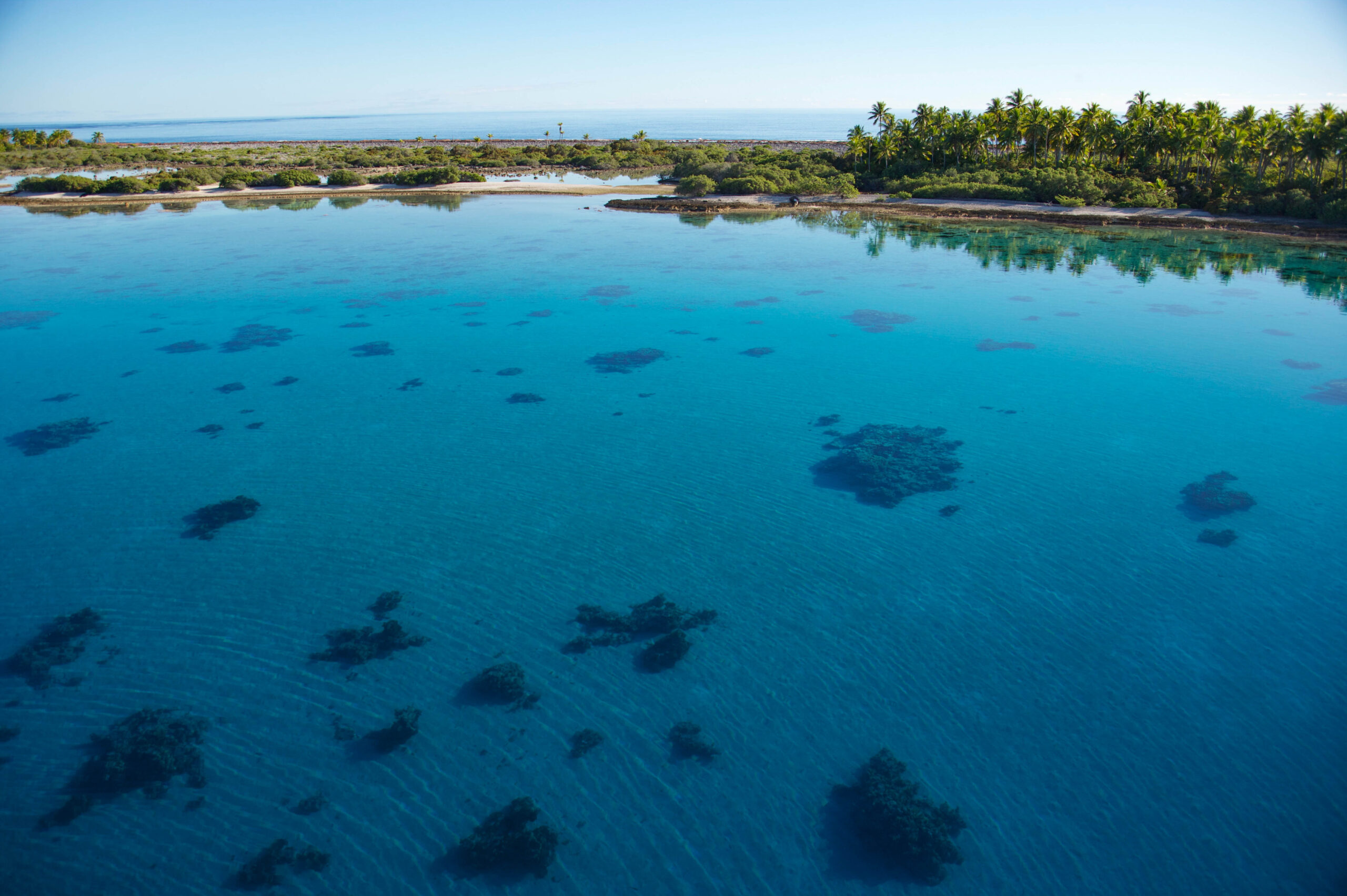
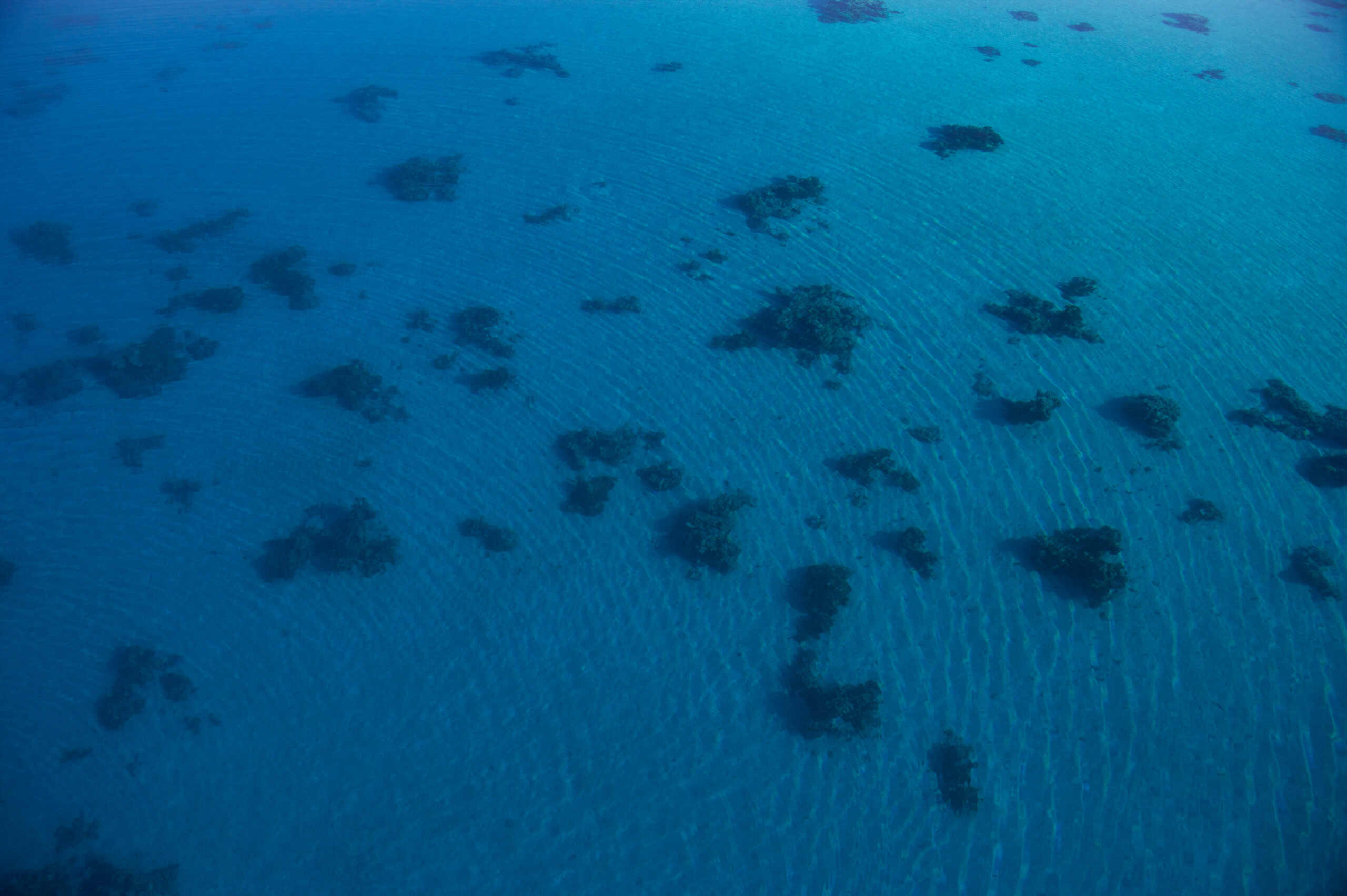
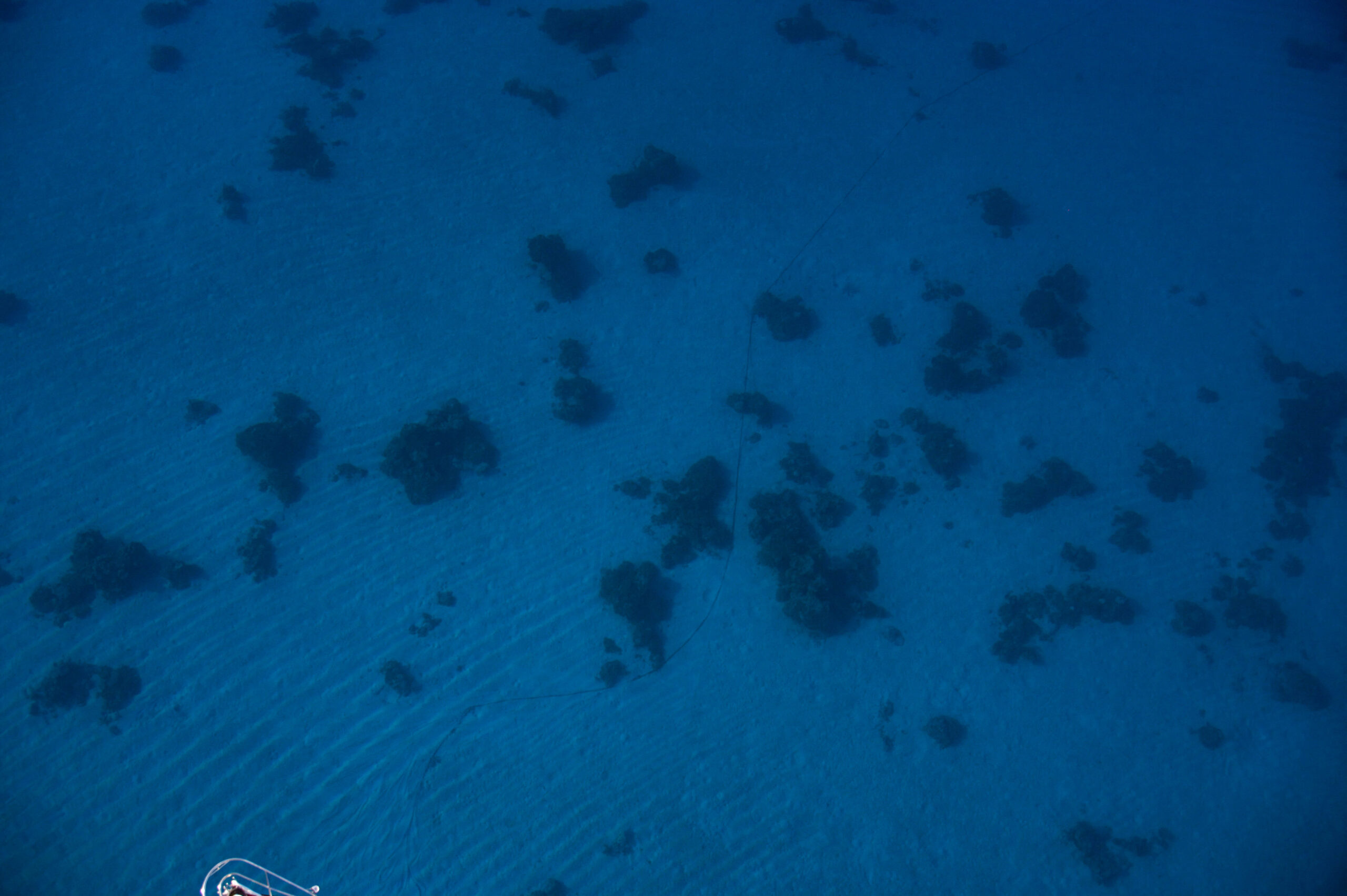
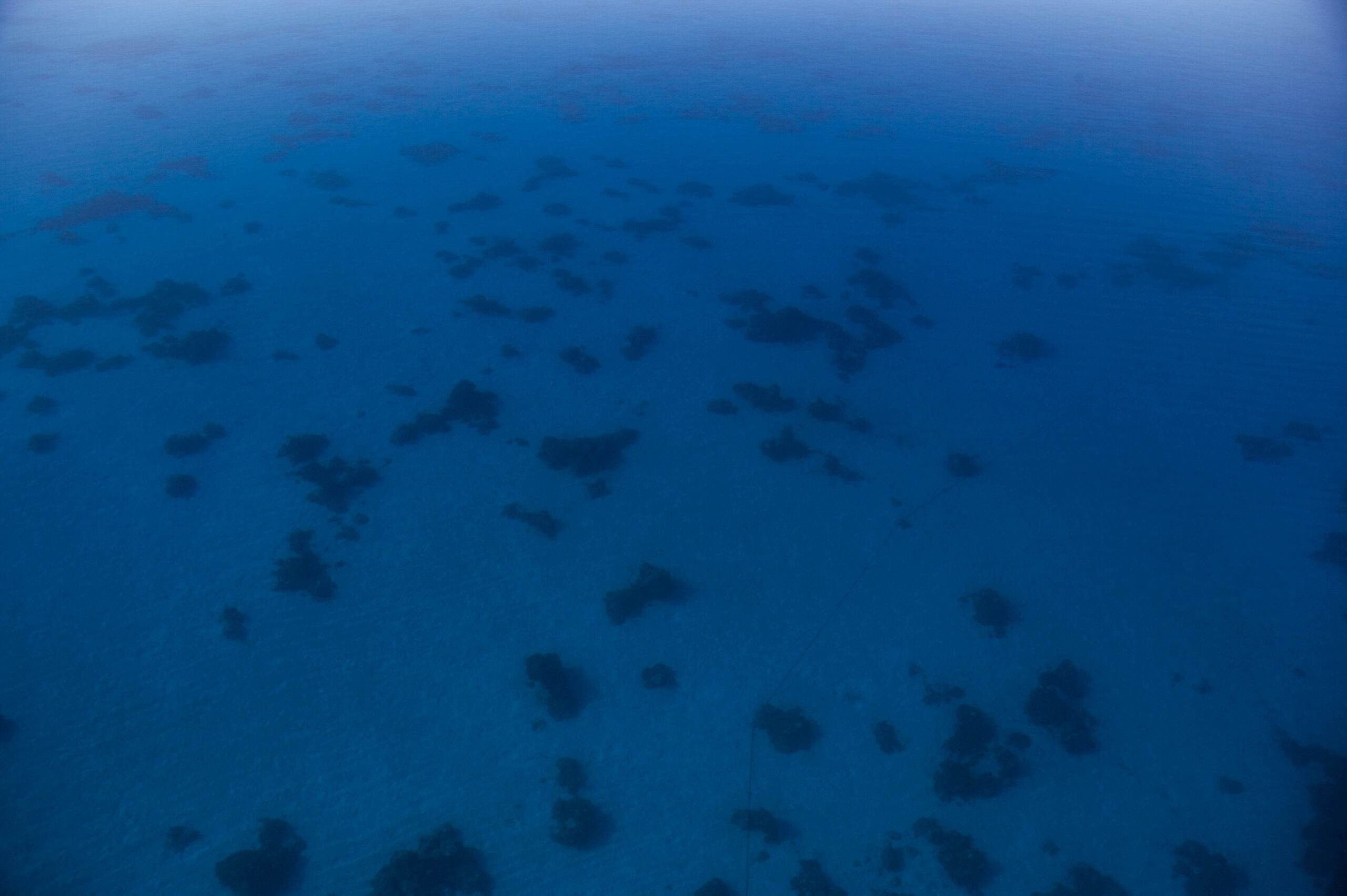
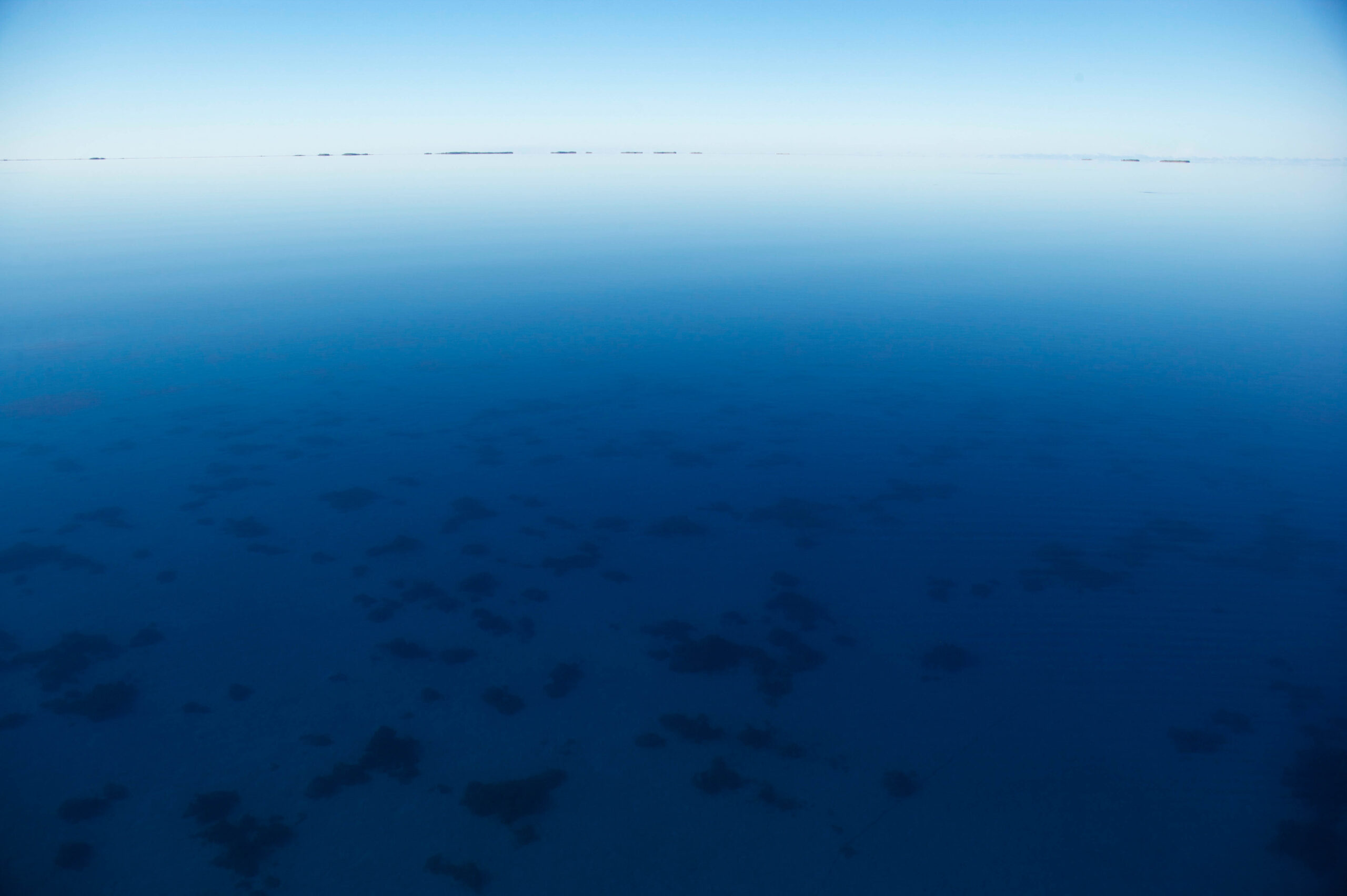
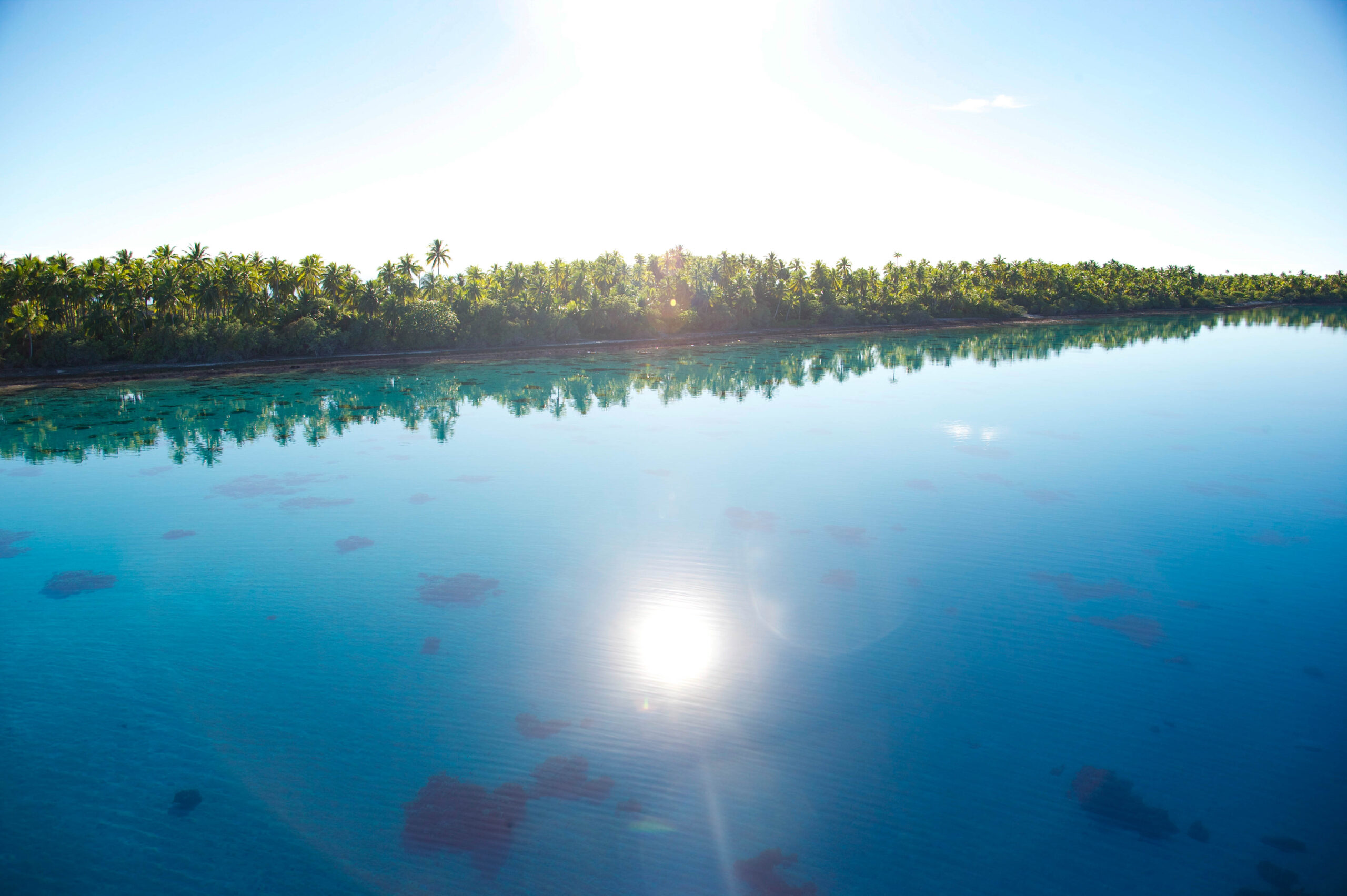
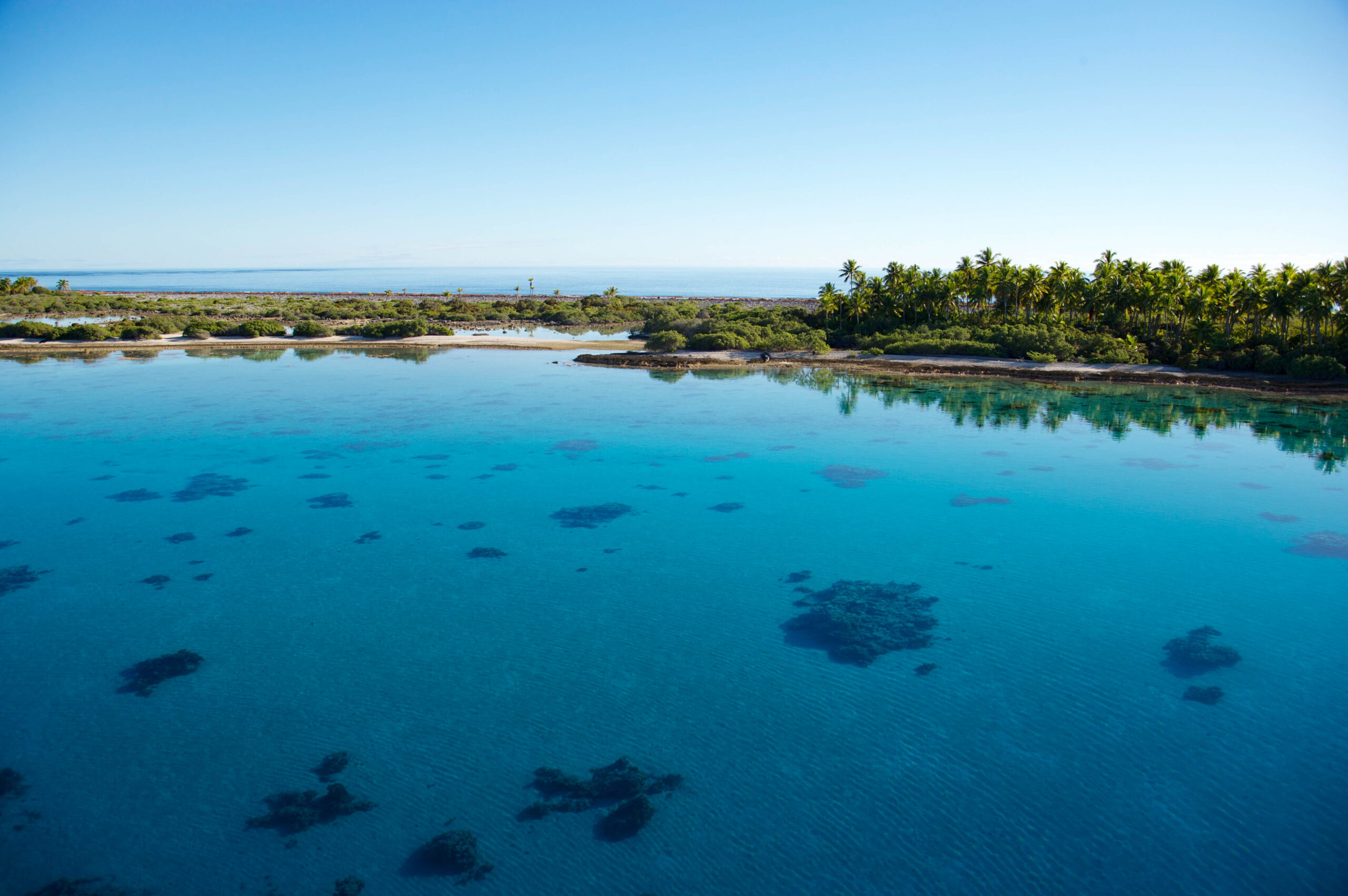
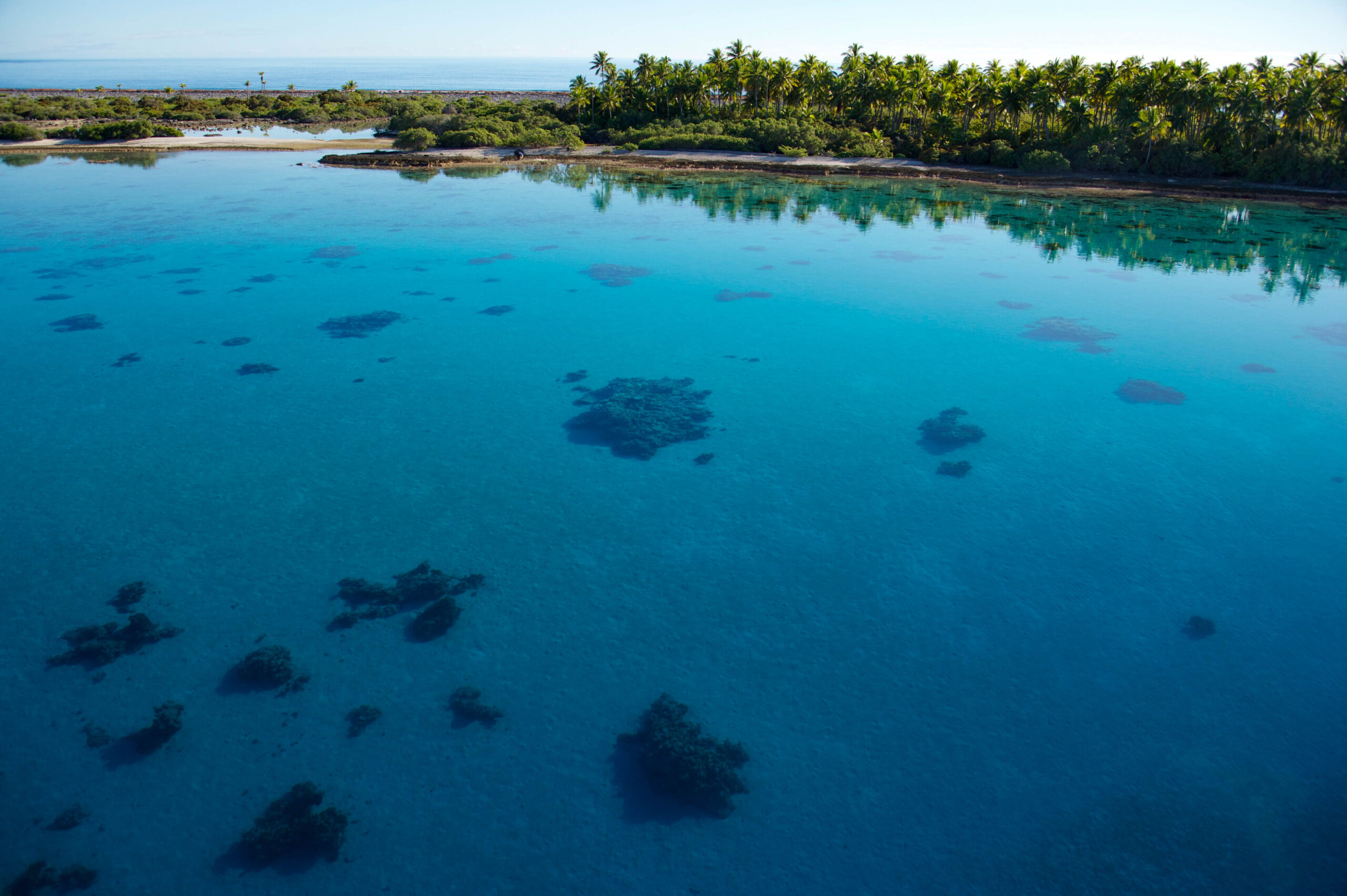
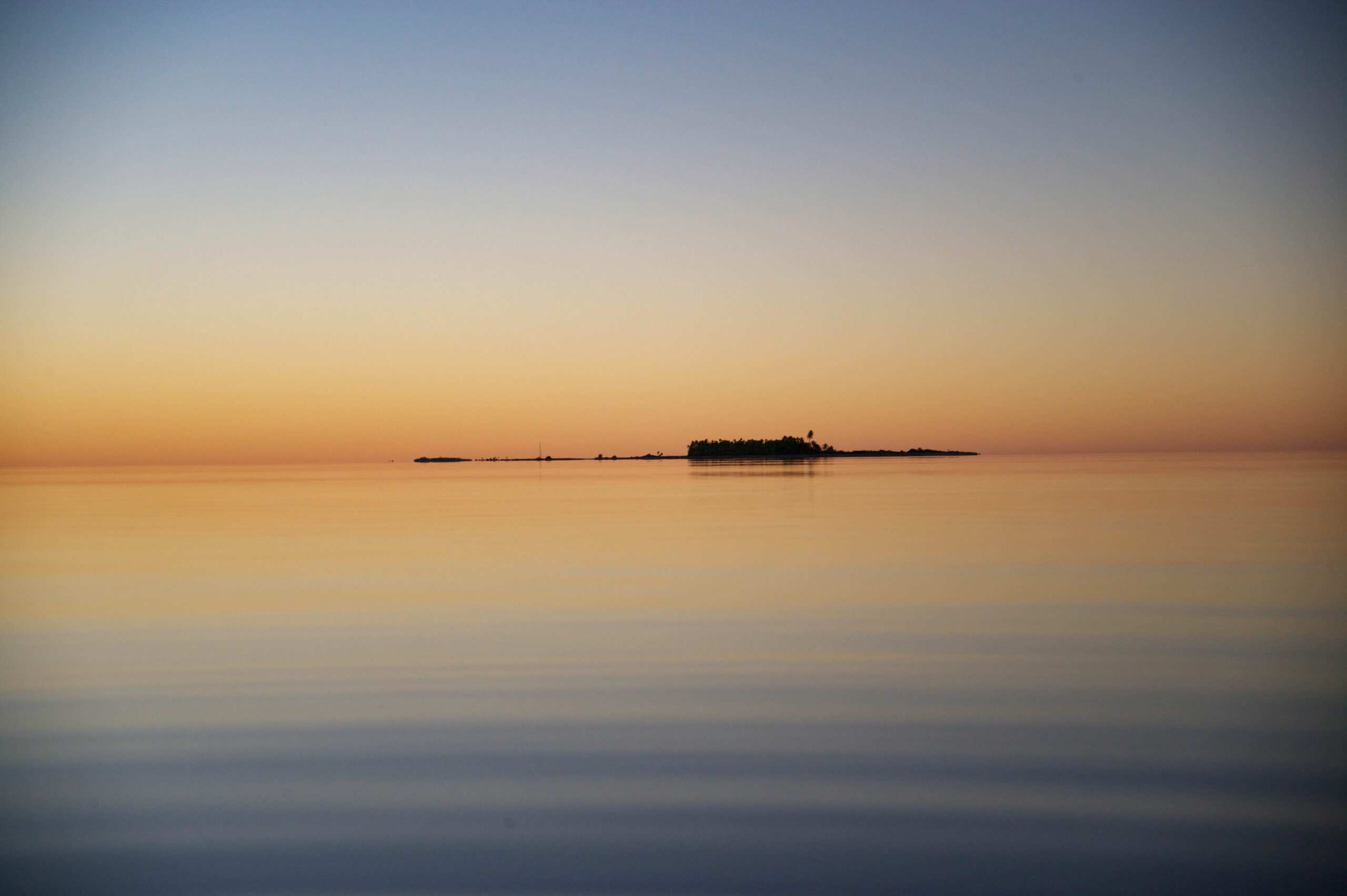
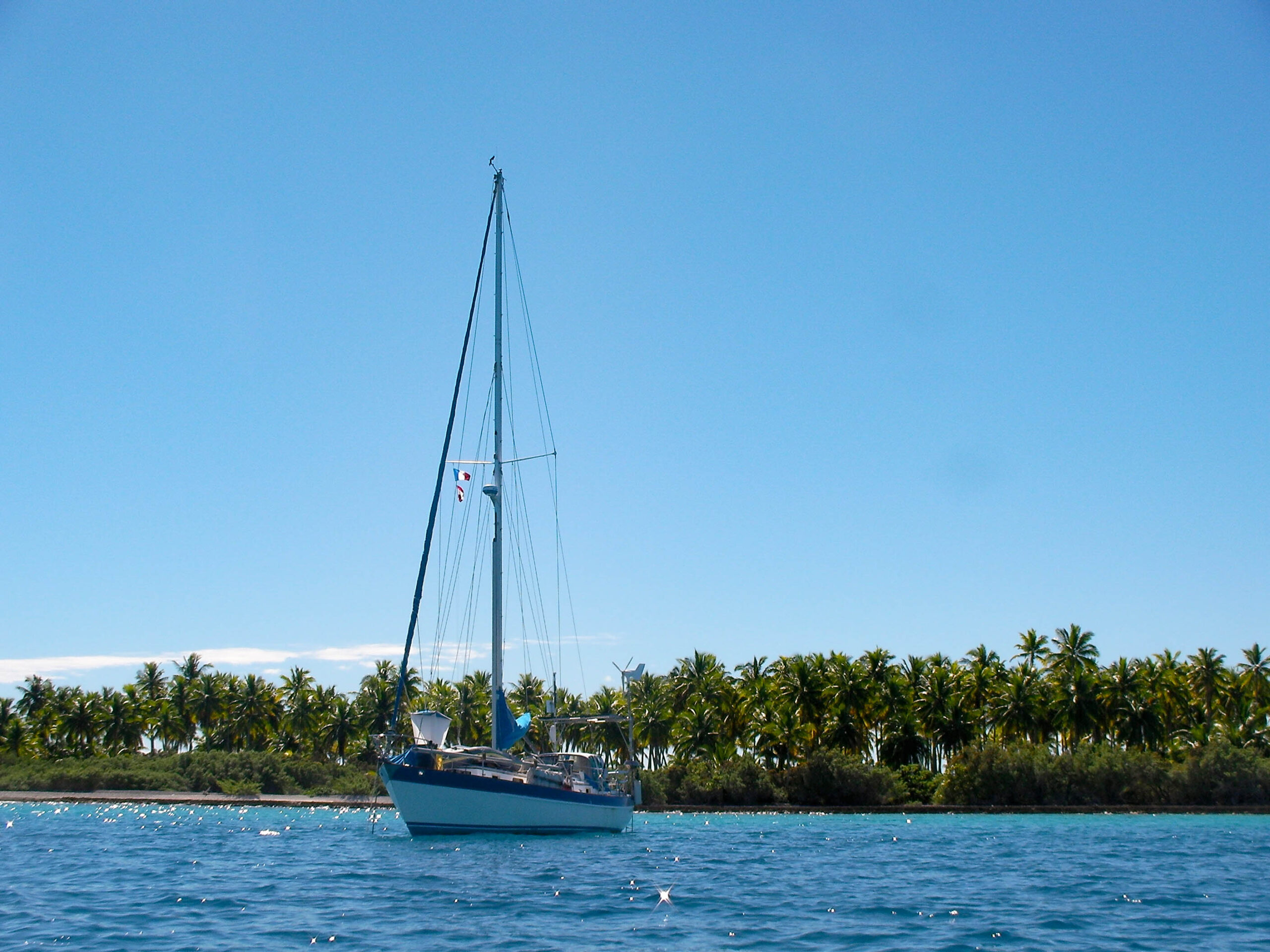
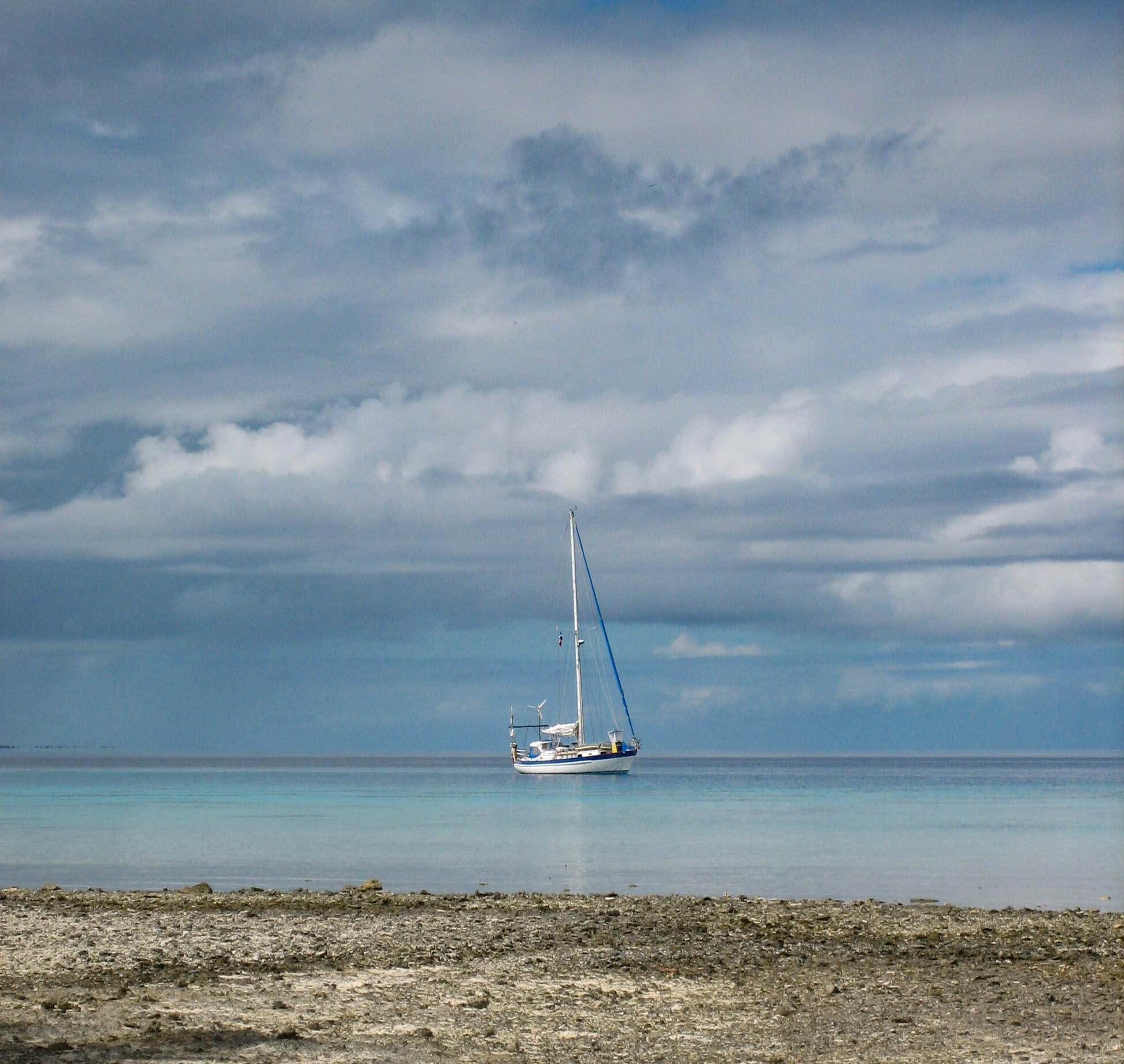
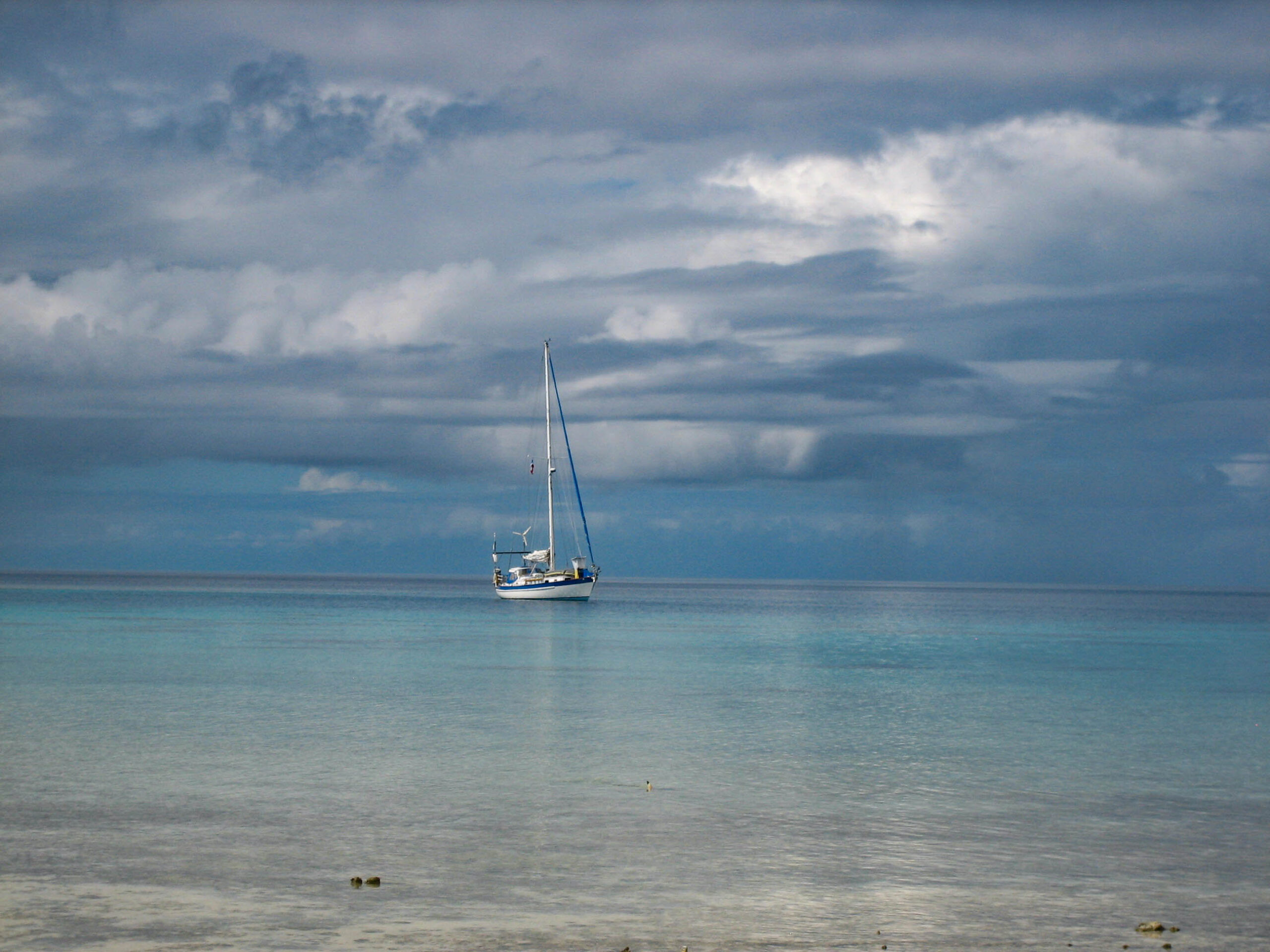
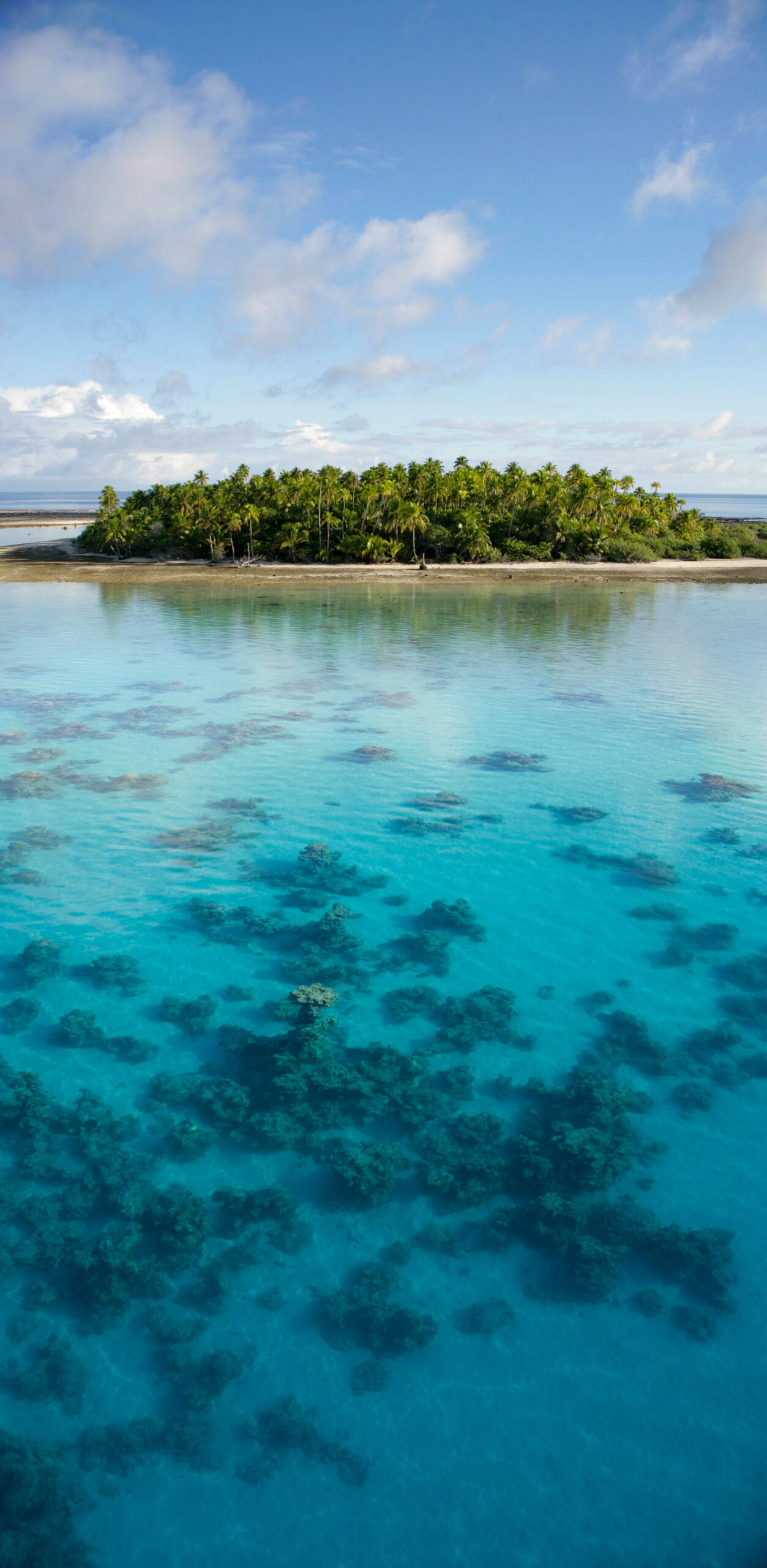
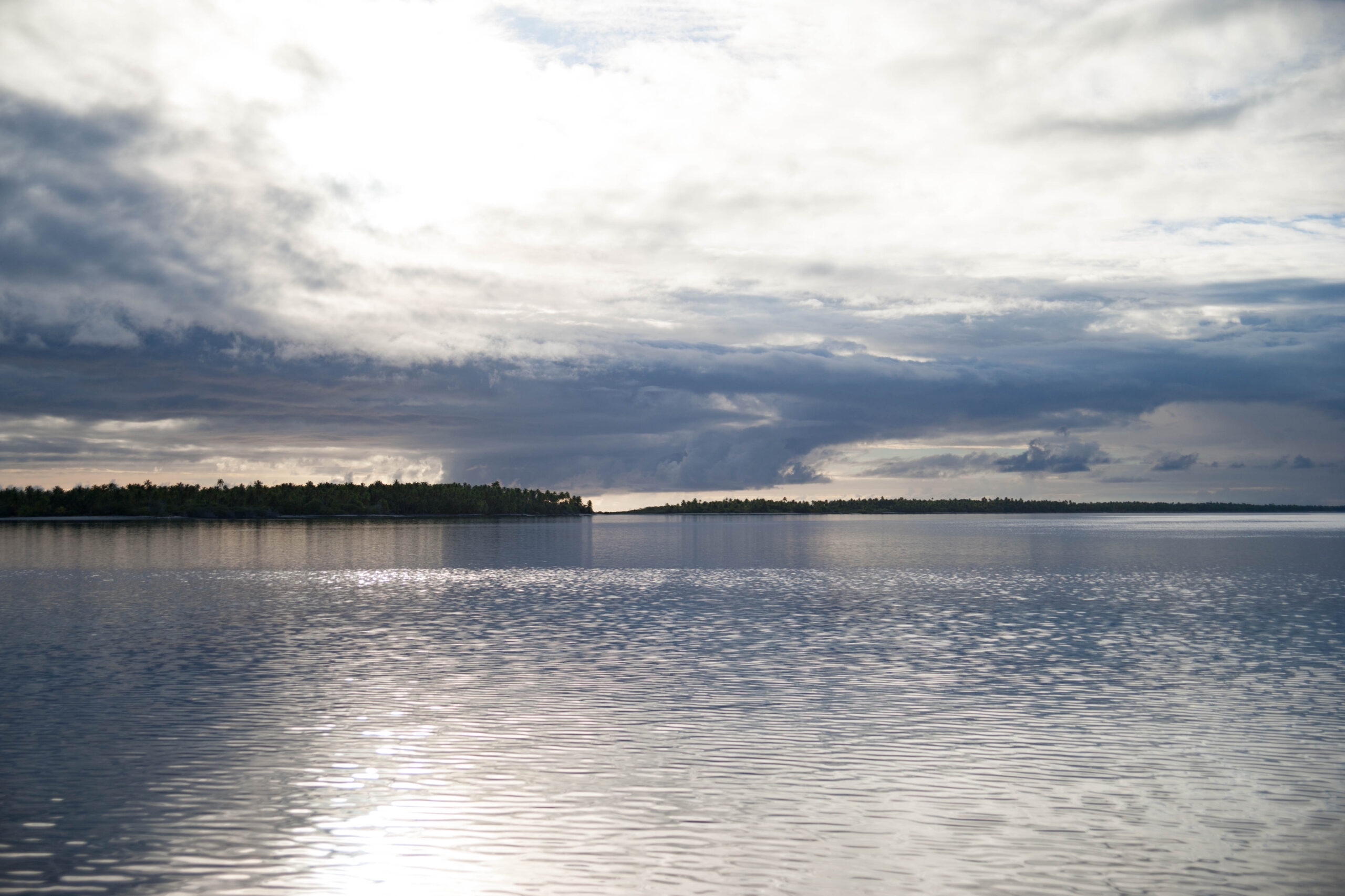
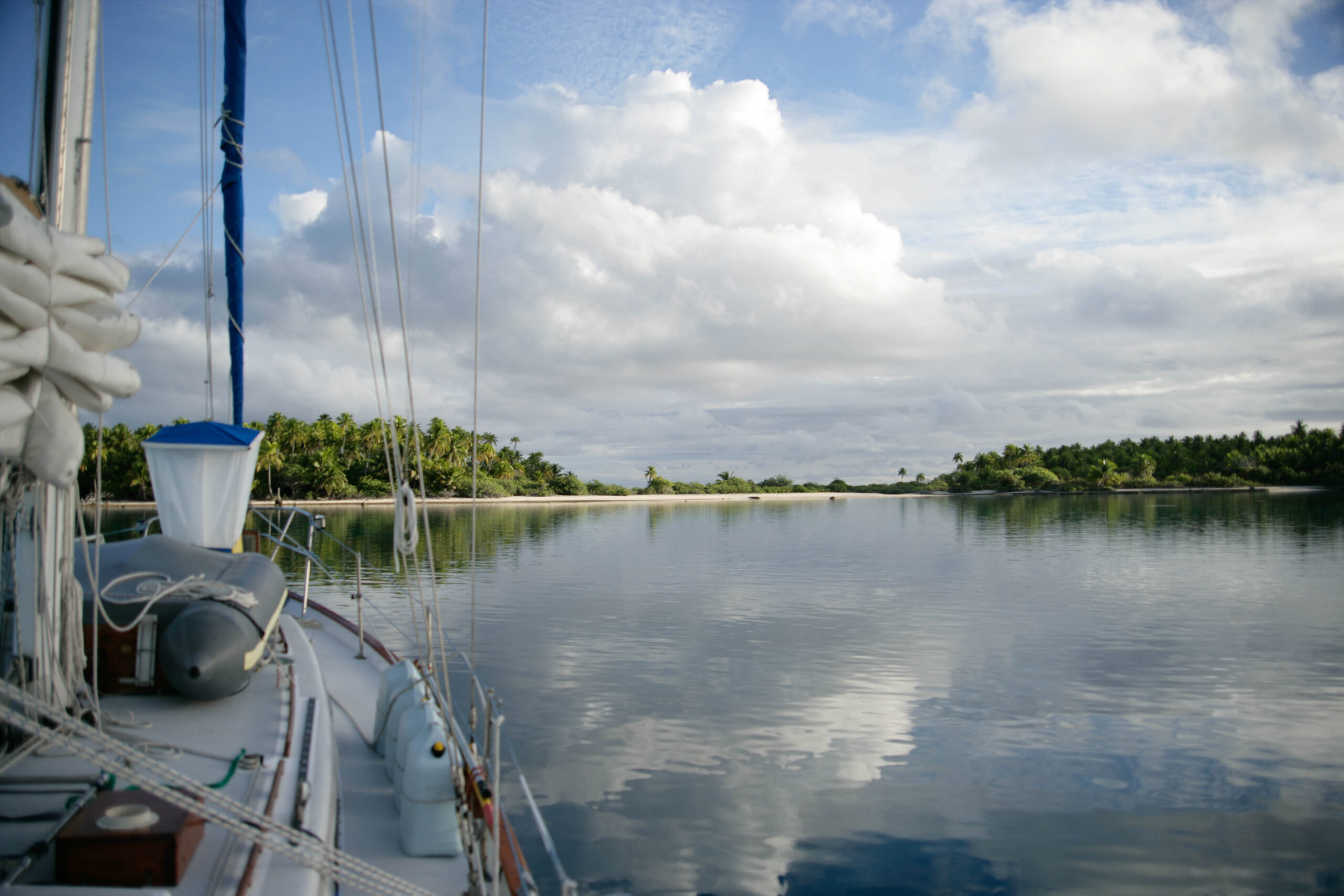
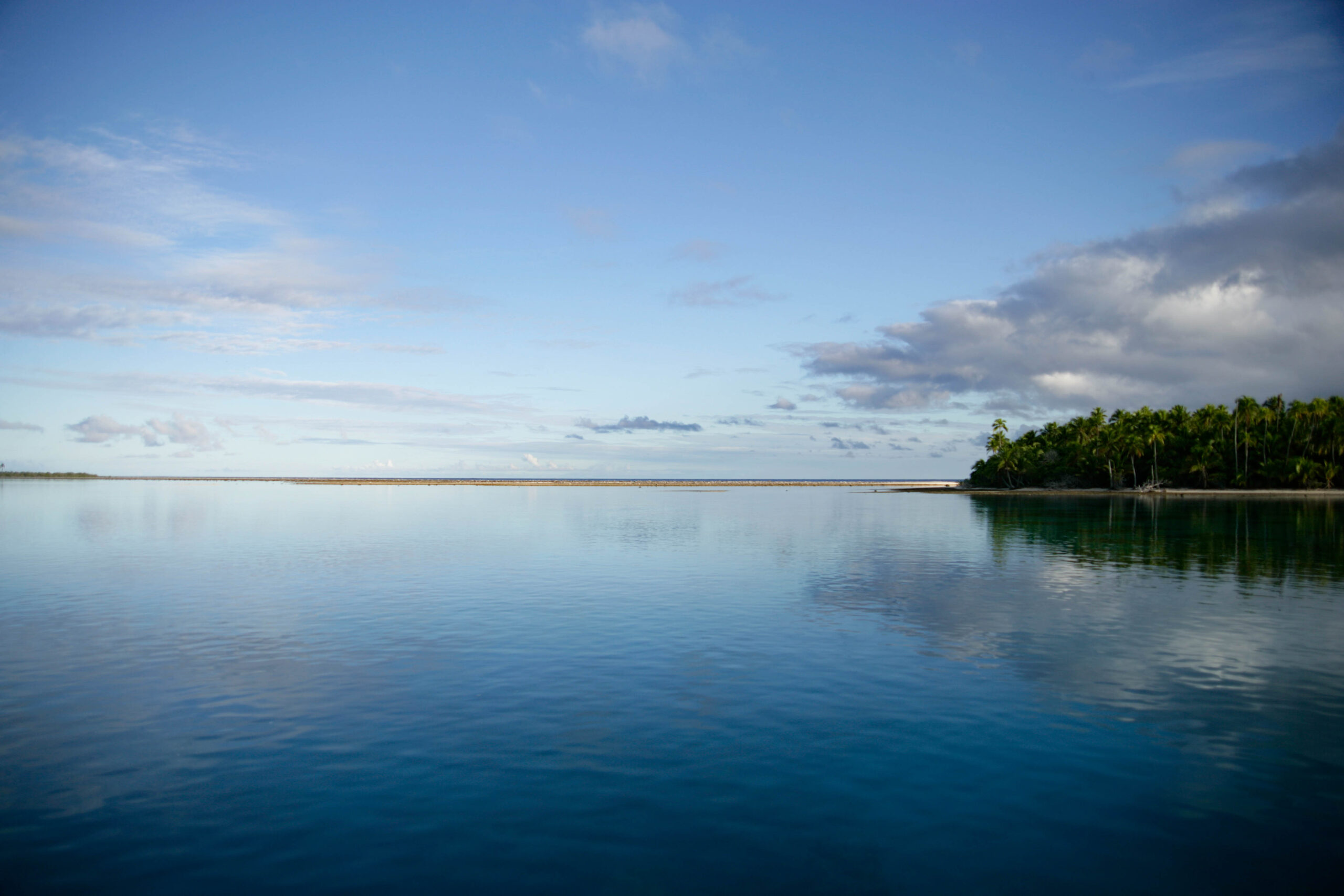
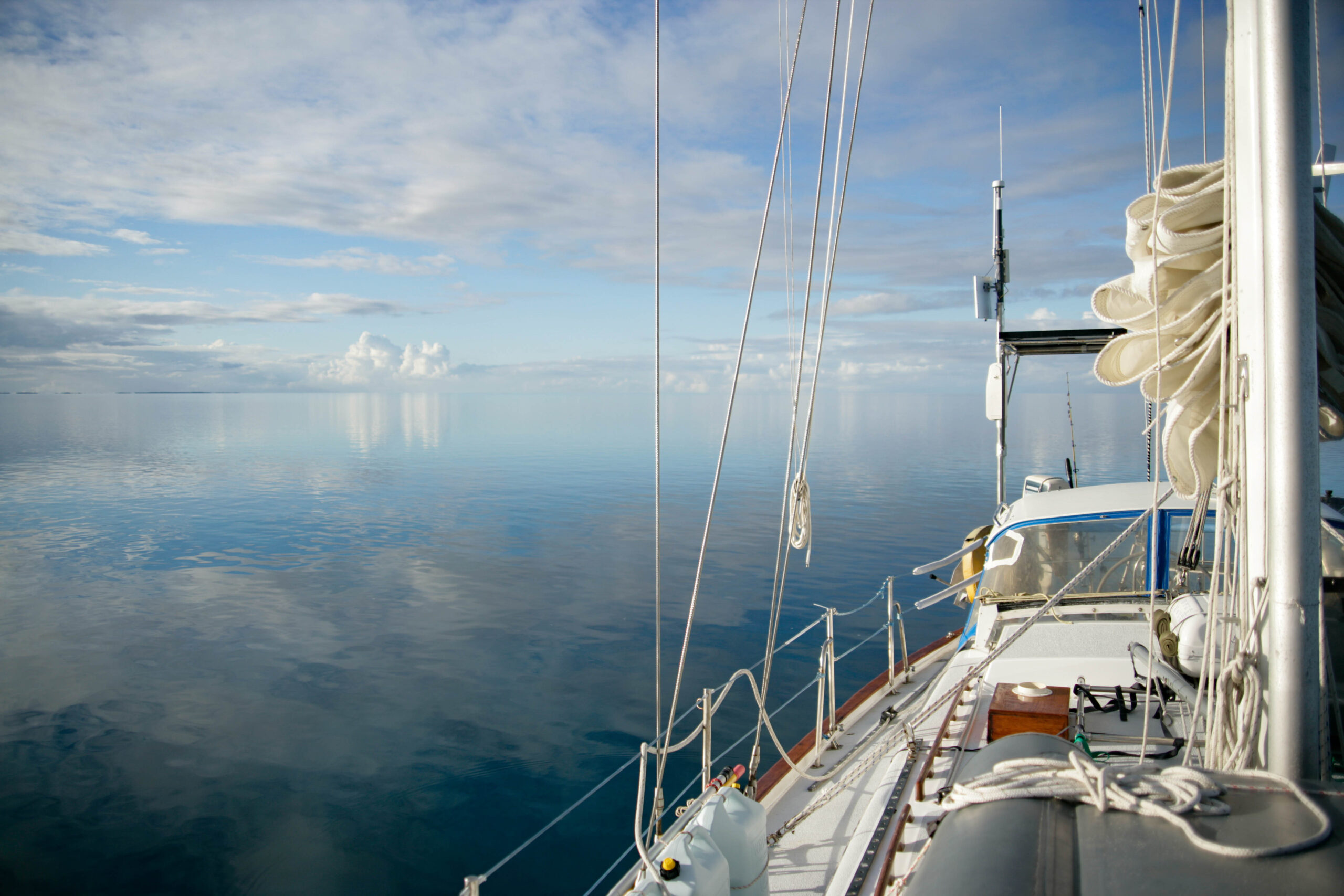
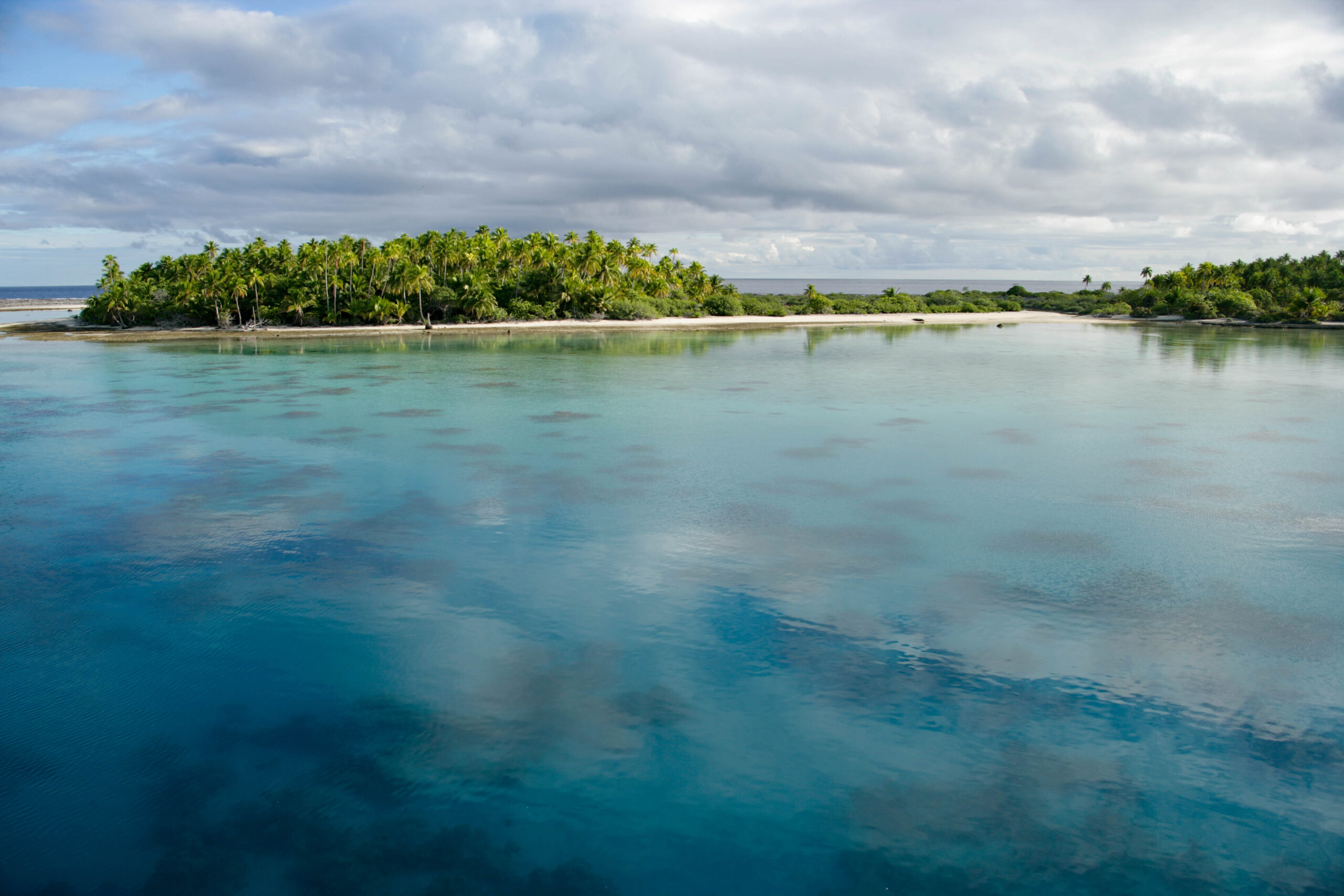
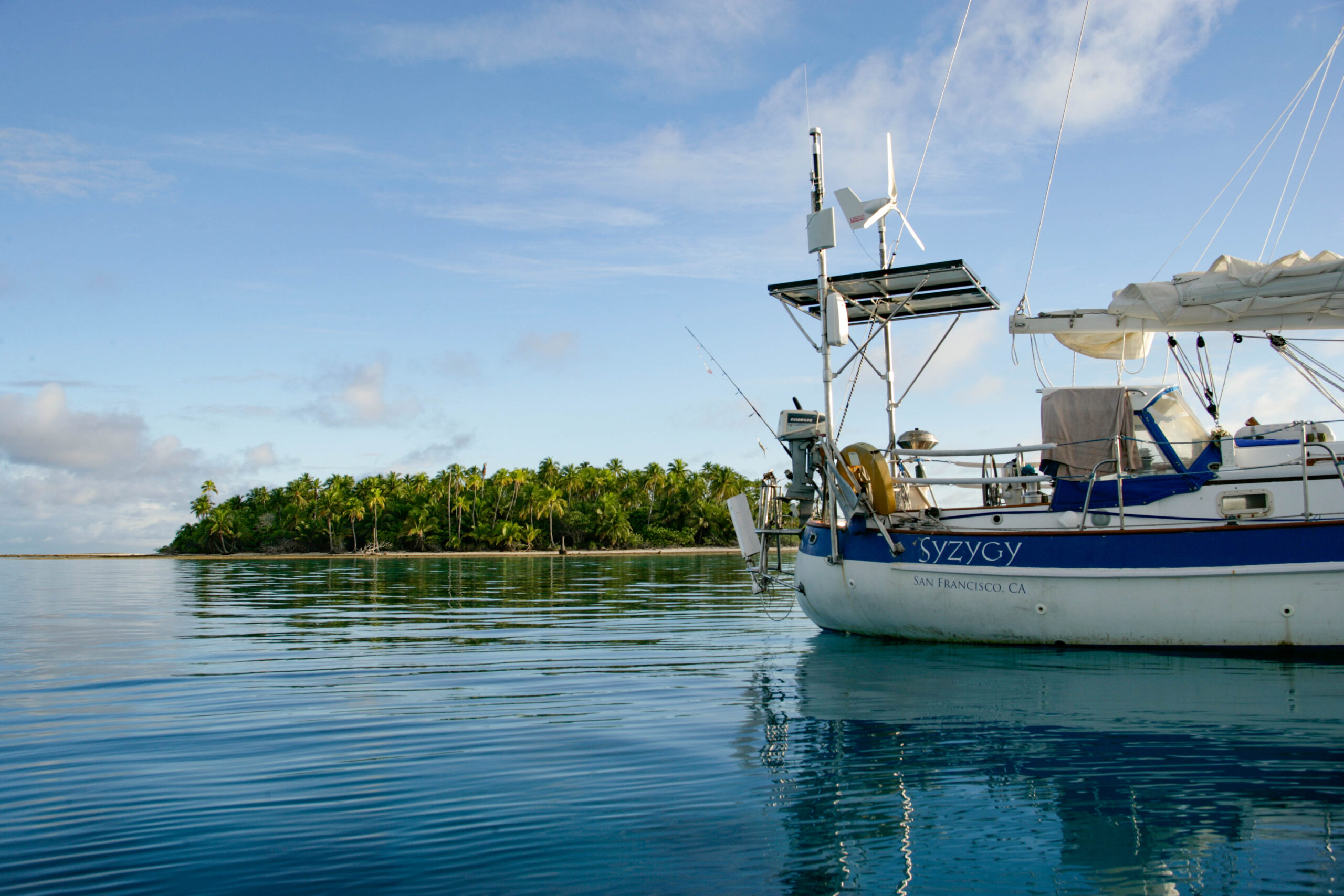
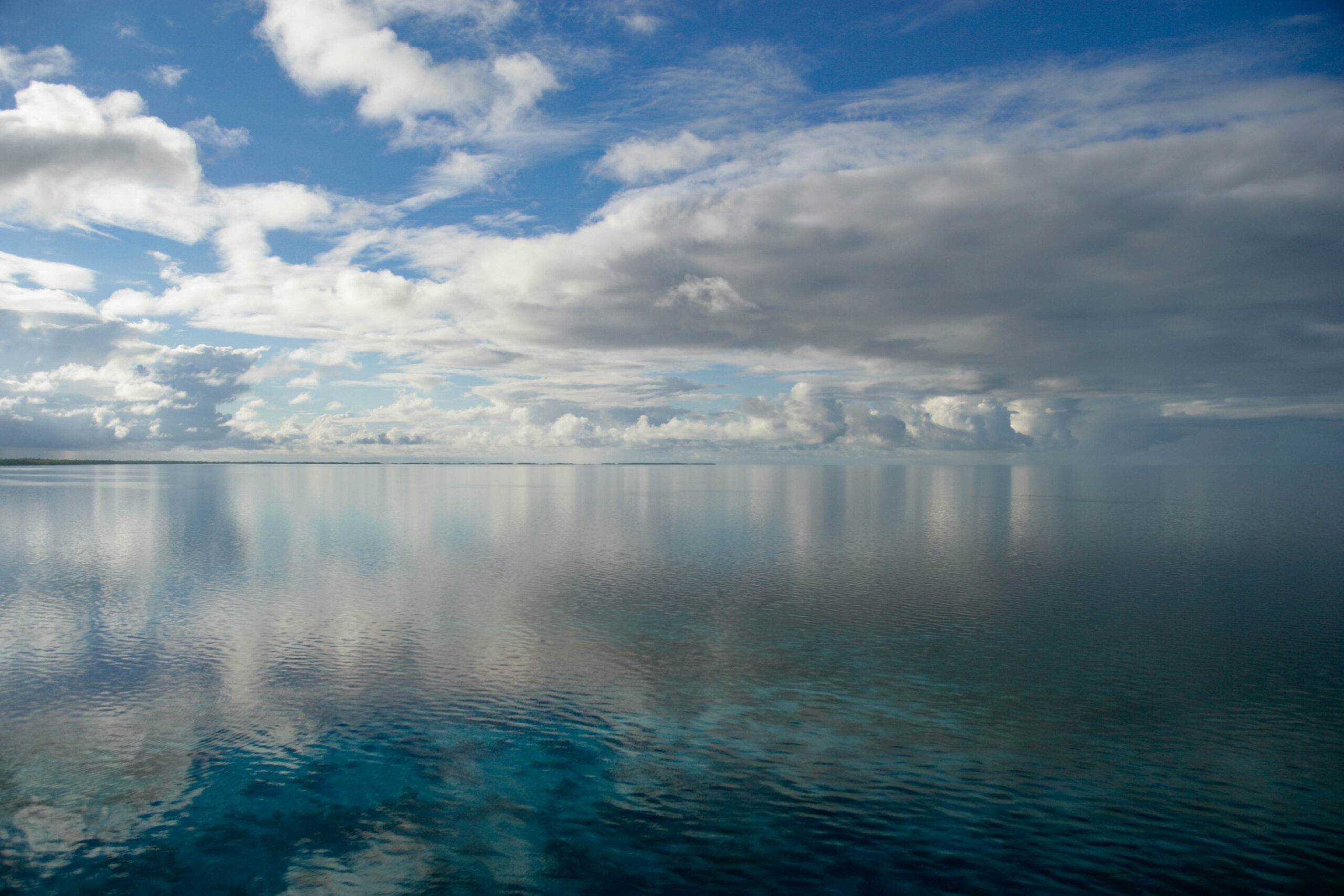
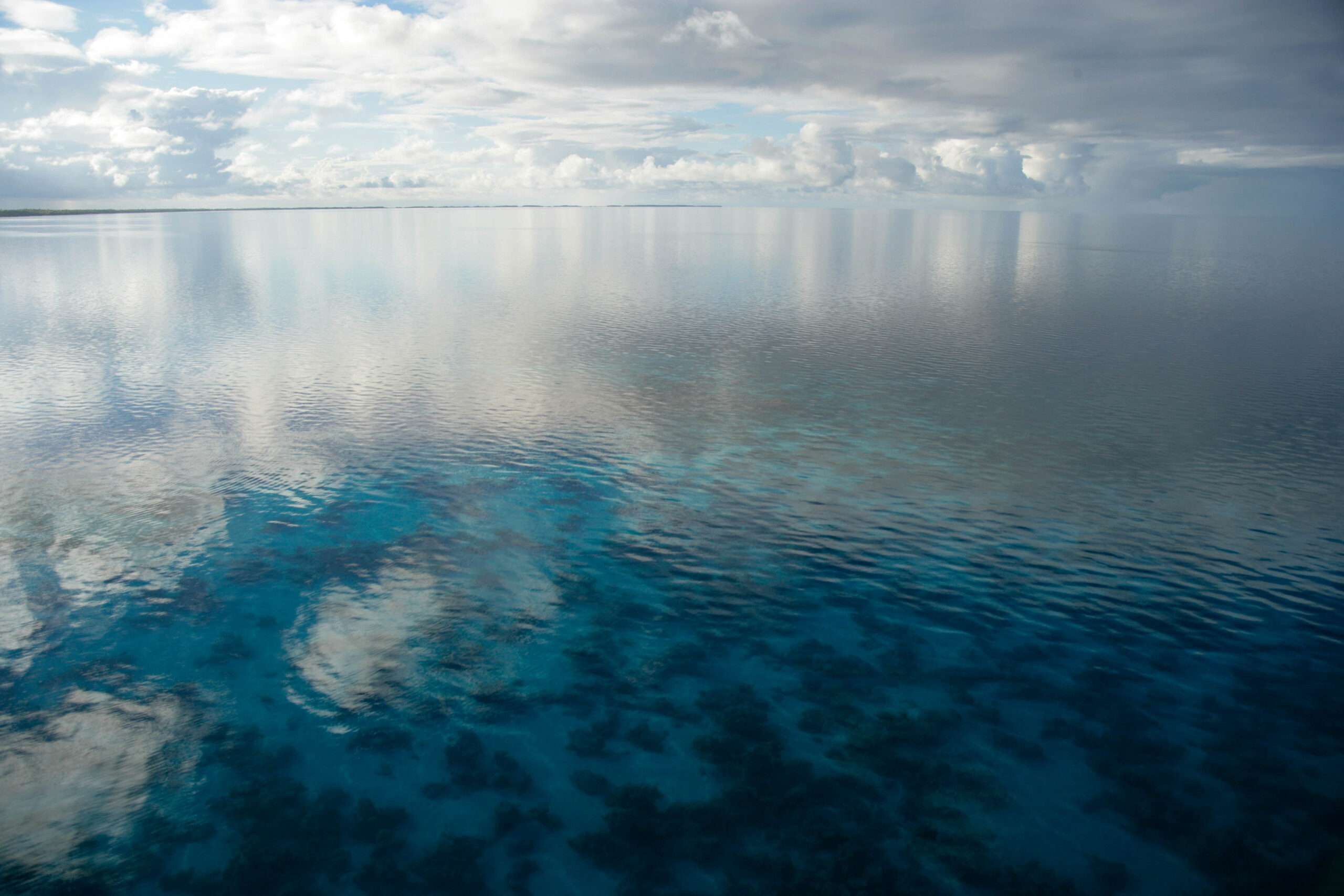
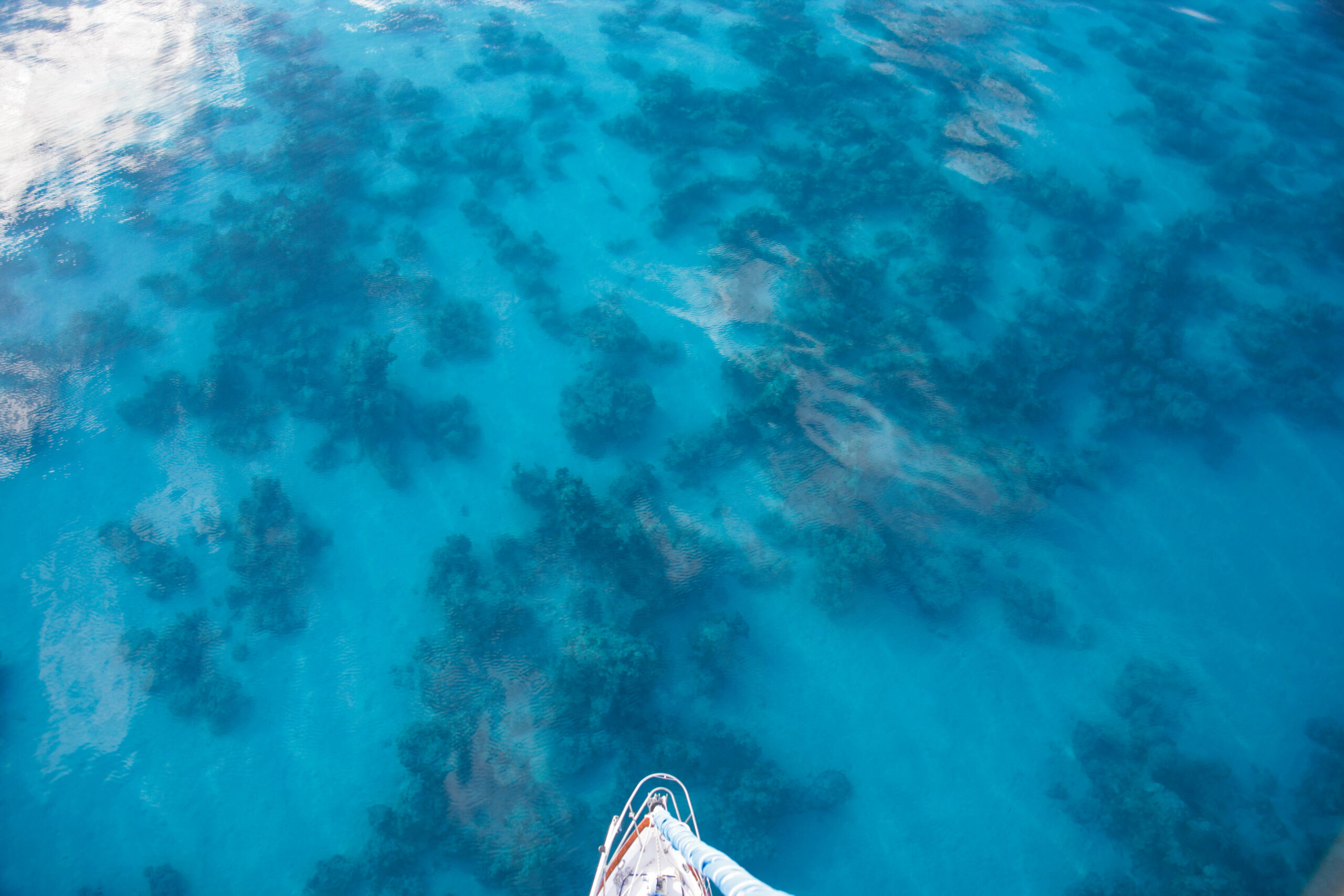
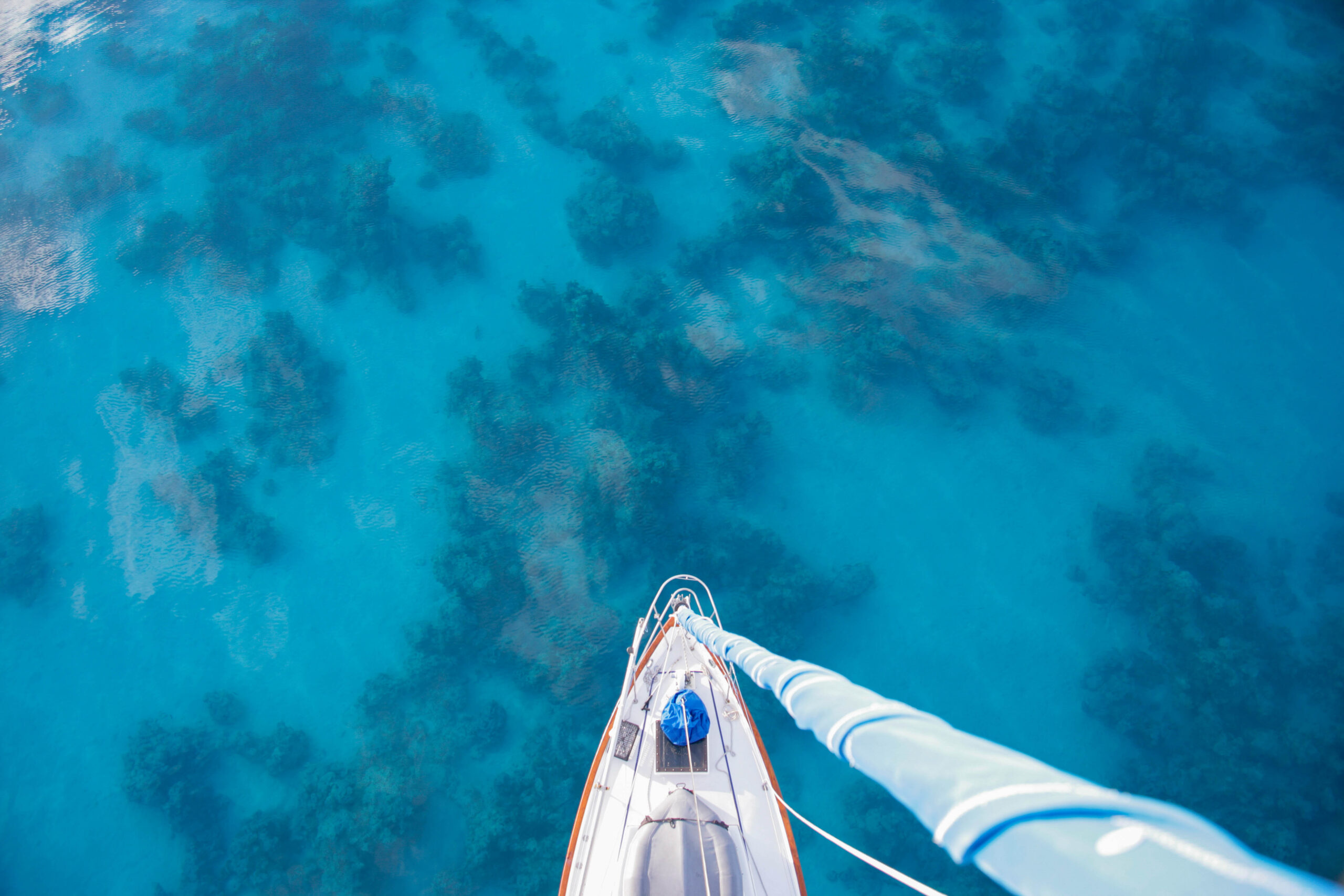
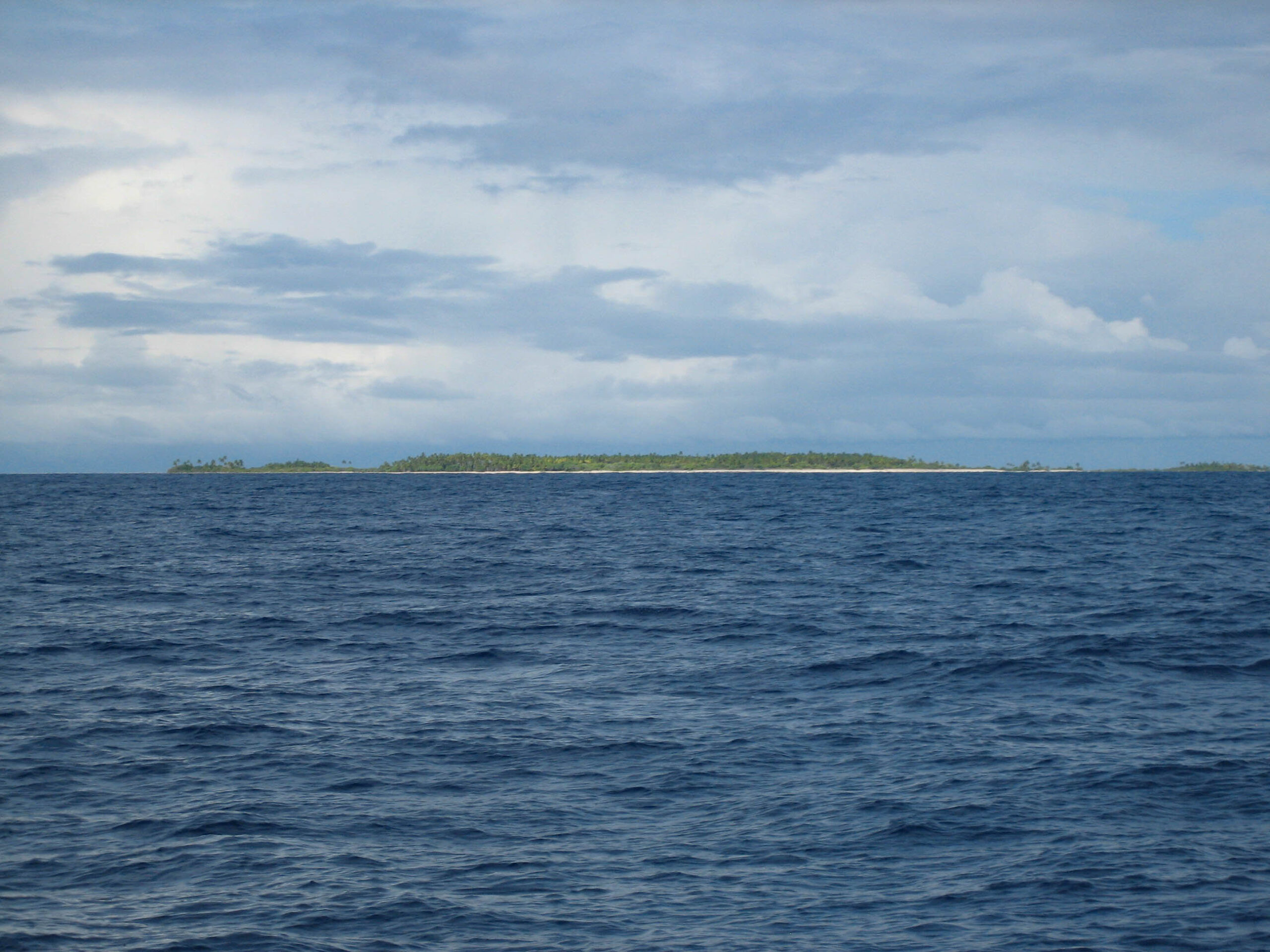
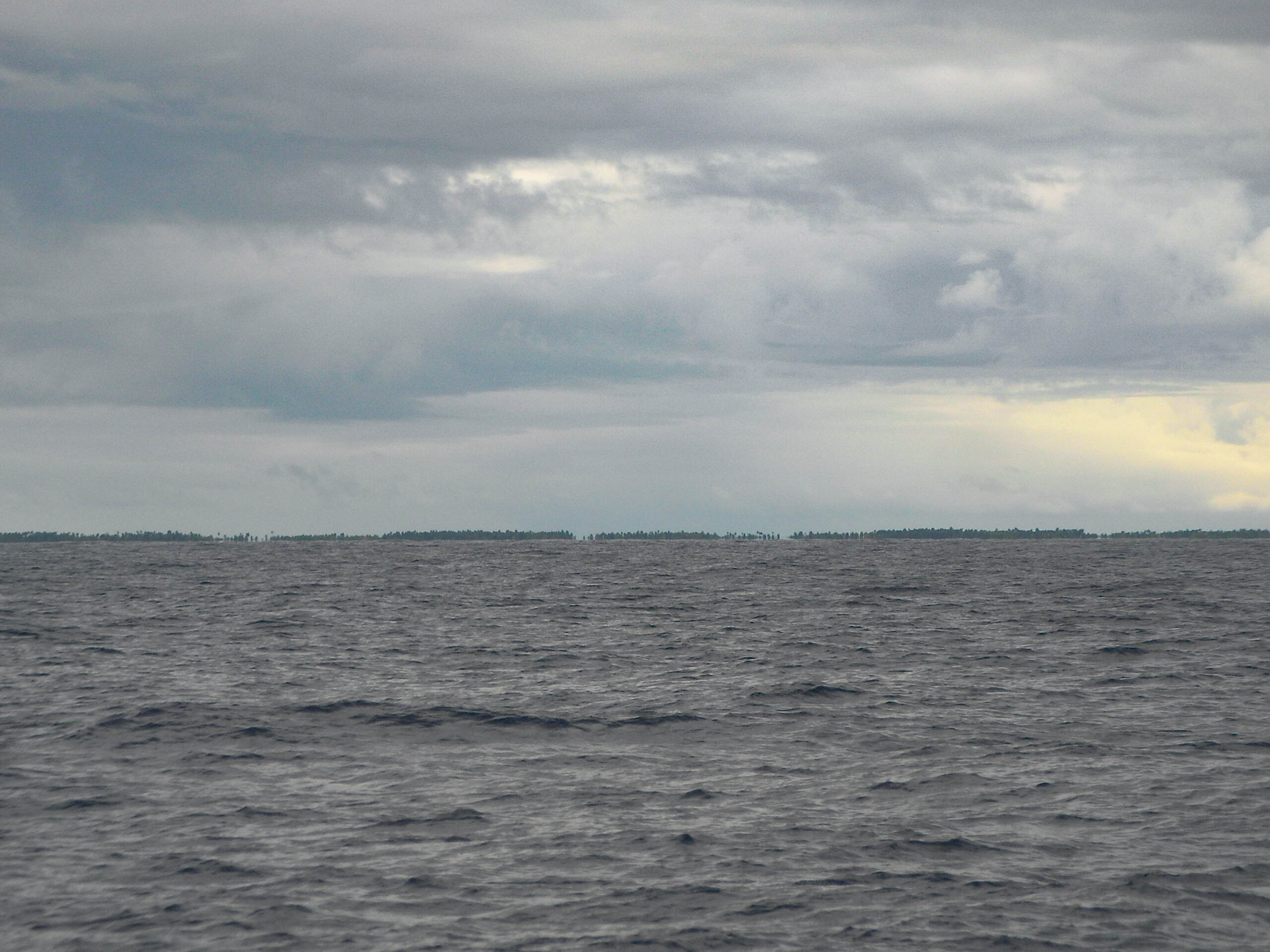
We entered the lagoon at Tahanea without incident; like Makemo, we experienced about a 2knot flood which zipped us right through the narrow pass. When we arrived there was one other boat a half-mile distant; they left later that afternoon, leaving us with another lagoon all to ourselves. And again, it was glorious. The water was crystal clear–we could see the bottom to at least 200 feet.
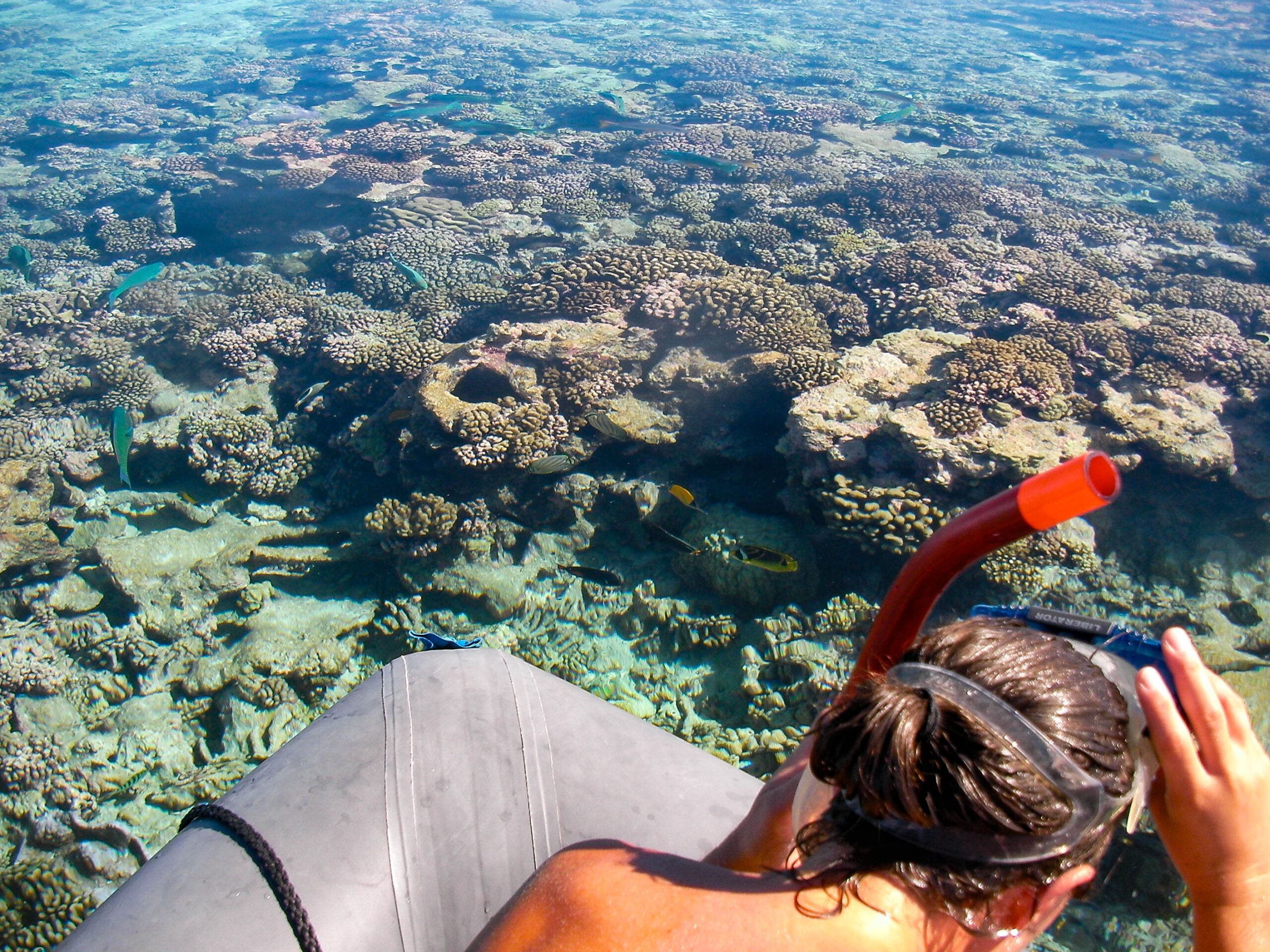
The next day we dinghied over to another pass that was narrowed by reefs on either side, and we snorkeled alongside the dinghy, drifting with the current pulling us back into the lagoon. It was acres of aquarium, perfectly clear, colorful fish of all sorts that I can’t identify.
SANYO DIGITAL CAMERA
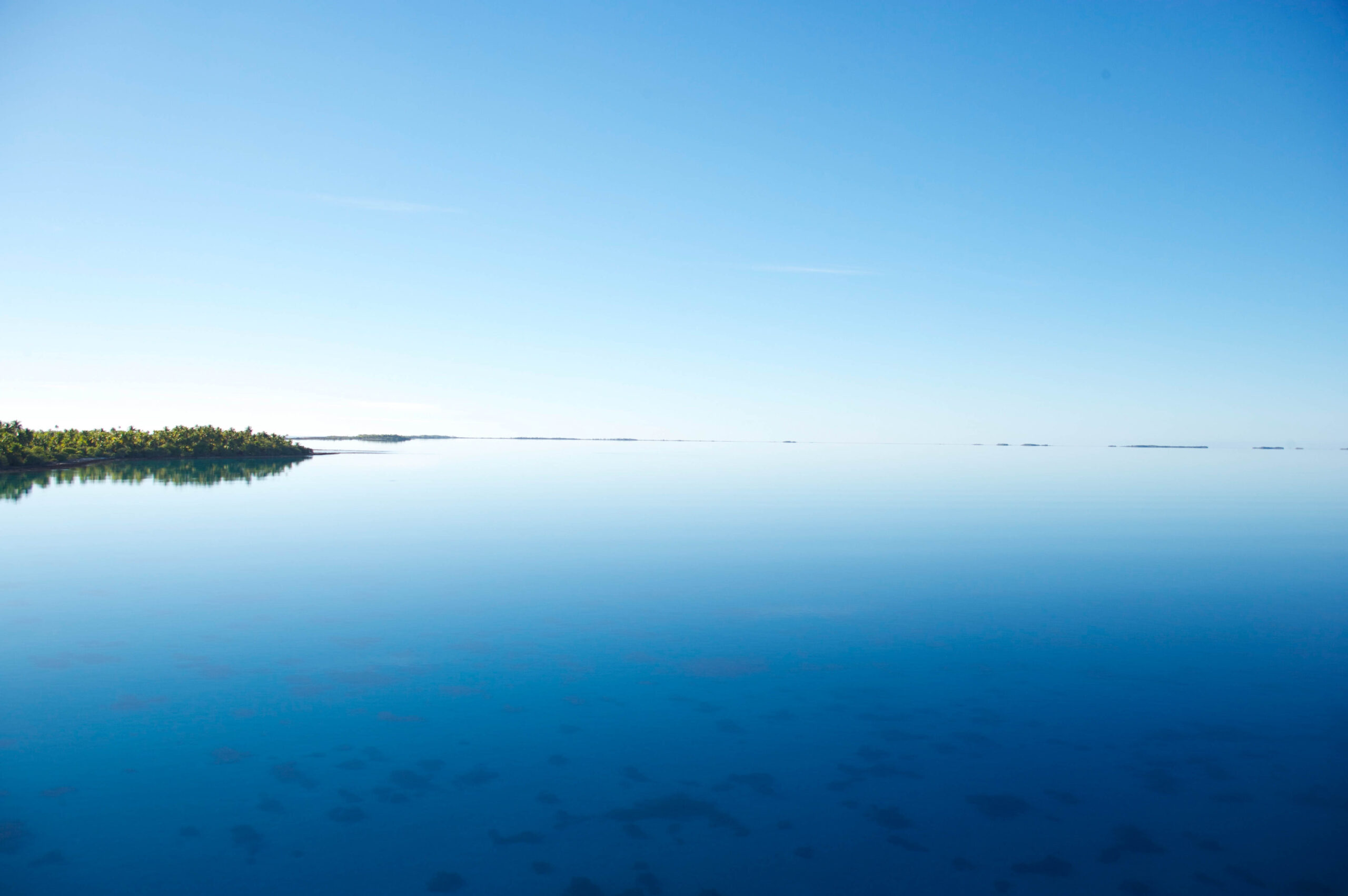
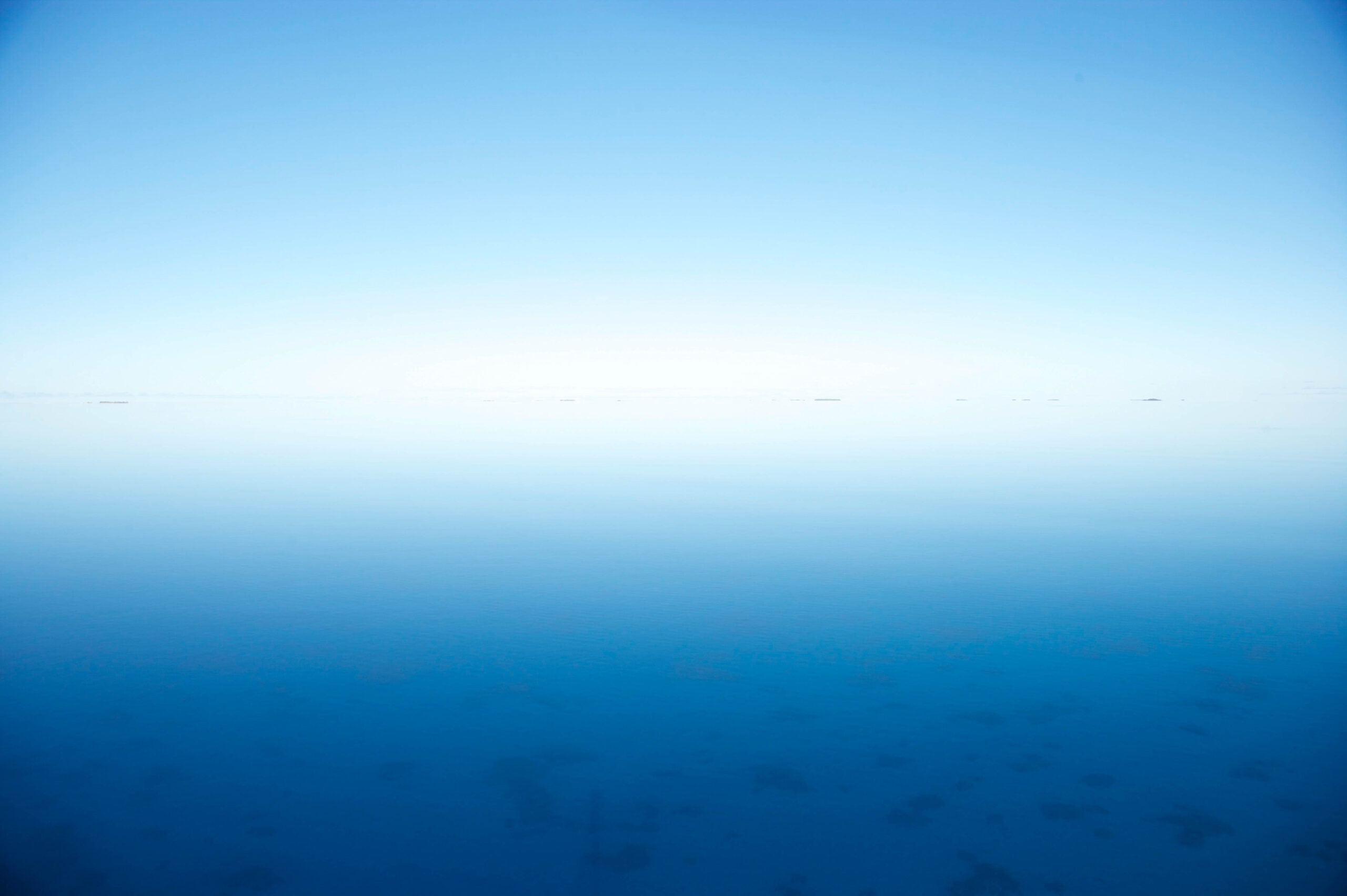
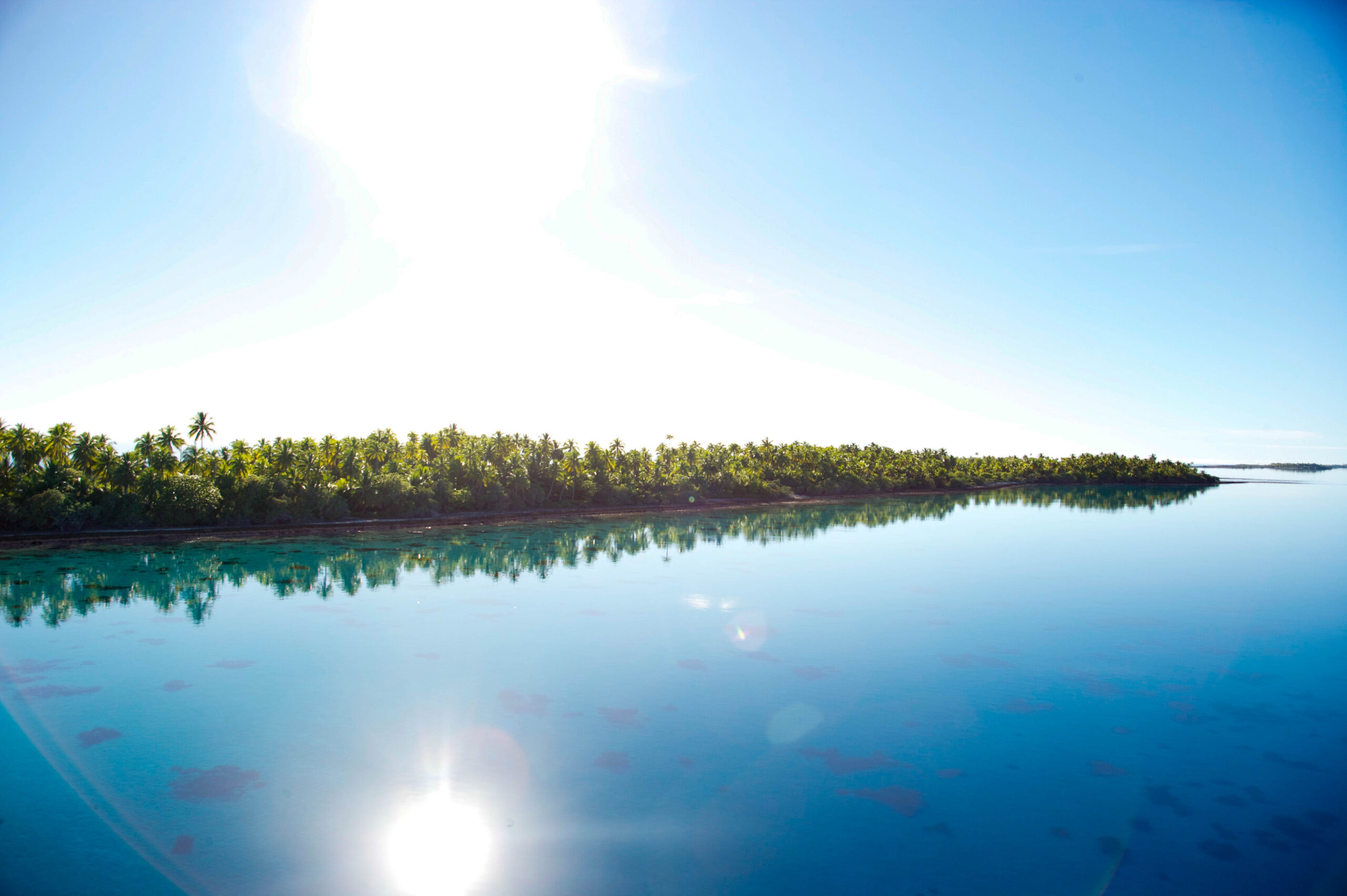
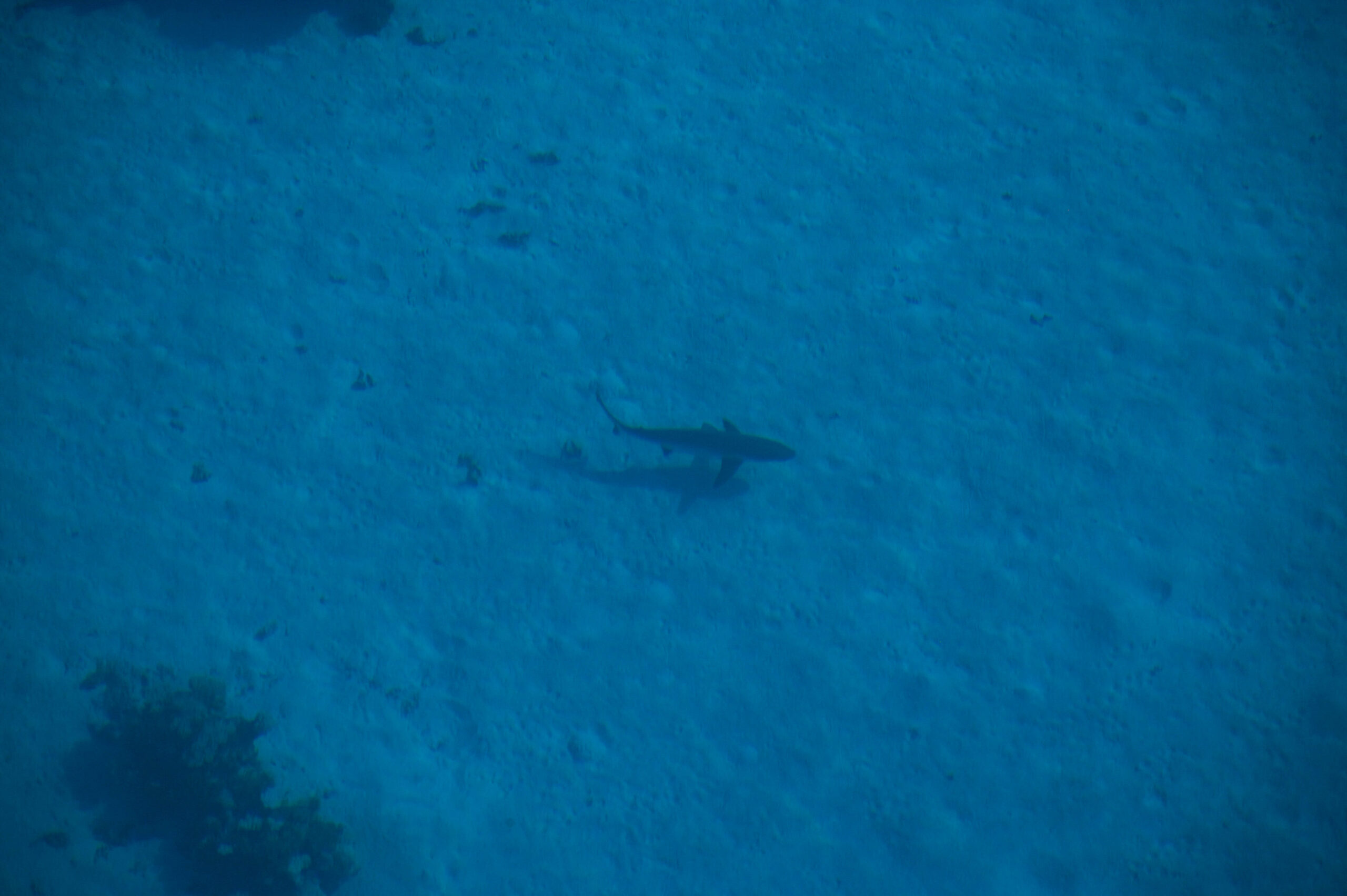
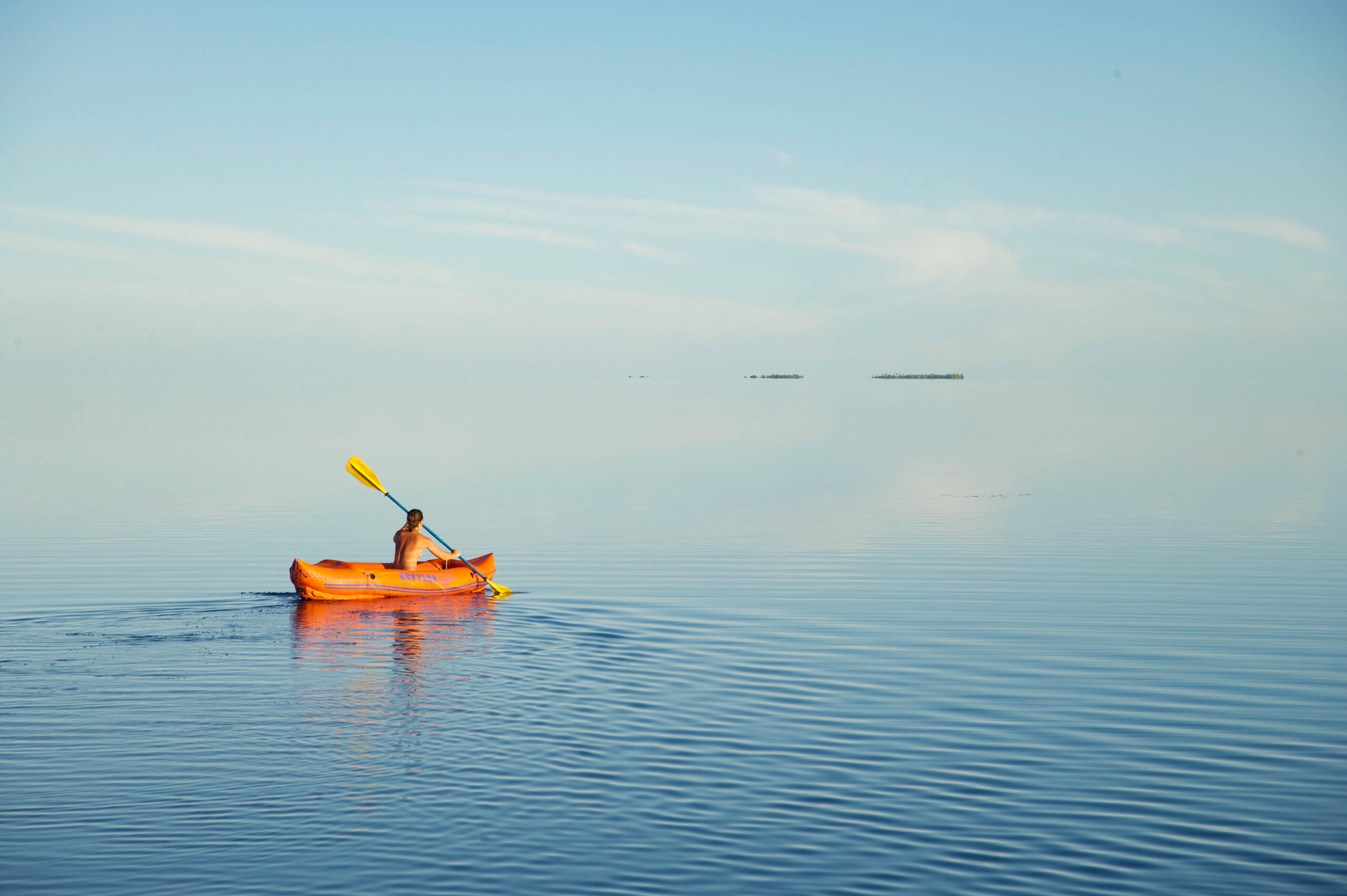
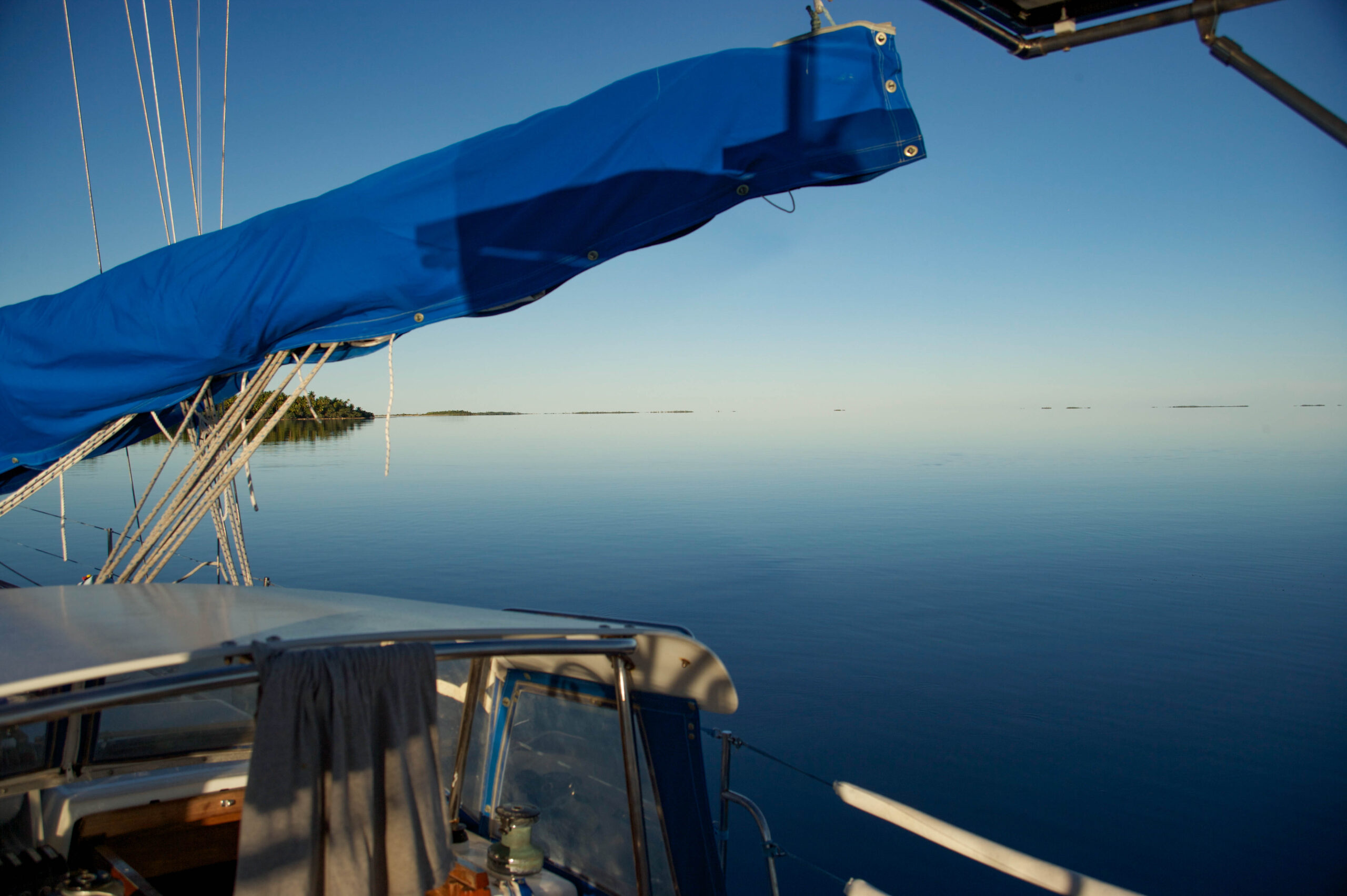
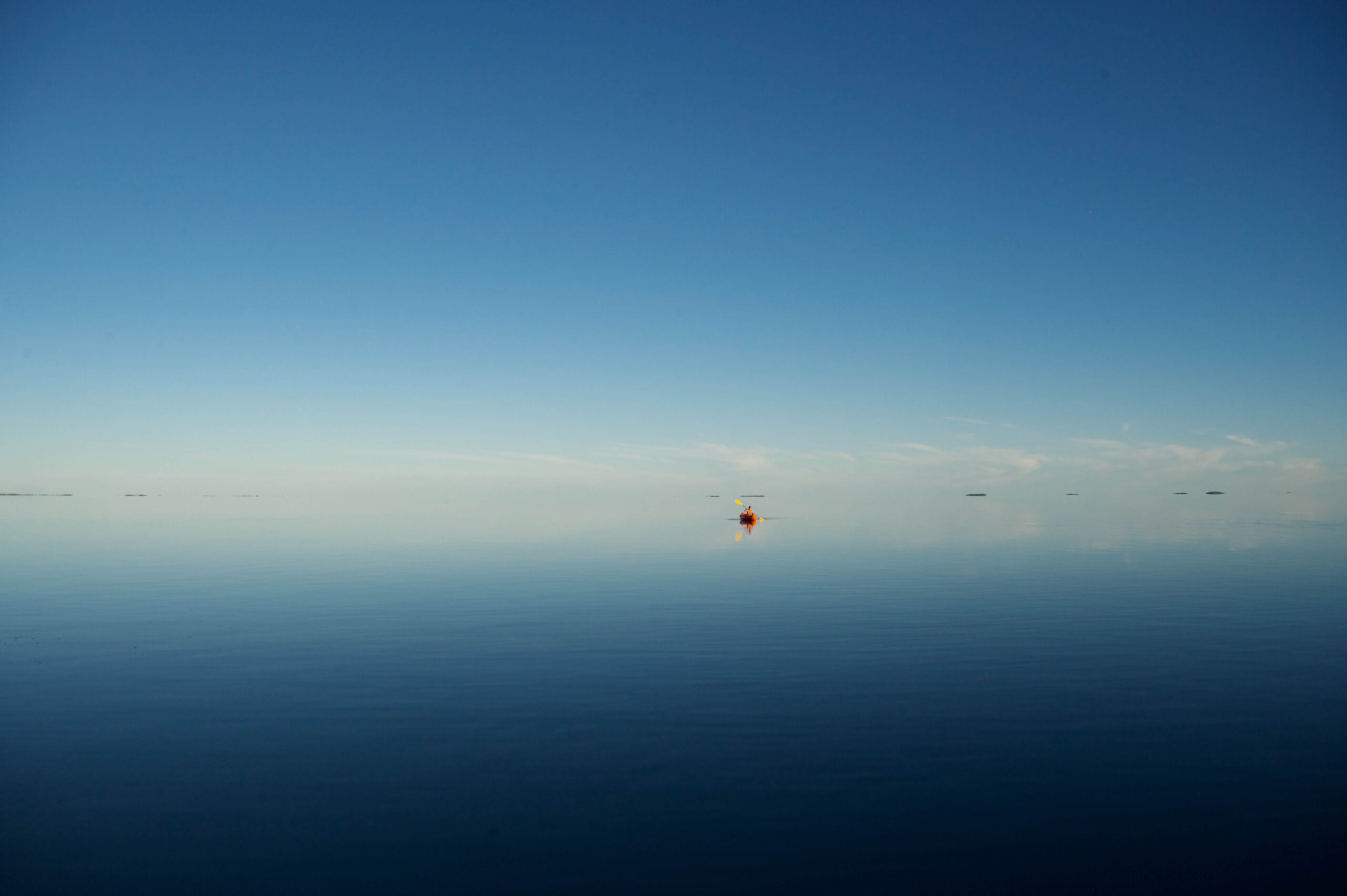
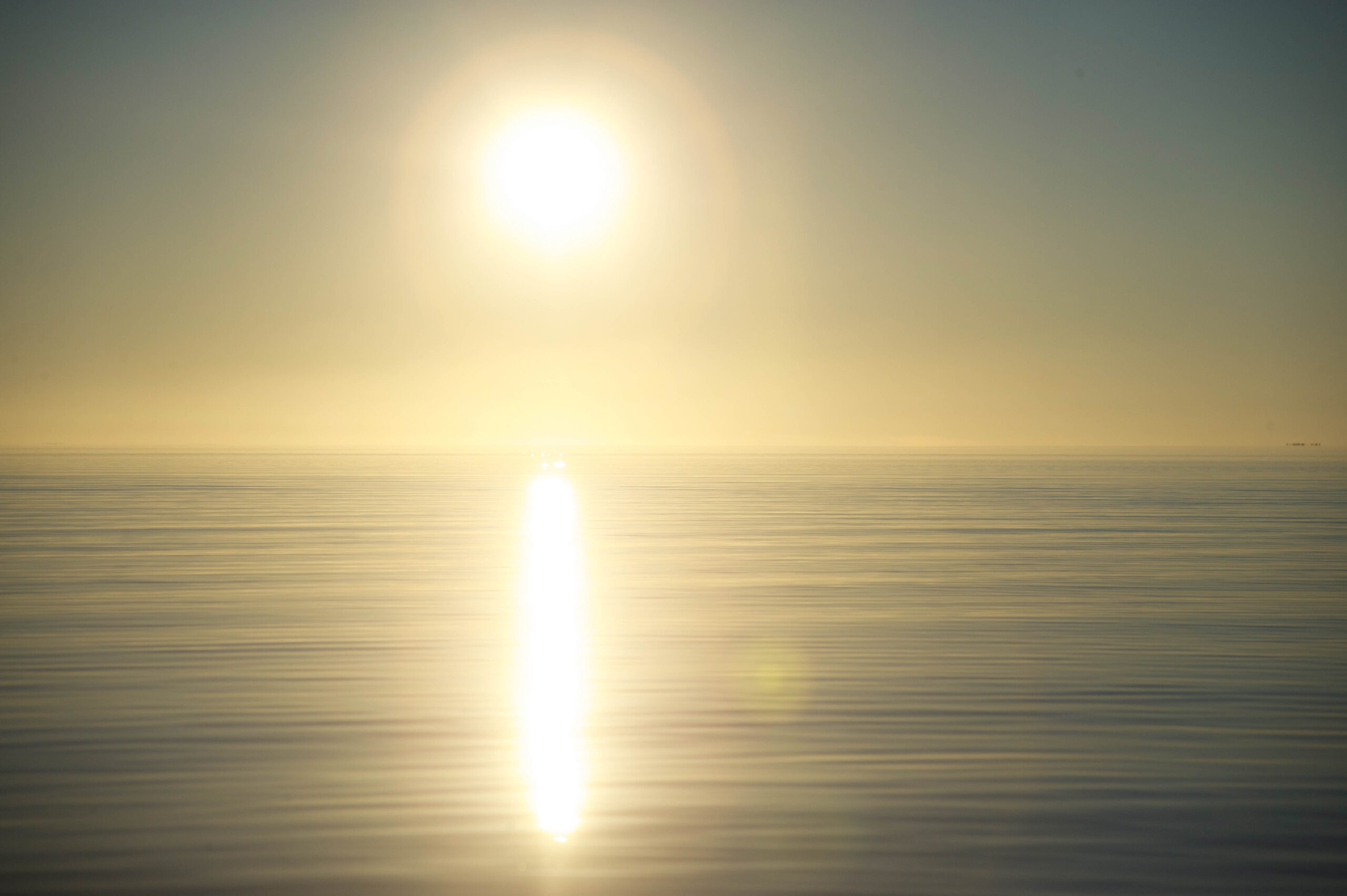
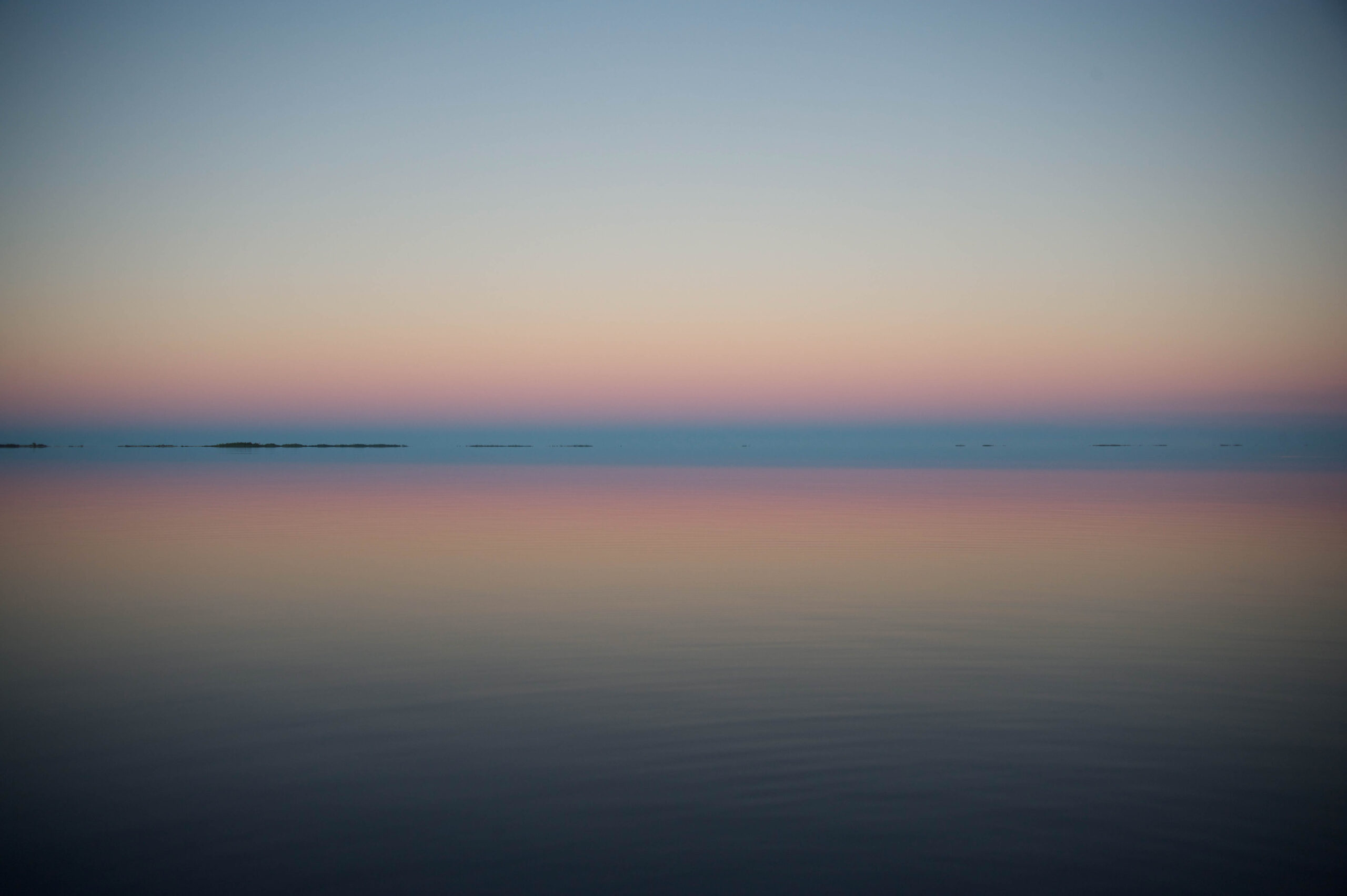
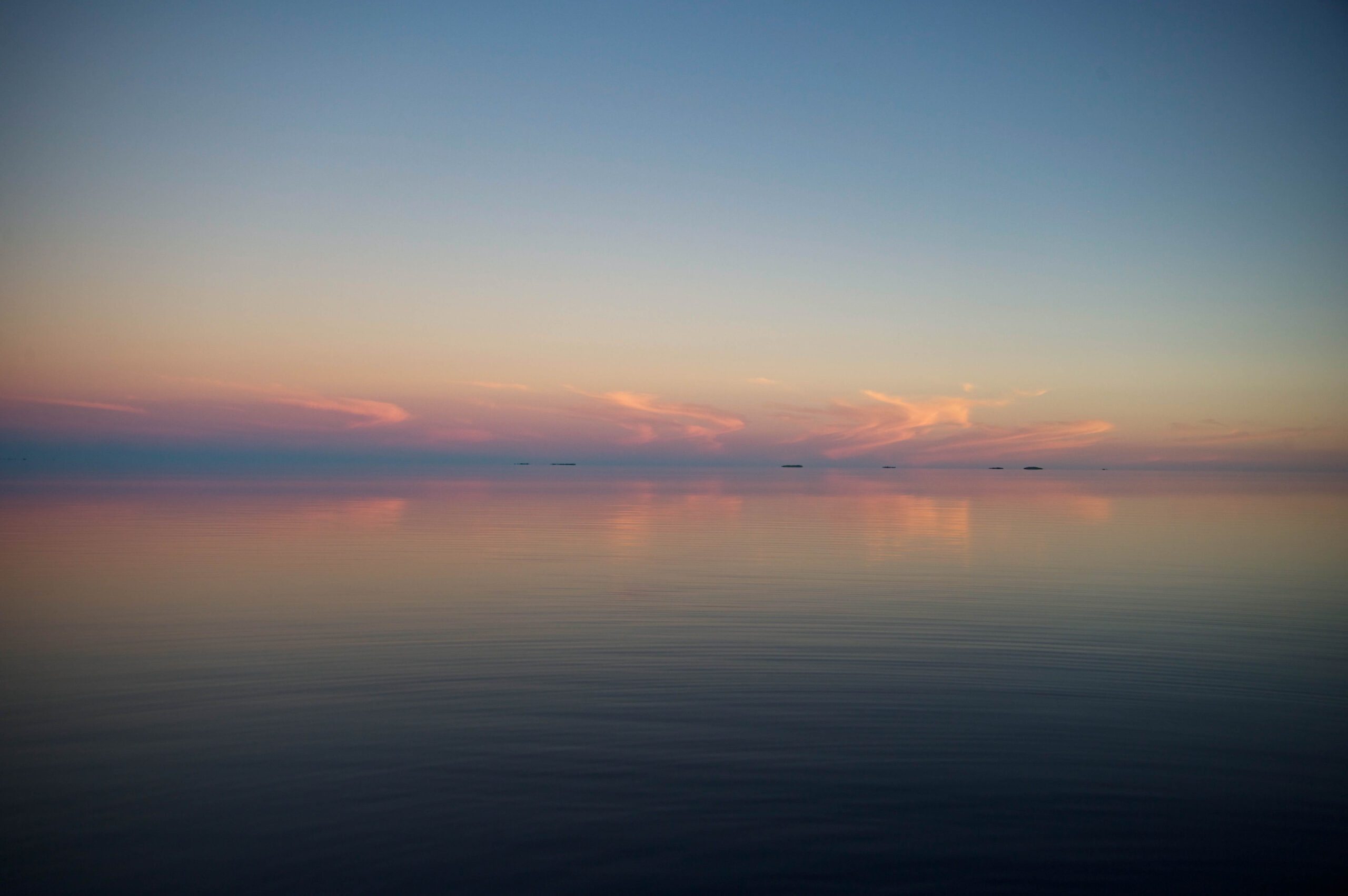
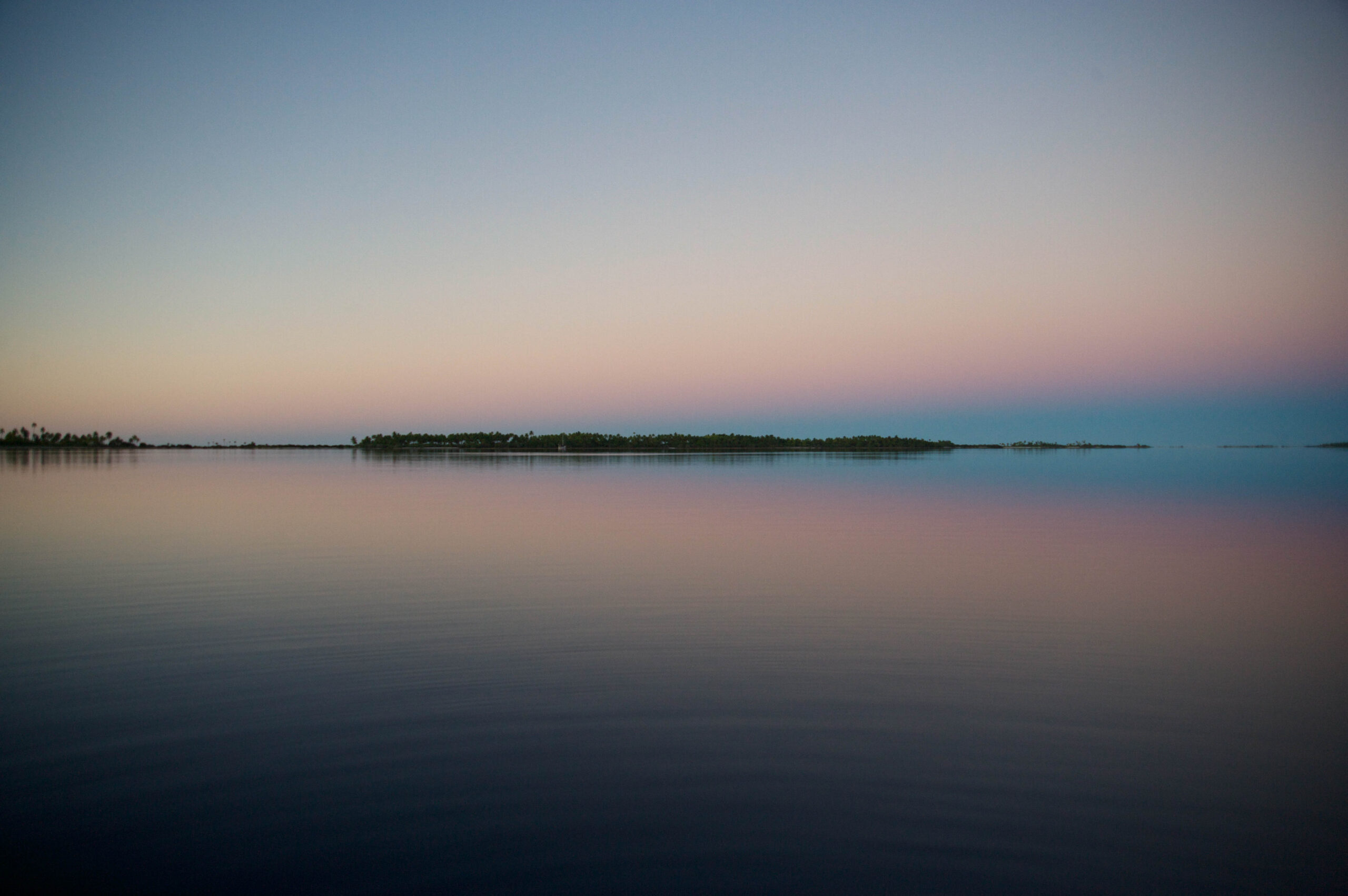
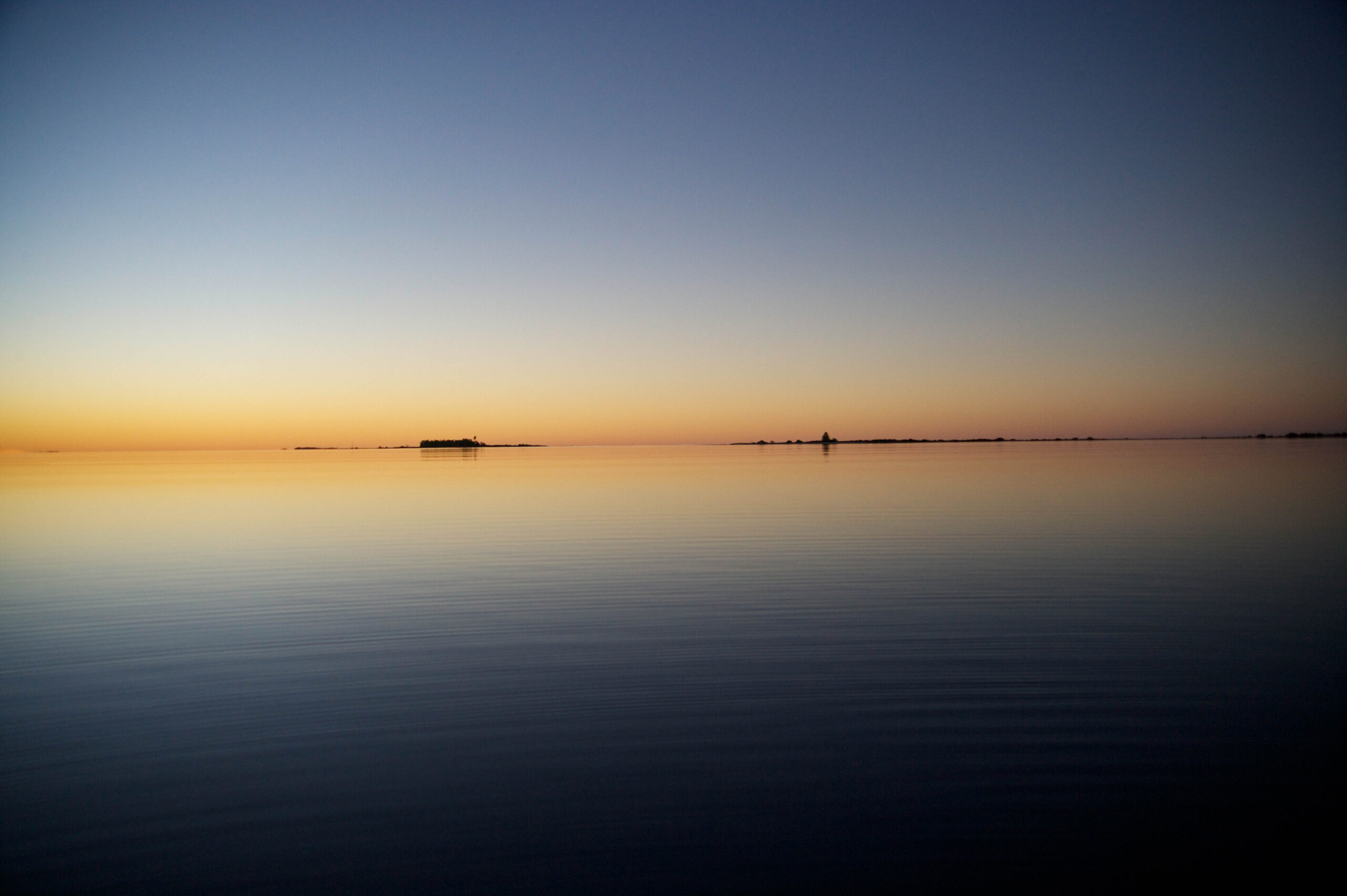
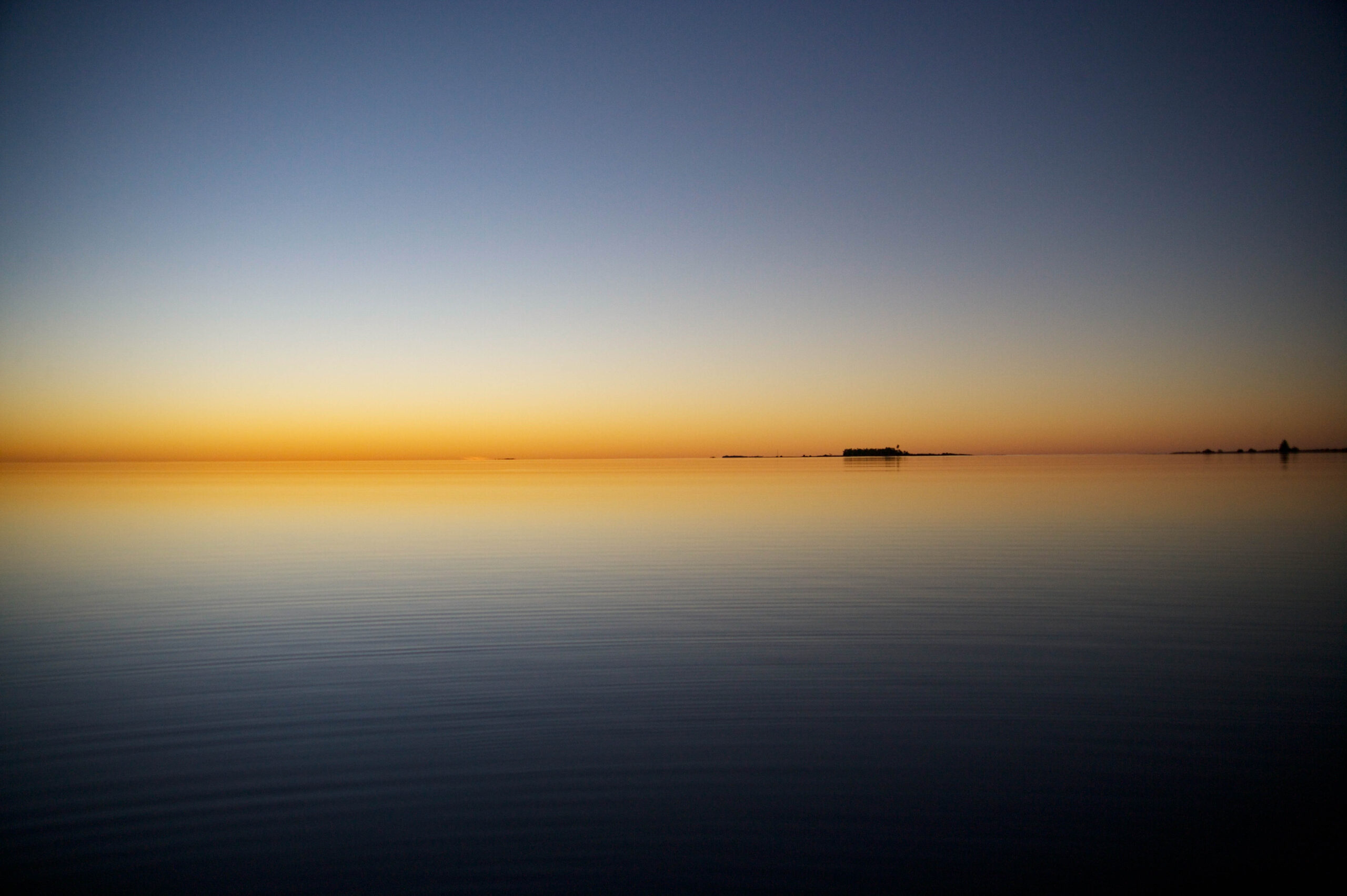
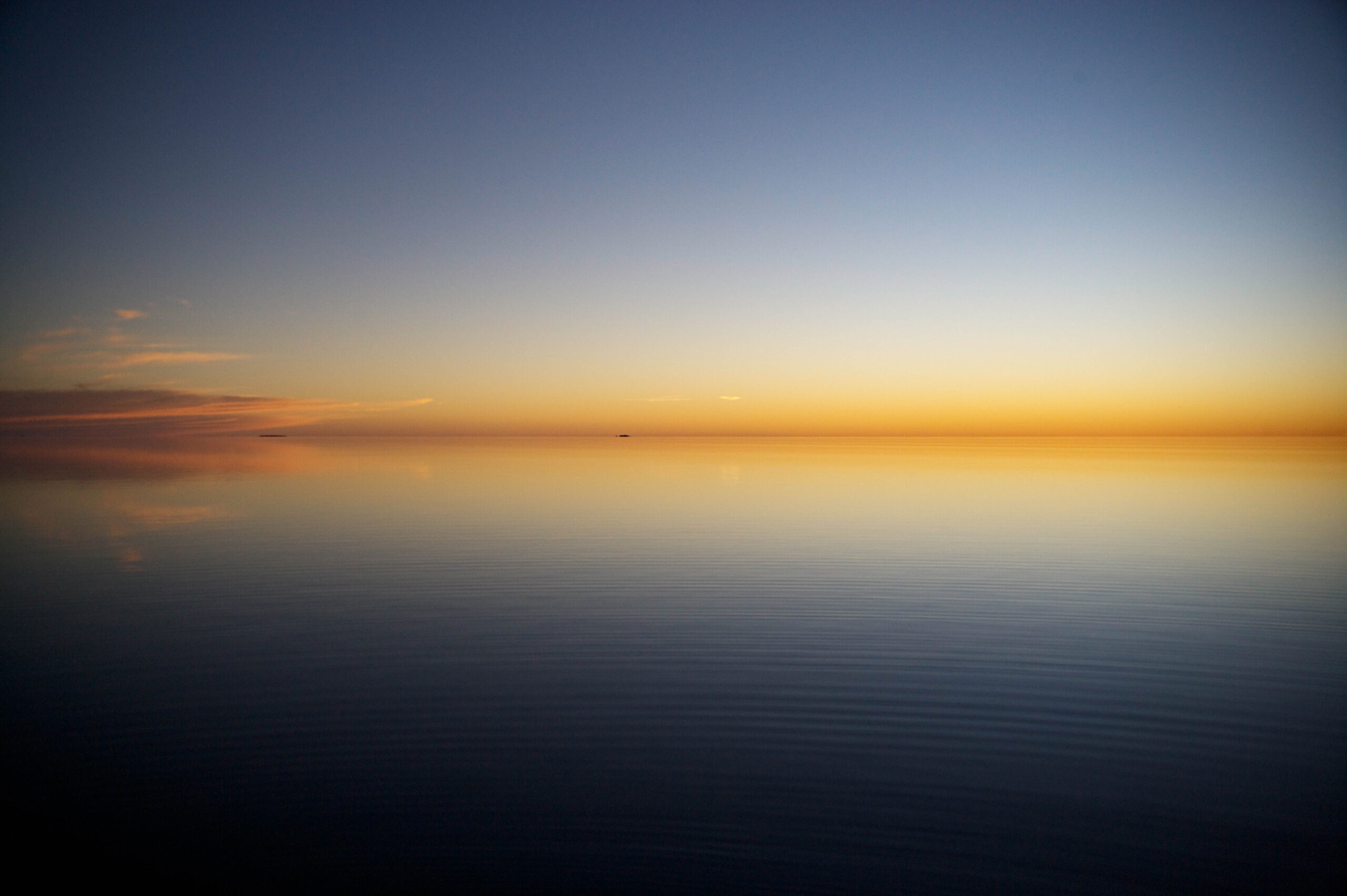
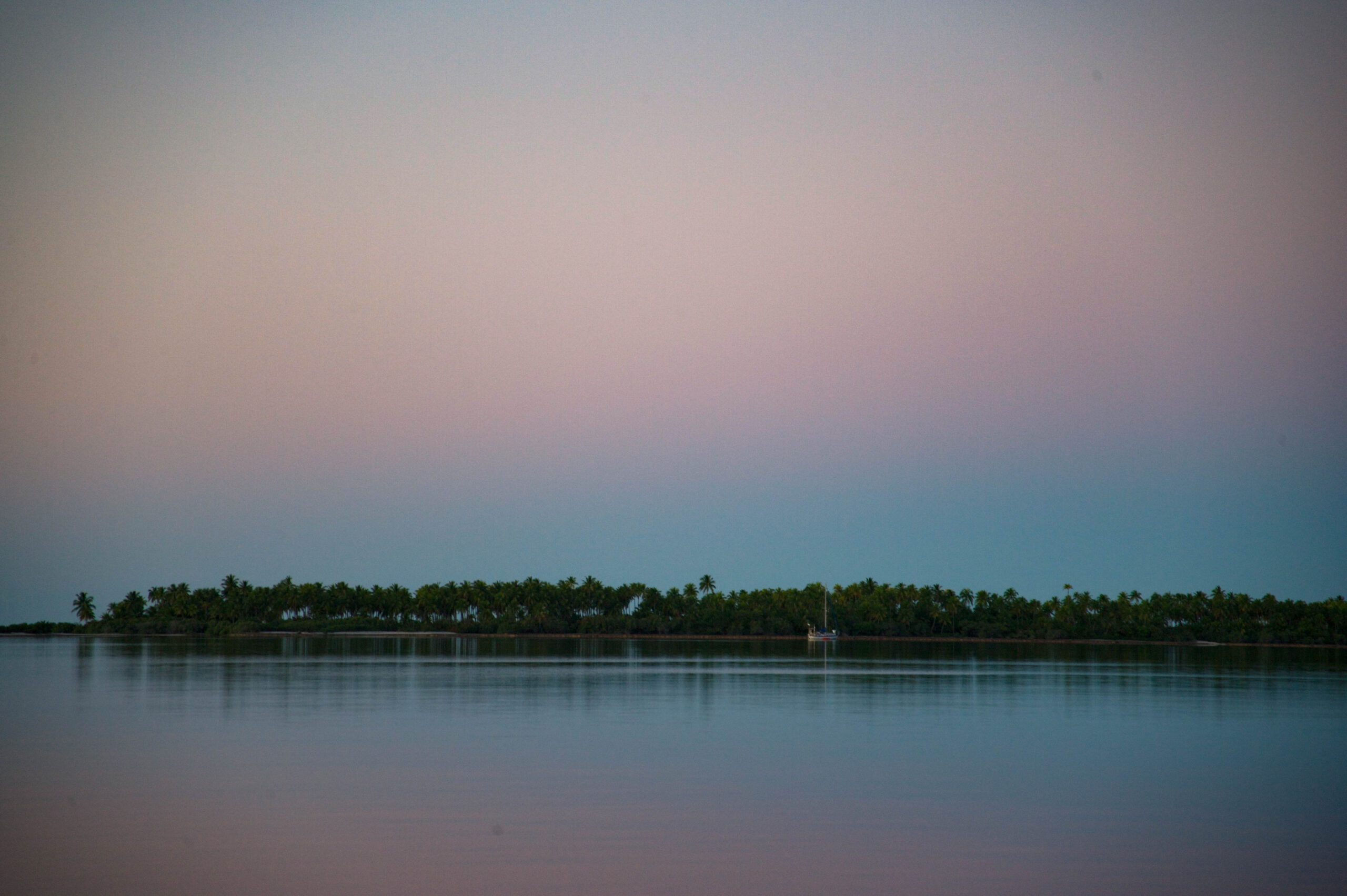
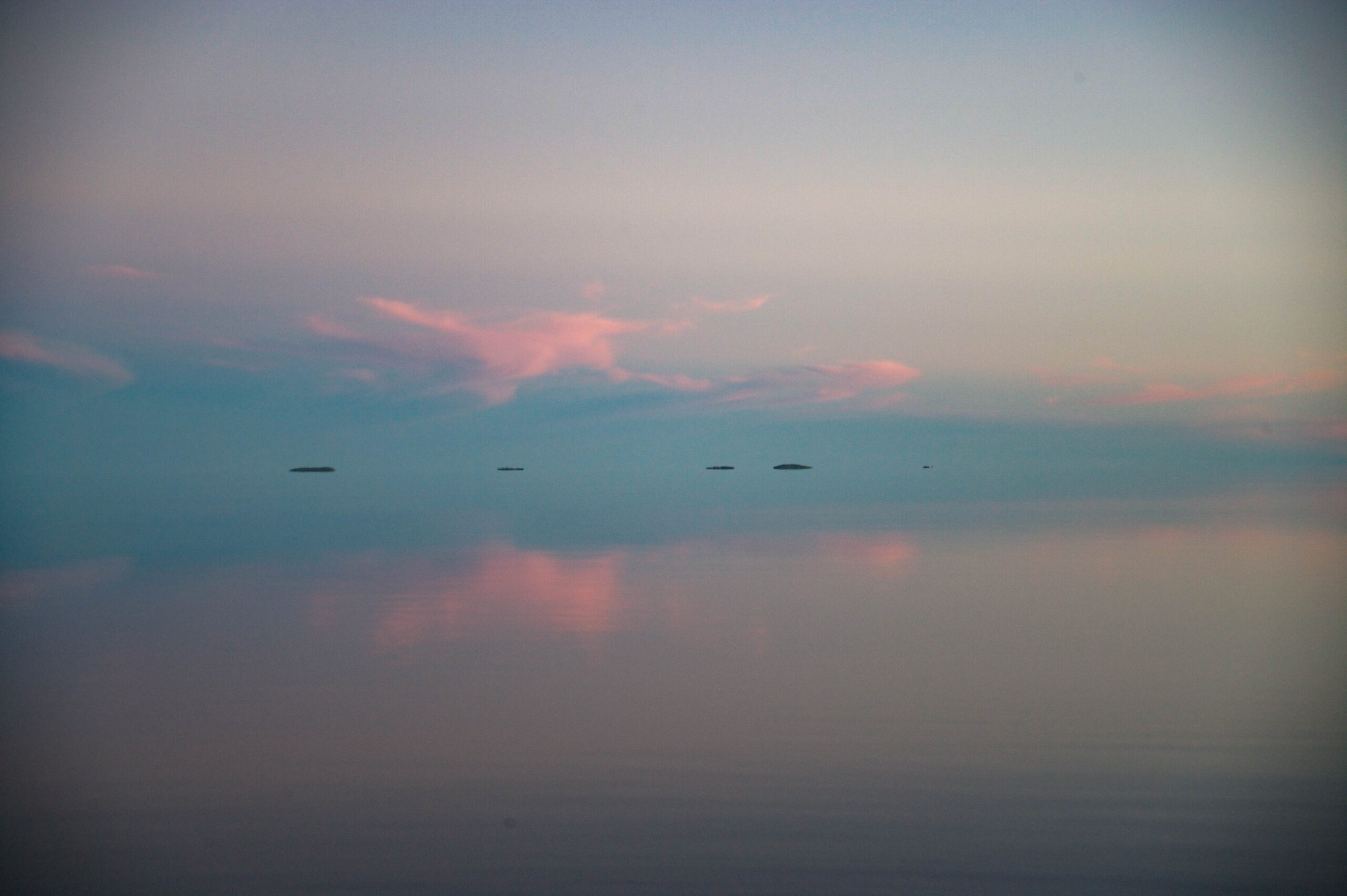
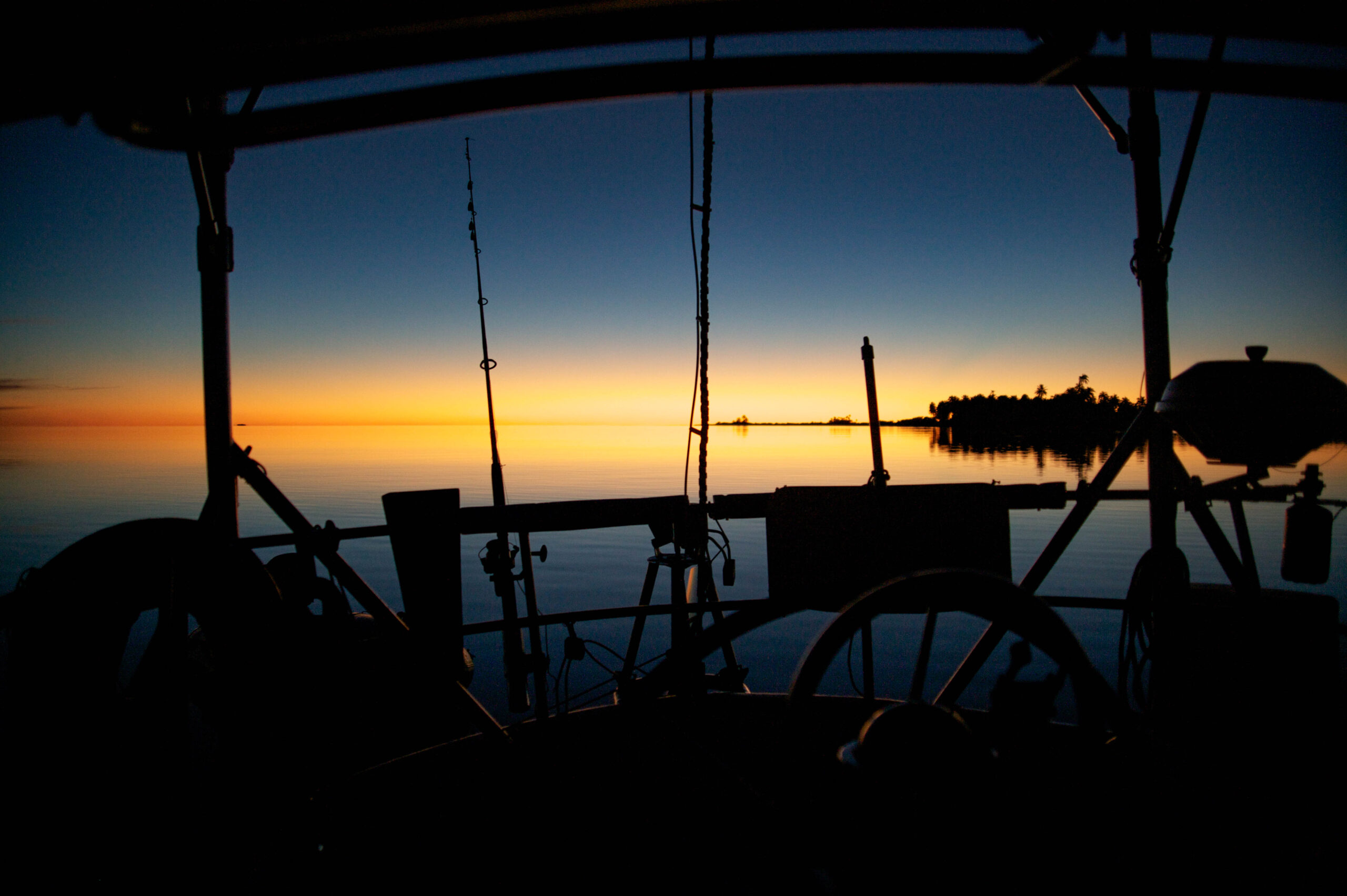
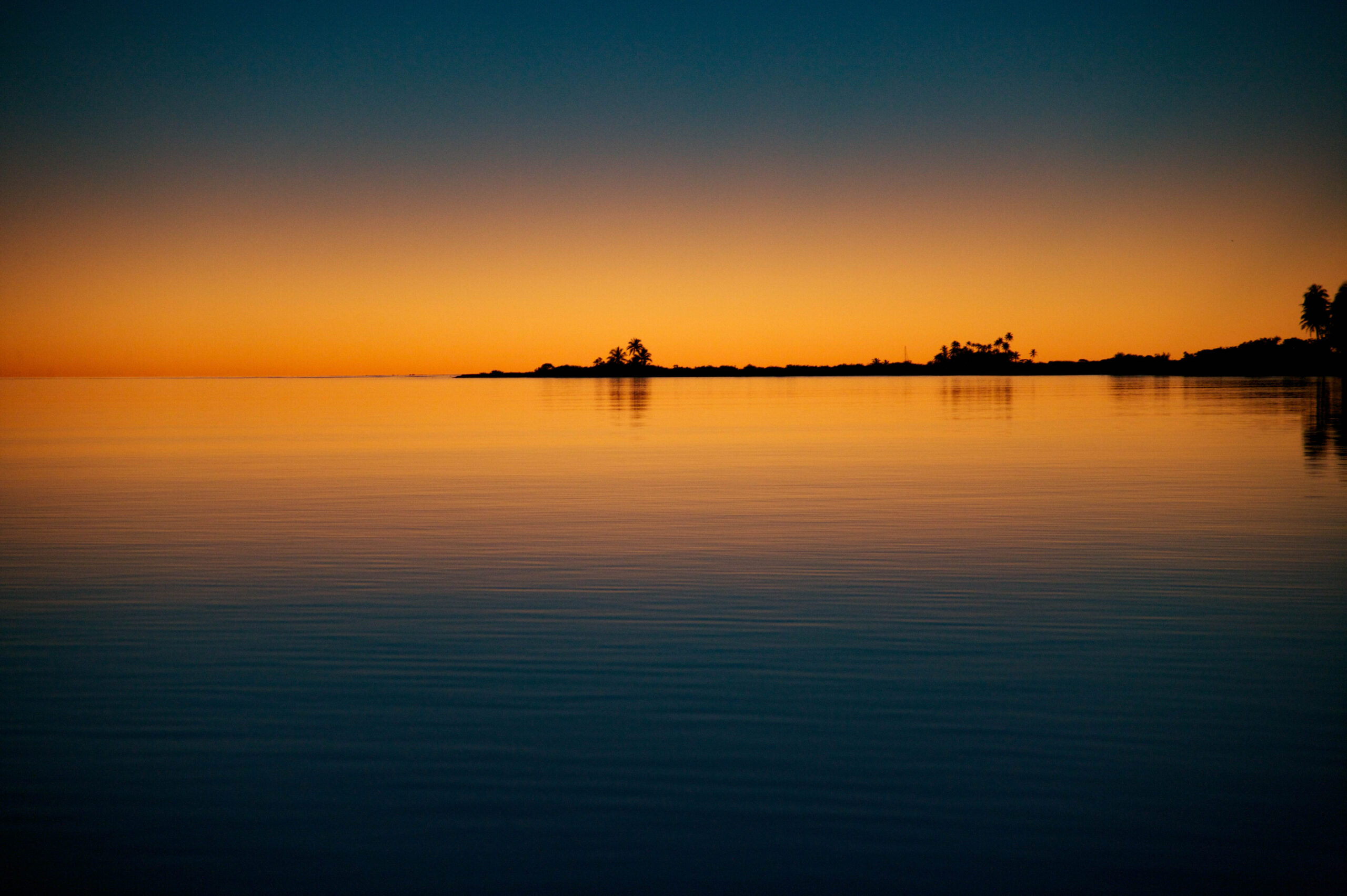
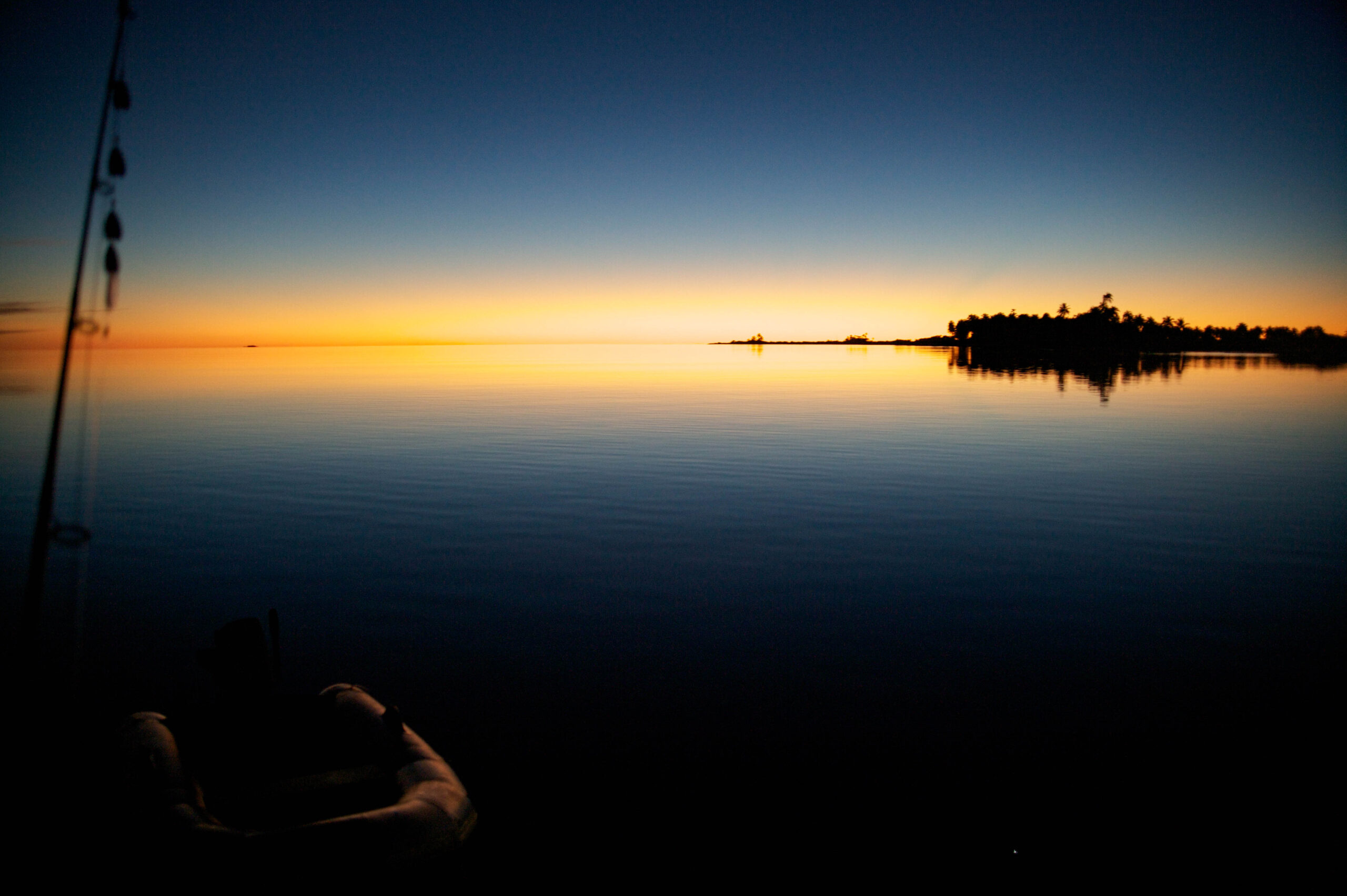
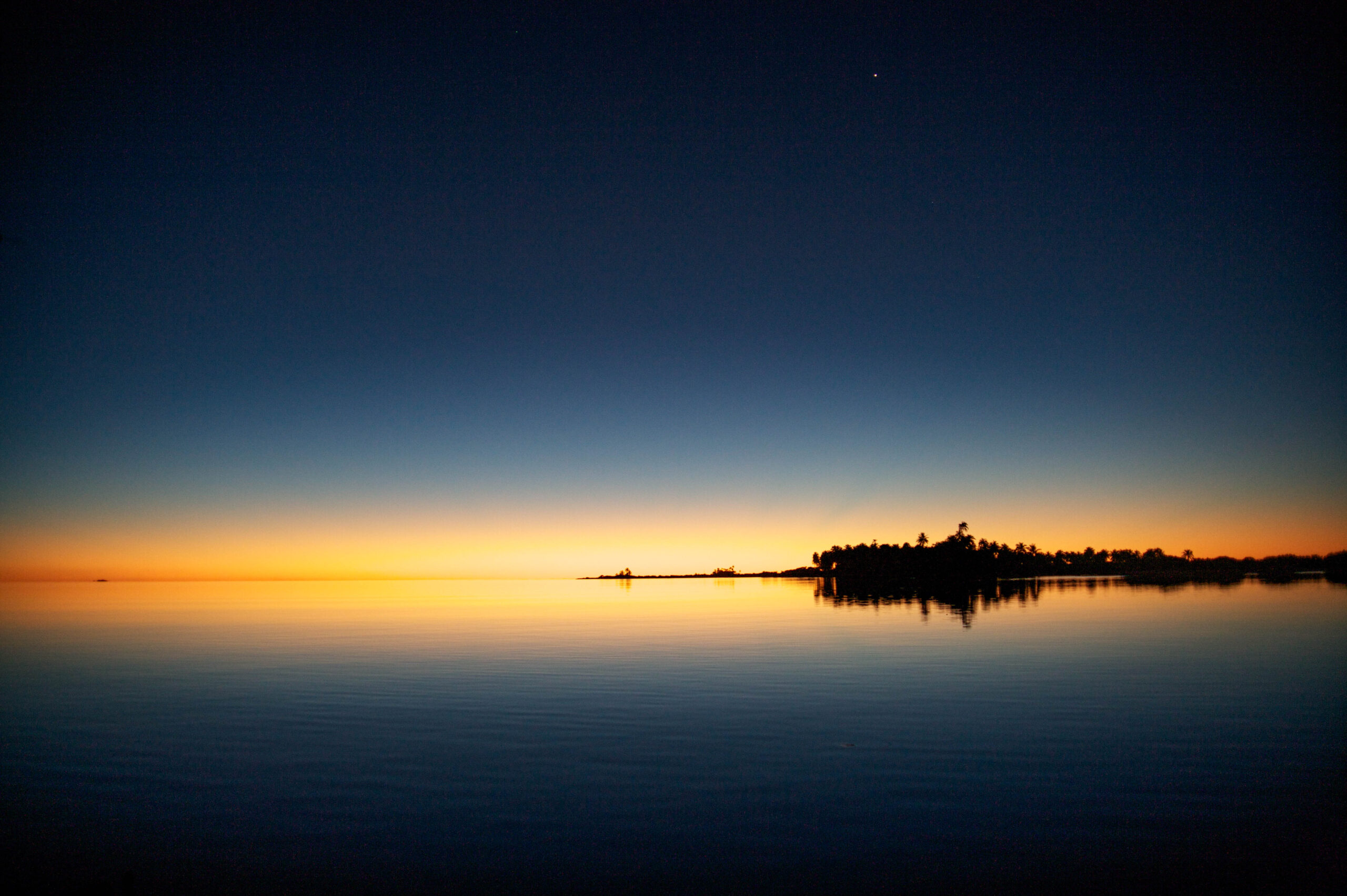
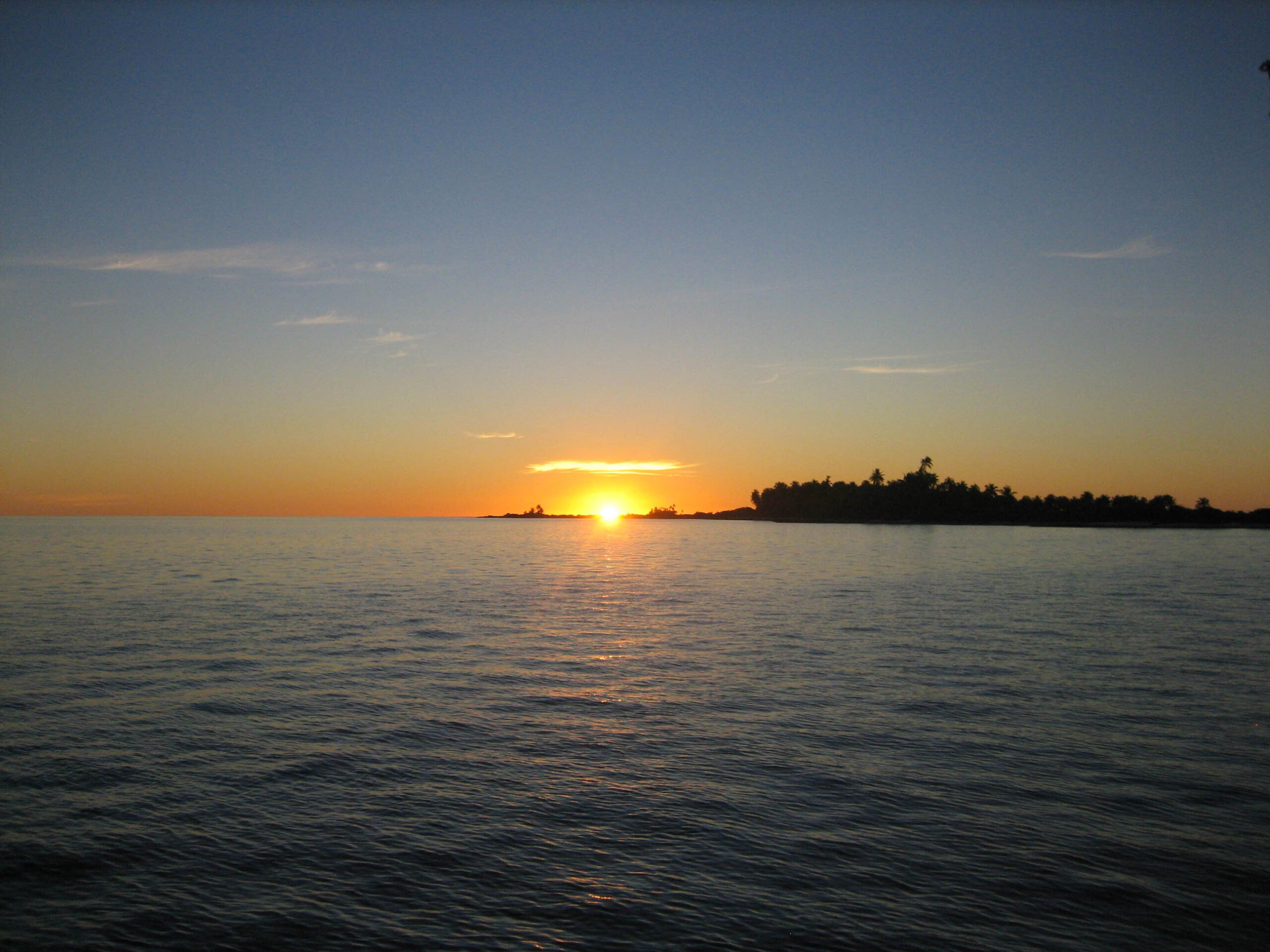
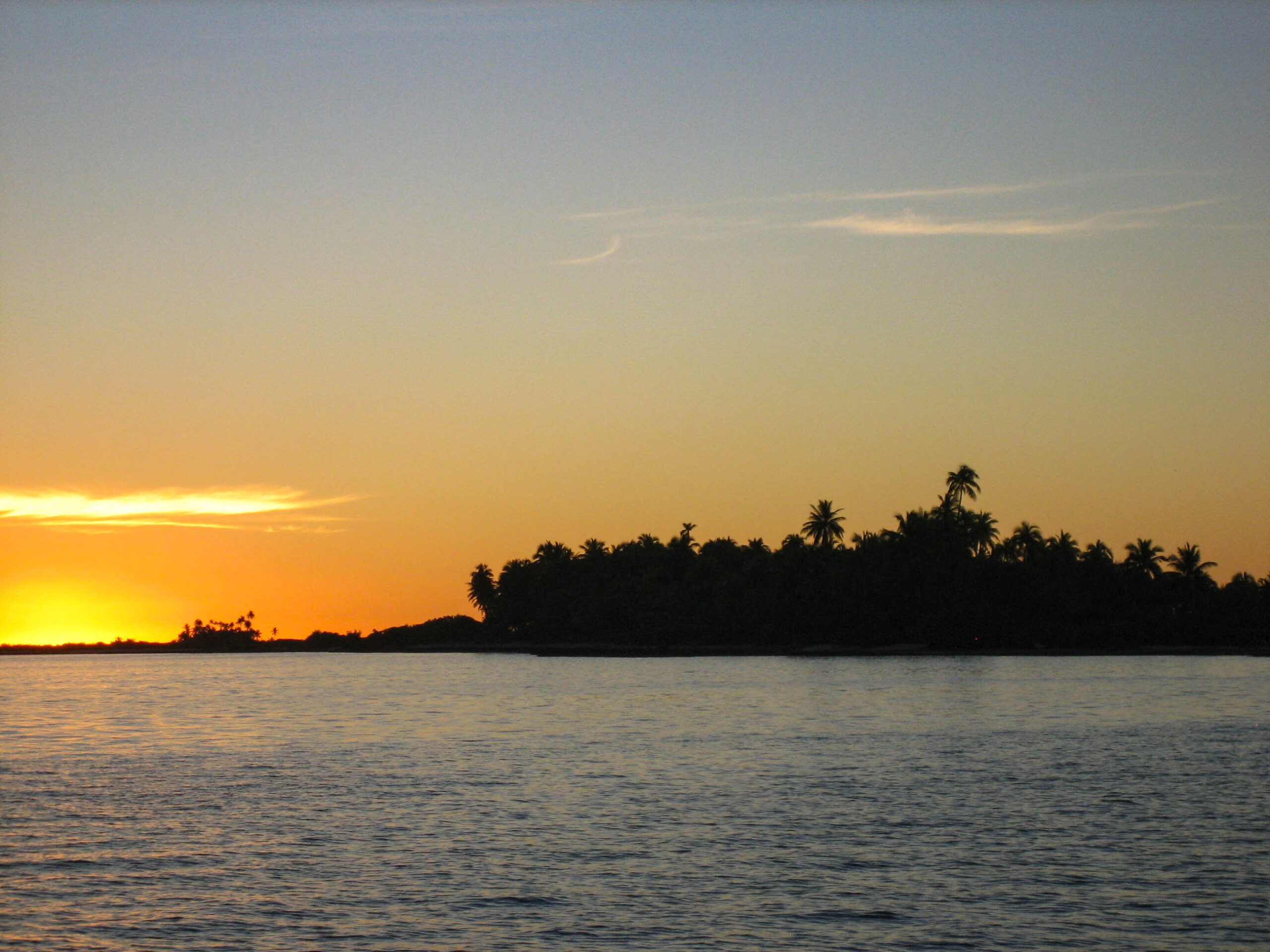
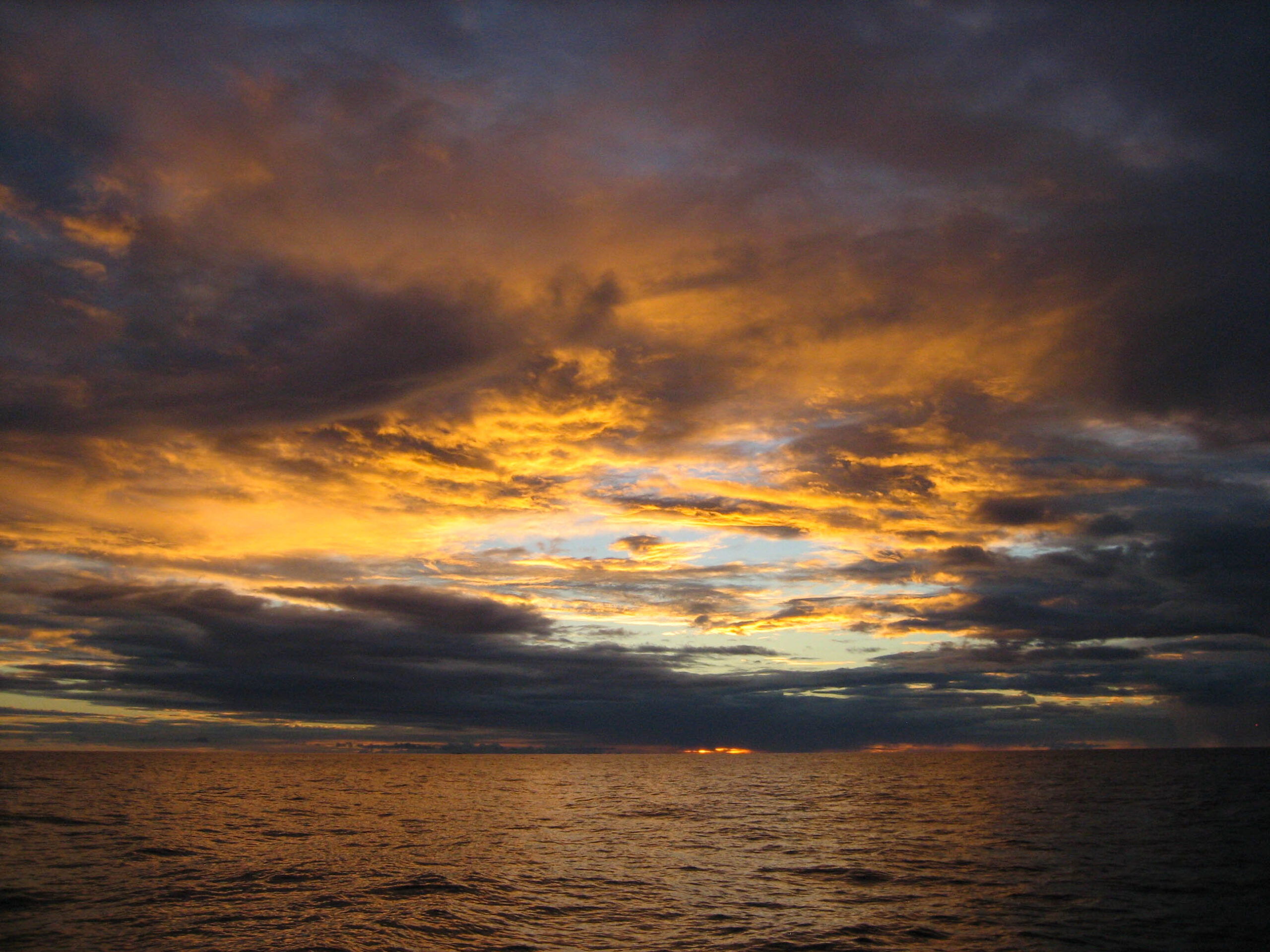
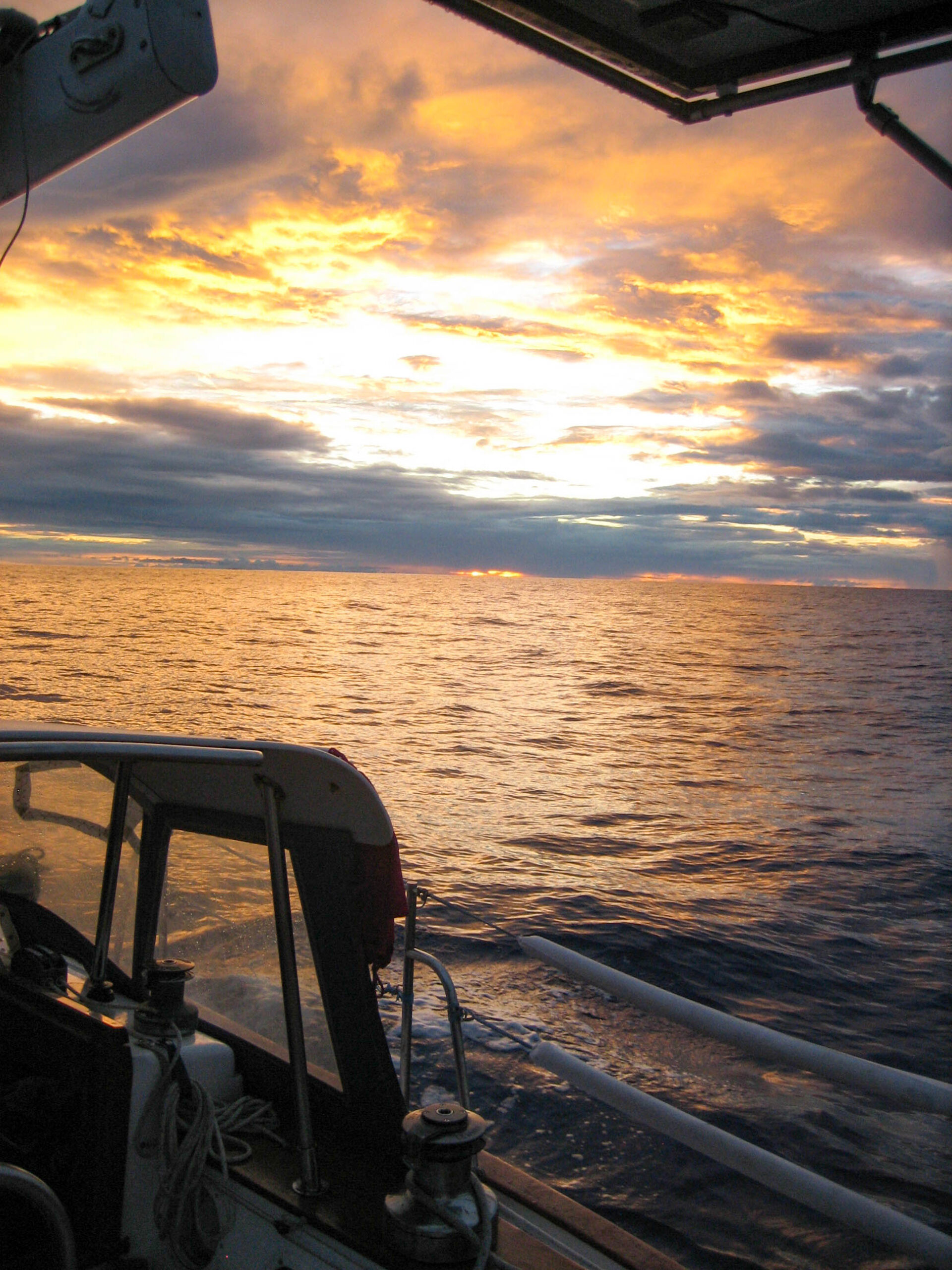
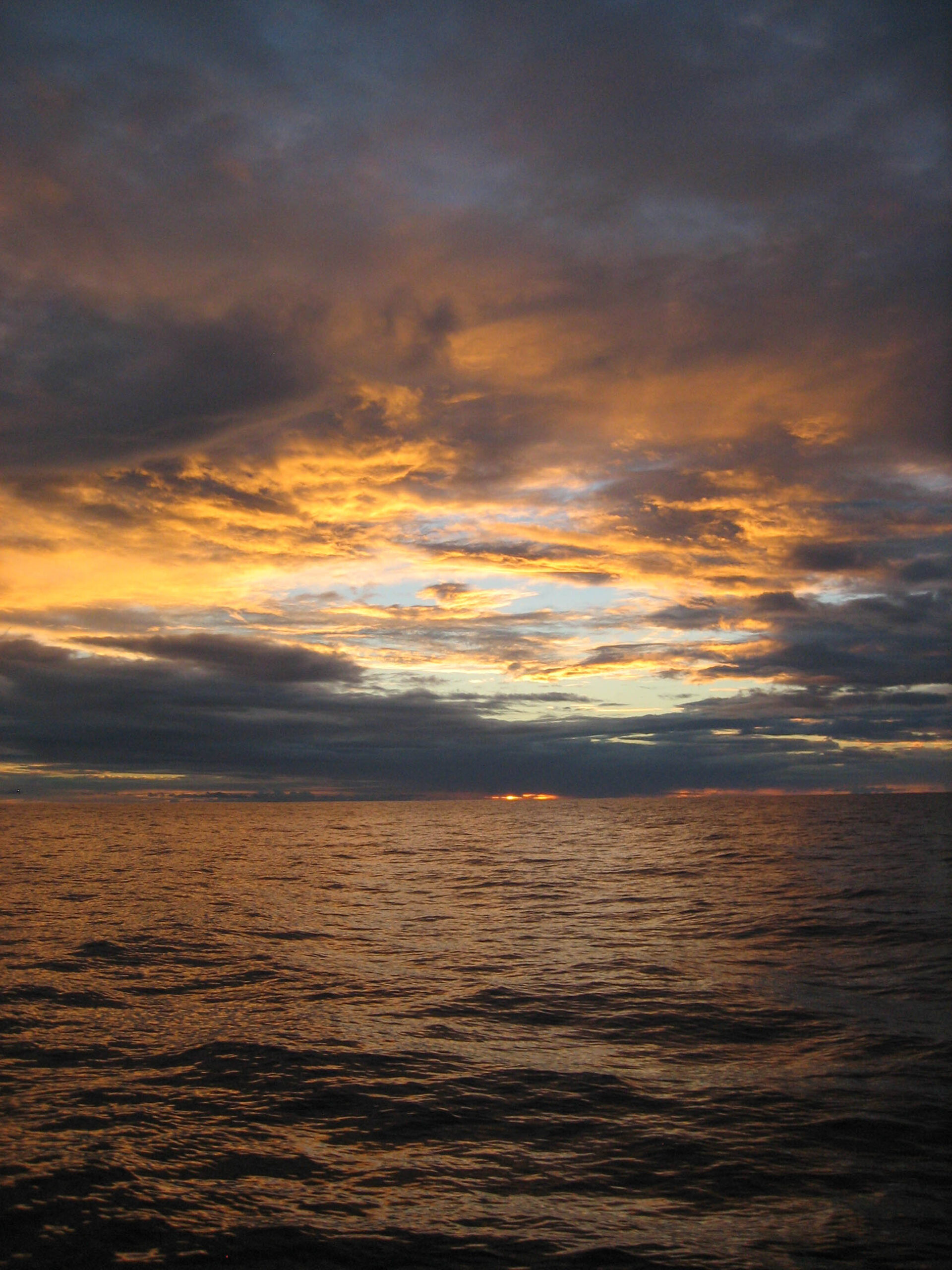
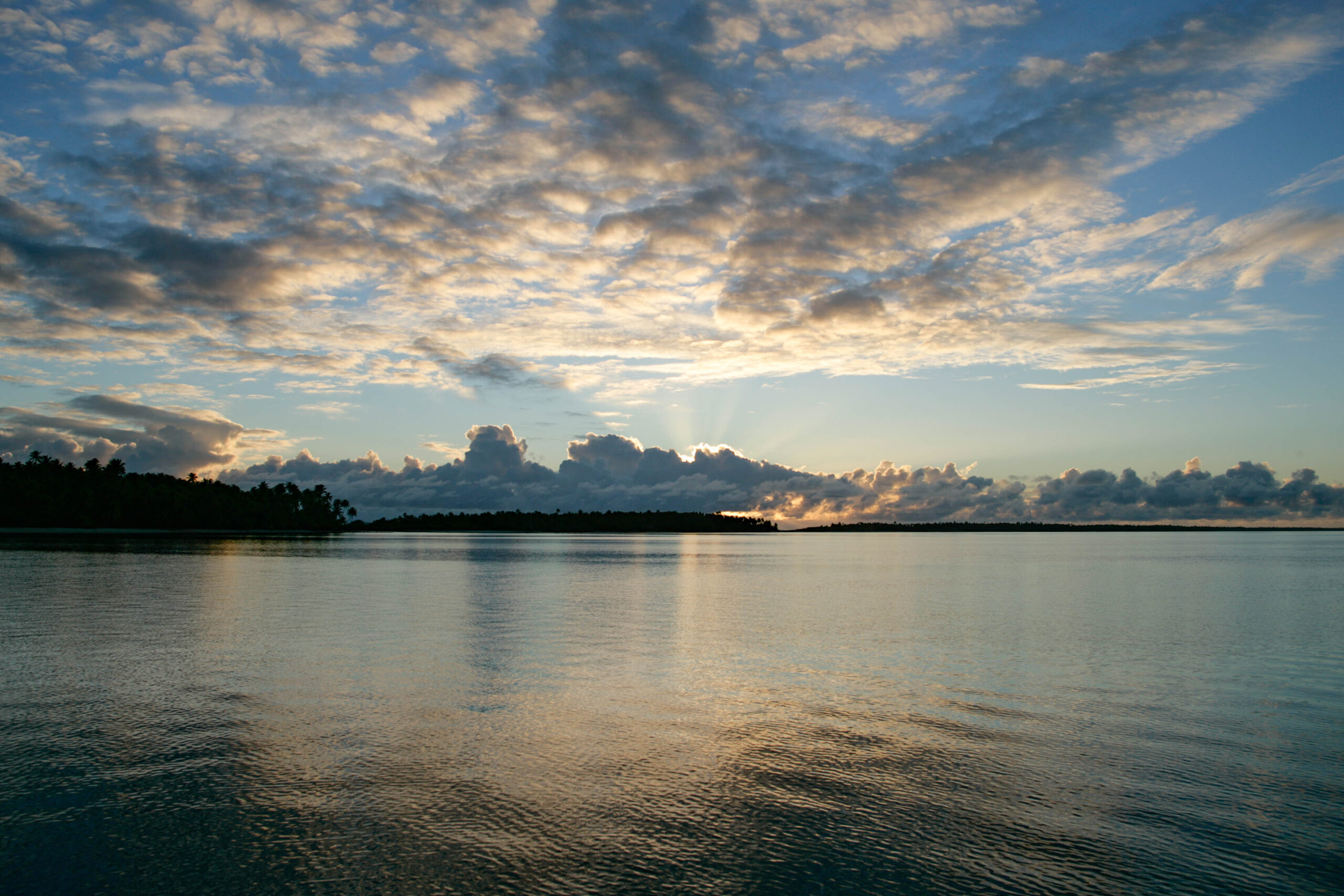
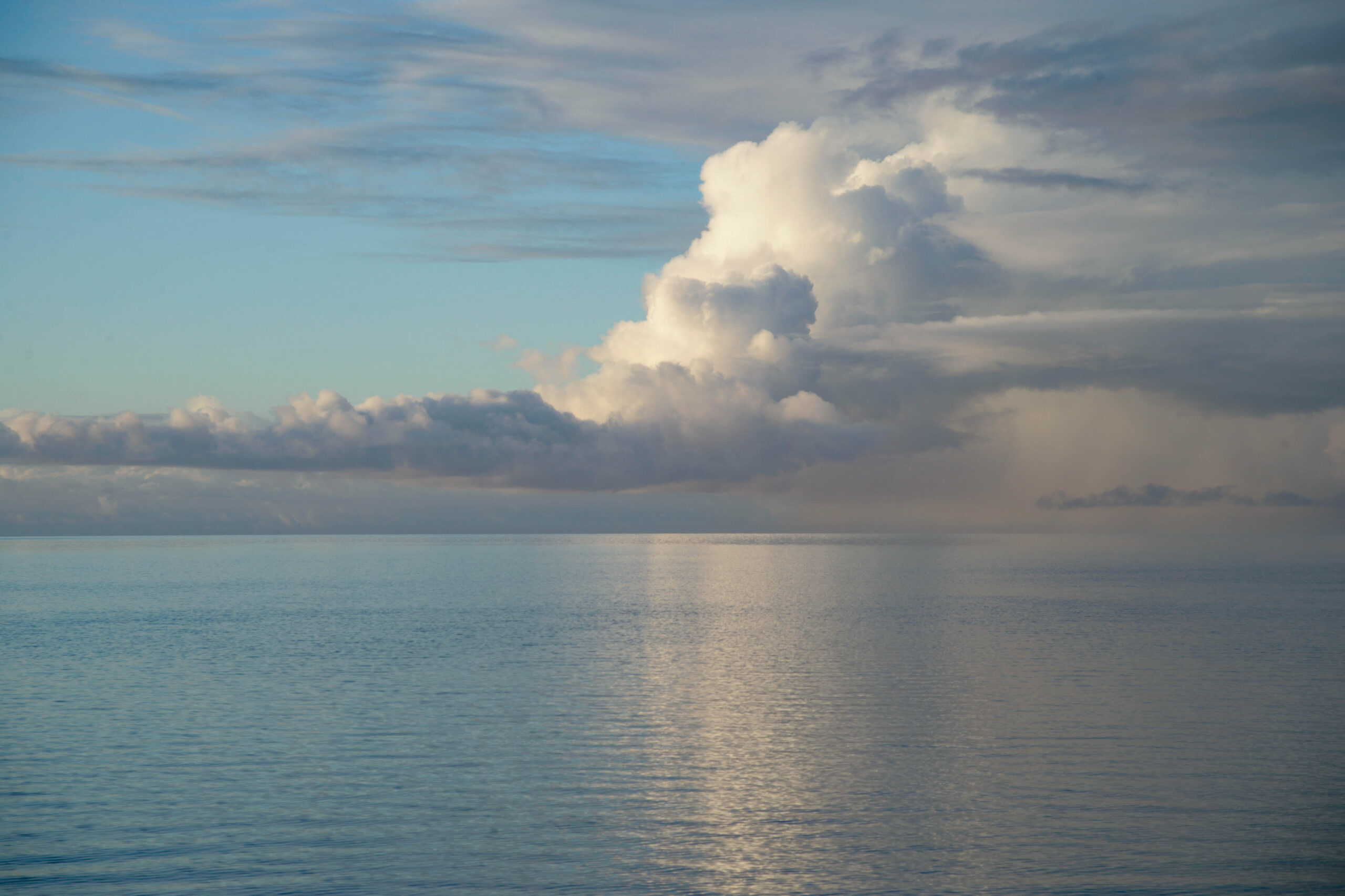
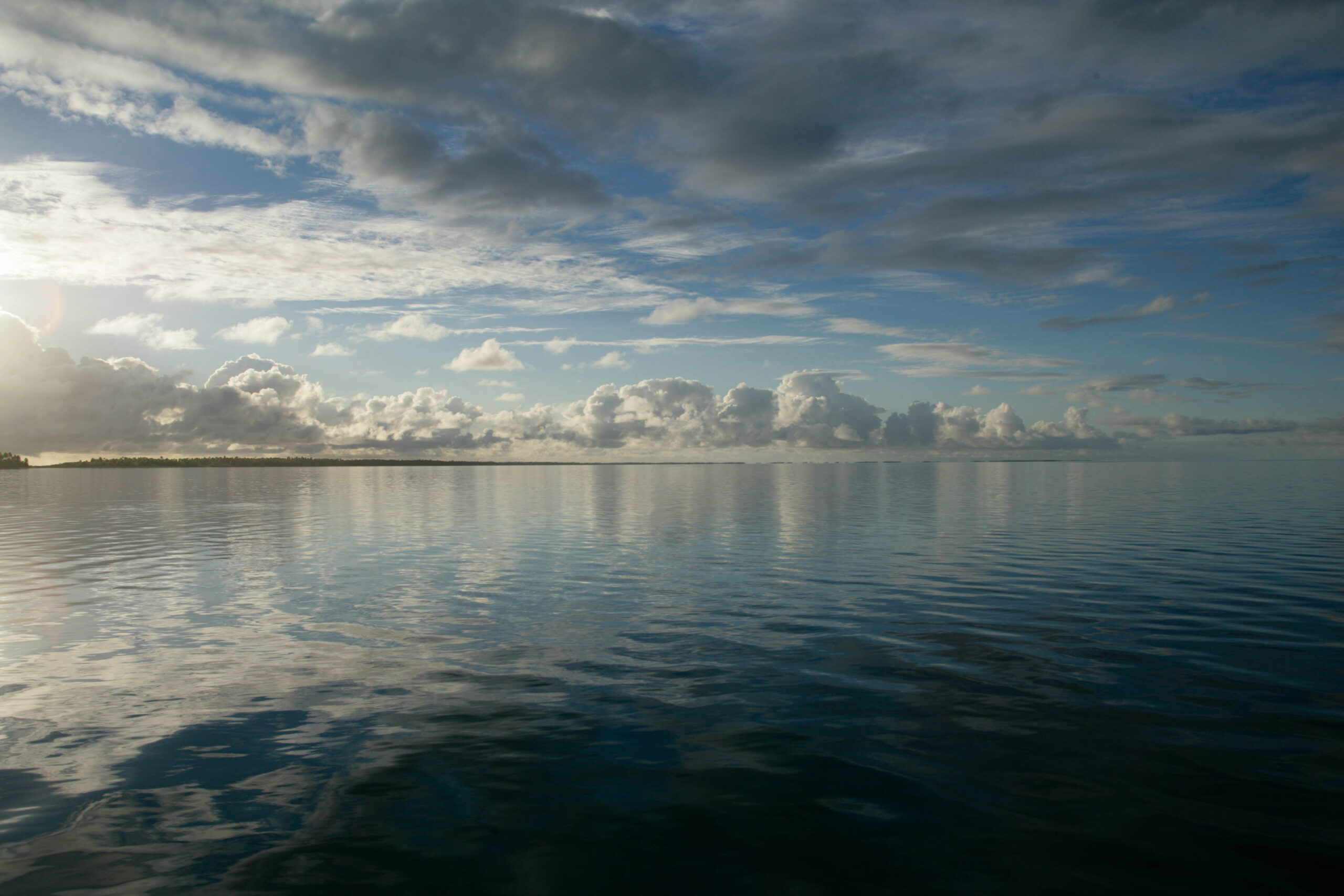
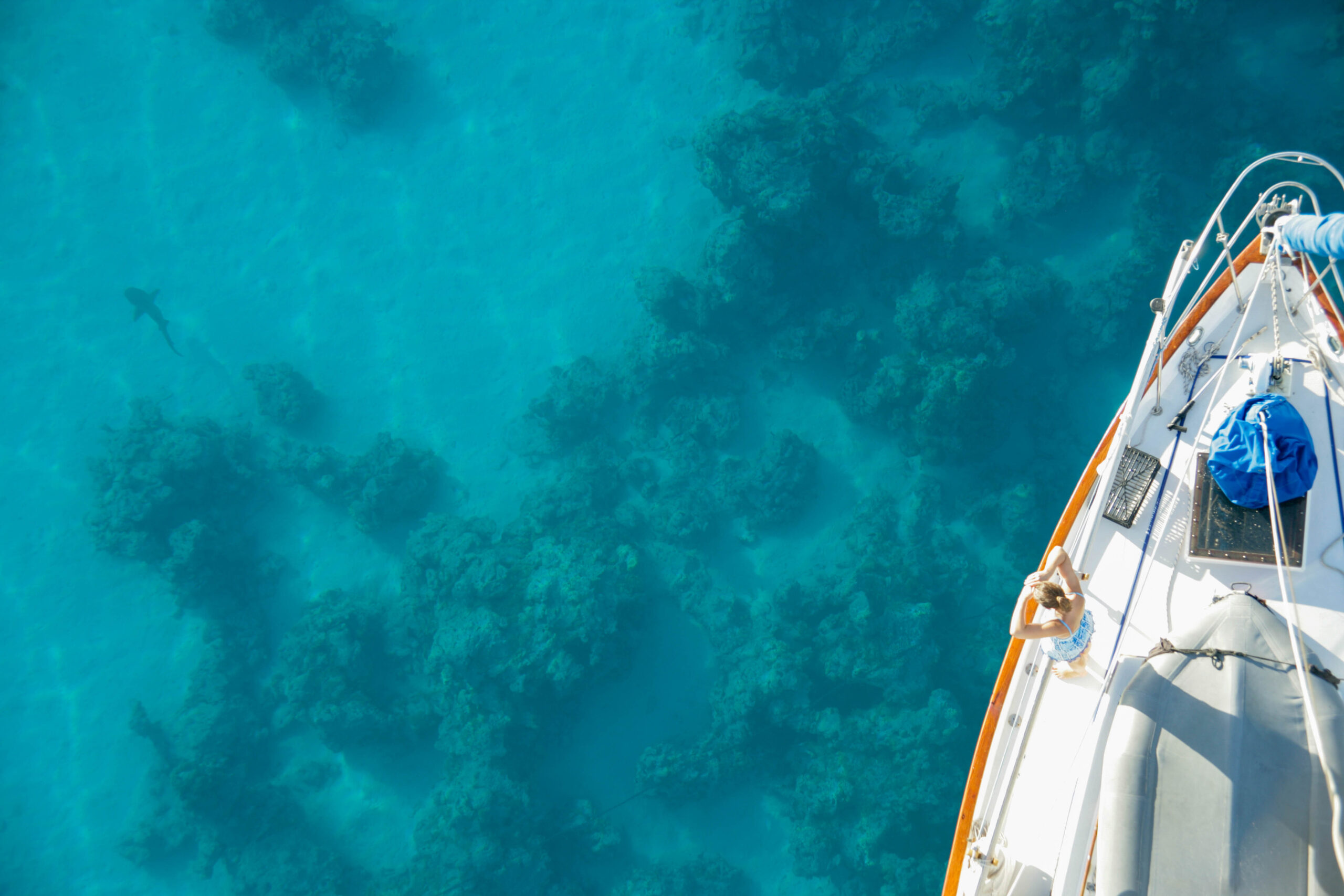
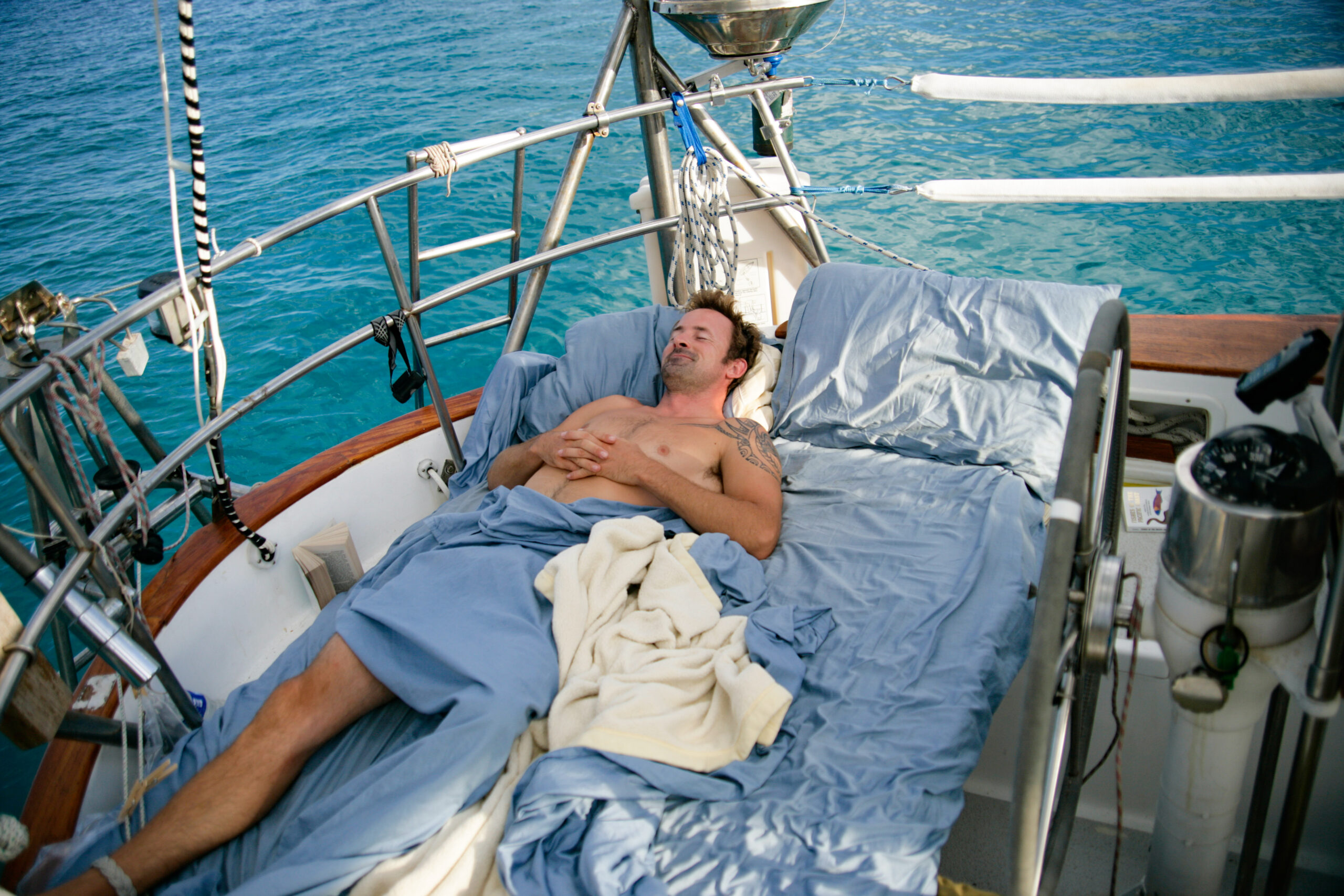
We had two days of perfect calm, where the water went glassy; each night the stars were clearly reflected in the surface of the water. We were the only ones anywhere. We took the dinghy into the middle of the lagoon to watch the sunset, everything was perfectly still. A bold little 4ft shark circled the dinghy as if he was going to do something about it. I cannot give words for the quality of the sunset that evening. We slept in the cockpit, woke to the sun warming us, jumped right into the water to cool off.
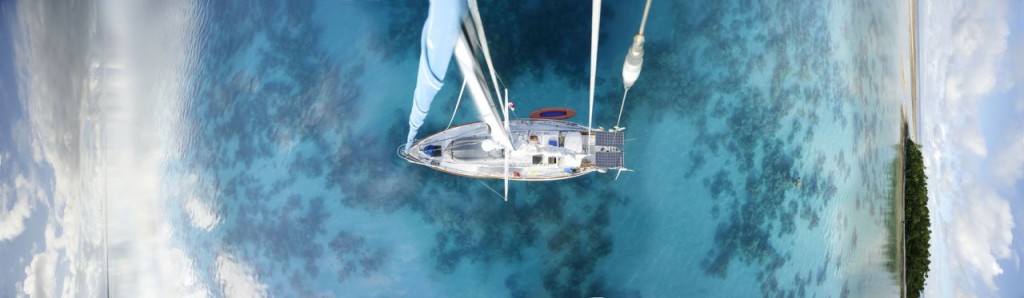
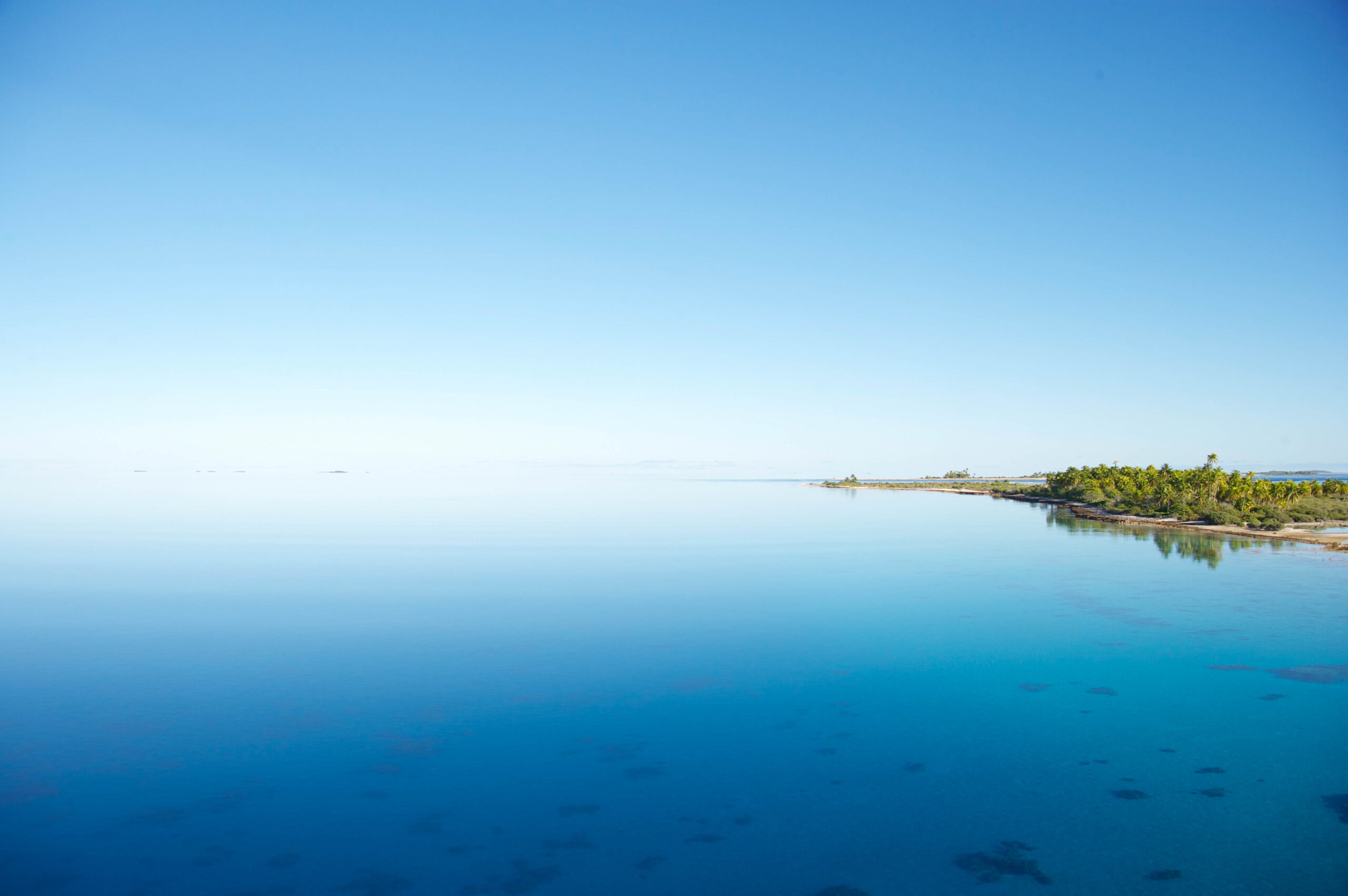
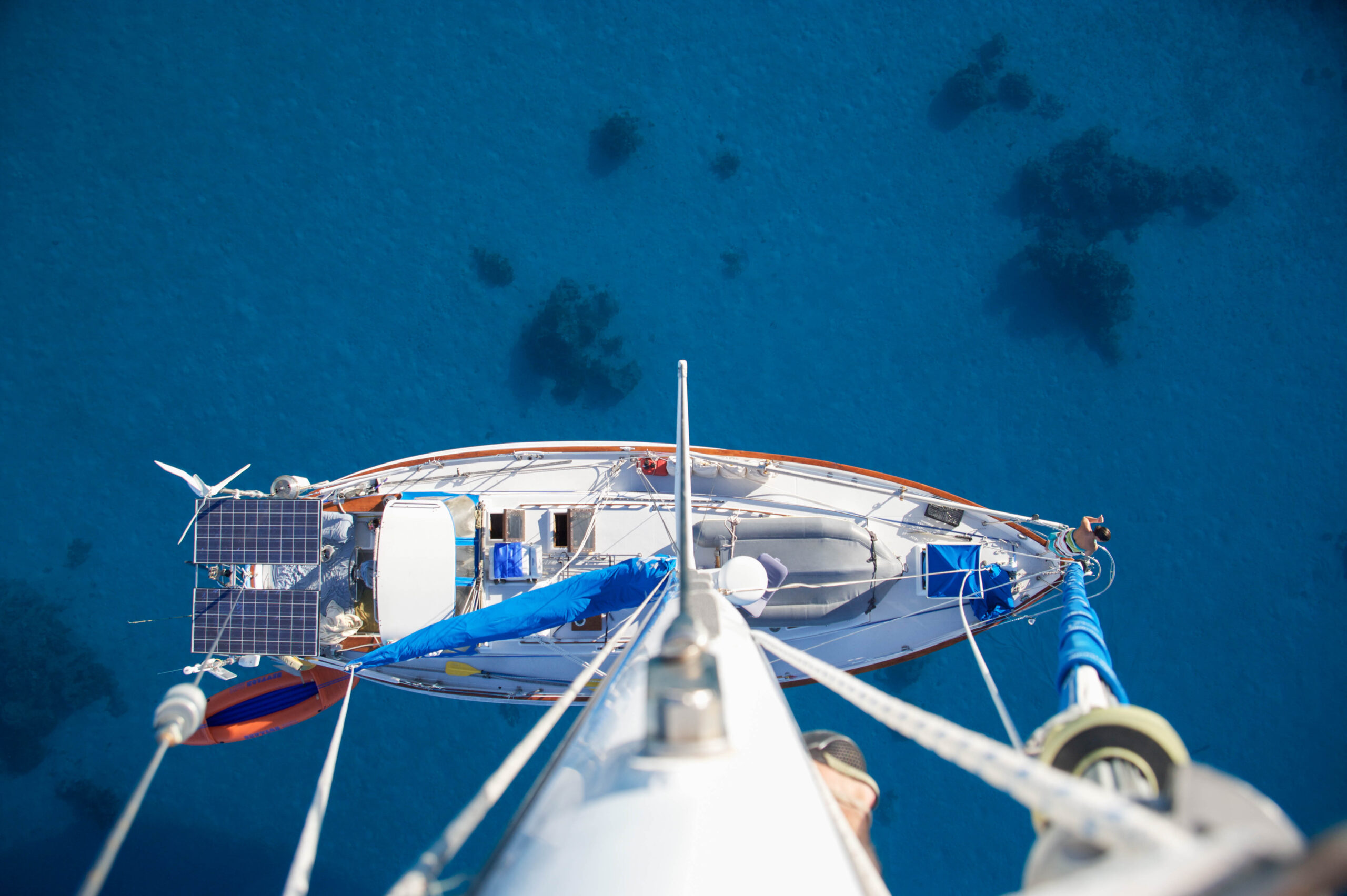
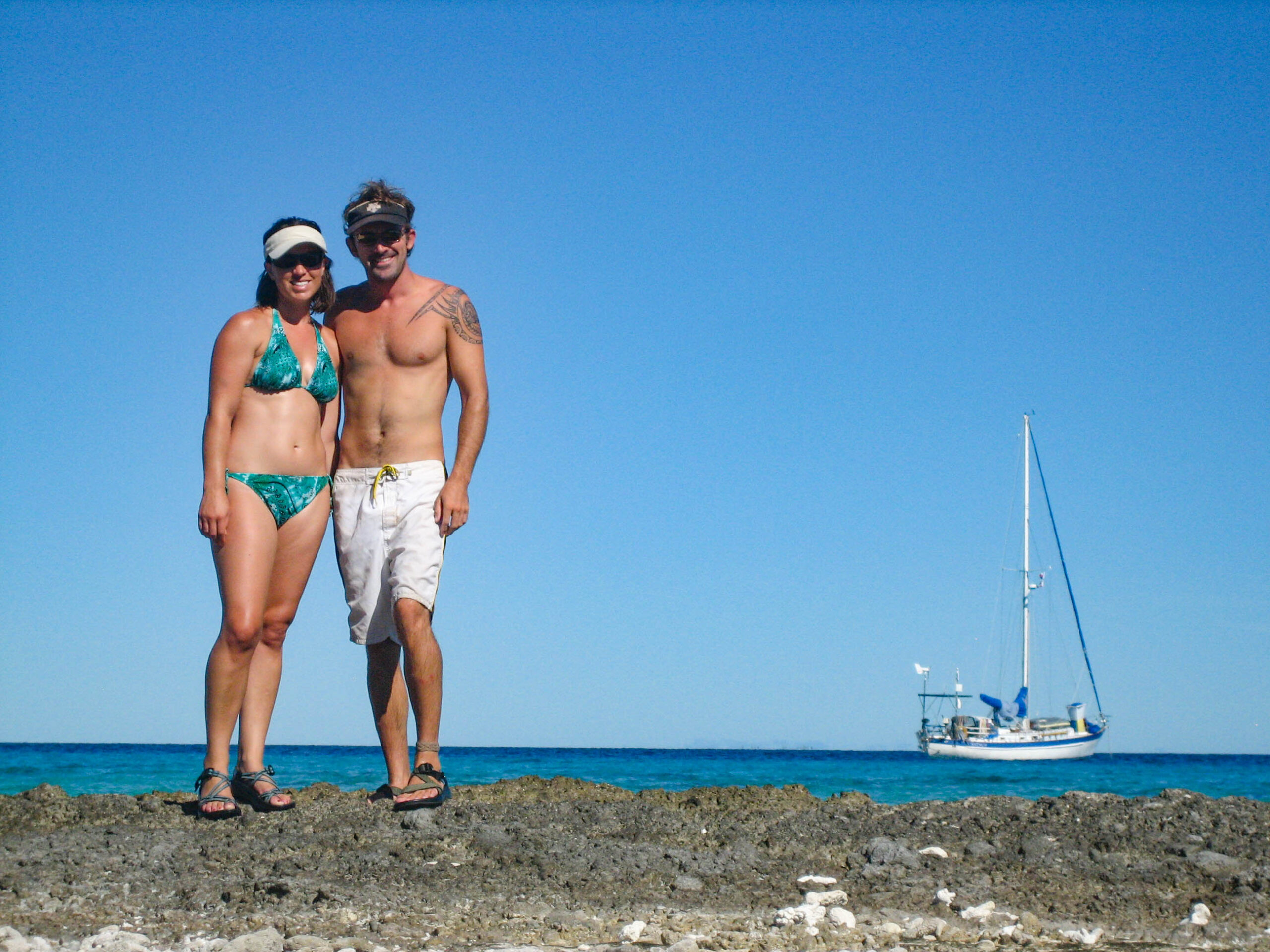
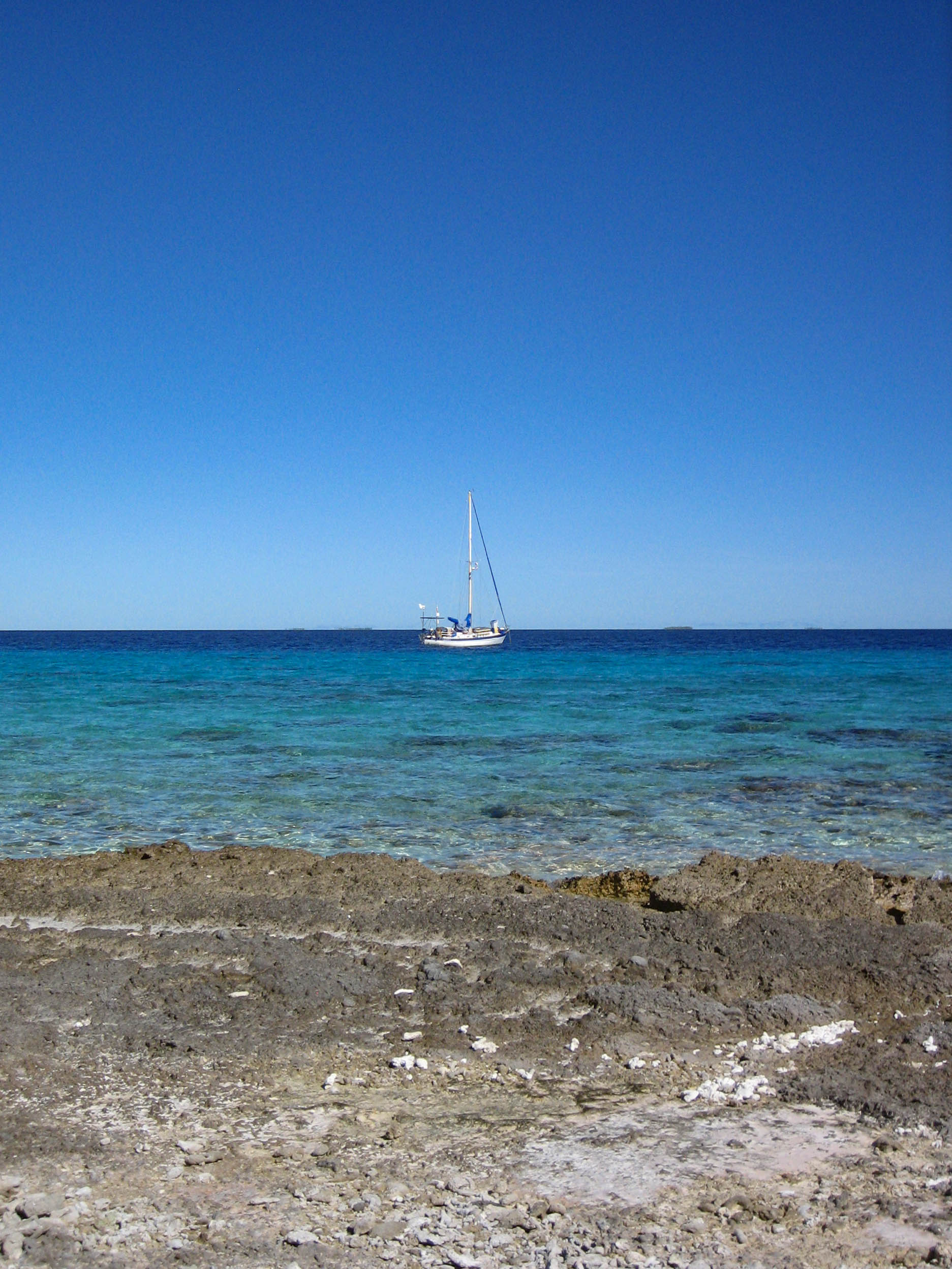
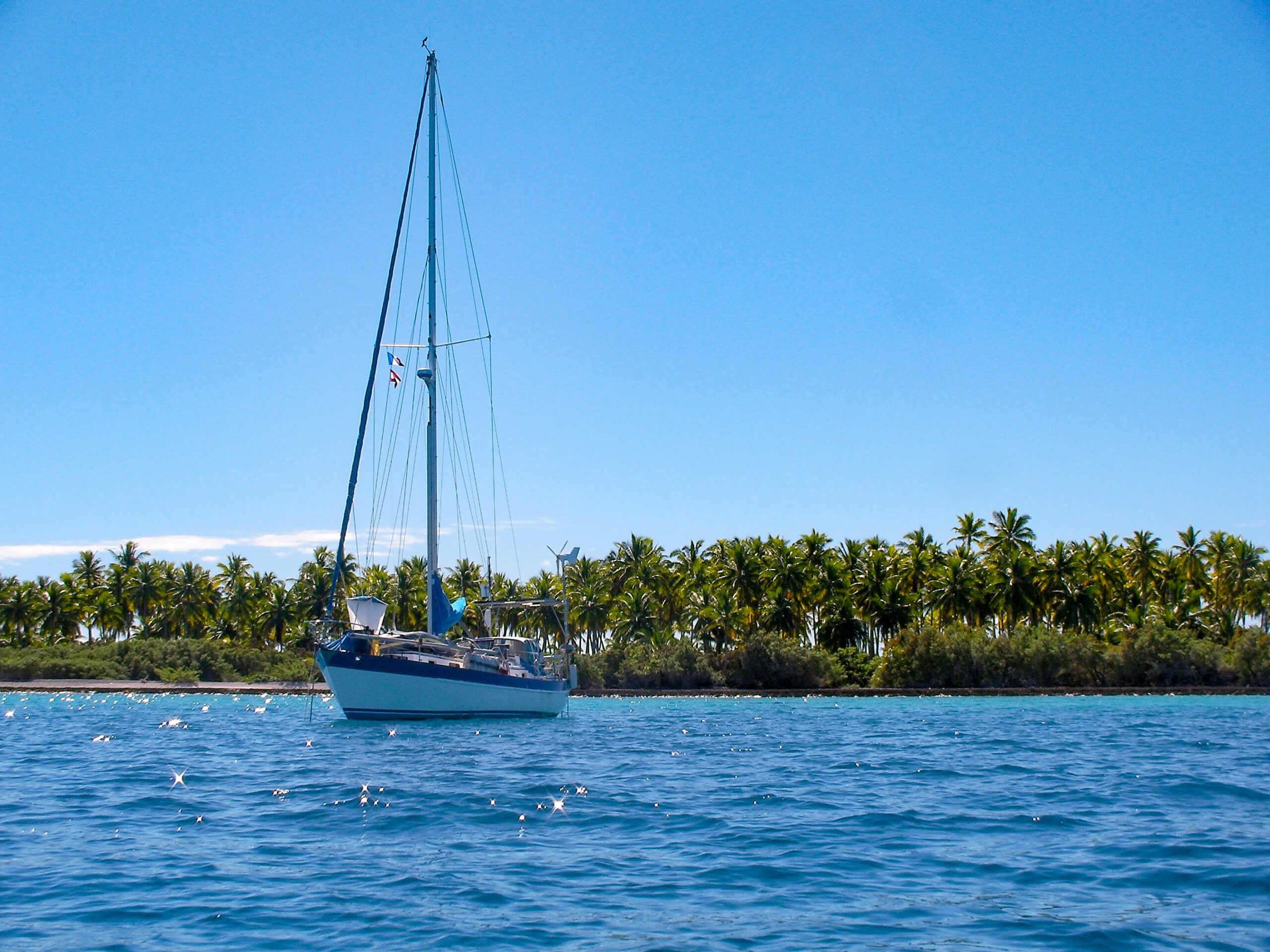
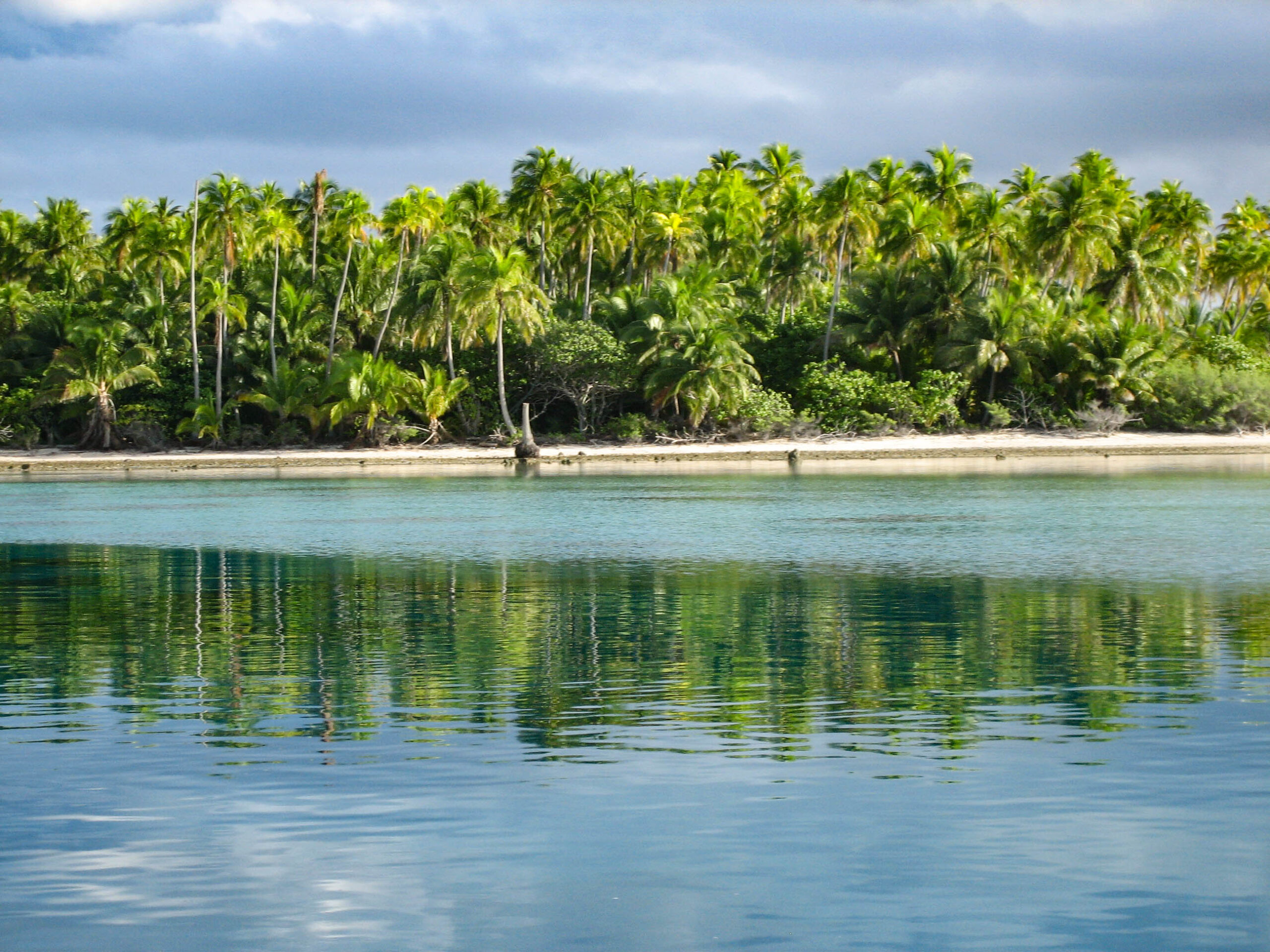
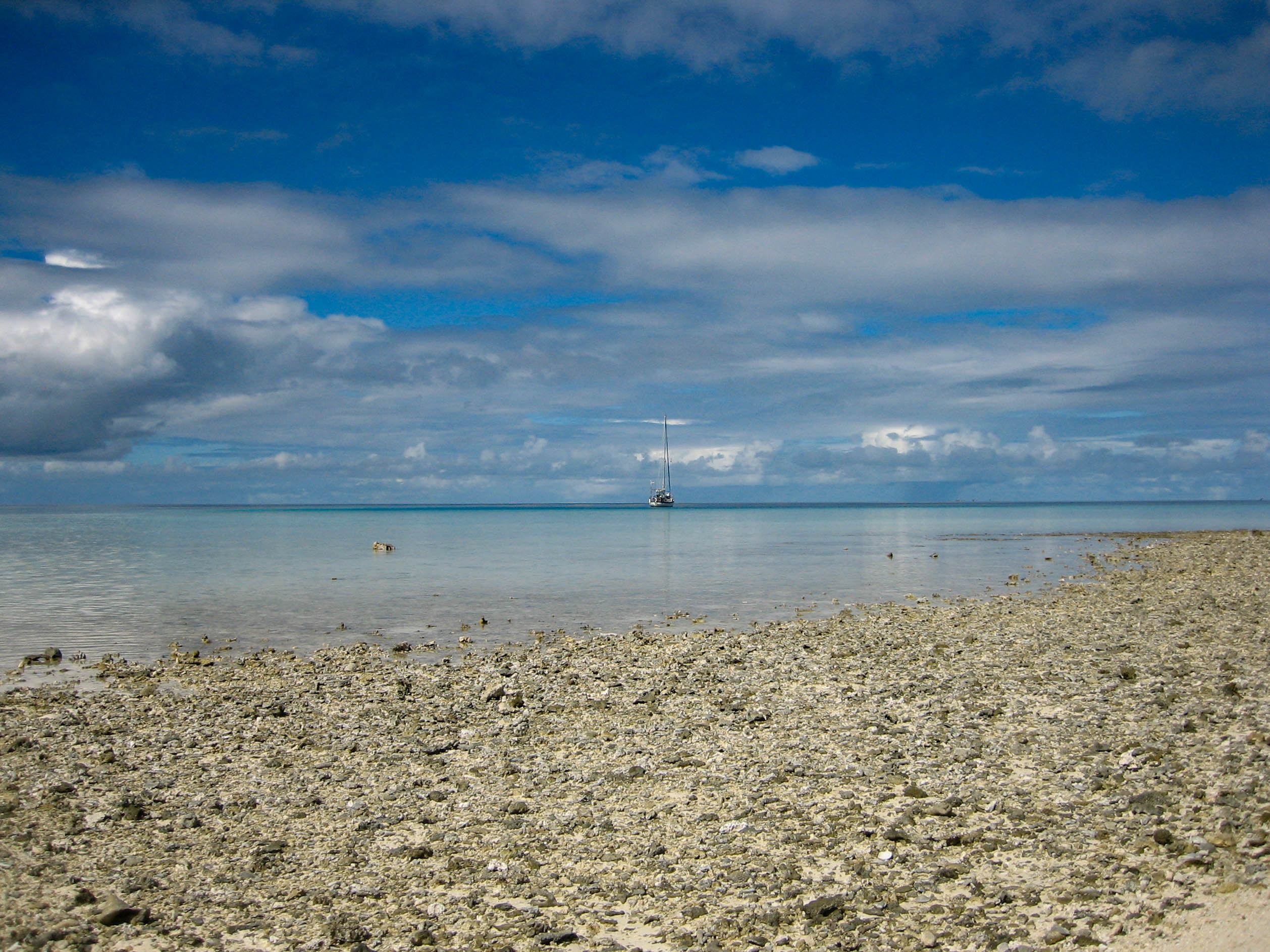
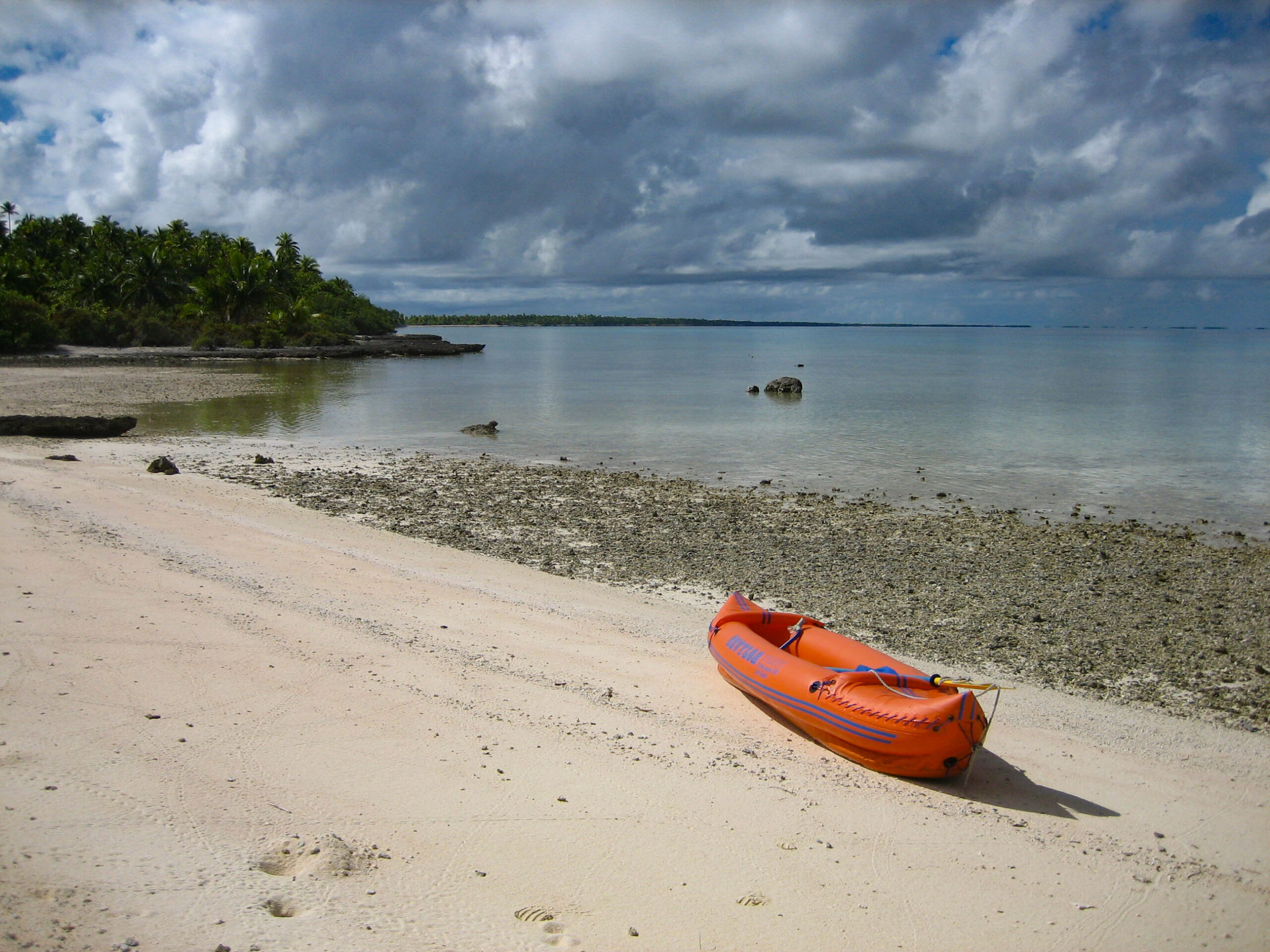
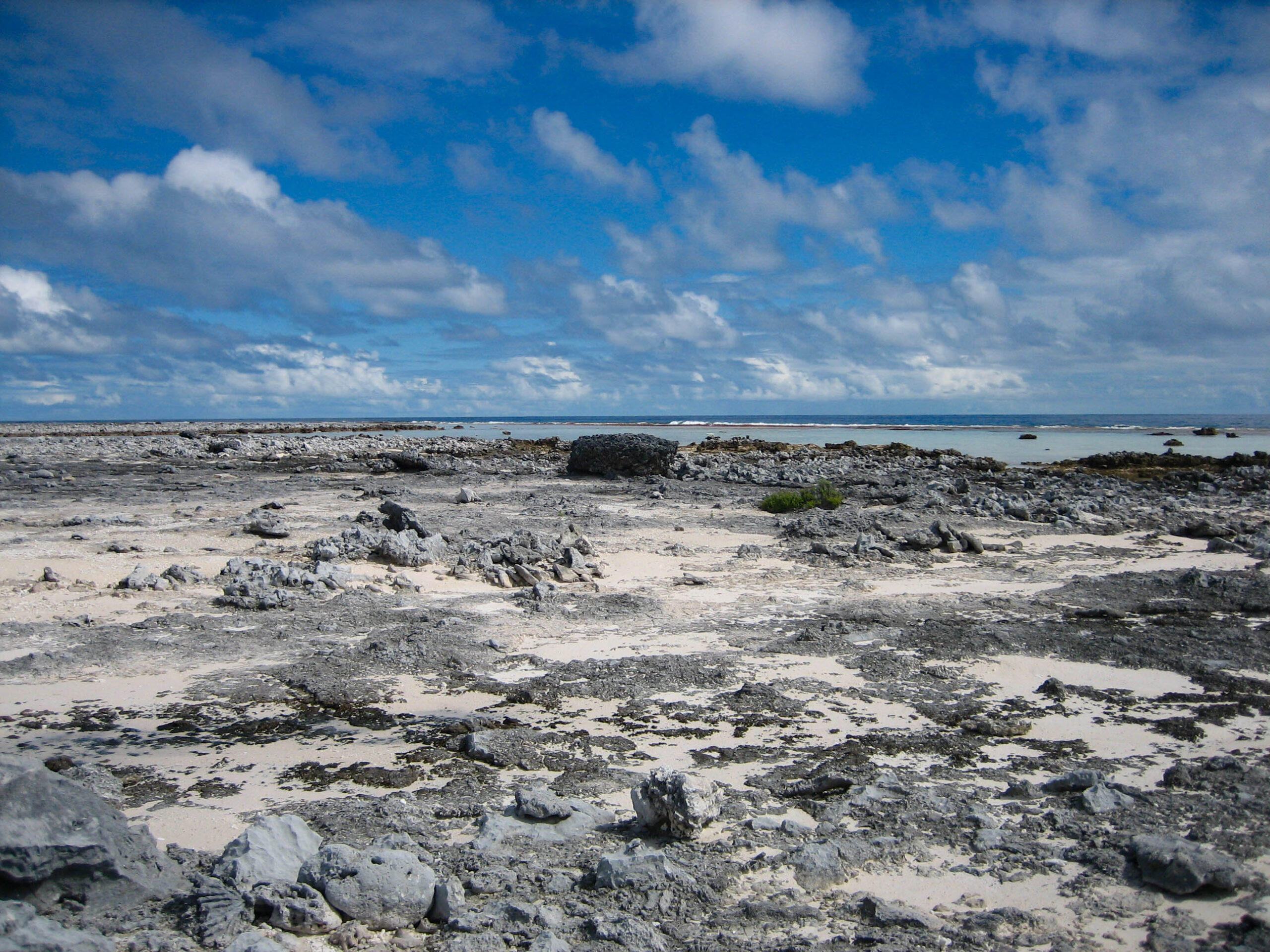
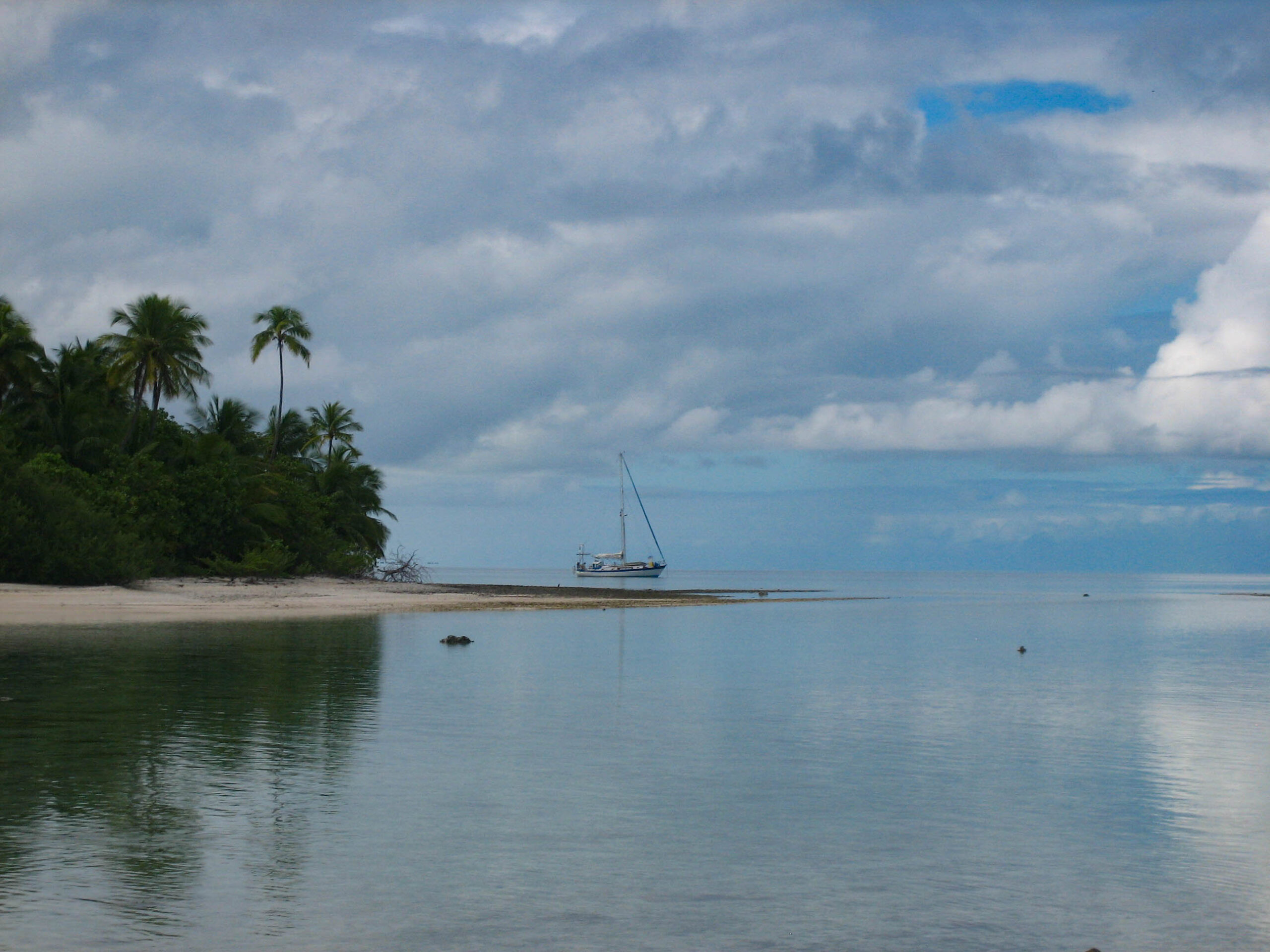
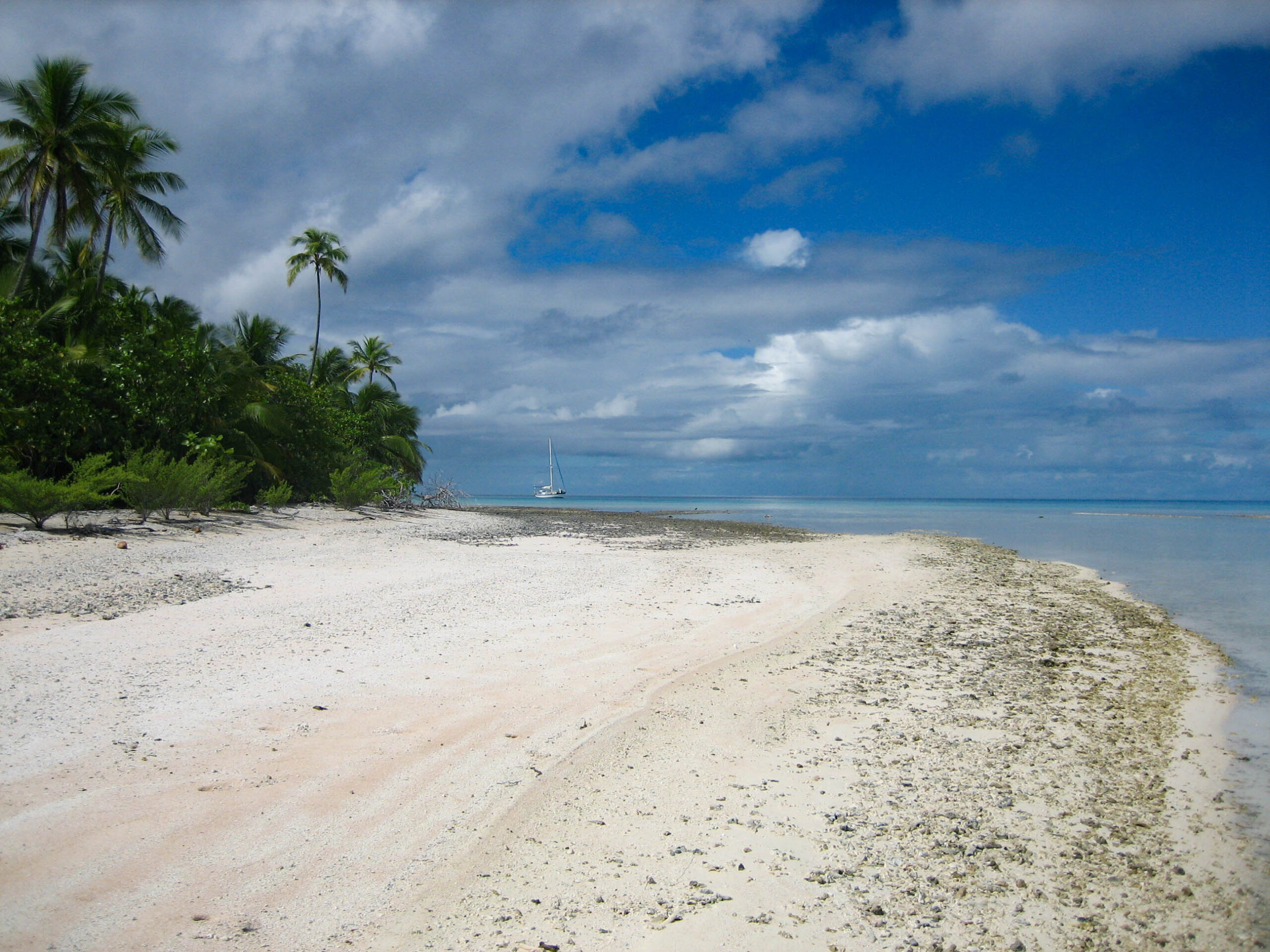
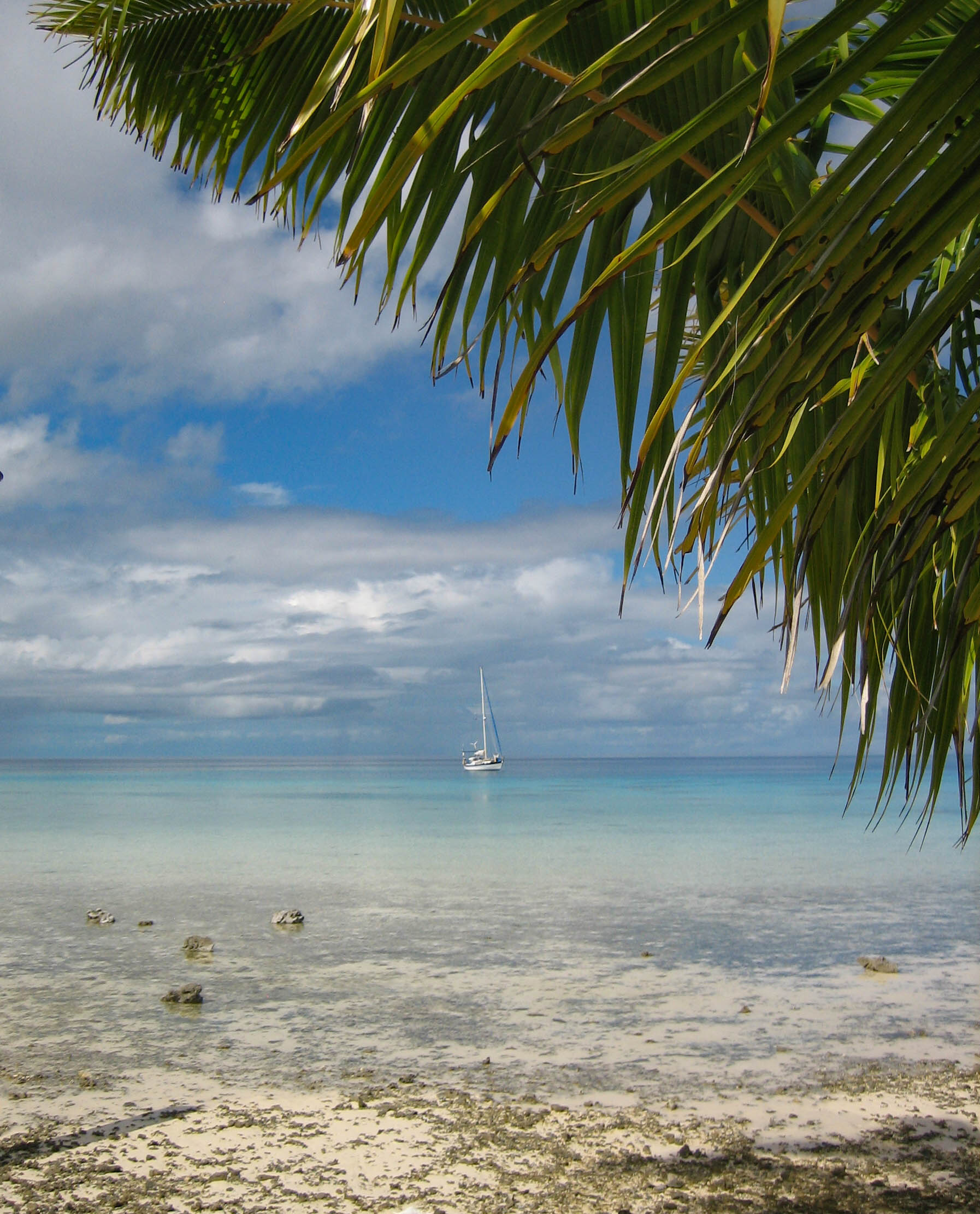
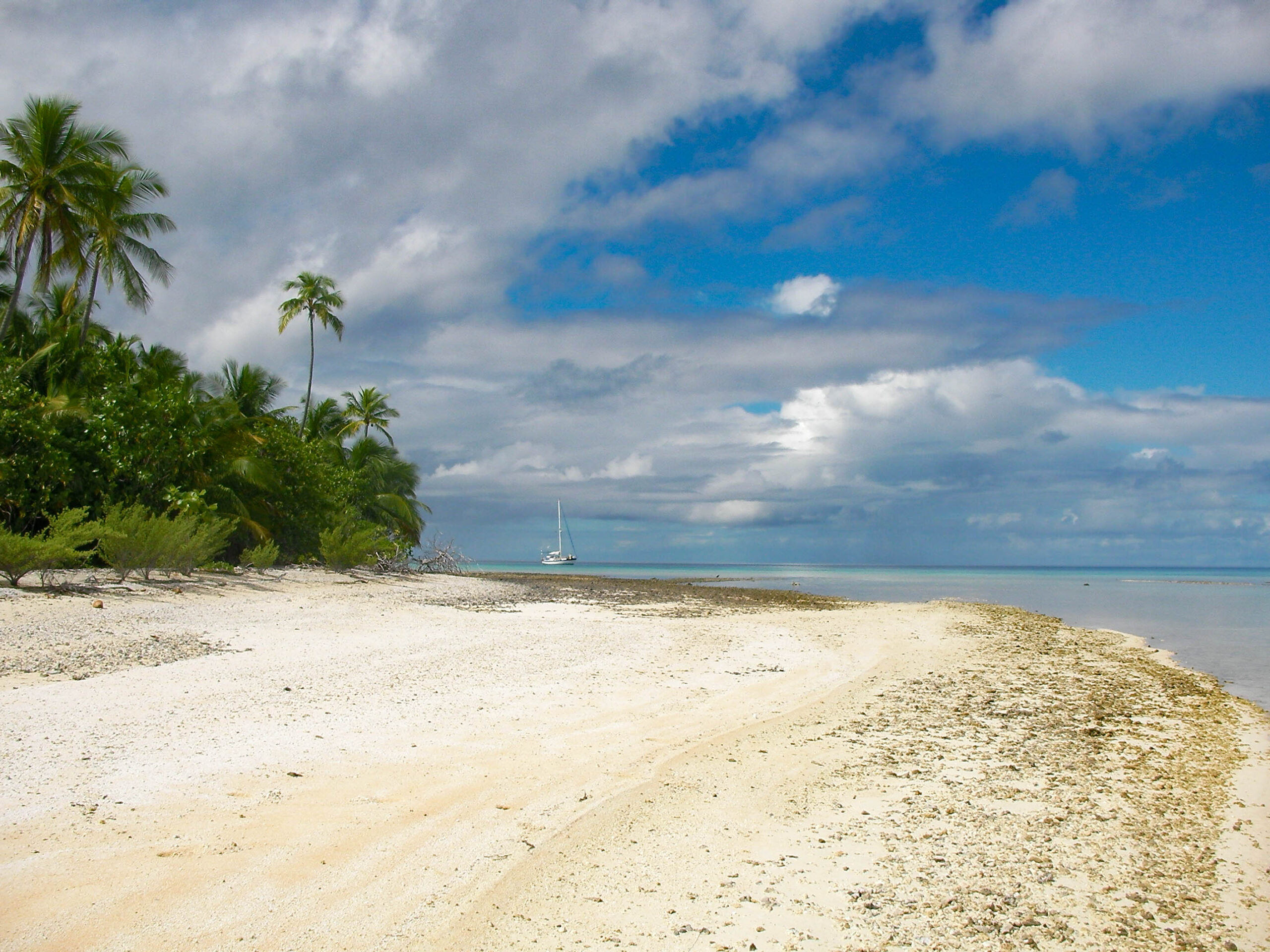
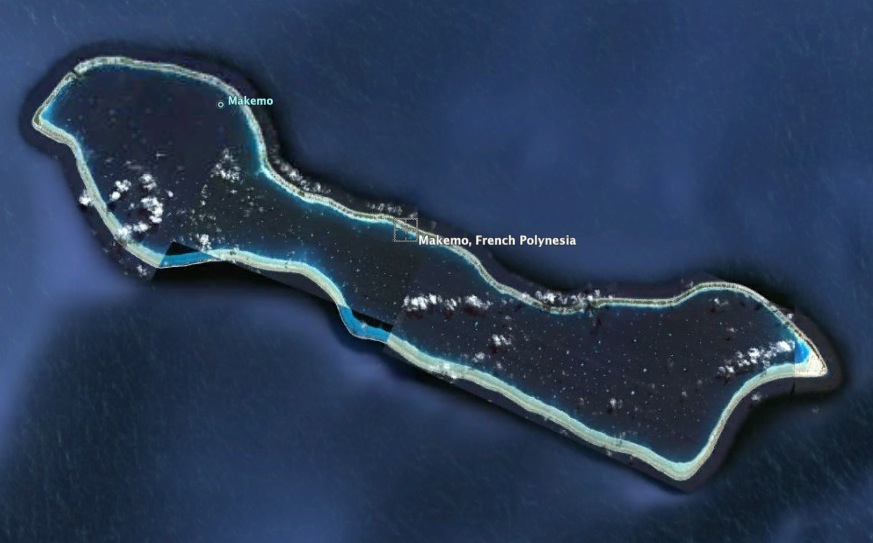
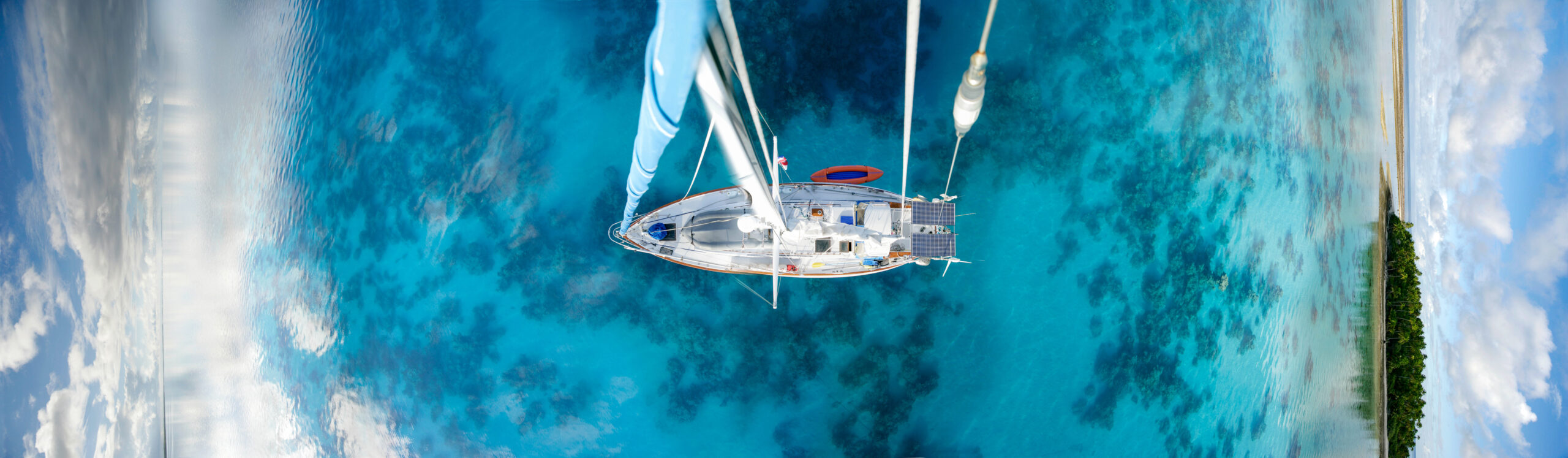
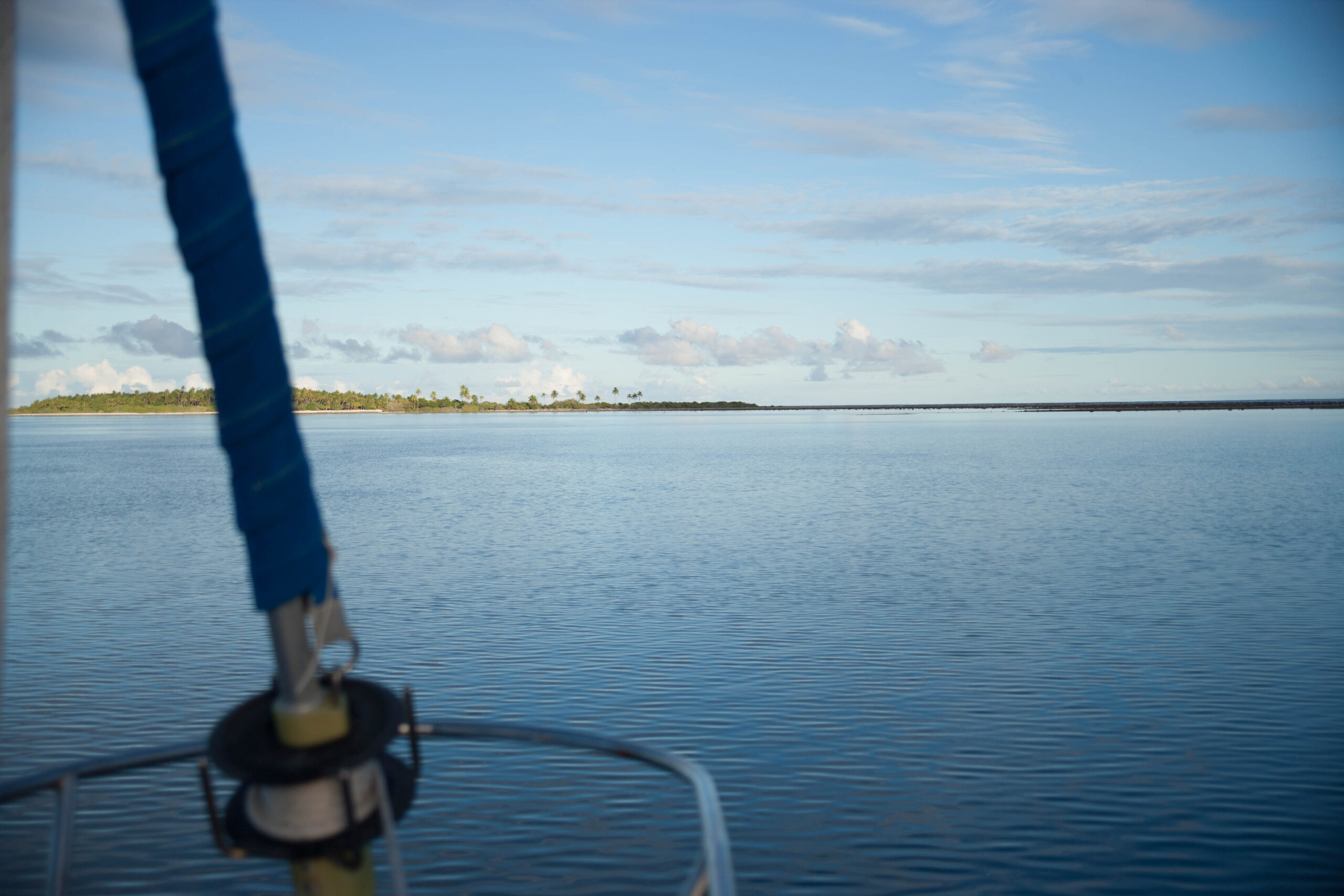
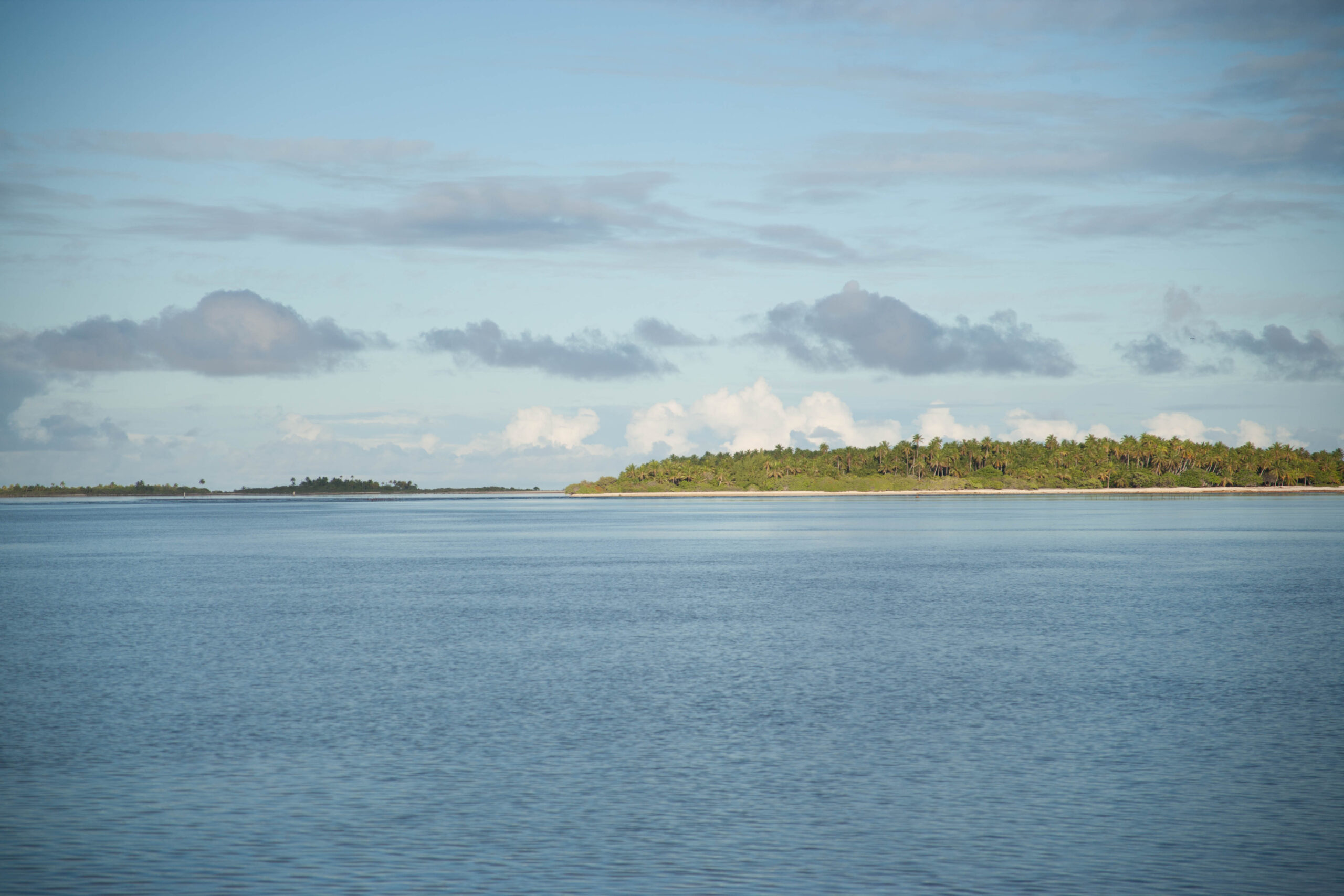
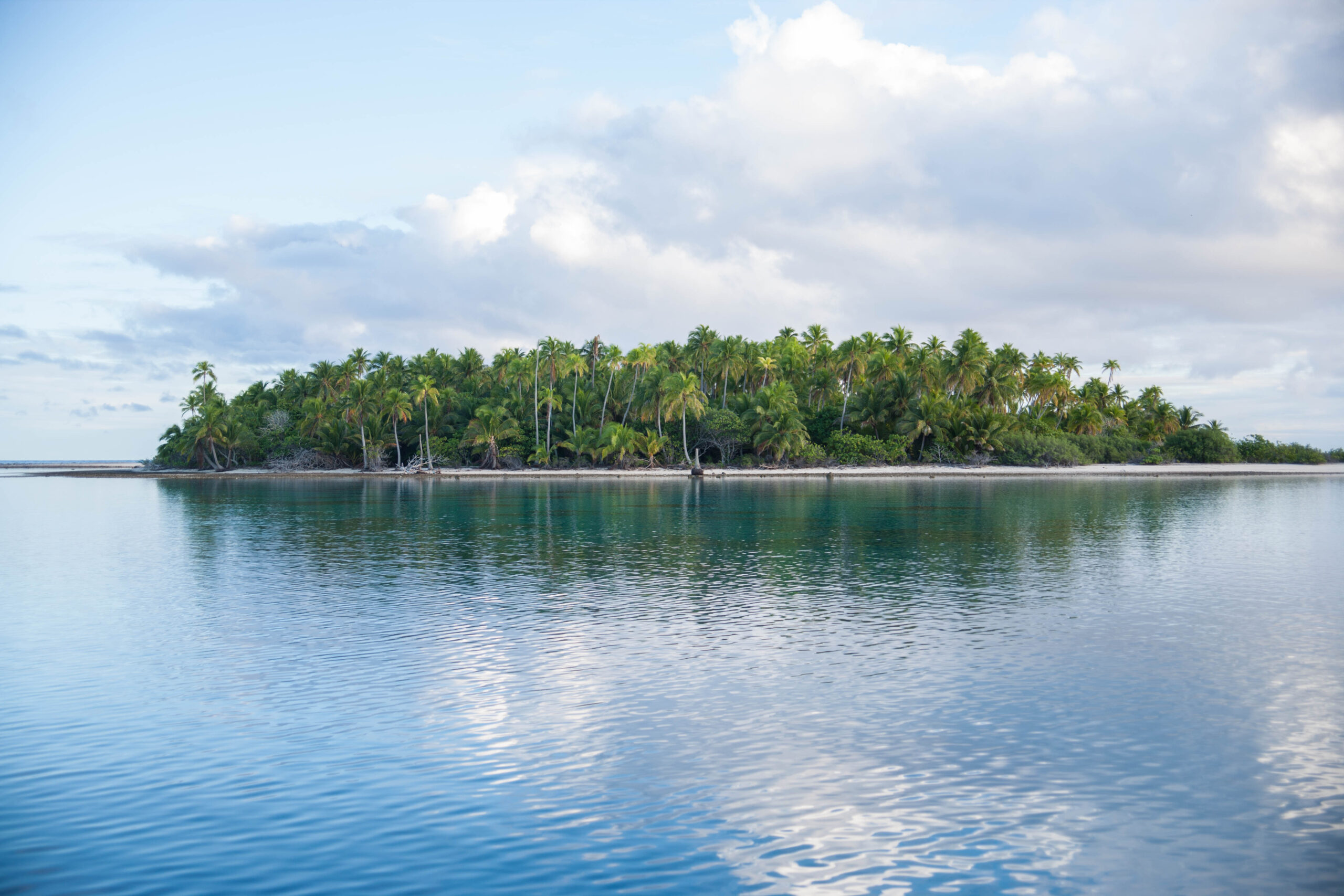
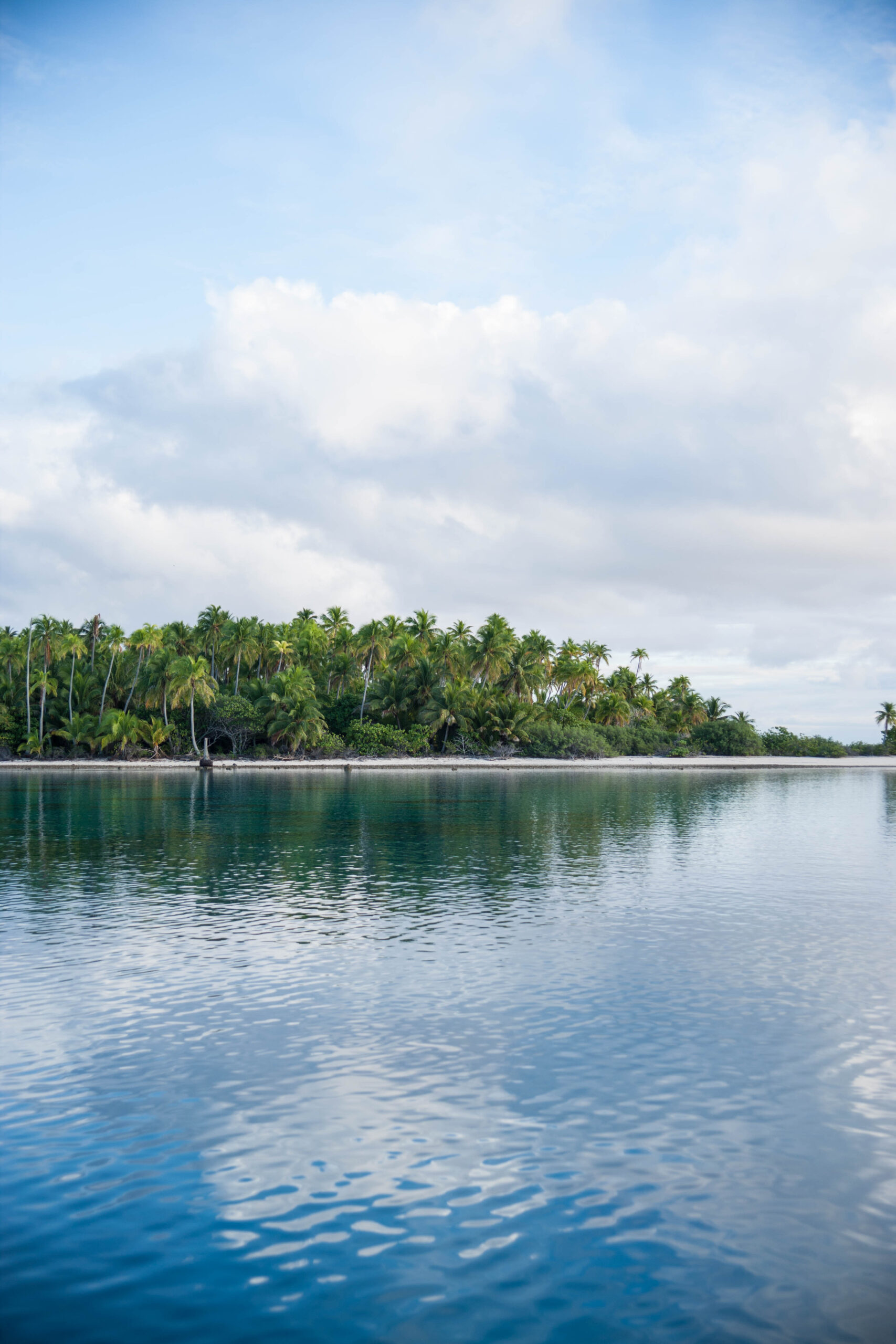
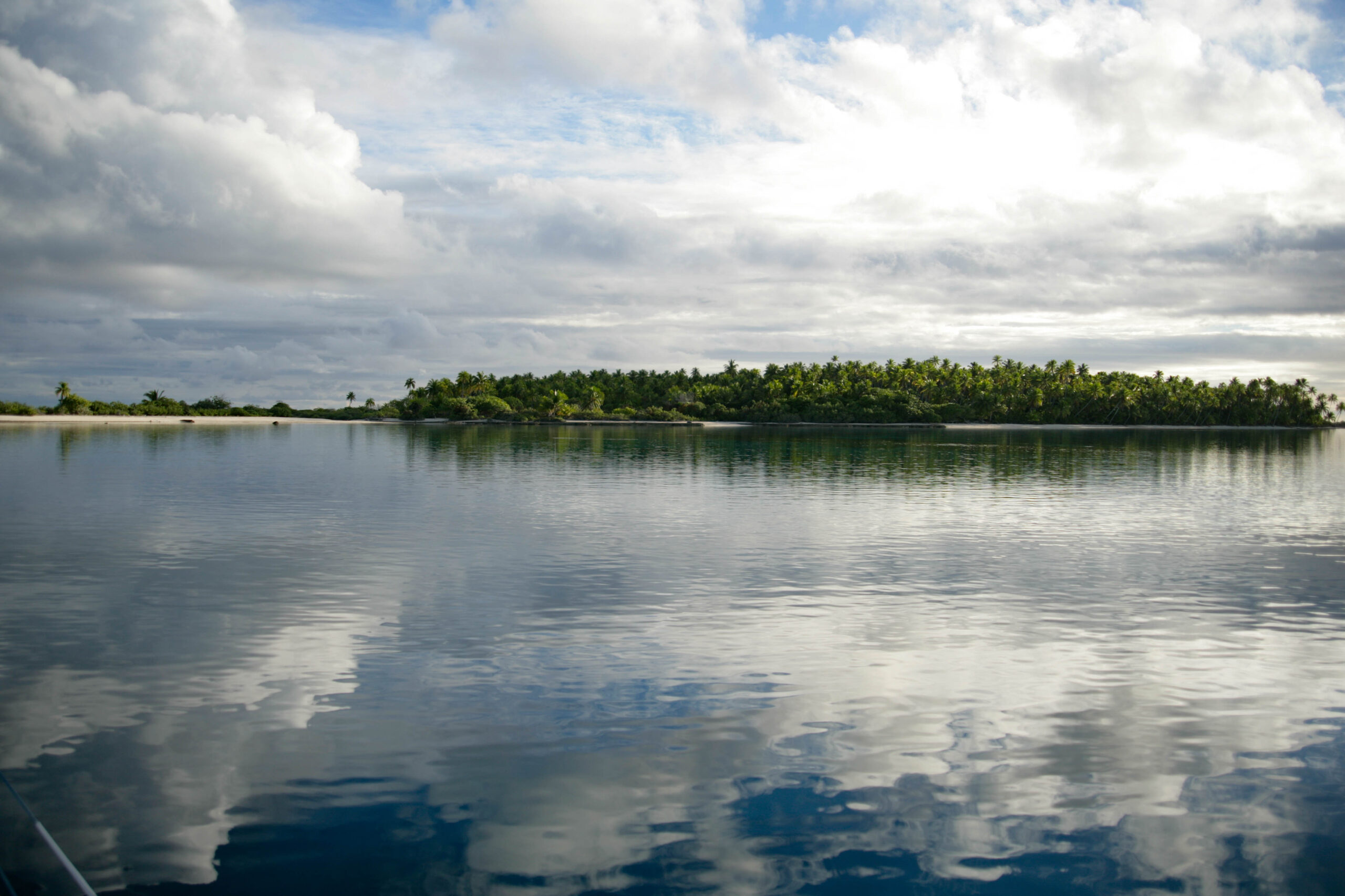
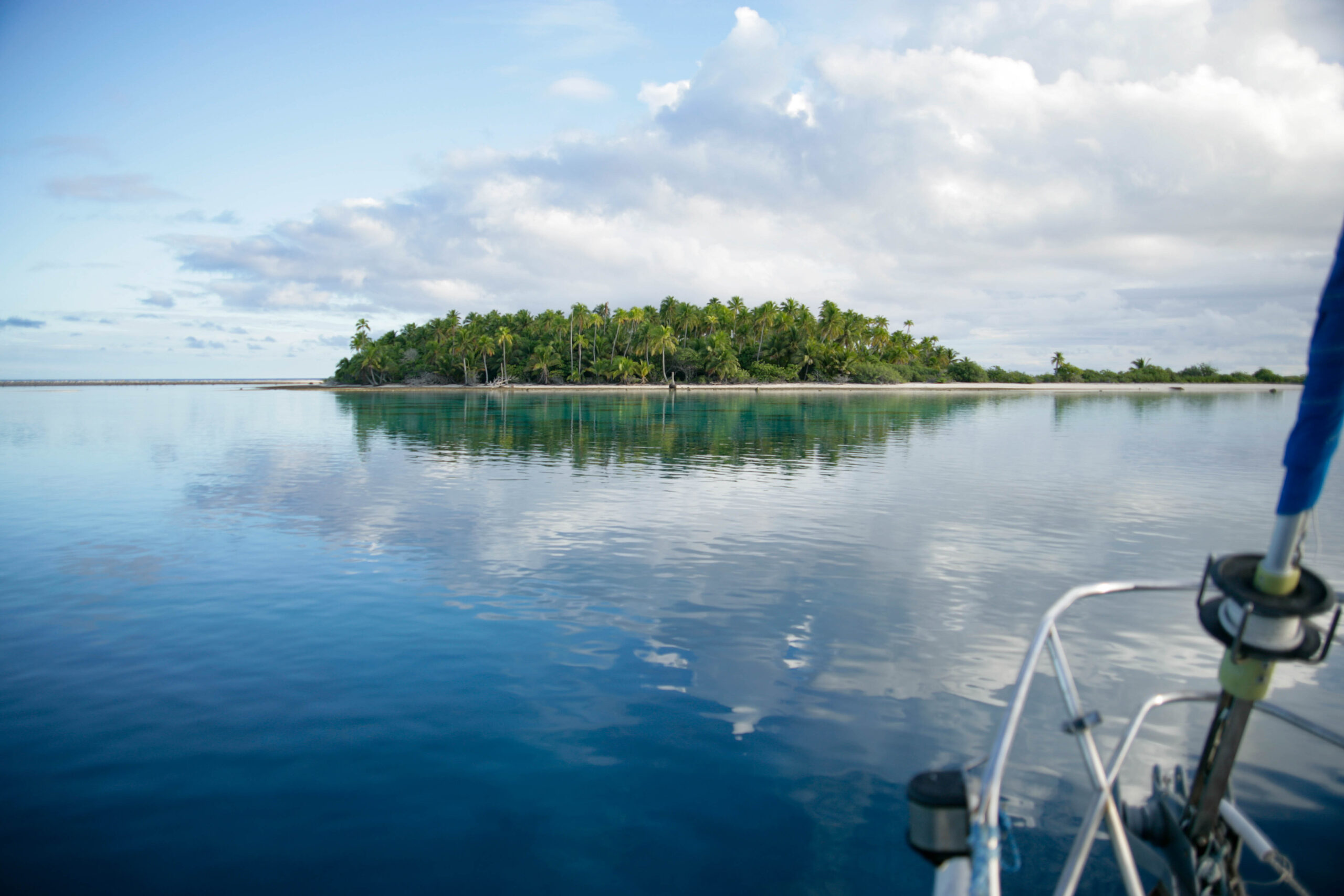
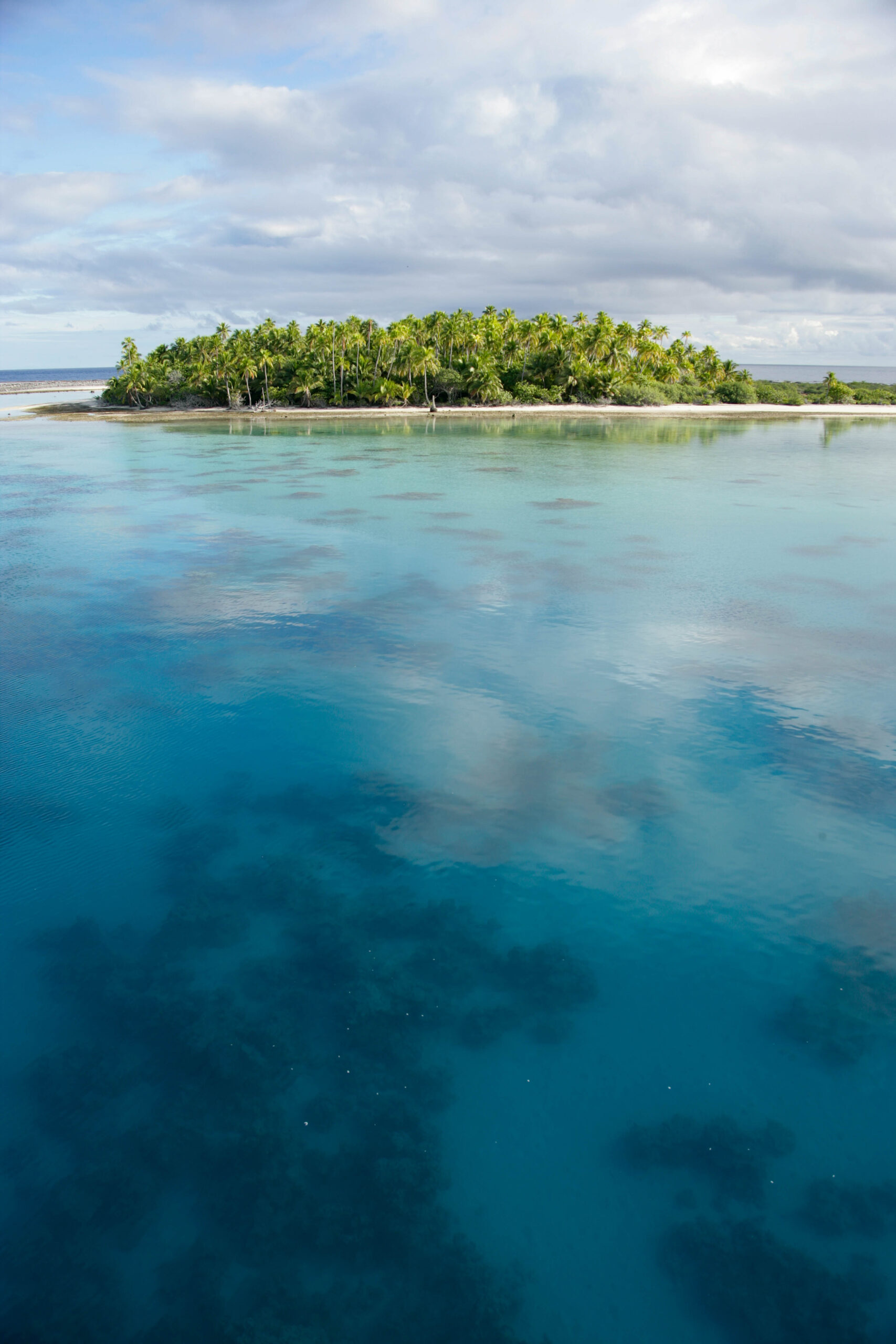
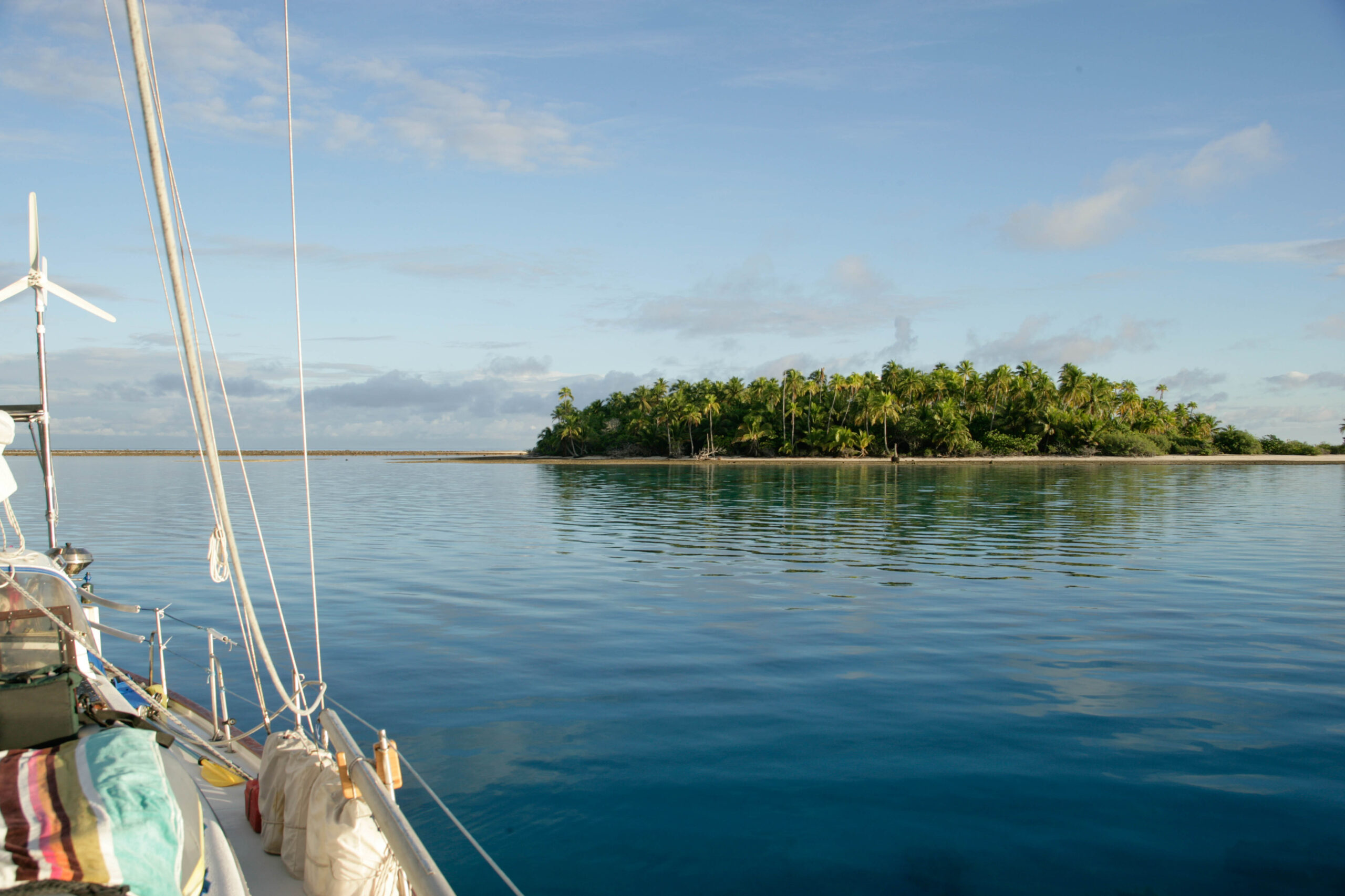
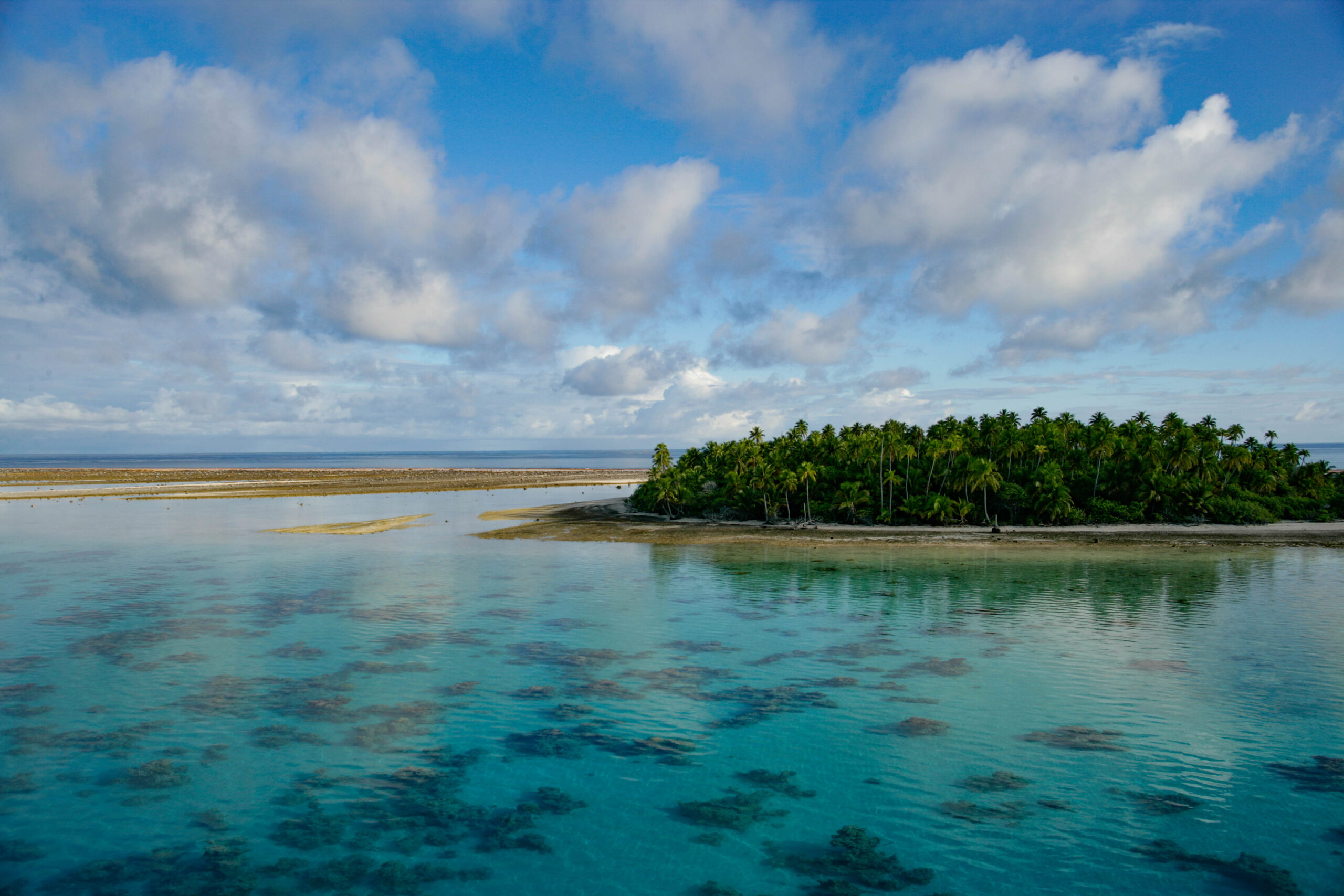
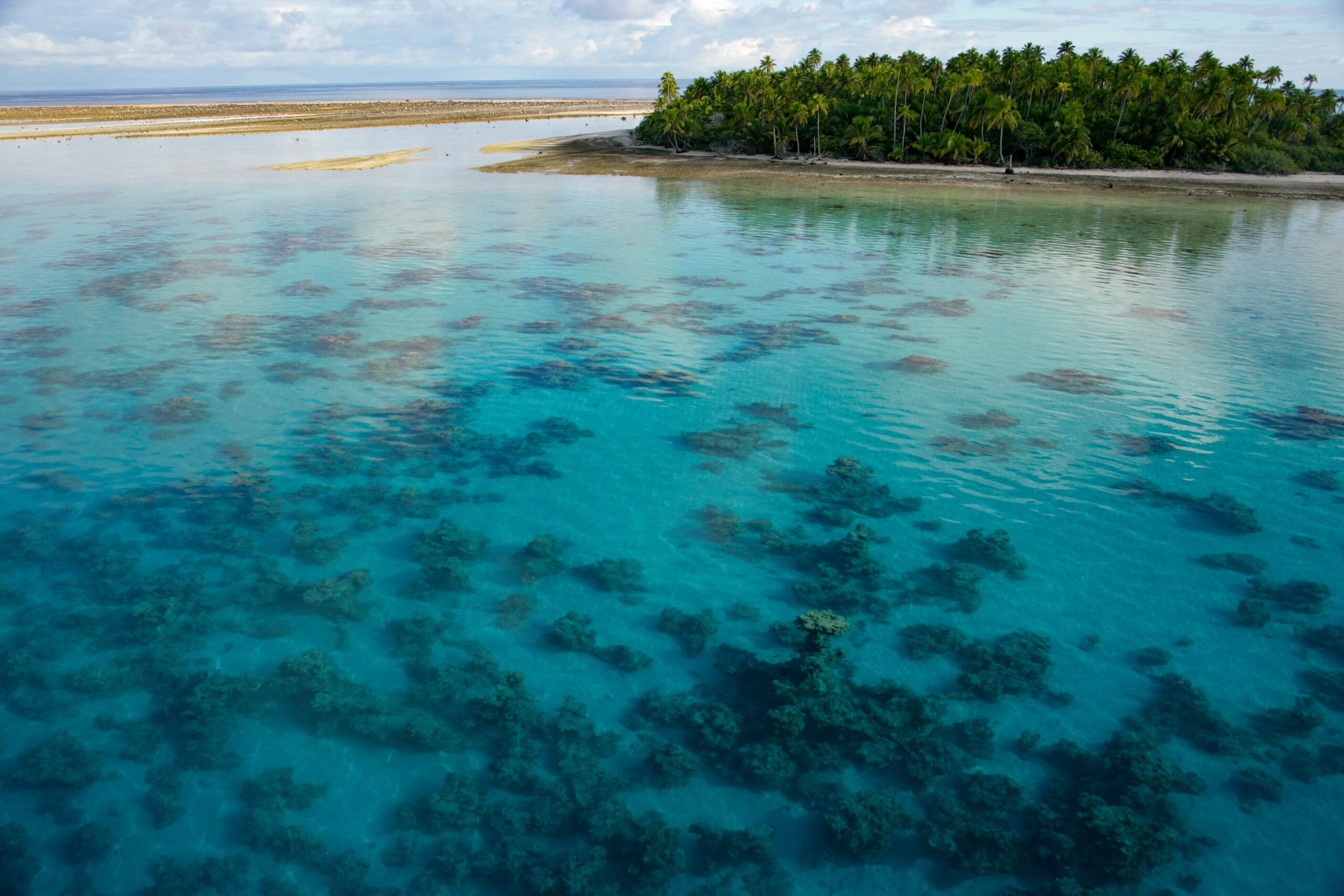
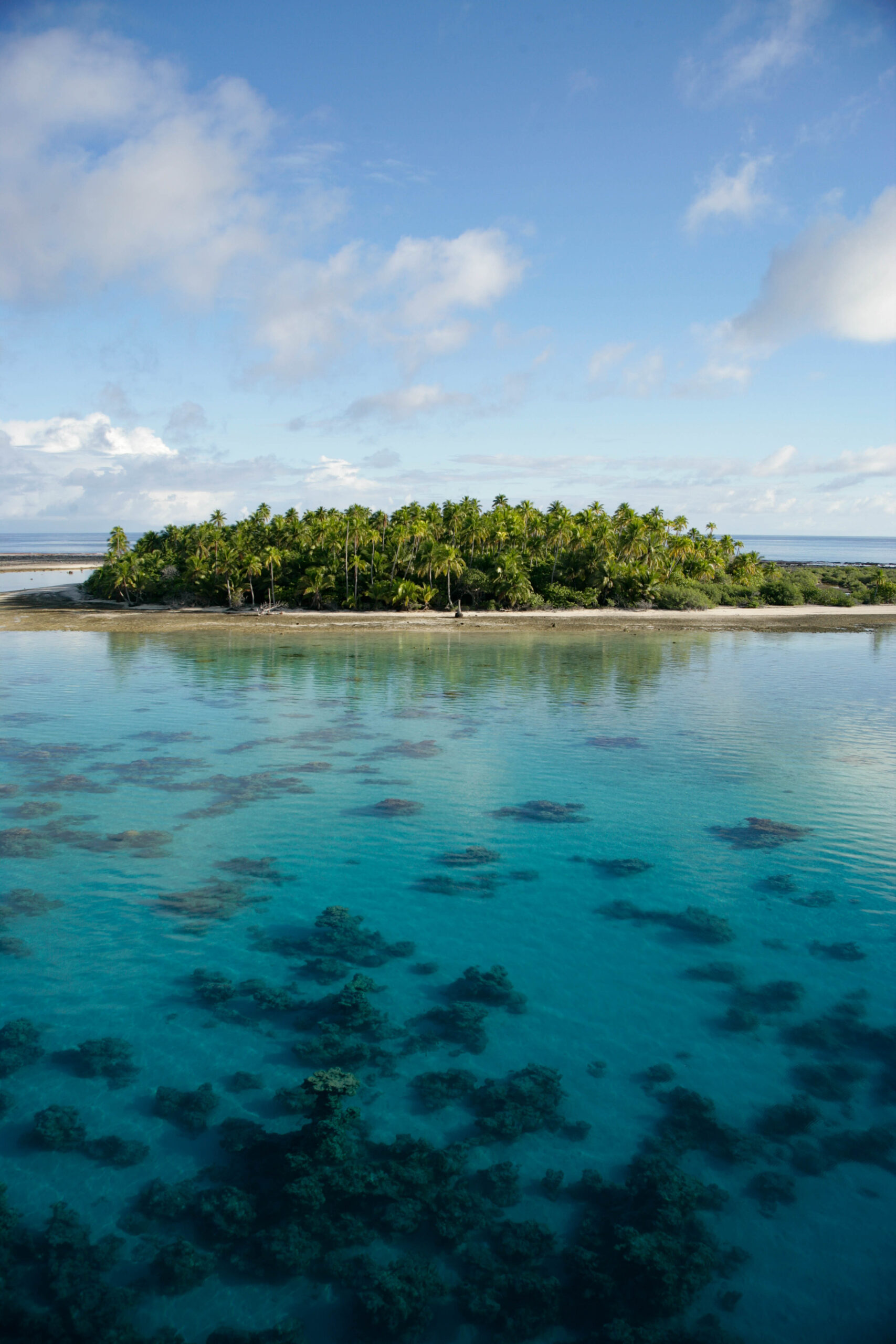
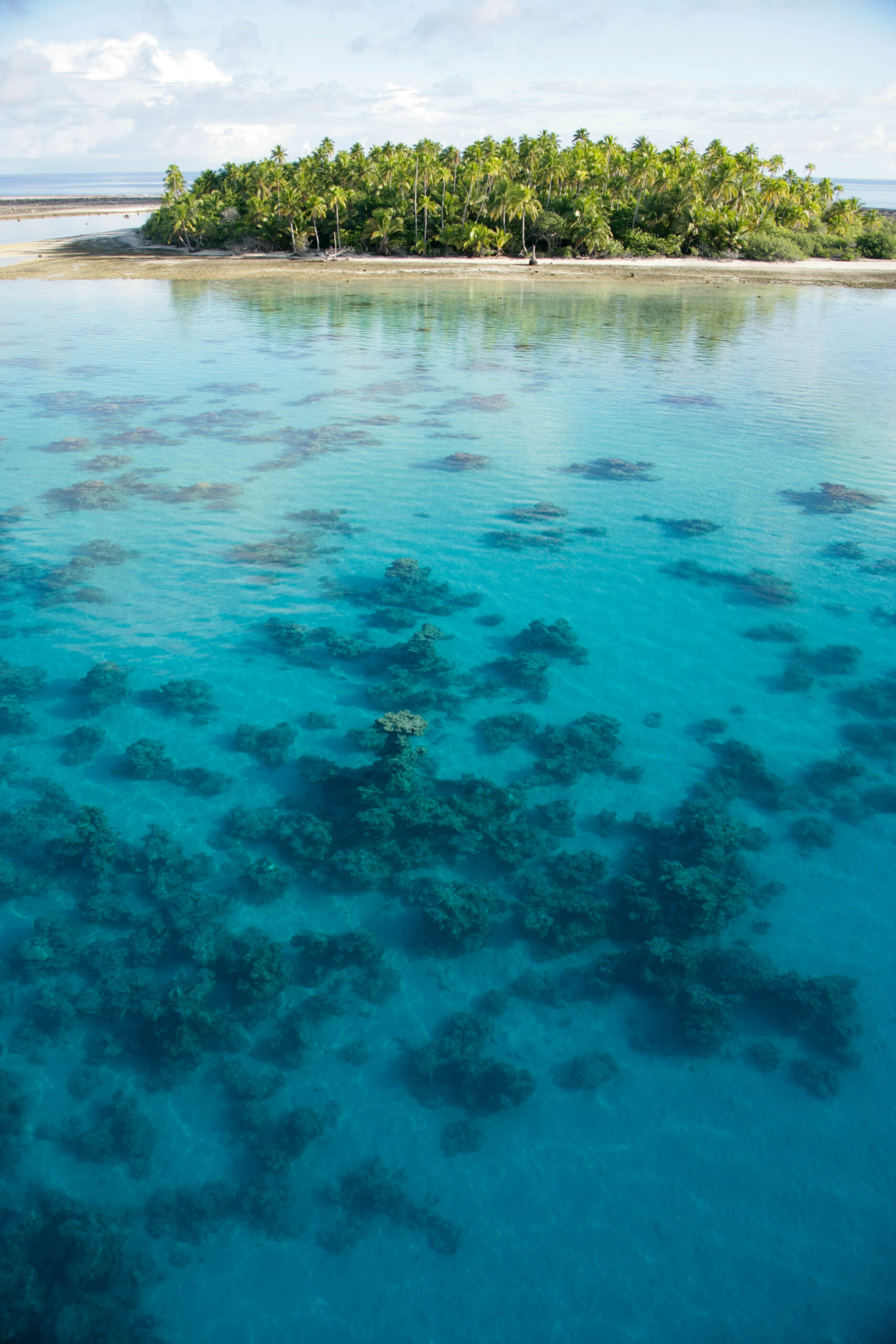
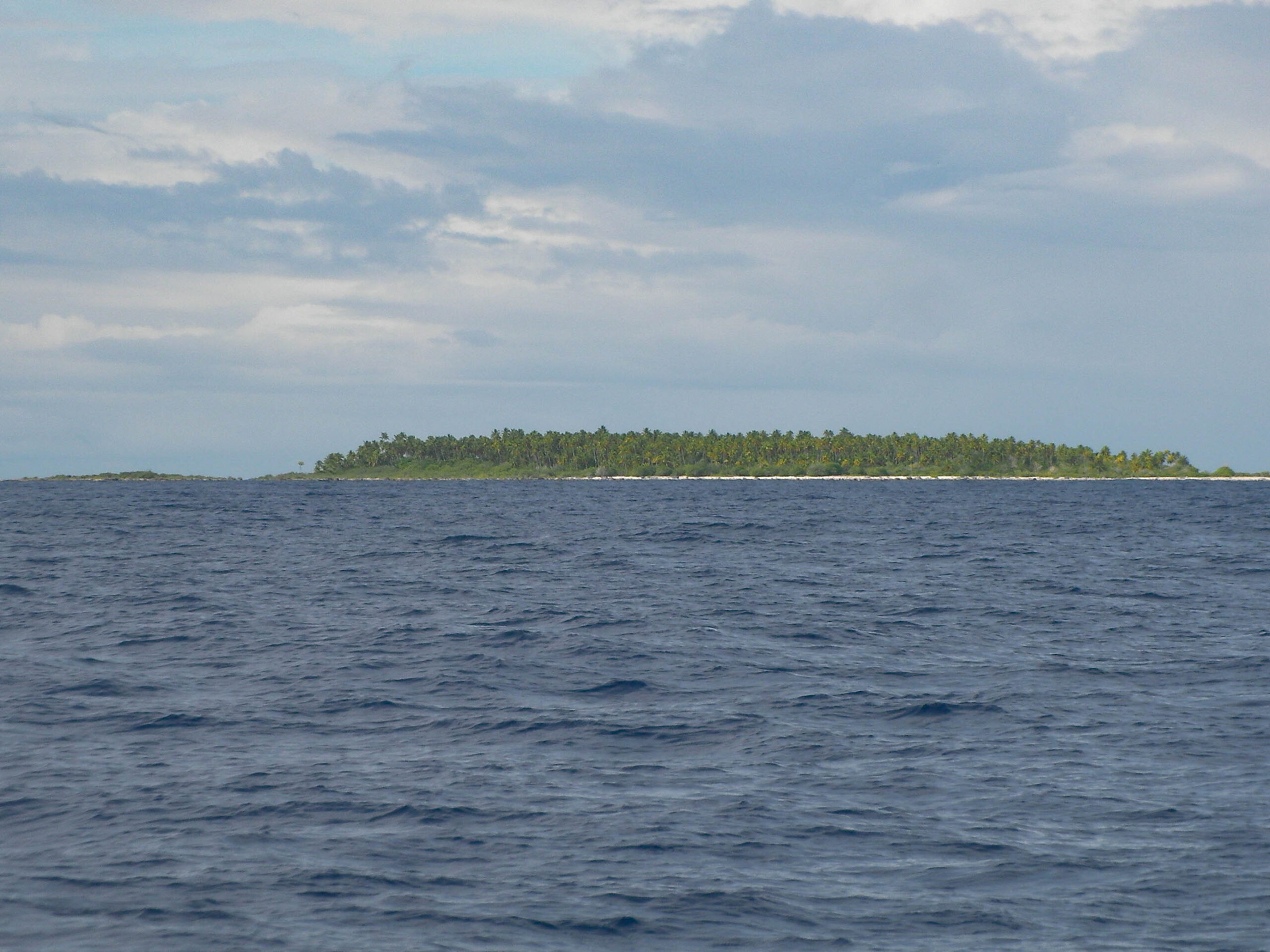
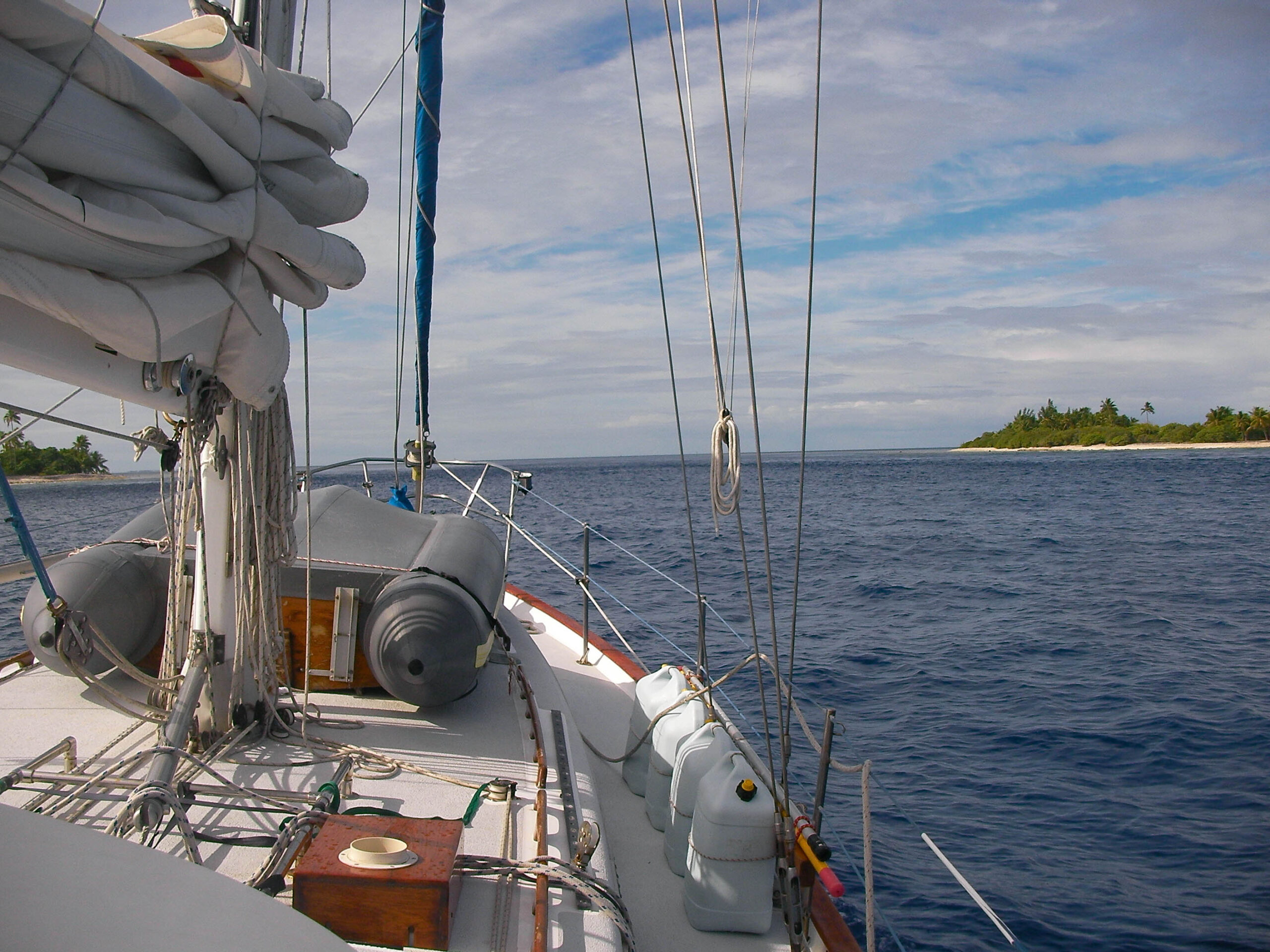
After a frustrating passage from Fatu Hiva, Karen and I shot the pass to enter the lagoon at Makemo Atoll, and found that we had it all to ourselves. Zero people, zero buildings, zero man-made anything. We anchored in crystal clear water–the bottom was easily visible at 60 feet–just off a white sand beach lined with palm trees. For the next three days we snorkeled over gorgeous coral and fish and explored our own deserted island. It was spectacular–a first in a lifetime experience for me. This is what we were looking for, this is what we needed.
Regarding atolls: an atoll is a ring of coral with a lagoon in the center. Sometimes the ring is an unbroken strip of land around the lagoon, but more often it is a mixture of little islands and barely submerged coral reefs. There are usually only one or two passes into the lagoon (and sometimes none at all). As the tides rise and fall, all the water in the lagoon tries to enter and exit through these passes, creating at times ridiculously powerful currents. I have read reports of 20 knot ebb currents in some passes. As the current in the pass encounters the ocean swell outside, crazy stuff can happen (think white water rafting on the ocean). Adding to the danger, the passes are often very narrow; the entrance to Makemo was only 85 yards wide–that sure doesn’t feel like much as you’re being carried along in a fast-moving river of current. And further compounding the peril, coral heads and reefs lie just below the surface, sprinkled throughout the passes and the lagoons like booby traps specially designed for sinking boats.
So shooting a pass into a lagoon is an exciting experience. You attempt to time it to enter during slack current (the point at which the current is neither flooding nor ebbing, but switching directions), but there is insufficient information available to do this accurately–you never know what current you’re going to find. As you shoot through the pass you’re carefully following gps waypoints to make a left turn here and a right turn there to avoid unseen mortal peril. While doing this, strange eddy currents sent straight from hell are trying to spin the boat various directions. Exciting!
In truth, though it can be terribly dangerous, we haven’t had any close calls with the three passes we’ve done so far. We have seen 3 knot currents max, and an impressive tongue of white water as we were exiting Makemo, but it all just added to the adventure.
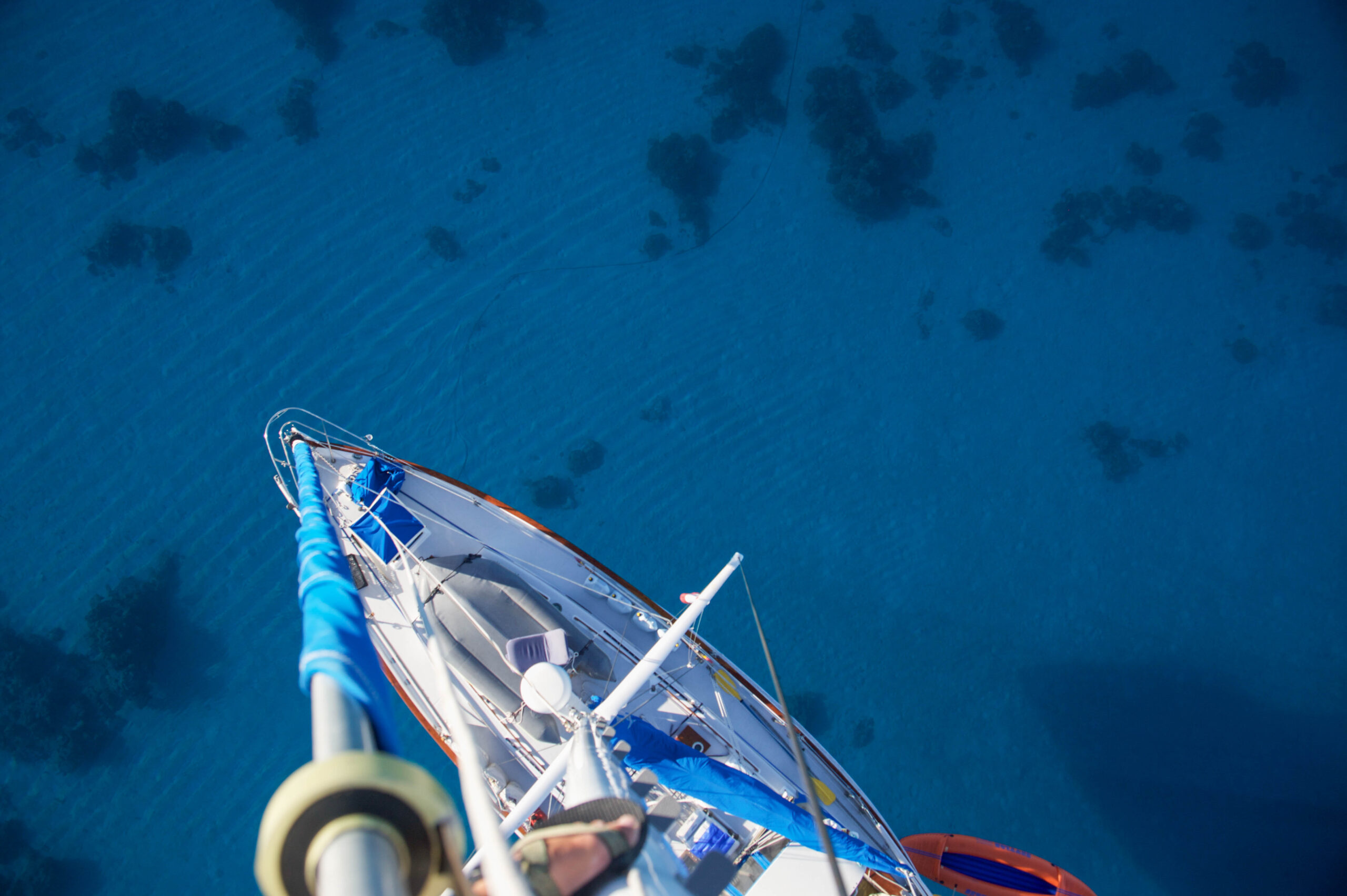
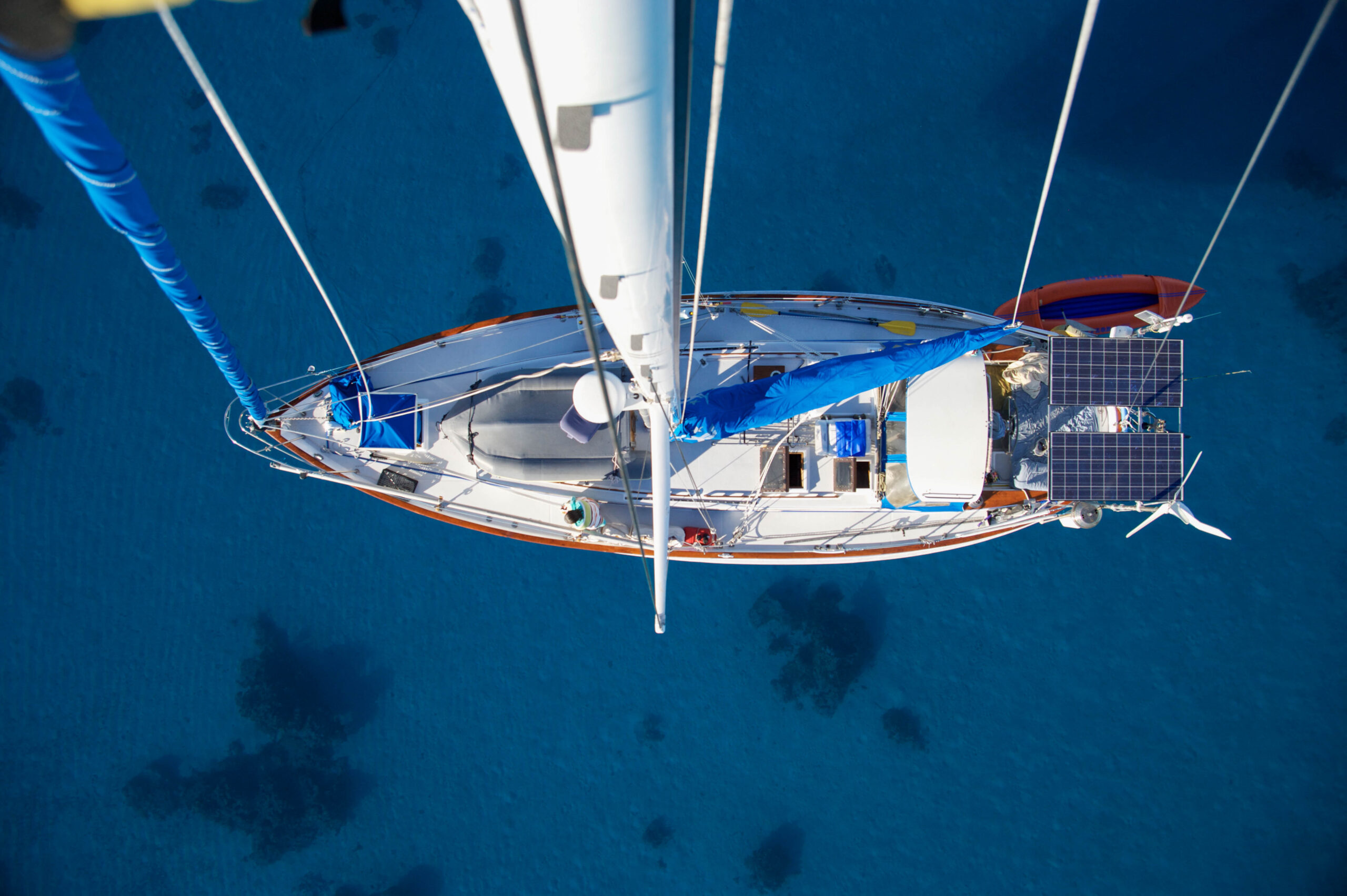
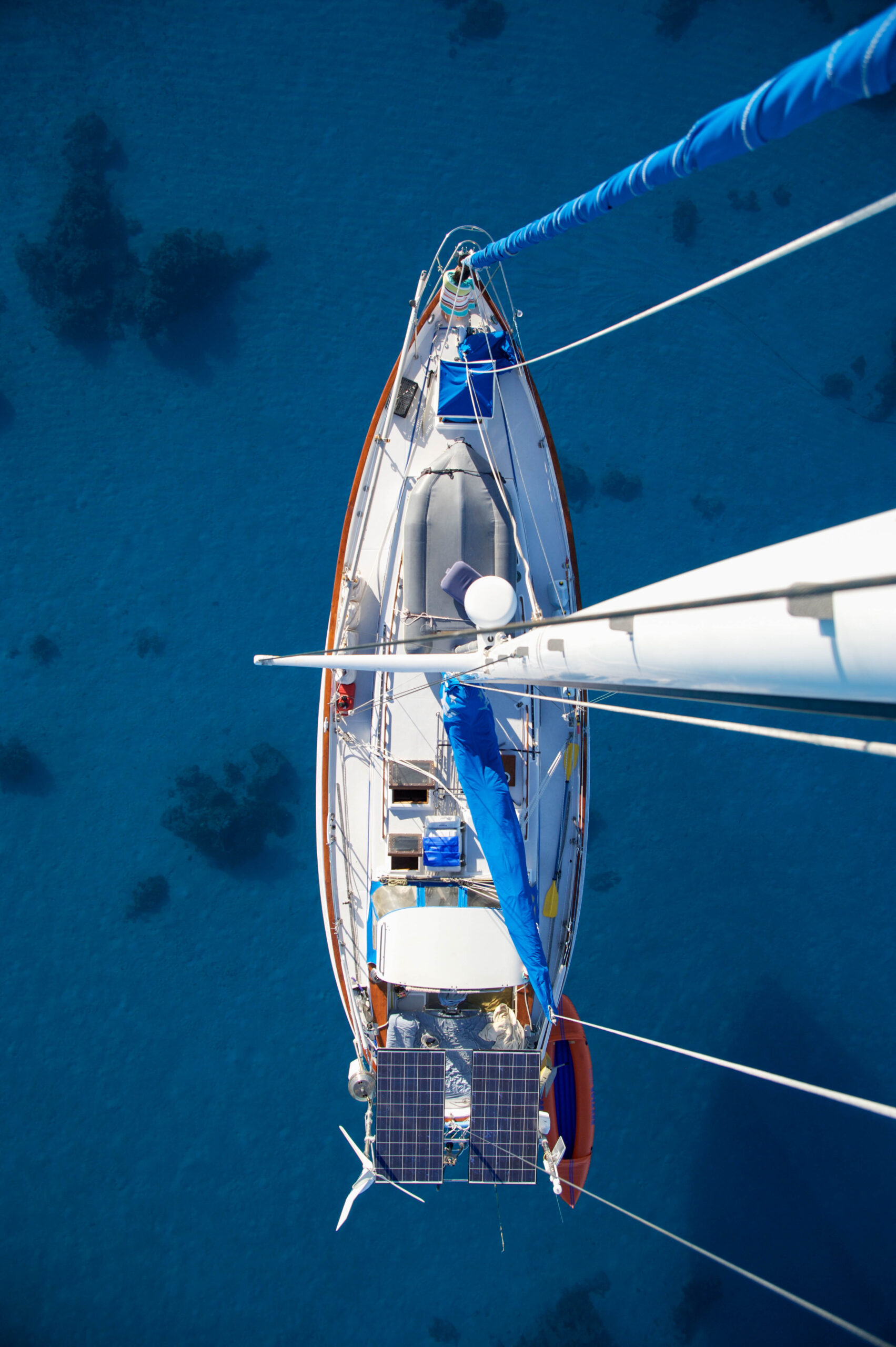
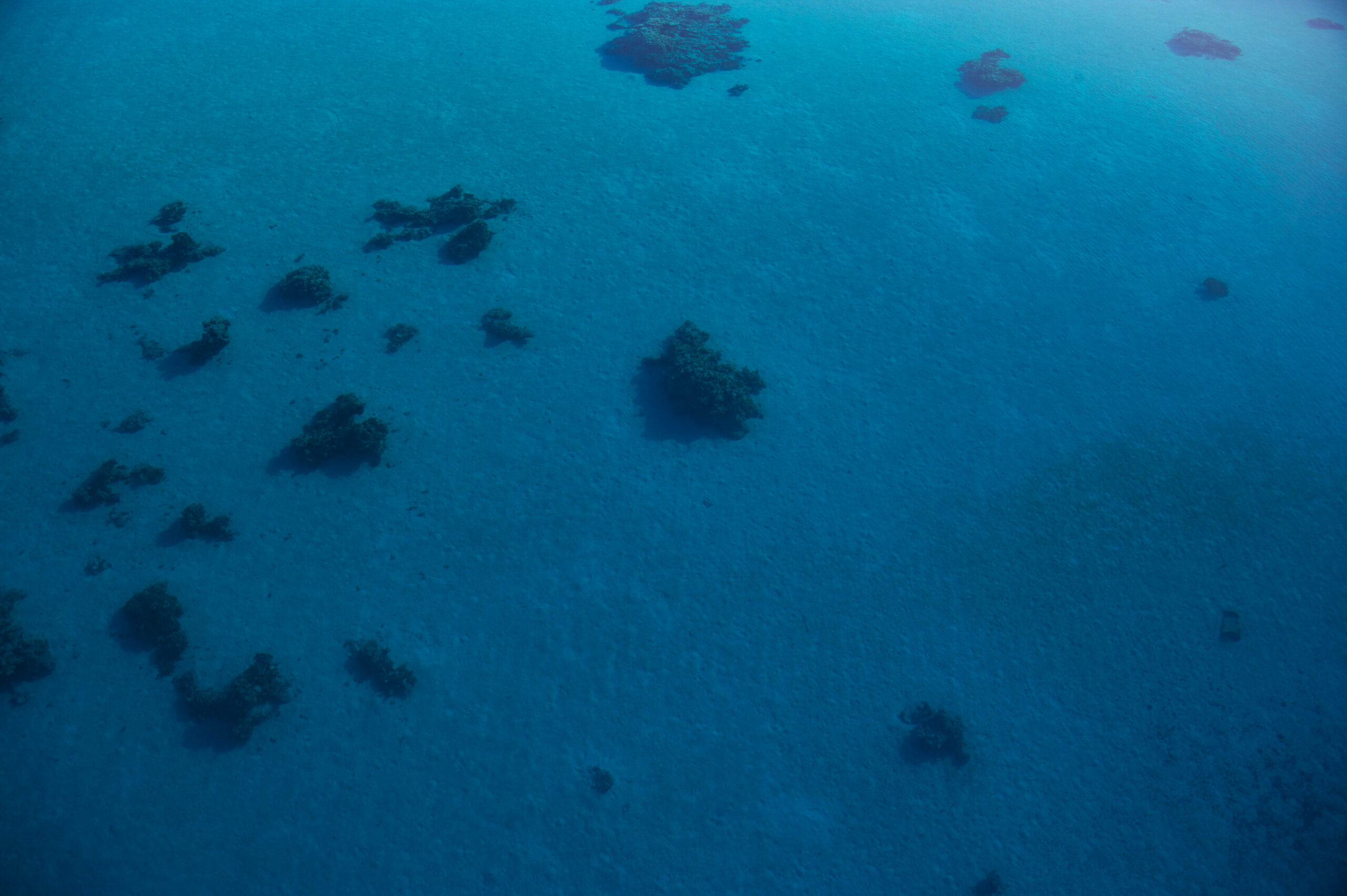
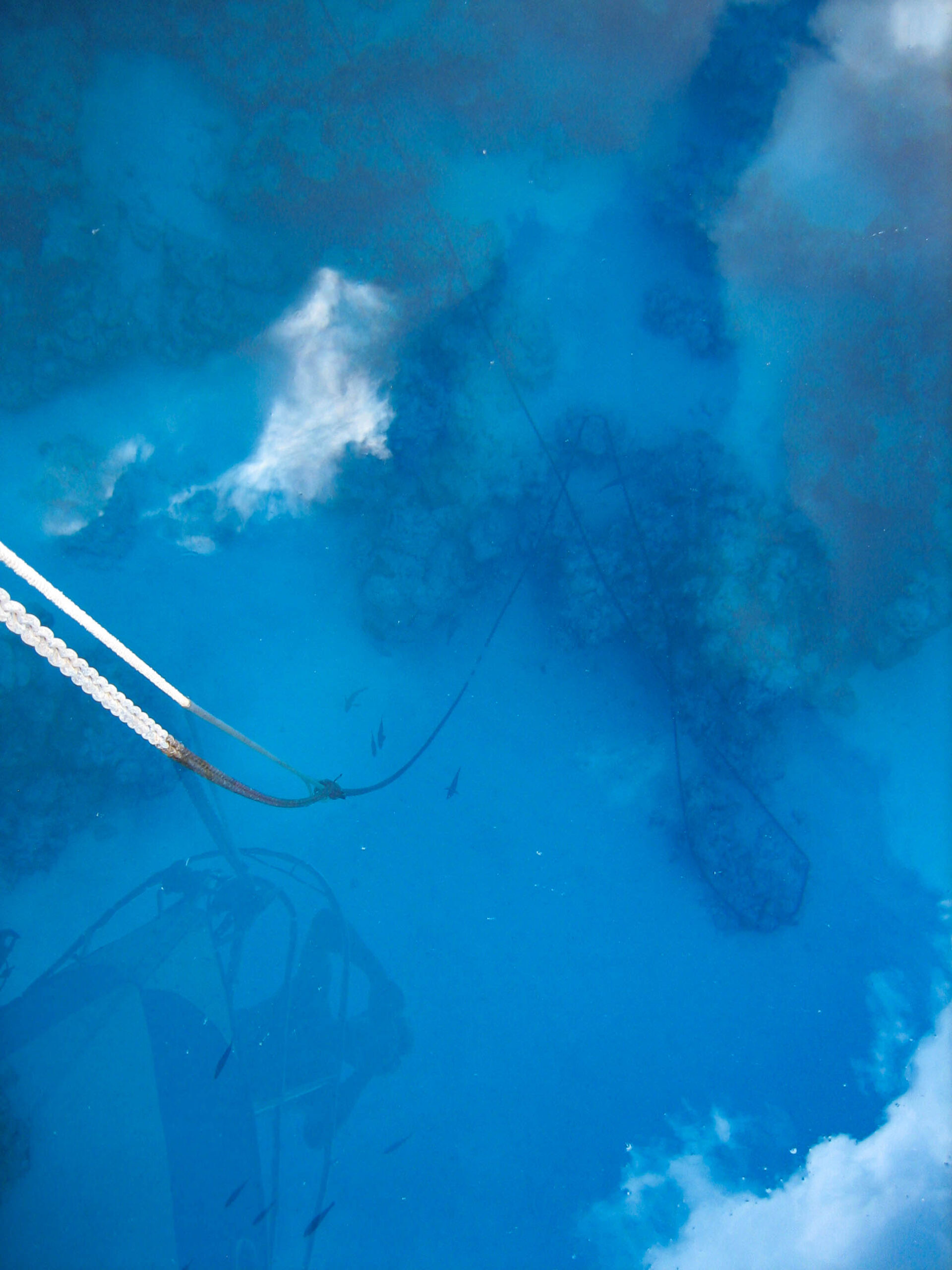
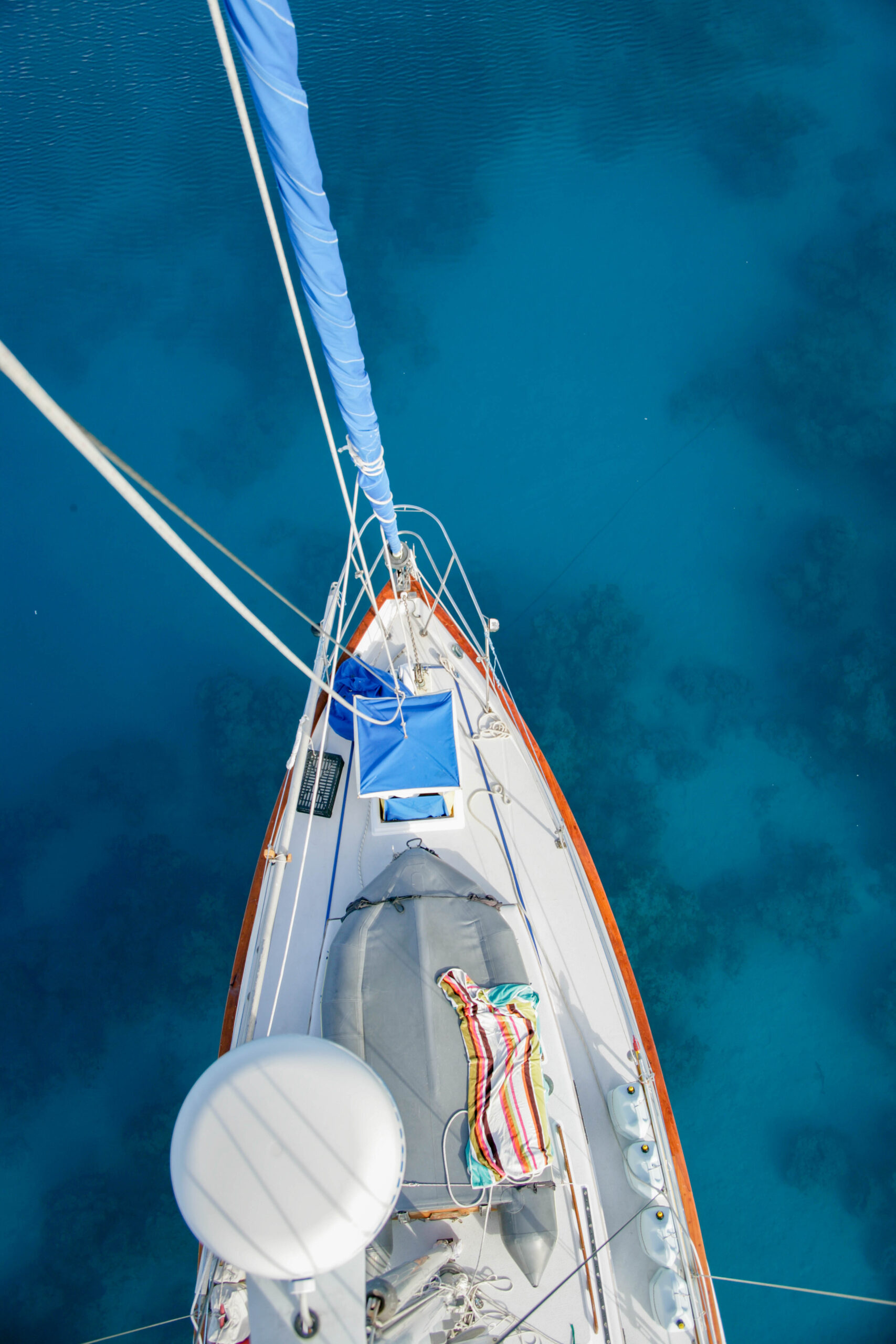
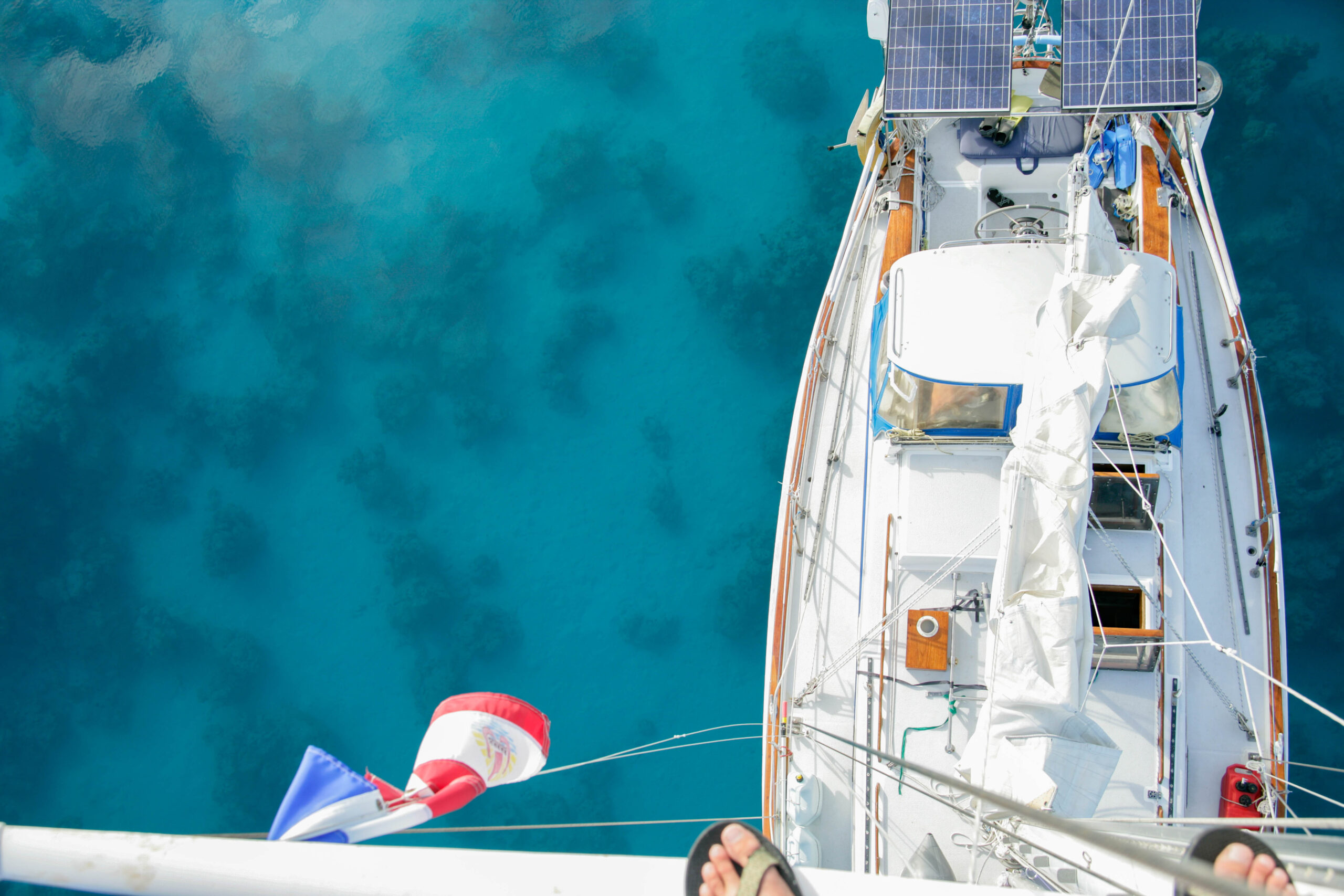
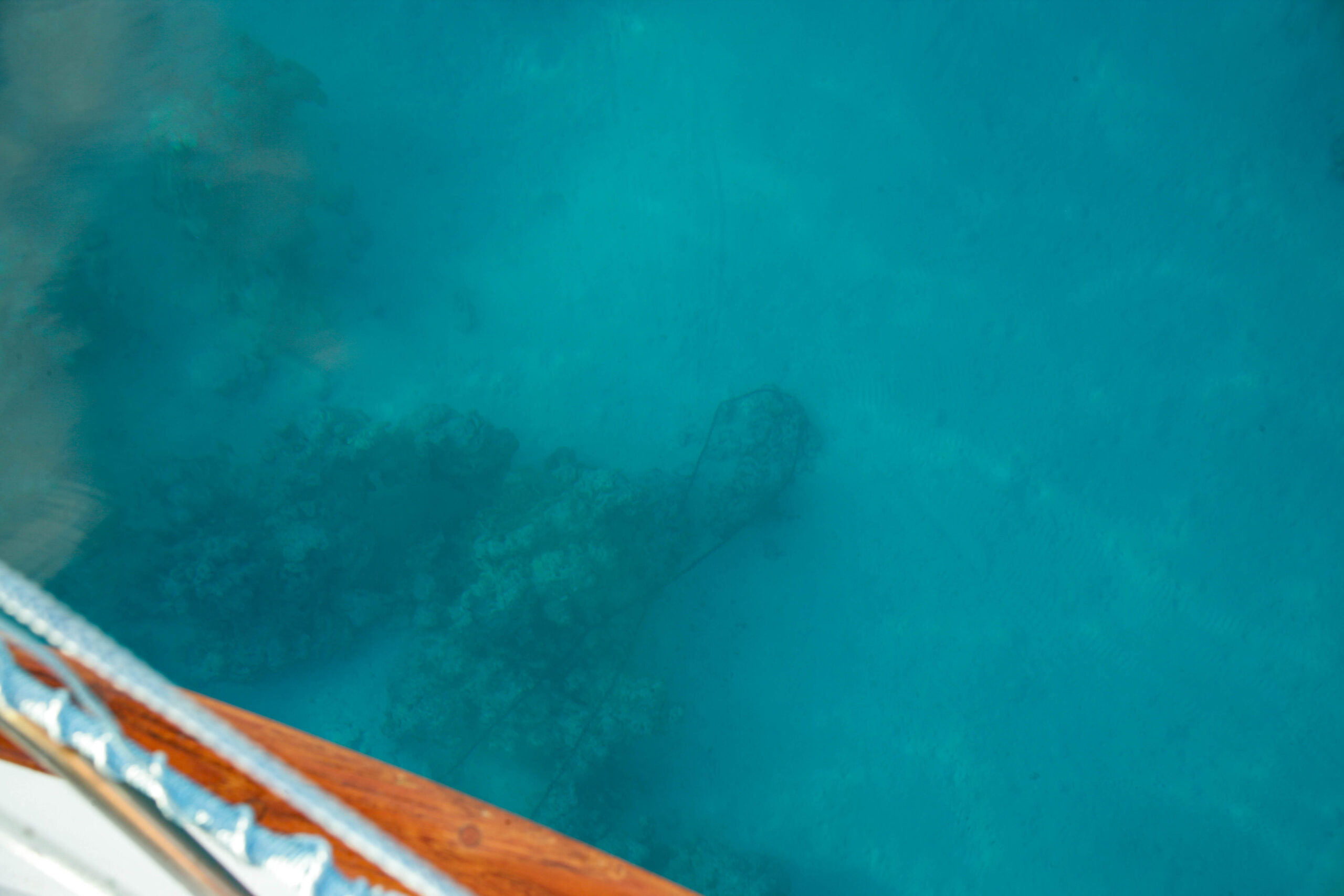
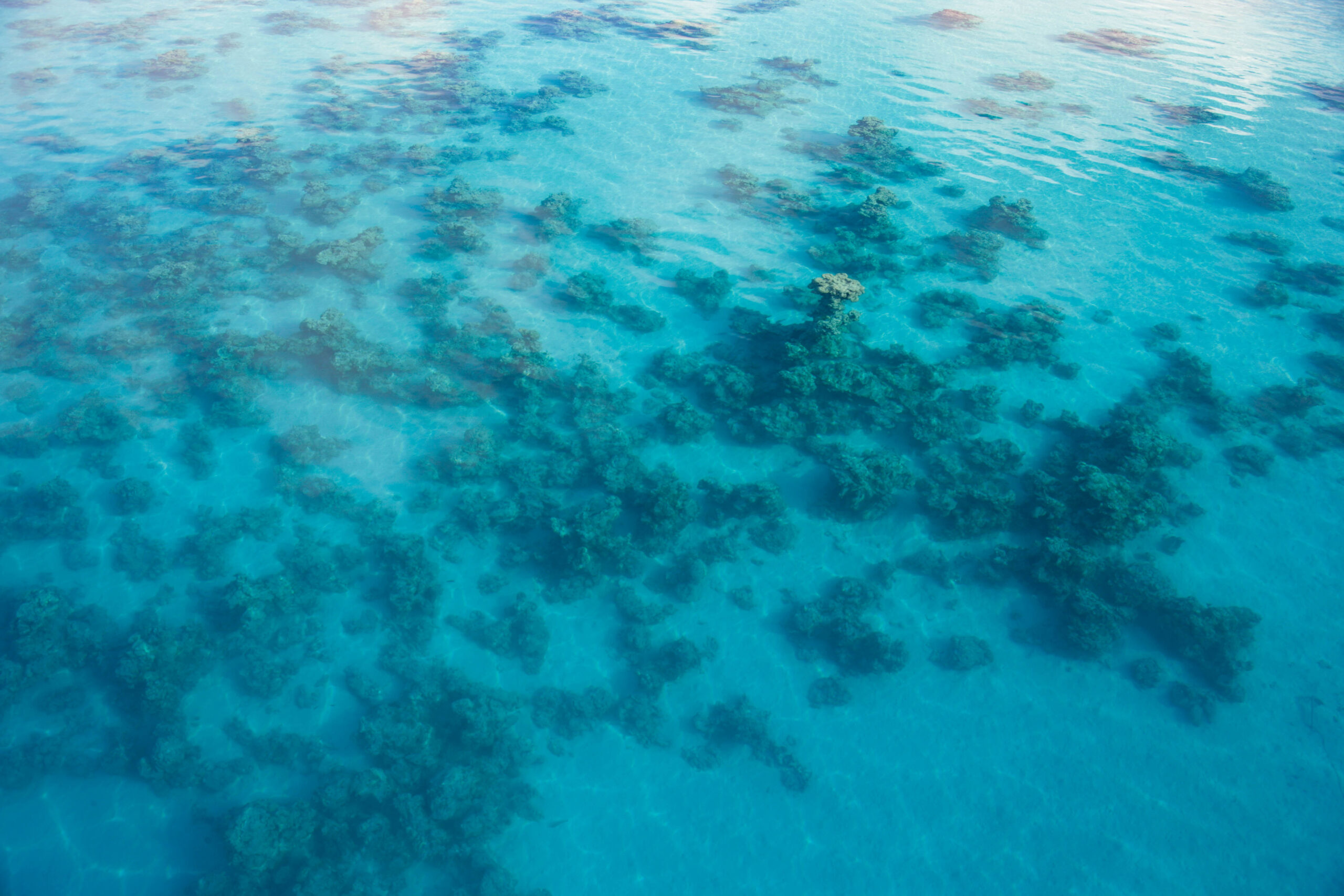
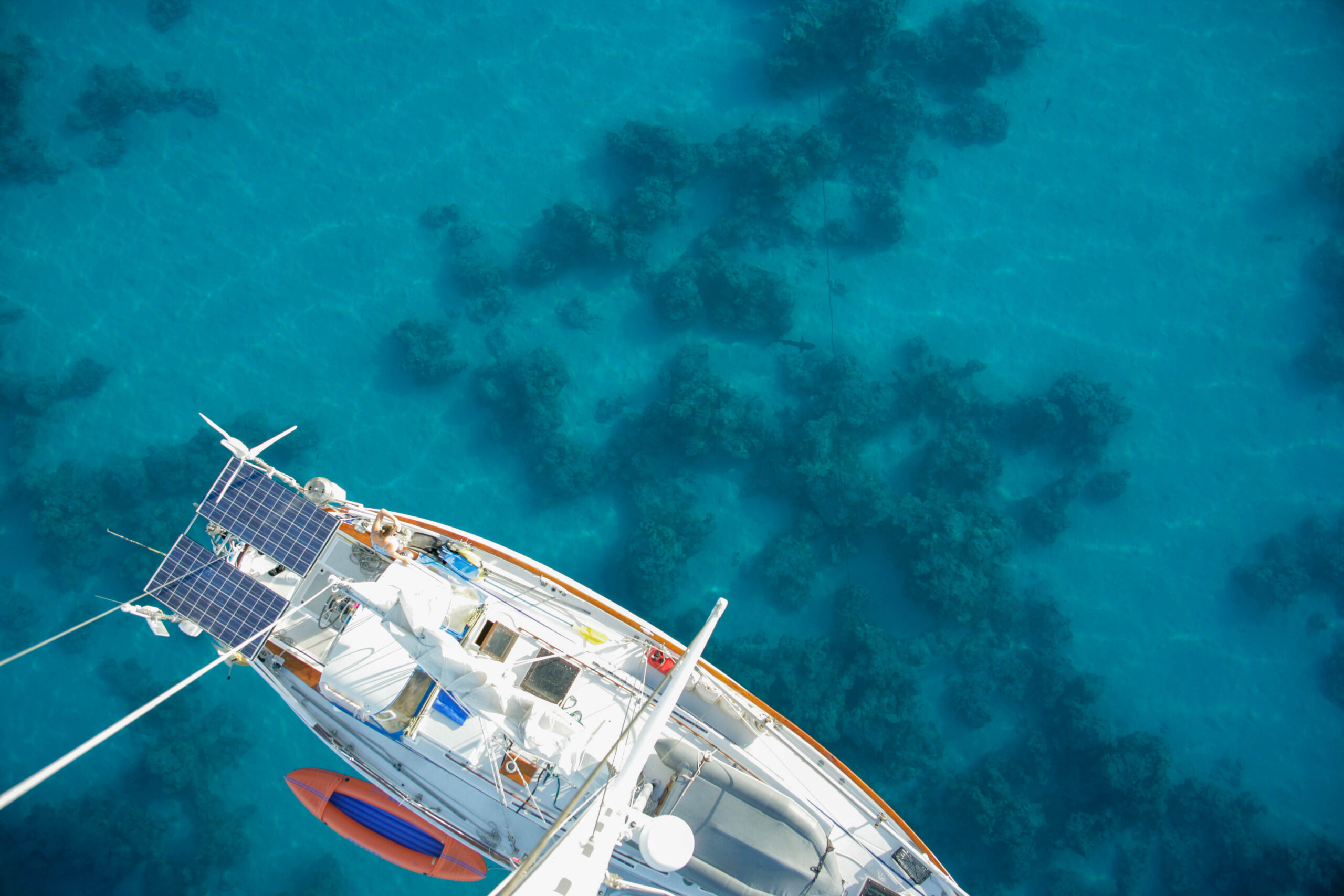
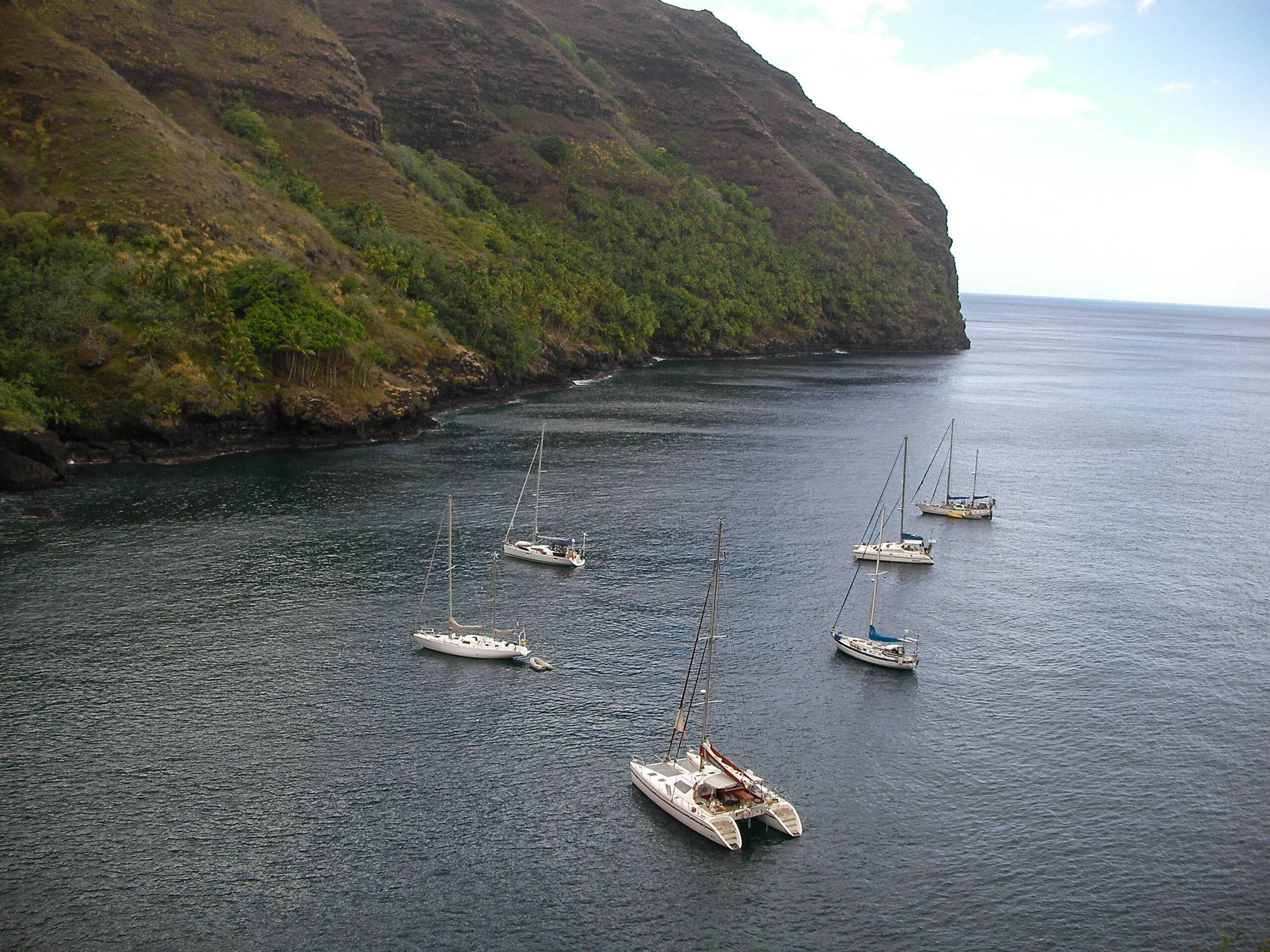
It was also our first experience with anchoring among large coral heads. Some anchorages in the atolls have mostly sand and little mounds of coral; other spots, like the very first one we encountered on Makemo, have large 8ft tall stacks of coral to wrap the chain around. In the pictures you can clearly our chain nicely snaked around (the depth is 50 feet in these shots). It’s good and bad–good because with your chain all tangled up there’s no way you’re going to drag anchor when the wind picks up–bad because it can be a real bitch when you go to retrieve your anchor. It was fortunate that we had such great visibility; as we weighed anchor karen snorkeled off the bow, examining how the chain was tangled and directing me how to steer to unwrap us. Combine mediocre visibility with a coral head minefield and it would be easy to lose your anchor somewhere in these atolls. Neither of us know how to dive–this would be a really good skill to have in places like this, if only to save a $500 anchor!
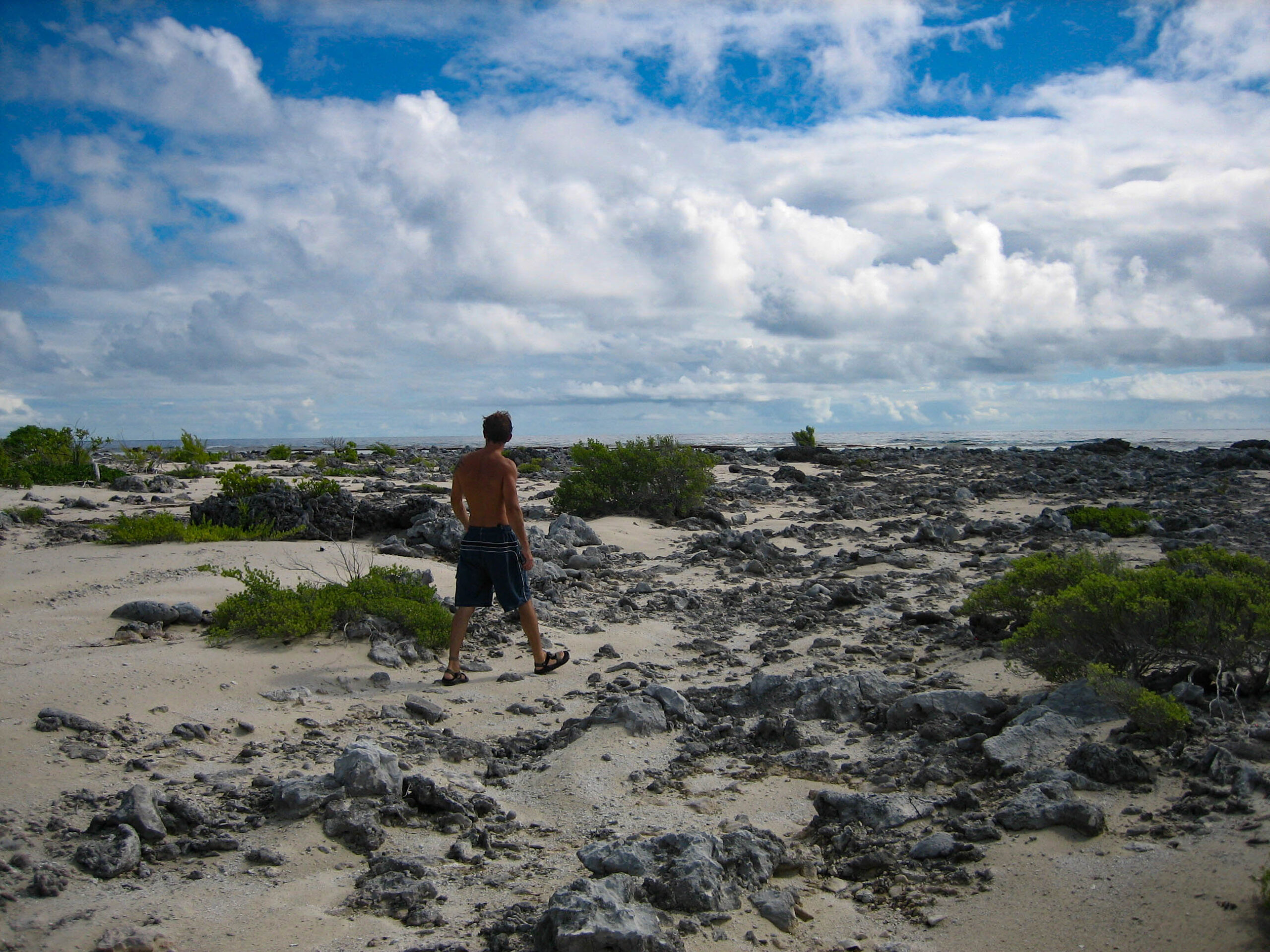
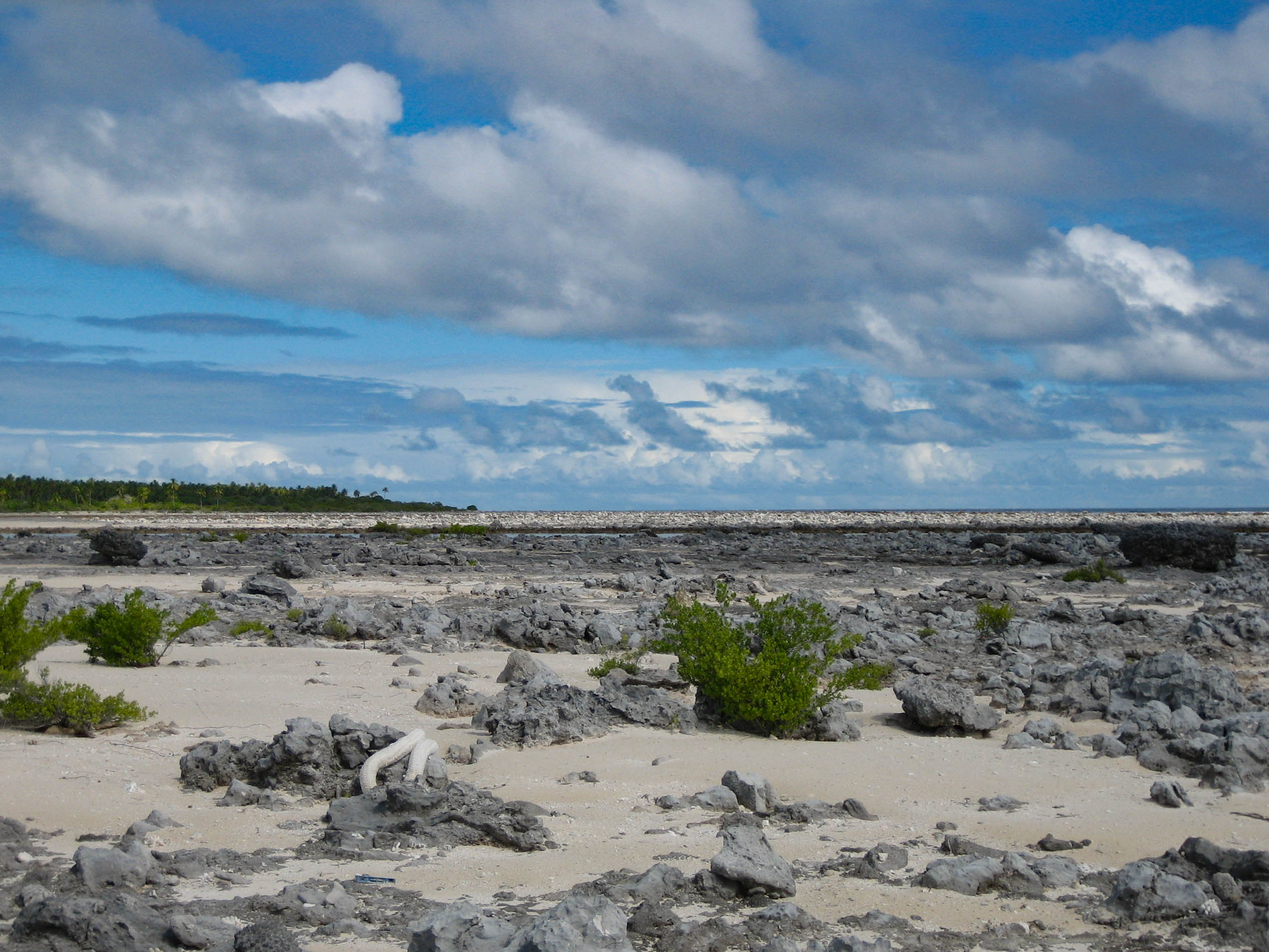
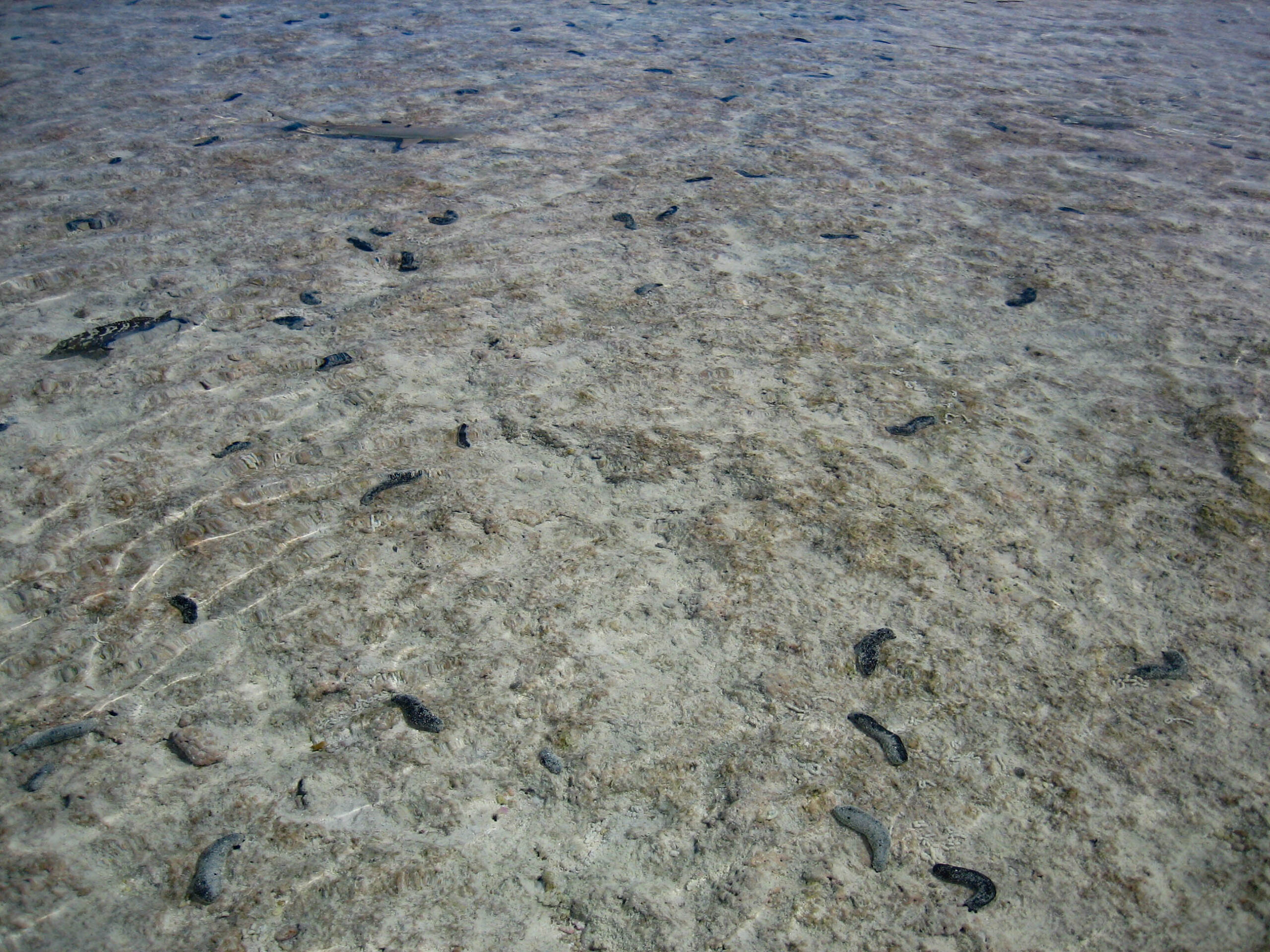
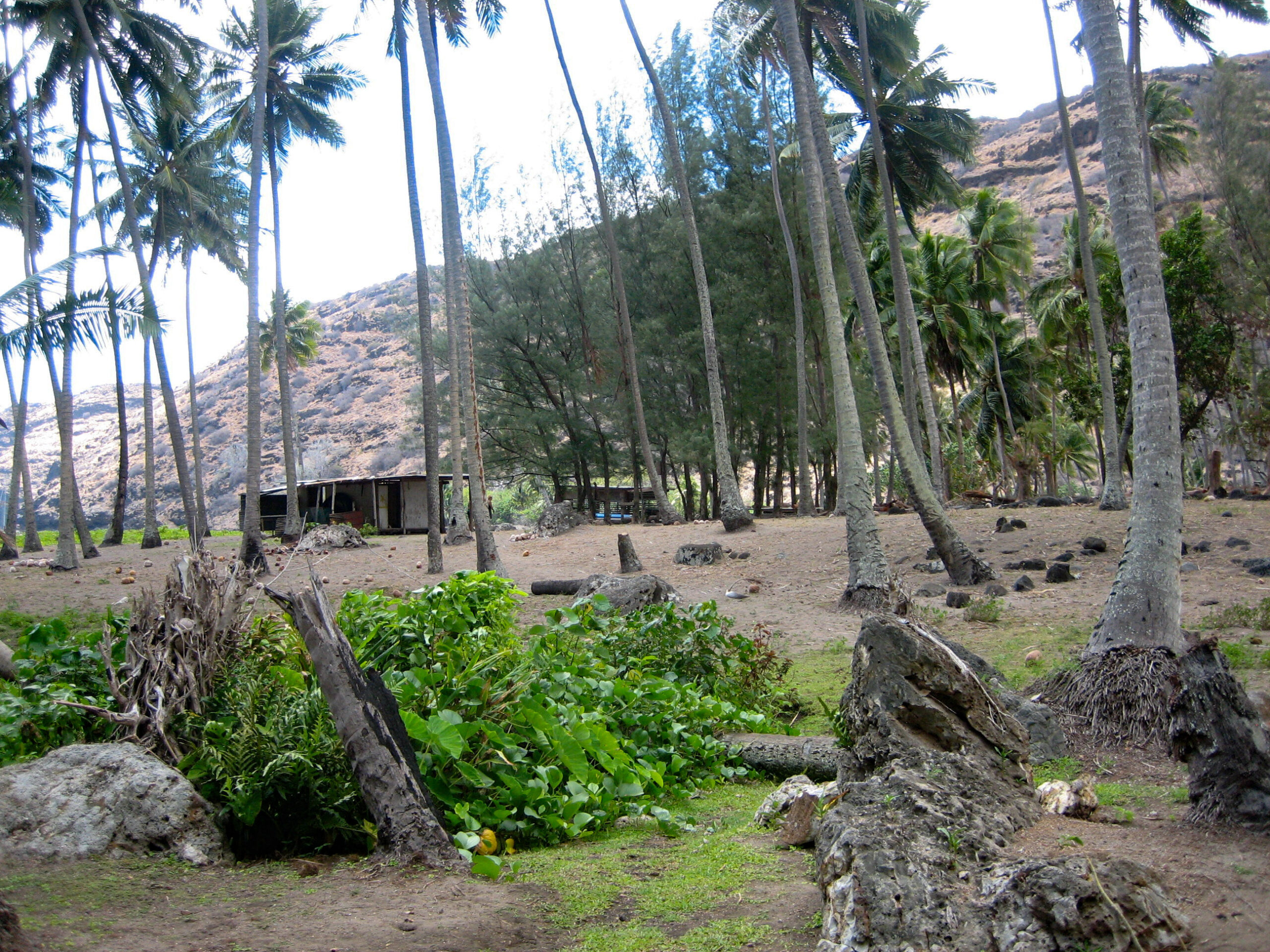
We had the place to ourselves, we kicked back. We jumped in whenever we got hot. We wandered on the abandoned island, finding only crabs and coconuts. The shallow water at the beach was filled with fish and foot-long reef sharks. It was quiet, calm, empty.
This is what it’s about, this is seriously fantastic.
We’re back in the middle of the ocean, on a five day passage between the Marquesas and the Tuamotus. For the past 24 hours we’ve been sailing “dead down wind” and rolling from left to right in an unceasing pendulum of torture. Thirty degrees to port, thirty degrees to starboard, tick . . . tock . . . tick . . . tock . . . It’s never-ending, and it’s very unpleasant. I’ve tried every trick to mitigate it; it is a result of very light wind and a following sea, and I have conceded that, short of turning around and going in the wrong direction, the torturous motion must be endured.
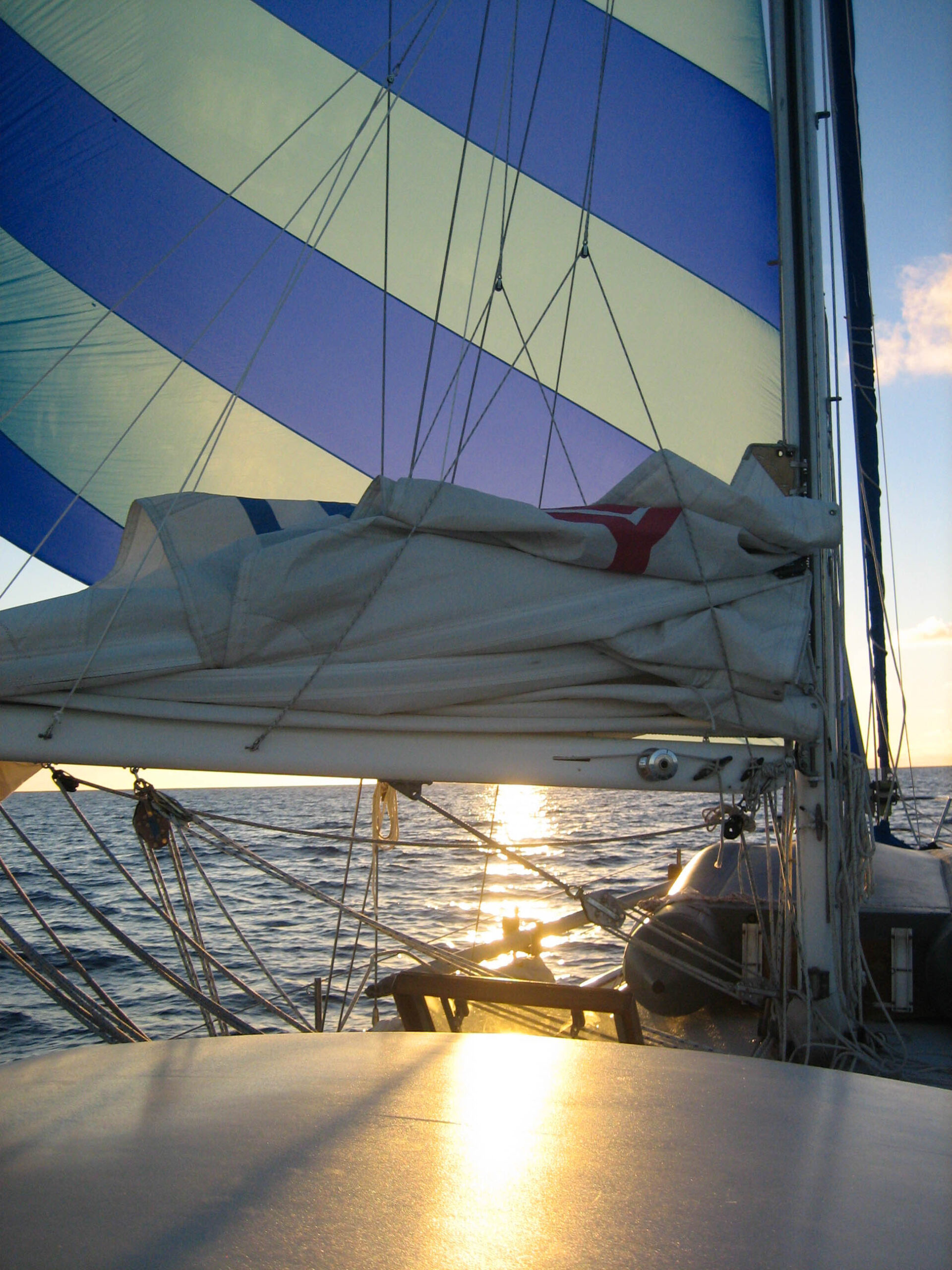
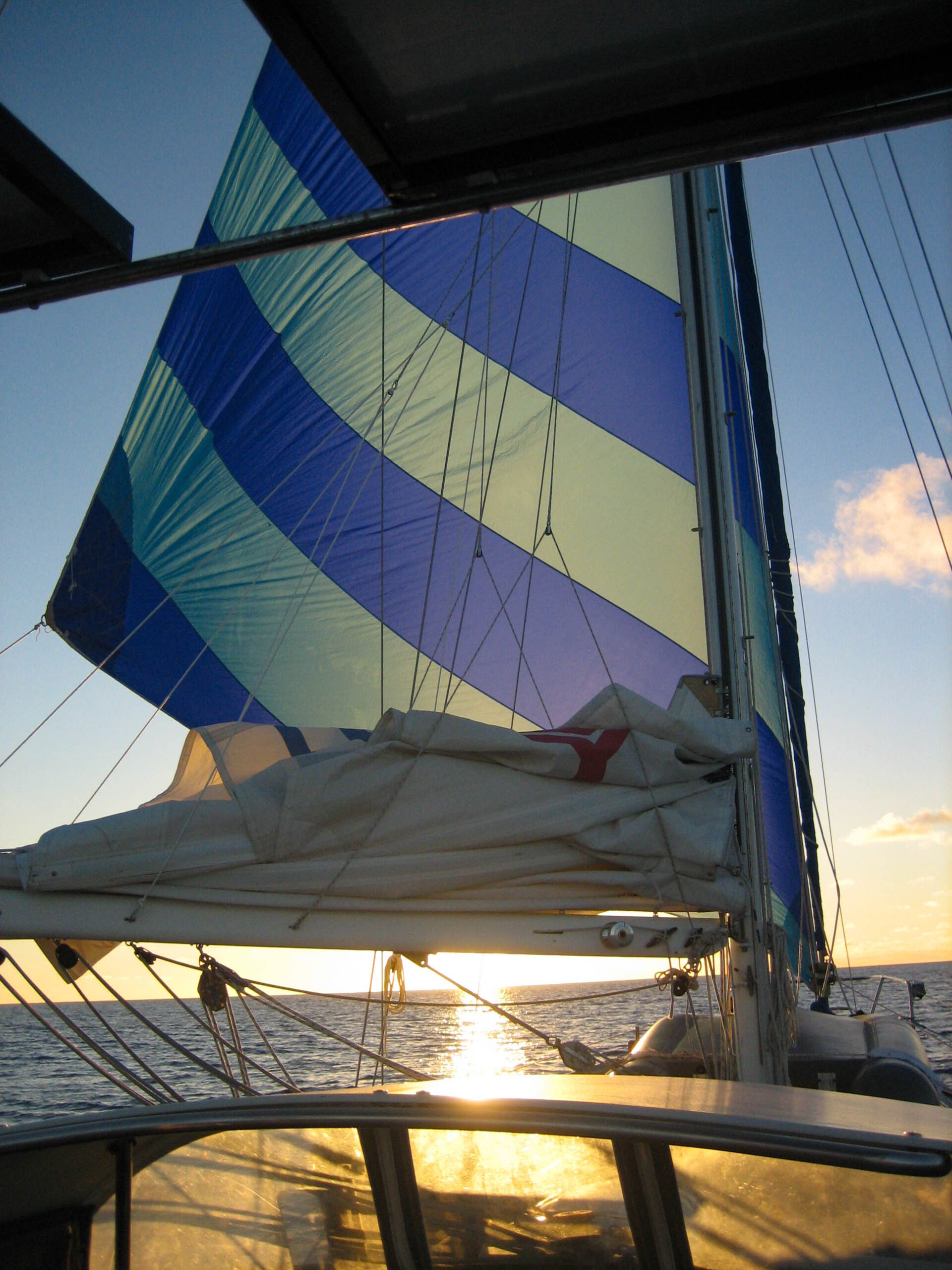
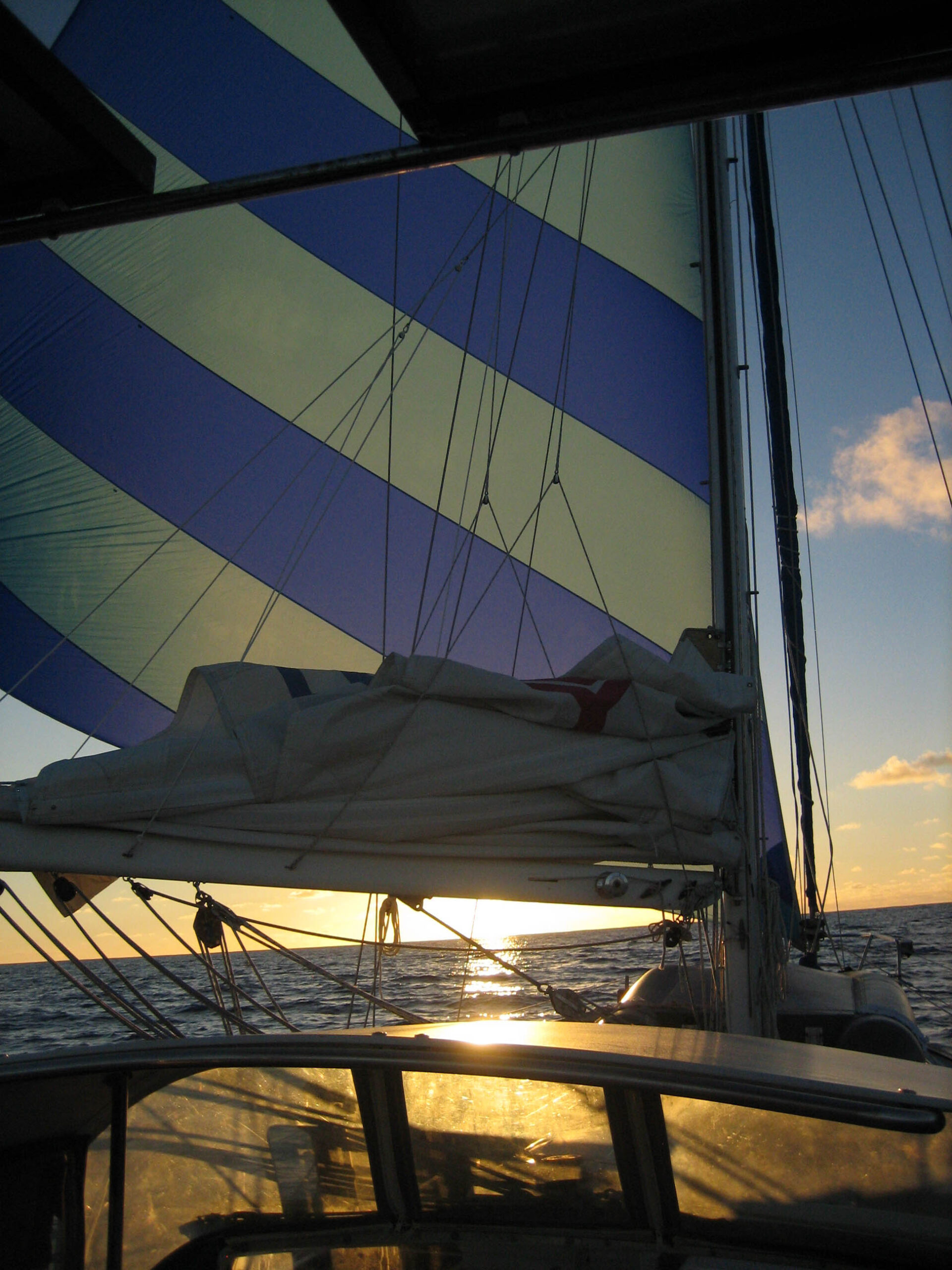
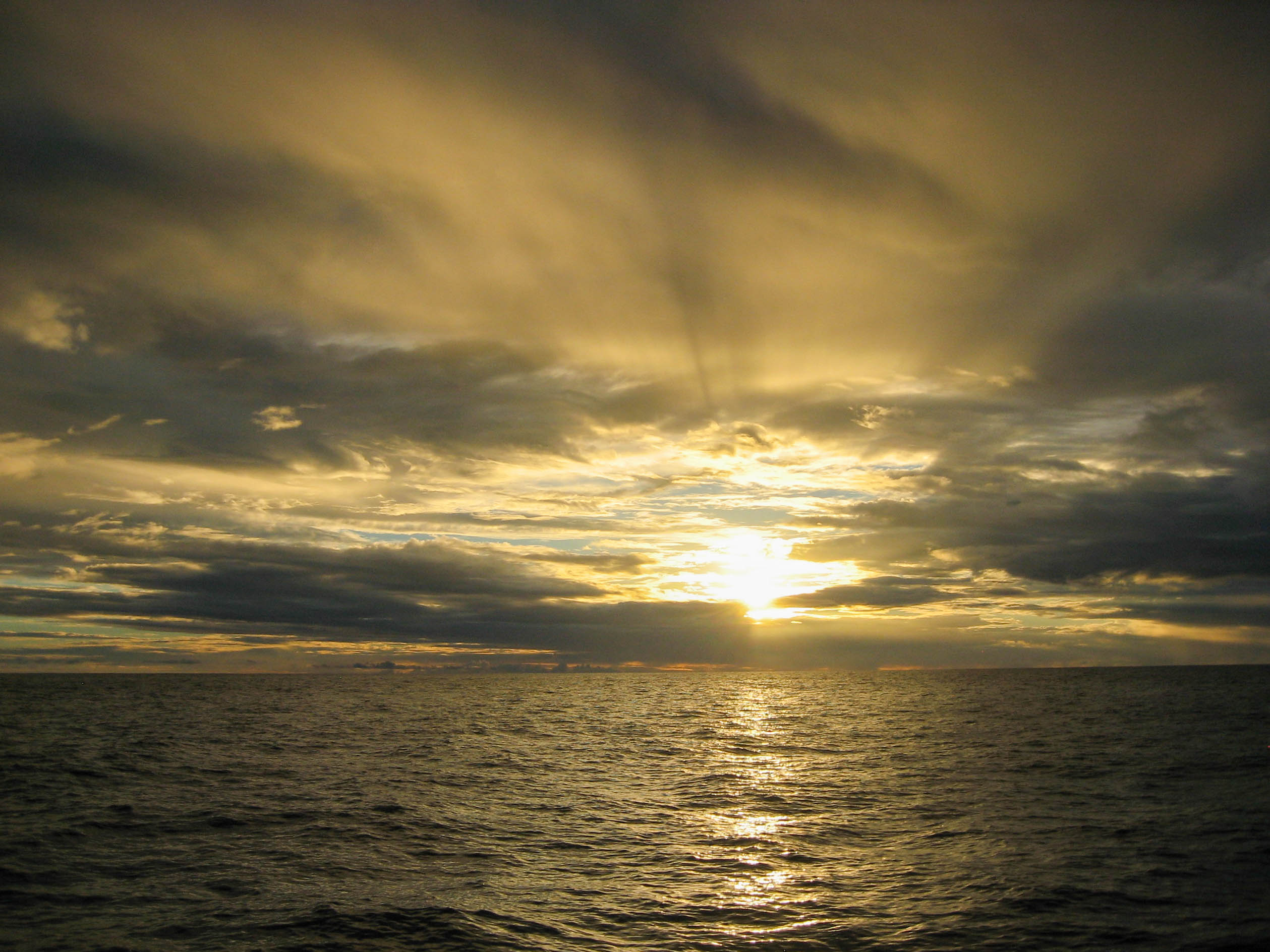
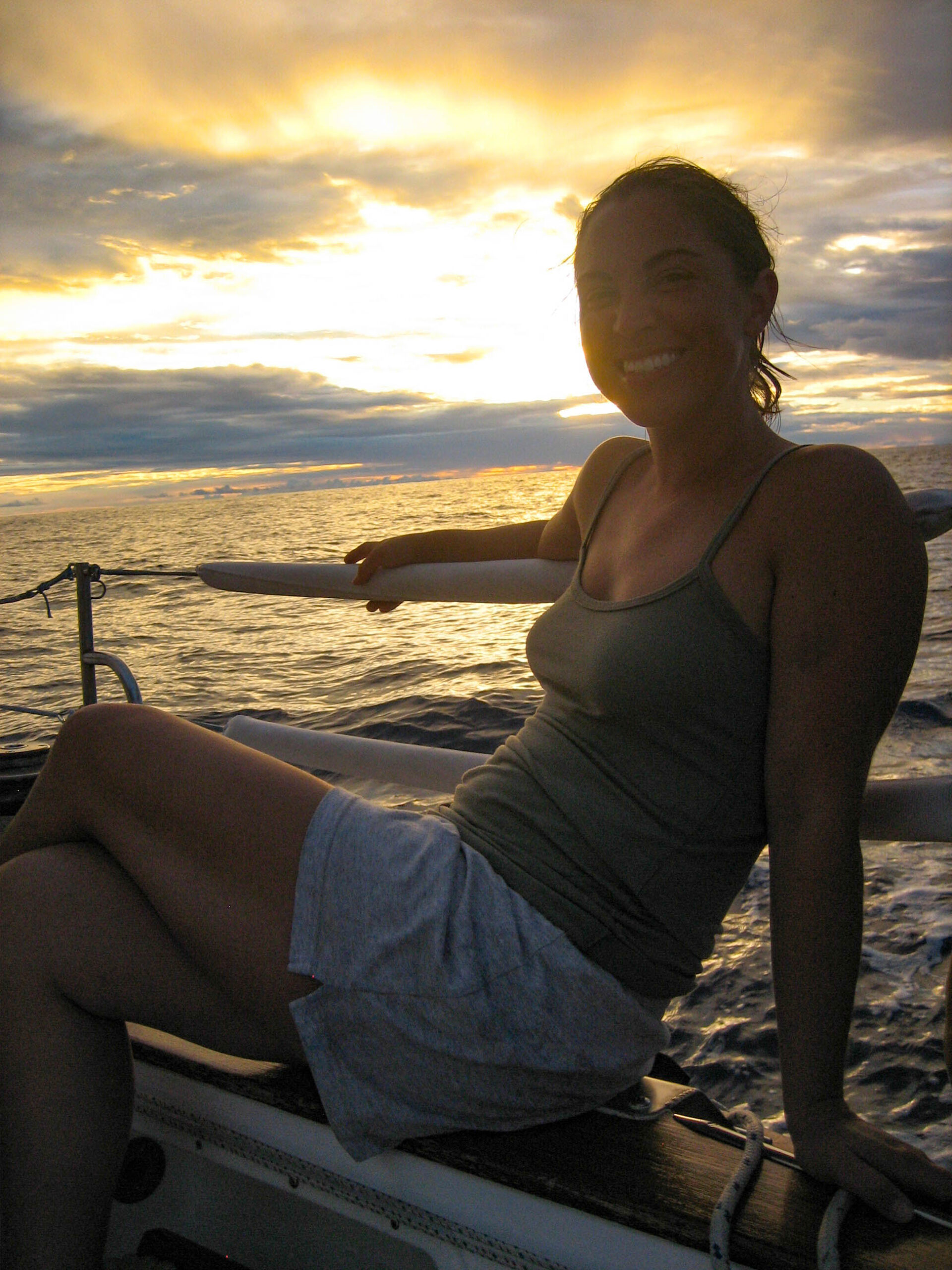
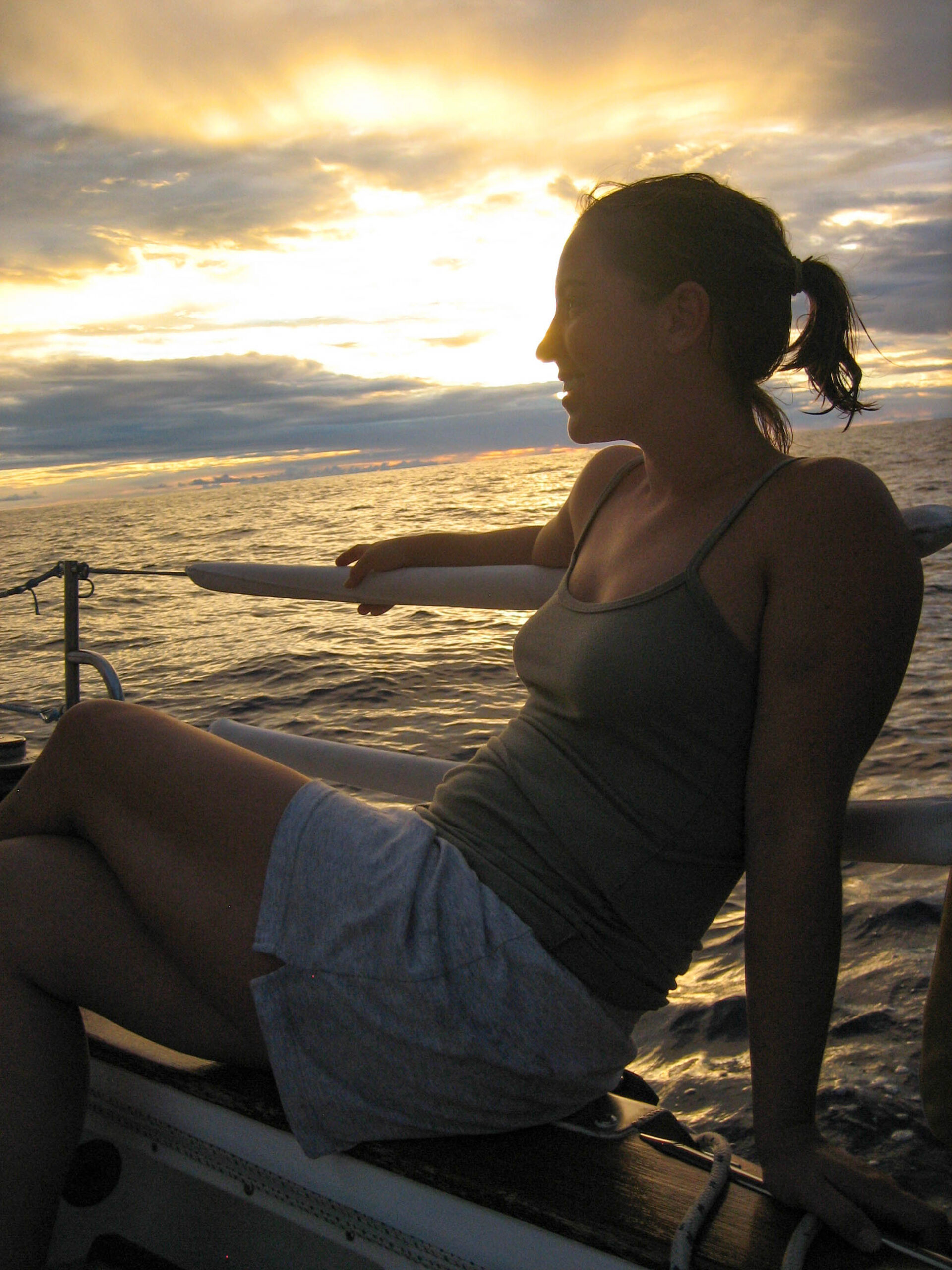
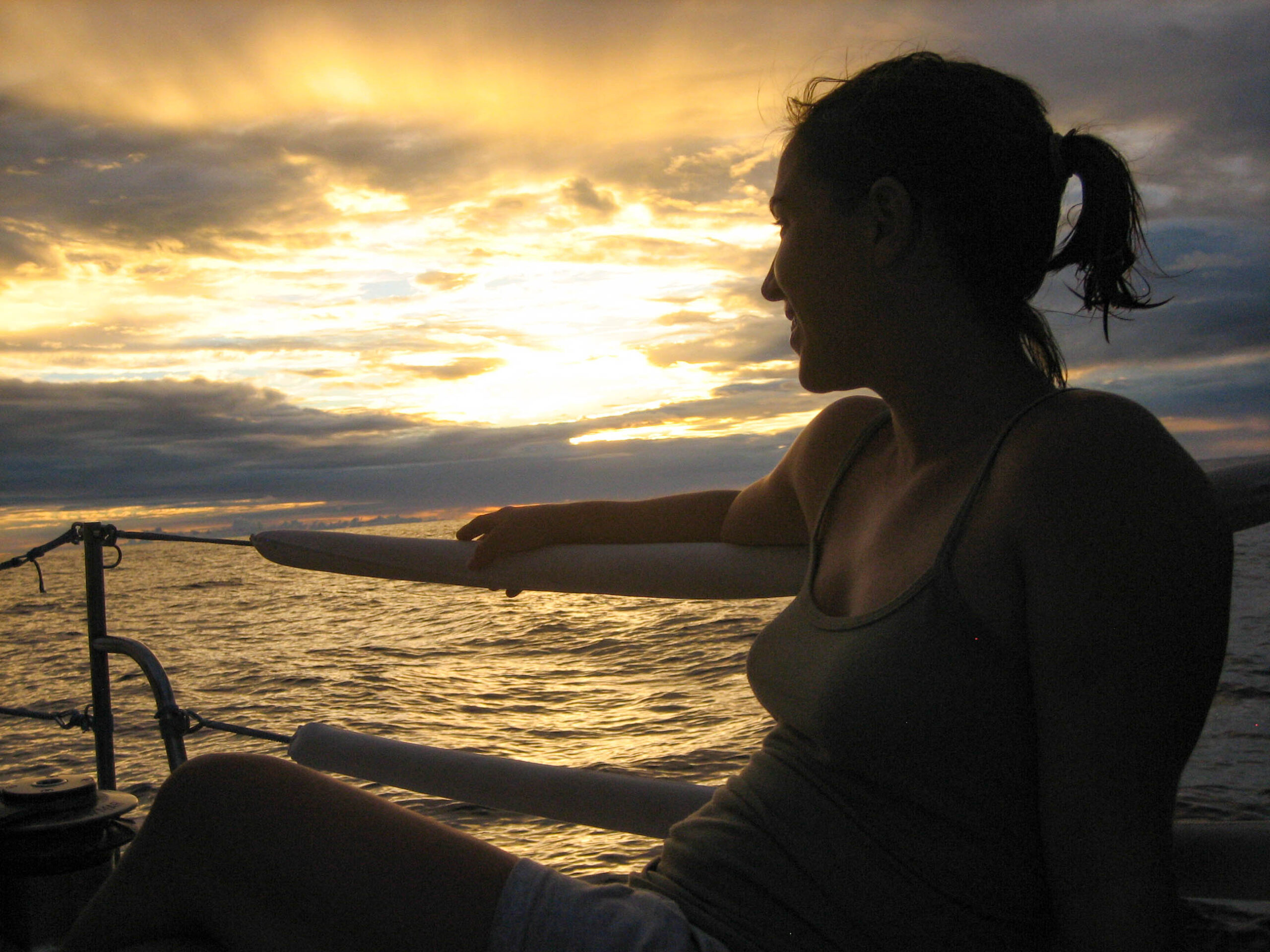
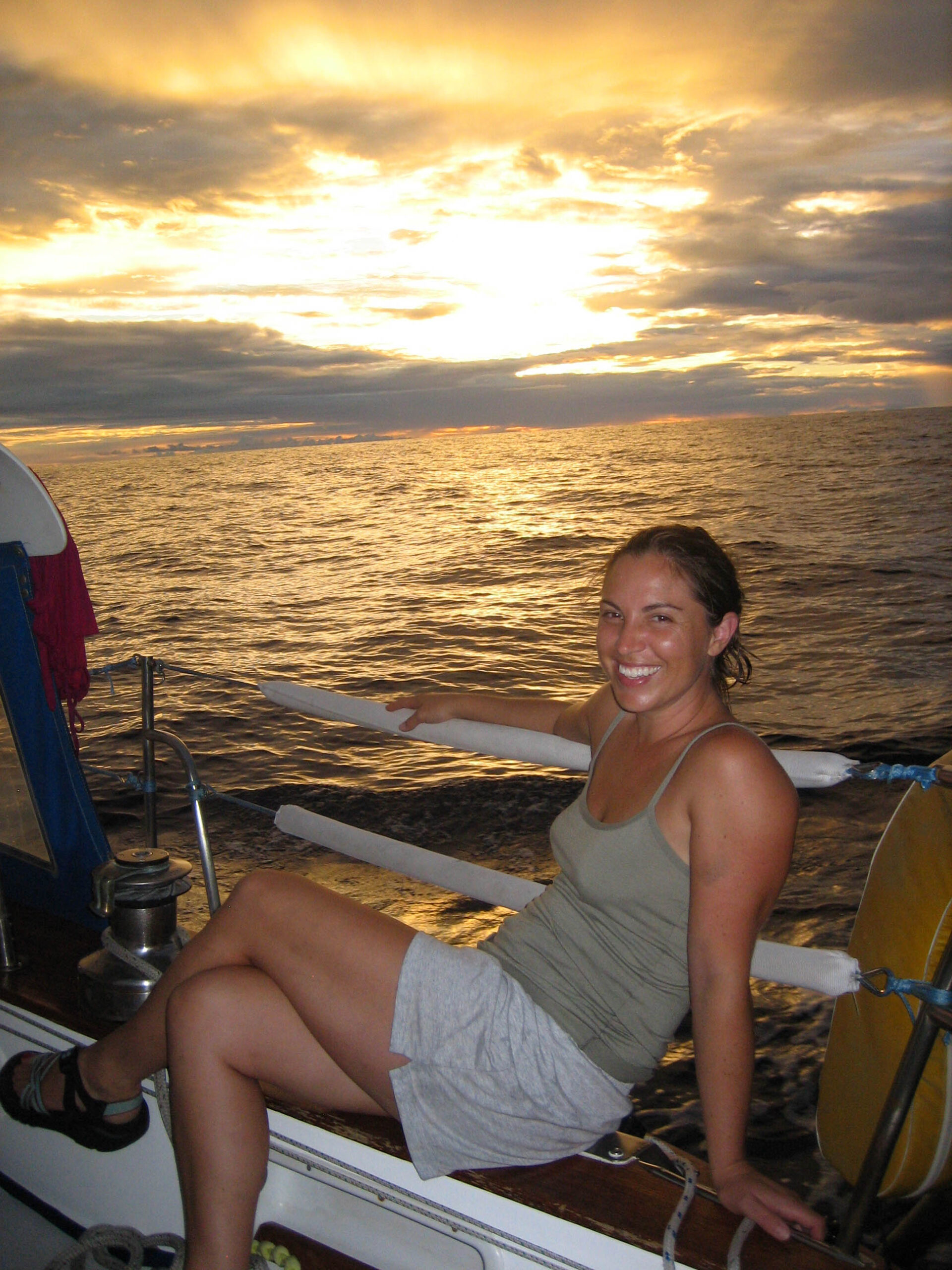
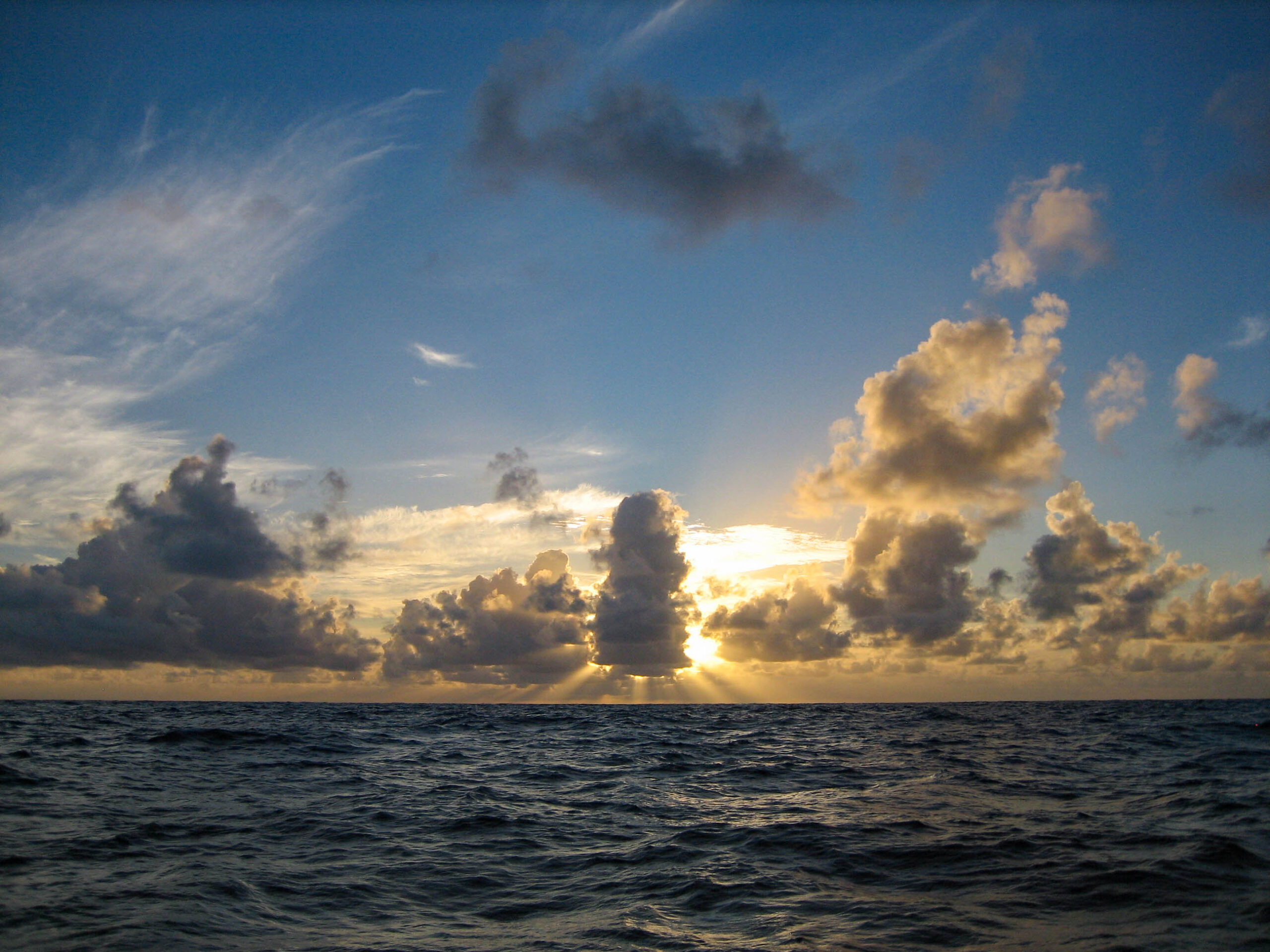
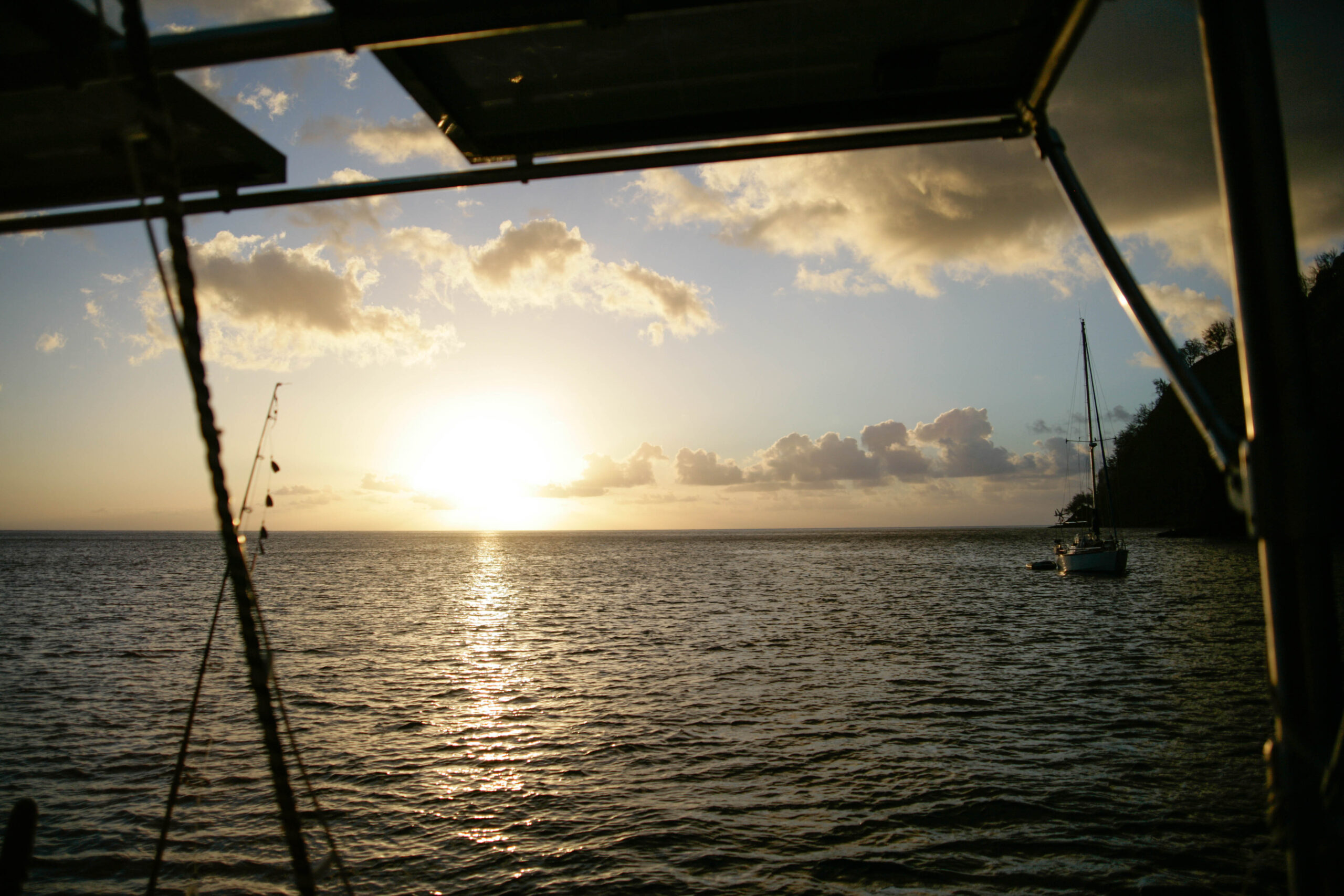
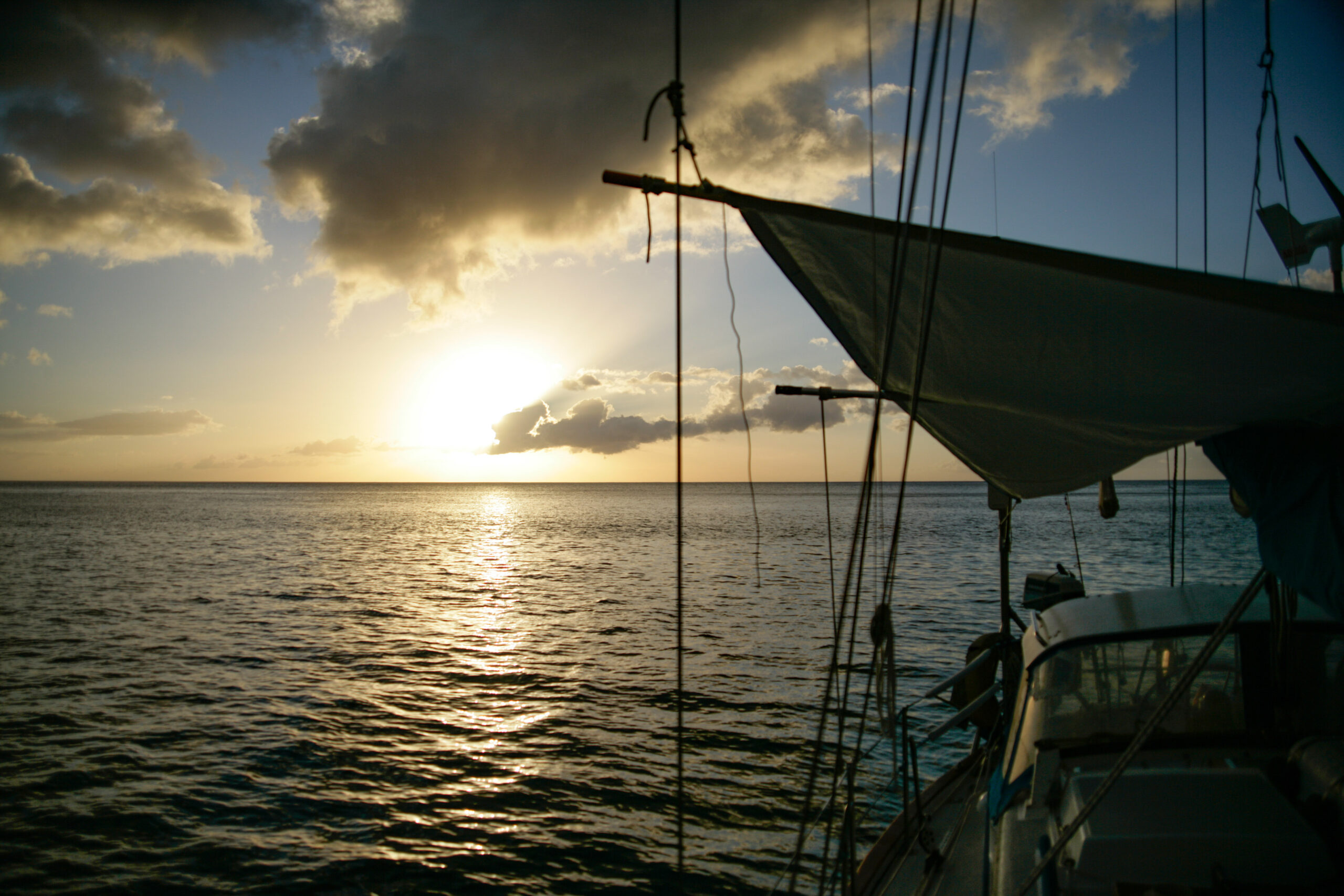
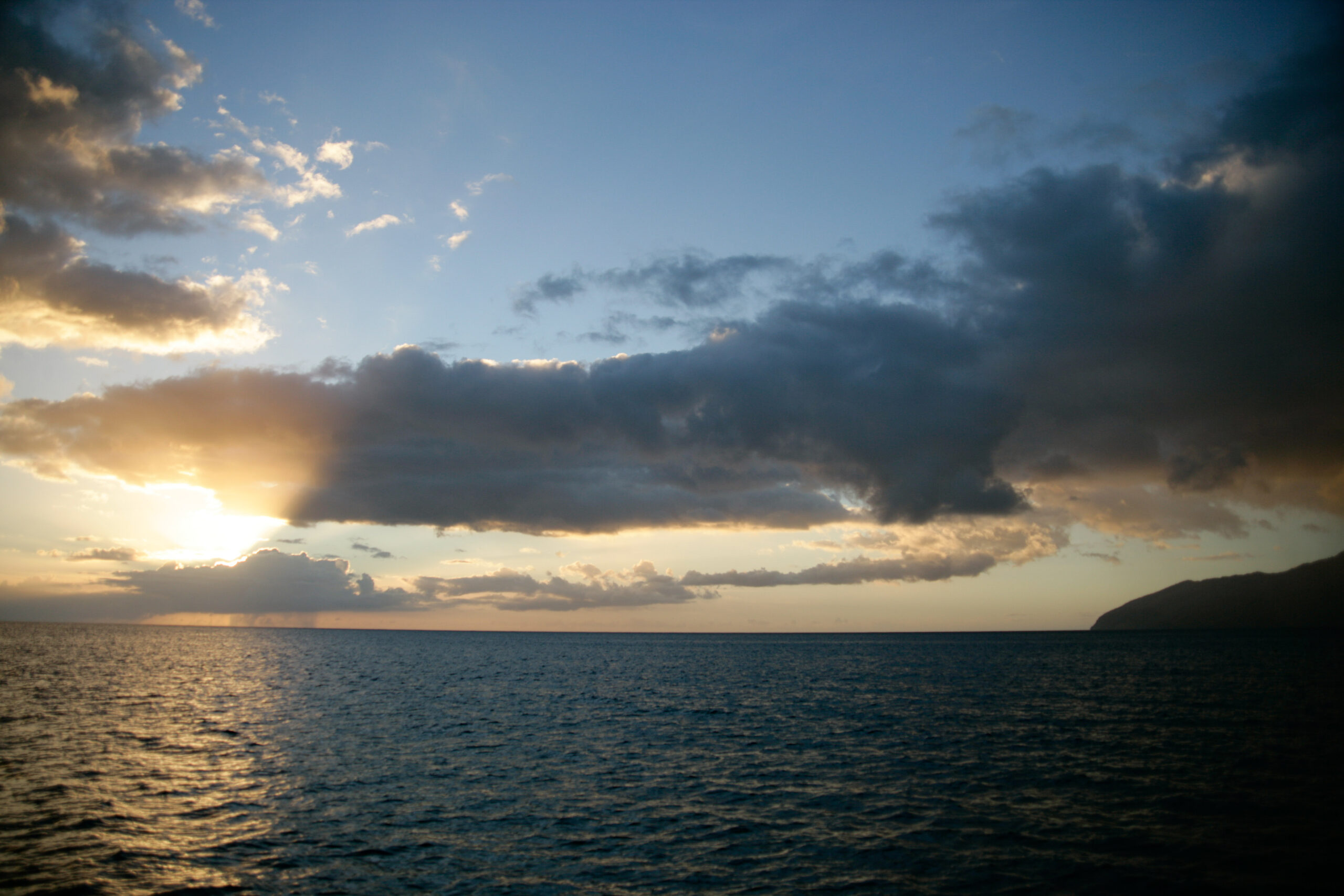
On the upside, there is a really beautiful sunset.
Below is a picture of us rolling to port, then rolling to starboard; imagine constantly alternating between those two positions.
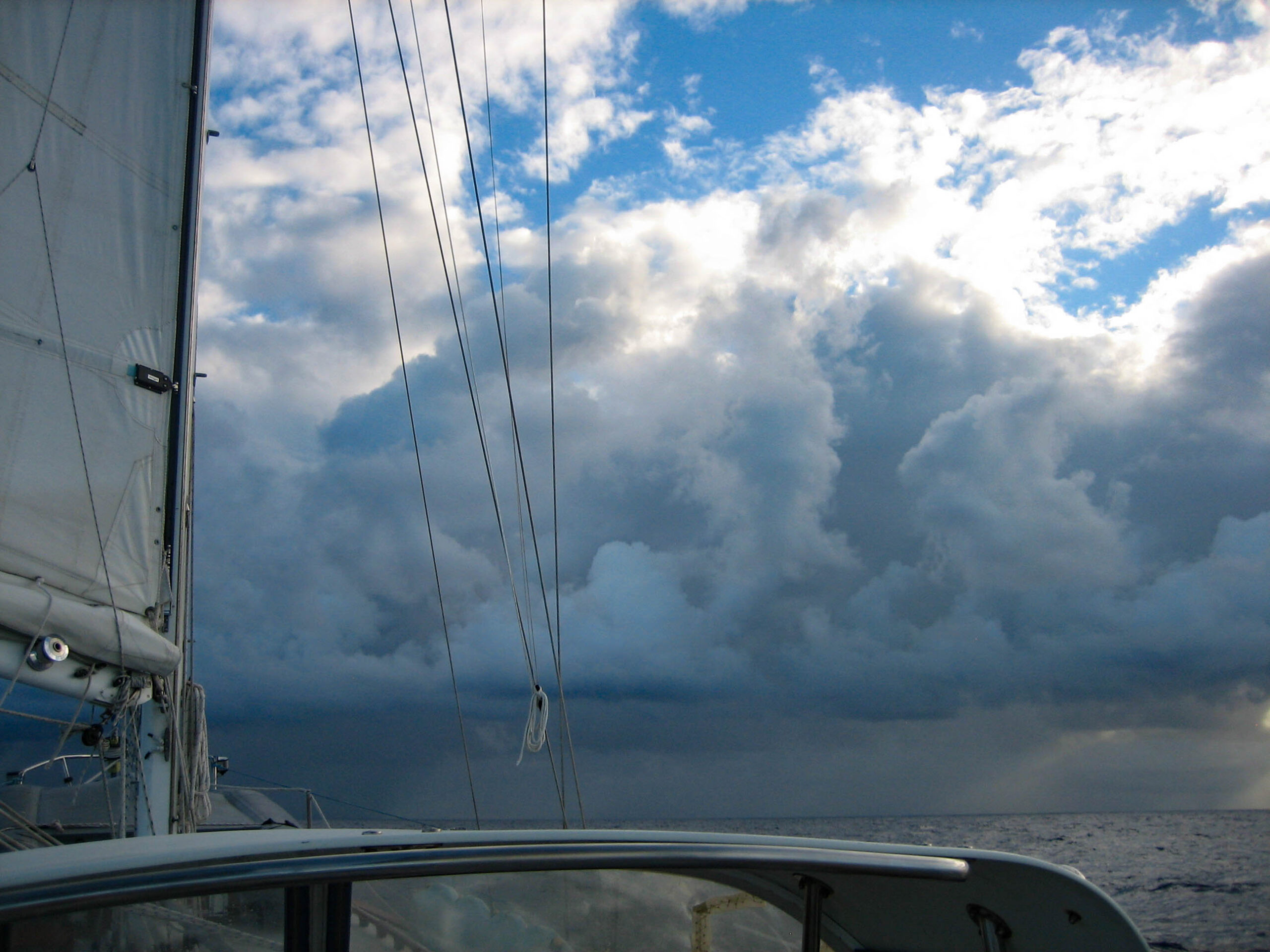
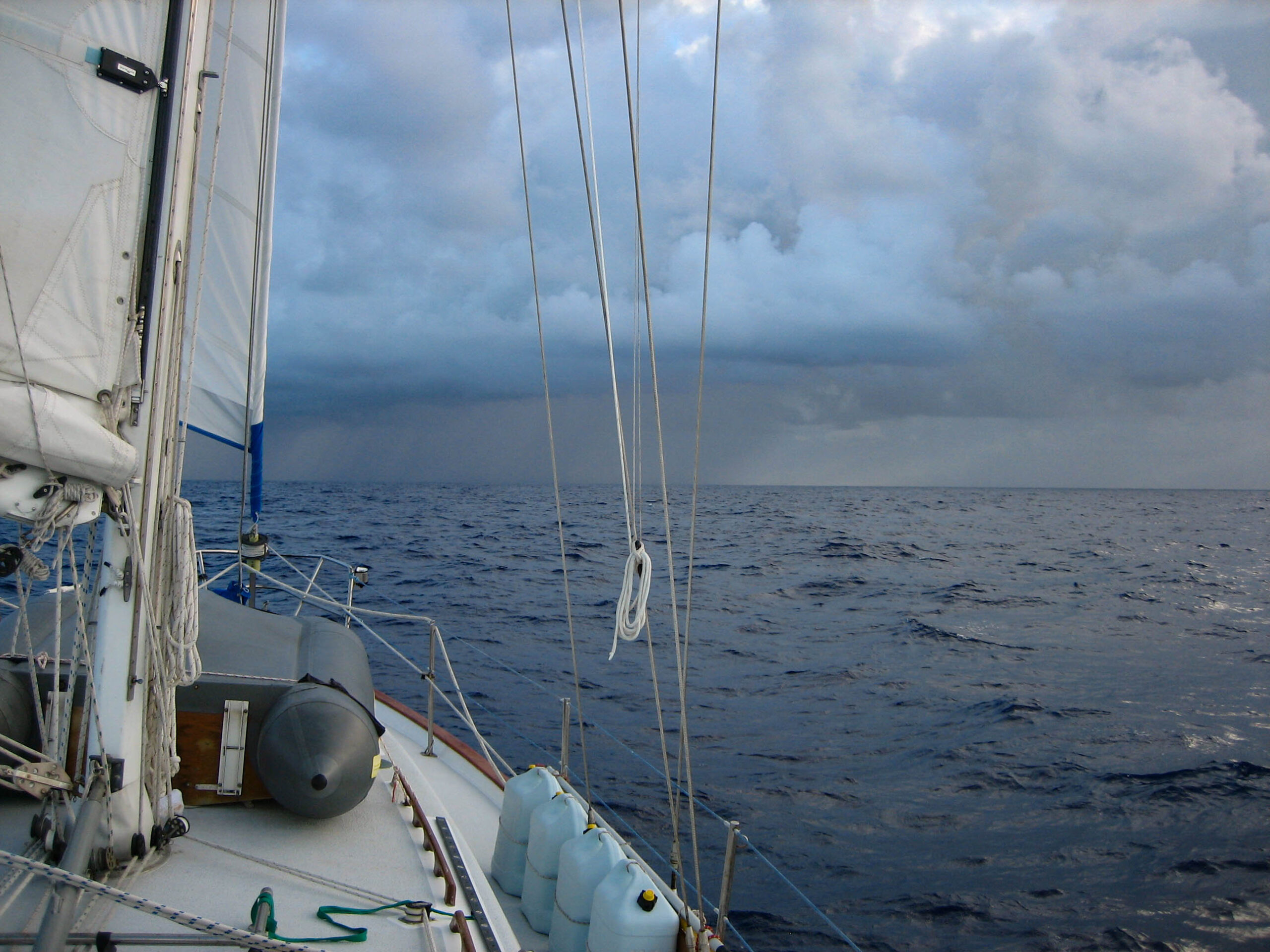
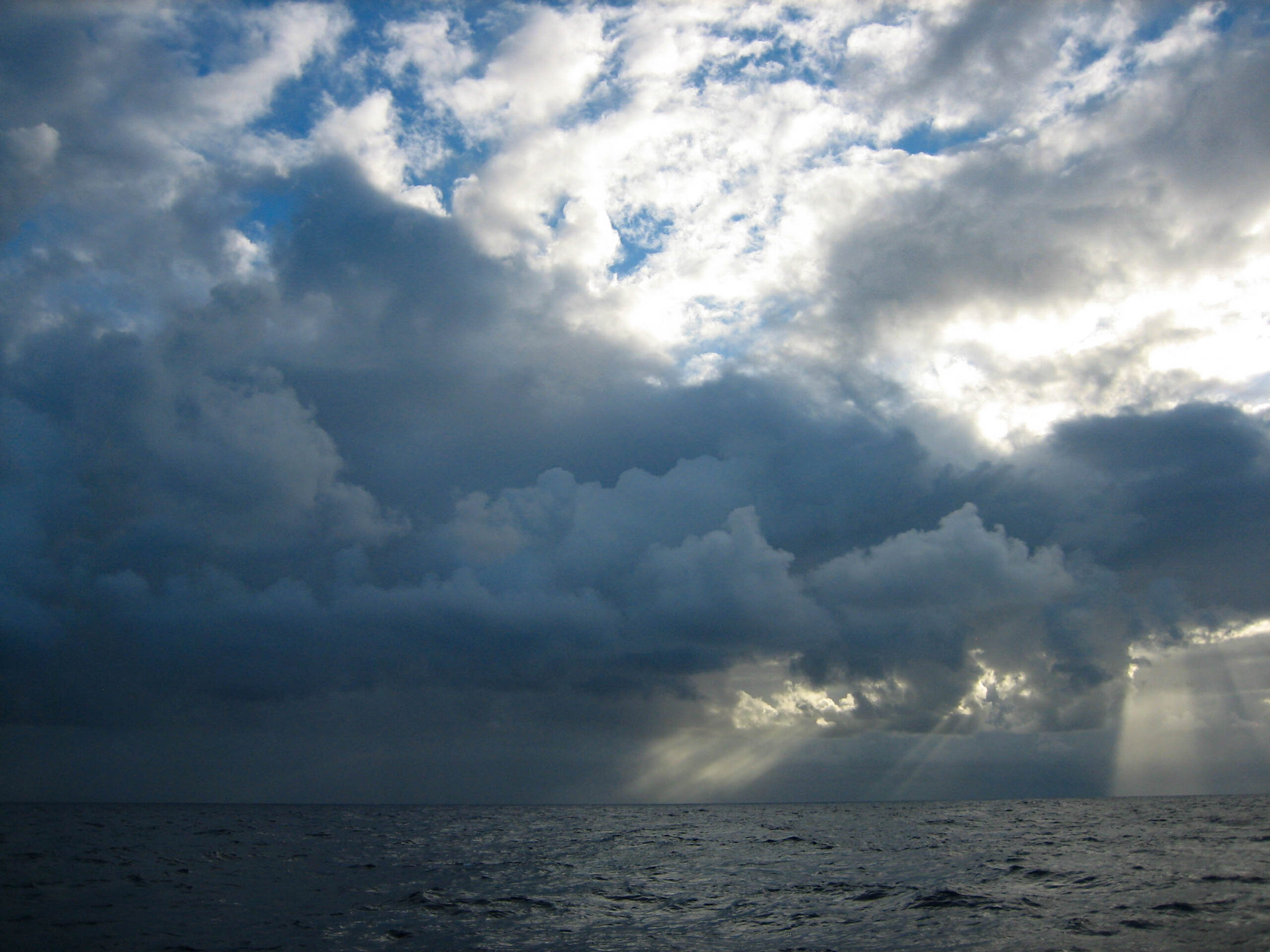
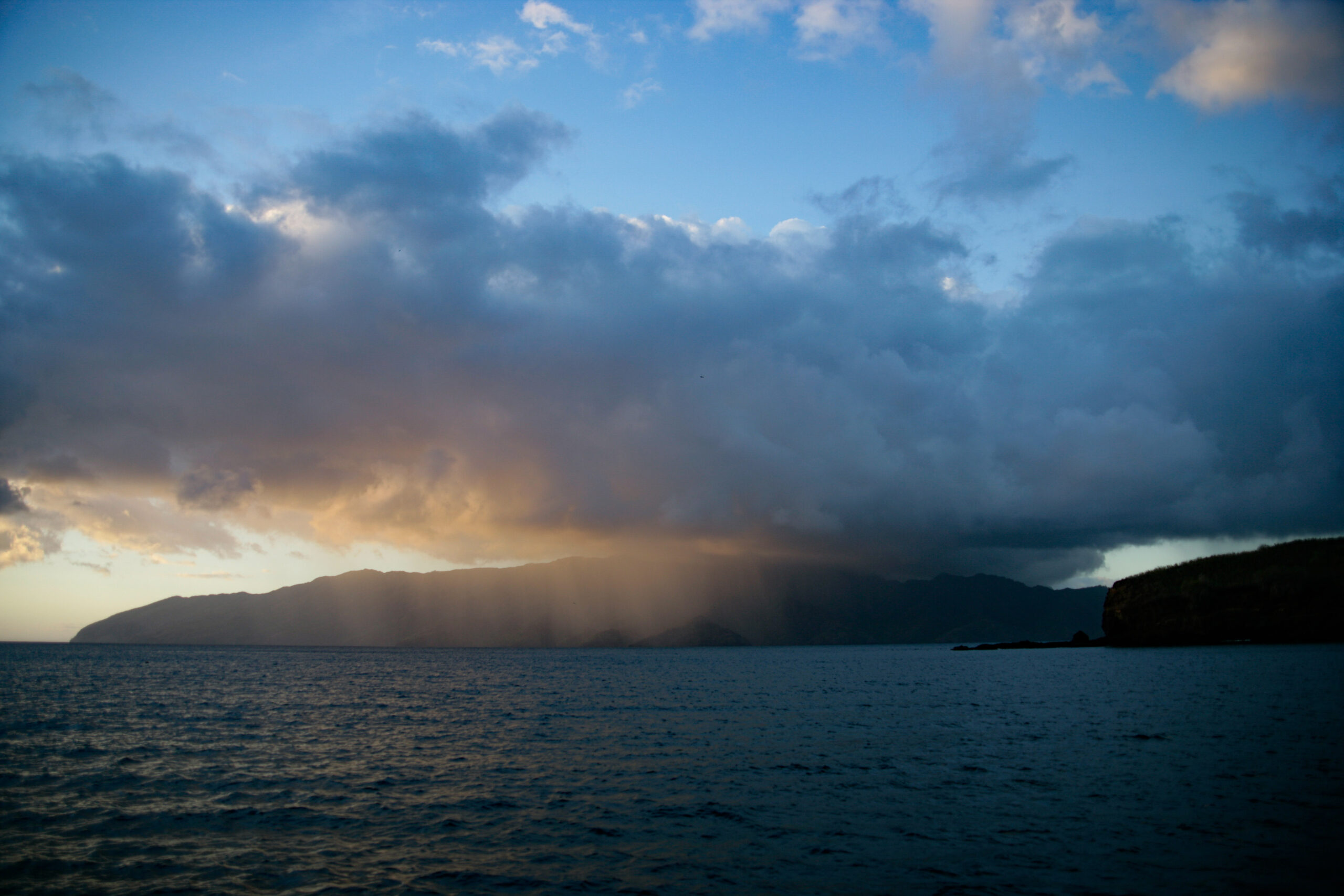
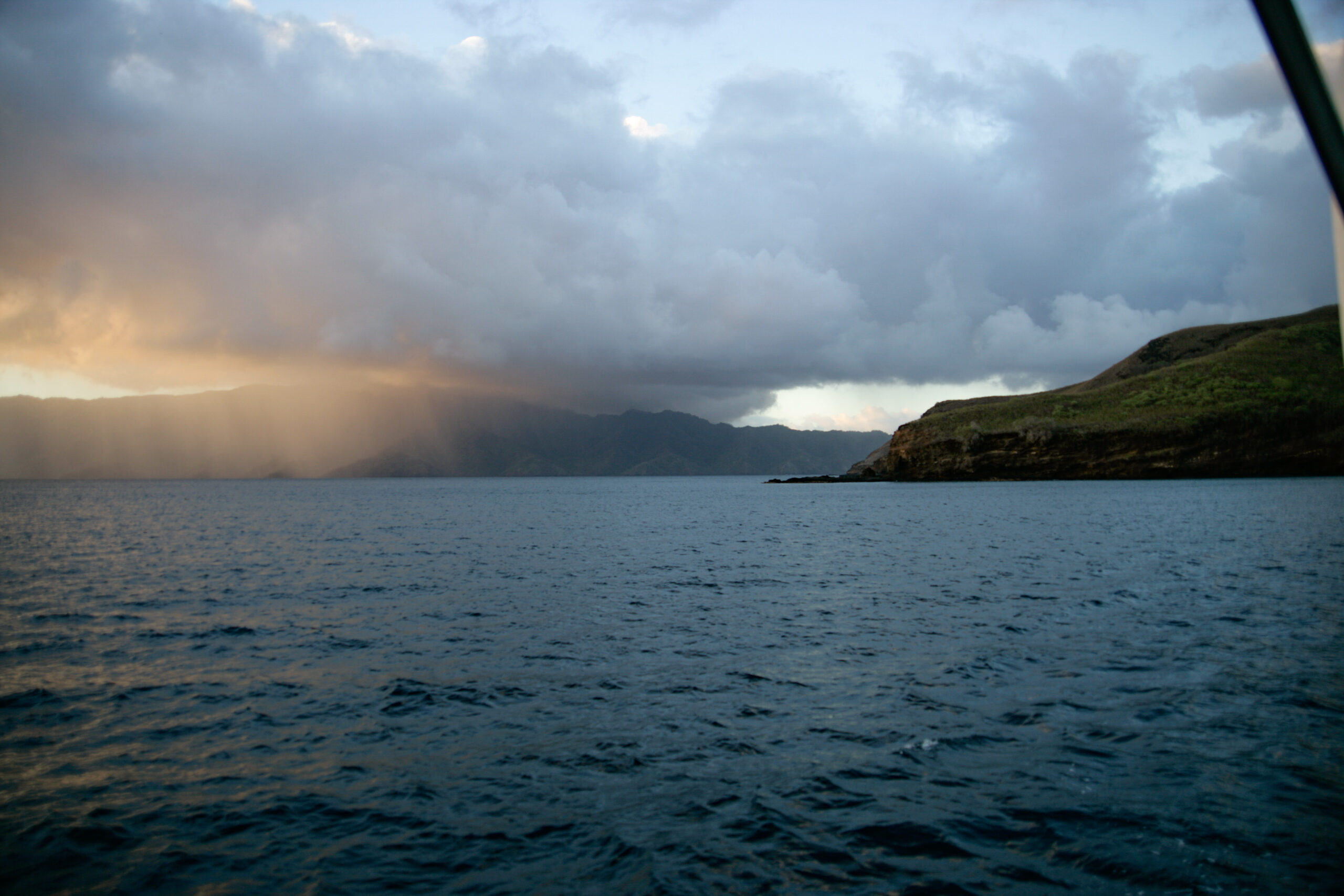
Our passage from our tranquil little secluded bay on Tahuata was eventful: we were smashed by a sudden squall in the middle of the night with no warning. In under a minute the wind went from 15 to somewhere between 30 and 40, with driving rain. I was asleep when it hit (I’m learning how to wake up very rapidly). We already had two reefs in the main, but the full jib was out. The wind was so strong I was unable to furl the jib–first time that’s ever happened. The jib was flogging hard and I still couldn’t furl it in, and I was scared that it was going to tear itself to pieces. It was dark, things were crazy, my adrenaline was definitely up. I turned the boat downwind to fill the jib–immediately we were plowing through the ocean at 10 knots. With the jib blanketed behind the main going downwind I was finally able to furl it up. Somehow during the commotion I had managed to tear a big flapper of skin off my middle finger too. We spent the next few hours under double-reefed main, waiting out the squall.
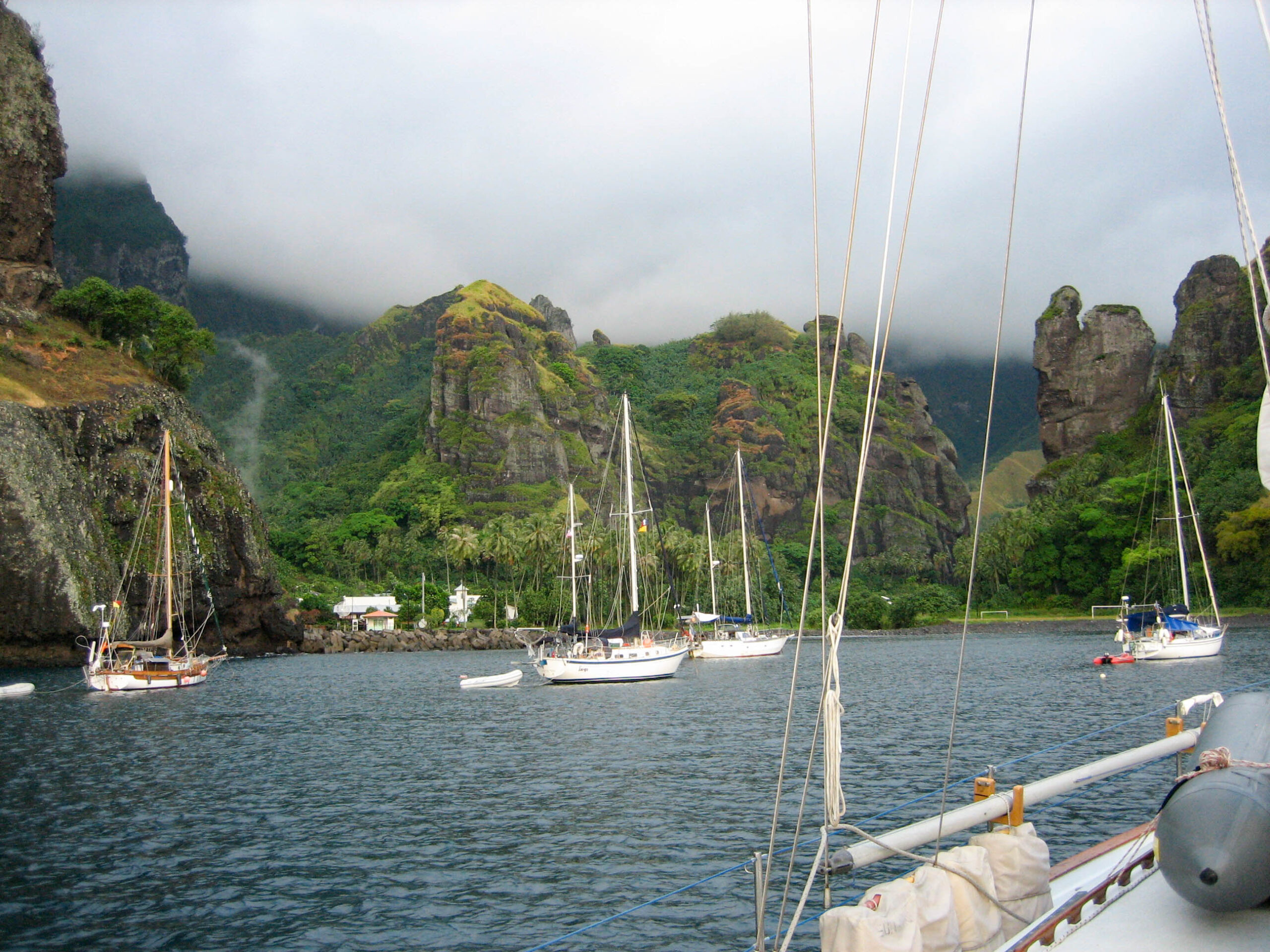
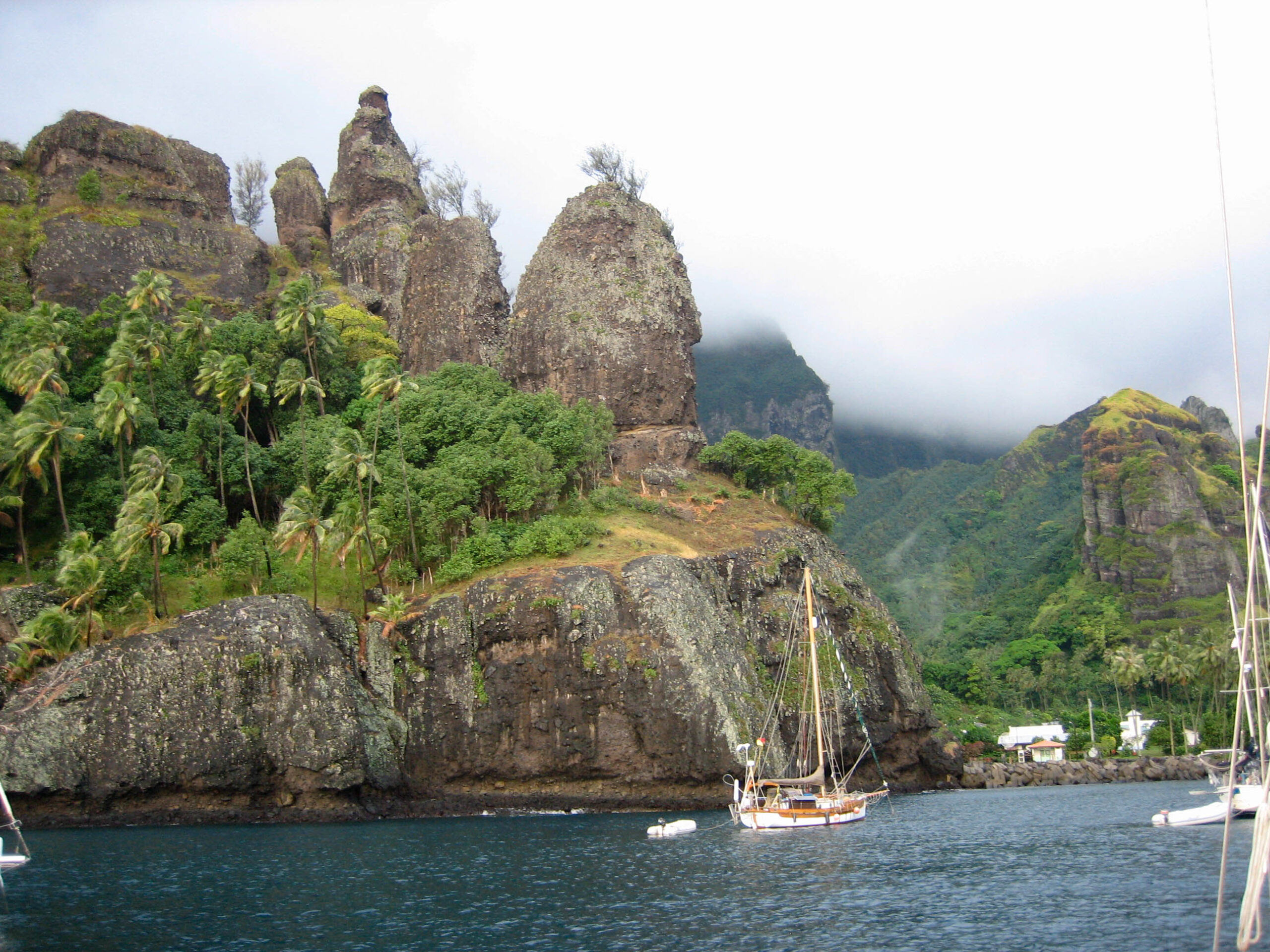
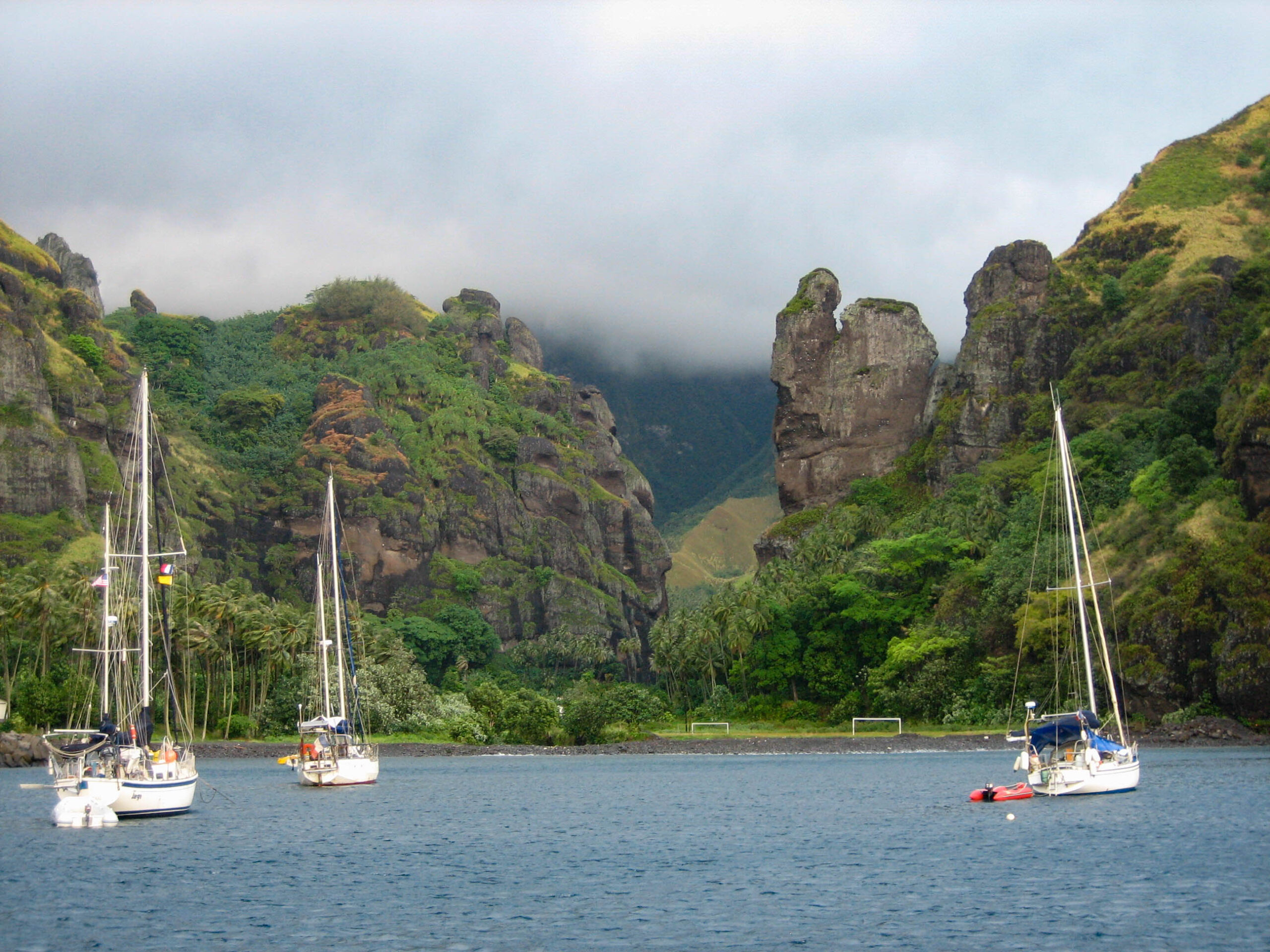
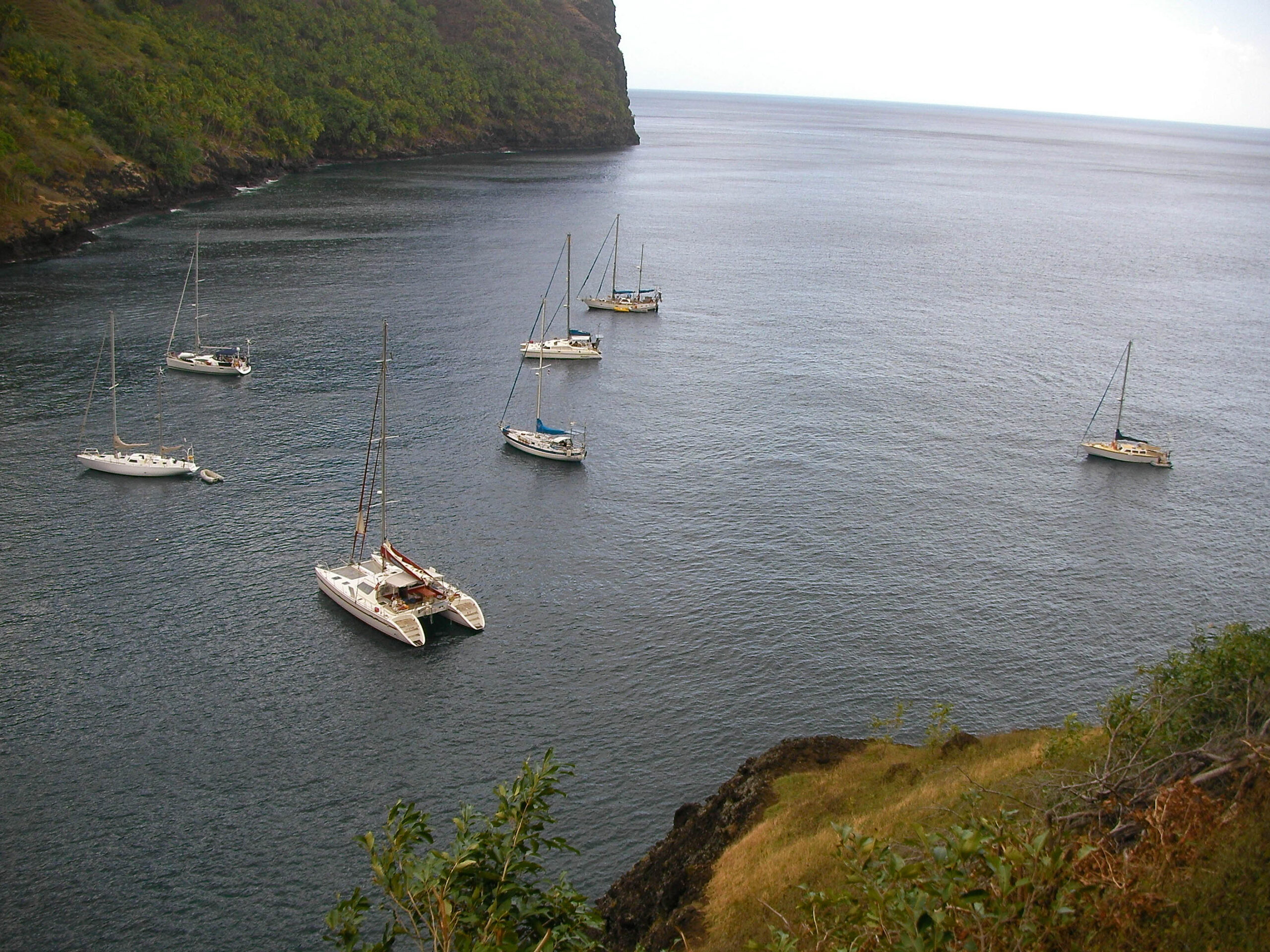
We arrived at the Bay of Virgins, Fatu Hiva, at first light, to discover that it was a small anchorage, heavily crowded with boats. Moreover, the wind was blowing a steady 20knots, with gusts over 30, and raining hard. It was a challenging anchoring situation. There was very little room to maneuver, and sudden gusts made it difficult to go in the desired direction. It took a few tries: first time I misjudged the placement and we ended up coming to rest too close to another boat for comfort; the second time it seemed that we were dragging though it was hard to tell; the third time it held well and we came to rest exactly in the middle of the biggest remaining space available. (insert expression of fatigue and sigh of relief)
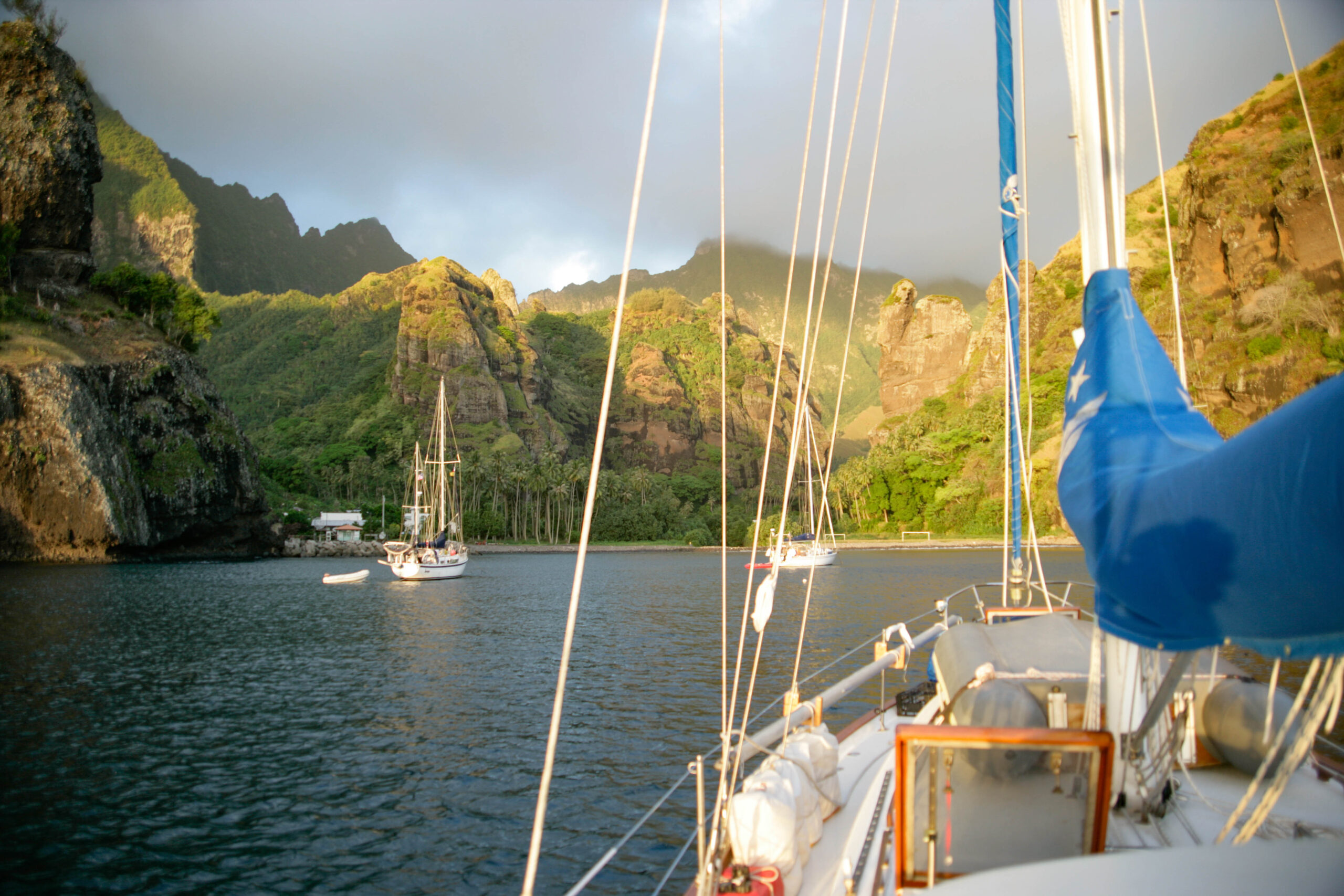
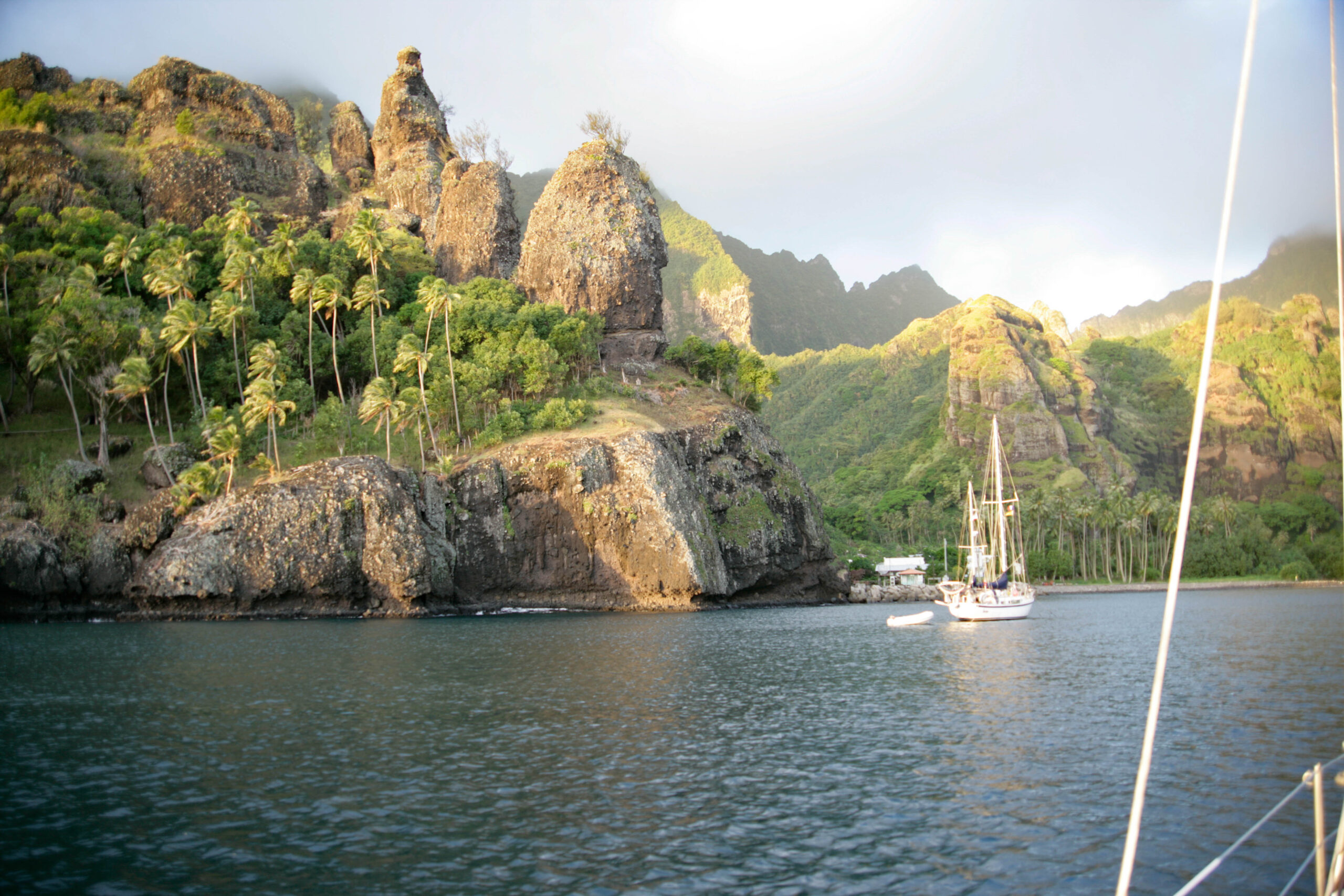
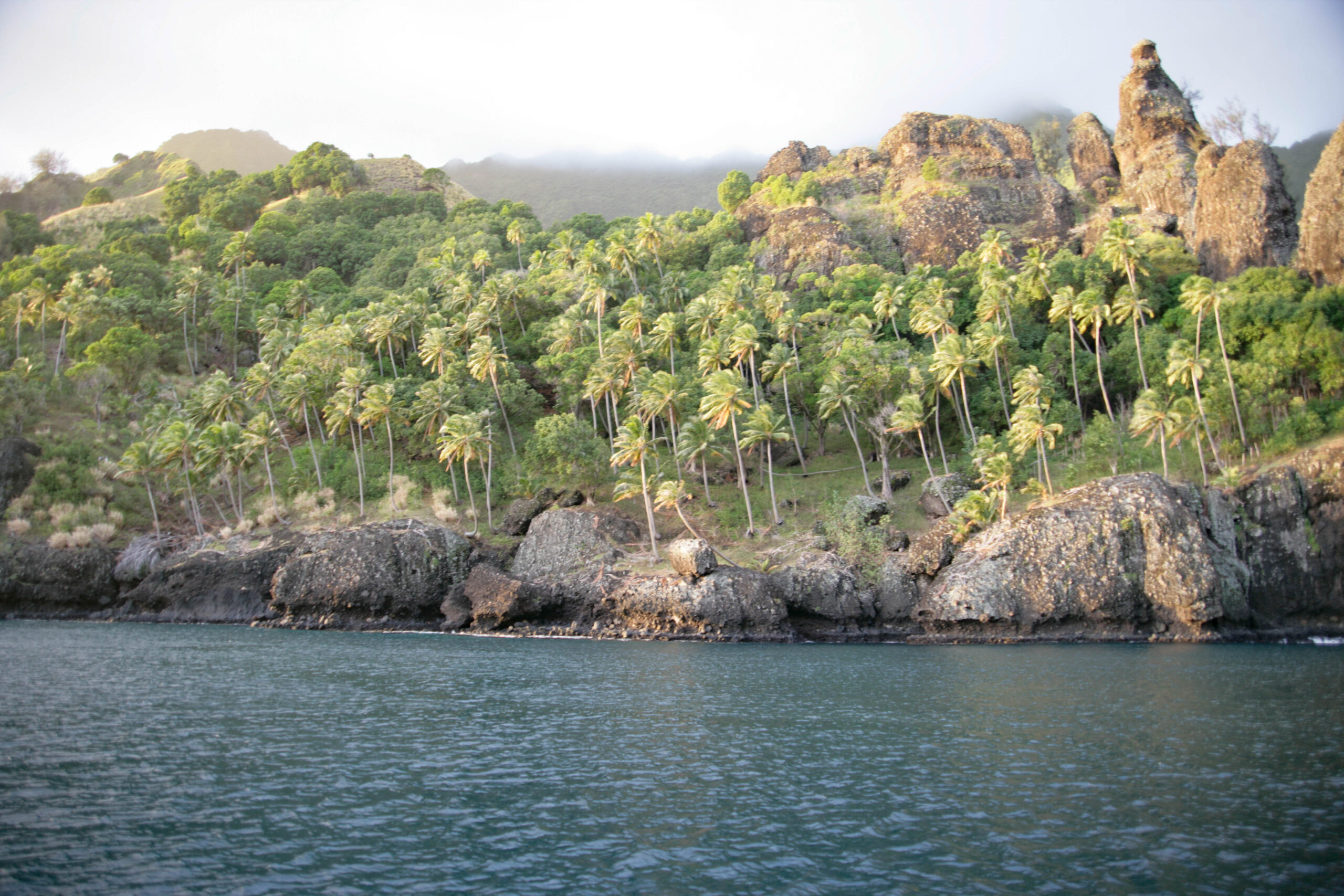
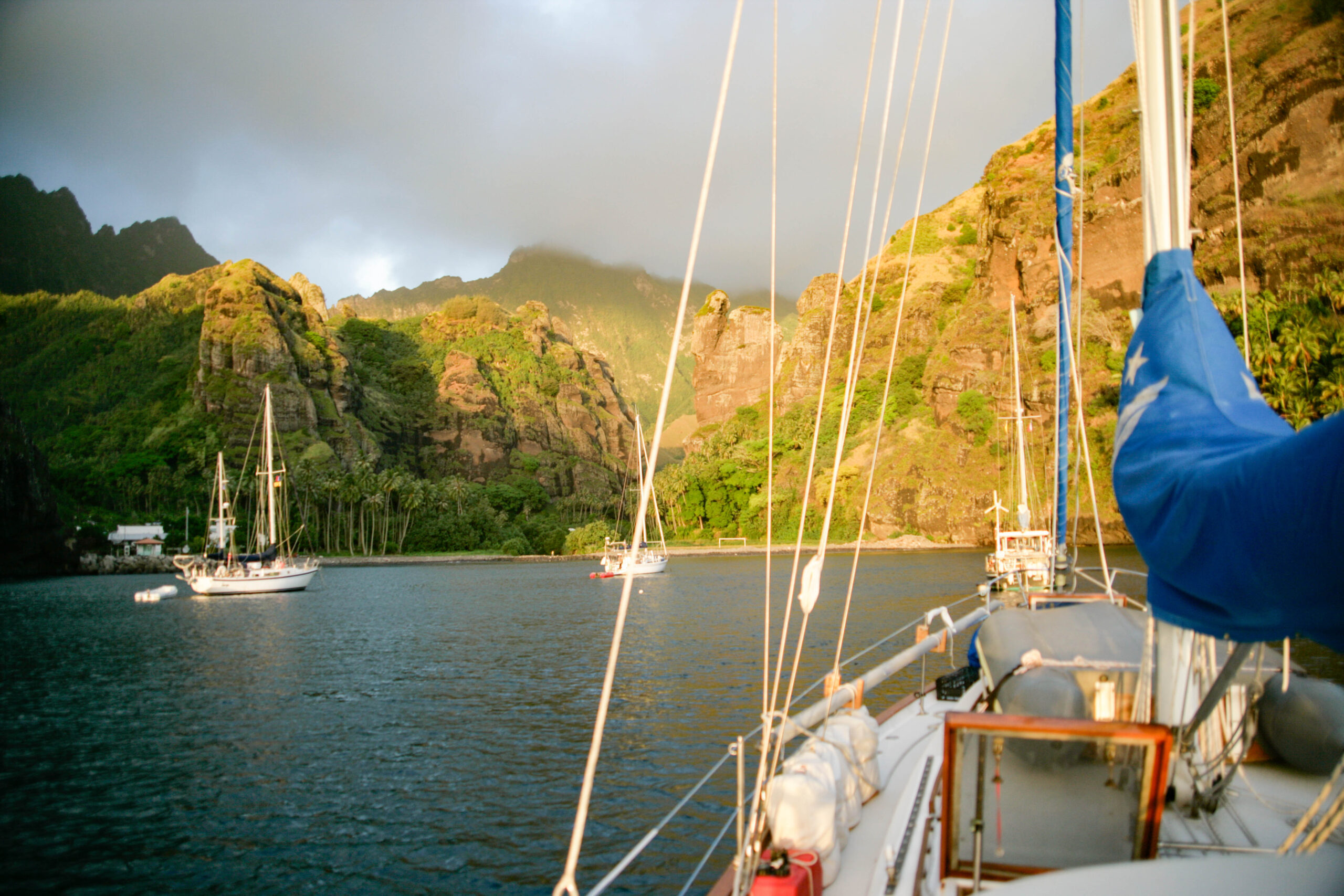
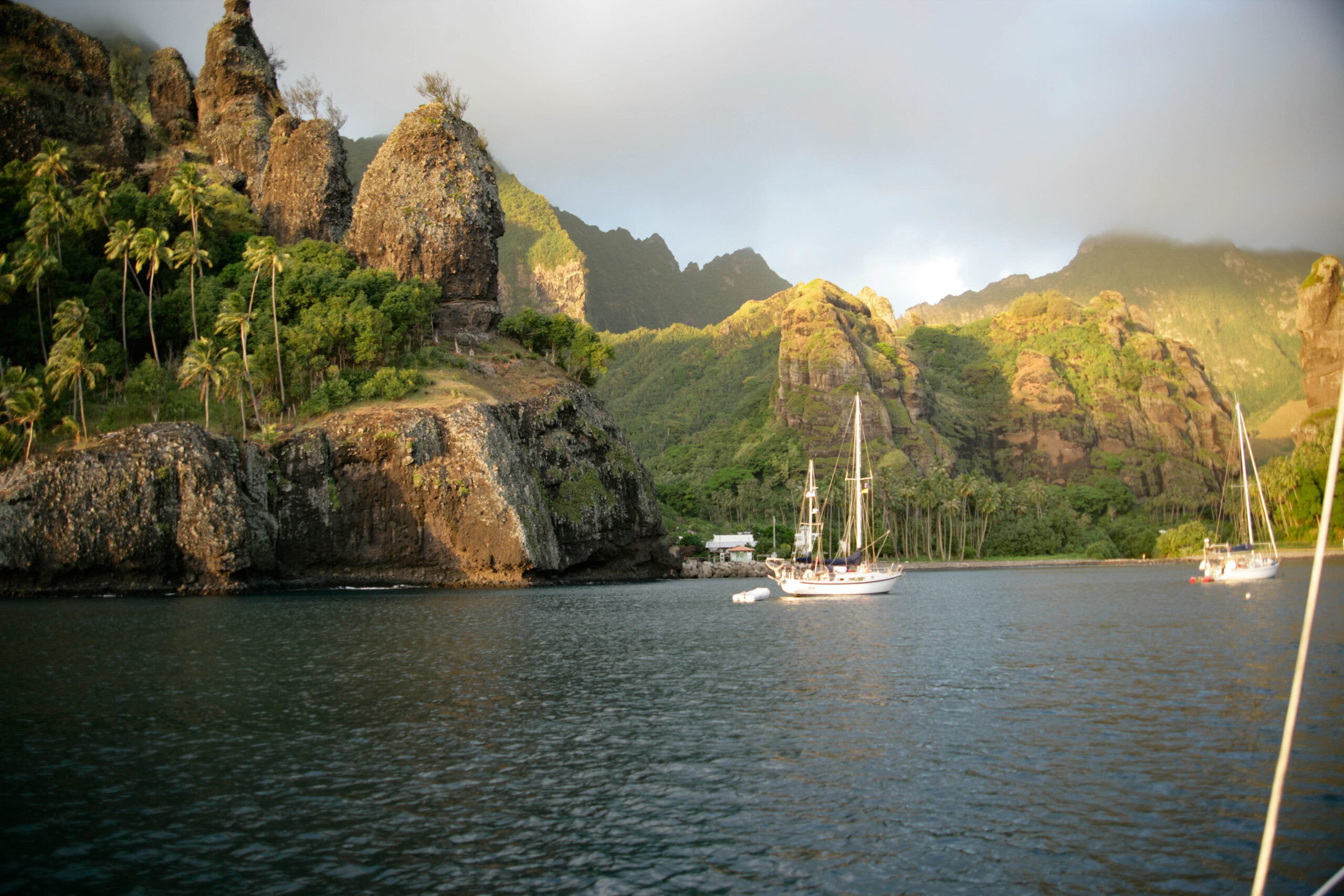
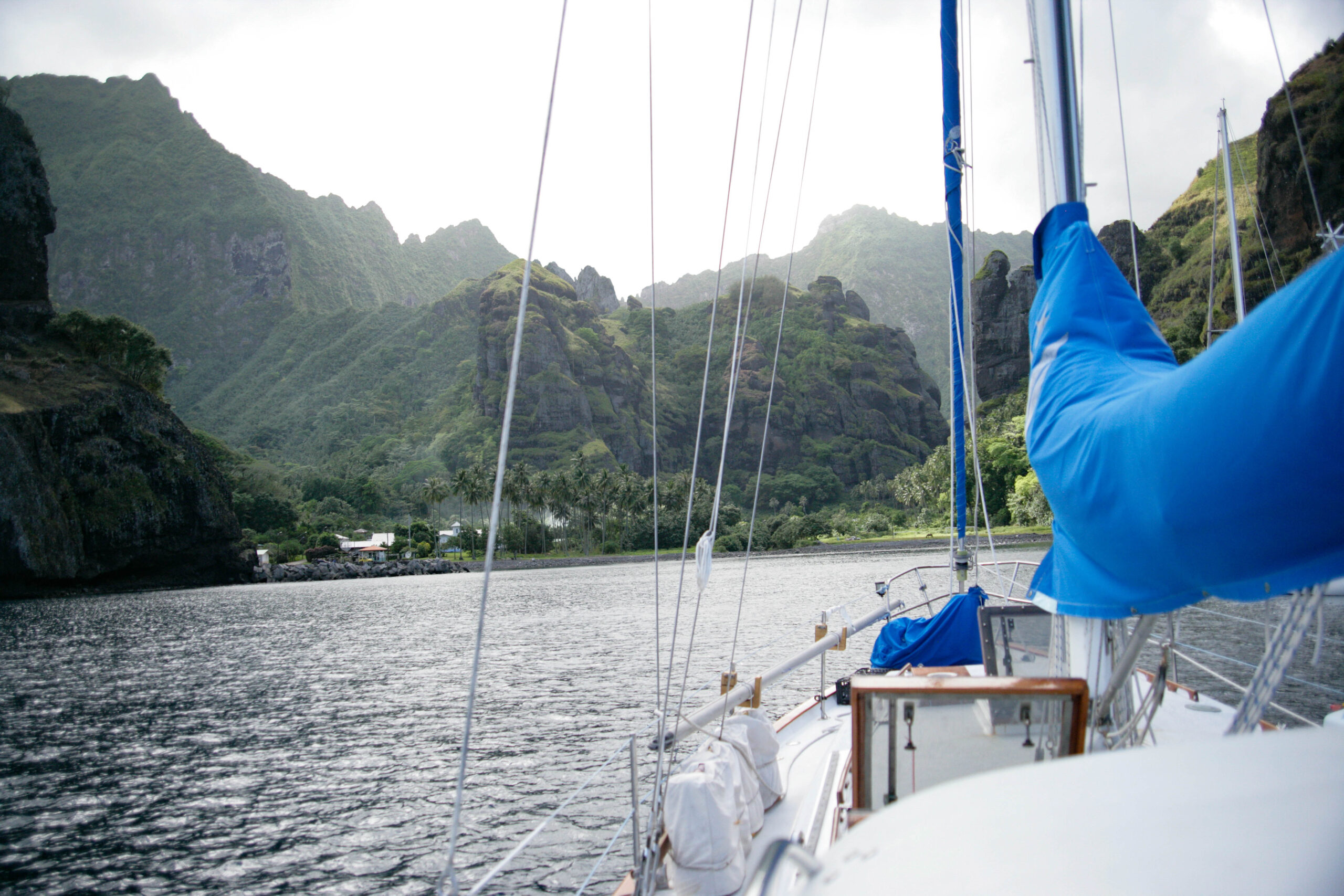
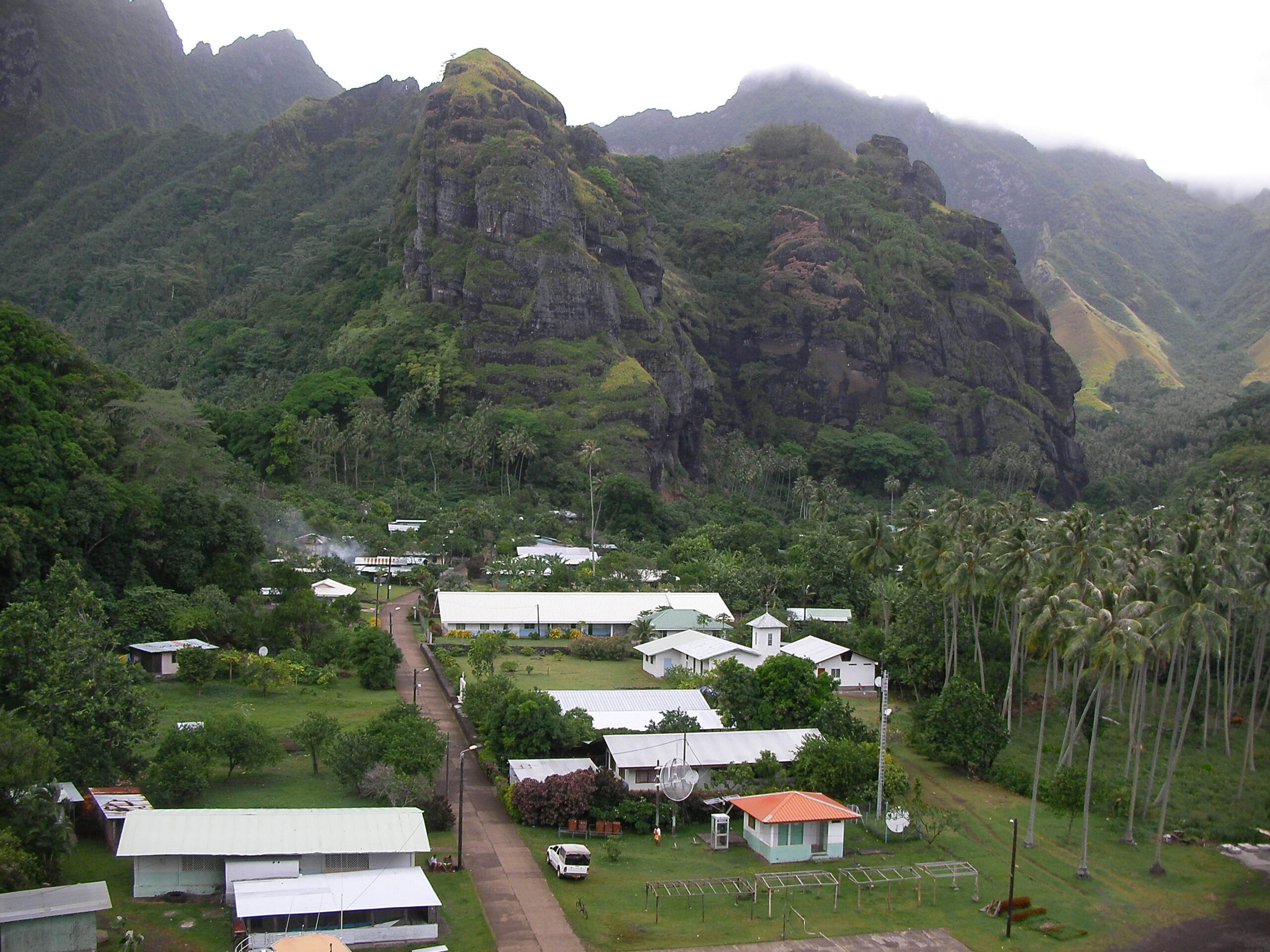
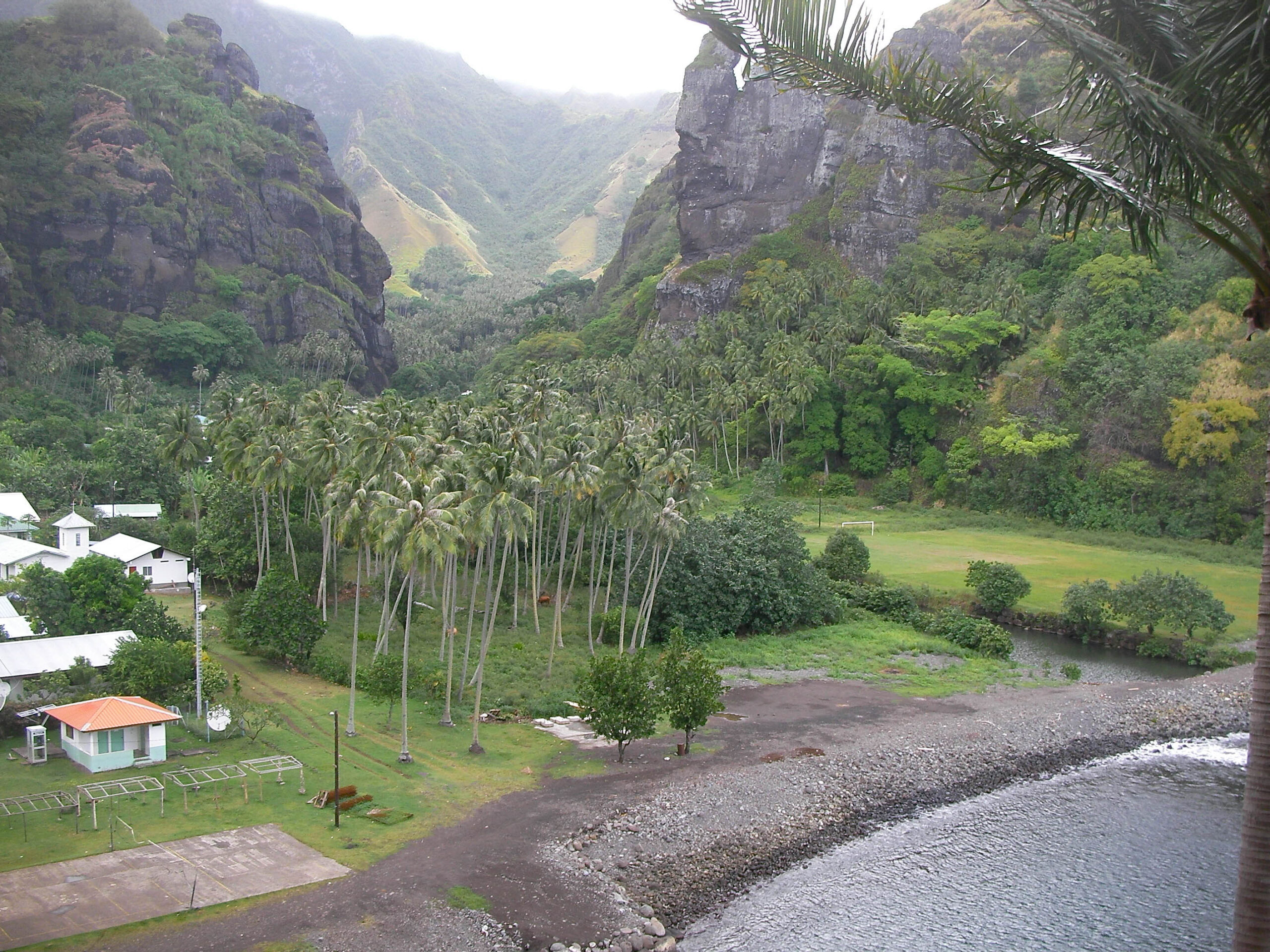
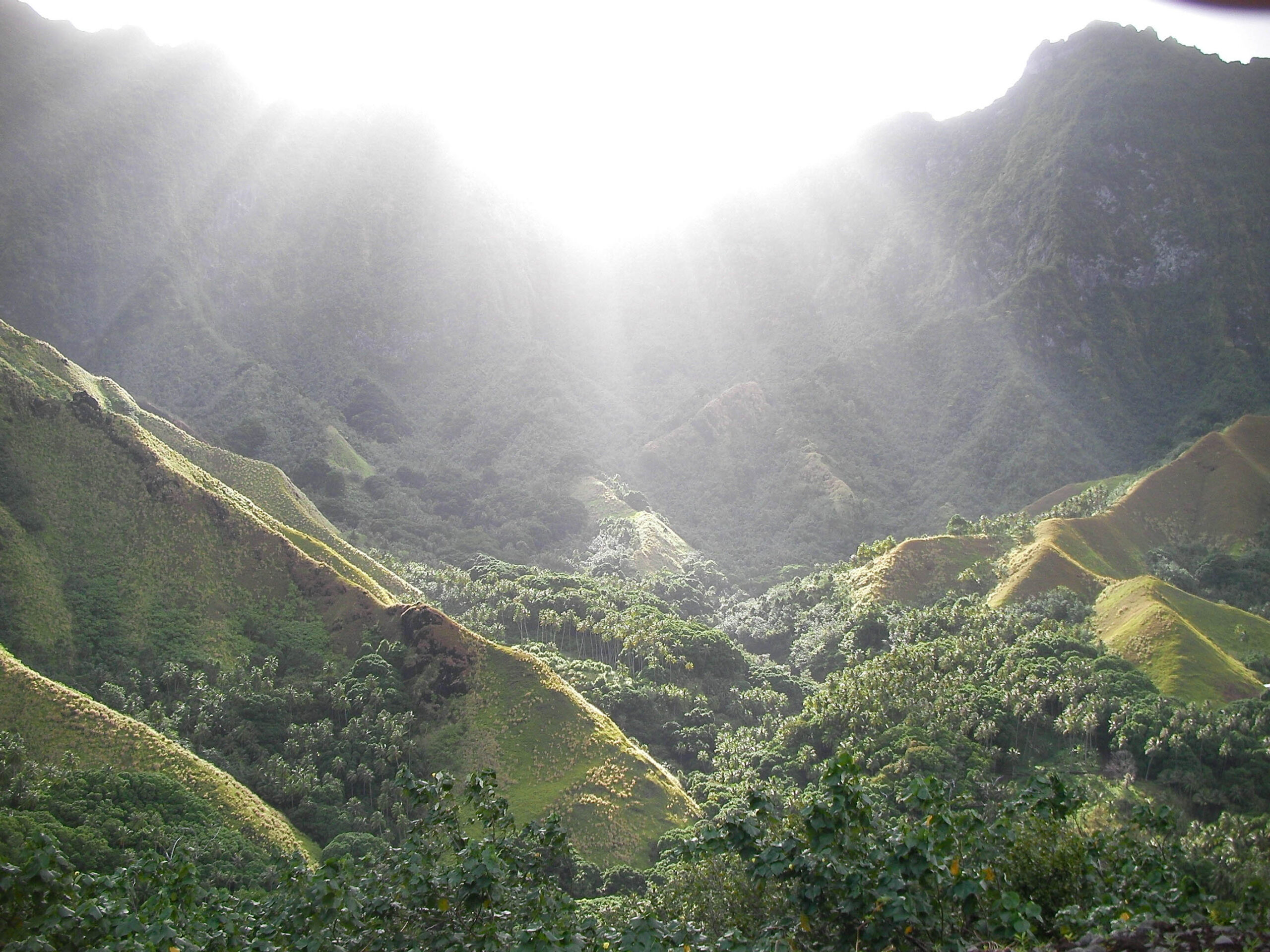
The Bay of Virgins is lauded as one of the most beautiful anchorages in all the south pacific–I thought it was quite nice. It is set apart from other spots in the Marquesas by having the most impressive relief: both the anchorage and the small town are surrounded by vertical and overhanging rock formations. The entire western side of the island has vertical cliffs rising out of the ocean, and crescent shaped knife-blade ridge of mountains through the center of the island is as steep as any I’ve seen.
It was windy as hell and rained hard, on and off, for most of the four days we were there. We dinghied in to check out the town, also looking for a phone. We needed to get a message to jon somehow, telling him where and when to meet us in the Tuamotus. We ended up hiking 10 miles up and over the mountains to the only other town on the island, to purchase a phone card. We left a message on jon’s voicemail “meet us on Fakarava, we’ll be there June 14 plus or minus 5 days”. Mission accomplished. At the end of the day we managed to catch a ride back to our anchorage in a little aluminum boat with a local (we were not excited to walk another 10 miles back).
It continues to be windy rainy and gusty; we hole up down below and enjoy it.
The guidebooks say to beware of getting bitten up by “nono” bugs on some of these beaches. The guidebook for this anchorage states “The clear water provides excellent diving and shelling although the beach has many nonos.” These nonos were a frequent topic of conversation among some of the puddle-jumpers before reaching the Marquesas–people were choosing or avoiding a destination based on whether nonos were reported to be present. I was dismissively skeptical. Inside my brain, I laughed at them for being sheltered little white babies afraid of bugs. I pictured these types as the same ones who won’t go outside because of mosquitoes, or the ones who hike with one of those dorky hot uncomfortable mosquito-netting face bubbles because they don’t want a single bug bite. Bugs were not going to dissuade me from visiting a place, let me tell you what. Please, people, are we going to cross an ocean and then be afraid of getting a few bug bites?
My arrogance on this matter is being revisited on me ten-fold. Karen and I visited the beach both yesterday and the day before yesterday, and although we were unaware of it, apparently we encountered nonos. Millions of them, potentially. Last night hundreds, perhaps thousands of bites materialized across our backs and arms and legs, little red welts that itch furiously. My back looks like some sort of chickenpox redux. I am desperate to itch; it is difficult to concentrate on anything with the itch distraction; I am barely containing the urge to scratch my entire back right off.
These nonos are legit, my friend. They are little ninja biters, is what they are. You can’t see them, you don’t know when they’re attacking you, you don’t know when to run, you’ll just sit there getting eaten up, oblivious to the danger. Invisible flying minions of the devil. I felt nothing. Then at night I have a bite-ridden body. How do you avoid them when you can’t see them or feel them? Henceforth, I will go to the beach defensively armored for battle. T-shirt and shorts minimum, with a prophylactic misting of deet juice.
It makes me think: surely one must develop an immunity to these bugs over time. If I was a native living on this beach, it would only take a week worth of this hellish itching before I got my ass out of here. It would be unbearable to live on this beach permanently if it meant always being a pincushion of itchy welts. I was only exposed for an hour or so–hell if you were out there all the time it would be an ugly sight. So maybe after a while the bites don’t raise itchy welts–that would make sense to me. But if there’s no immunity to develop, how the hell did the original Marquesans live on these beaches? A) they didn’t live directly on the beach B) one develops immunity over time C) they got bitten and ignored it because they are 2 orders of magnitude tougher than me. Now, no doubt they were tougher than me, so the answer could be C, but I’ll bet you three pamplemousse that the answer is B. Smarties out there, can you enlighten?
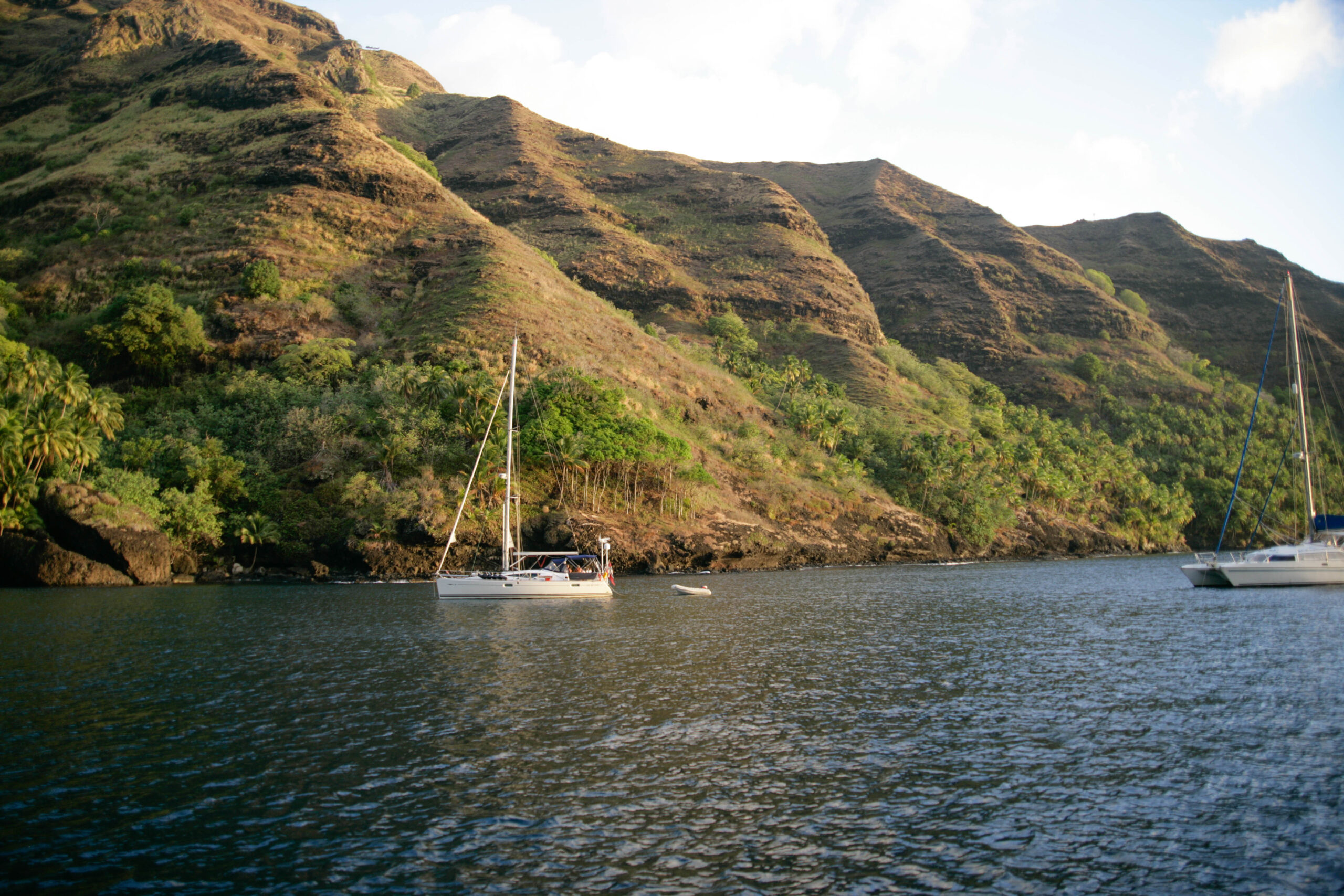
It gets better and better. We departed Hanamenu Bay on Hiva Oa around noon today, and it only took a few hours to reach our next destination: Hanamoenoa Bay on Tahuata. Yeah get those names, right? Not only are the pronunciations impossible, but every place has a name nearly identical to the one you just departed (we are constantly confounded).
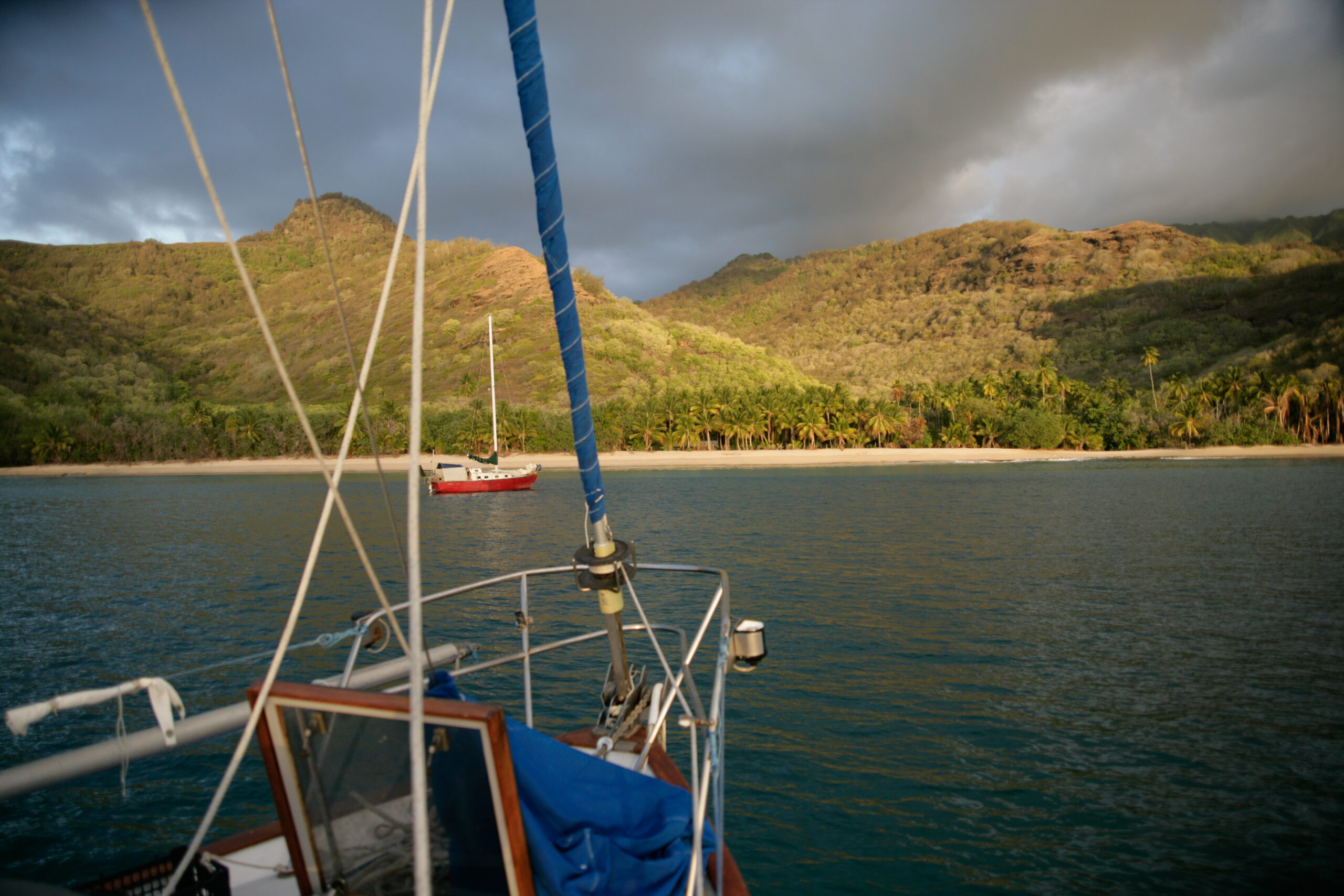
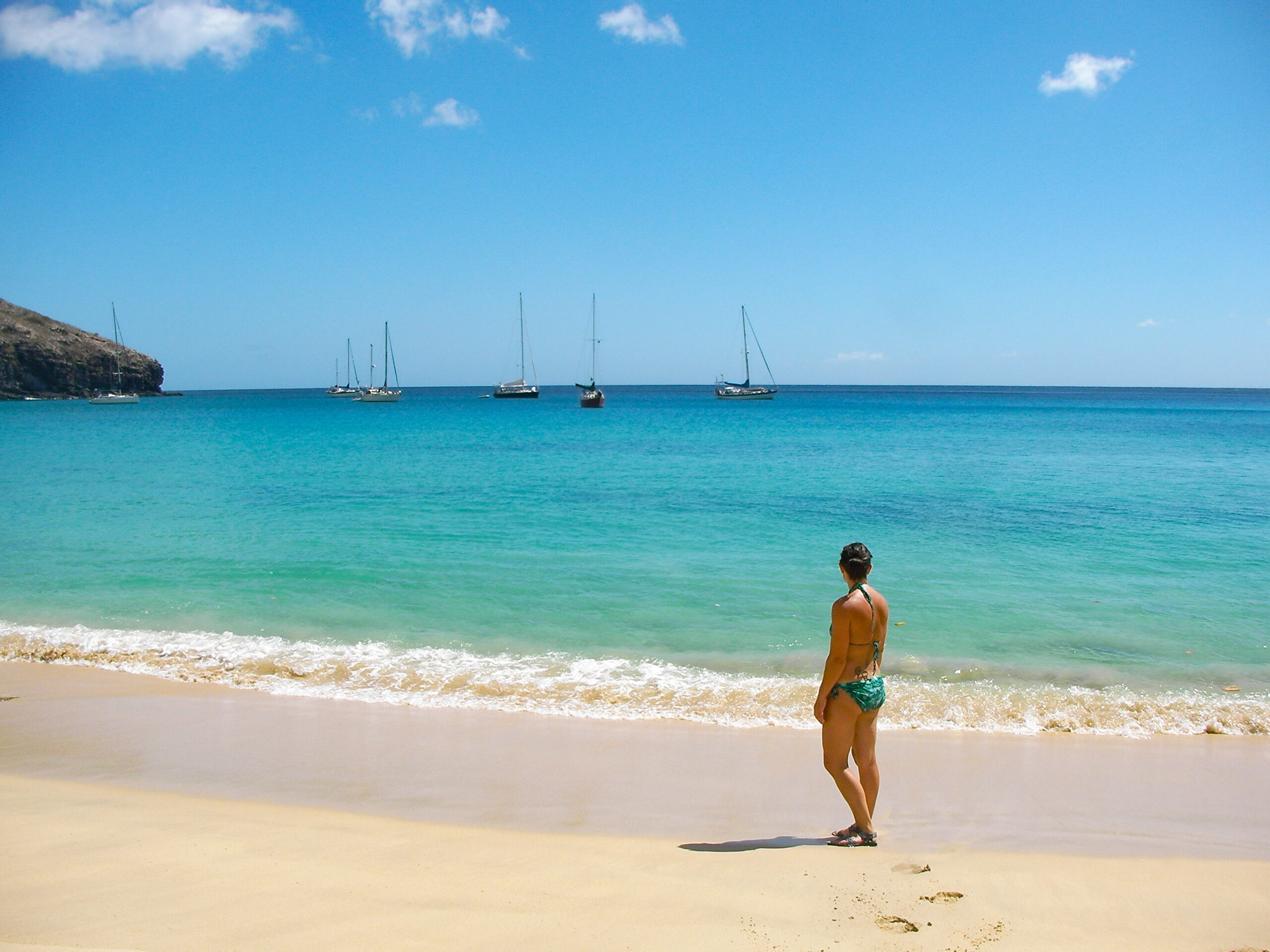
Anyway, after looking like a bunch of anchoring idiots for an hour–we managed to drop it onto some rock and it kept dragging on us–we settled in to a beautiful spot. The water is turquoise colored and crazy clear, and the beach is pretty white sand fronted by palms. There are only three other boats nearby, so we may just wander around naked anyway. Perhaps I will make a general announcement on channel 16: “if anyone in this anchorage would be offended by the sight of naked hotties, please respond with your boat name now.” Nude or clothed, I suspect that this may be our favorite spot so far.
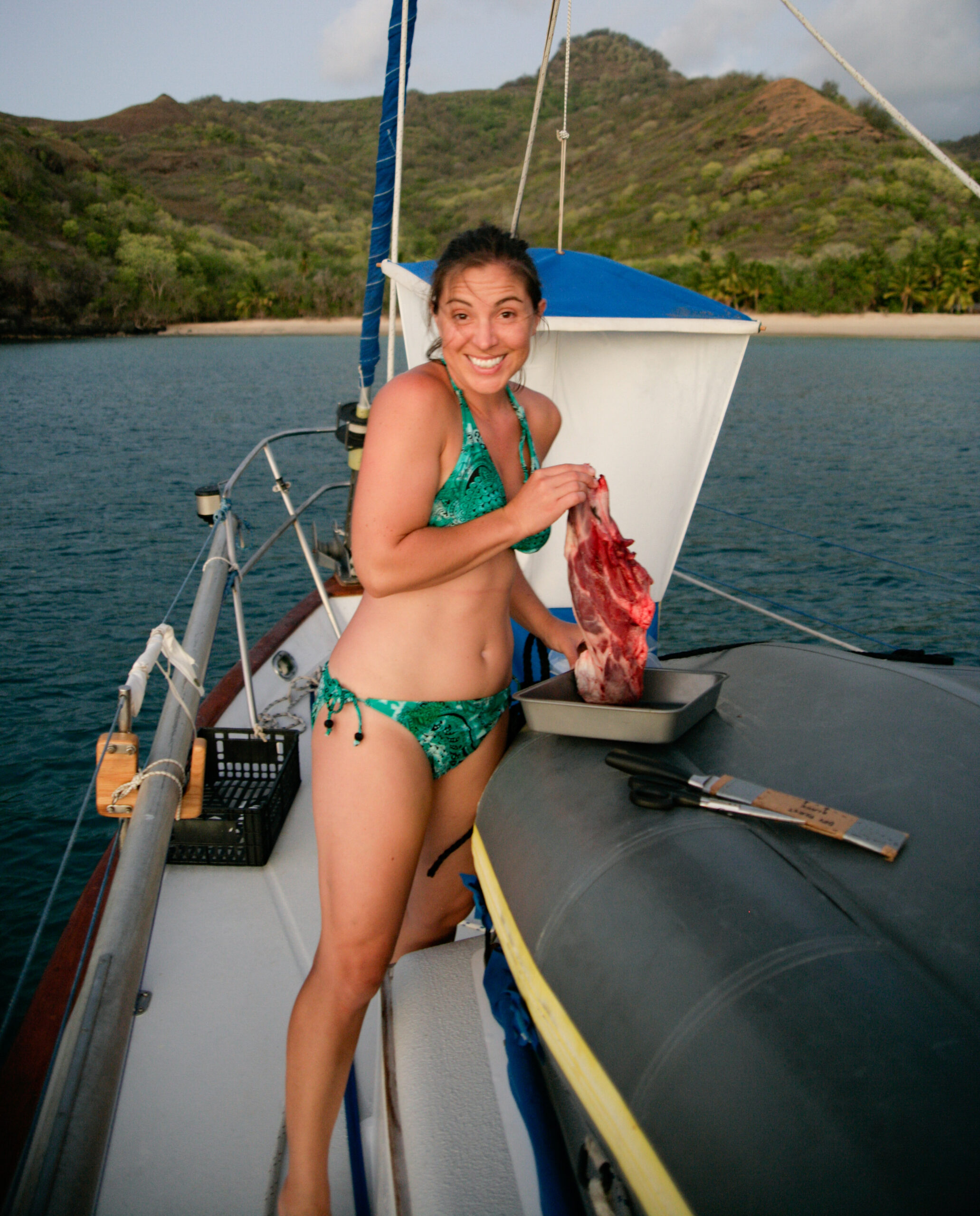
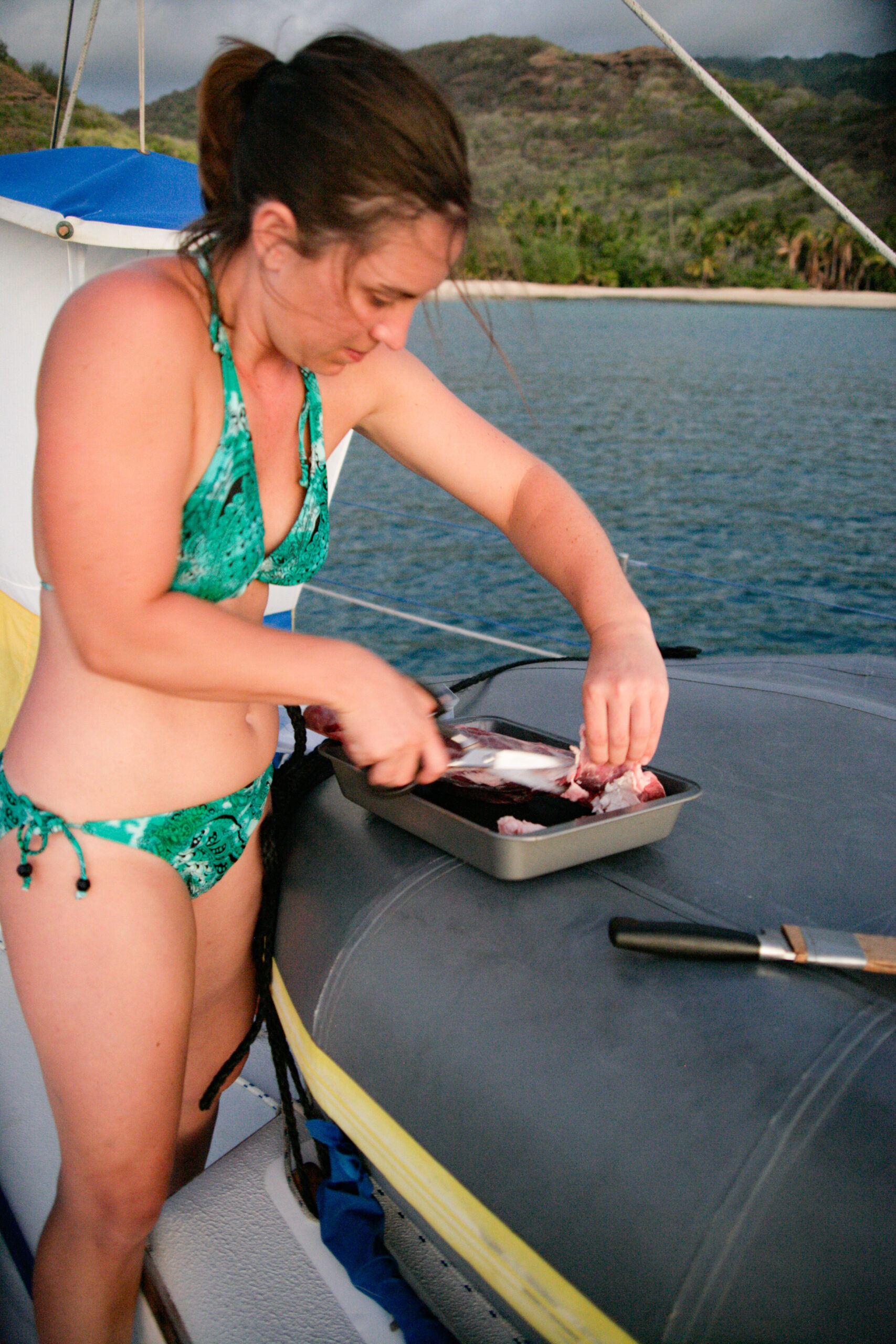
This morning, in the previous bay, we made a number of trips to the beautiful spring (mentioned in the prior post) to fill up our water jugs and deliver them to our tanks. As we were dinghy-ing back to our boat the final time, some locals were returning to the beach in their own dinghy. They waved us over, and as we pulled up they whipped out a big bloody goat leg and handed it over to us–apparently they had spent the morning hunting goat in the hills (successfully). We expressed our sincerest appreciation, and I was appropriately amused by the sight of karen wielding our bloody leg as we bounced and splashed our way back to the mothership (see bloody goat leg below).
So now we’re listening to some thelonius monk while karen butchers our goat leg prior to marination, while I am preparing the bbq and writing this brief post. It will be bbq goat leg for us tonight, which will be a first so far as I can remember at least, so I sure hope it turns out to be tasty . . .
——————– next day:
1) I climbed the cliff along the side of the bay and jumped in the water.
2) Just before dinner we noticed a disturbance on the water. We dinghied over to investigate with our masks and got to swim with a giant manta ray–at least 8 feet across. Those things are like aliens, man! But cool aliens.
I am very fond of this quaint little anchorage. We arrived mid-morning yesterday after an overnight passage (~30 hours) from Nuku Hiva, beating upwind the entire way. Fortunately the seas were relatively calm for us, so the upwind work was bearable.
We pulled into the anchorage to find one other boat, Magenta. Kim and Larry on Magenta waved us off the dock when we departed Mexico, and we were in touch with them on the radio as we crossed the ocean, so it was a treat to meet up with them unexpectedly.
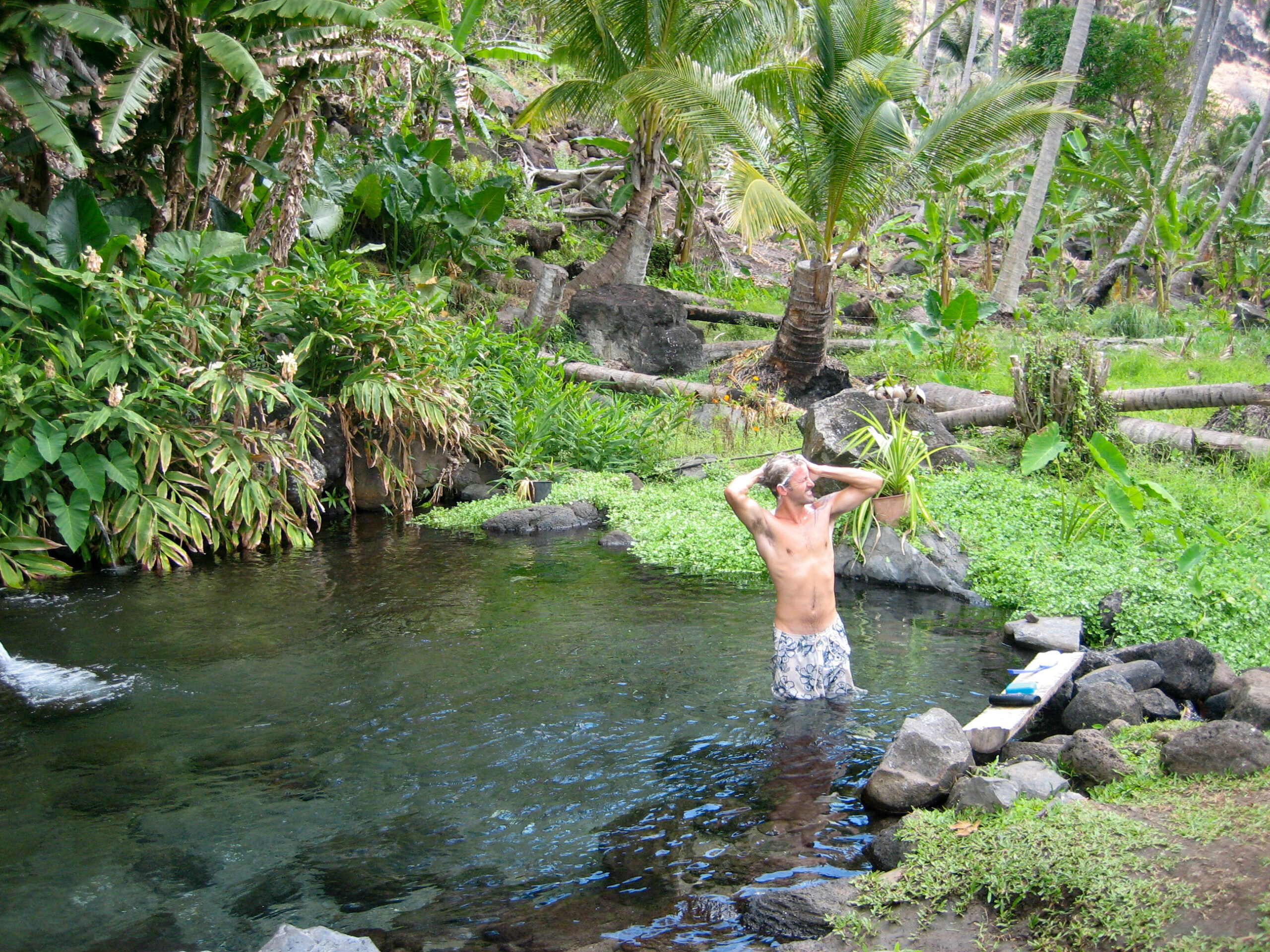
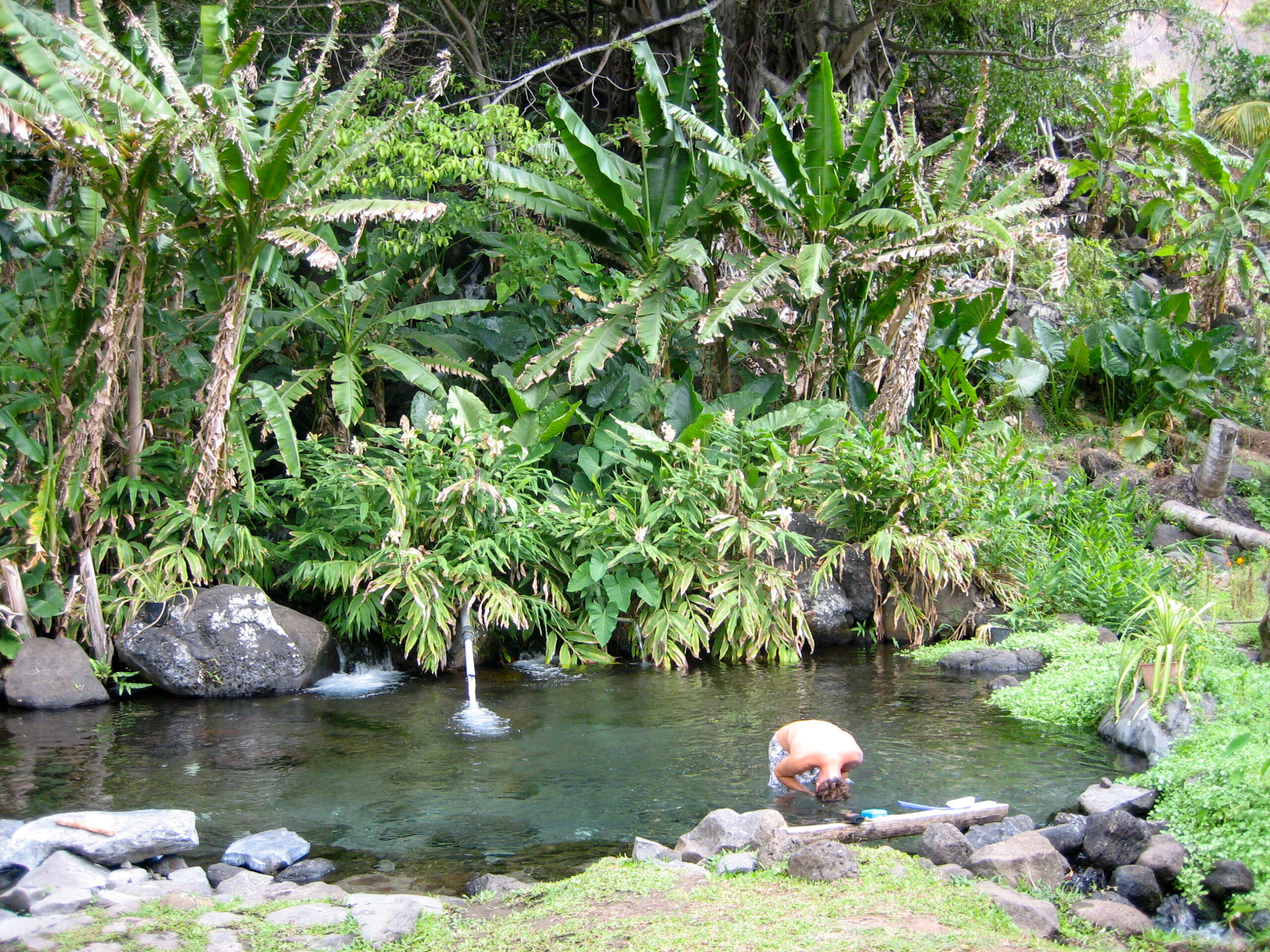
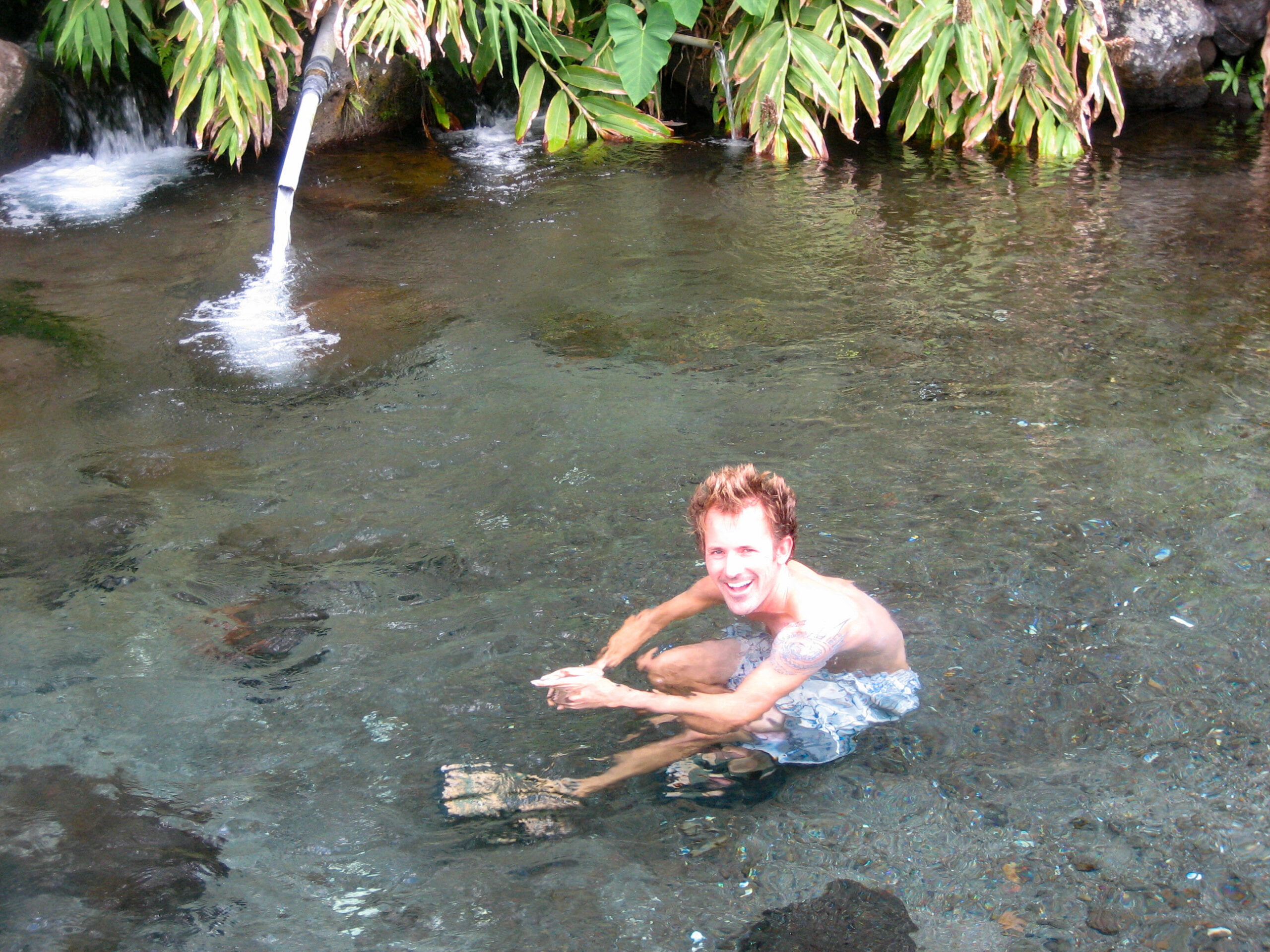
It is plenty windy in this anchorage, which is keeping the boat cool and ventilated and topping off our batteries at the same time. There are goats somewhere on the hillsides–we hear them occasionally but have been unable to spot any. We slept out in the cockpit last night under the stars, with a pleasant breeze. The next day we dinghied to the beach to find the crystal clear spring-fed swimming hole reported by others. By god this pool was wonderful. The chilly water was gratifyingly refreshing, and the pool was surrounded with green plants and flowers and grass and mint, which went right into the iced tea.
We have multiple independent reports confirming that our next bay, Hanamoenoa on Tahuata, has crystal clear water where manta rays will swim with you, and empty white sand beaches. This spot is nice, but we’re excited about the next one, so tomorrow we plan on filling up our watertanks with the spring water and then heading off.
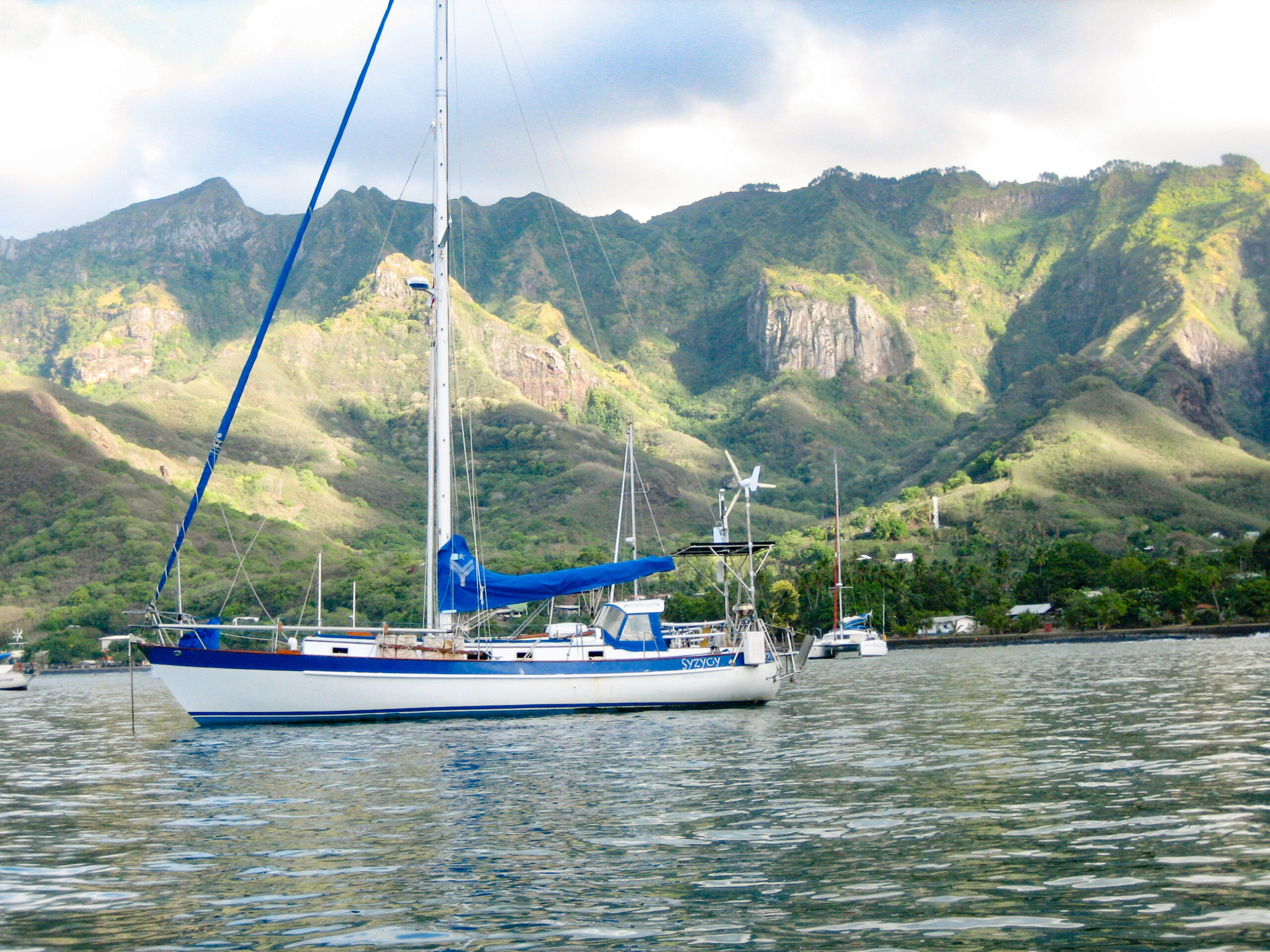
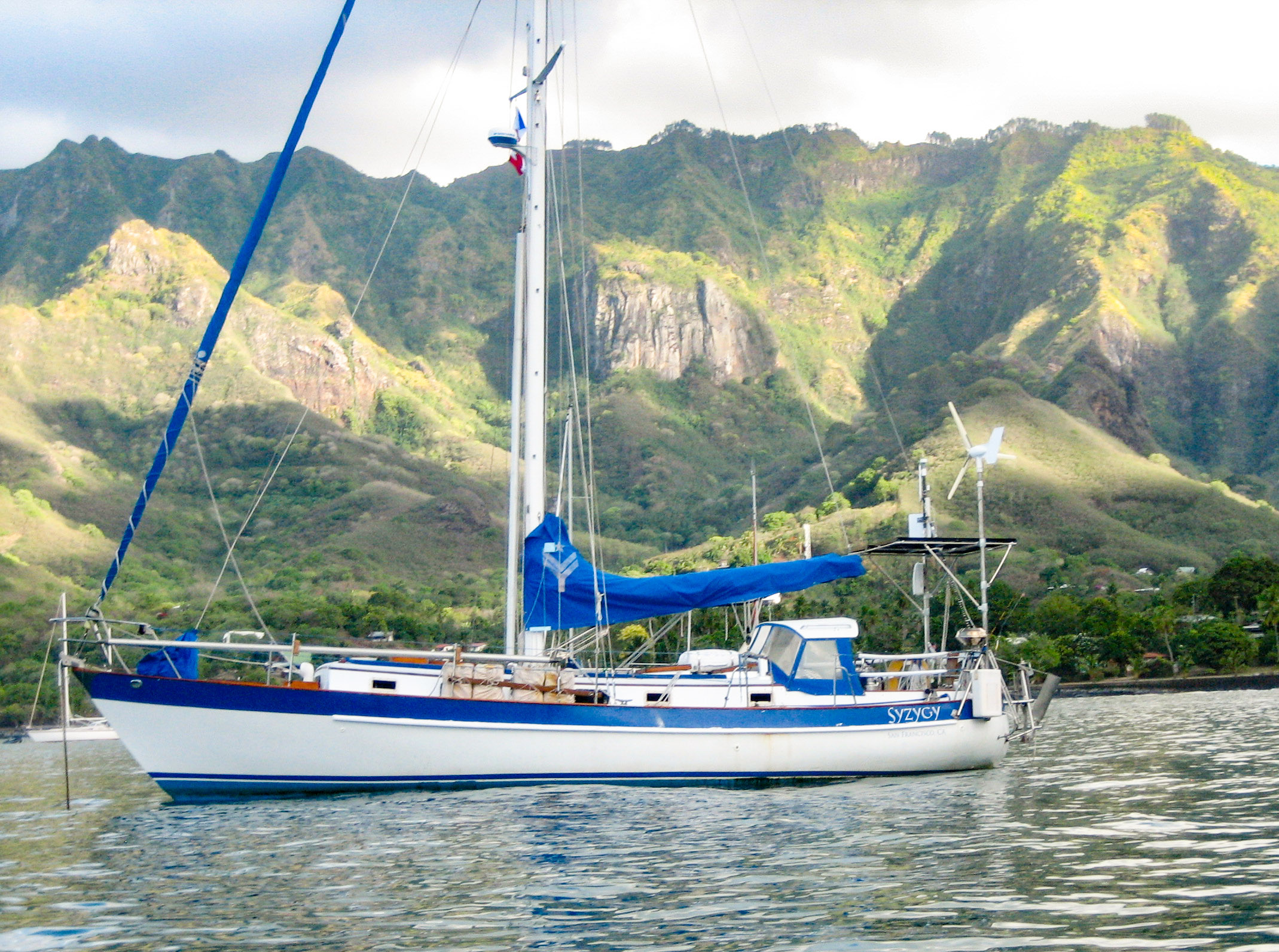
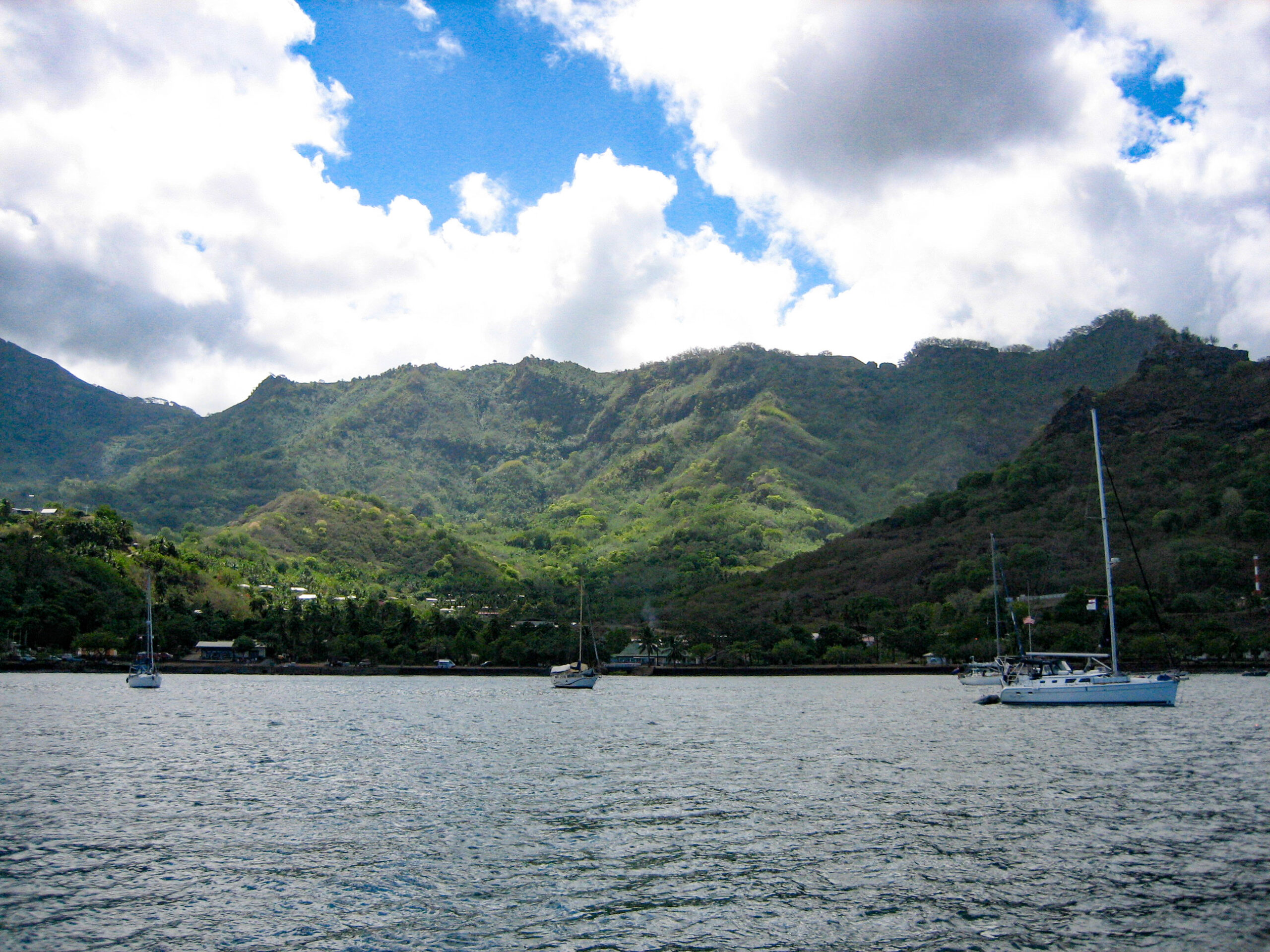
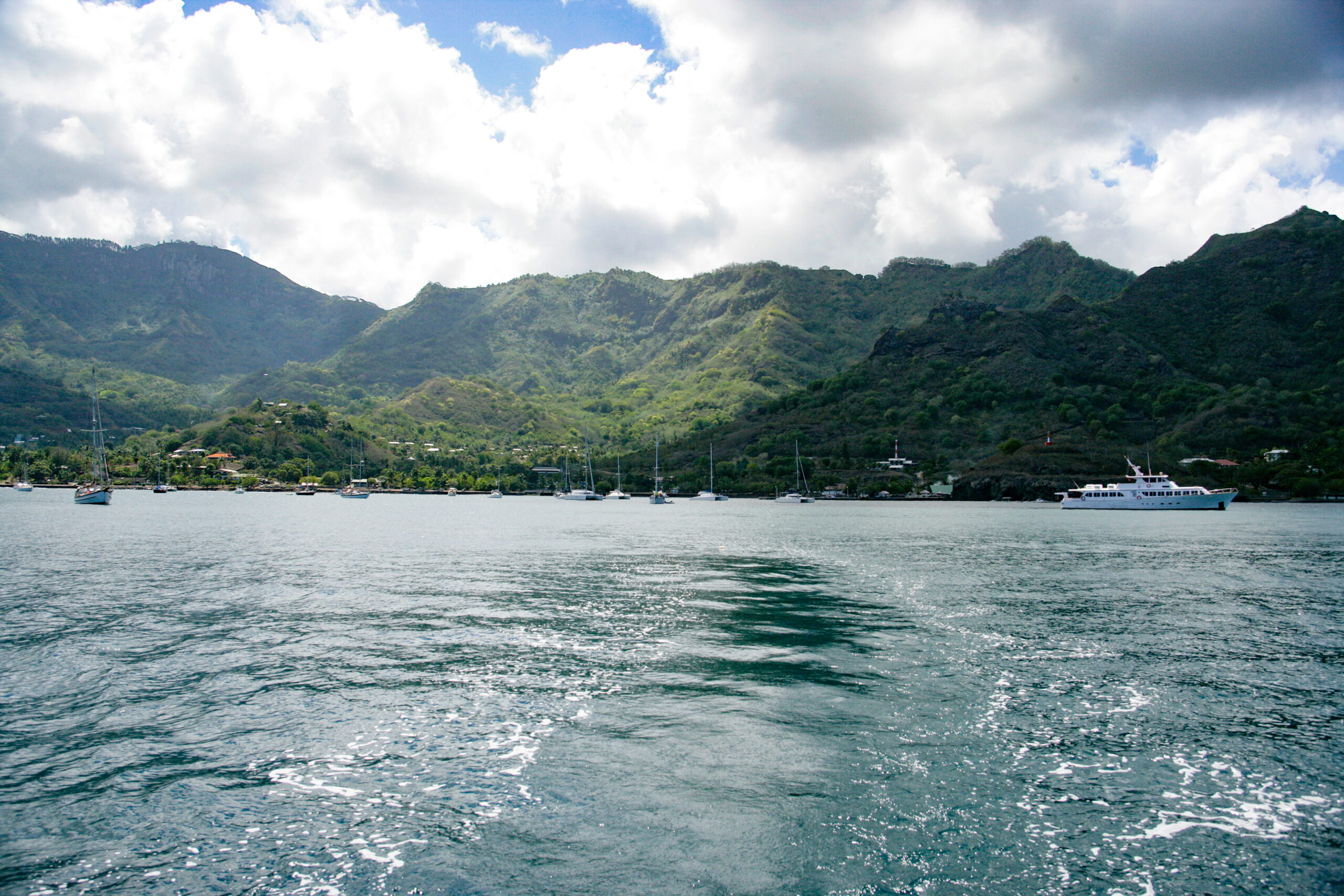
Nuku Hiva provided a nice sheltered anchorage for us to recuperate from 25 days at sea. I can’t say that it’s the sort of paradise that I’ve been dreaming about: Taiohae bay, where we sat around for a few weeks (with the brief excursion to Hakatea in the middle) has rocky black beaches and cloudy opaque brown water. Now you know we’re all thinking of perfectly clear turquoise water and white sand beaches, and we also know the south pacific has such places (bring it on). The town was small, not tiny. It had one restaurant (serving pizza for the white peeps), one resorty-type hotel, two small grocery stores, a basic hardware store, a few trinket shops, a large school, a church, and two food trucks that would park along the waterfront (which served an excellent burger). The french have fully modernized this place; everything is clean and current. It’s really hard to believe the last reported case of cannibalism was only 80 years ago! Everyone drives pickups or suvs, the grocery stores have all the usual products (just smaller selection). There are plenty of cell phones and satellite dishes. The most exotic aspect of the place is how many chickens, hens, horses, and dogs everyone seems to have on their properties. But aside from the animals running around it feels like it could be a town somewhere in europe, populated with dark-skinned marquesans of course. Granted, this town of Taiohae is the largest in the Marquesas, and the administrative center, so it is unlikely that the other bays and islands are as familiar-feeling as this place is.
Neither is it as tropical as I expected. Supposedly some of the more southern islands we will visit are closer to the rainforest jungle feel that I had imagined. On Nuku Hiva there is a mix of low scrub and palm tree forest; some hillsides are covered with palm trees, others look not unlike the side of a mountain in utah with scraggly brush struggling to find moisture.
The terrain is pretty impressive–although the island is small, the hills are steep, and it looks like you could have some really exciting times negotiating the dirt roads that go over the mountains during the muddy season.
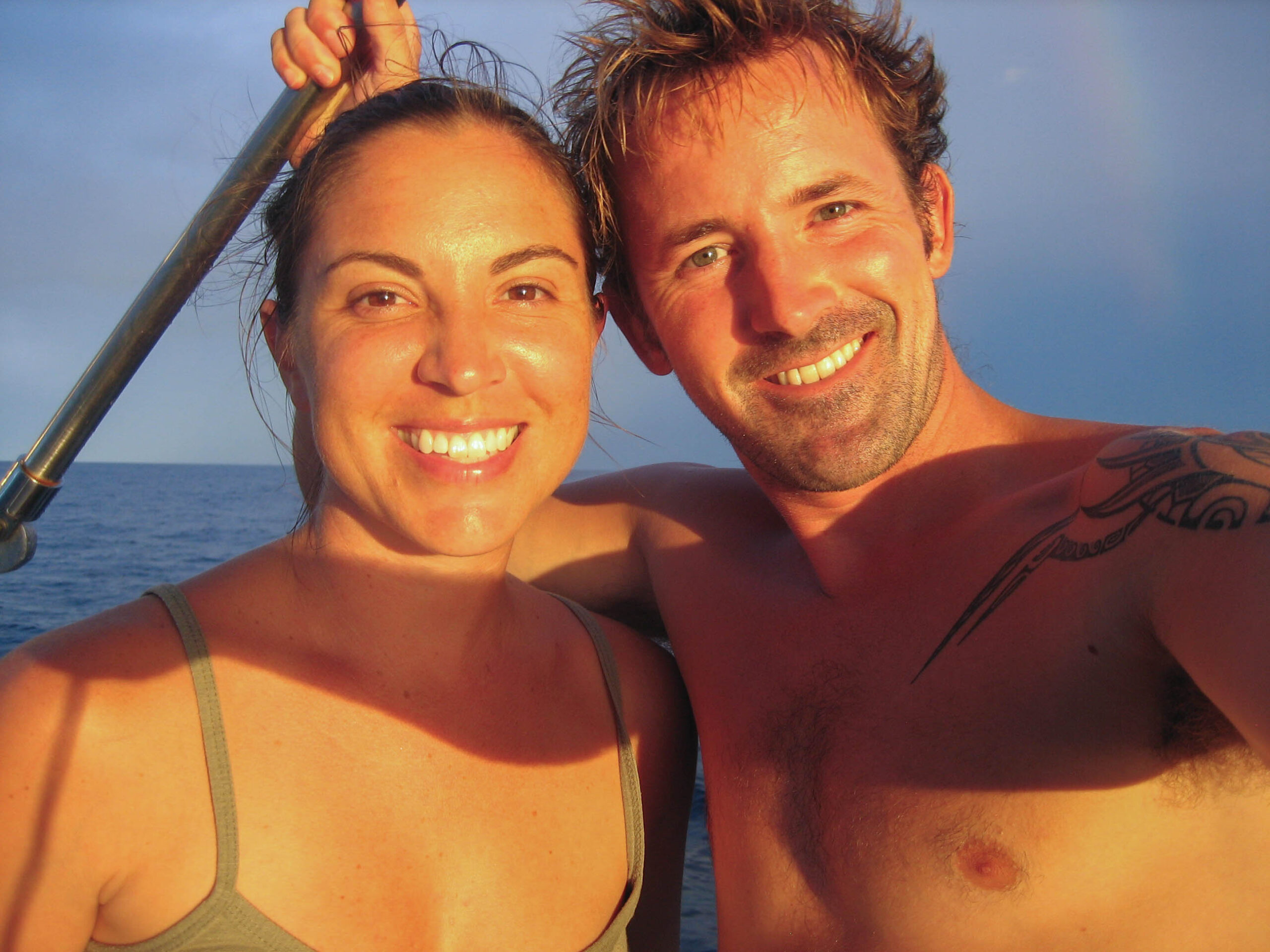
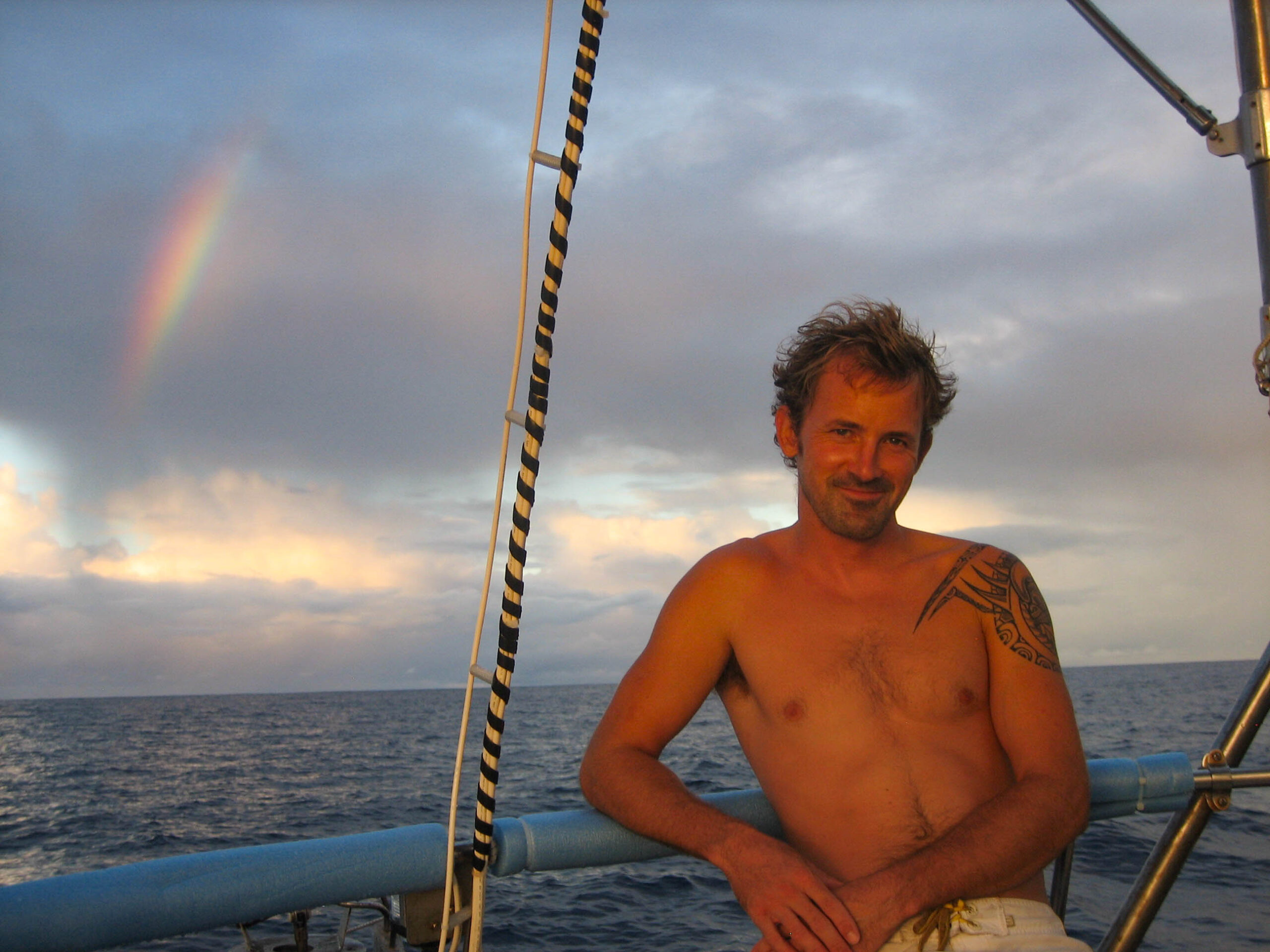
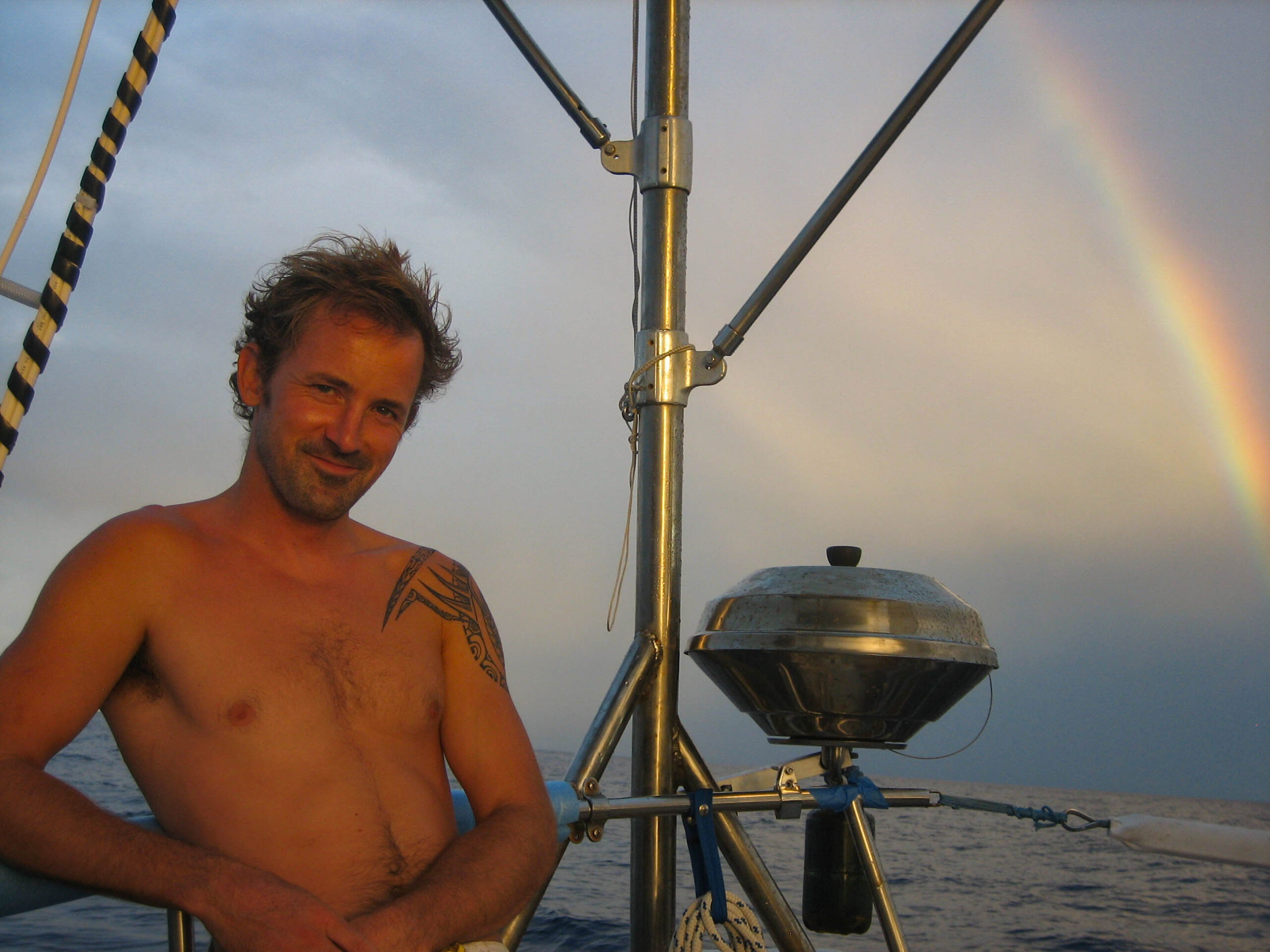
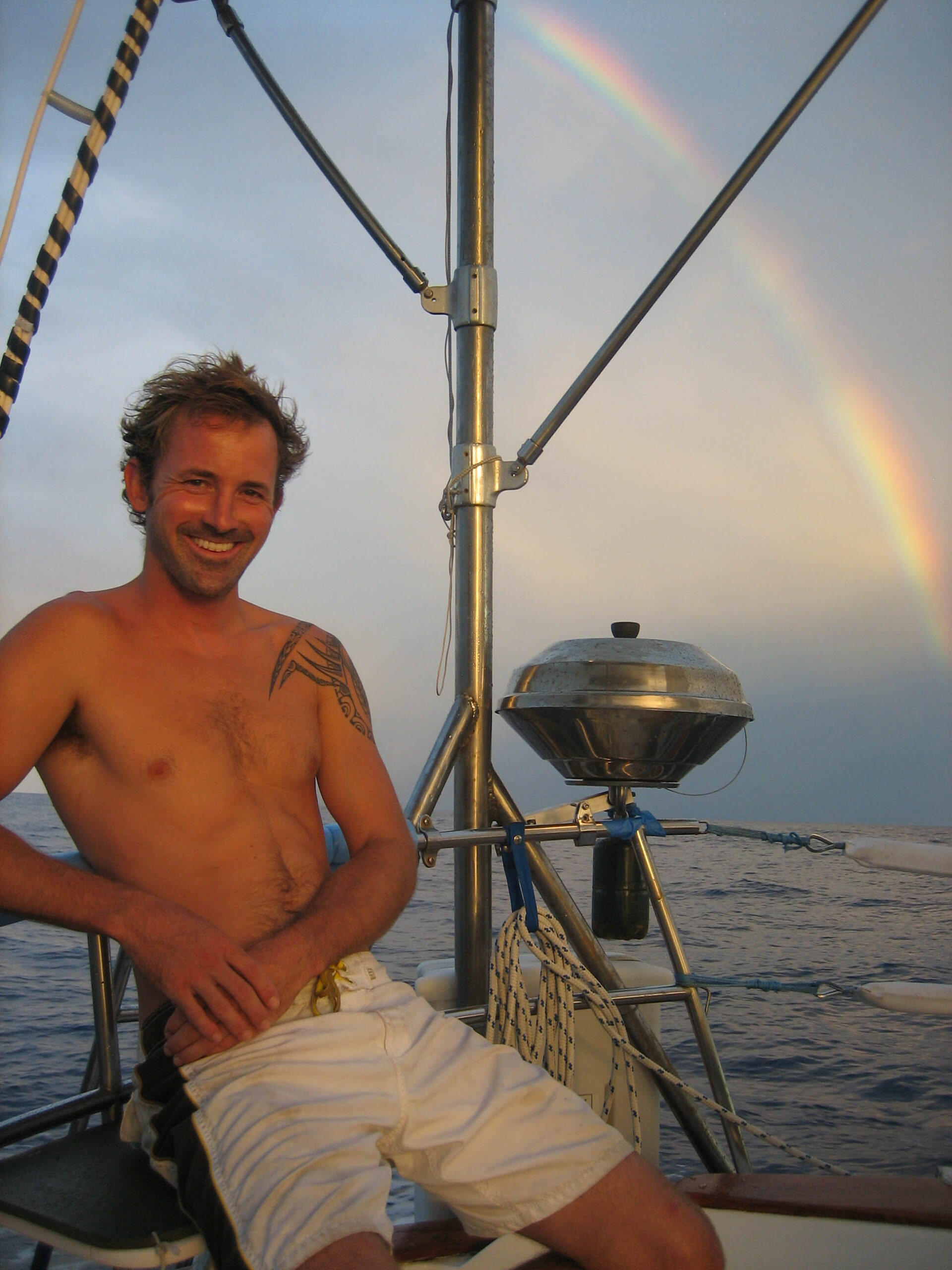
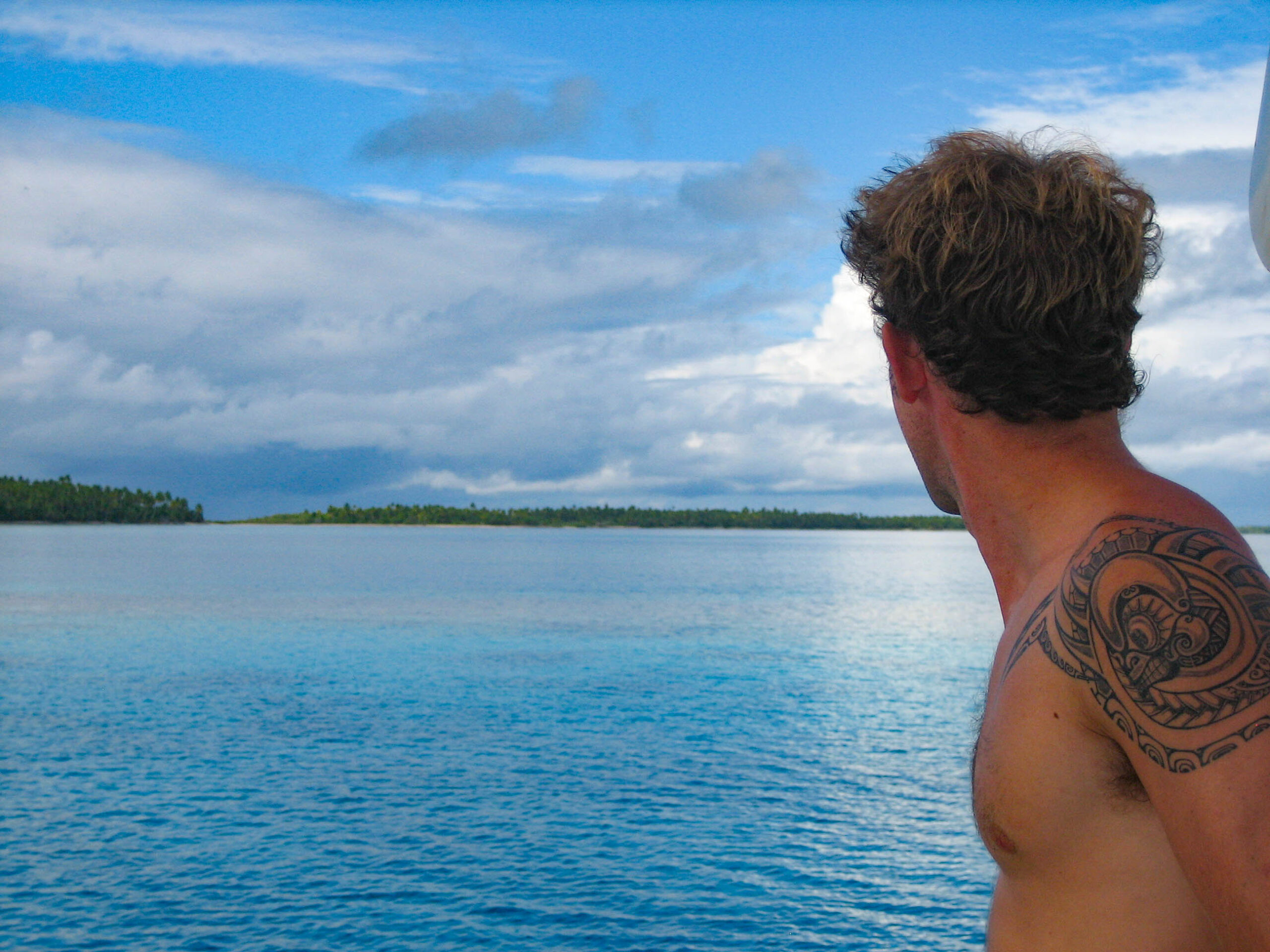
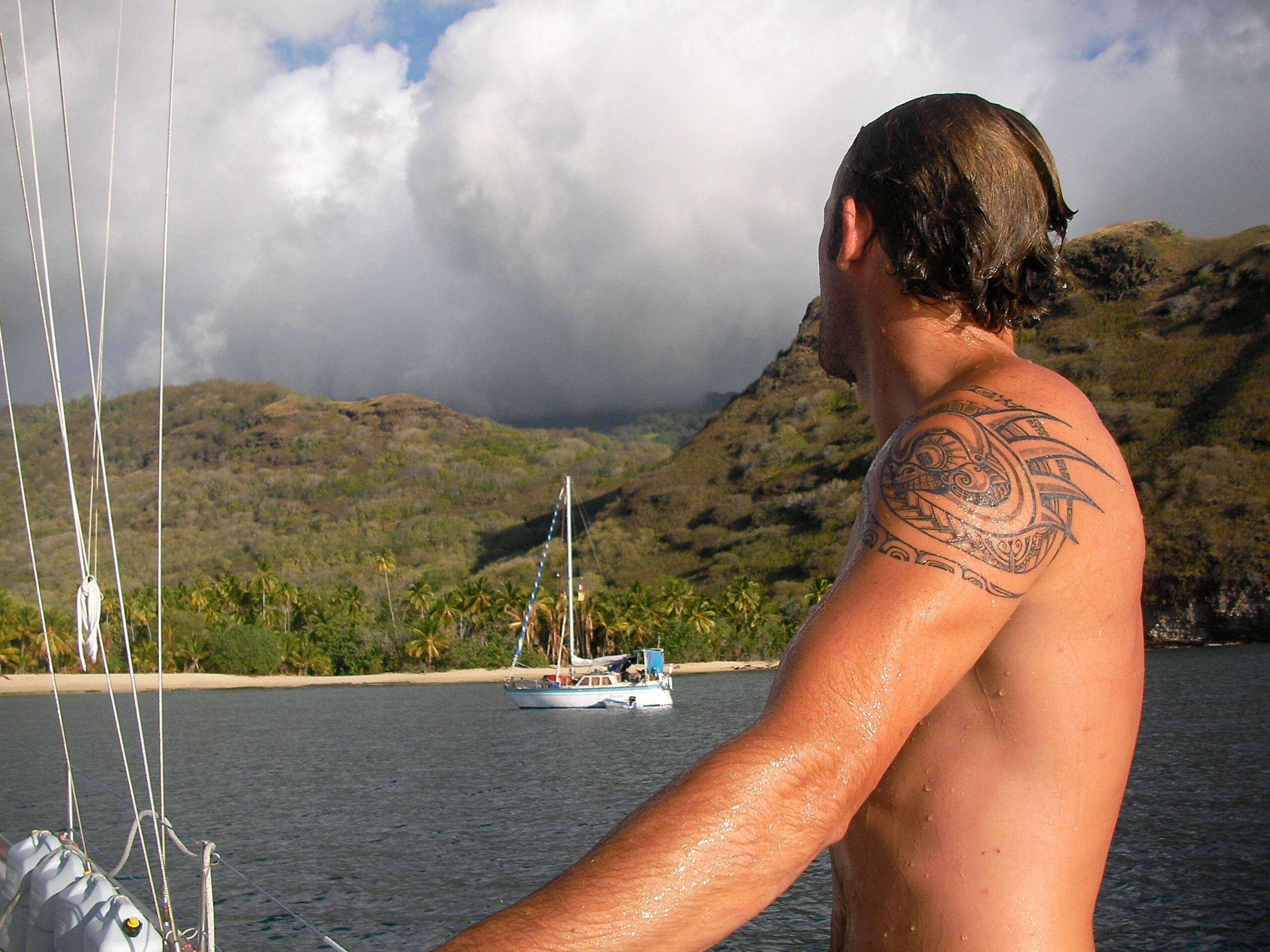
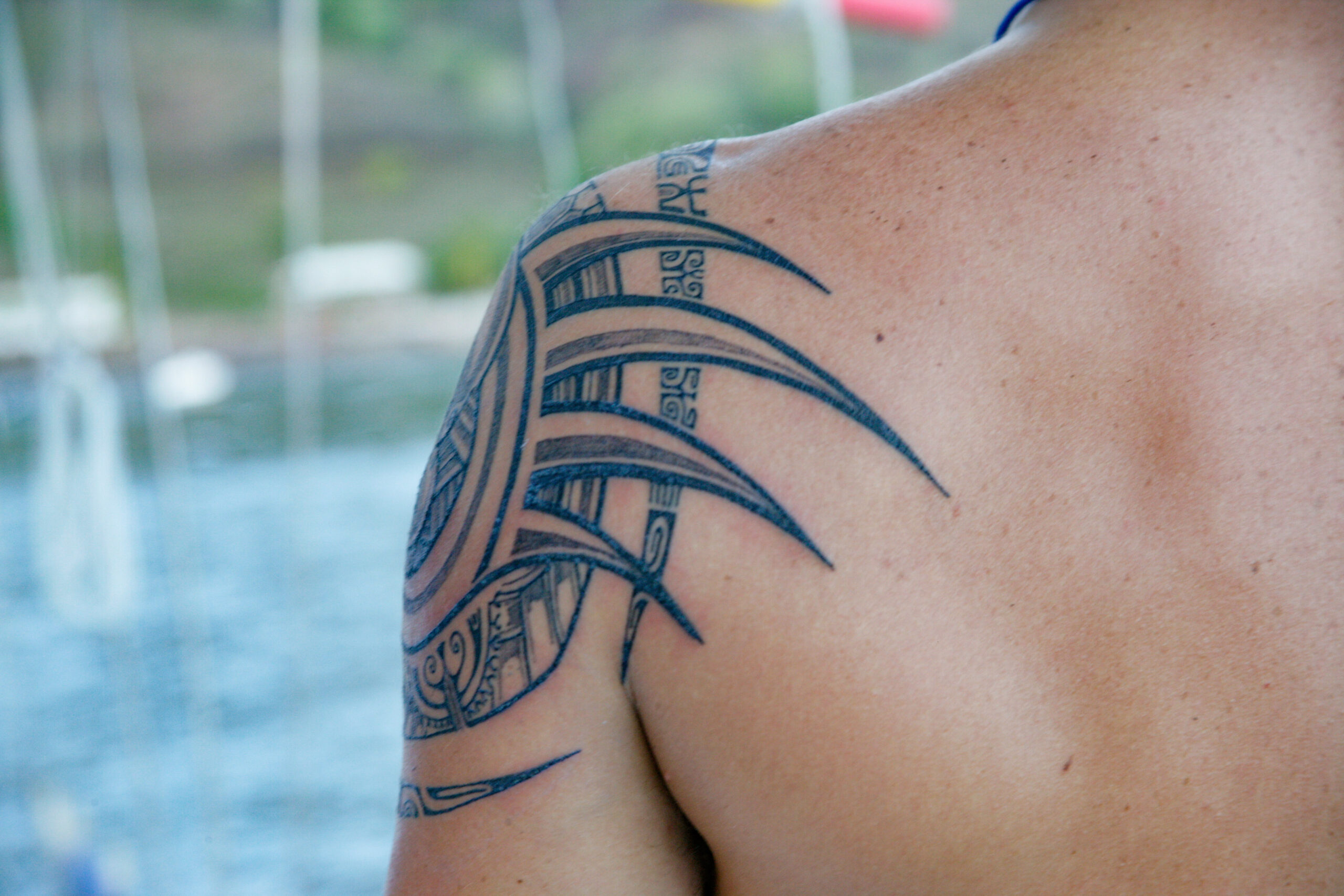
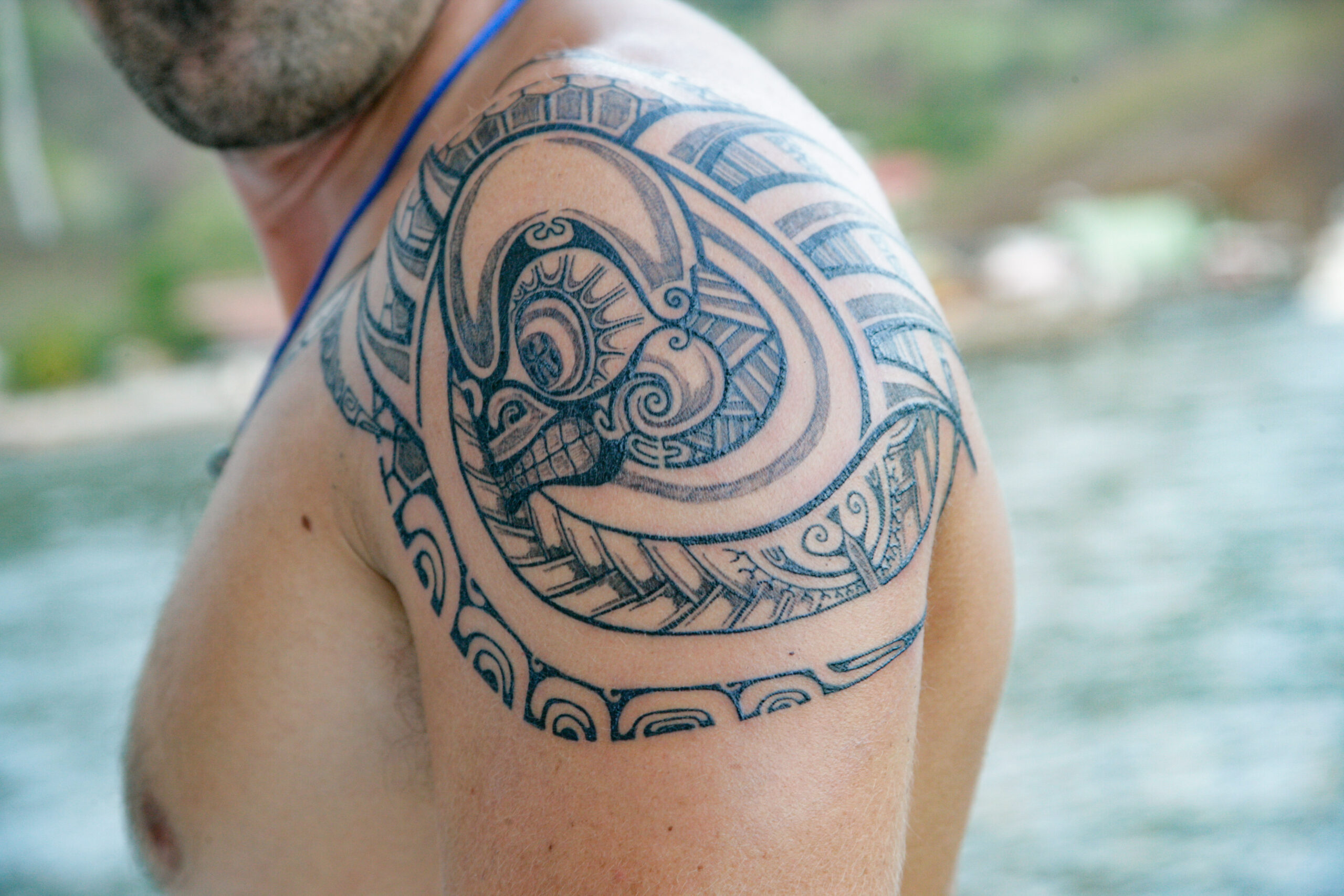
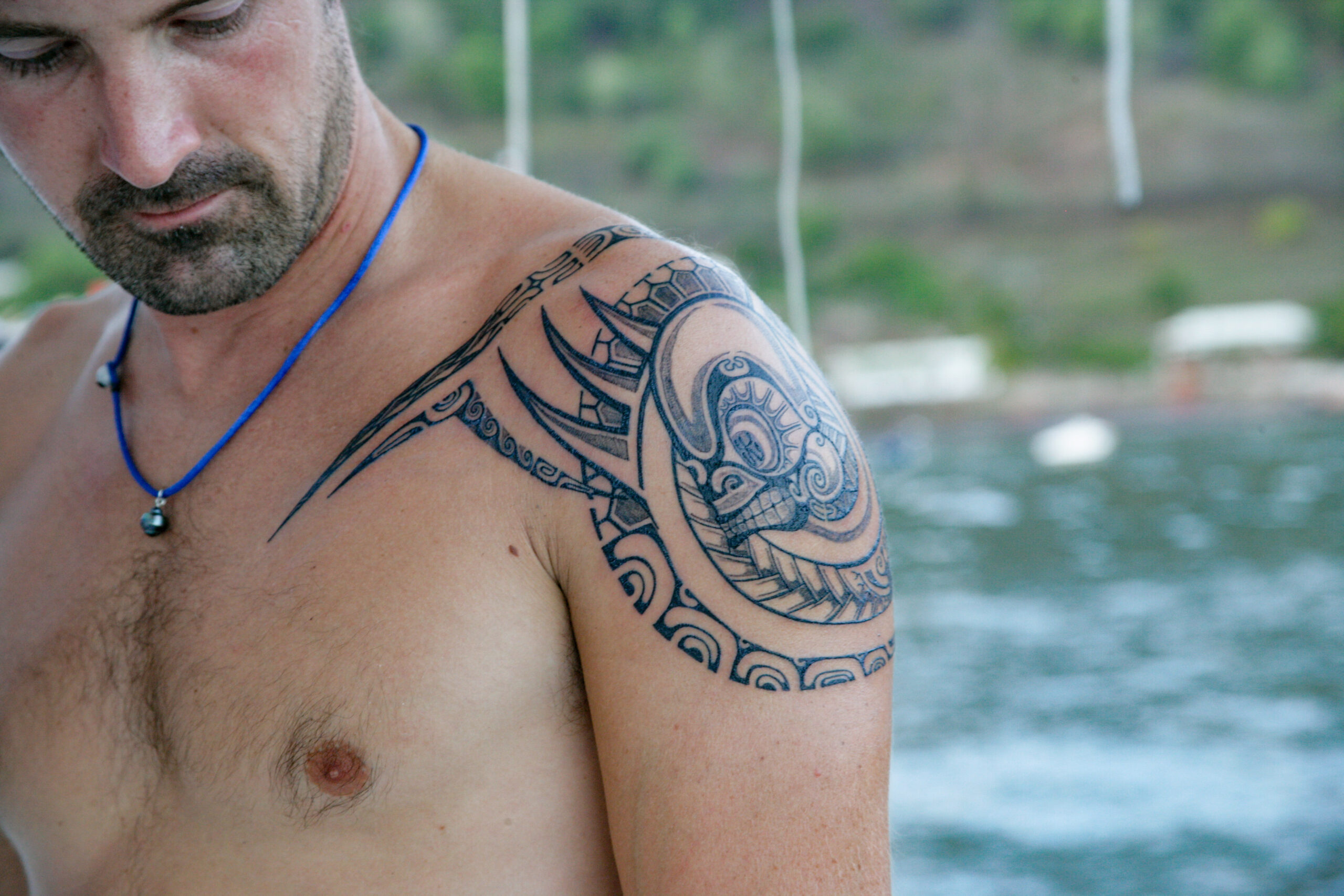
Yeah but now let’s talk about how I got a tattoo. I have been talking about getting one for years; multiple times I’ve tried to come up with my own design, but a) there never seemed to be sufficient meaning to it and b) my designs looked stupid. Now that I’ve crossed the pacific ocean, I felt that a Marquesan tattoo would be extremely meaningful and relevant. Brice is a marquesan who studied his tattooing craft in france, and it seemed like everyone was visiting him to get their tattoos. His tattoos are a modern take on the traditional marquesan symbols, and I was impressed with all the tattoos he had done for other cruisers.
The traditional marquesas tattoos are very geometric and symmetric, consisting of dozens or hundreds of smaller symbol elements. The smaller elements are built up in geometric blocks and rows and columns (more or less) to build the tattoo. It requires a big area to get the full effect of an old-school marquesan tattoo–the negative space is as important as the actual inked areas, and ideally there are no edges. The Marquesan warriors would have entire limbs covered, often their entire body (including the face). You can count me out of the whole body option . . .
ironic that despite the years of thinking about what tattoo I wanted, when it came down to it I ended up being impulsive and spontaneous about it. I felt strangely willing to give him free rein and see how it turned out. Formerly, the design of the tattoo had clearly been in the detailed and anal part of my personality, and somehow it ended up in the impulsive, leap-before-looking part of me. Perhaps the recklessly impulsive element is a necessary condition for obtaining a tattoo–how many people do you know that plan every last detail of their tattoo design and still end up with one? It doesn’t do to think about it too much, if you actually want to end up with a tattoo. Another factor was that Brice speaks no english and I lack the vocabulary in french to talk about anything as complicated as designing a tattoo, so I couldn’t really communicate anything to him anyway. In the end, I just wanted something that looked great–it was enough meaning for me that I would end up with a Marquesas tattoo after crossing an ocean. So I pointed at some pictures, made some miming gestures, and submitted my shoulder to an act of chance.
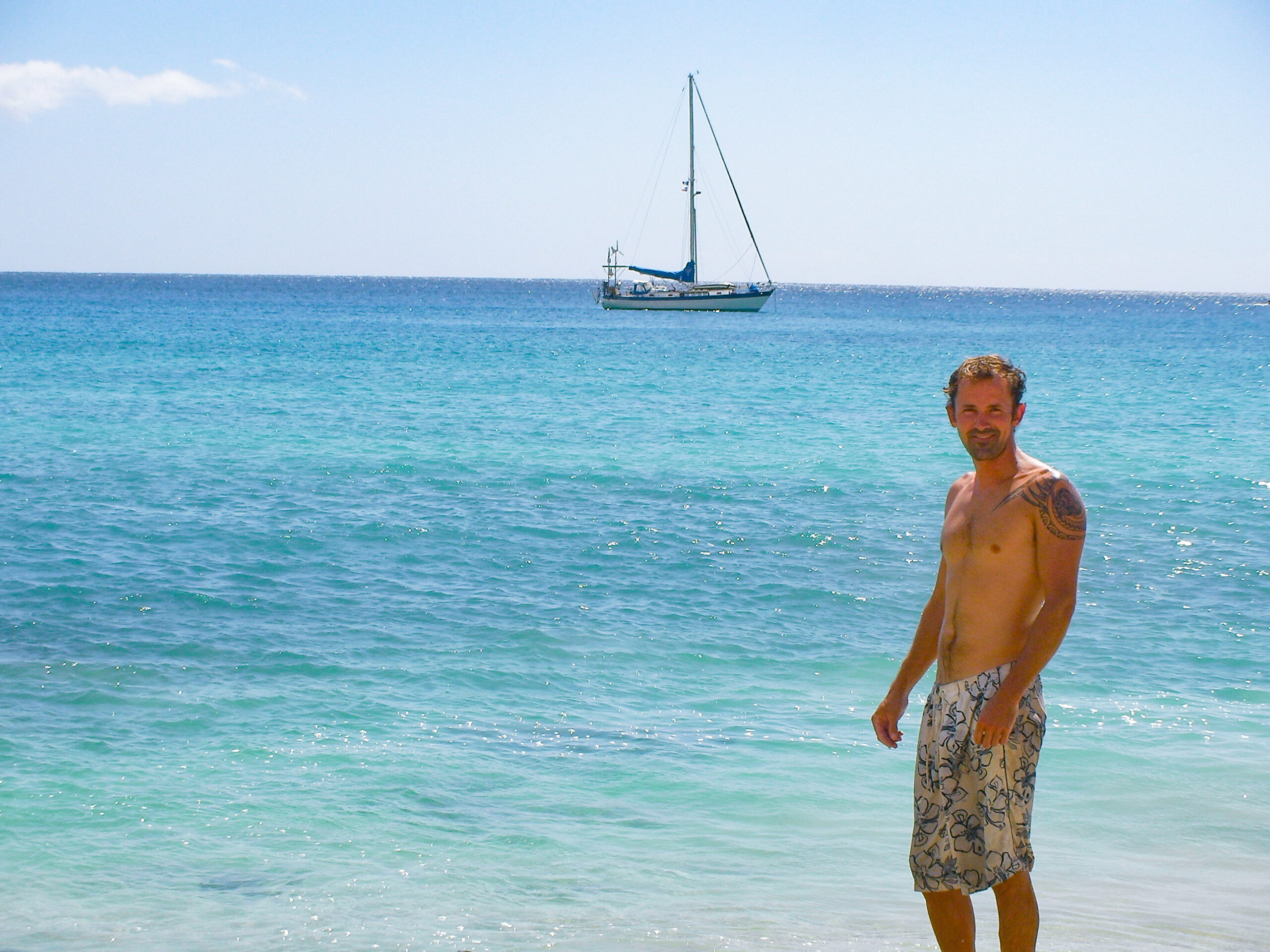
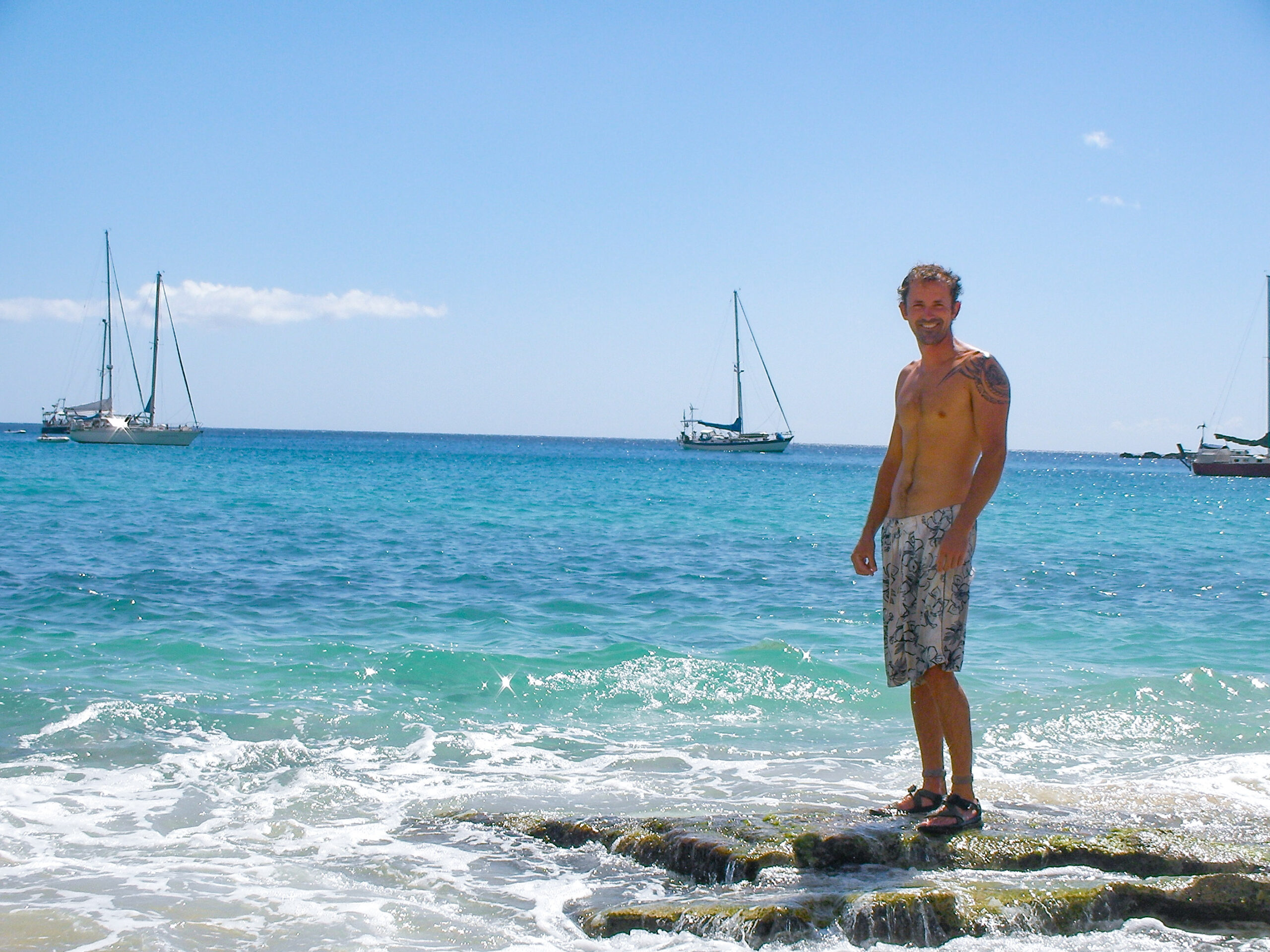
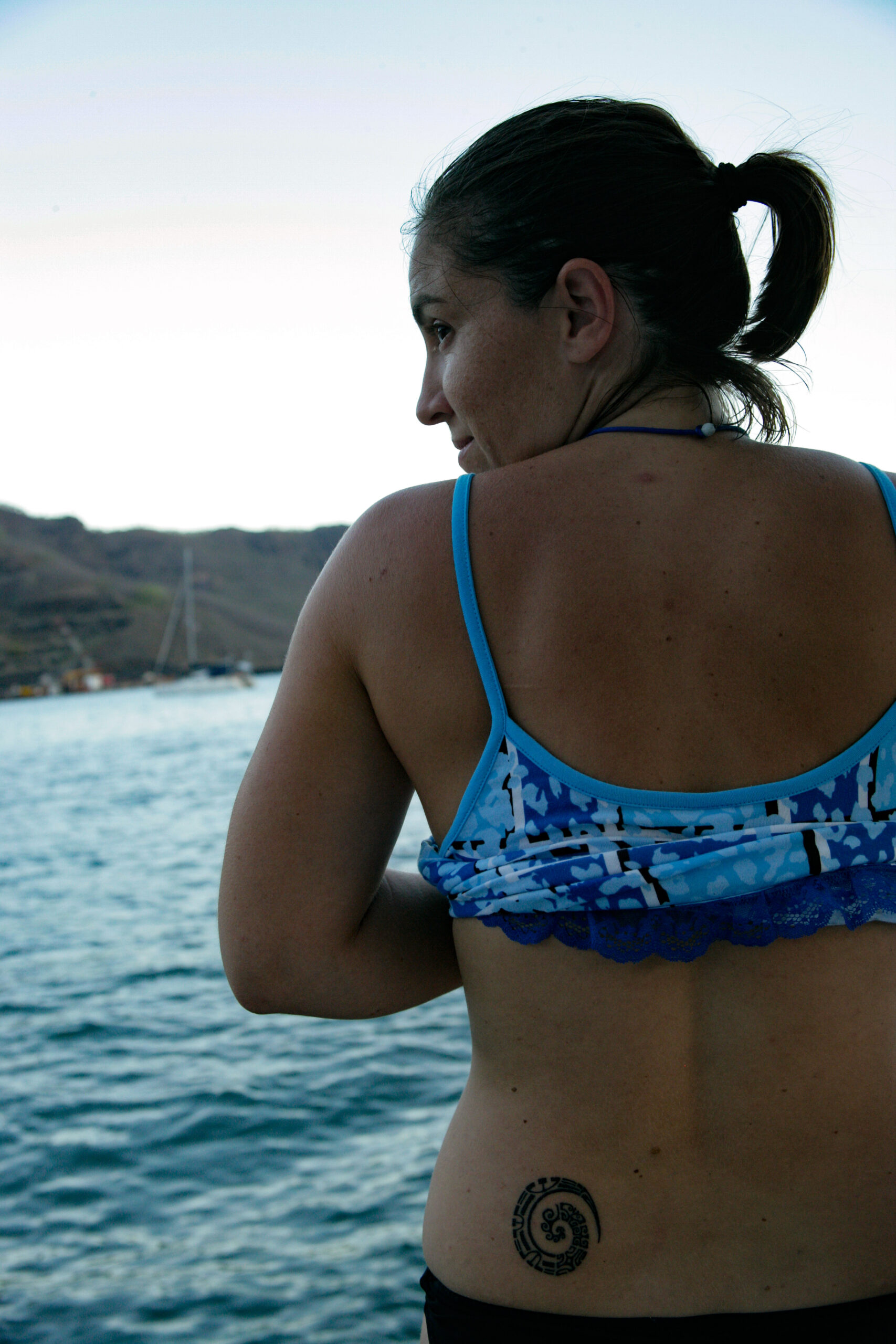
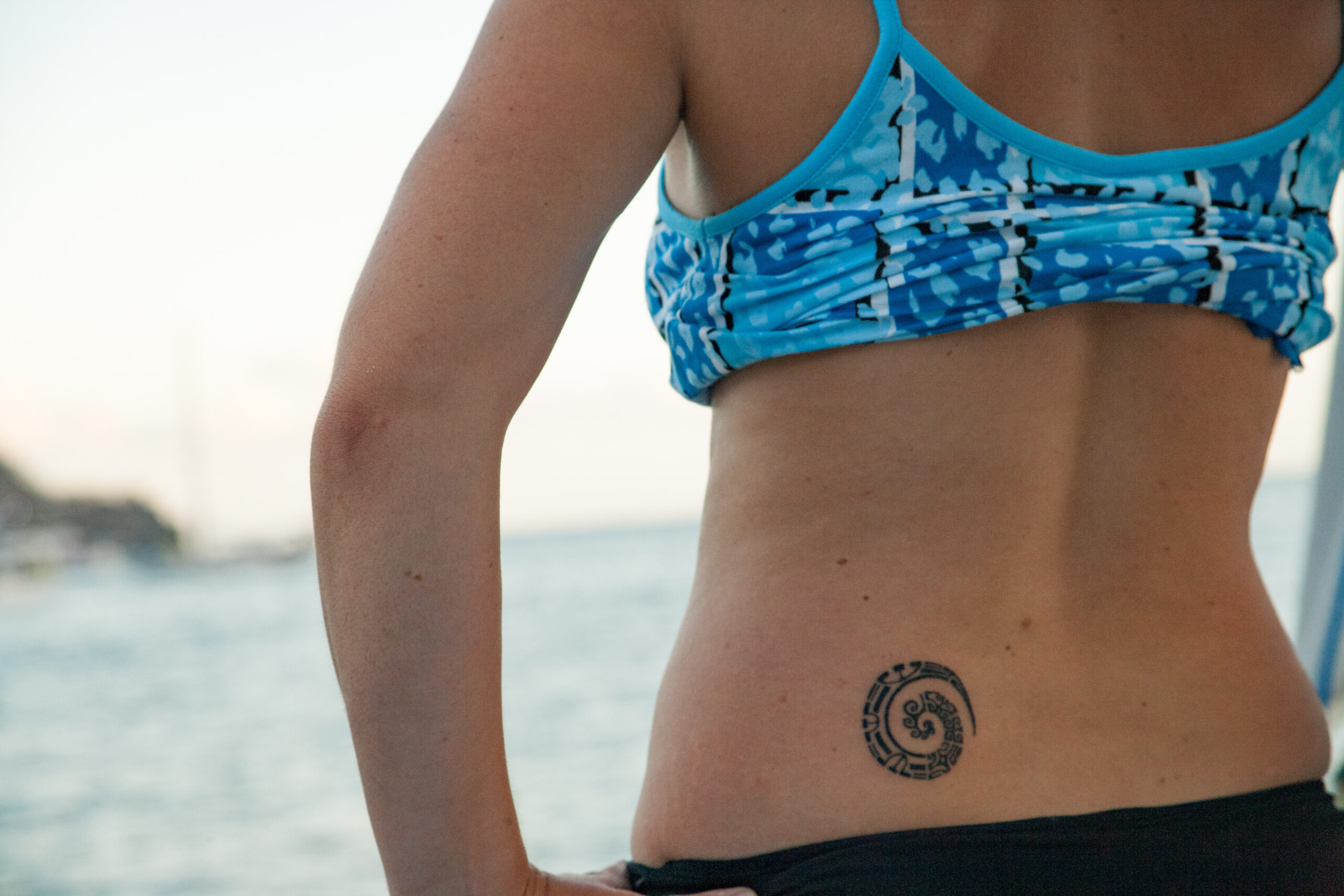
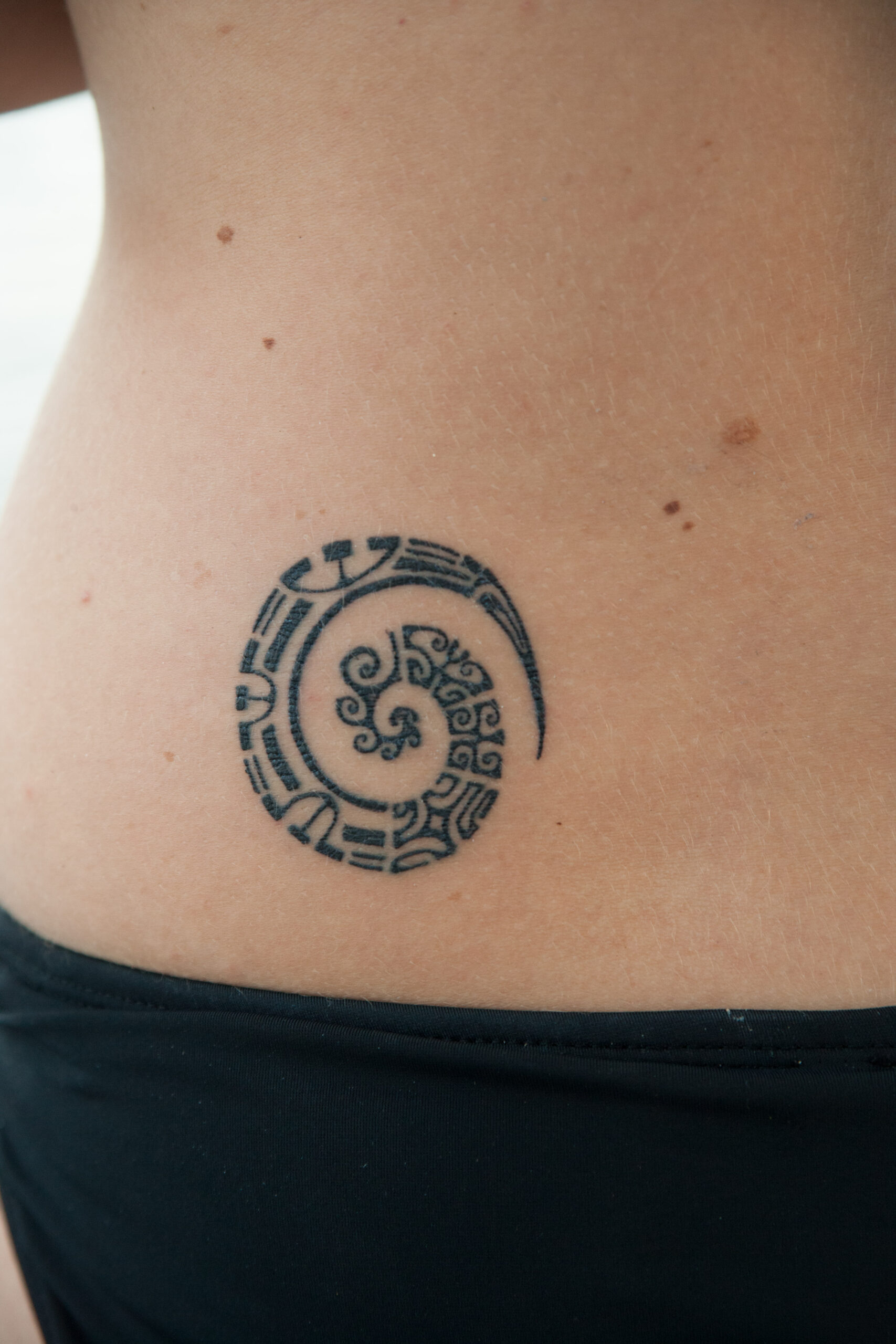
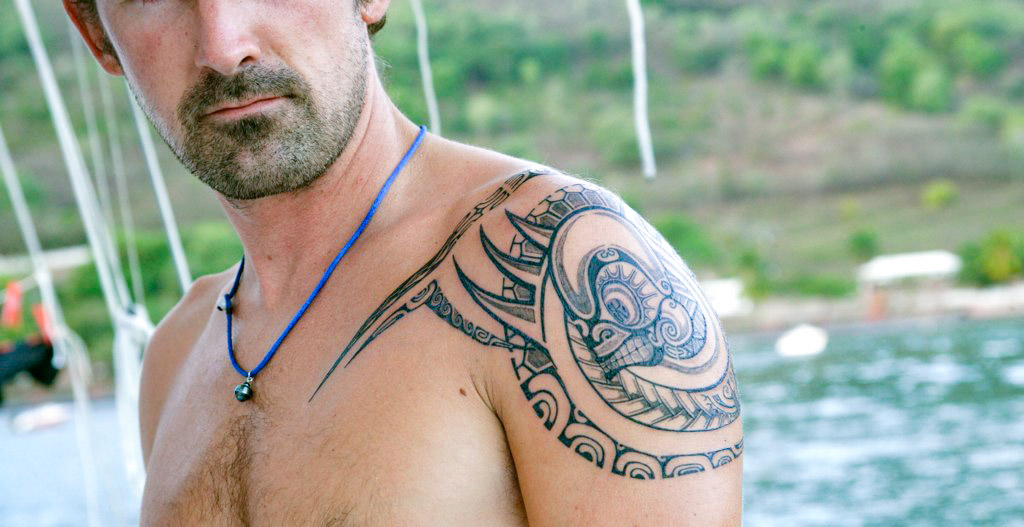
So how did it turn out? Well it’s pretty bad-ass, if I do say so. Brice used the individual symbols that comprise the traditional designs, incorporating them into a more flowing, dynamic container, rather than the straight-edged blockiness of the ancient style. A scary looking tiki dominates the center, with a spiral of traditional marquesan symbols around the outside. Among others, he used the symbols for waves, sky, the “marquesan symbol”, the “warrior symbol”, love and sex, me and karen. And I got some spiky-things as an added bonus. Karen ended up getting one also–a small one on her back, much more elegant and feminine than mine 🙂
So we’ve wrapped up with Nuku HIva. All in all, it was wonderful to be sitting at anchor being lazy for a few weeks, not getting tossed around out in the ocean, but we’re eager to visit the more exotic and exciting islands down the road. Moving on!
There are some seriously strange plants and animals here.
In the states, I feel perfectly comfortable out in the woods–I feel no fear of what I will encounter, I stride purposefully and confidently through our wilderness. Until now, I hadn’t realized that the primary reason for that confidence is my familiarity with all of the plants and animals out there.
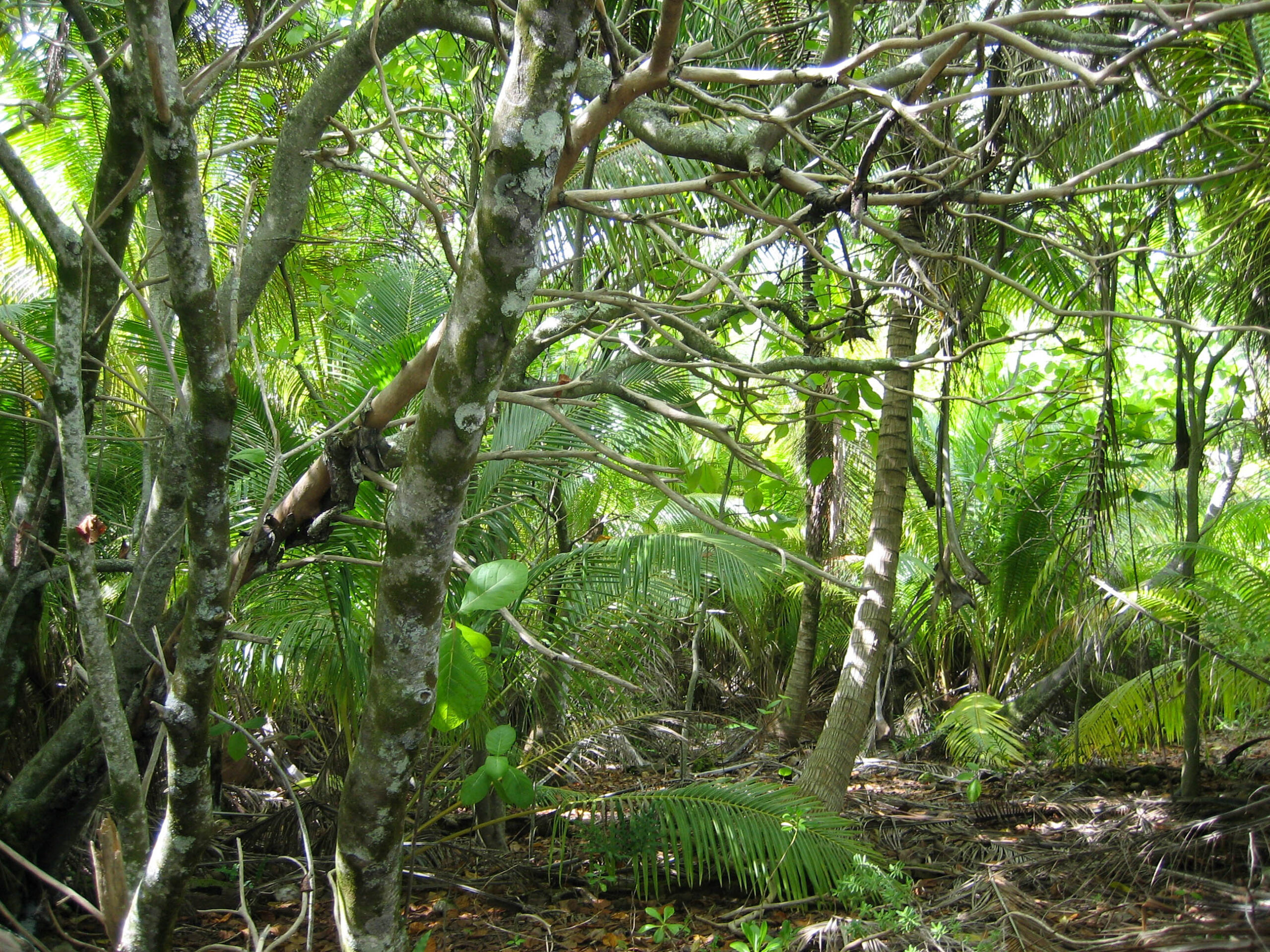
Embarrassingly, I find that I am uncomfortable in these woods. To start with, they aren’t even woods–it’s clearly a sort of jungle, though far drier than your stereotypical jungle. There are fruit trees everywhere: coconut, papaya, mango, pamplemoouse, pistach, noni, banana, and many others for which I have no translation. This is a land of plenty: you could survive off of the fruit hanging from trees alone, not even considering the abundance of sea life. We have almost none of these trees at home, and they have none of our trees. So I’m walking through a strange jungle, that’s cool, I can dig it.
The creatures are another thing.
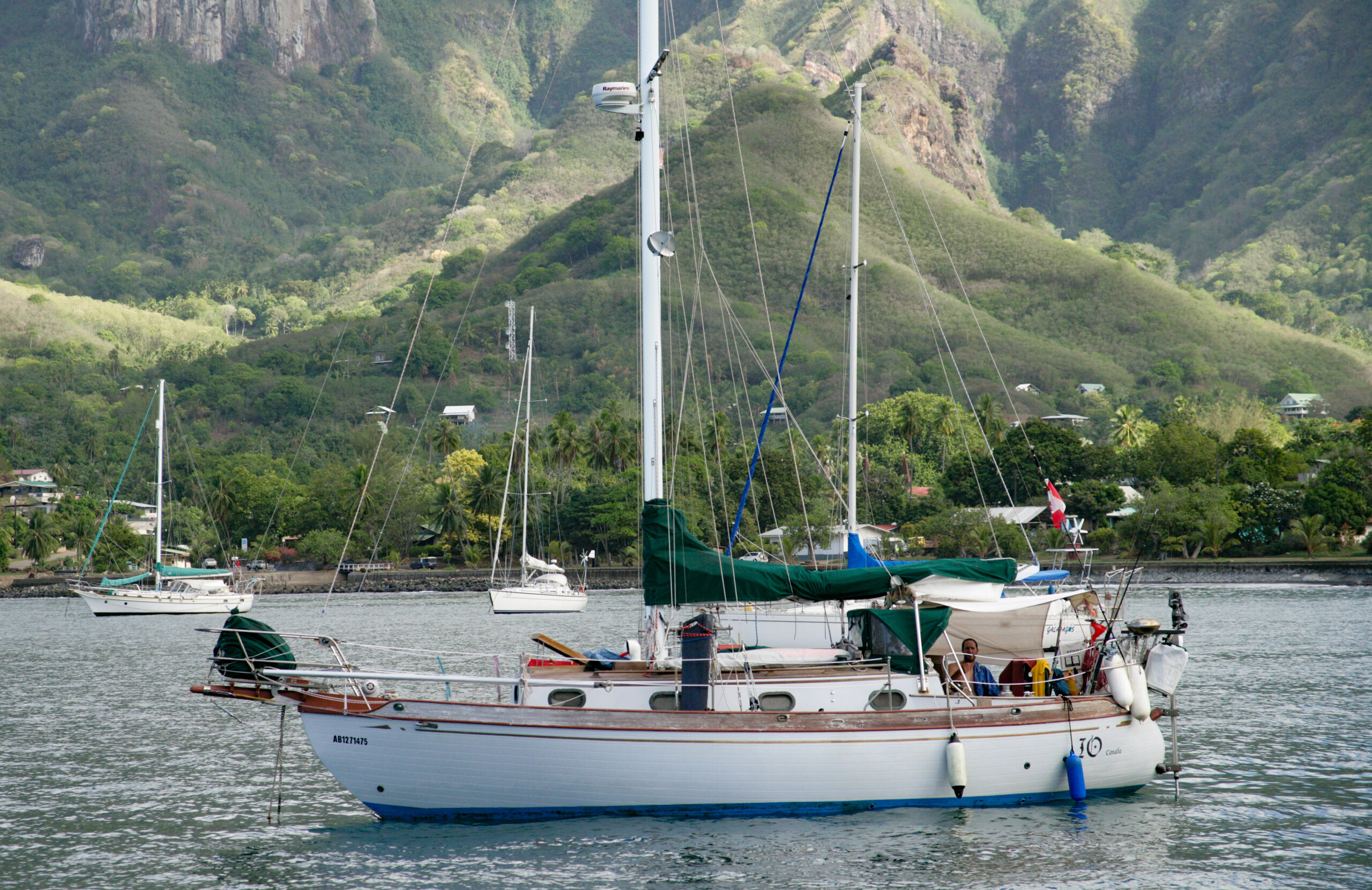
We sailed over to Hakatea Bay, the bay next door, for a four-day excursion with our friends Mike and Hyo from the boat Io. Mike is a marine biologist, so he’s a good one to have around when you’re getting spooked by the local floral and fauna.
Hakatea bay has no town, no road to reach it, and only a few rough huts spread out along the beach. As we dinghied to the beach, getting ready to jump out into the water to drag the dinghy in through the surf, Mike informed us to “watch out for” the many black-tipped reef sharks that hung out right up in the surf. Sharks? His nonchalant statement implied a lack of danger, and in this case, “watch out for” was meant as “look for them because they’re very cool to catch a glimpse of.” These black-tipped reef sharks were about a foot long, and didn’t seem overly interested in ankles, so they went onto the list of ‘not so dangerous’ (as long as they come in the mini variety, at least).
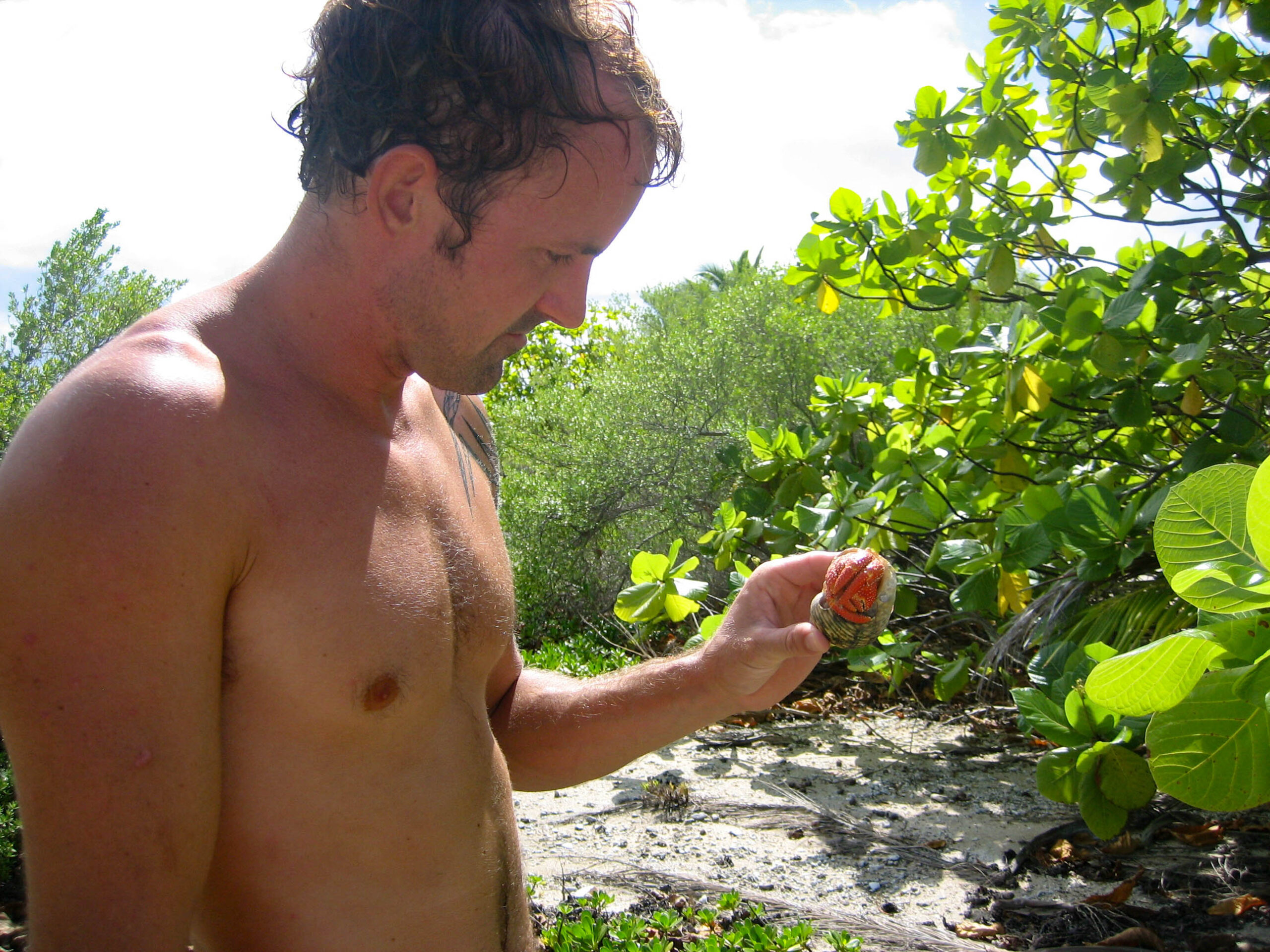
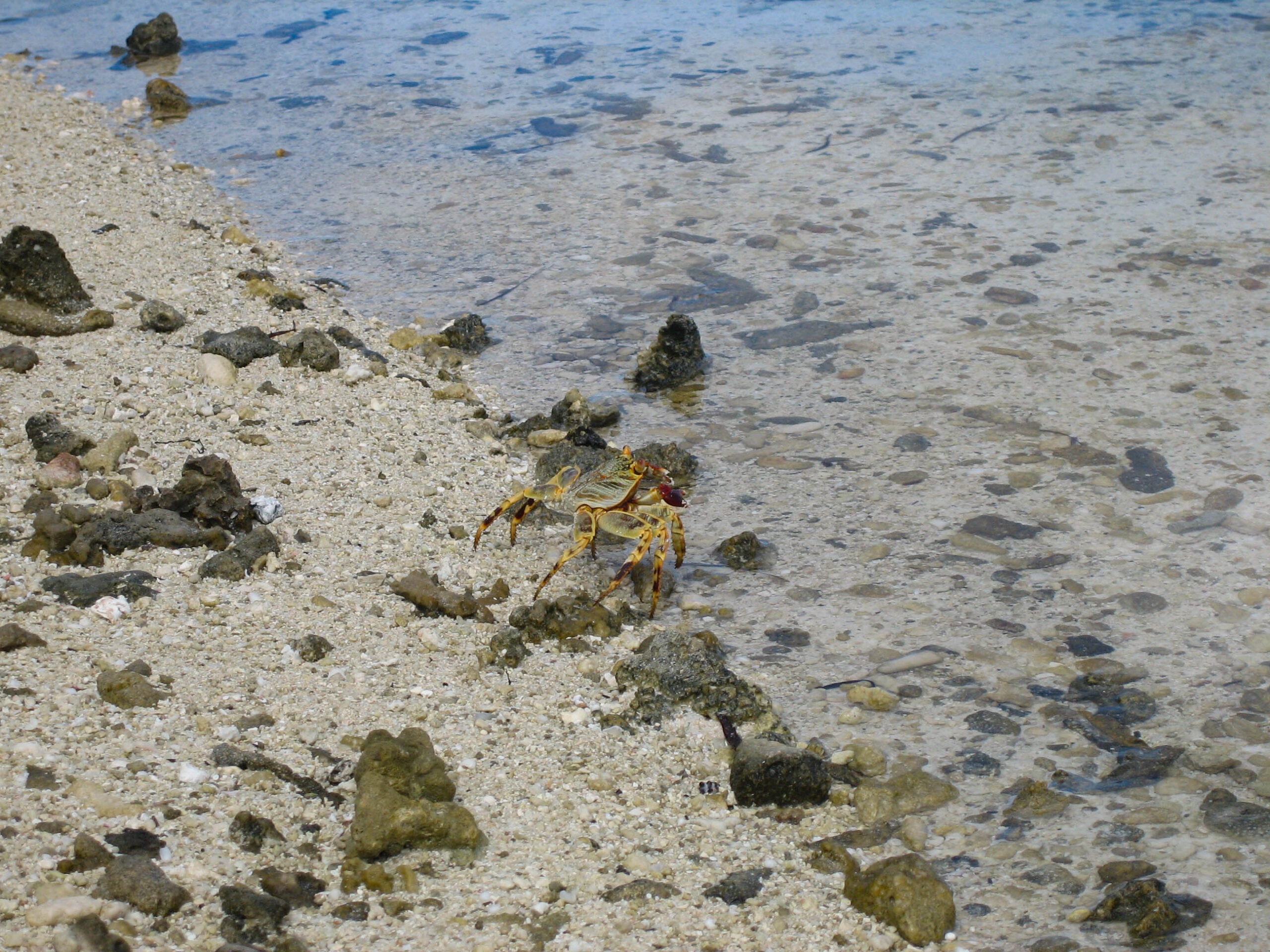
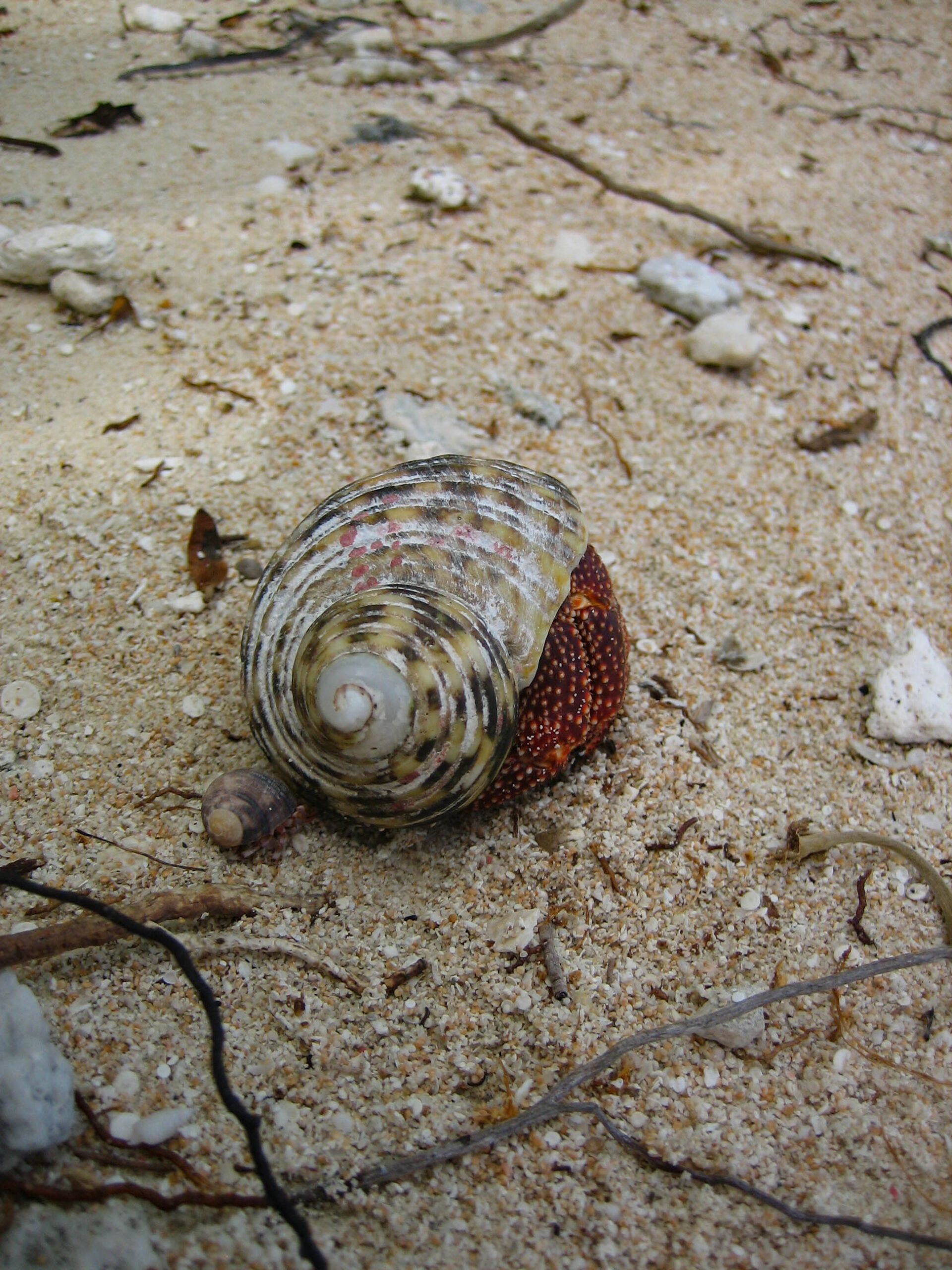
As soon as we rolled up onto the beach, we noticed the crabs. They were all over, but that turned out to be just the advance party. We wandered a little ways into the jungle on the edge of the beach in search of coconuts, and discovered crabland. The ground was covered with dirt and palm fronds, and the crabs had dug enormous holes and networks of tunnels, pockmarking the entire area. The crabs were about the size of a large outstretched hand, with a large right claw and small left one, two beady eyes sticking up on little wiggly eyestalks, and a translucent white shell. They could run very fast in a sideways direction–as fast as you can jog. And there were thousands of them, everywhere, making a creepy collective clicking noise as their crabby body parts click together. As you stepped over palm fronds and downed logs and what not you had to be careful not to step on them, and if you got too close they would dart out on a sideways run, or else wave their pincher. Lift up a big frond and there will be twenty of them crabbing away, wiggling their little beady eyestalks at you. The question again: are these things dangerous? Well, no, not really, you can just reach down and pick them up if you’re fast enough. Be careful not to get pinched by that big claw, but that’s easy to avoid. But man did they creep me out.
My final experience with them was particularly unnerving. Mike and I dinghied in to the beach in the dark that night in an attempt to nab some lobster that he had seen earlier. On our way in Mike tells me to “watch out for” both needlefish and stingrays, and this time it wasn’t just for a cool sight. Apparently needlefish are attracted to flashlights and have a sufficiently pointy sharp snout as to impale you, and Mike had seen some on our way to shore. And the stingrays, well to be honest I don’t even know where they are or how they’re bad for you, whether they cut or poison or what, and right there you see that it’s the unknown that is fearful. So we’re jumping out in the surf on this moonless night and I’m thinking “how can I avoid this stuff when I don’t even know where it is going to be lurking or what it will do?”
We drag the dinghy up onto the beach and then he shines the light on a shallow pool of water, and there’s a sight that I don’t expect to ever see again, which is a vast carpet of thousands upon thousands of those crabs, covering the entire clearing, all clicking in that particularly creepy way, so dense that they were crawling on top of each other. It could have been a scene from a horror movie, if you just threw someone onto that carpet of crabs and watched them devour the body–of course in actuality they would all just run away, but boy oh boy was it a creepy sight. The sound was the clincher, all that evil little clattering of carapaces as they scurried around the bend en masse. Just creepy as all hell.
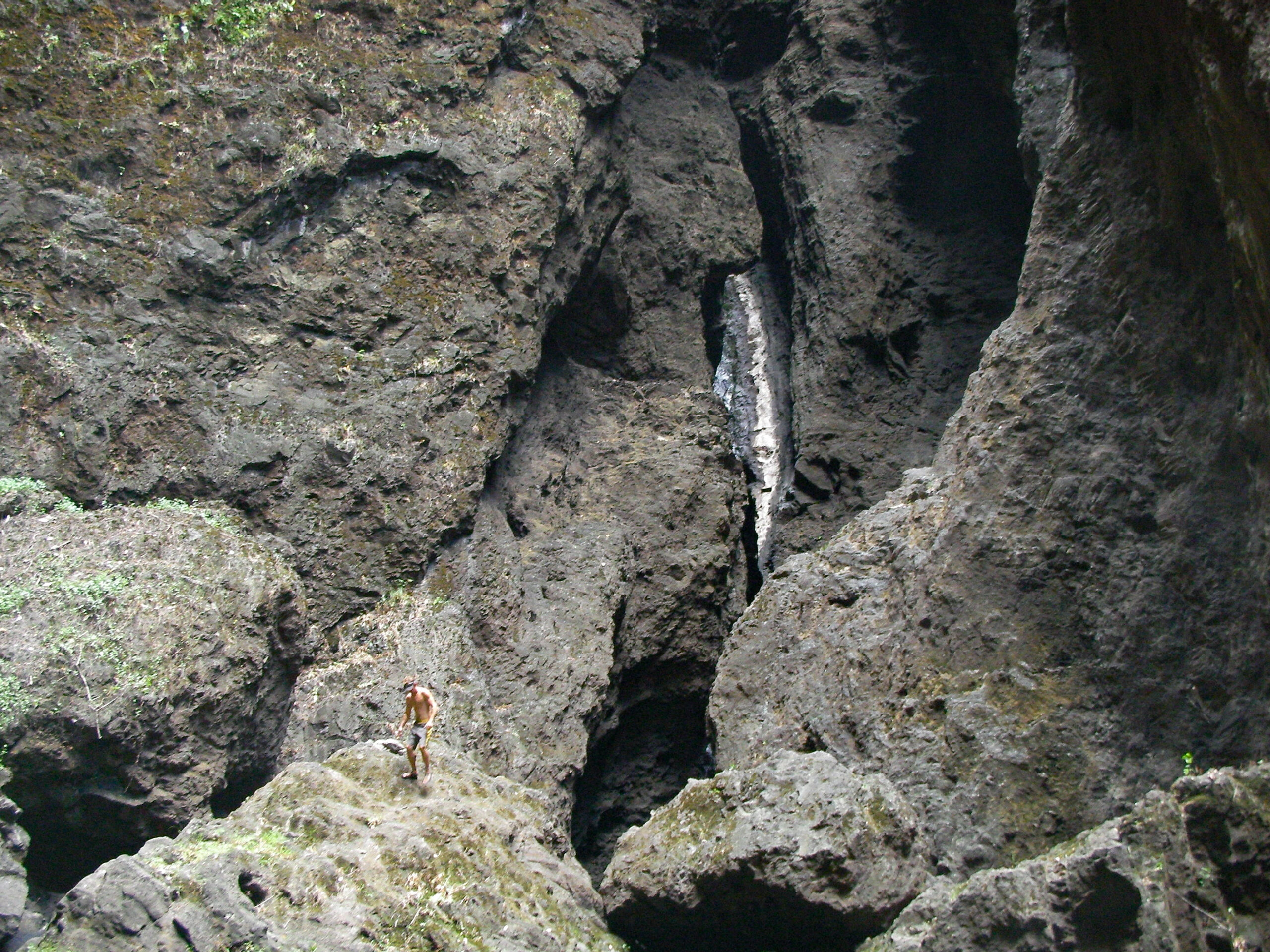
The next day we all hiked two hours into the jungle along a well-travelled path to the base of a large waterfall. The cascade is currently only a trickle, owing to an extended dry spell, but there was a freshwater pool at the base of these impressive precipitous cliff walls. It looked refreshing, until Mike pointed out the little crayfish jobbies. They ringed the shallows of the pool, waiting for something to pinch on. They happily swam up to pinch ankles, whatever you put in there. That made hanging out in the pool mildly unattractive. And then the eels showed up. Big-ass freshwater eels, four feet long and four inches in diameter, with a disgusting little face up front, with their large mouth held partially open. As you splash the surface of the water they come closer, curious to see if they can eat the source of the splashing. Neither the crayfish nor the eel seemed to be afraid of us–they seemed rather willing to take a test nibble of whatever, before buggering off.
I do not consider myself easily spooked, freaked out, or scared. But these new water creatures have been beyond my understanding and I admit that I am made uncomfortable by it. I don’t know what the dangers are, is the thing. I don’t know what I can and can’t do. If I stick my hand in the water, is the eel going to dart away or is he going to swim up and take a bite?
I realize that the confidence and utter lack of fear that I feel in the united states is largely a result of my familiarity with the environment. Being in this foreign land of strange new creatures, and feeling weirded out by them, is humbling.
It does make things exciting. Like being in an Indiana Jones movie with snakes and booby traps and poisonous things. I just have to sack up and pet the eels, so to speak.
We just arrived in Nuku Hiva after crossing the pacific. Good lord was that a long time to be out in the ocean. I’m going to ramble on and on now. Let me tell you, there’s not much of anything out there. In terms of tourist attractions, you’re not missing anything. I had expected to see a fair amount of wildlife, different views of the ocean, something. Nope. It all looks the same. For 25 straight days one of us checked the horizon at least every twenty minutes–over 2,000 instances of climbing out of the cabin to check the horizon, and every time seeing exactly the same thing: nothing. The only thing we saw during that entire time were a few birds and a bunch of tiny flying fish. Not even other boats–for three straight weeks we saw no other boats.
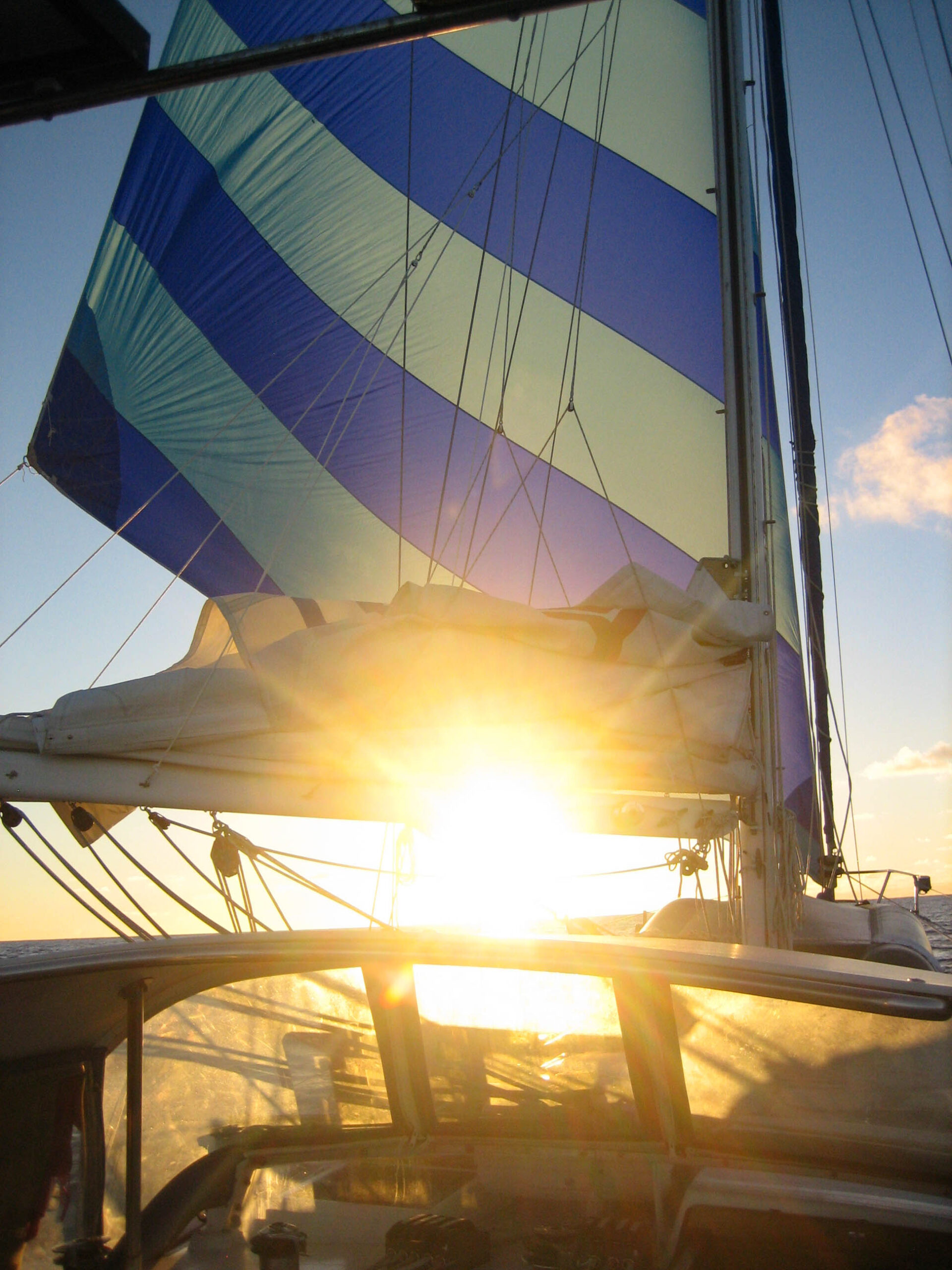
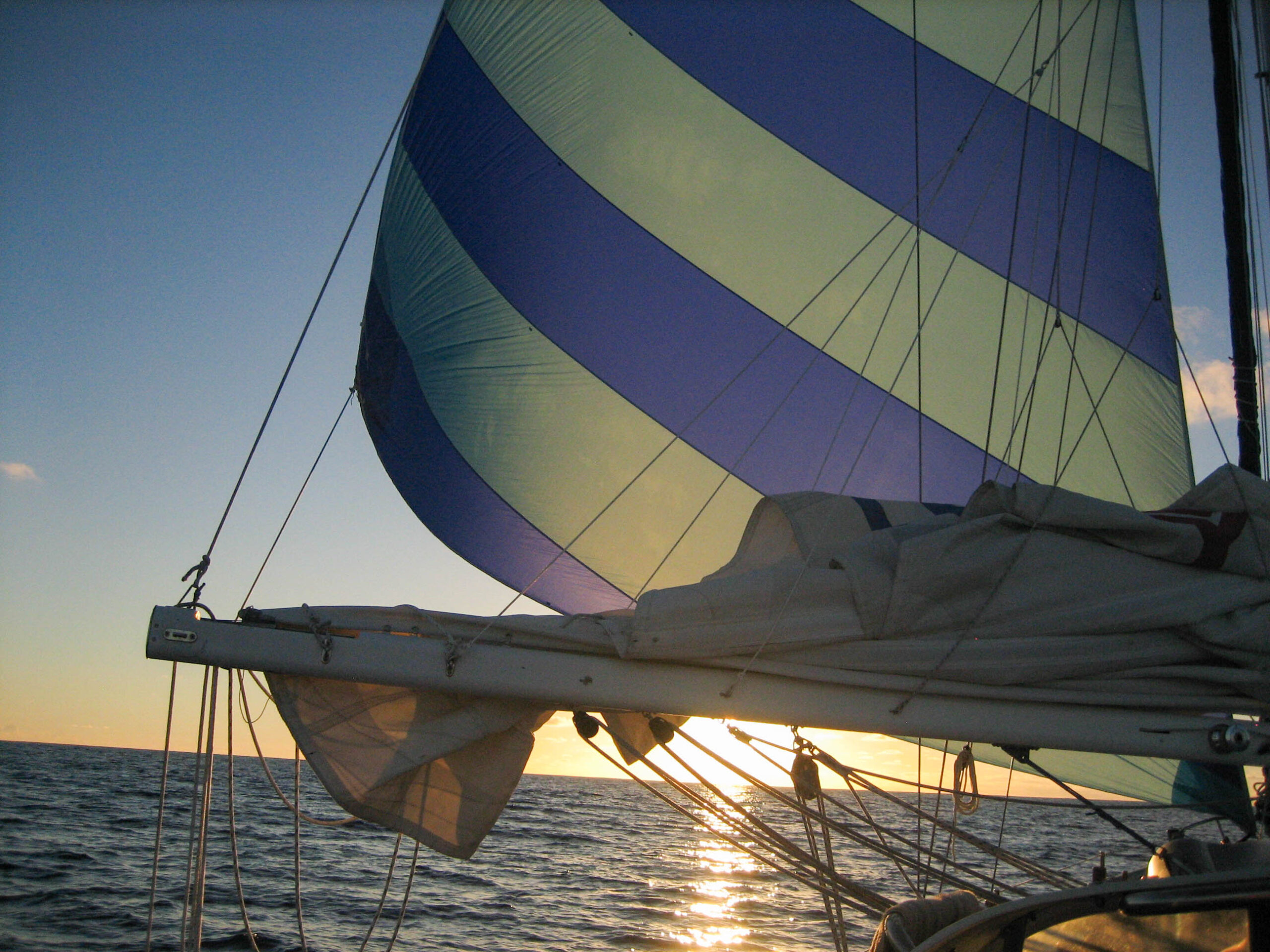
The pacific ocean does have boobies, I’ll give it that. Near the coast, at least. We had an exciting Booby-caused moment that I will now relate in entirely too much detail. A booby is a very annoying bird. For the first 5 days of the passage, we were frequently targeted by boobies. They want to land on the boat, hang out, and shit. There is no equivalent to a floating island in their evolutionary history: they do not need to do this. What I am saying is: don’t feel bad for them. Moreover, they have a hard time making the landing, but they are stupid and stubborn enough to continue attempting it without regard to the bodily risk. They will get smacked by the sail, tangle in the rigging and bounce off the deck into the water–then get up and try it again. The first time one landed on our solar panels, I was nice and let it hang out. Then a river of bird poop spilled into the cockpit, narrowly missing karen. Booby’s welcome expired. I took our boat hook and gently nudged him off (he didn’t like that–kept pecking at the pole and squawking at me). He came right back. I pushed him off again. A few dozen more times he came back, with progressively more aggressive expulsions on my part and angry squawks on his part. Eventually, I was flicking him a good ten feet off the boat before he would fall in the water and repeat his attempt. Like a bonk-the-booby video game. He landed high up on the spreaders; I duct taped all my long poles together and continued to battle him. Finally, at dusk, he landed on our spinnaker pole, from which our spinnaker (largest sail on the boat, by far) was flying. I shooed him out along the pole (funny image, a squawking sidestepping out of balance booby) until he was over the water and not the boat–i.e. a poop safe zone. The sun sets. I hear a noise. I look over: the booby has fallen off the pole and has his foot stuck in the tripline running down the pole. I know what’s coming. As he drops like a stone into the water, he triggers the release, opening the jaw and letting the tack of our spinnaker fly free. This is not something you want to happen to you in the dark with 15 knots of wind and a big spinnaker. Anyway, it took a half hour to get everything contained and put away–a frantic half hour reminiscent of racing on the bay when something goes horribly wrong. Boobies, man. No booby love, no more.
What we did see: we saw beautiful sunsets and blue water. Moonless nights were very dark; you could see bright stars reflecting off the calm ocean. The milky way was prominent. The moon would often make a dramatic appearance–sneaking up from behind a cloud, bright orange until it got some searoom off the horizon. Lots of sky, lots of water, that about sums it up.
All in all, this passage was not as hard as our 9 days from Ensenada to Banderas Bay, but nevertheless it was harder than I expected it to be. I had heard great things about the trade winds and I was expecting good, consistent wind. Not for us, my friend, not for us. Two days out of La Cruz the wind died on us, and we sat bobbing around for a few days, not wanting to waste our fuel (we battled boobies during this time). Once the wind came back, we had a few good days of sailing before we hit the ITCZ (i.e. doldrums) and then the wind died again. Then we had 5 days and 5 degrees (300 miles) of doldrums, with no wind, occasionally punctuated by weak, unimpressive squalls and rain. On the other side of the ITCZ, the wind picked back up right in our face, together with a contrary current pushing us backwards as well, so we beat upwind and up-current for five more days before we could point towards our destination. Then, finally, the last week was glorious wind and glorious sailing in the southern trade winds.
Boats both before and after us had better luck with both the wind and the ITCZ; most people had less than a hundred miles worth of doldrums and experienced solid trade winds on the north side. We just got unlucky in that regard. The result was that we ended up doing a lot of work, putting sails up and down, changing things around constantly, etc, until the last week.
We crossed the equator in the middle of the night on May 3; Karen woke me up at 4 in the morning with a mixed drink (rum and jumex). Dutifully in my delirium I drank my drink. In my state I was confused about what I was supposed to do. I watched karen pour some rum into the ocean. I believe I expressed gladness for our progress, and passed back out (memory of this event is hazy).
At no point during the passage was I bored. Both of us read at least 10 books–best way to stay awake during a night watch. I did some boat projects. I got out karen’s sewing machine and made myself a pair of shorts out of a pillowcase. I relearned the turk’s head knot. I studied french. I learned some new constellations. I consolidated my lists. We watched some movies, listened to music. I made iced lattes. I made iced tea. I drank beers. Karen read, wrote, baked bread. During a dead calm, karen cut my hair on the foredeck. I got the best tan of my life (better have–I was butt-ass-nekkid most of the time).
We made hundreds of entries in the log book.
Much of my time was spent messing around with the boat. Trimming sails, changing sails, changing the lead of lines, adjusting the self-steering, tweaking the course, reefing, unreefing, furling, unfurling. At best, this business–the business of sailing the boat–would occupy only a few hours each day (spread out). At worst–when conditions were constantly changing–it took all of my waking hours to keep on top of it. The primary attribute of “great wind, great sailing” is above all consistency–conditions that don’t require constant changes.
Watching our little boat depicted on the chart on the computer was strangely addictive–even though it was just a big blank white screen.
At least once a day we participated in a net on the ssb radio with the other boats out there, all watching out for each other and tracking each other’s progress. I would estimate about 10 boats participating each night. The community was solid; we made a number of friends over the radio, people we had never met in person. Occasionally we would even set up a radio date where we met on a particular frequency at a particular time to chat. I was surprised by the enjoyment to be found via the radio. And now we already have friends to meet up with on land.
It was no problem staying clean; whenever we started to feel dirty we would take a shower with buckets of seawater. Maybe even use a little bit of freshwater to rinse, if we were feeling luxurious.
Lack of sleep was an ongoing challenge. Usually each of us would be on watch for half the night, so we could get a decent stretch of sleep. Even so, that meant that neither of us slept more than 6 straight hours in a row during the entire passage. We always had plenty of time during the day in which we could nap–but it’s not so easy to go to sleep on demand. The lack of sleep wasn’t dangerous,it just sapped our motivation, made us cranky at times. Both karen and I found that the surest way of getting sleepy enough to pass out was to go on watch–all of a sudden it seems like all you want to do is sleep!
During the final days, more than anything I just wanted the rolling to stop. I grew furious at the boat for constantly throwing me against the walls whenever I moved around, the same way one might get mad at being randomly shoved as you try to walk down the sidewalk. Didn’t matter that the boat is inanimate, still I blamed it for causing needless suffering. You try to walk from the head to the galley, and you get thrown on your ass on the settee. On your way past the mast, you get hip-checked into it by an unpredictable lurch of momentum. You’ll be slipping through a doorway and get a doorknob shoved in the gut. You’ll be standing at the sink and lose your balance, ending up all the way over on the nav seat with your feet in the air. The motion was incessant, inescapable. At the end, I just wanted to be still.
We made landfall (feels sweet to be able to say that–the expression itself indicates a serious passage–after all you can’t go out sailing in the bay for a day and then “make landfall” back into the marina, no you need to sail across an ocean and then you can make a landfall) at Taioe Bay on Nuku Hiva, in the Marquesas, french polynesia, on the morning of Saturday May 8–a few hours ago. We are both ecstatic to have the passage behind us. I’m glad we did it; I’m more glad that it’s over.
After getting the boat in order, I had a beer, then slept for 6 hours. Just woke up in fact.
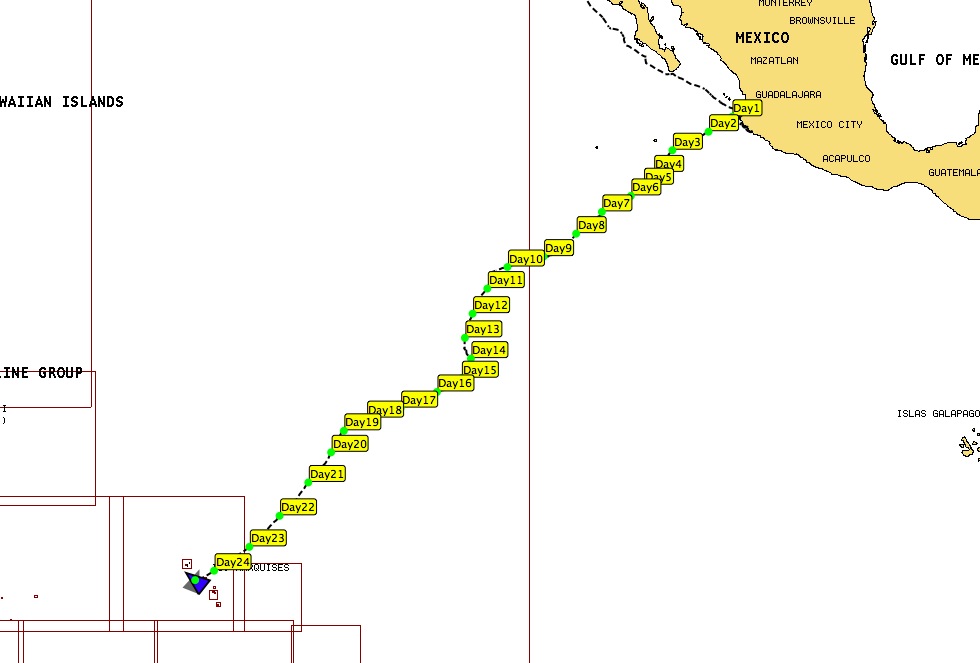
Day 18 finds Syzygy having crossed the ITCZ and within a day of the equator. For the last 500 miles they have been sailing nearly due south in order to cross the ITCZ as efficiently and quickly as possible. Now that they are in the southern trade winds, they should be able to make straight for the Marquesas.
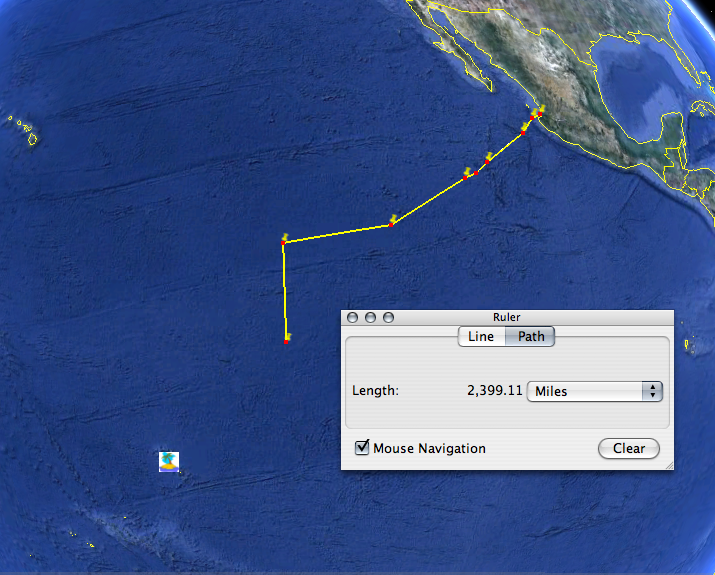
Matt and Karen have been at sea now for 17 days and have traveled 2400 miles. They have almost exactly 1000 more miles to go and so might be making landfall in about 7 days.
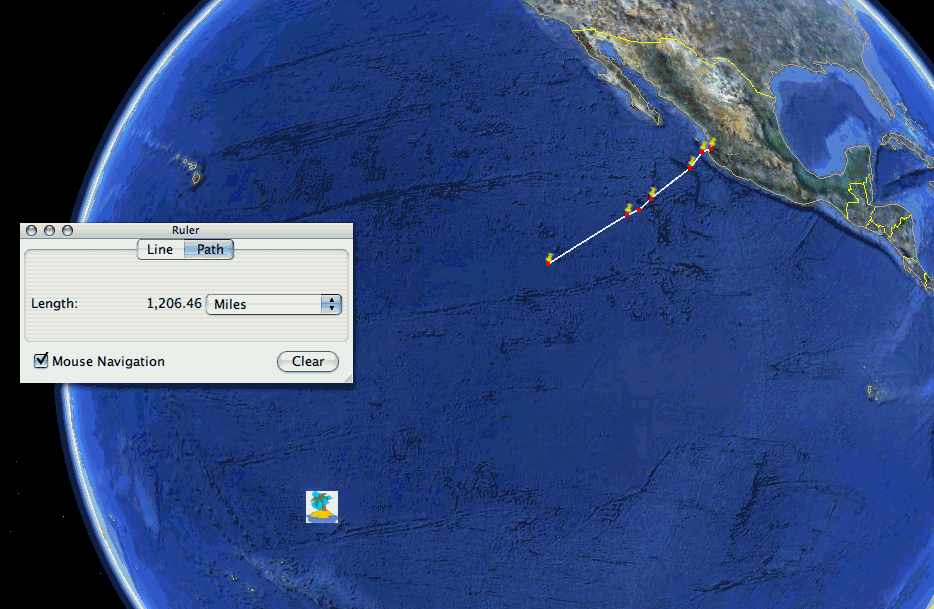
Ten days have passed since Matt and Karen left the Mexico coast on April 14th. The SPOT tracker lasted for nearly 700 miles, but the last way point from SPOT came on Tuesday, April 20th. This was expected, in fact I’m surprised it lasted that long. Karen’s mom has worked diligently on a way of communicating with Syzygy and managed a circuitous route. Right now, Vicki is in contact with some people who are land-bound and have a ham radio. Those people are able to contact s.v. Io, who are also crossing the Pacific, about 2 weeks in front of Syzygy. The crew aboard Io are Hyo and Mike who are awesome people. I met them when I was down in La Cruz, and Matt and Karen have become good friends with them. Hyo and Mike are then able to contact Matt and Karen over the pacific crossing SSB net that most/all sailors check in with daily.
So with the SPOT information and a couple of updates from Io, I’ve constructed the map below to show people how far they’ve gone. 10 days, 1350 miles. They should be turning more southerly soon and heading through the ITCZ, a band of still air that sits on the equator. Hopefully that won’t slow them down too much. They’ve still got 1900 miles to go!